
Can Cooking Benefit Your Mental Health?
Five ways home cooking supports your mental health, from a sense of accomplishment and creative expression to building patience and connecting with others.

Five ways home cooking supports your mental health, from a sense of accomplishment and creative expression to building patience and connecting with others.

Five ways to celebrate birthdays and milestones at home during lockdown, including video call parties, drive-by parades and booking an online experience.

Seven ways to beat cooking fatigue during lockdown, from online cooking classes and YouTube tutorials to recording family recipes and buying better tools.

Preheat the pan and your roast veg never need flipping. Twelve small habits like that, including an egg-yolk wash and a warm knife for cake.

Ten Valentine’s Day gift ideas for a partner who loves food, from a mini projector and breakfast tray to a Japanese knife set and Kintsugi plates.

Cook the same meal over Zoom, build a blanket-fort cinema, or graze a charcuterie board all day: ten ways to spend Valentine’s at home.

What ikigai means and how to find yours by listing your values, what you enjoy and what you do well, then living where the three overlap.

Five knife hacks for cleaner cutting, using the spine to scoop food, matching the knife to the task, and pinching the blade for control.

How to build a charcuterie board, choosing the board, then slicing meats and cheeses and arranging fruit, nuts, dips and crackers around them.

How to cook steak well and the mistakes that ruin it, from underseasoning and stabbing the meat to forgetting how thick a steak should be.

Nothing lasts, nothing is finished, nothing is perfect: how wabi-sabi turns wood’s uneven grain and quiet asymmetry into the whole point.

What turns soft maple into a handle that shrugs off water? Resin forced deep under pressure, leaving the burl dense, tough and waterproof.

The safest way to store kitchen knives with children around, weighing drawers, knife blocks and wall-mounted magnetic strips on safety and care.

Best-before is a suggestion; expiry is the one to obey, and leftovers go after four days. A step-by-step fridge reset that cuts food waste.

A practical timeline for hosting a dinner party, from the guest list two weeks out to lighting candles and pouring water before guests arrive.

Why onions make you cry comes down to a sulphur compound that turns to acid near your eyes, plus tricks like a fan, freezing and cutting the root.

Twelve kitchen tools worth owning, starting with two good knives and a sharpening stone, then a wooden spoon, scissors, pans and a saucepan.

Sake, a knife set forged by the same methods as 1,000-year-old katanas, a sushi kit and brass chopsticks. Ten Japan-inspired gifts for him.

Kintsugi tableware carries a message: mend the break in gold and show it off. That, plus nine more Japan-inspired gifts for her.

Rockwell 58-65 steel against Europe’s 52-56, a 15-degree bevel instead of 20, and a blade hammered light enough to draw toward you.

Most kitchen gifts get used once, then forgotten. These eleven don’t, from a Sakai Kyuba knife set to an Aomori Hiba cutting board.

Four ways to stay safe with kitchen knives, keeping them sharp, using a large wooden board, and choosing a knife that fits your hand.

Seven everyday habits that quietly wreck your knives, including the dishwasher, air drying, drawer storage and scraping the board with the edge.

Personal habits that trip up foreigners in Japanese business, from handshakes and nose-blowing to small talk that the other side won’t return.

How Japanese business meetings run, from seating by rank and tight timings to interpreters, confirmation calls and slides translated into Japanese.

A black suit with a white shirt reads as funeral attire in Japan. Seasonal suit colours, winter coats, and separate rules for men and women.

Carry 100 cards for a week in Japan, and never slide one across the table. Giving and receiving business cards without causing quiet offence.

How greetings and bowing work in Japanese business, where first meetings run formal and foreign executives are usually judged more leniently.

Ten storage ideas for cramped kitchens, from magnetic knife racks and cabinet-top bins to floating spice strips and islands with built-in drawers.
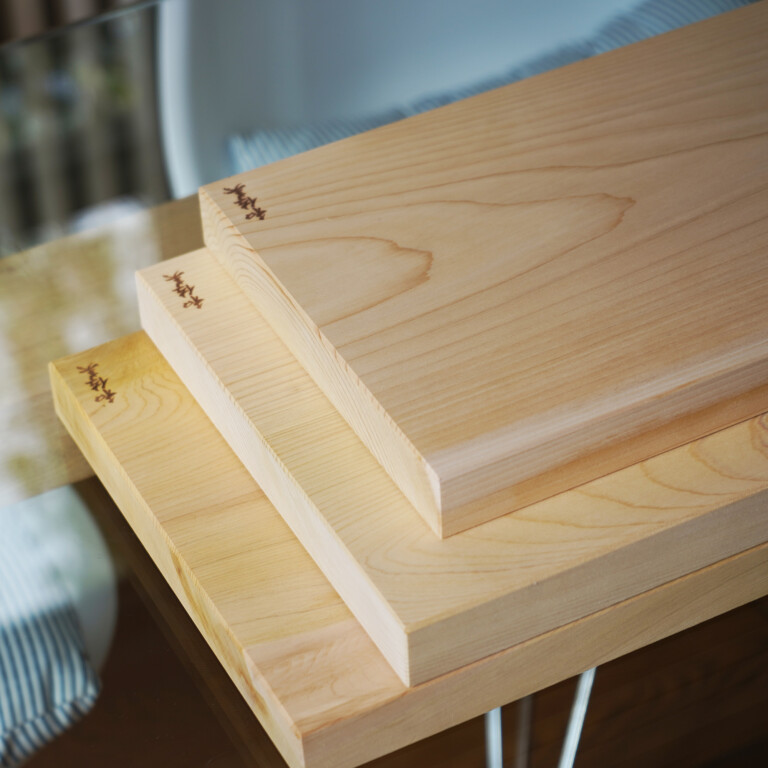
Why wooden chopping boards need oiling, and how mineral oil keeps them from drying, staining and cracking. Covers the what, how and when.
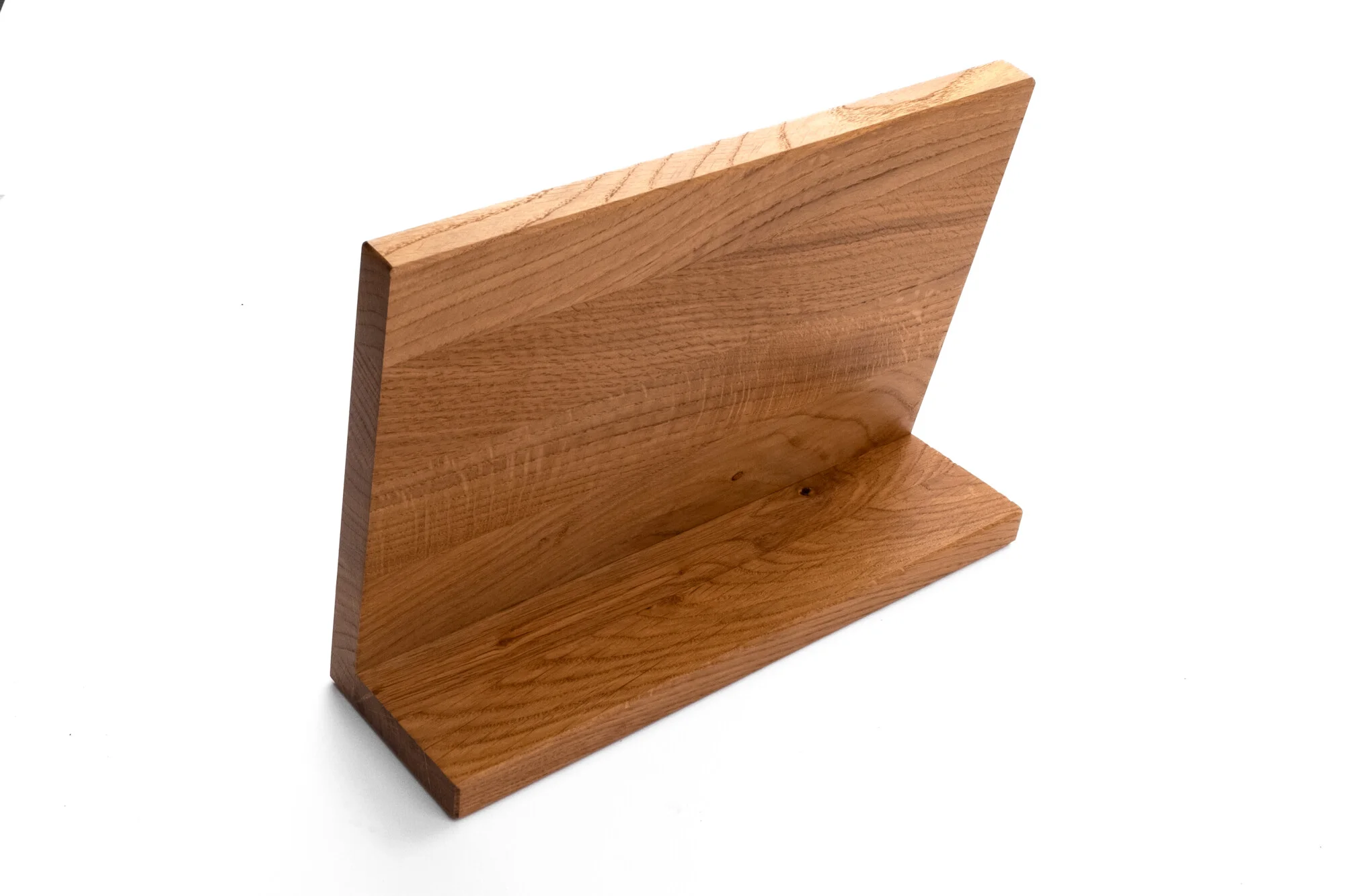
Five rules for caring for a Japanese knife, covering hand washing, the right cutting board, whetstone sharpening, and proper storage.
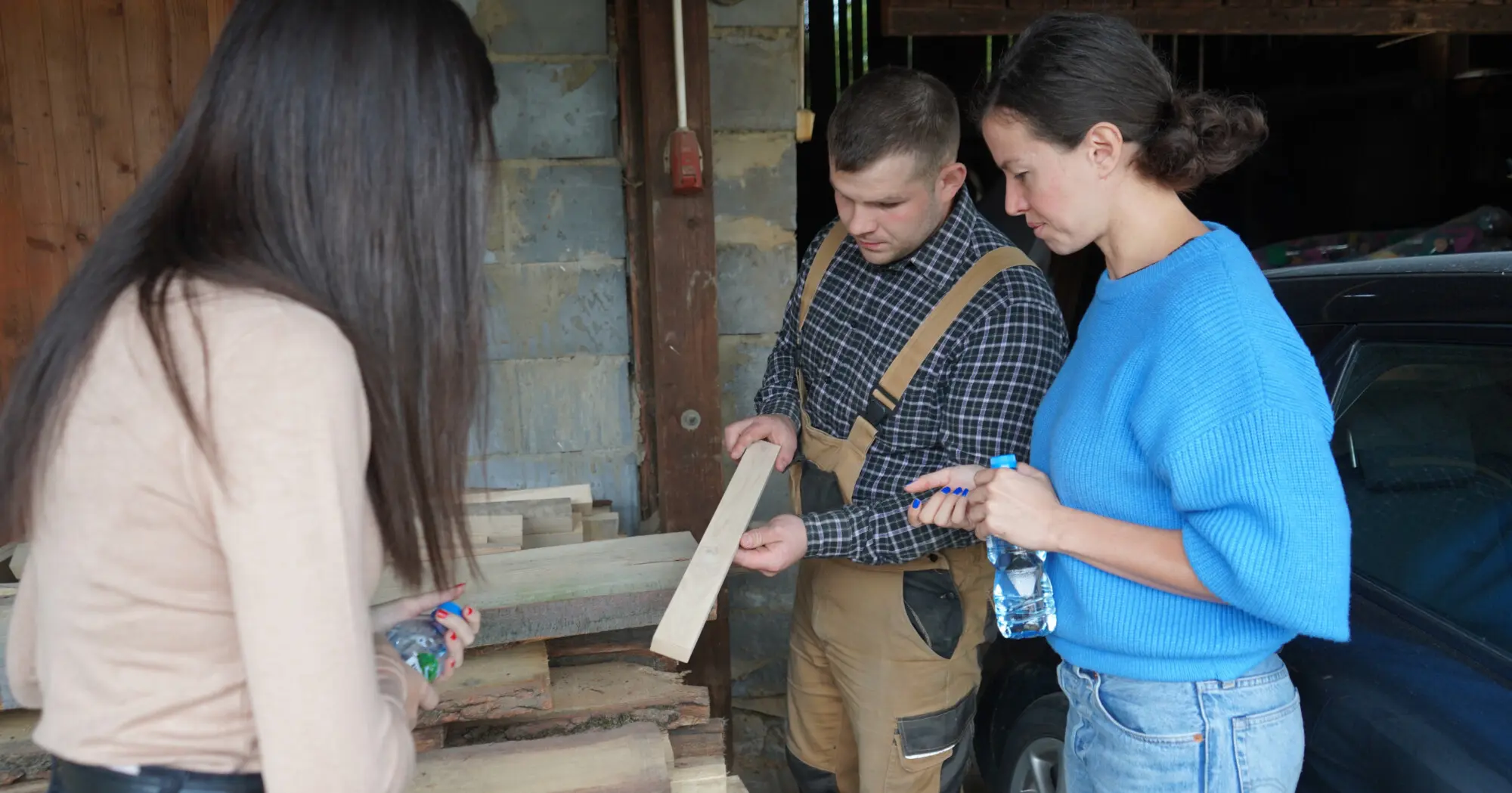
The story of Oishya, a brand born from trips to Sakai and Seki that works with Japanese workshops to make knives for European home cooks.
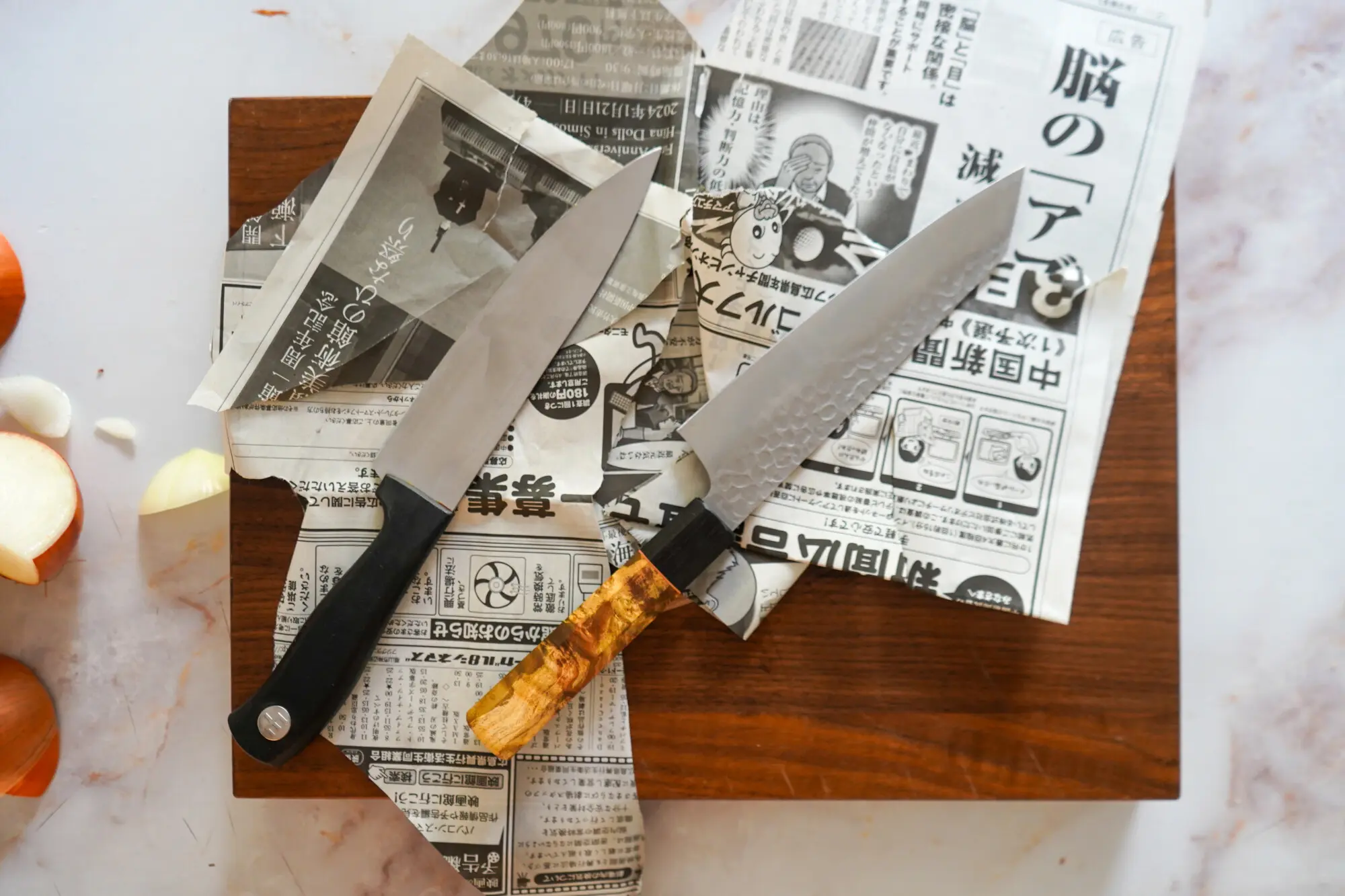
Ten kitchen gifts for summer 2026 cooks, from a Sakai Kyuba santoku and brass chopsticks to walnut cutting boards and a three-knife set.

Five rules for caring for a Japanese knife, covering hand washing, the right cutting board, whetstone sharpening, and proper storage.
The story of Oishya, a brand born from trips to Sakai and Seki that works with Japanese workshops to make knives for European home cooks.
Ten kitchen gifts for summer 2026 cooks, from a Sakai Kyuba santoku and brass chopsticks to walnut cutting boards and a three-knife set.