Cooking at home or eating out? A look at the real costs to your wallet, health and time, and when each choice genuinely serves you best.
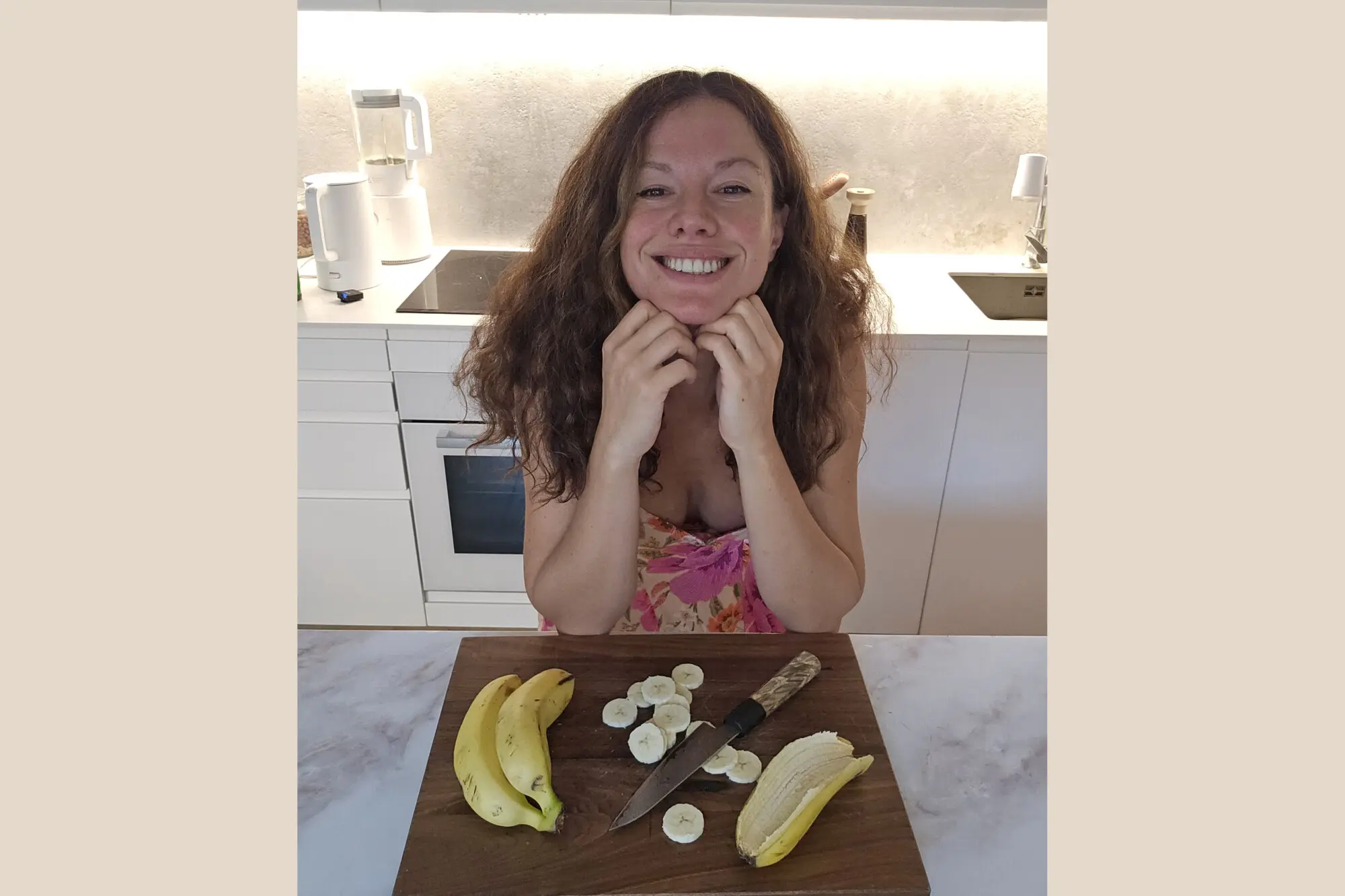

Cooking at home or eating out? A look at the real costs to your wallet, health and time, and when each choice genuinely serves you best.
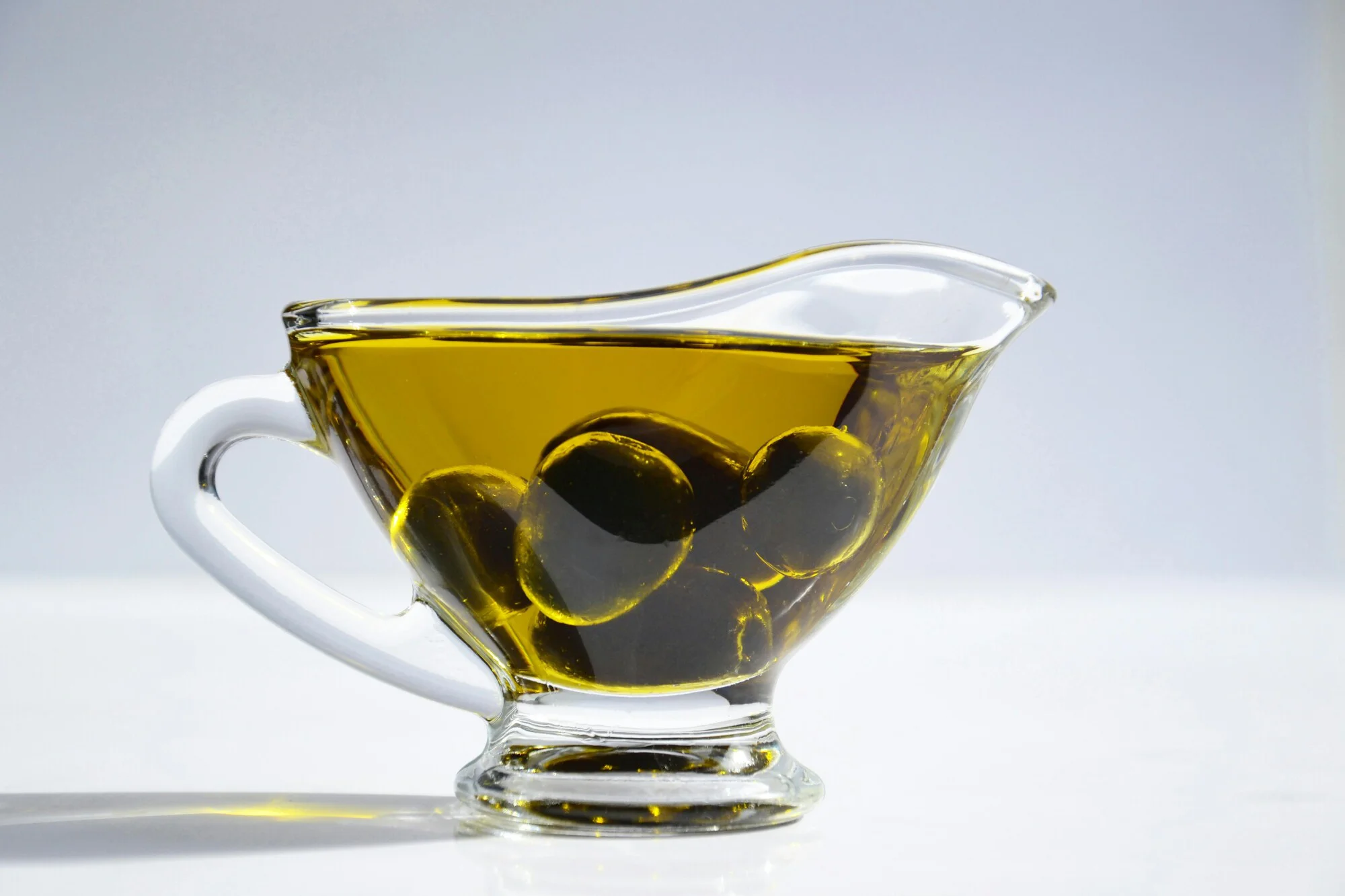
Not all fats are equal. Olive, coconut, avocado and canola oils sorted by smoke point and health profile, and which ones to leave on the shelf.
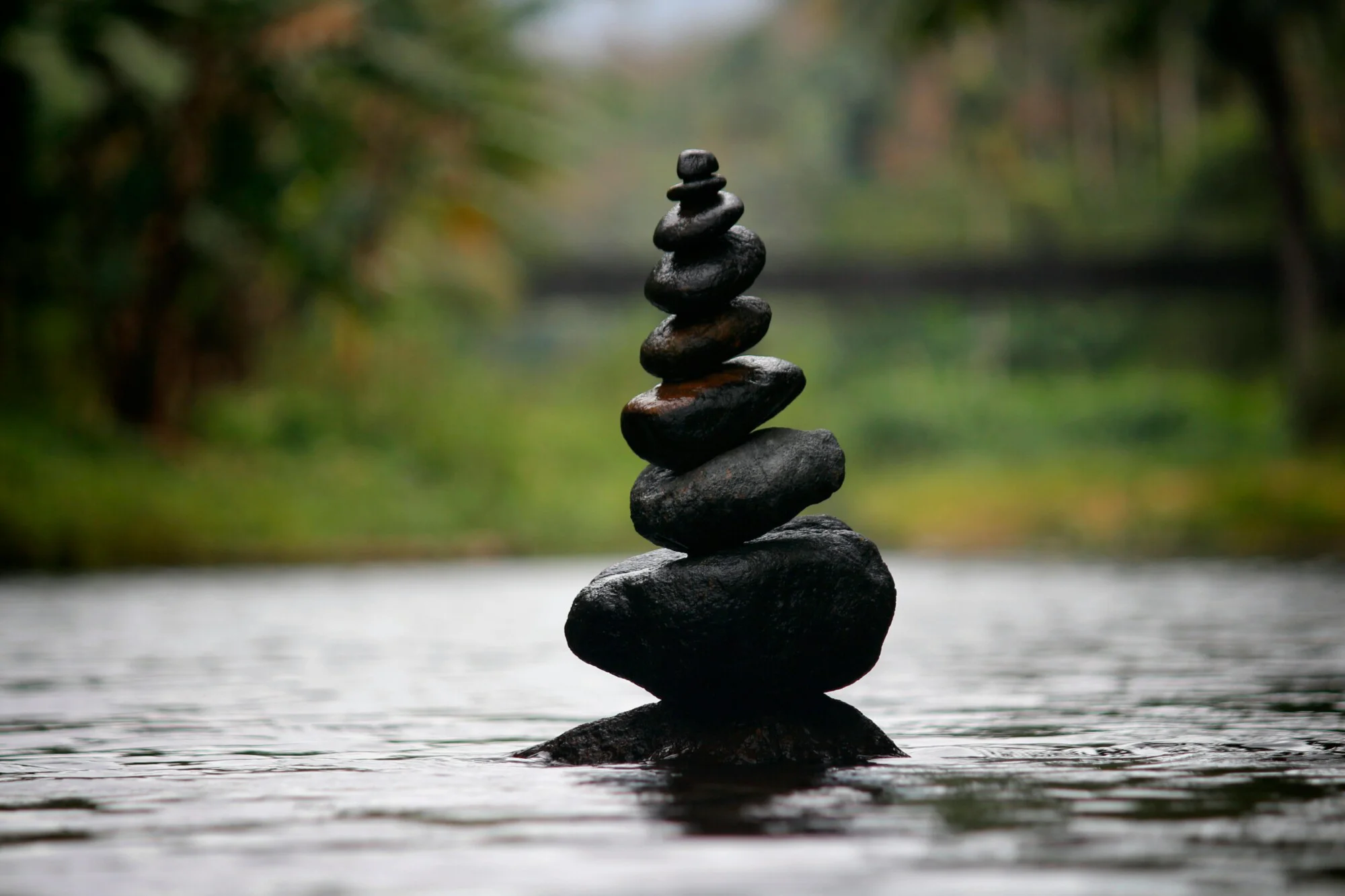
Nagomi is the Japanese idea of harmony and balance, applied to homes, relationships, and meals. How the principle shapes a calmer everyday life.
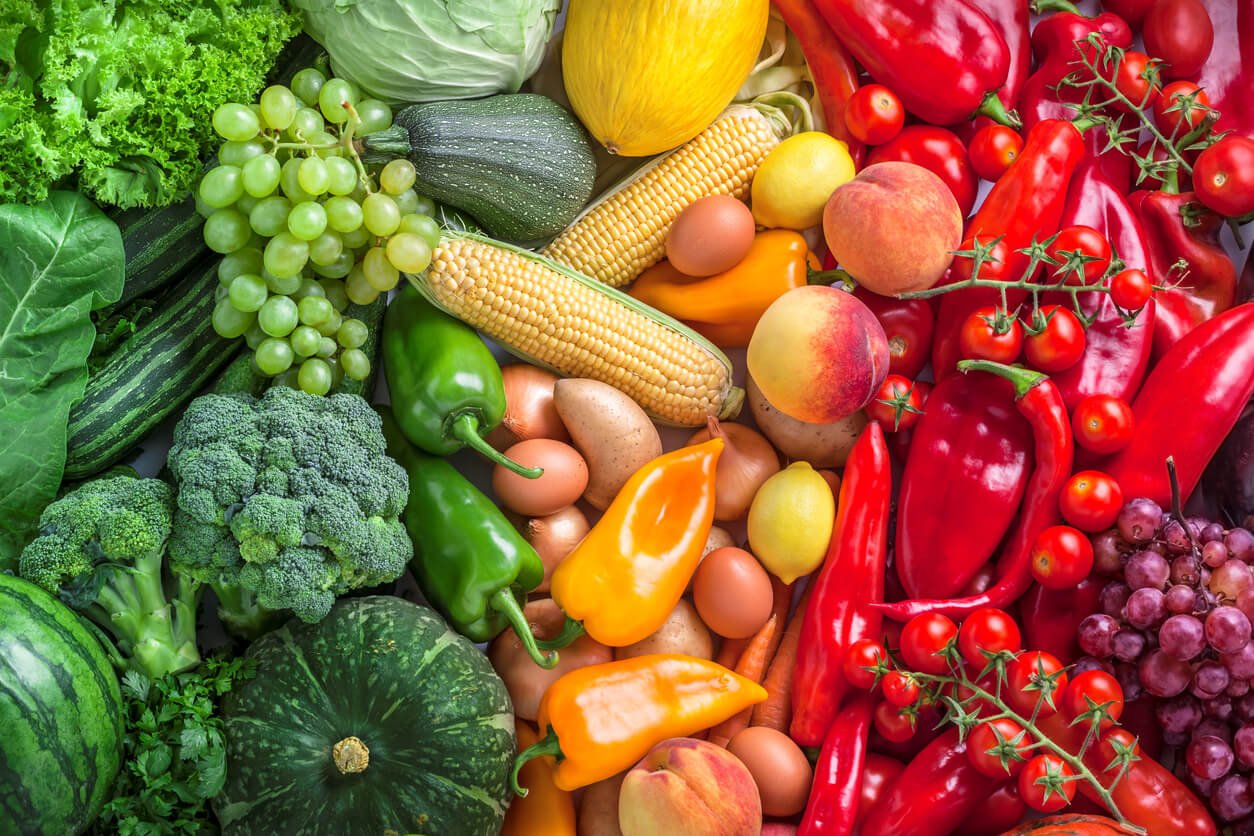
What food colour signals about flavour and nutrition, from chlorophyll and carotenoids to flavonoids and betalains in fruits and vegetables.

Five reasons cooking together as a family matters, from strengthening bonds and building knife skills to teaching responsibility and healthy eating habits.

21 practical low-waste tips for the kitchen and grocery shop, organised around the five R’s of zero-waste living: refuse, reduce, reuse, recycle and rot.
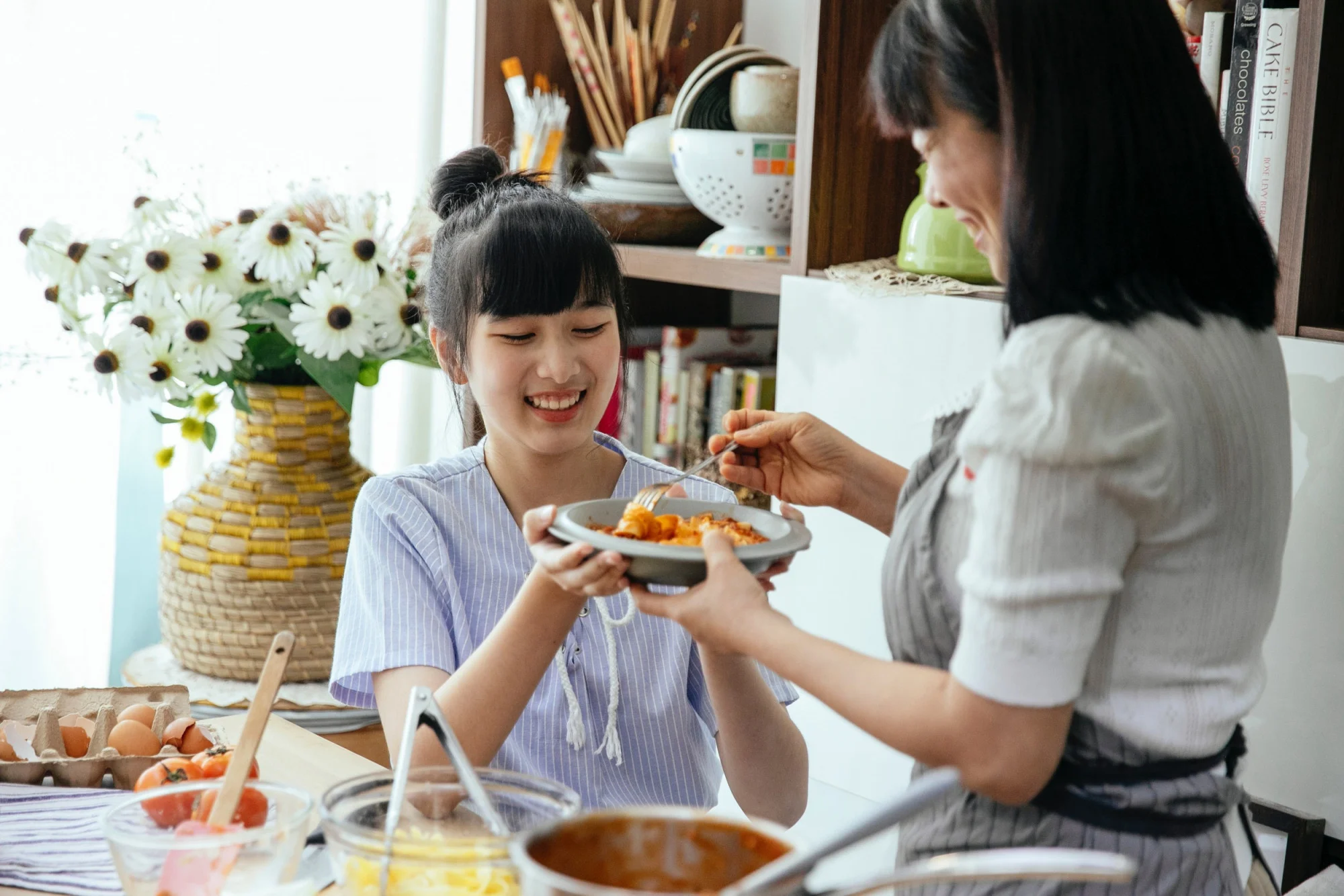
Five ways home cooking supports your mental health, from a sense of accomplishment and creative expression to building patience and connecting with others.
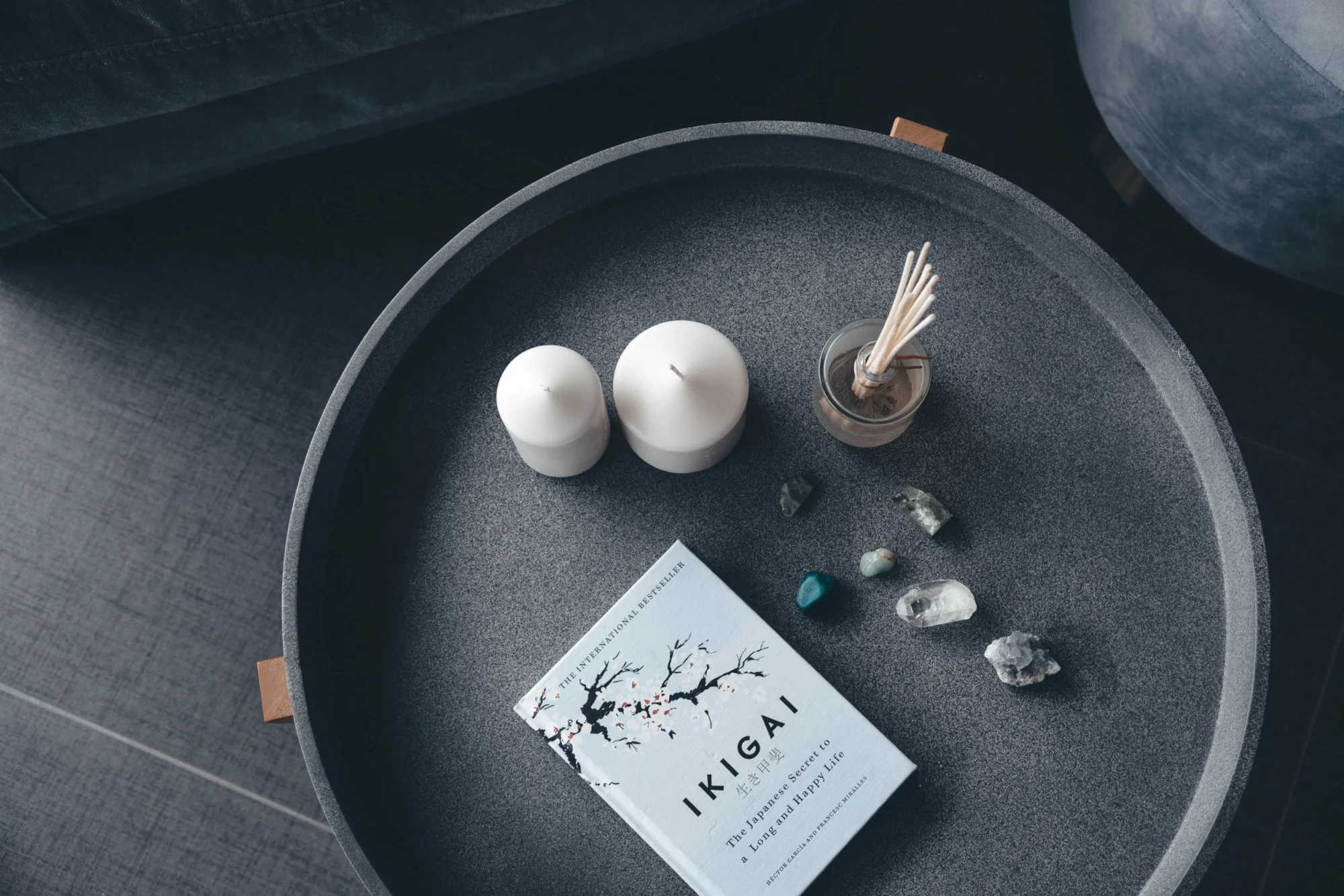
What ikigai means and how to find yours by listing your values, what you enjoy and what you do well, then living where the three overlap.
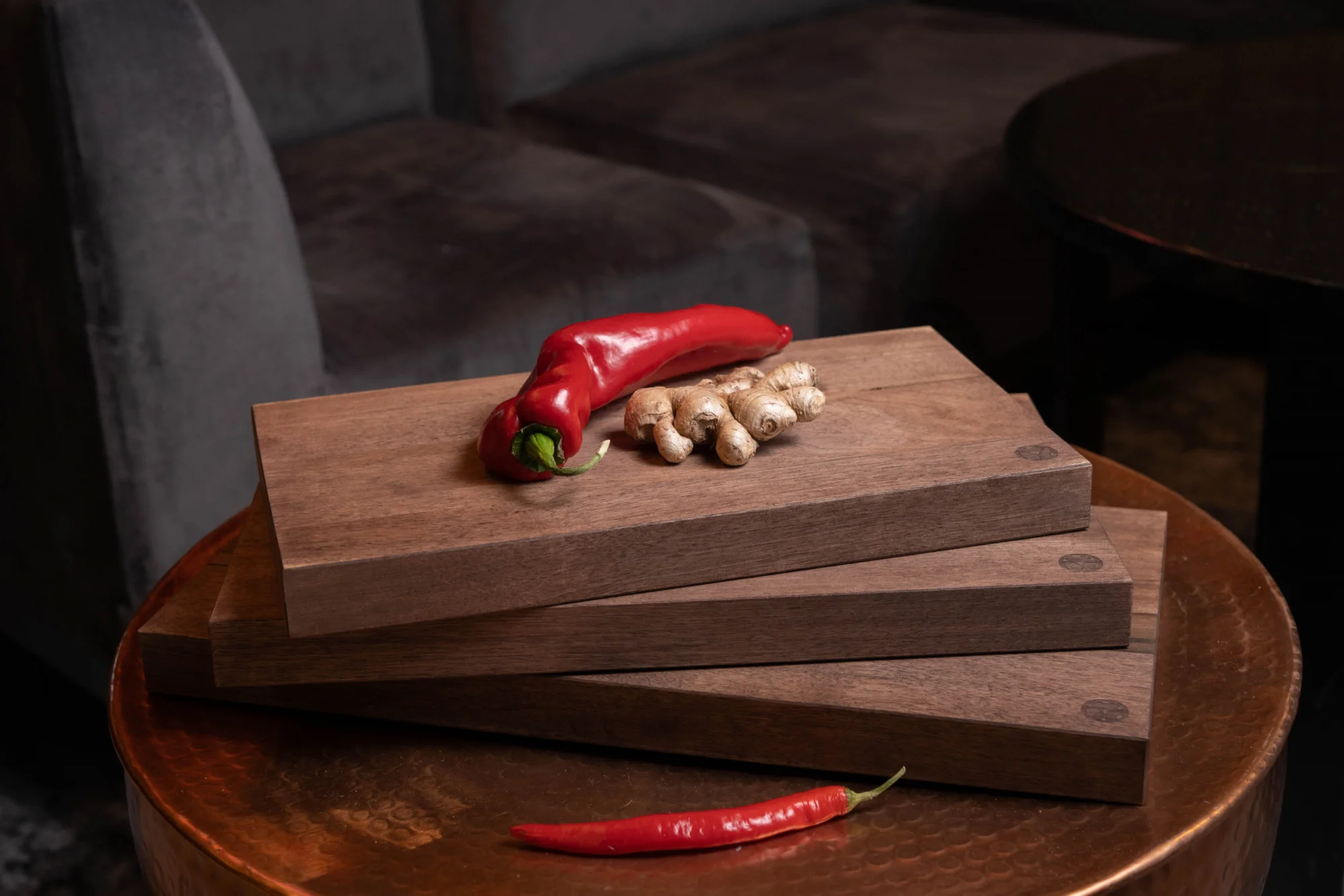
Nothing lasts, nothing is finished, nothing is perfect: how wabi-sabi turns wood’s uneven grain and quiet asymmetry into the whole point.
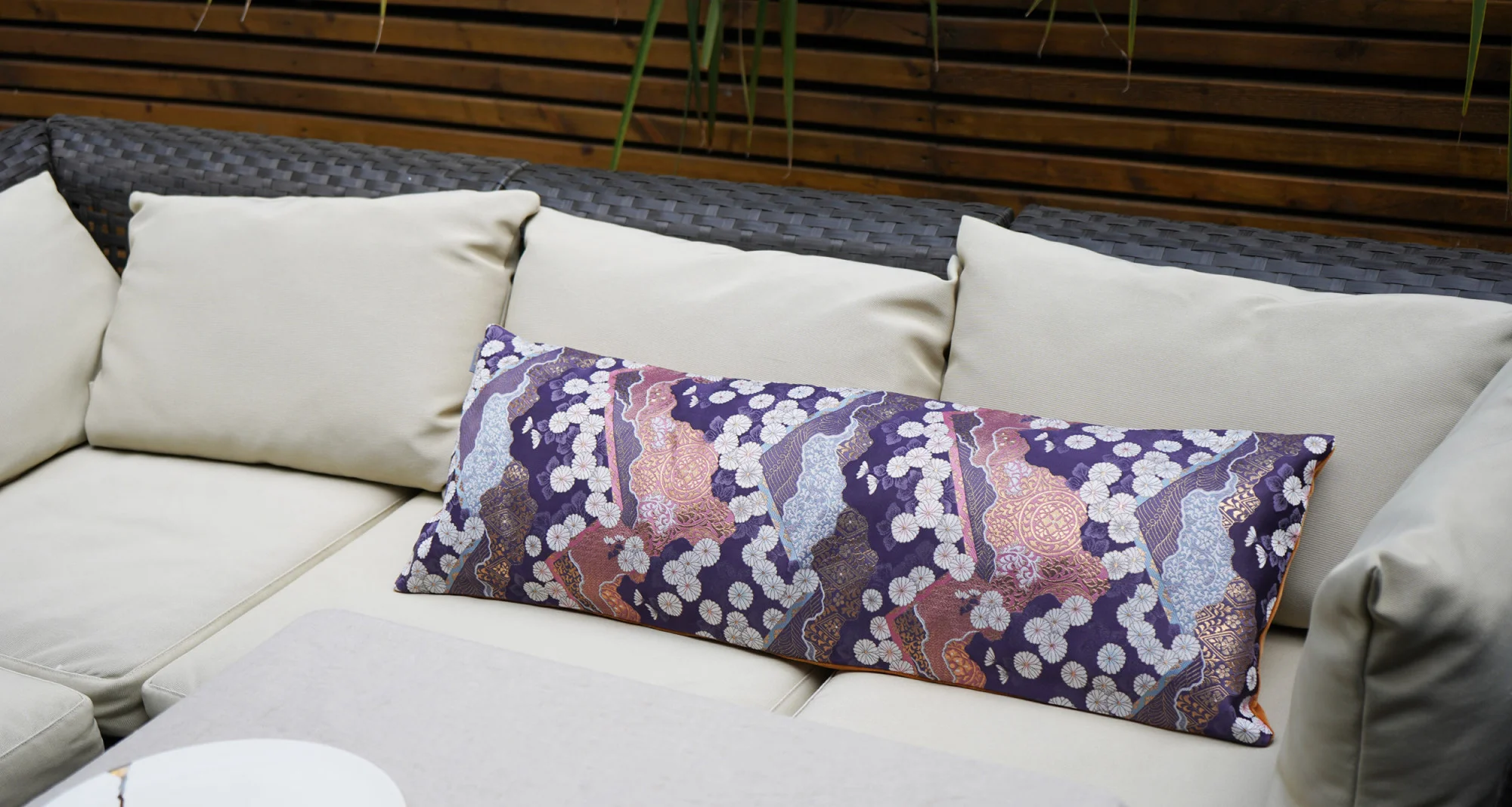
Why minimalist interiors help your wellbeing, tracing the idea from Lao Tzu and Confucius to Japanese danshari and Zen-influenced design.
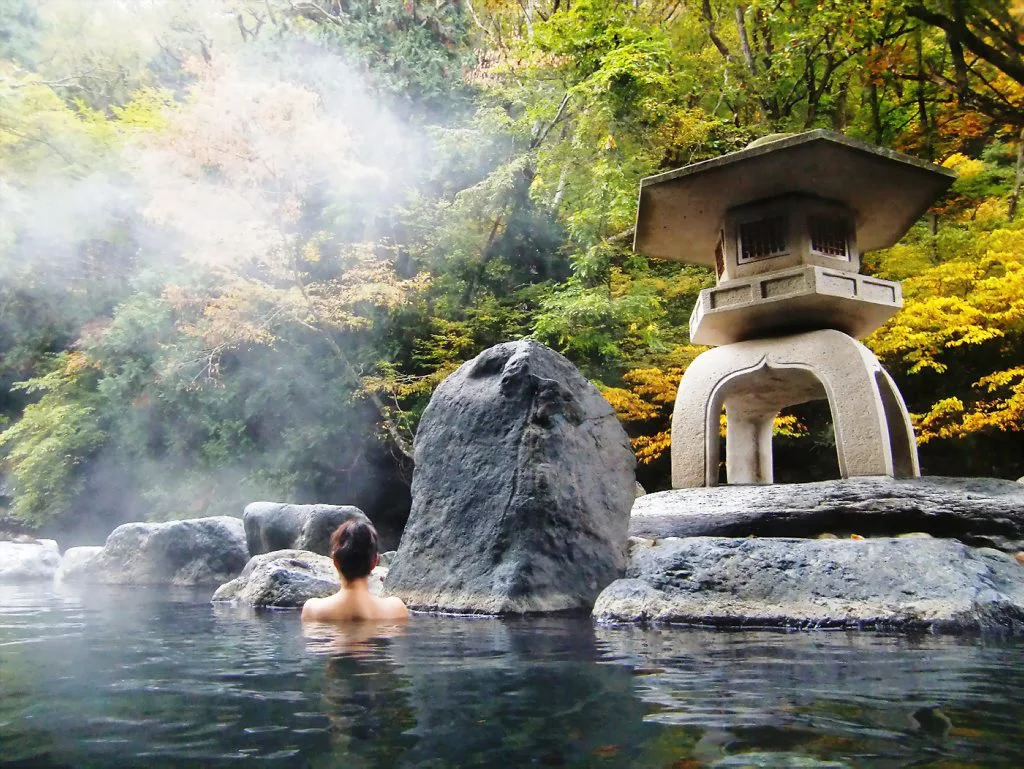
Japanese onsen are mineral-rich hot springs that ease stress and aid recovery, with a clear guide to bathing etiquette for first-time visitors.
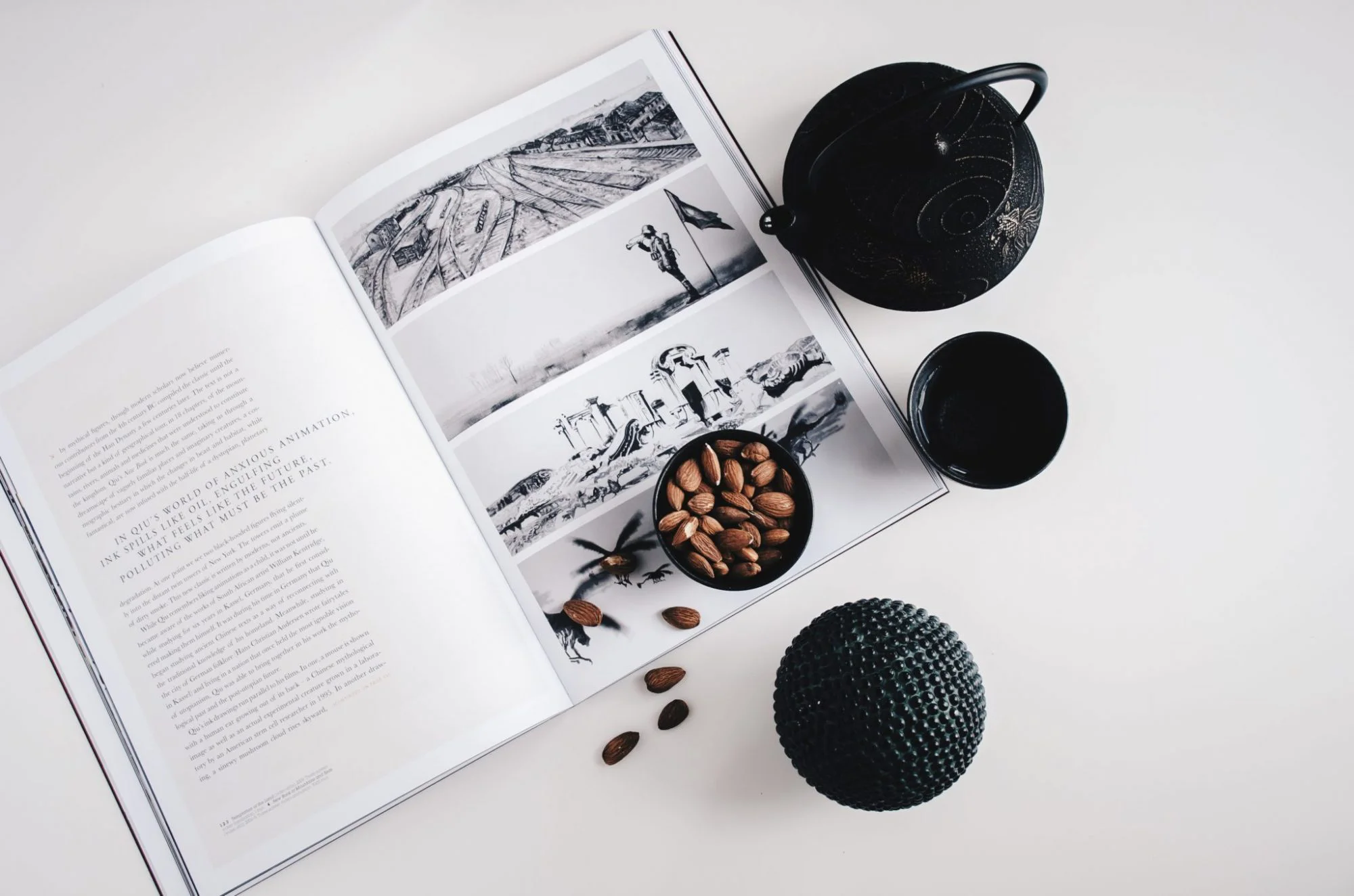
Fumio Sasaki owns 150 things and lives in 30 square metres. Danshari is Japanese decluttering measured by how your stuff makes you feel.
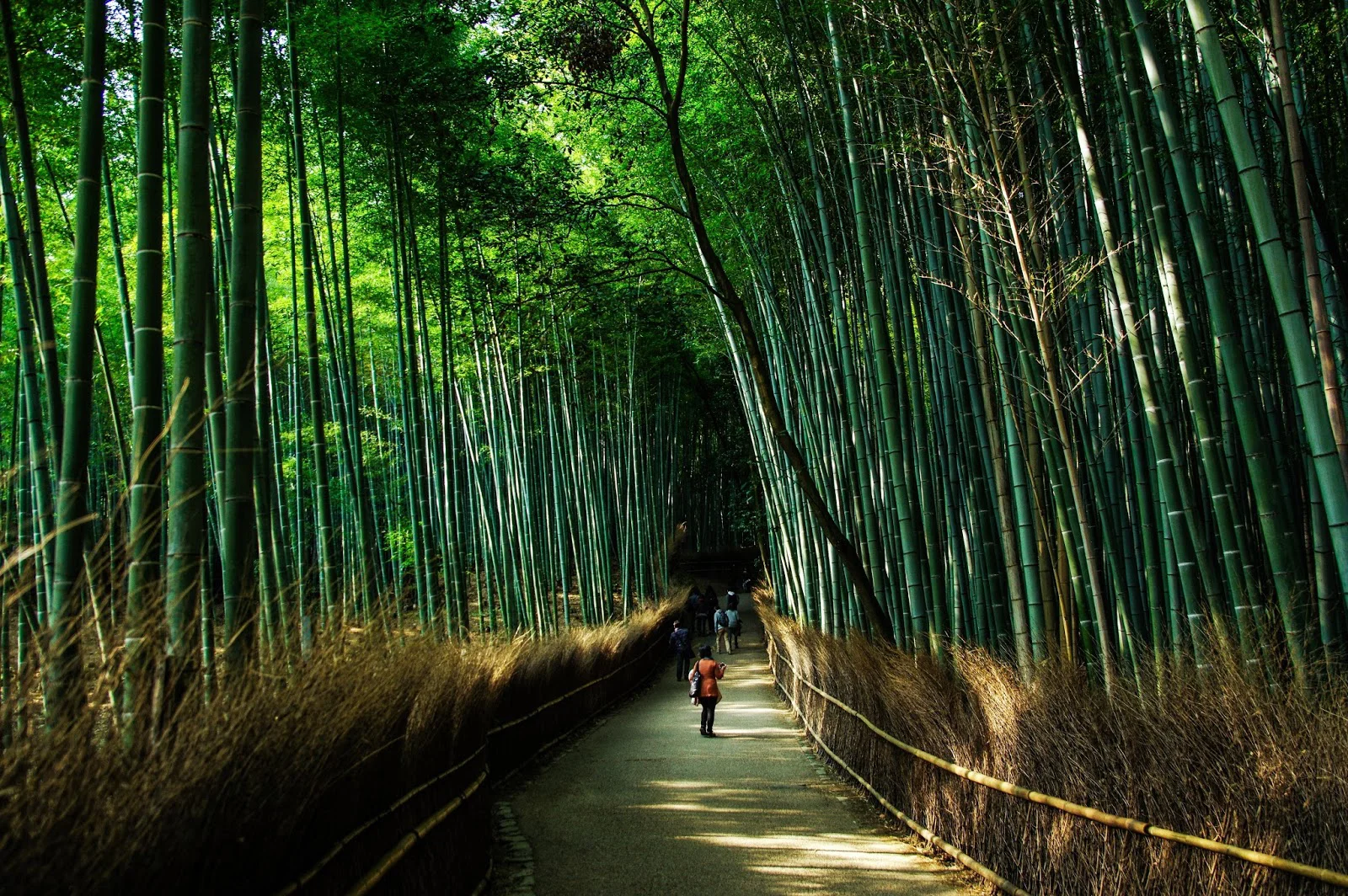
Why do Japanese and Scandinavian interiors look so alike? Six lessons on simple living, built around three materials: wood, stone and steel.