Start here
If you buy one thing.
A stone keeps the edge. A board protects it. A rack keeps it off other metal. In that order.
The stone
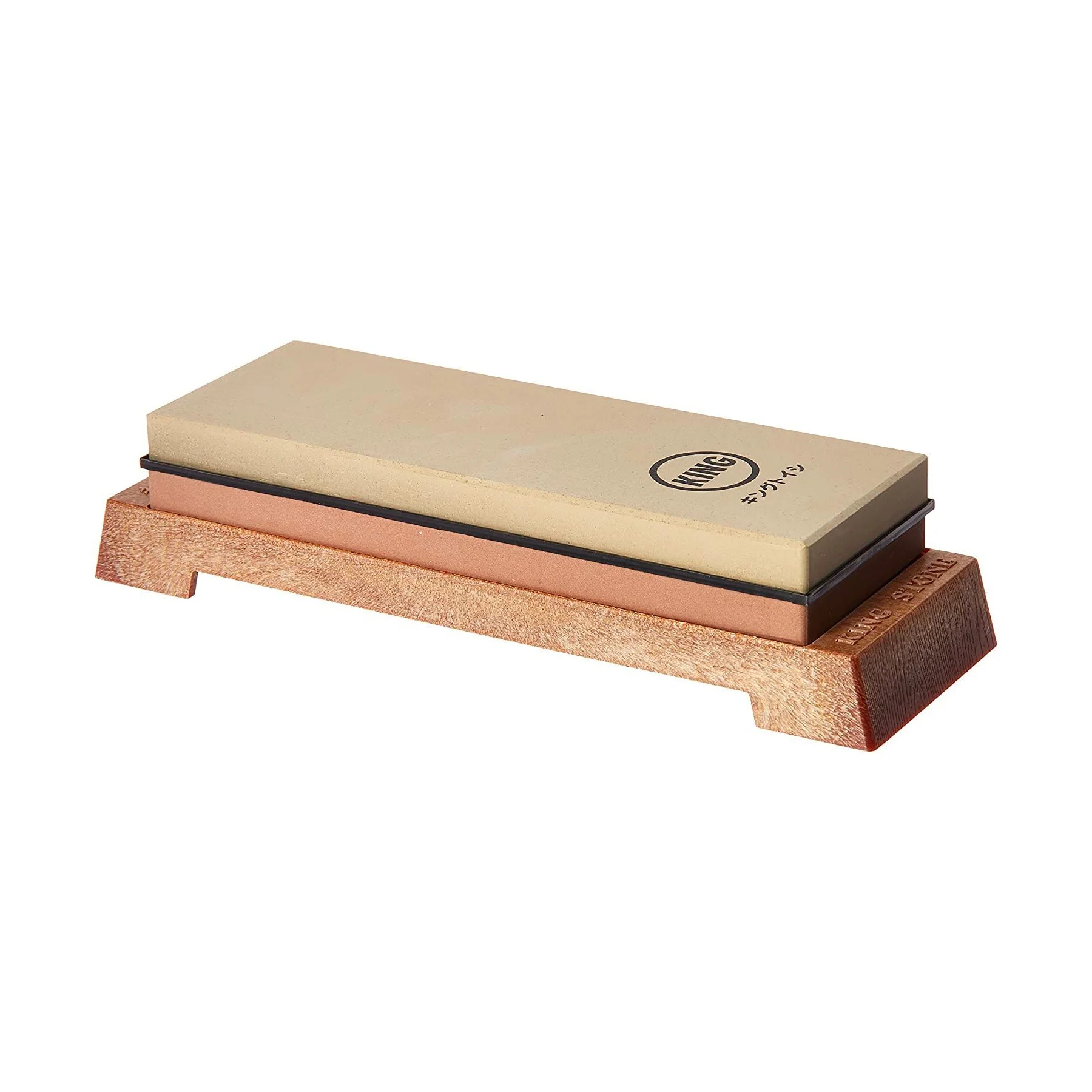
King KW-65 1000/6000 whetstone
$110Two grits in one block, 1000 and 6000. The routine touch-up and the finish, on the stone most cooks should own first.

The board
Aomori Hiba cutting board
from $103Hiba is soft enough to cushion the edge and naturally antibacterial. The cheapest way to stop blunting a knife you just sharpened.

The rack
Magnetic oak knife block
from $165Blades apart, off the drawer, off each other. Oak with a magnet strong enough to hold a gyuto.
Accessories
Sharpening stones
The edge comes back on a stone, not in a pull-through.
King KW-65 1000/6000 whetstone
$110Two grits in one block, 1000 and 6000. The routine touch-up and the finish, on the stone most cooks should own first.

King HT-65 PRO 1000/6000
$117The same two grits, denser and slower to dish. For anyone who sharpens often enough to notice.

King #800 coarse stone
$55The repair stone. For a chipped or badly neglected edge, before the 1000 does the real work.
Accessories
Cutting boards
Soft woods and end grain, chosen to take the impact instead of the edge.
Aomori Hiba cutting board
from $103Hiba is soft enough to cushion the edge and naturally antibacterial. The cheapest way to stop blunting a knife you just sharpened.

American walnut board
from $206Heavier, darker, and thick enough to stay flat. The one that lives on the counter.
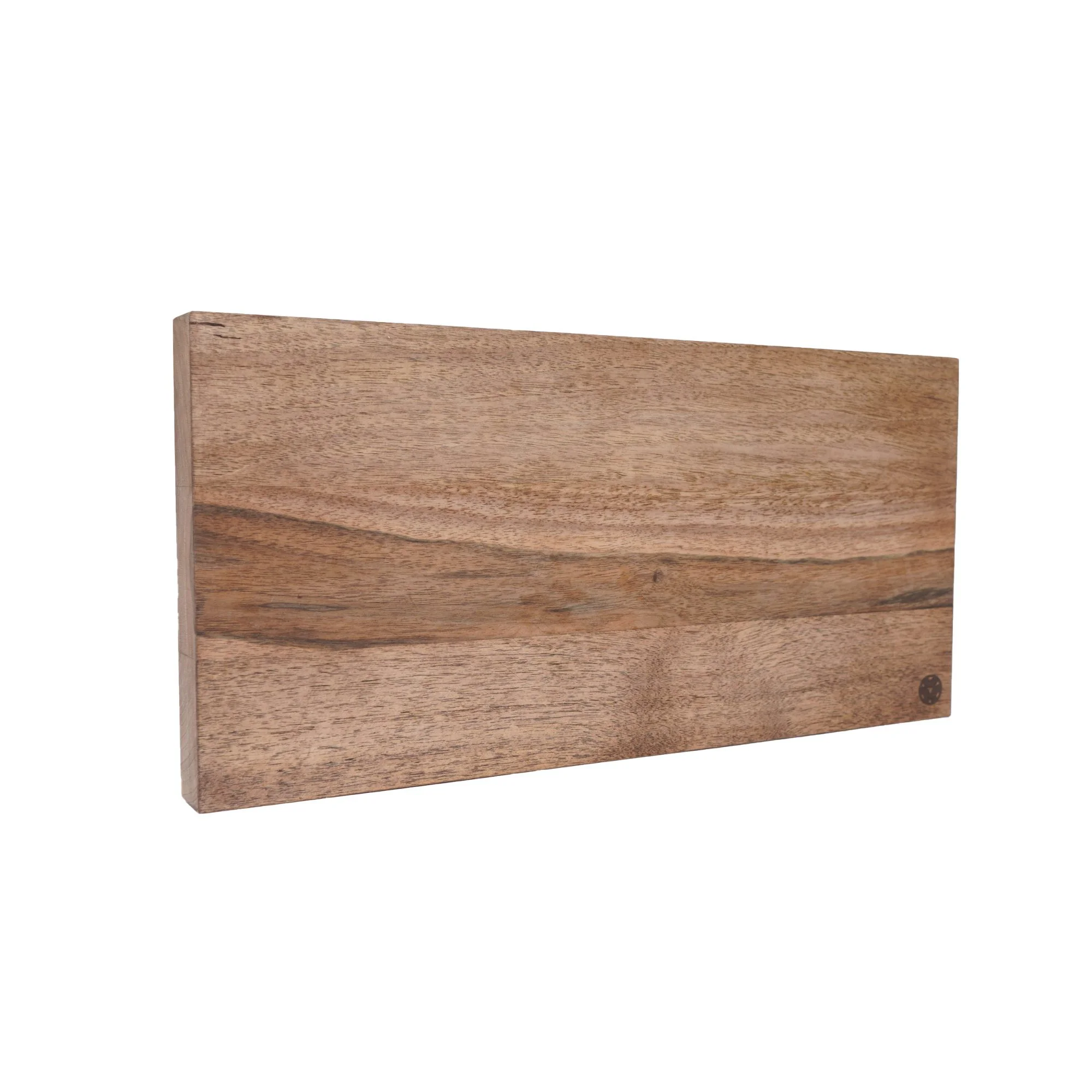
European walnut board
from $130Close-grained walnut with a hand-oiled finish. Kind to the edge, and quiet under the knife.
Accessories
Storage
Somewhere for a knife to live that is not a drawer.
Magnetic oak knife block
from $165Blades apart, off the drawer, off each other. Oak with a magnet strong enough to hold a gyuto.

Wall-mounted magnetic rack
from $192Fifty centimetres of oak and steel on the wall. Knives visible, and nothing touching.

Triple trivet stand
from $82Three nesting trivets in walnut or oak, for hot pans straight off the hob.
Accessories
Table linen
Stonewashed linen for the kitchen and for the table.

Kitchen tea towels, set of six
$96Stonewashed linen that actually dries a blade, in a set you can afford to keep using.

Linen kitchen apron
$103Stonewashed linen, cut long, softens with every wash. Natural or off black.

Stonewashed linen tablecloth
from $124The same linen, table sized. Two lengths, two colours.
Accessories
Tableware
Porcelain and brass, finished to sit beside the knife.