Five rules for caring for a Japanese knife, covering hand washing, the right cutting board, whetstone sharpening, and proper storage.

Five rules for caring for a Japanese knife, covering hand washing, the right cutting board, whetstone sharpening, and proper storage.
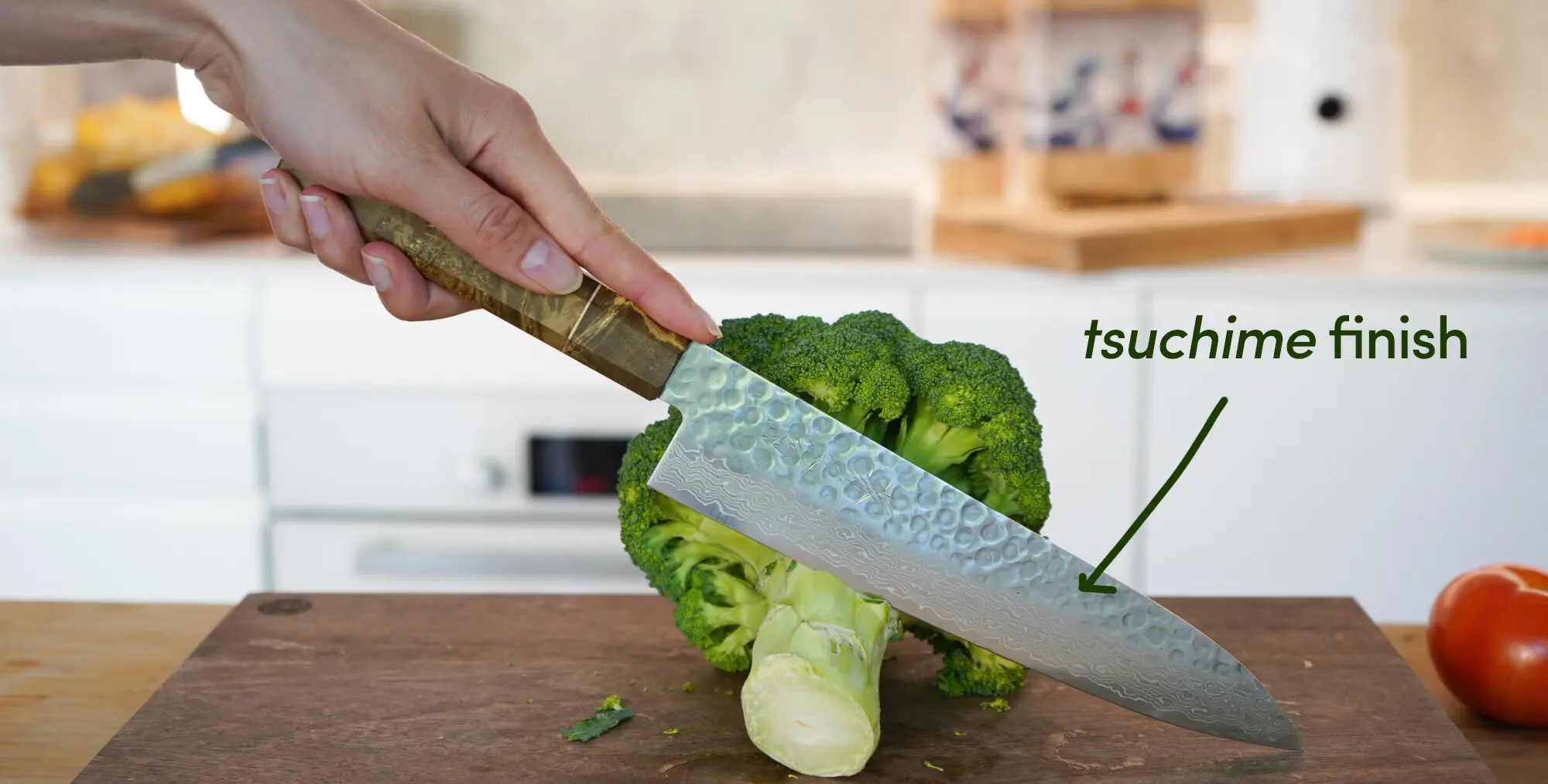
Caring for a Japanese knife, covering carbon versus stainless steel, Rockwell hardness, single and double bevels, whetstone sharpening and storage.

How to store sharp Japanese knives safely around young children, with practical storage habits, clear boundaries and age-appropriate teaching.
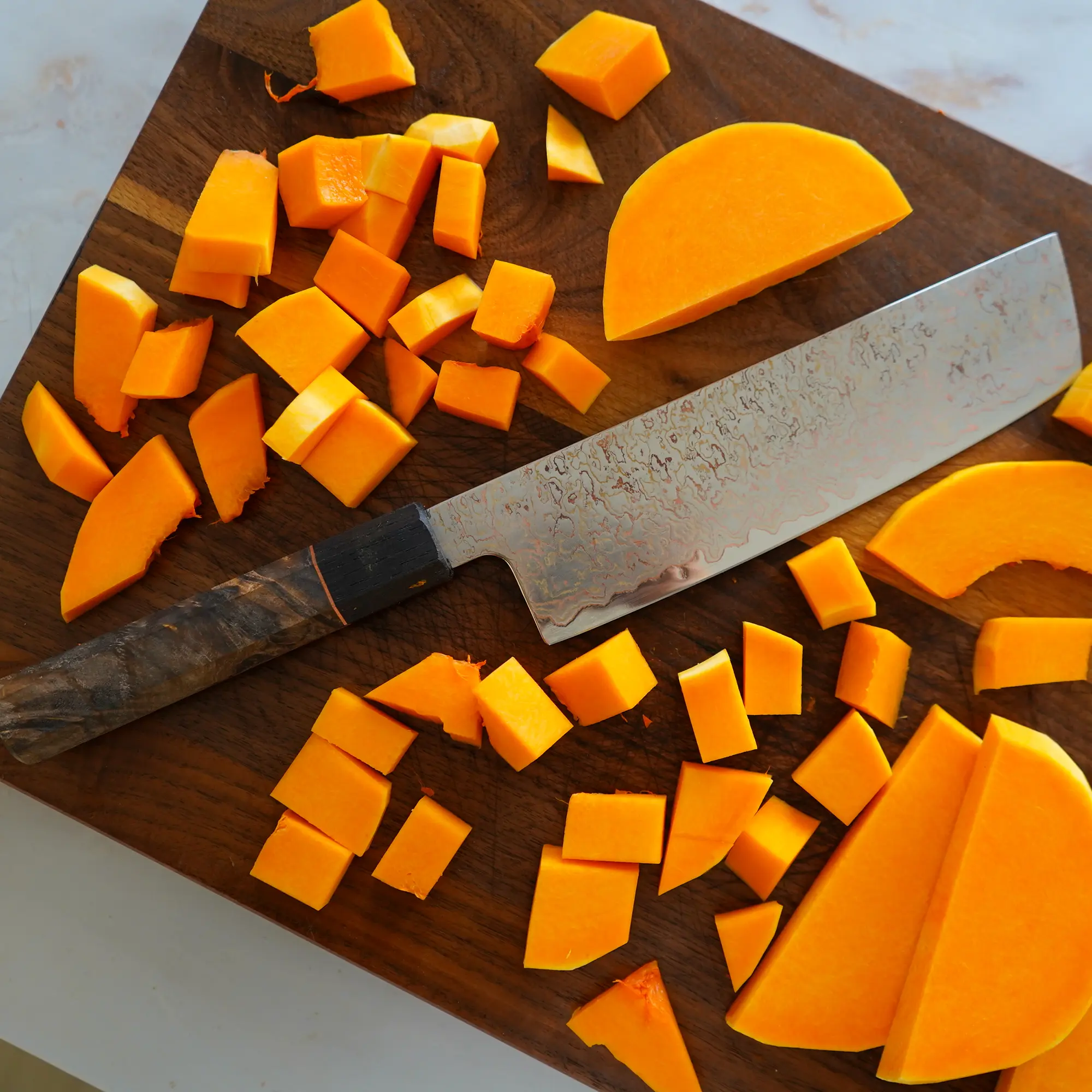
How Japanese chefs handle razor-sharp knives safely at home, from grip and stance to caring for reactive carbon steel and keeping food pristine.
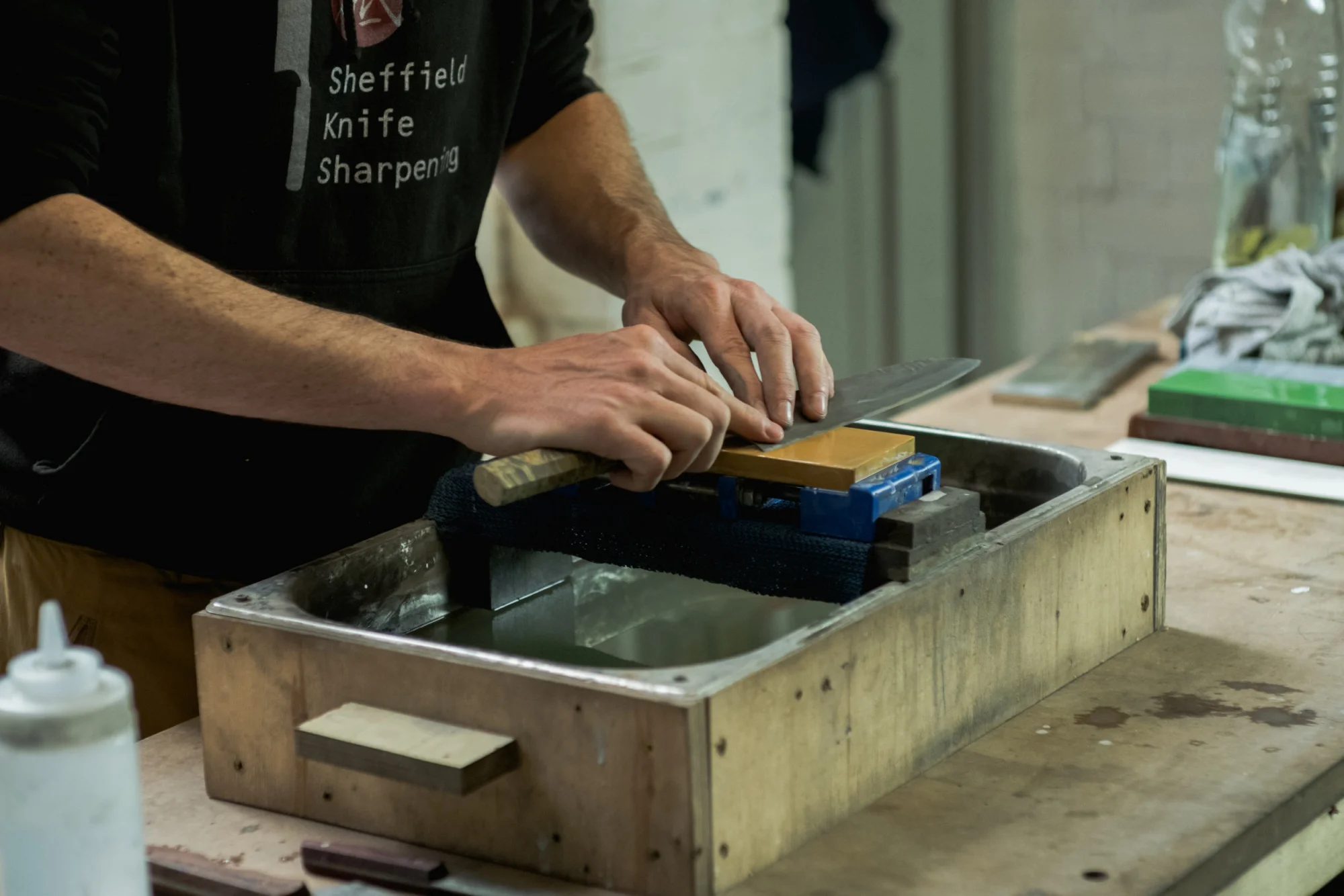
The swordsmiths called toko treated blade upkeep as sacred. How that reverence carries into whetstone work and today’s sharpening tools.
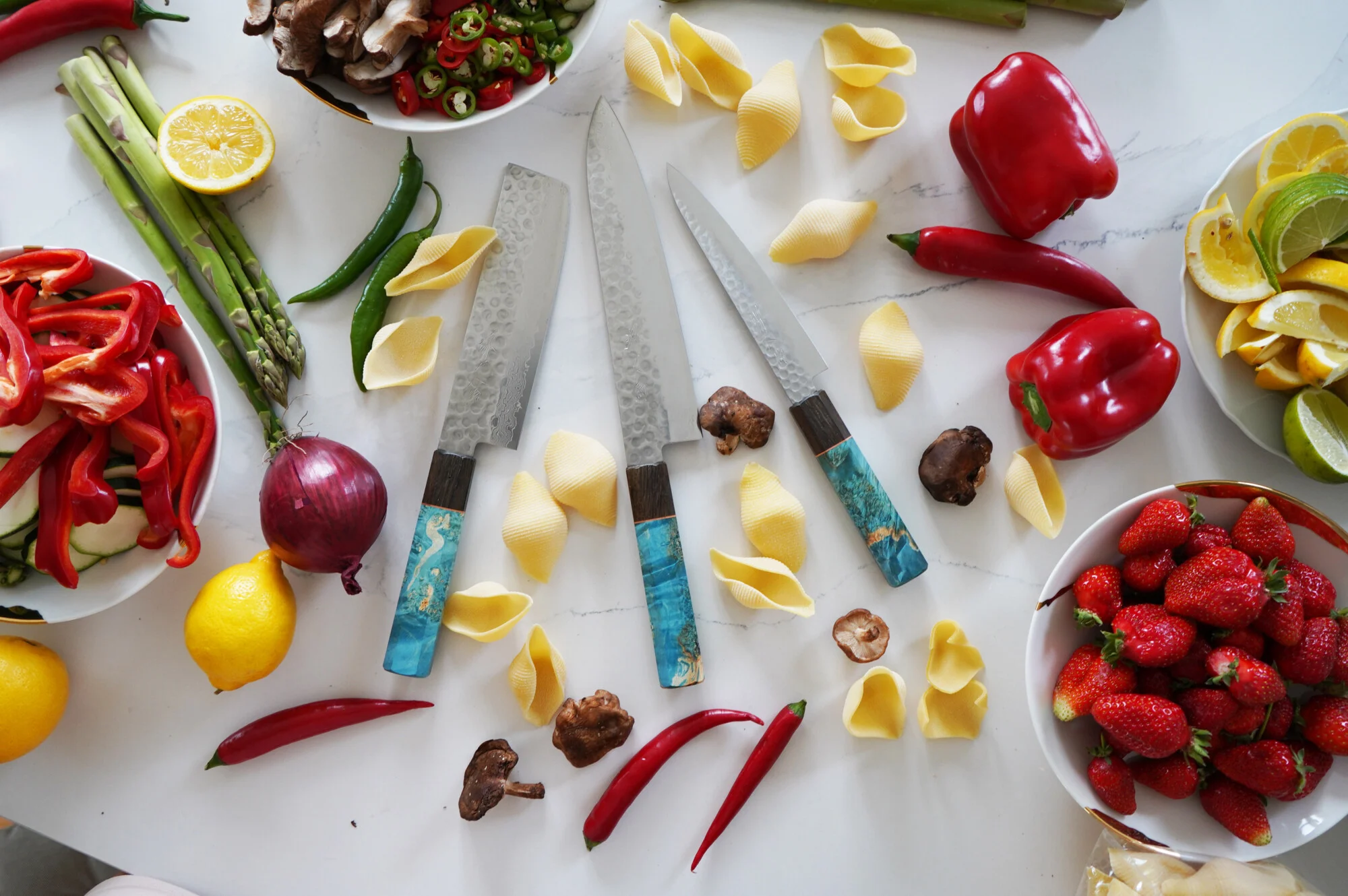
Some knives are past saving: an edge that won’t hold after sharpening, cracks or chips, a wobbling handle, rust in the steel. Four signs it’s time to let go.
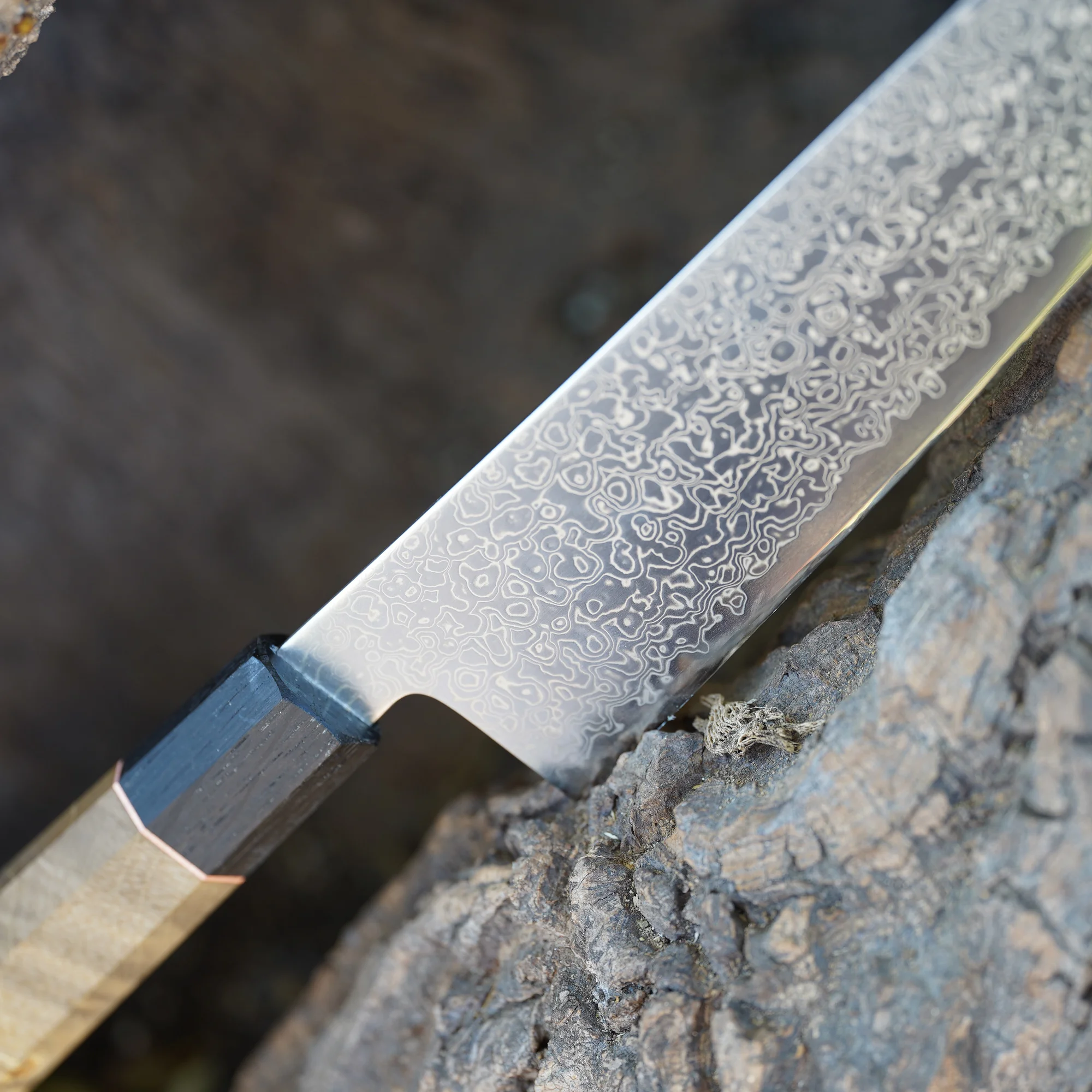
Never leave them wet. How to wash, dry and sharpen a Japanese knife, with a rundown of the Gyuto, Santoku, Nakiri, Deba and Sujihiki.
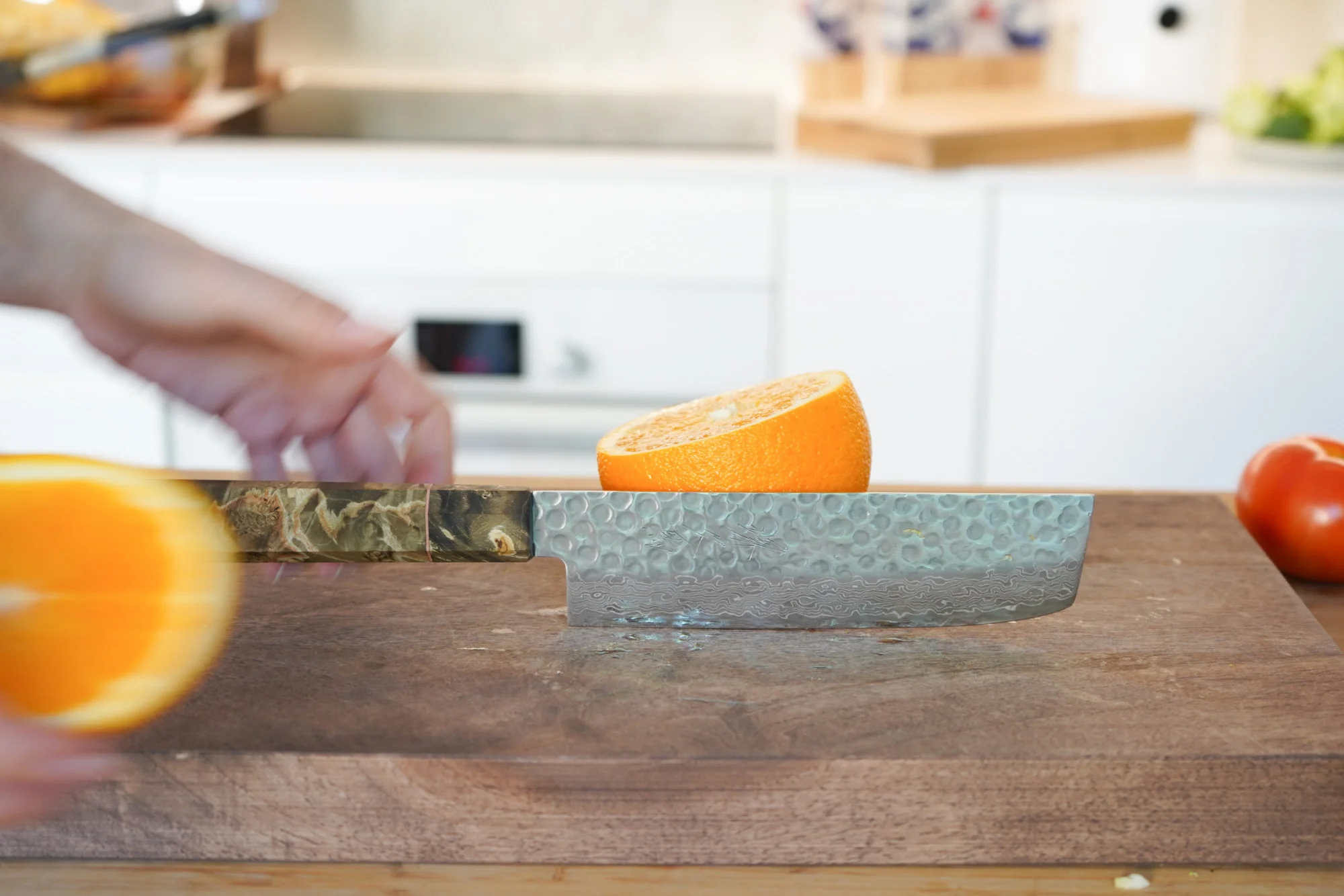
The three main ways to store kitchen knives safely around children, comparing drawer inserts, countertop blocks and wall-mounted magnetic strips.

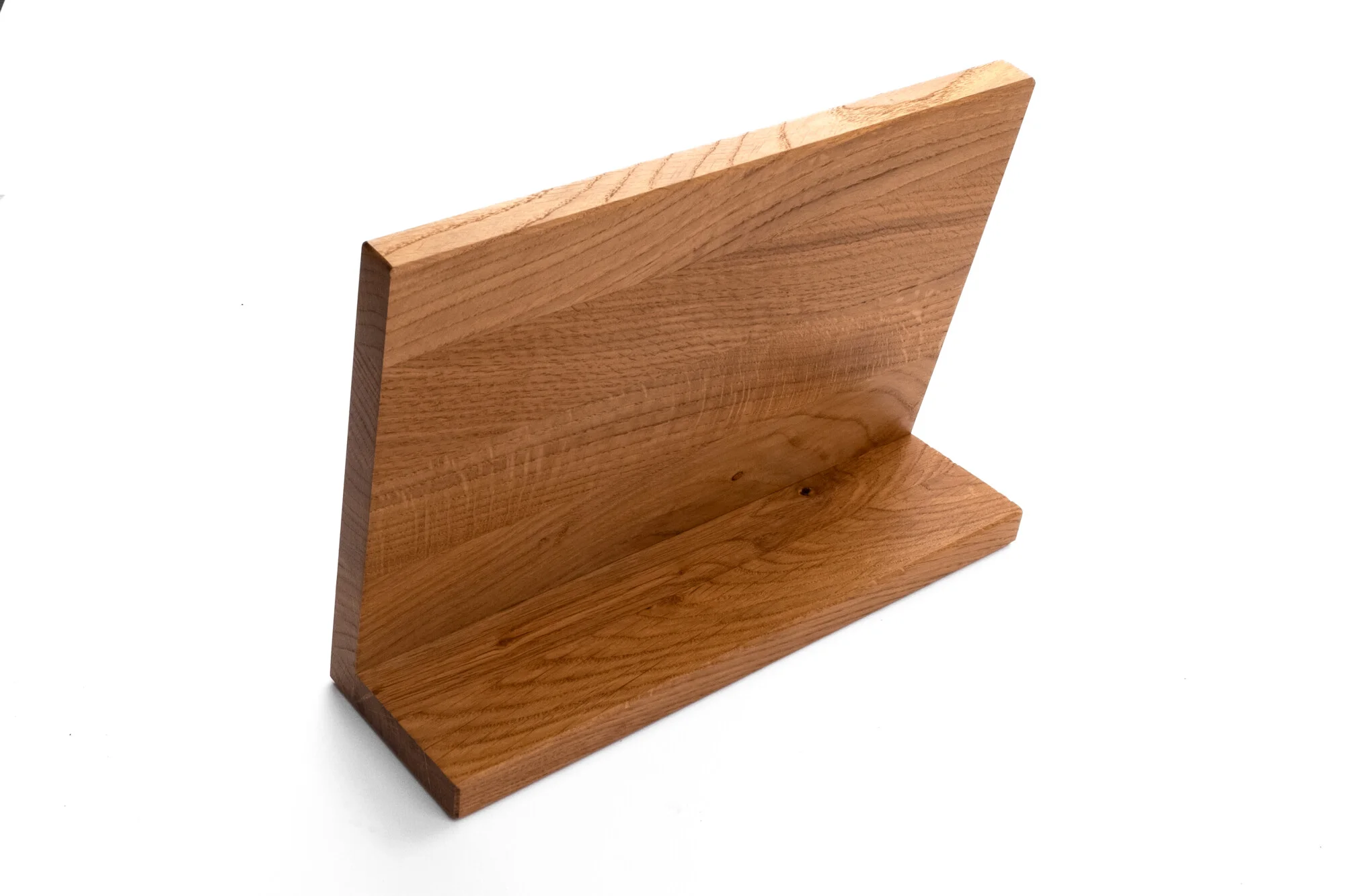
Chef Olivia Burt’s three tips for caring for Japanese knives: use a flat wooden board, store them on a magnetic rack, and never use the dishwasher.

The safest way to store kitchen knives with children around, weighing drawers, knife blocks and wall-mounted magnetic strips on safety and care.
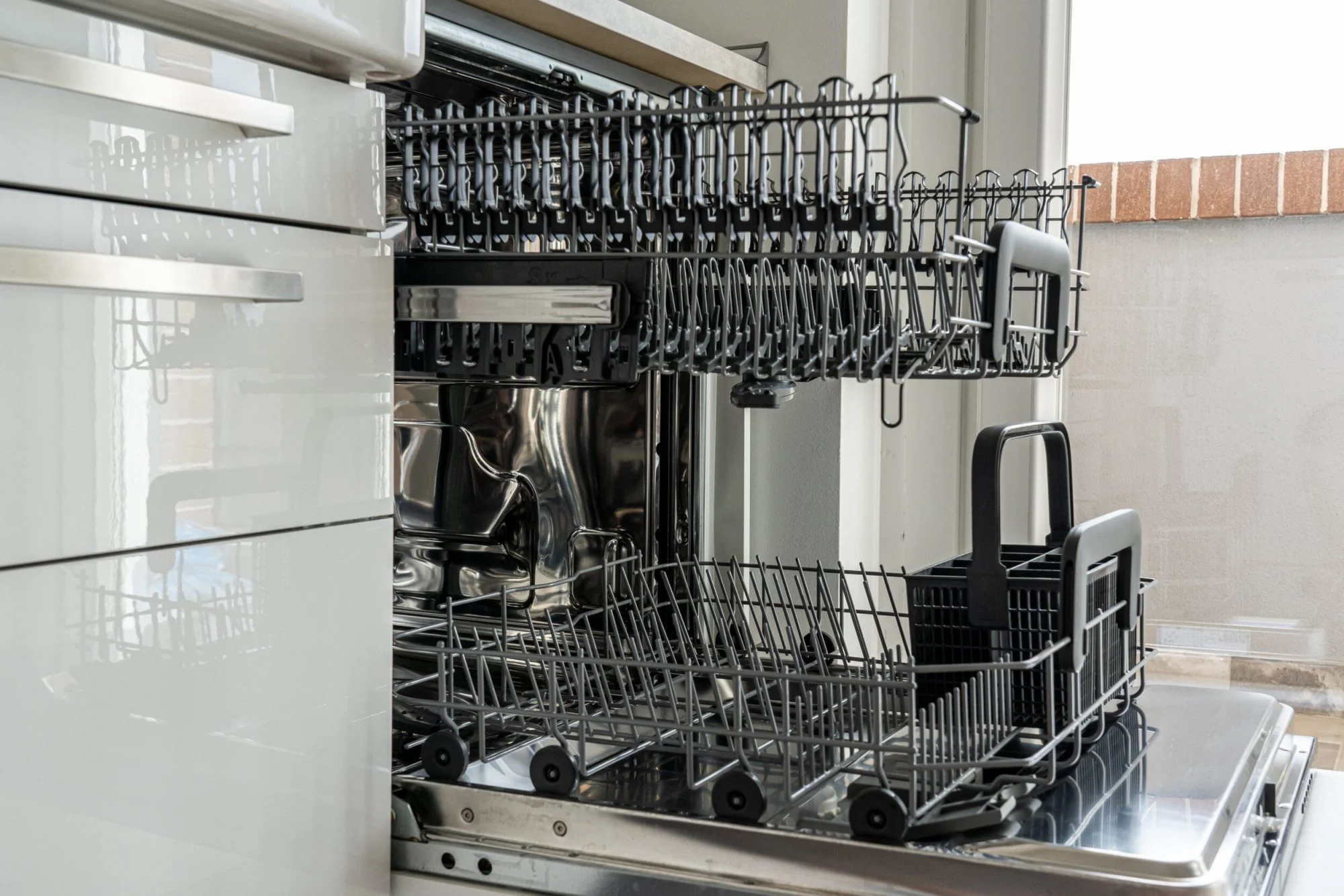
Seven everyday habits that quietly wreck your knives, including the dishwasher, air drying, drawer storage and scraping the board with the edge.
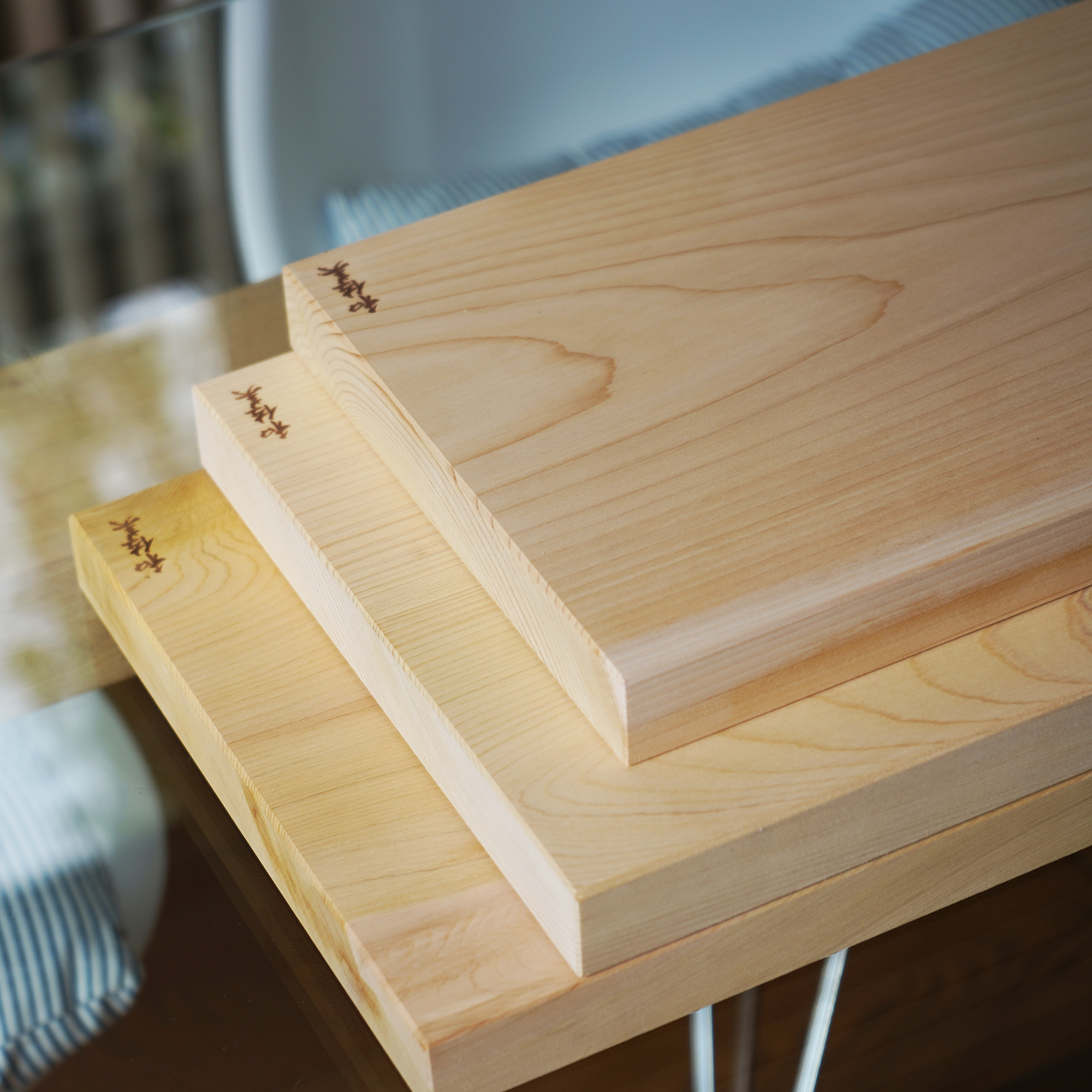
Why wooden chopping boards need oiling, and how mineral oil keeps them from drying, staining and cracking. Covers the what, how and when.
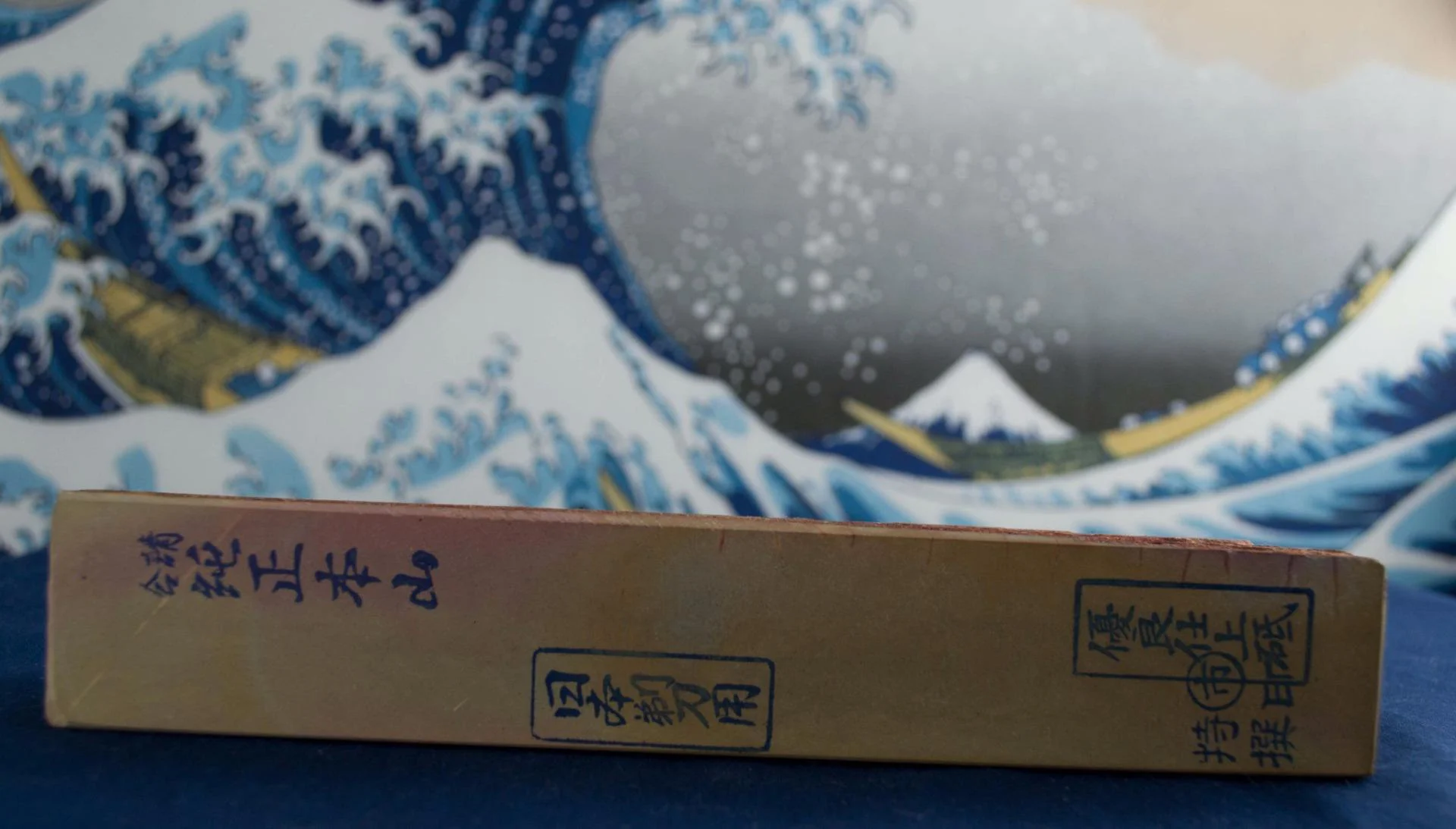
Which whetstone grit to use for Japanese knives, from coarse stones under 1000 for chips to 4000 to 8000 finishing stones for the edge.
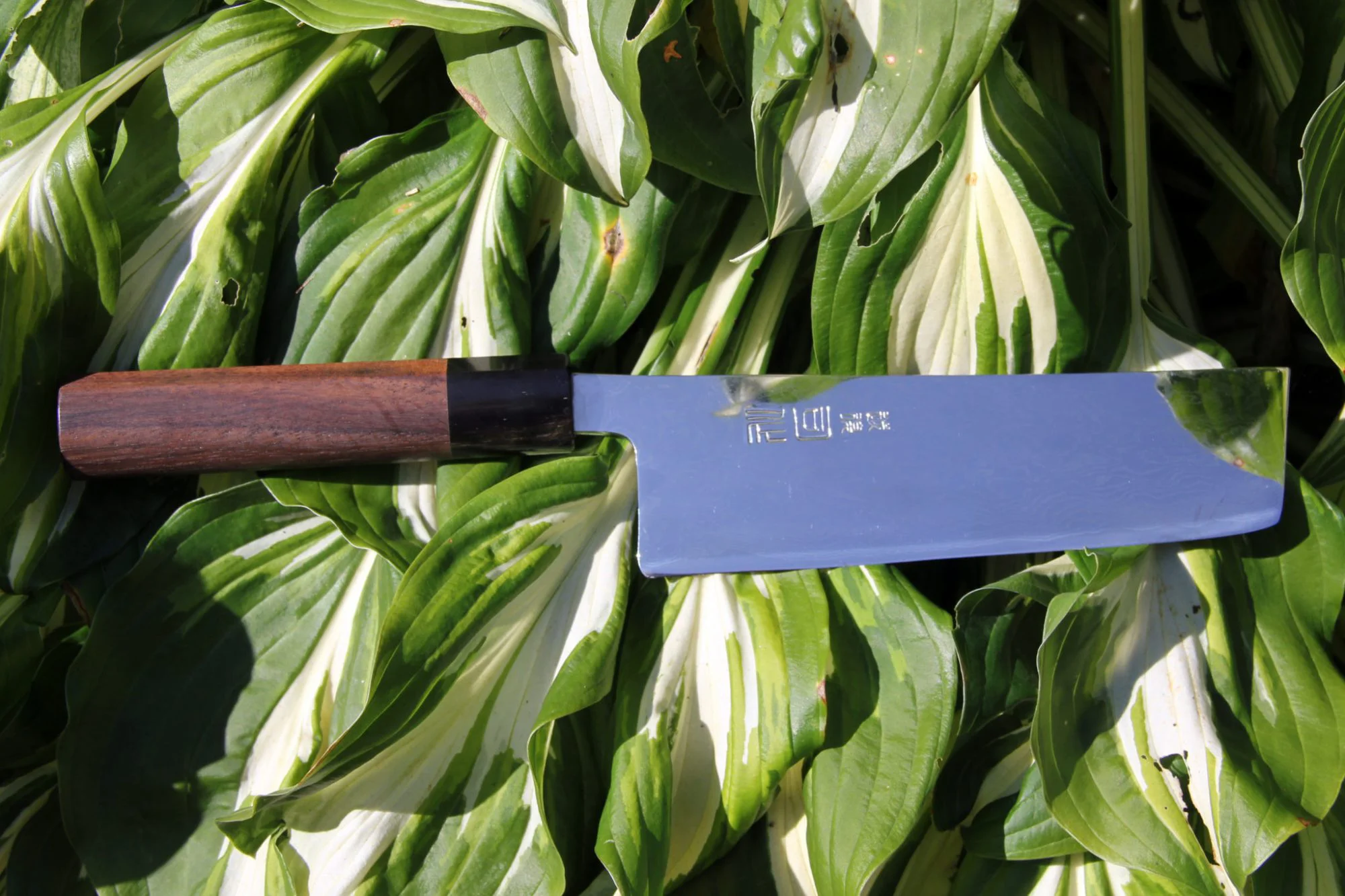
A honing rod realigns your edge, it doesn’t sharpen it, and the dull knife is the dangerous one. Seven habits that keep blades keen and hands intact.
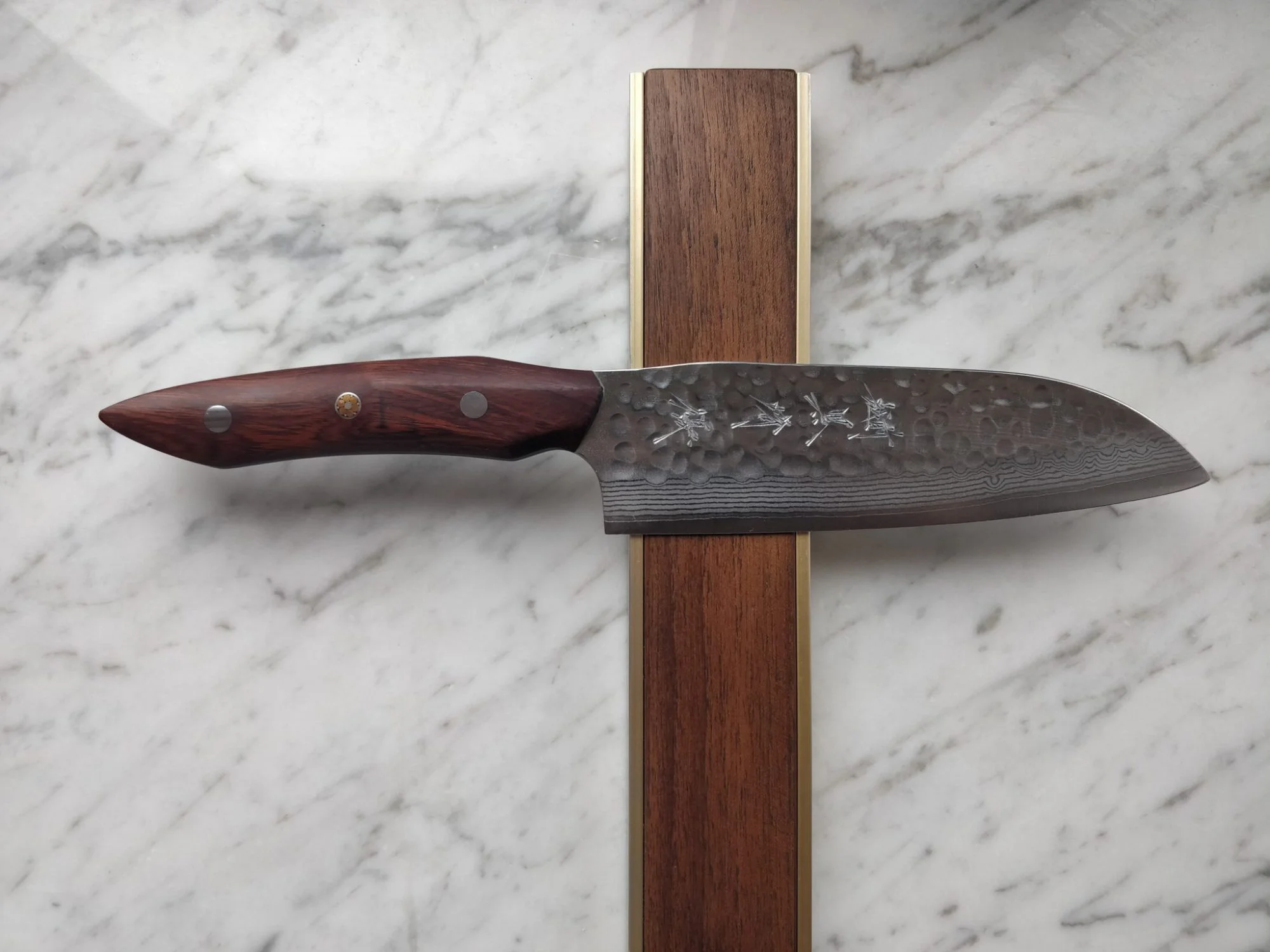
No, a magnet won’t ruin a well-kept blade. The real harm comes from cheap racks that drag your edge across a bare metal face.
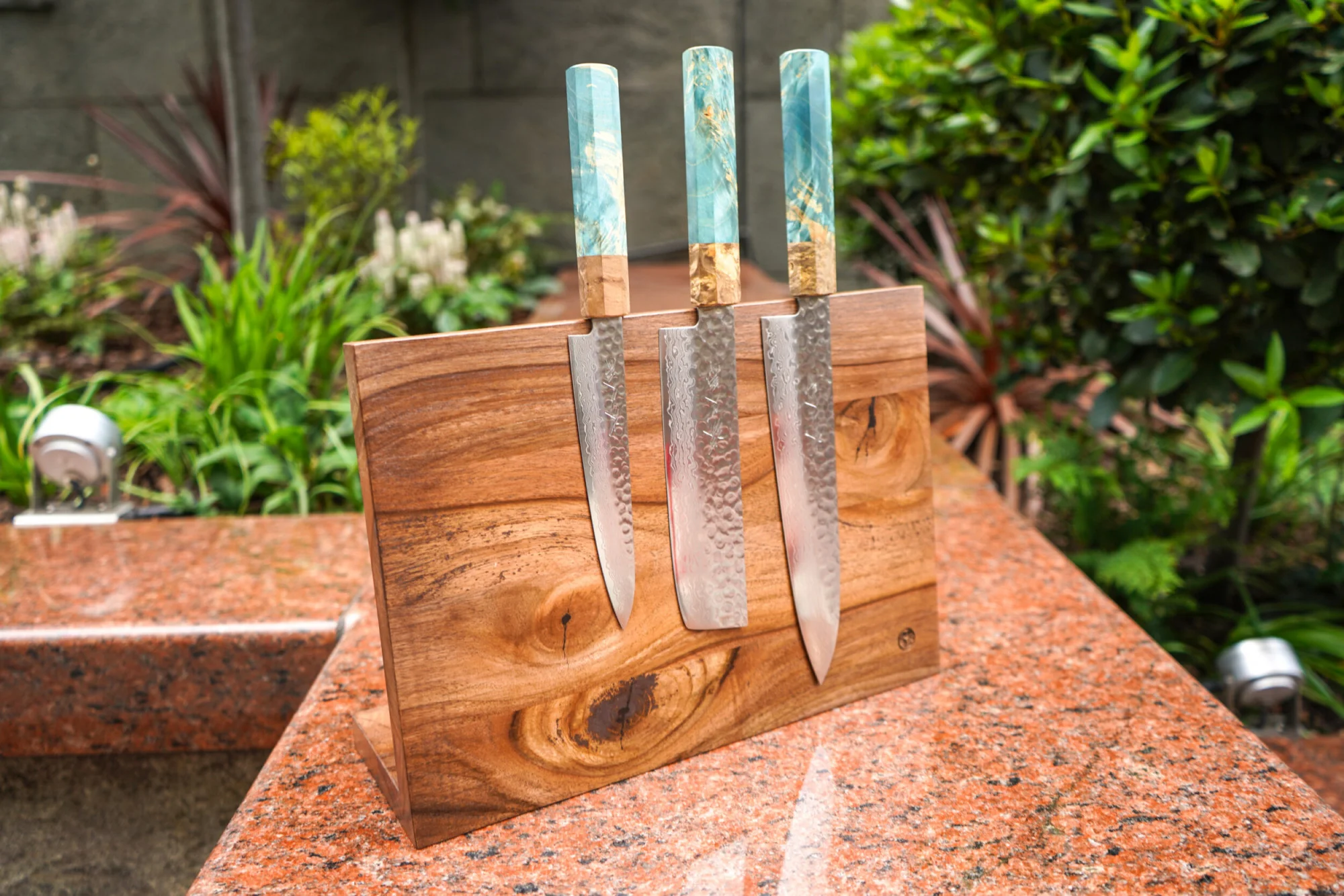
Why a loose drawer ruins knife edges, and how magnetic racks and blocks keep blades sharp, space saved and out of children’s reach.
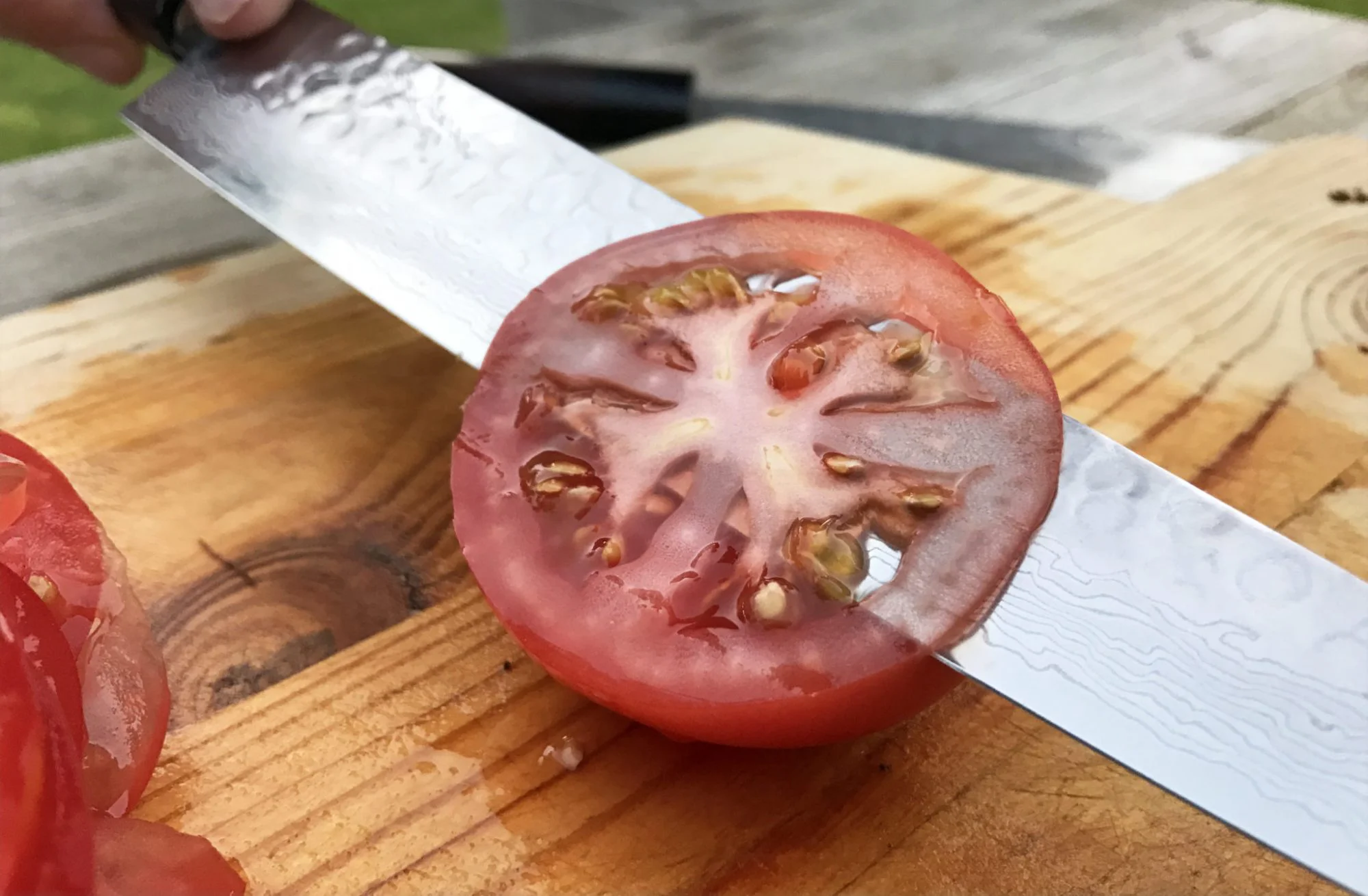
How to tell if a kitchen knife still needs sharpening, using the paper slice and everyday cutting tests, plus how edge angle affects sharpness.
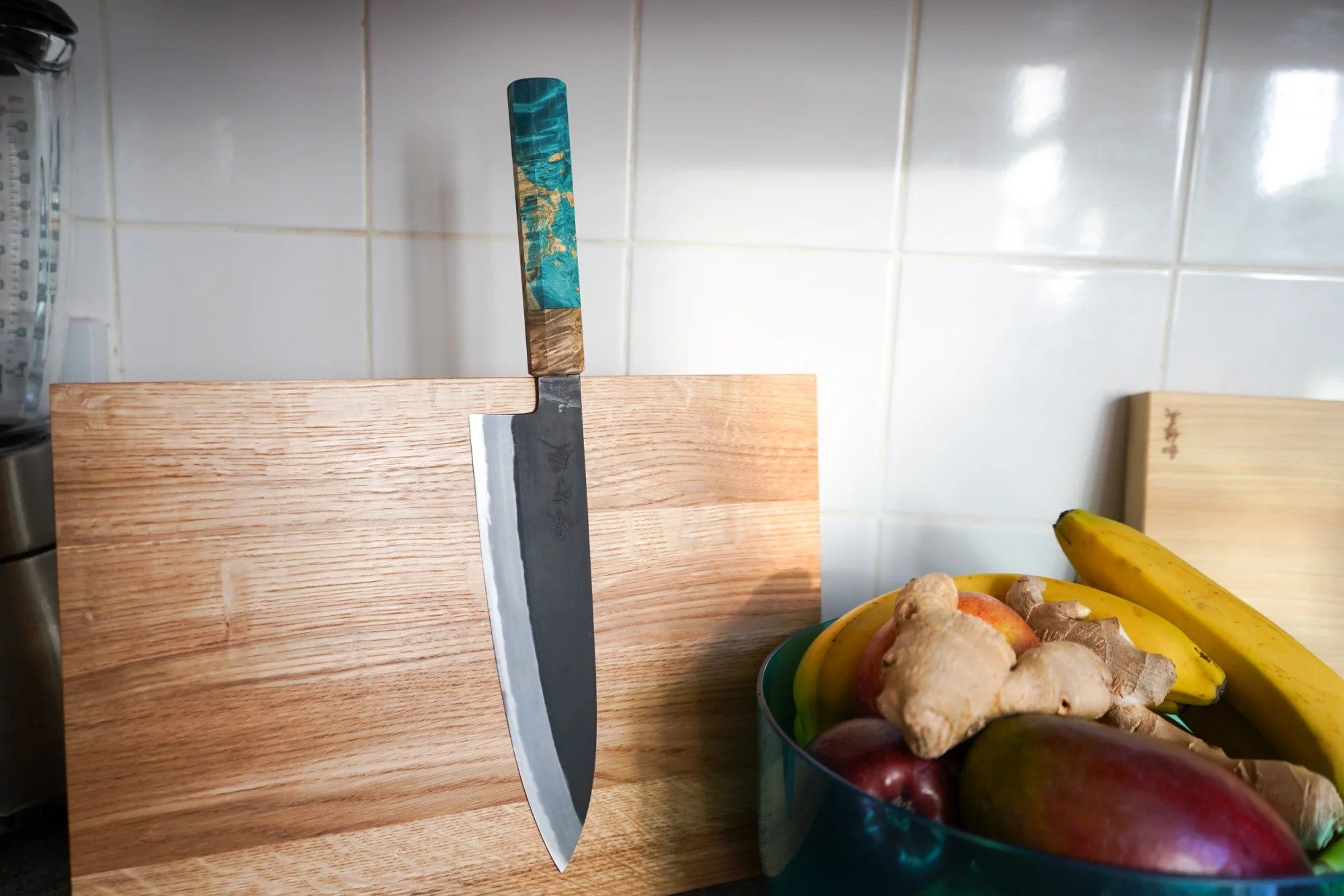
Knife drawers, blocks and magnetic racks compared on space, usability, hygiene, child safety and price to help you store blades well.

Master blacksmiths told us to sharpen four or five times a year and judge the edge on a sheet of paper. Nine more habits that keep a blade honest.
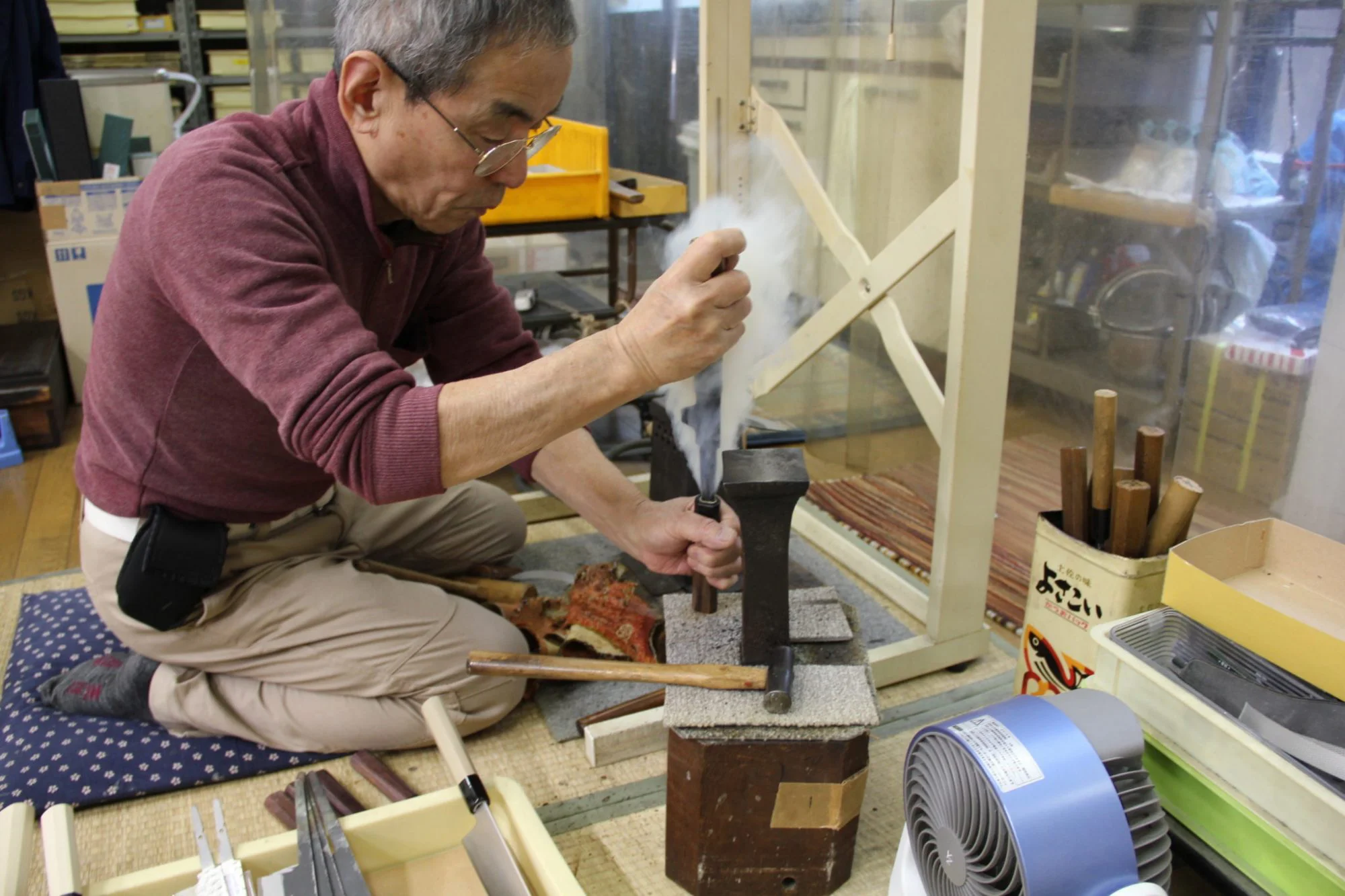
Tape the edge, wear the glasses, mind the dust: fitting a handle to a razor-sharp Japanese blade, plus a simple antler mount borrowed from hunting knives.

How to remove rust from an old knife using vinegar or lemon juice, then sharpen the blade back to a clean edge on a stone or honing rod.
The three most common mistakes that ruin Japanese knives: the dishwasher, loose storage in drawers, and how to avoid both with simple care.
How Japanese knives are forged, from joining iron and steel and the role of tamahagane to the hammering that gives each blade its strength.
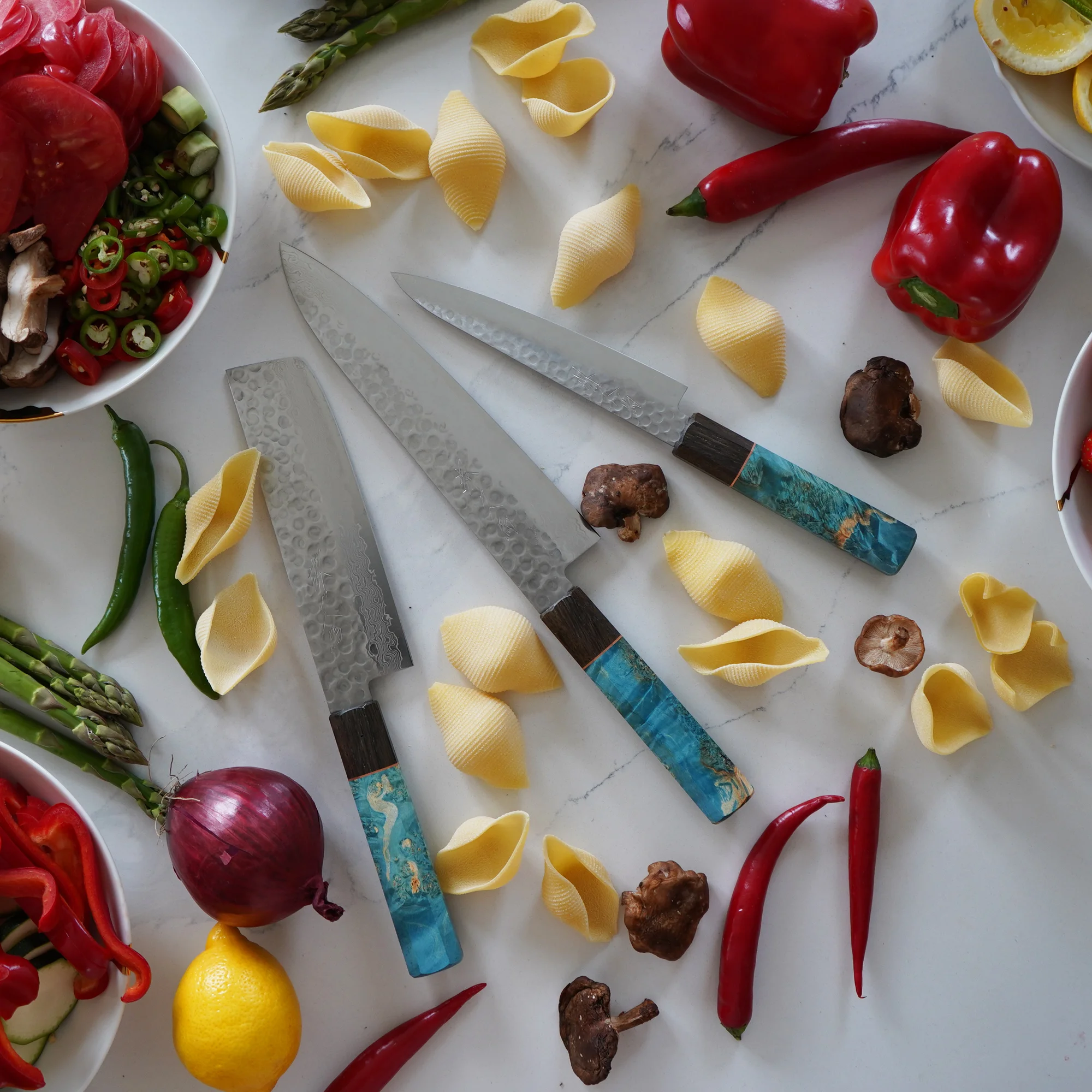
Three simple rules for keeping kitchen knives sharp and rust-free, plus how to clean, dry, oil, and store your blades and whetstones.
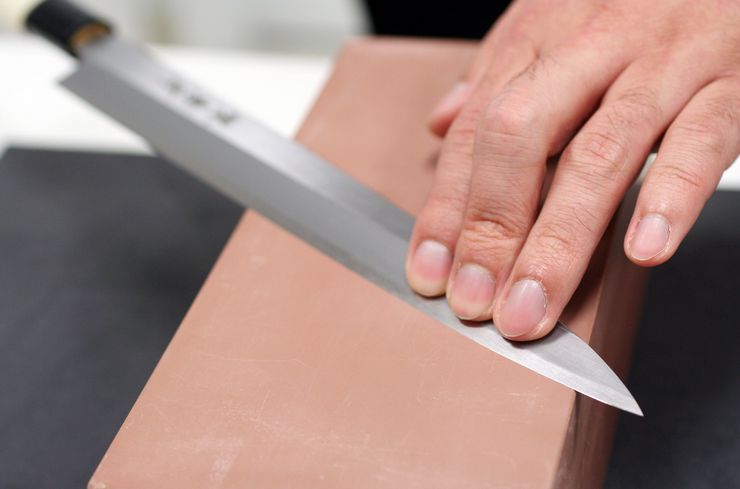
A dull blade slips and crushes food at the cellular level. Here’s why a keen edge is safer, and three sharpness checks using paper, a fingernail and food.