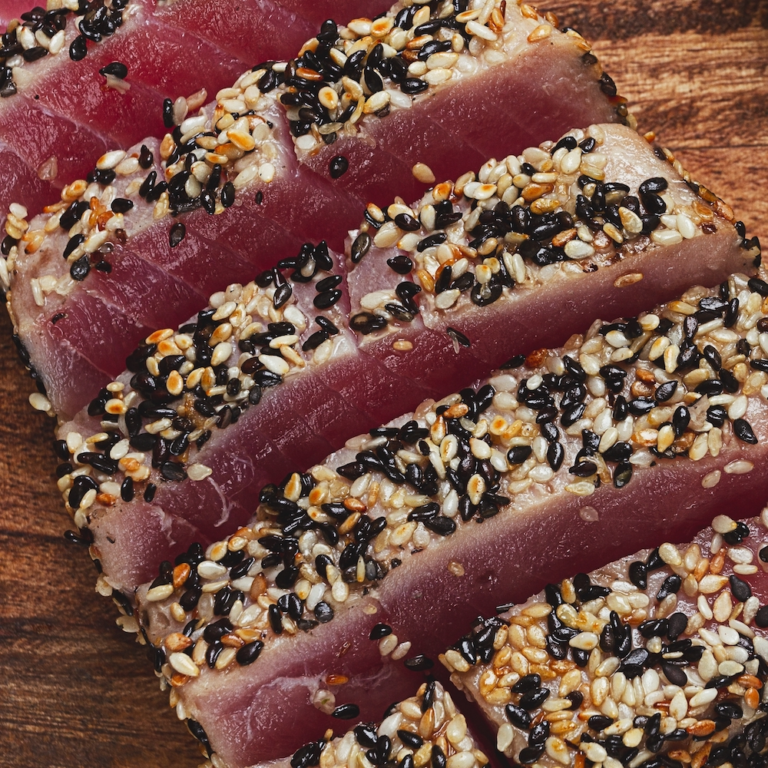
How To: Cutting Tuna Fillets for Tataki (Seared Tuna Slices)
Tuna is one of the few fish the FDA won’t make you freeze. How to slice sushi-grade fillets across the grain for tataki, plus an optional quick-freeze.

Tuna is one of the few fish the FDA won’t make you freeze. How to slice sushi-grade fillets across the grain for tataki, plus an optional quick-freeze.

Not all fats are equal. Olive, coconut, avocado and canola oils sorted by smoke point and health profile, and which ones to leave on the shelf.

A hanko is a carved Japanese name seal used in place of a signature. Oishya stamps one on every Sakai Kyuba certificate of authenticity.

The onna-bugeisha illustration on Sakai Kyuba boxes honours feudal Japan’s female samurai, with nods to Hokusai’s Great Wave and the Oishya kamon.

Japan’s vending machines serve full meals, from hot ramen to frozen gyoza, using refrigeration, heating, and robotic arms. A look at automated dining.

Carbon steel reaches extreme hardness and sharpness but rusts easily, while stainless trades a little edge for low upkeep. How to choose between them.

VG10 holds a keener edge; AUS10 shrugs off more abuse. The composition split behind Oishya’s Seki and Sakai Kyuba lines, and which suits your kitchen.

Kaizen is the Japanese practice of small, continuous improvement born in postwar Japan. How Oishya applies it to craft and quality.

One gyuto or a full set? Where the santoku, bunka and kiritsuke each earn their place before you commit to a matching set.

Borage tastes of cucumber, thyme blossoms hit harder than the leaves, lavender sweetens honey. Fifteen edible flowers and what each does on the plate.

The katana’s curve, or sori, concentrates mass toward the tip for cleaner cuts and spreads impact to resist fractures. Why the blade is shaped this way.

Forged from low-impurity iron sand and folded again and again, a nihonto is closer to ritual than manufacturing. Inside the making of Japan’s costliest blades.

The swordsmiths called toko treated blade upkeep as sacred. How that reverence carries into whetstone work and today’s sharpening tools.

Coarse 400-grit for repair, 8000 for the final polish. A first go at whetstone sharpening, from soaking the stone to the finished edge.

White steel, blue steel, carbon steel: Japanese grades come down to composition and heat treatment, not brand names. What each one actually tells you.

Ceramic mortars soak up yesterday’s garlic; marble, being non-porous, doesn’t. Why it wins on hygiene and longevity, and how to match a pestle to it.

Four beetroots, water, salt and a week on the counter make a tangy, probiotic-rich drink. Here’s the ferment, its betalains, and how to cook with it.

Okinawan food blends Ryukyu Kingdom trade roots with post-war American influence, from Taco Rice and tropical sushi to prized Ishigaki beef.

Shokuhin Sampuru are Japan’s lifelike fake food replicas, made from PVC to display restaurant menus. Inside the craft and the artisans who make them.

Lactic-acid bacteria, not vinegar, do the work in kimchi, building probiotics and freeing up nutrients. The science, the kimjang tradition, and a recipe.

Nagomi is the Japanese idea of harmony and balance, applied to homes, relationships, and meals. How the principle shapes a calmer everyday life.

Japanese, Chinese, and Korean chopsticks differ in shape, material, and etiquette. A look at what sets each style apart and the culture behind them.

What makes Japanese knives worth the price: high-carbon VG10 and layered Damascus steel, task-specific designs, and matching kitchen accessories.

Damascus steel traces back to the Near East around 300 AD, prized for its wavy pattern and strength. Here is the history behind the legendary blade.

Before you pickle or bottle jam, the jars need sterilising: wash them, boil for about ten minutes, then air-dry and store clean.

How do you tell a real Japanese knife from a fake? Read the steel, the grind and the edge geometry, plus the marketing tells that dress up a cheap blade.

What food colour signals about flavour and nutrition, from chlorophyll and carotenoids to flavonoids and betalains in fruits and vegetables.

Some knives are past saving: an edge that won’t hold after sharpening, cracks or chips, a wobbling handle, rust in the steel. Four signs it’s time to let go.

Choosing a knife for women who love to cook: comfort, ergonomic handles, versatility and a sharp, well-balanced blade for everyday kitchen tasks.

Cheap blades chip, dull within weeks and tire your wrist. The case for spending more, with Oishya’s Sakai Kyuba damascus as the counter-example.
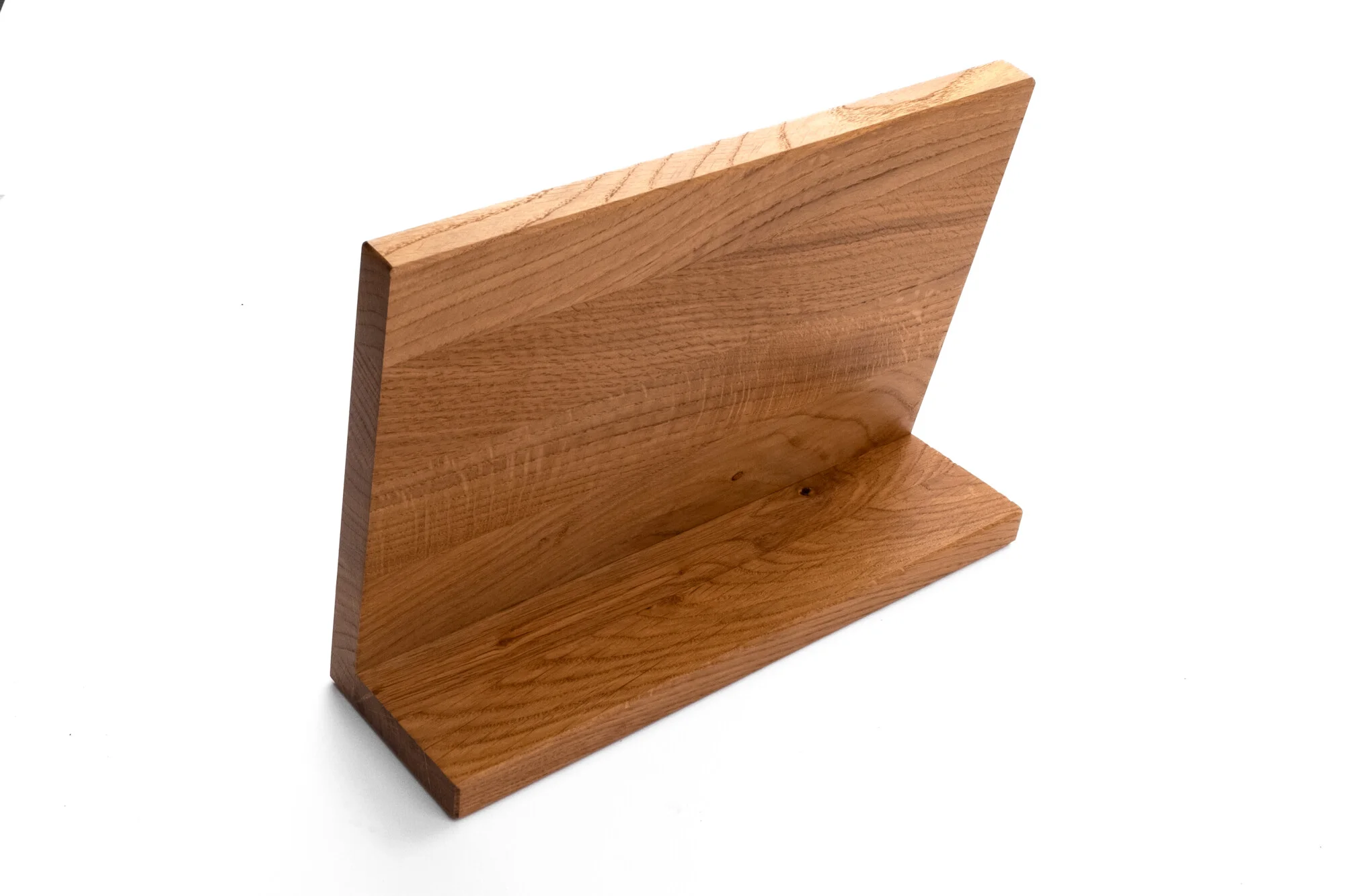
Five rules for caring for a Japanese knife, covering hand washing, the right cutting board, whetstone sharpening, and proper storage.
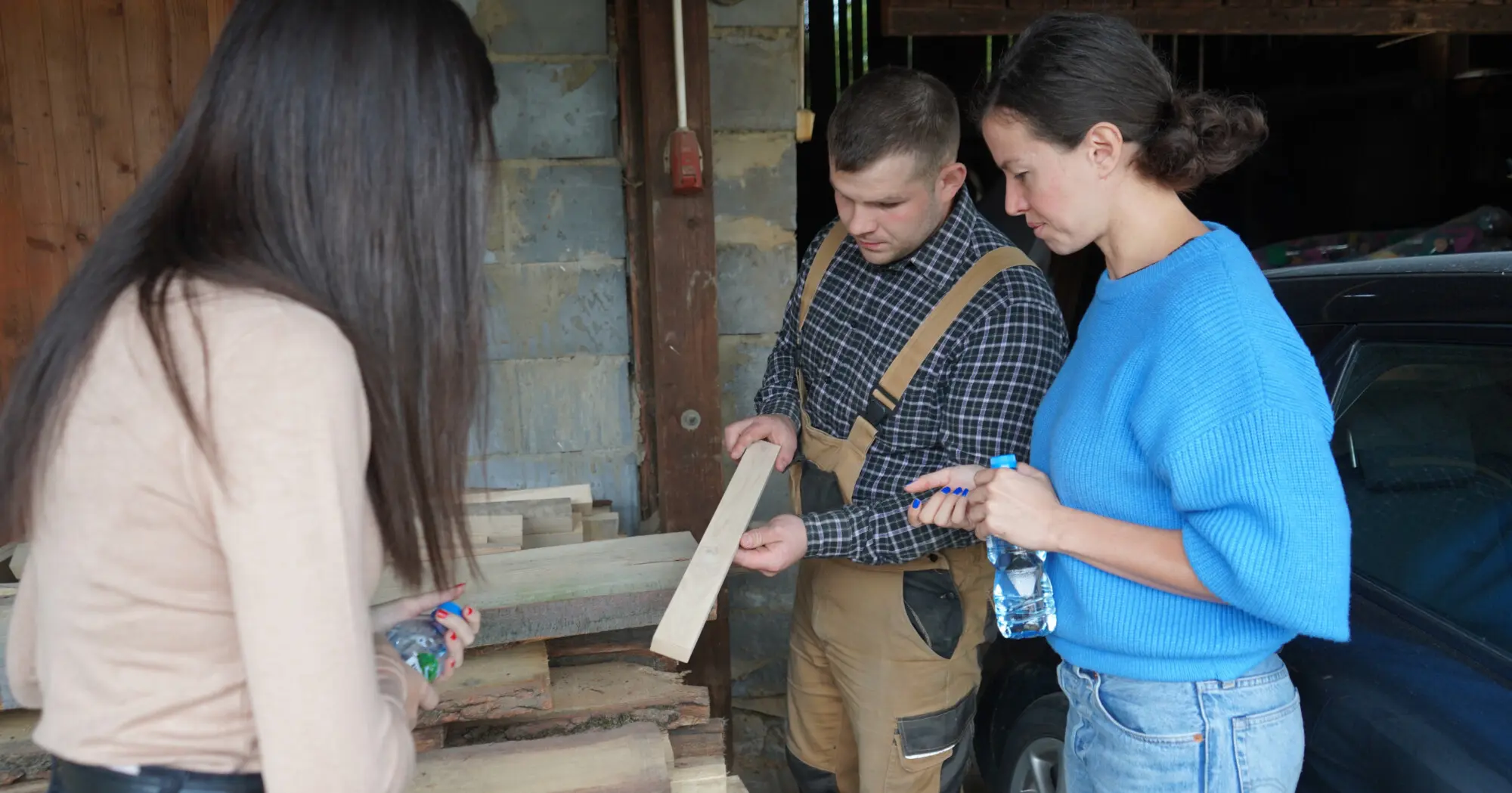
The story of Oishya, a brand born from trips to Sakai and Seki that works with Japanese workshops to make knives for European home cooks.
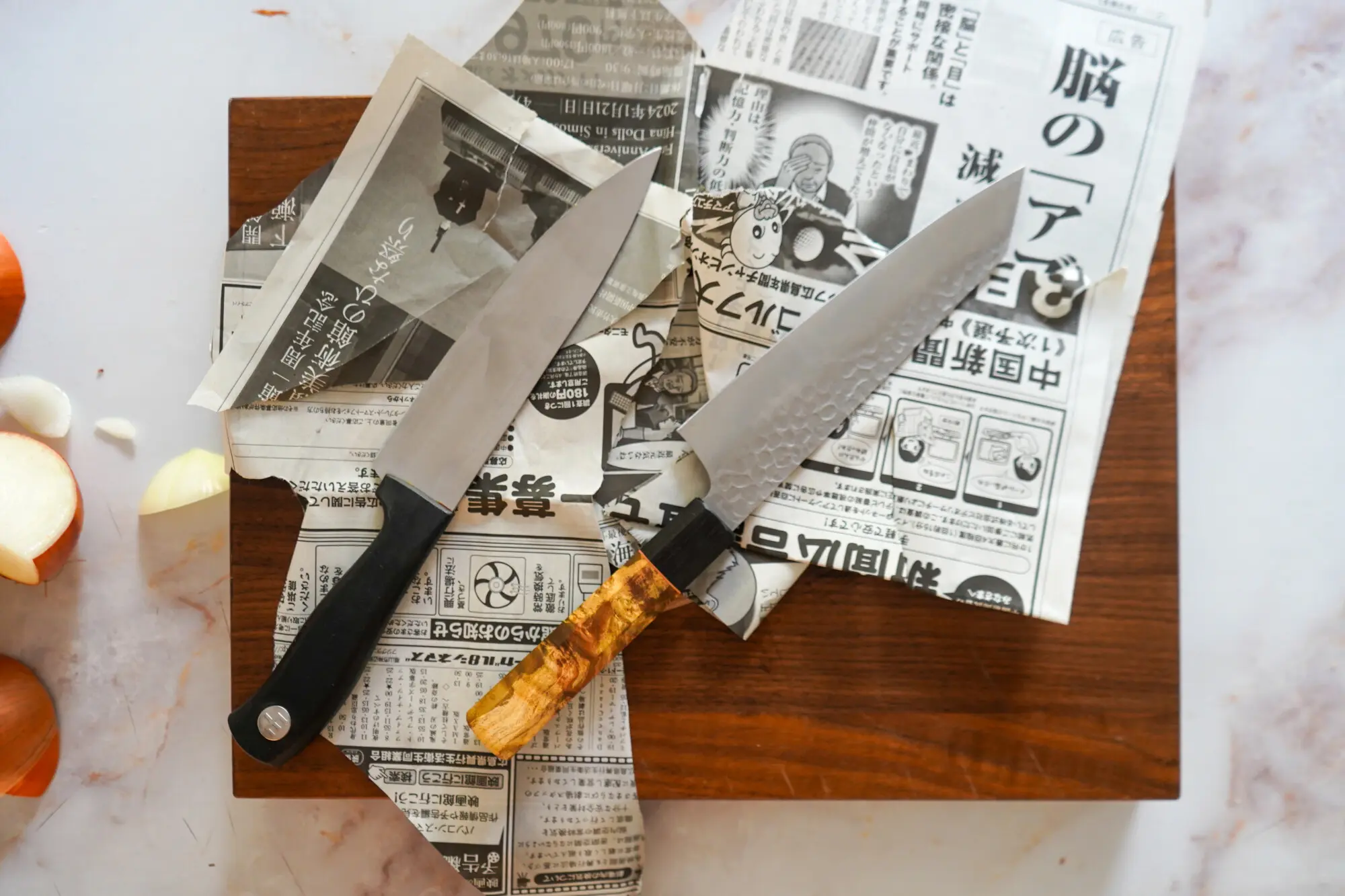
Ten kitchen gifts for summer 2026 cooks, from a Sakai Kyuba santoku and brass chopsticks to walnut cutting boards and a three-knife set.

Five rules for caring for a Japanese knife, covering hand washing, the right cutting board, whetstone sharpening, and proper storage.
The story of Oishya, a brand born from trips to Sakai and Seki that works with Japanese workshops to make knives for European home cooks.
Ten kitchen gifts for summer 2026 cooks, from a Sakai Kyuba santoku and brass chopsticks to walnut cutting boards and a three-knife set.