
Why the Nakiri Is a Go-To Knife for Many Chefs?
The Nakiri’s straight, rectangular blade gives full edge contact for clean vegetable cuts, less wrist strain and uniform thin slices every time.

The Nakiri’s straight, rectangular blade gives full edge contact for clean vegetable cuts, less wrist strain and uniform thin slices every time.

How to peel and prepare dragon fruit with a sharp knife, plus creative ways to serve it as sashimi, carpaccio, smoothie bowls and frozen treats.

A homemade granola with oats, nuts, vanilla bean and orange honey, baked then split into three batches: coconut, dried fruit and dark chocolate.

A Moroccan beef stew with red lentils, warming spices, apricots and honey, served over black jasmine rice. The lentils thicken it beautifully.

Cooking at home or eating out? A look at the real costs to your wallet, health and time, and when each choice genuinely serves you best.

A Polish sausage sandwich on fresh sourdough with Wiejska or Podwawelska, Sarebska mustard, tomato, lettuce and gherkins, grilled until crisp.

A quick spicy gochugaru cucumber salad with soy, garlic, sesame oil and rice vinegar. Salt the cucumbers, toss, and let the flavours meld.

Kiritsuke or Bunka? The longer, elegant Kiritsuke suits showpiece slicing, while the shorter Bunka is a nimble everyday workhorse with a tanto tip.

Build faster, safer knife skills with proper grips, the claw technique and the get-to-flat principle, plus what dice, mince and julienne really mean.

The claw grip is the one technique that keeps fingers safe while cutting onions. Curl your fingertips, use the knuckle as a guide, and cut with control.

Four ways to hold a kitchen knife, from the pointed finger grip for detail work to the familiar hammer grip, and when each one actually helps.

Bakers measure, cooks eyeball. What your kitchen style says about your personality, from the methodical precision of baking to free-form cooking.

A guide to knife anatomy, covering the blade, edge, spine, tang, handle and bolster, and how German and Japanese traditions design each part.

How to store sharp Japanese knives safely around young children, with practical storage habits, clear boundaries and age-appropriate teaching.

How Japanese chefs handle razor-sharp knives safely at home, from grip and stance to caring for reactive carbon steel and keeping food pristine.

Ten wedding gifts for couples who love Japan, anchored by a SHIN Damascus Gyuto and framed by mono no aware and the shokunin ideal.

PFAS in scratched non-stick, microplastics off plastic boards, fragrance in scented candles: five kitchen culprits and the safer swaps for each.

Buying a knife for someone whose kitchen you’ve never seen? How to choose by likely skill level instead of guesswork, with the quiz as a shortcut.

The Gyuto rocks, the Santoku push-cuts, the Bunka splits the difference. Each blade shape has one signature move it was ground to do best.

The trick is the root: leave it attached and it anchors the onion through the horizontal, vertical and cross cuts. A sharp blade and a damp towel do the rest.
‘Gyuto’ translates to cow sword and dates to the Meiji era. What actually separates these four blades by shape, history and how you cook.

Japanese knives use harder steel and a 10 to 15 degree edge, so they cut with less force than thicker Western blades. Here is the science behind it.

Every Oishya knife ships with a 5 yen coin, a pun on ‘go-en’: five yen and a good relationship. Gift picks from washi-wrapped KATA Damascus to Hiba boards.

A beginner’s look at Japanese knives, from san mai construction and high-carbon steel to the ikigai and kaizen philosophy that shapes how they are made.

Ginger cleanses the palate between pieces, not on top of them. Sushi-bar etiquette from chopstick rules to soy, wasabi and the omakase counter.

Roughly a third of the food produced worldwide is thrown away. Cooking from scratch cuts the packaging, food miles and waste that industrial meals rack up.

The kiritsuke, bunka, gyuto, and santoku compared by shape, use, and skill level to help home cooks pick the right Japanese knife.

Nearly every cuisine folds dough around a filling. Crispy-bottomed gyoza, butter-fried pierogi, Cantonese har gow and Russian pelmeni, side by side.

Fraternal twins, or the same steel under two names? R2 and SG2 share the carbon-moly-vanadium recipe of powdered stainless, with a few telling differences.

Karate began in Okinawa as ‘te’, shaped by Chinese martial arts and practised in secret under weapon bans. Its history, philosophy, and core techniques.
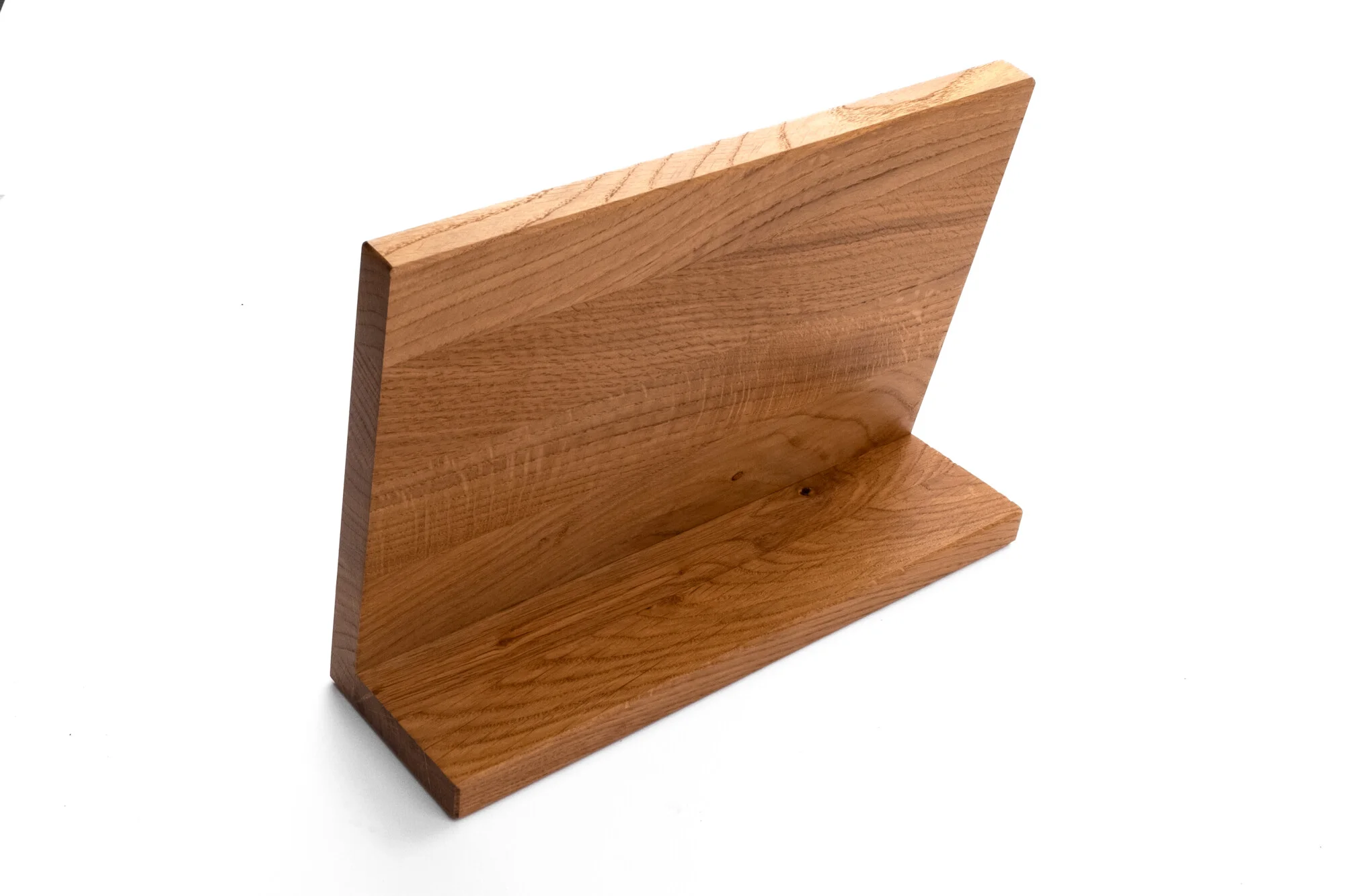
Five rules for caring for a Japanese knife, covering hand washing, the right cutting board, whetstone sharpening, and proper storage.
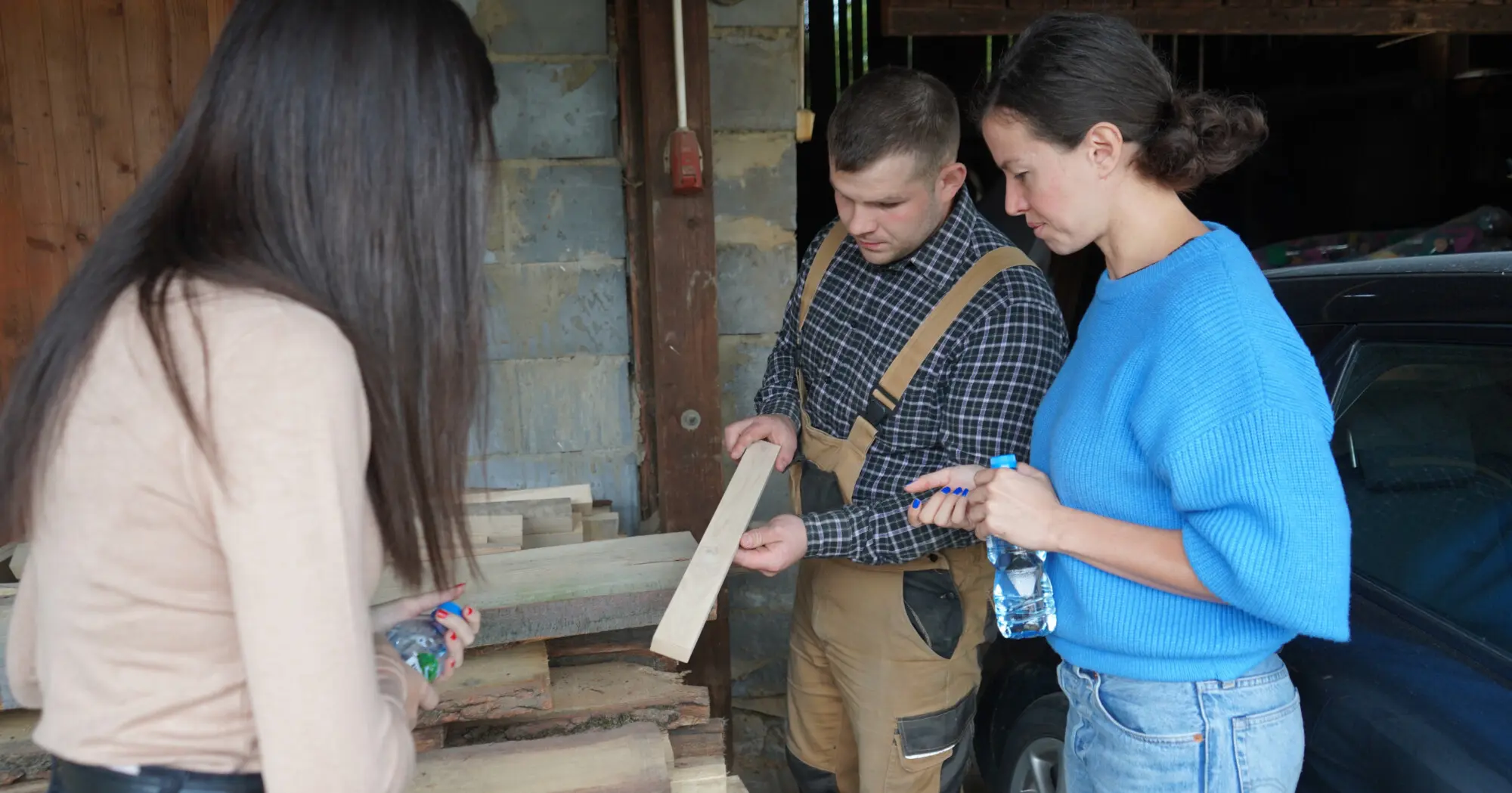
The story of Oishya, a brand born from trips to Sakai and Seki that works with Japanese workshops to make knives for European home cooks.
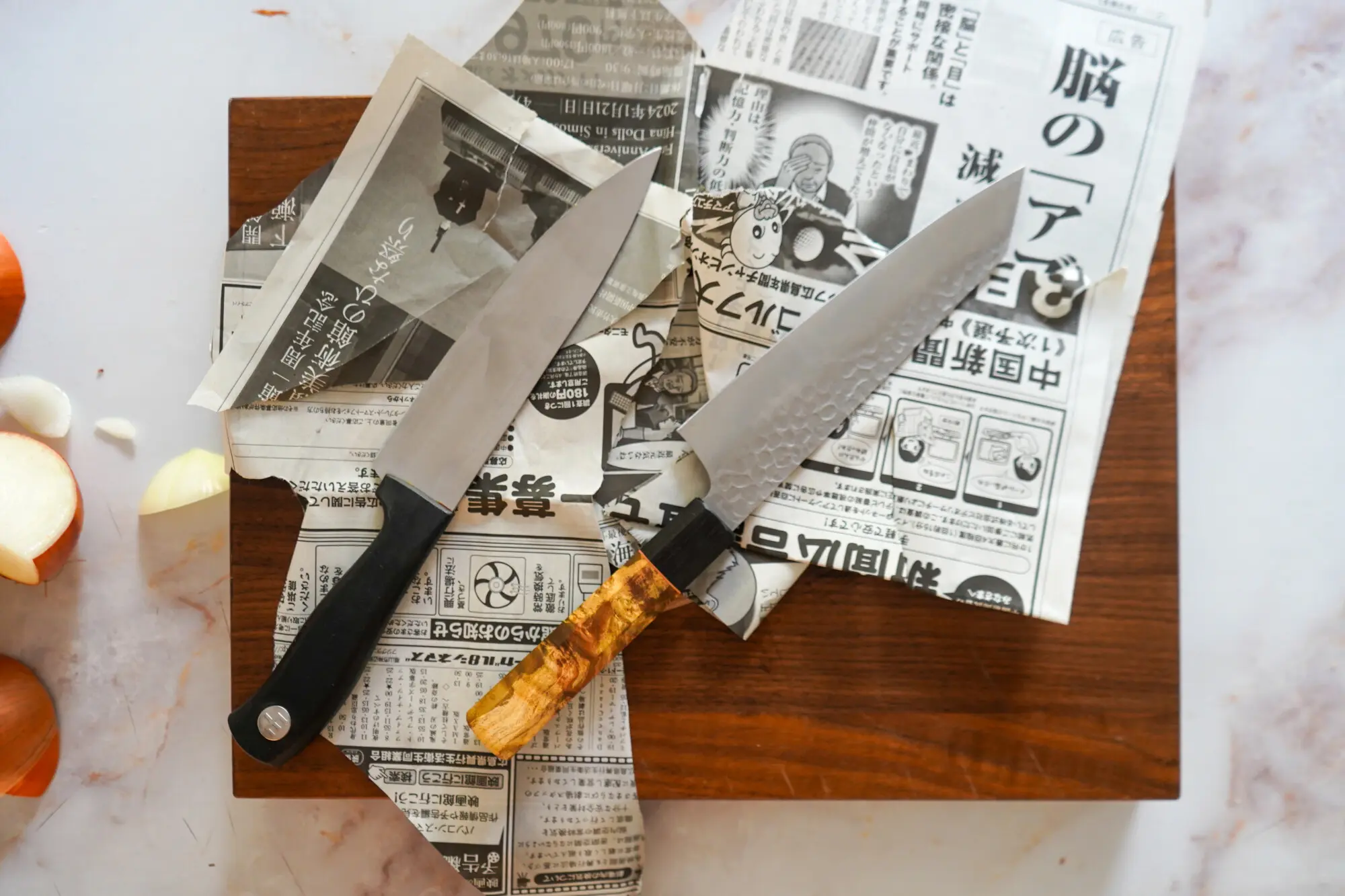
Ten kitchen gifts for summer 2026 cooks, from a Sakai Kyuba santoku and brass chopsticks to walnut cutting boards and a three-knife set.

Five rules for caring for a Japanese knife, covering hand washing, the right cutting board, whetstone sharpening, and proper storage.
The story of Oishya, a brand born from trips to Sakai and Seki that works with Japanese workshops to make knives for European home cooks.
Ten kitchen gifts for summer 2026 cooks, from a Sakai Kyuba santoku and brass chopsticks to walnut cutting boards and a three-knife set.