Five rules for caring for a Japanese knife, covering hand washing, the right cutting board, whetstone sharpening, and proper storage.
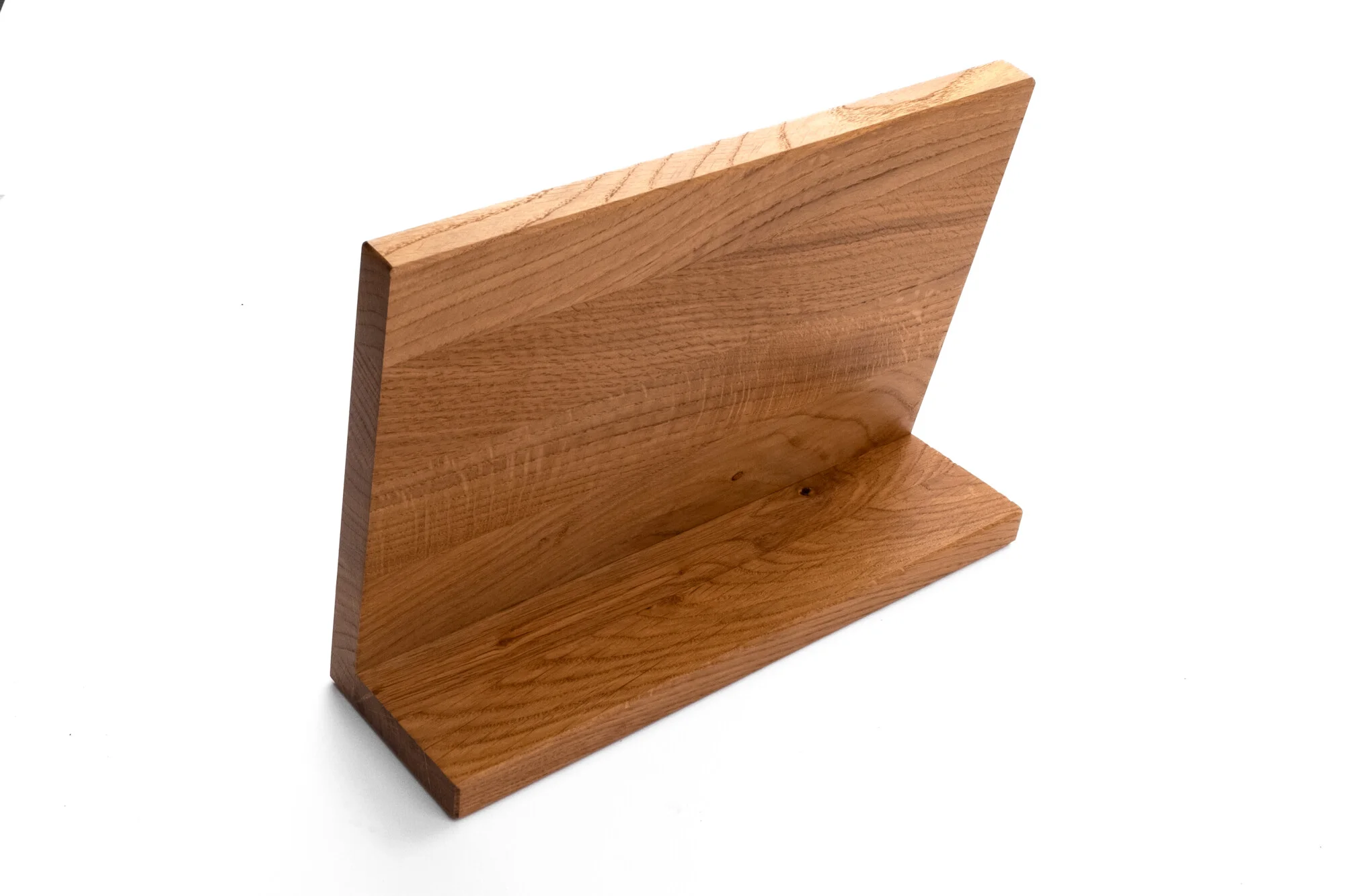

Articles about Japanese kitchen knives: where they come from, how they’re made, and how to choose and live with one. We work directly with smiths in Sakai and Seki, so much of this is written from the workshop side: what a harder steel does that a softer one doesn’t, why a 15° edge changes the way you cut, how to tell a gyuto from a santoku before you spend money on either. Buying your first? Start with the buying guide. Already own one? The care and sharpening pieces will keep it cutting for a decade.
Five rules for caring for a Japanese knife, covering hand washing, the right cutting board, whetstone sharpening, and proper storage.
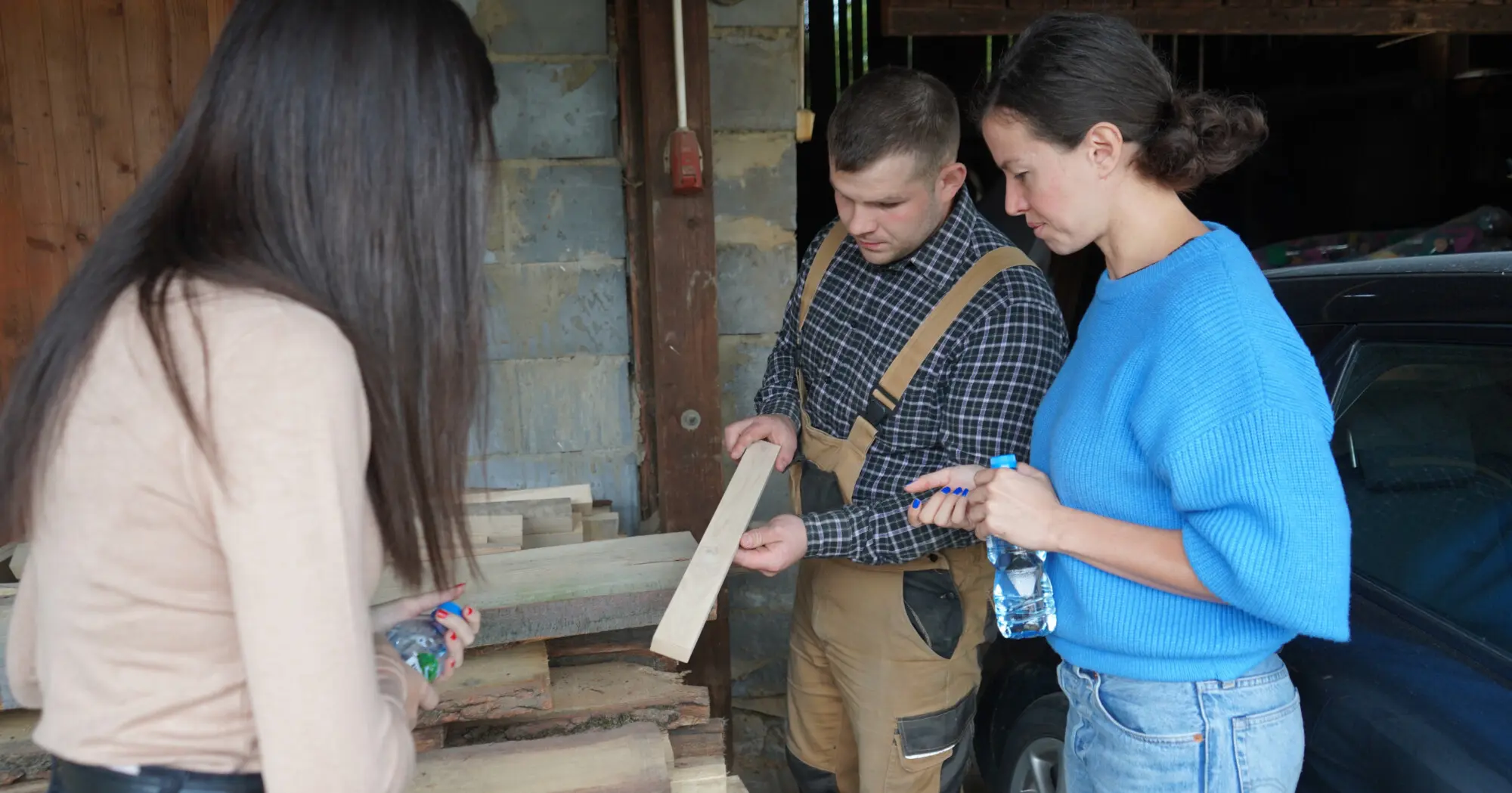
The story of Oishya, a brand born from trips to Sakai and Seki that works with Japanese workshops to make knives for European home cooks.
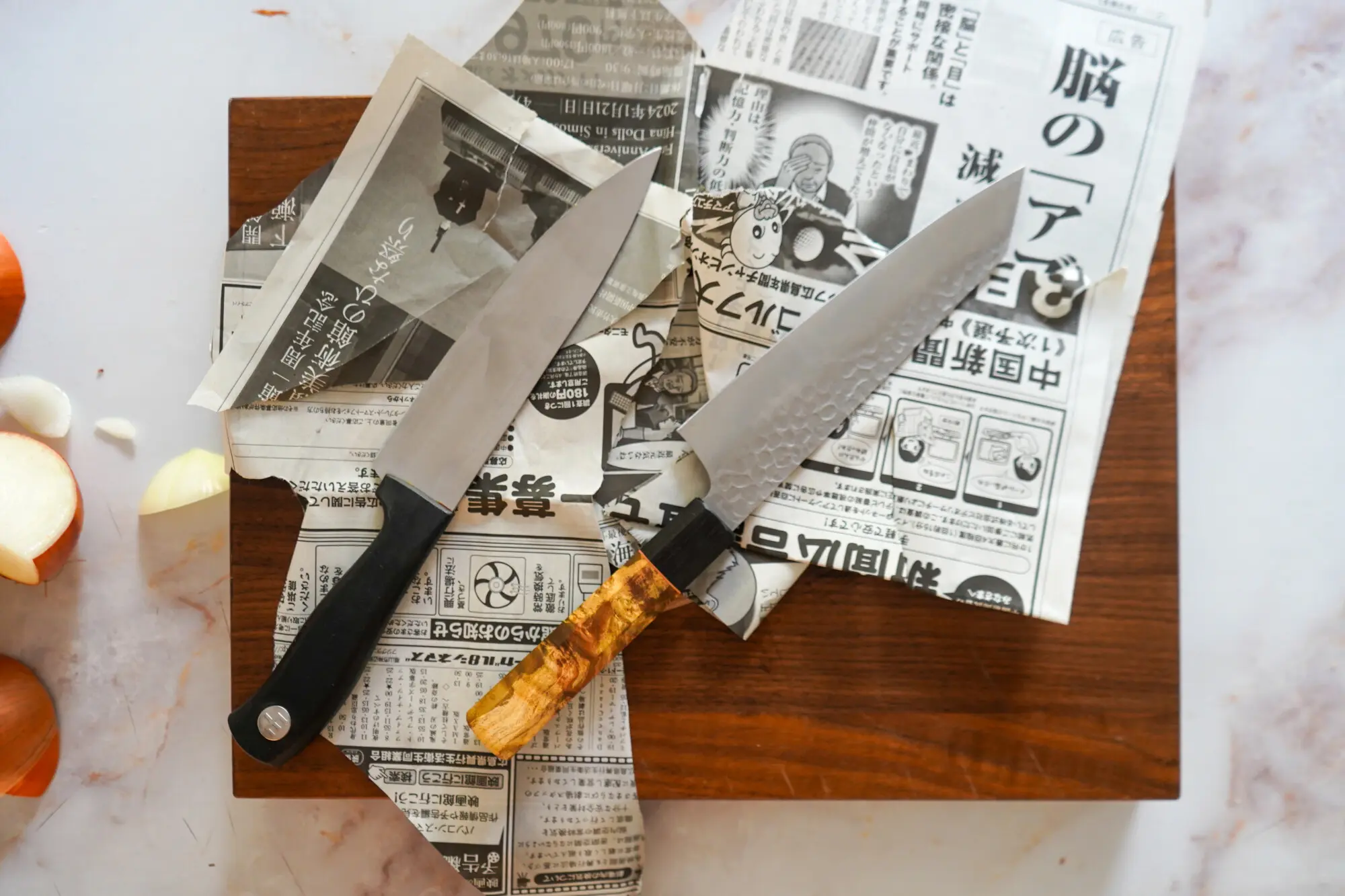
Ten kitchen gifts for summer 2026 cooks, from a Sakai Kyuba santoku and brass chopsticks to walnut cutting boards and a three-knife set.
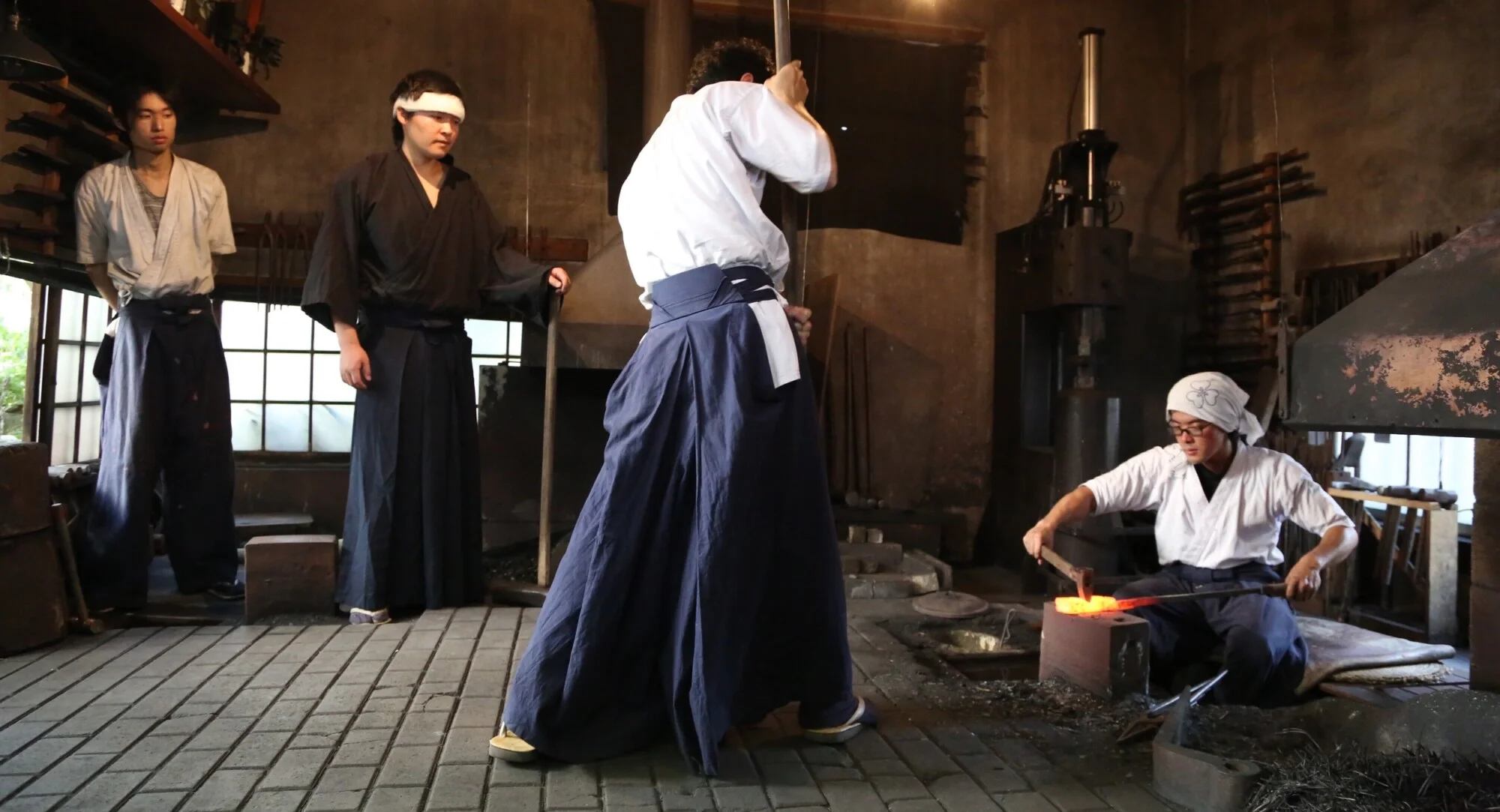
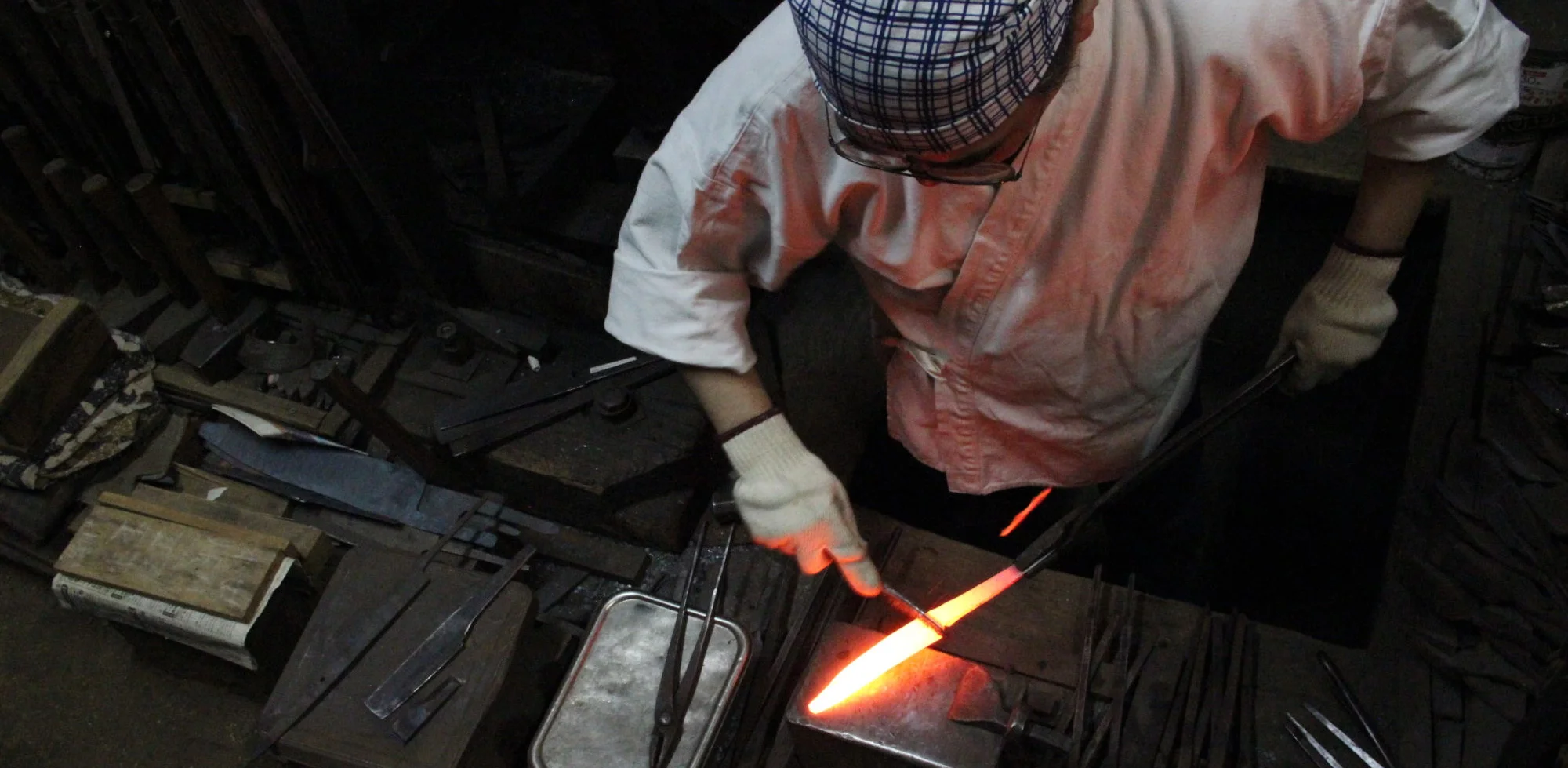
How a Japanese kitchen knife is forged, from Sakai and Seki workshops to layered Damascus steel hammered at 1,100°C through dozens of hand steps.
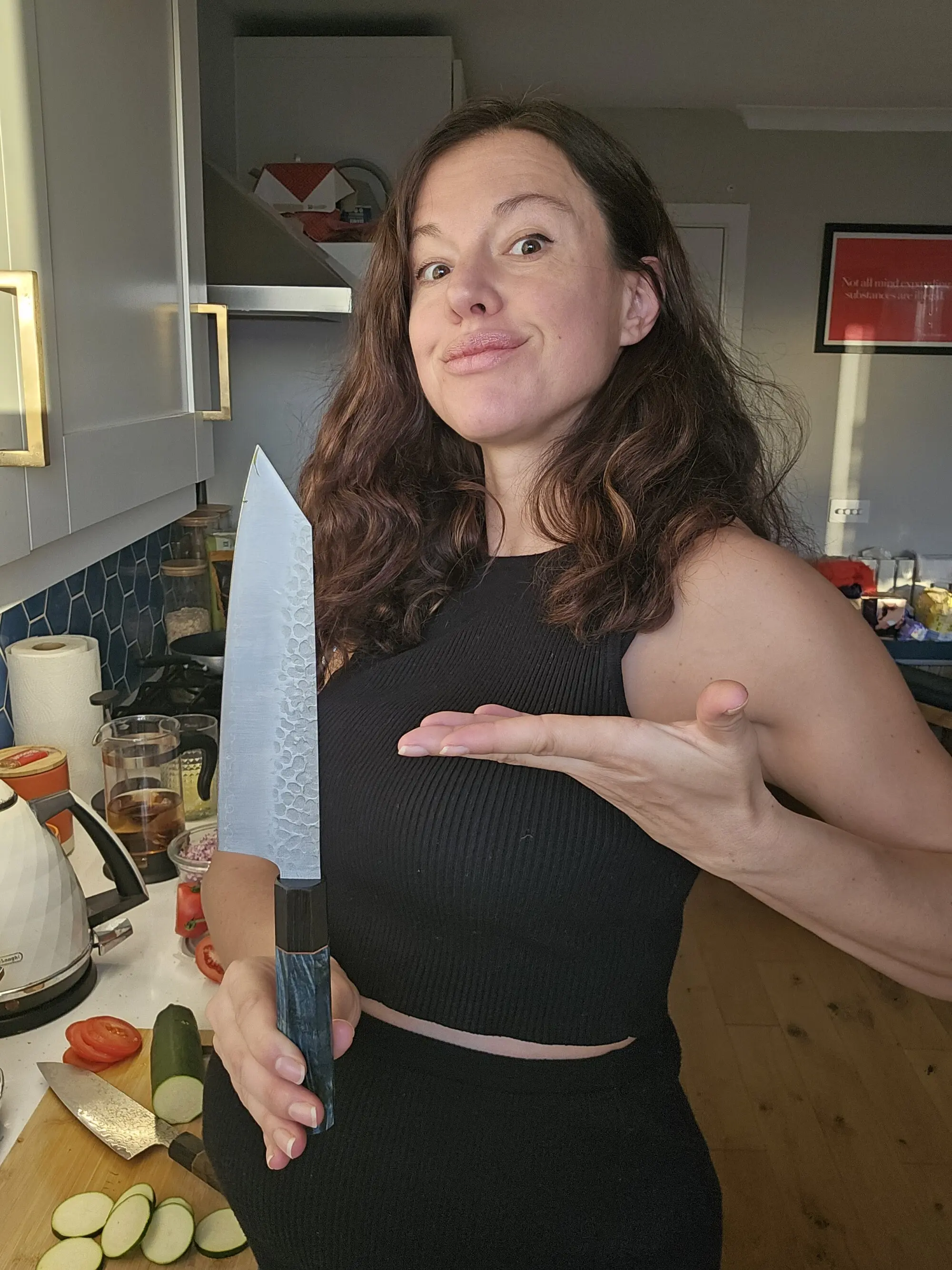
What your money buys at each price point, from sharpening stones and hiba cutting boards under €100 to knives and storage at €200 and €300.
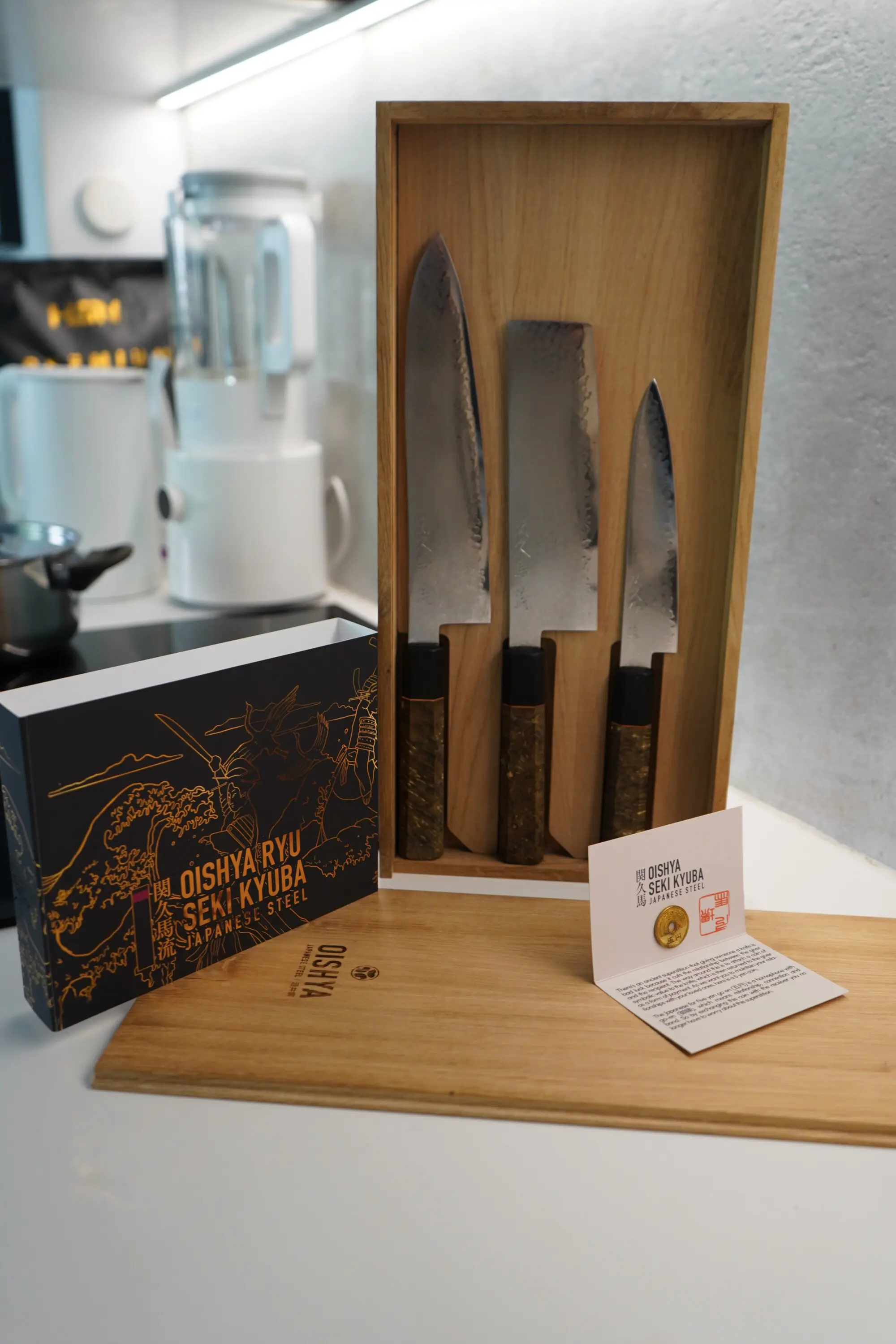
A beginner’s guide to Japanese knife sets, why the chef, vegetable and paring trio works, plus the Sakai Kyuba KYU Set at €690 for first-timers.
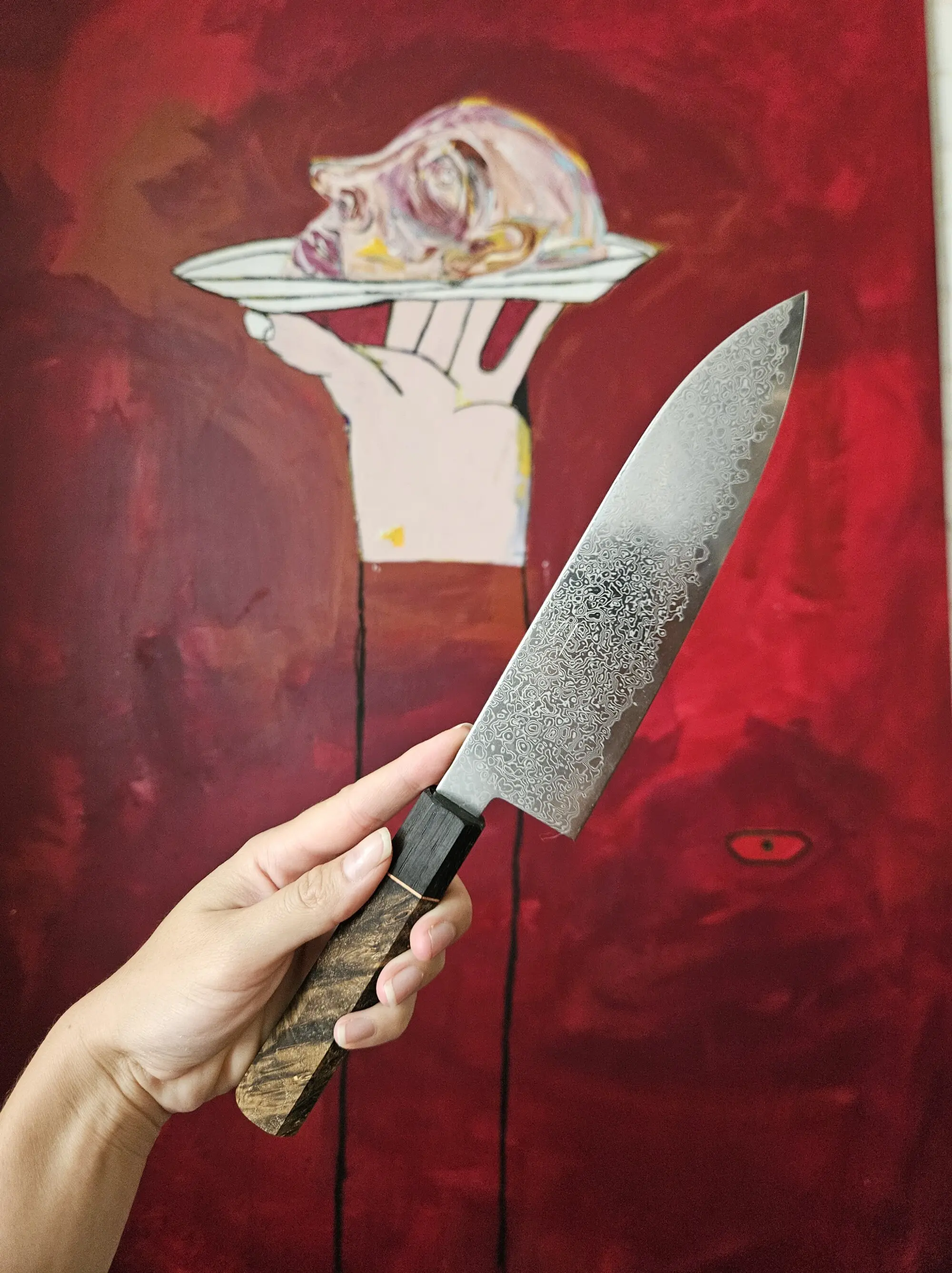
An expert buying guide to Japanese chef knives, explaining gyuto, santoku and bunka styles, steel hardness and picks like the RYU Gyuto at €295.
The philosophy and craft of the Japanese kitchen, from nagomi balance and wabi-sabi to mottainai and kaizen, and how each shapes how you cook.
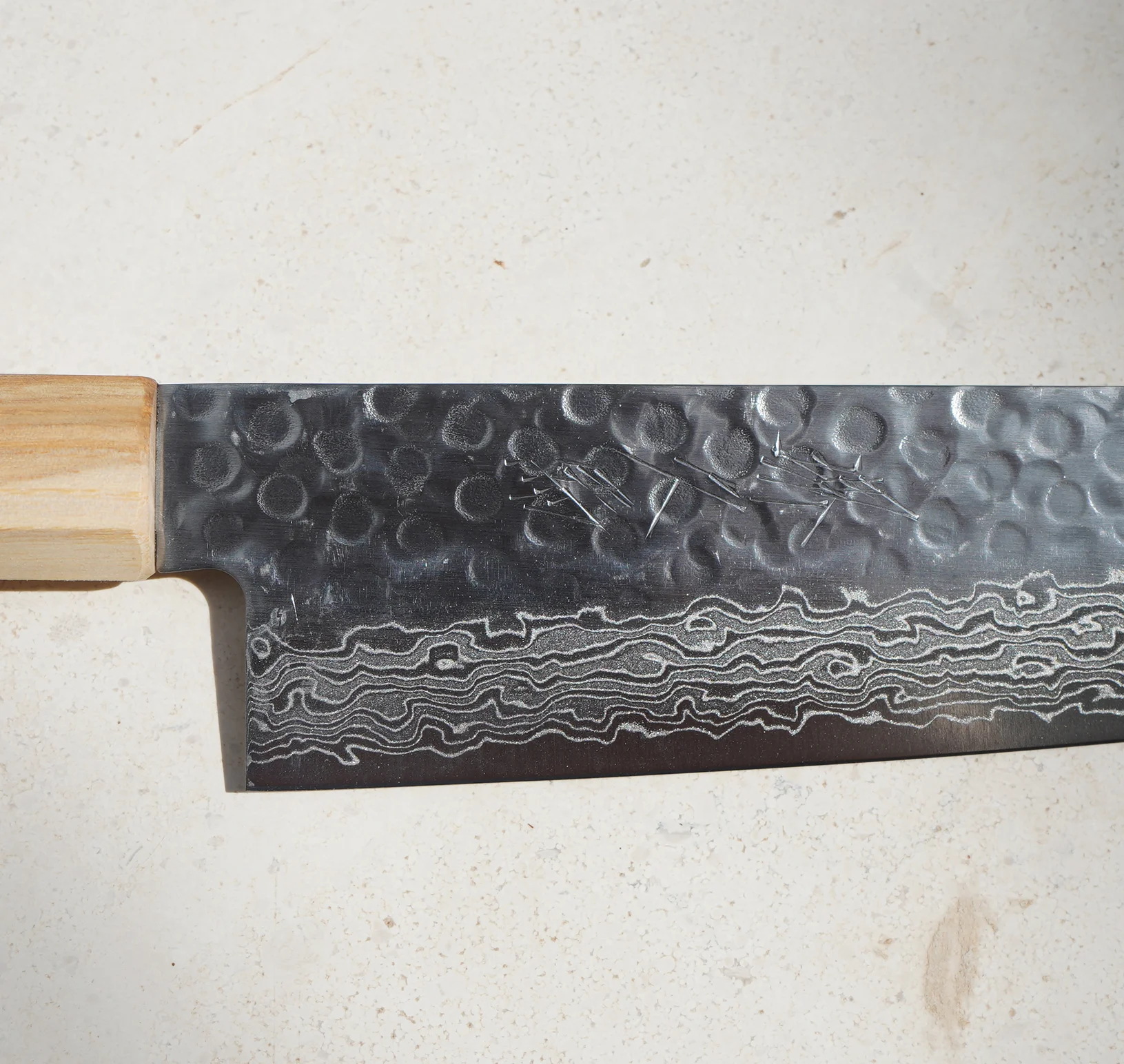
What Japanese blade finishes really do, from the tsuchime hammered texture that releases food to the Damascus cladding on the Sakai KYU line.
Is a £300 kitchen knife worth it? The cost-per-meal maths, plus what VG10 steel and three-layer construction in the KATA Bunka actually buy you.
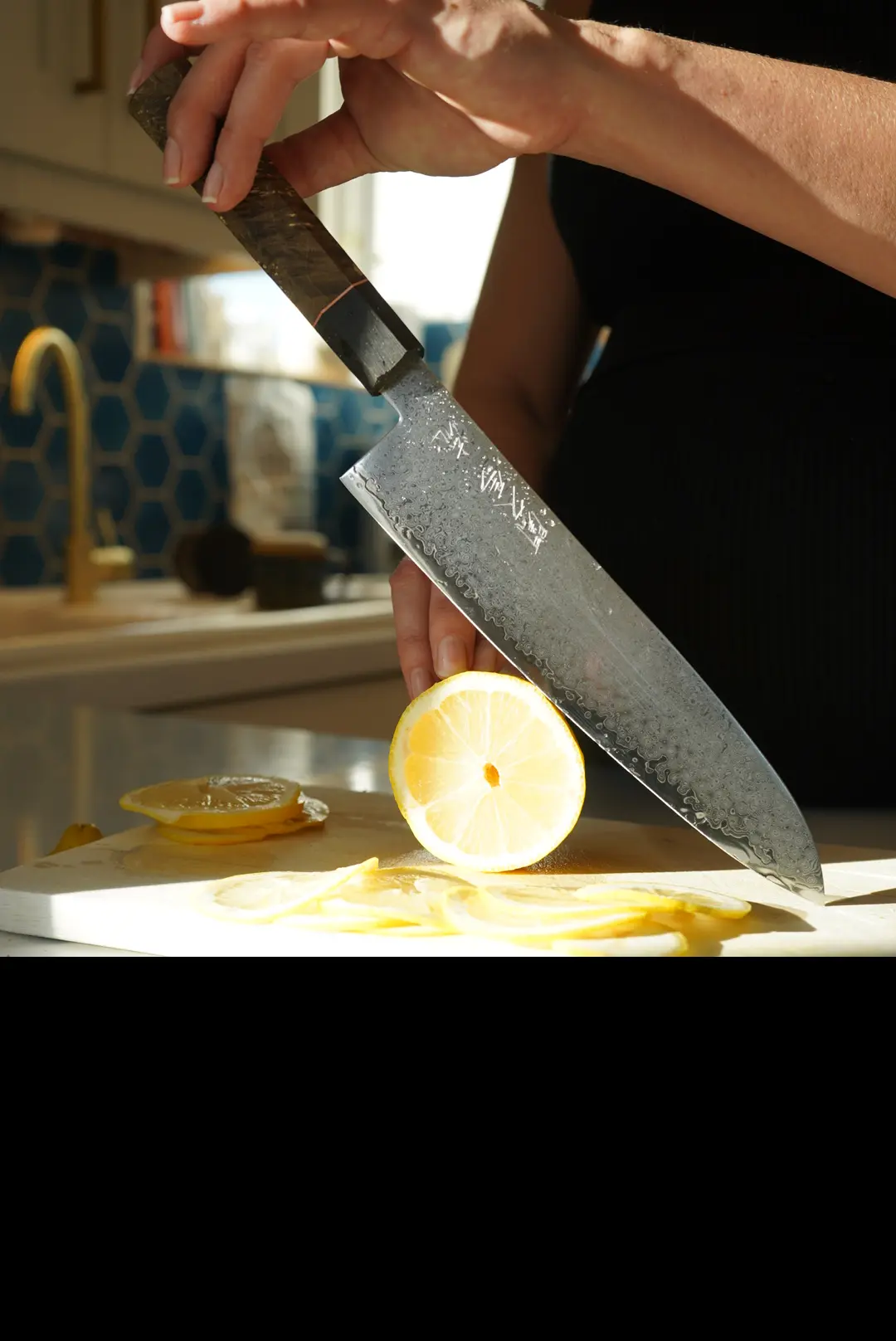
The wave pattern on a Damascus blade is more than looks. How folded layers, like the 33 in the RYU line, balance edge retention and resilience.
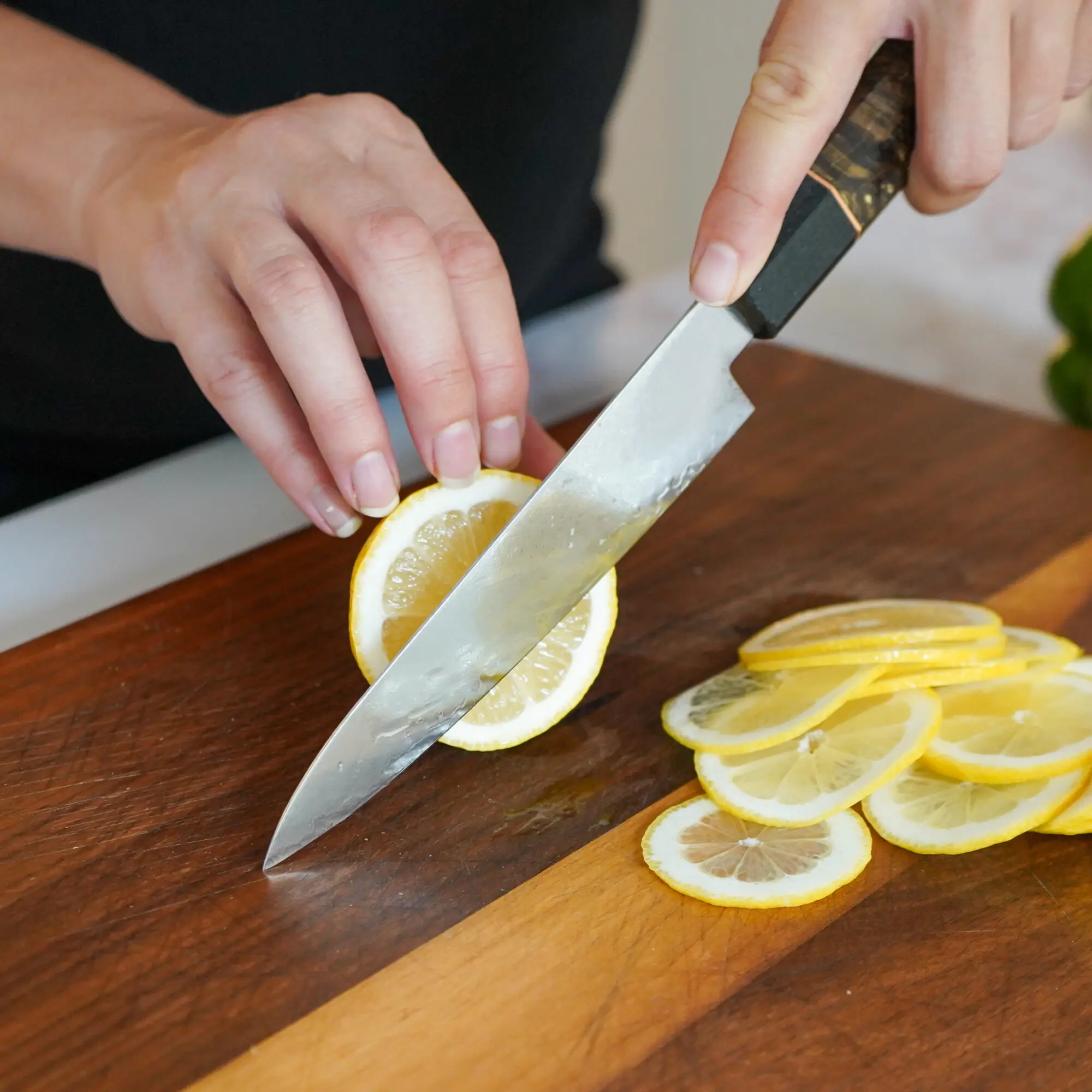
The four best Japanese knives for home cooks, the Gyuto, Santoku, Nakiri and Petty, with the features and tasks that suit each one.
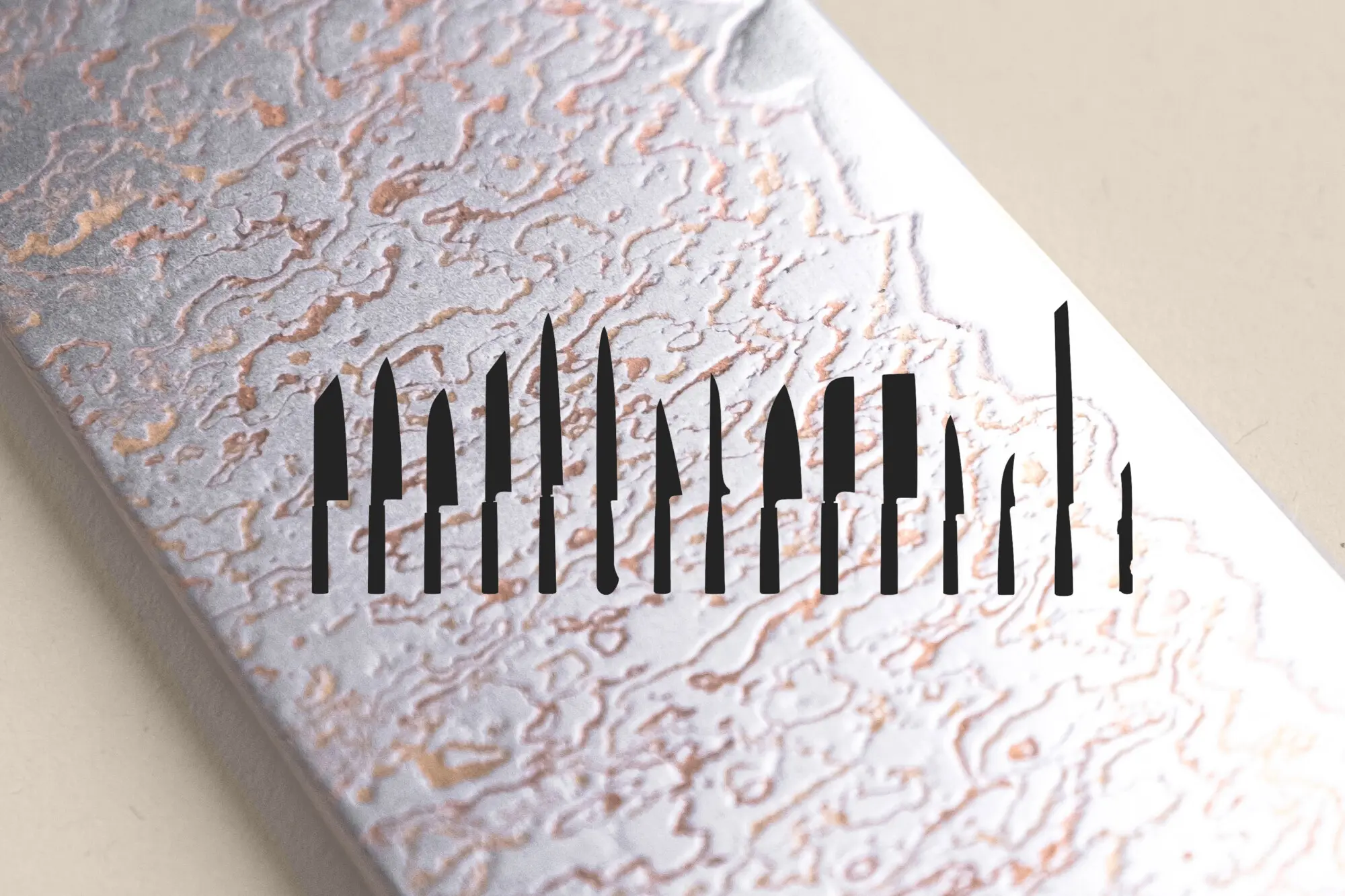
A guide to every major Japanese knife shape, from the all-purpose gyuto and santoku to specialised blades, and what each one is built to do.
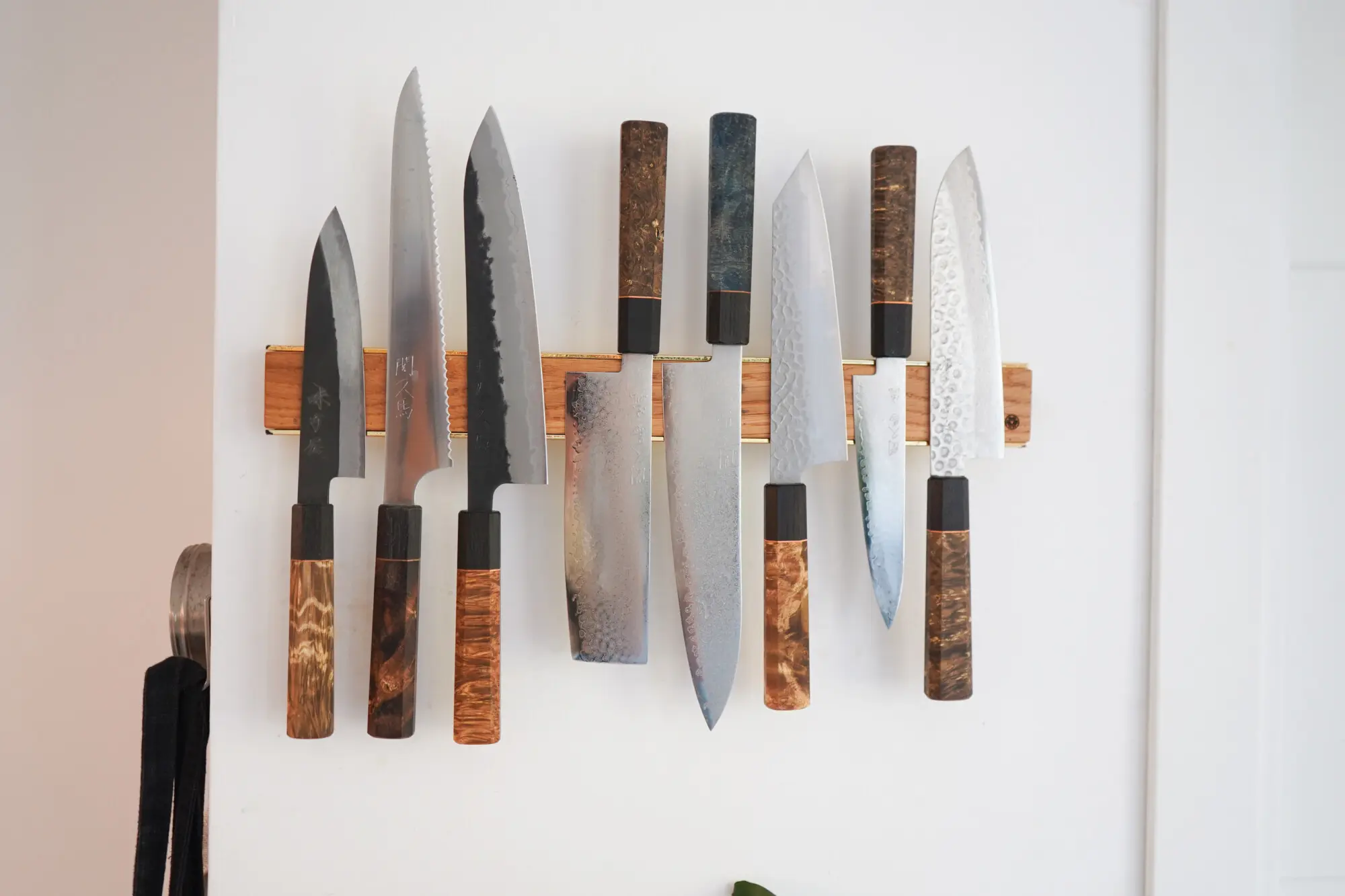
Should knives hang blade up or blade down on a magnetic rack? Why many professionals favour blade up, covering ergonomics, balance and edge wear.
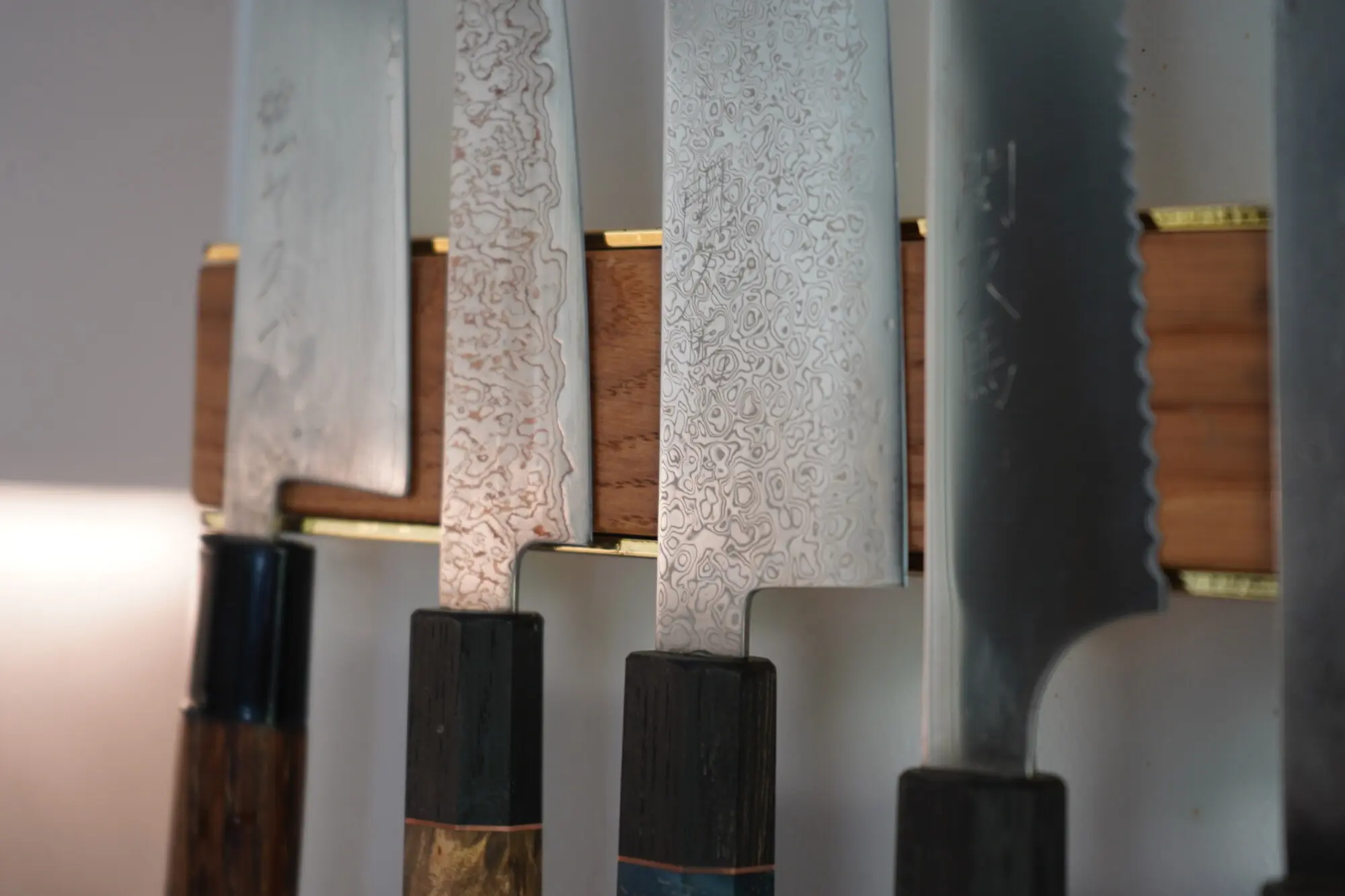
A practical primer on kitchen knives, covering how to pick your first chef’s knife, blade materials, cutting technique and basic maintenance.
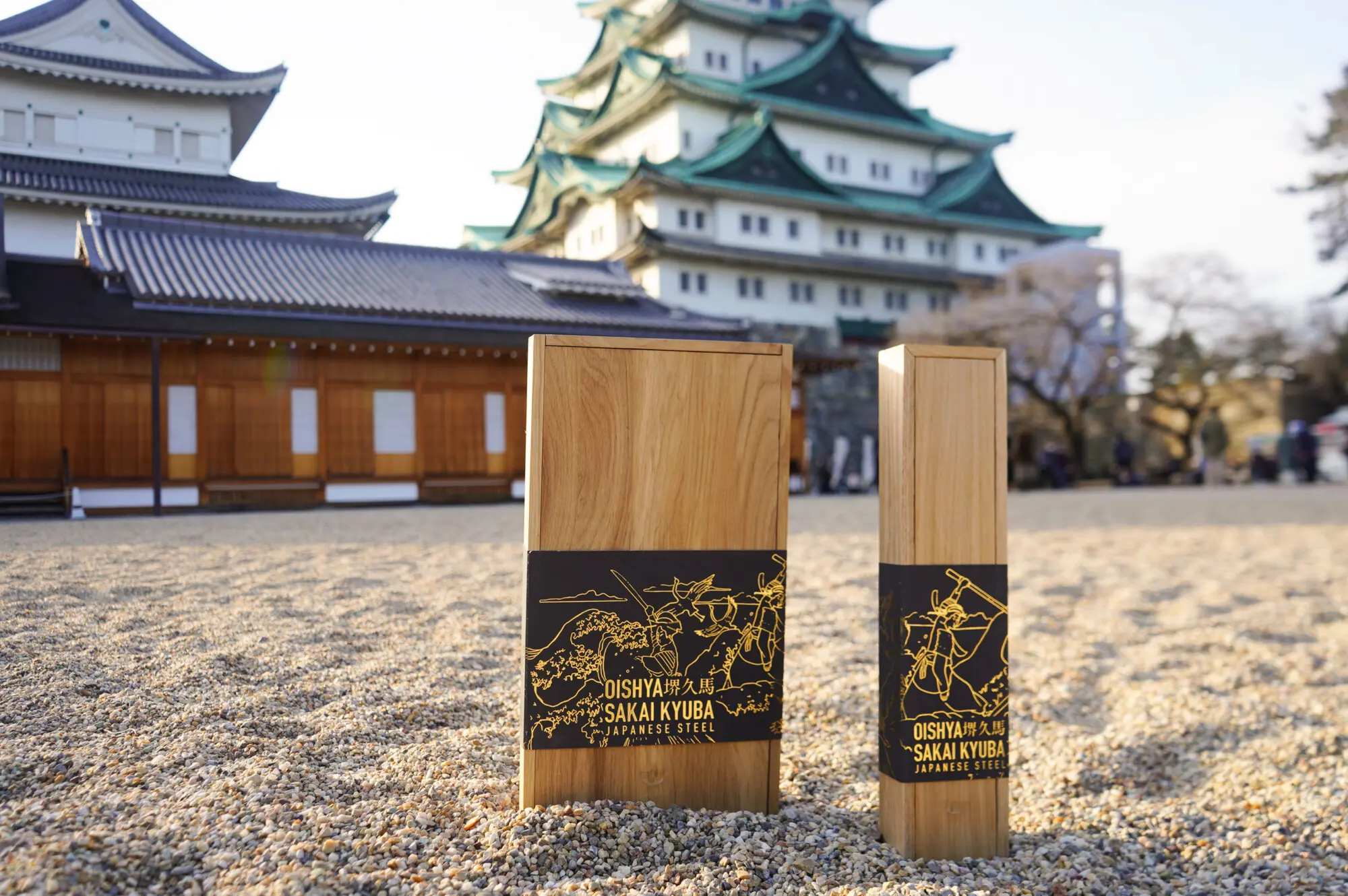
The story behind every Oishya knife, from the 2022 rebrand out of Japana to wooden boards crafted by family workshops across Europe.
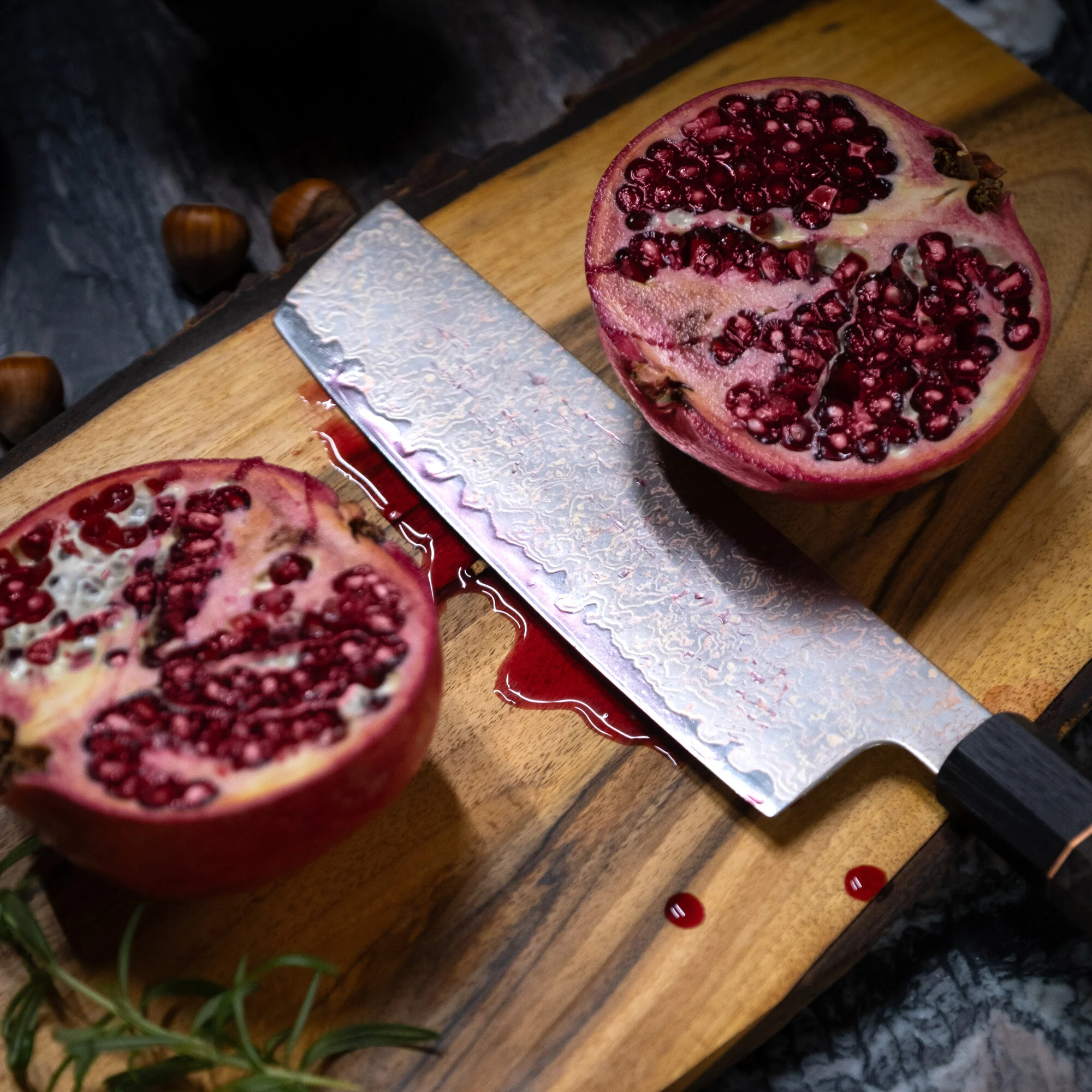
The Nakiri’s straight, rectangular blade gives full edge contact for clean vegetable cuts, less wrist strain and uniform thin slices every time.
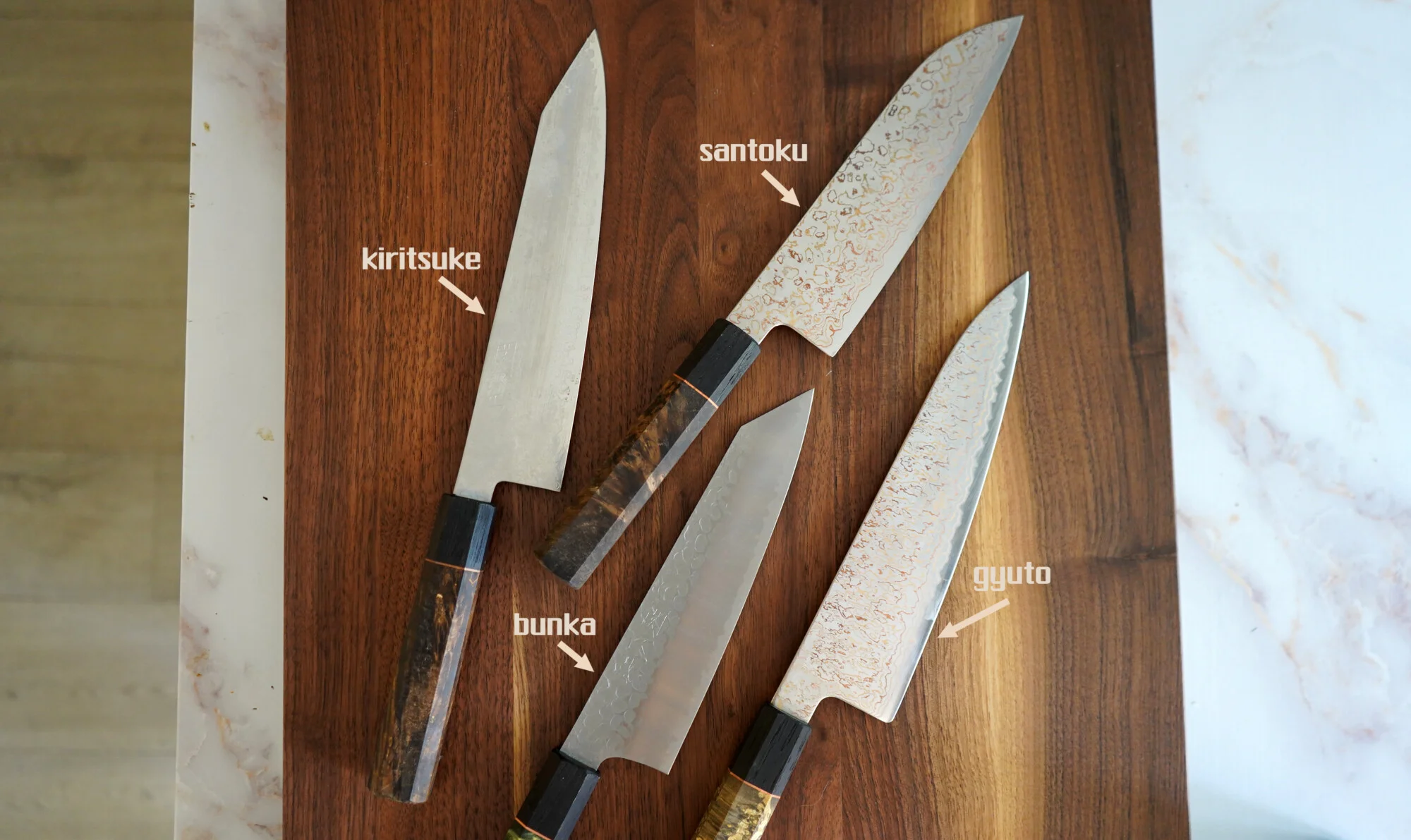
Kiritsuke or Bunka? The longer, elegant Kiritsuke suits showpiece slicing, while the shorter Bunka is a nimble everyday workhorse with a tanto tip.
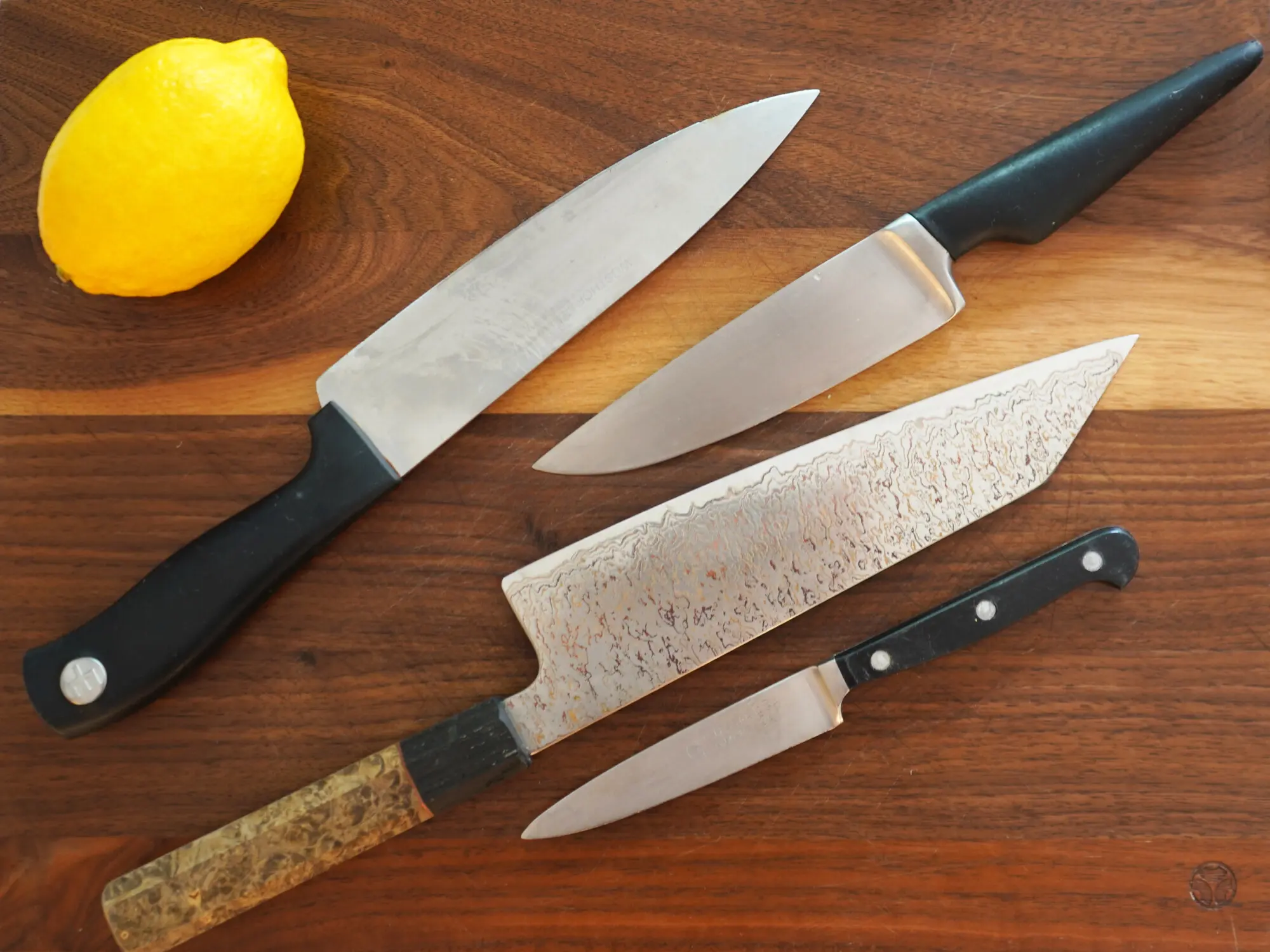
A guide to knife anatomy, covering the blade, edge, spine, tang, handle and bolster, and how German and Japanese traditions design each part.
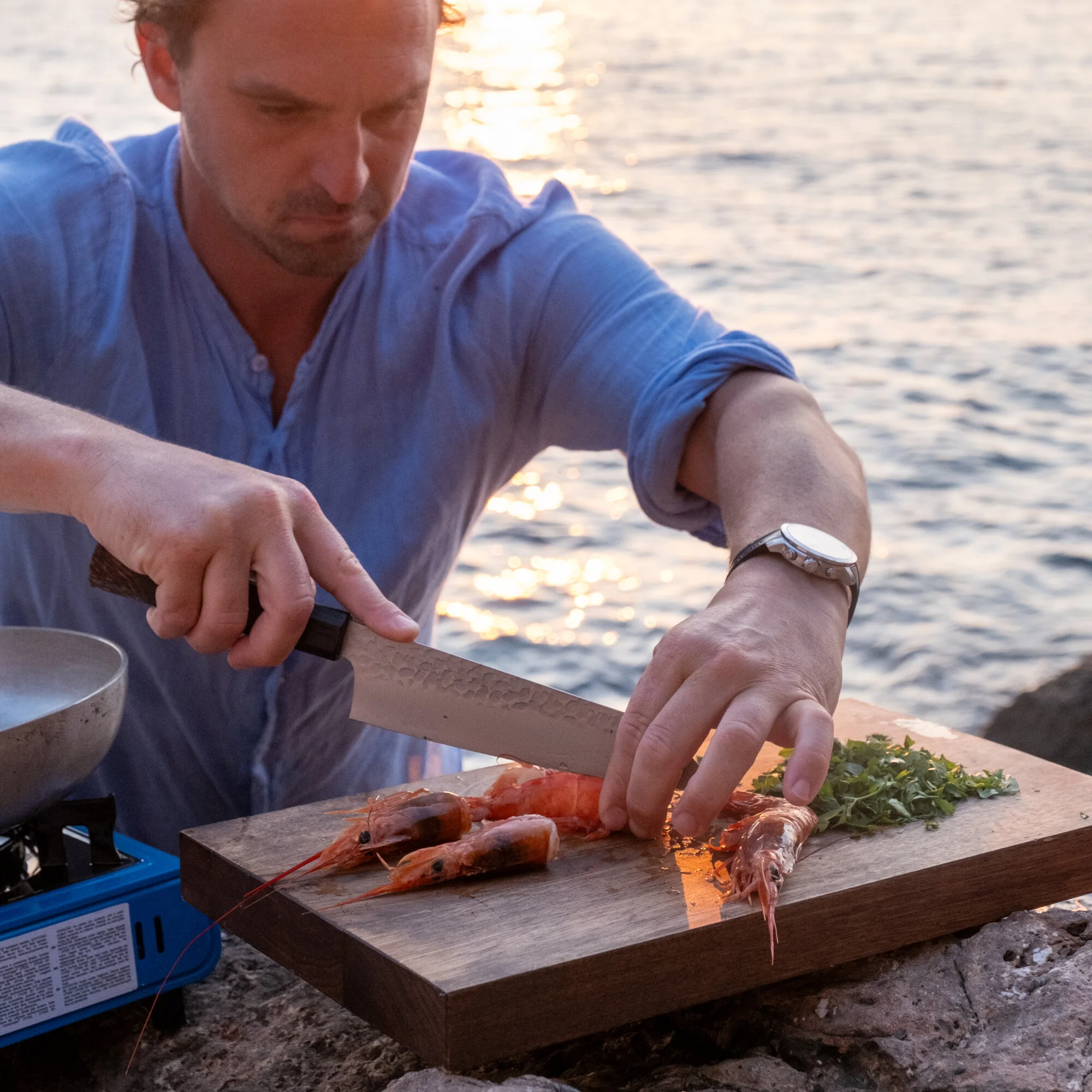
Japanese knives use harder steel and a 10 to 15 degree edge, so they cut with less force than thicker Western blades. Here is the science behind it.
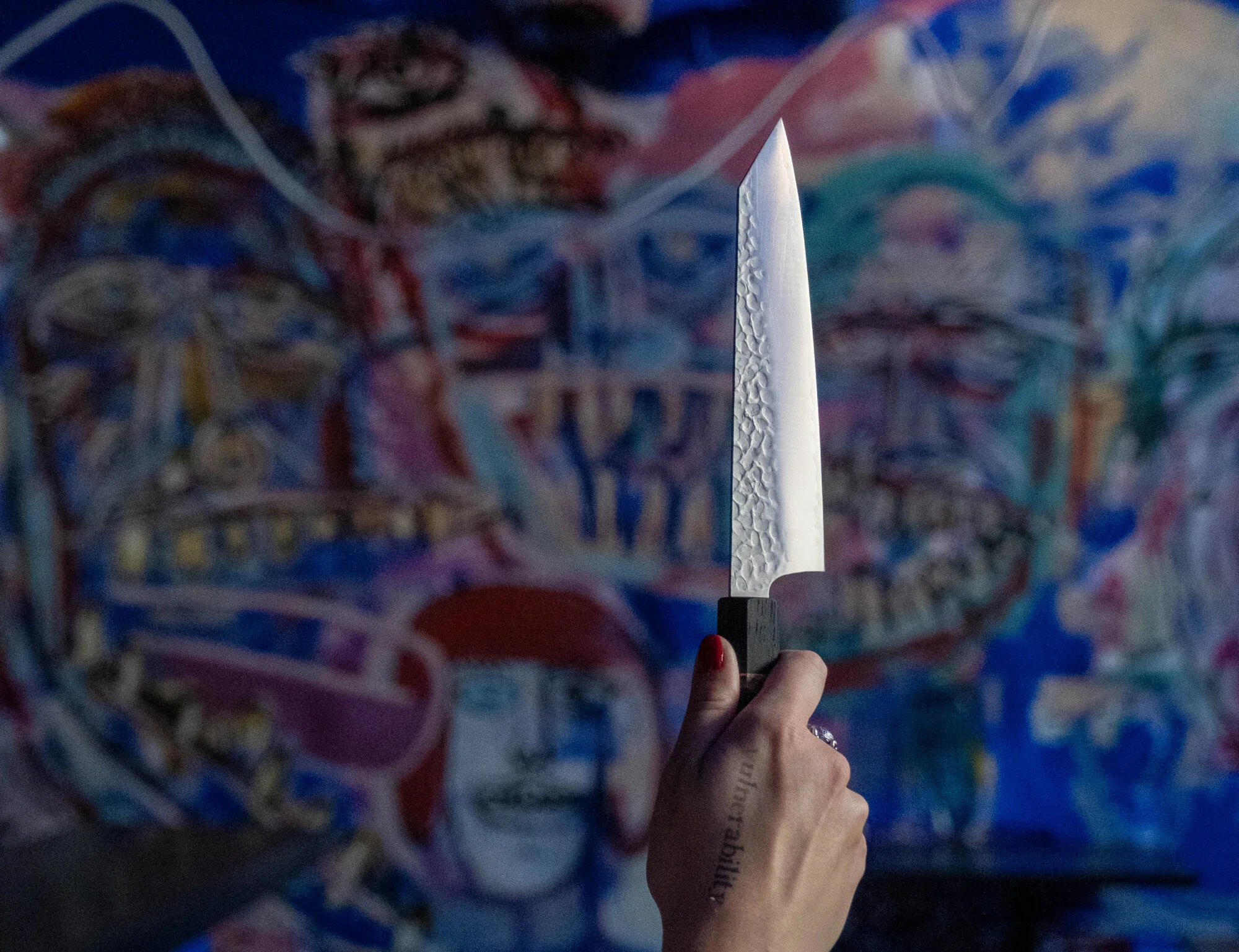
A beginner’s look at Japanese knives, from san mai construction and high-carbon steel to the ikigai and kaizen philosophy that shapes how they are made.

The kiritsuke, bunka, gyuto, and santoku compared by shape, use, and skill level to help home cooks pick the right Japanese knife.
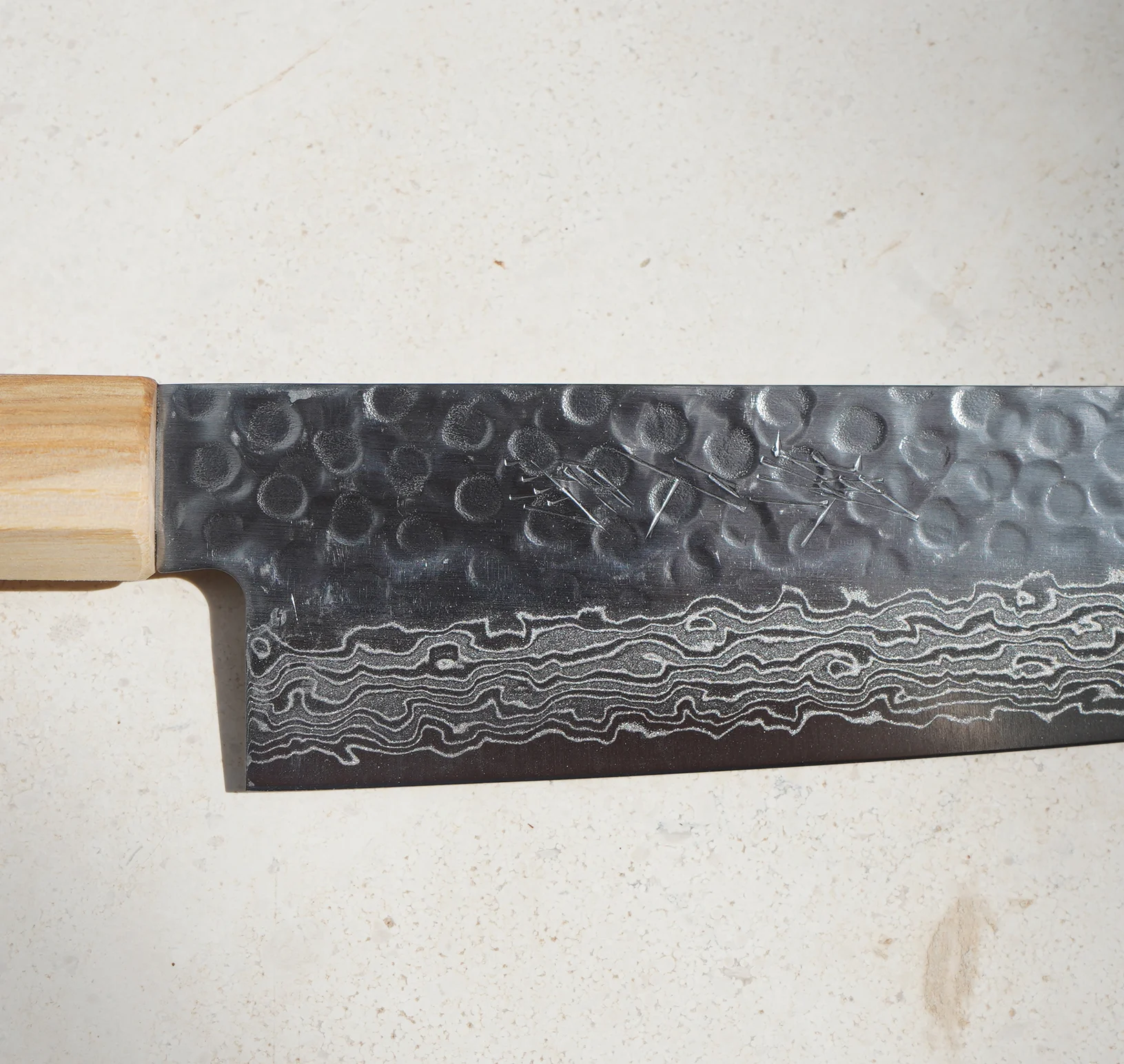
Carbon steel reaches extreme hardness and sharpness but rusts easily, while stainless trades a little edge for low upkeep. How to choose between them.
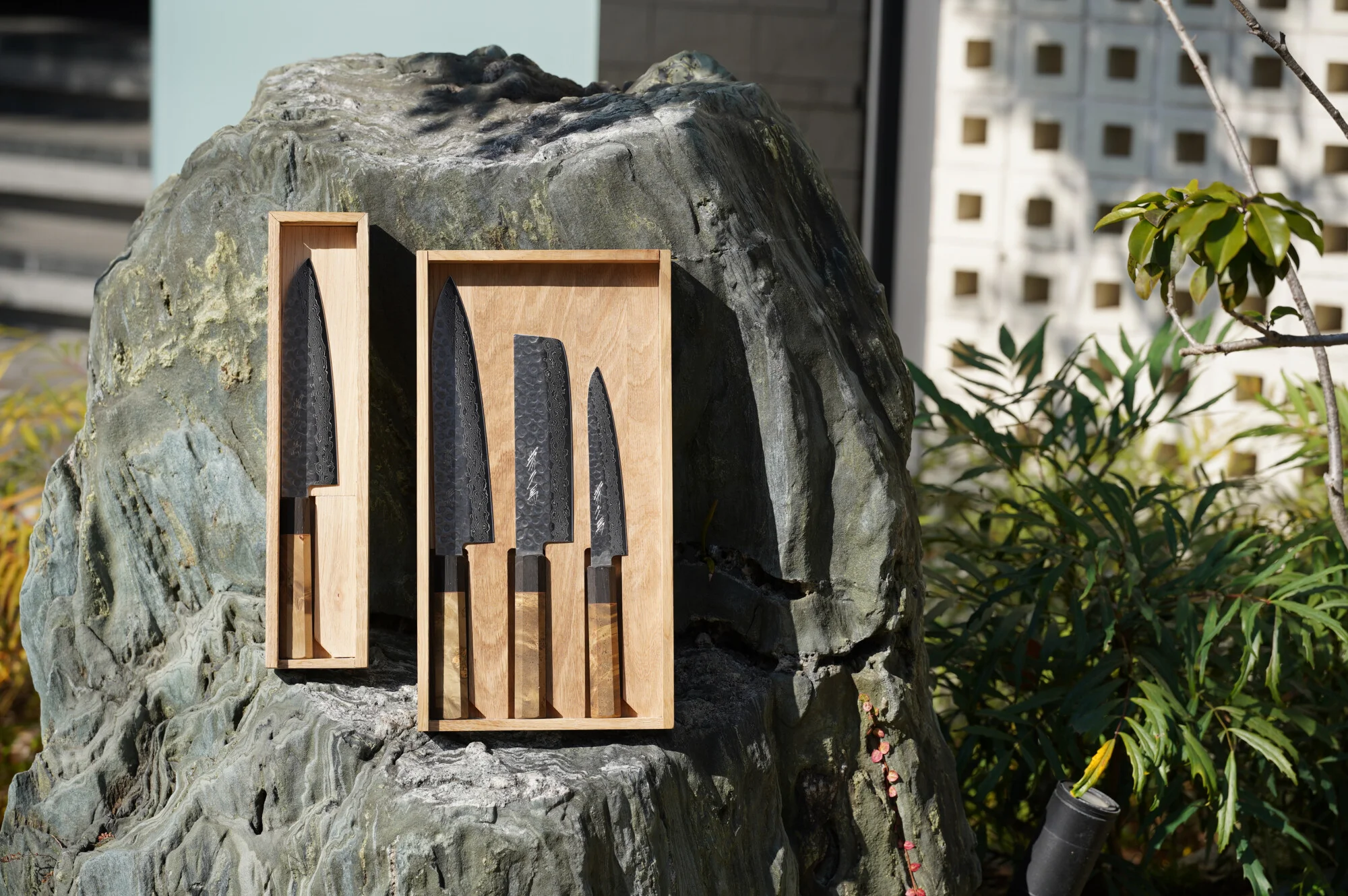
One gyuto or a full set? Where the santoku, bunka and kiritsuke each earn their place before you commit to a matching set.
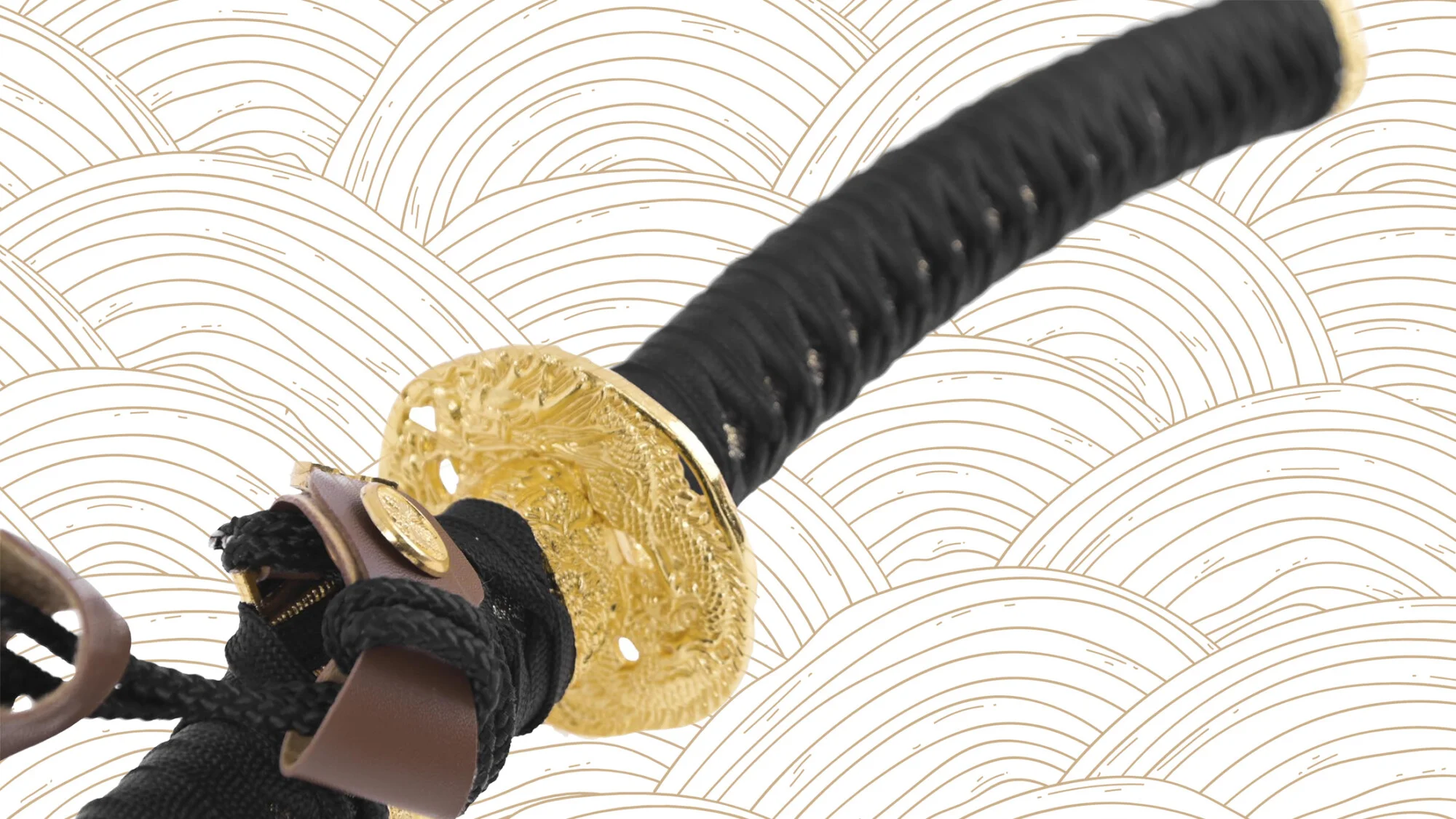
Forged from low-impurity iron sand and folded again and again, a nihonto is closer to ritual than manufacturing. Inside the making of Japan’s costliest blades.
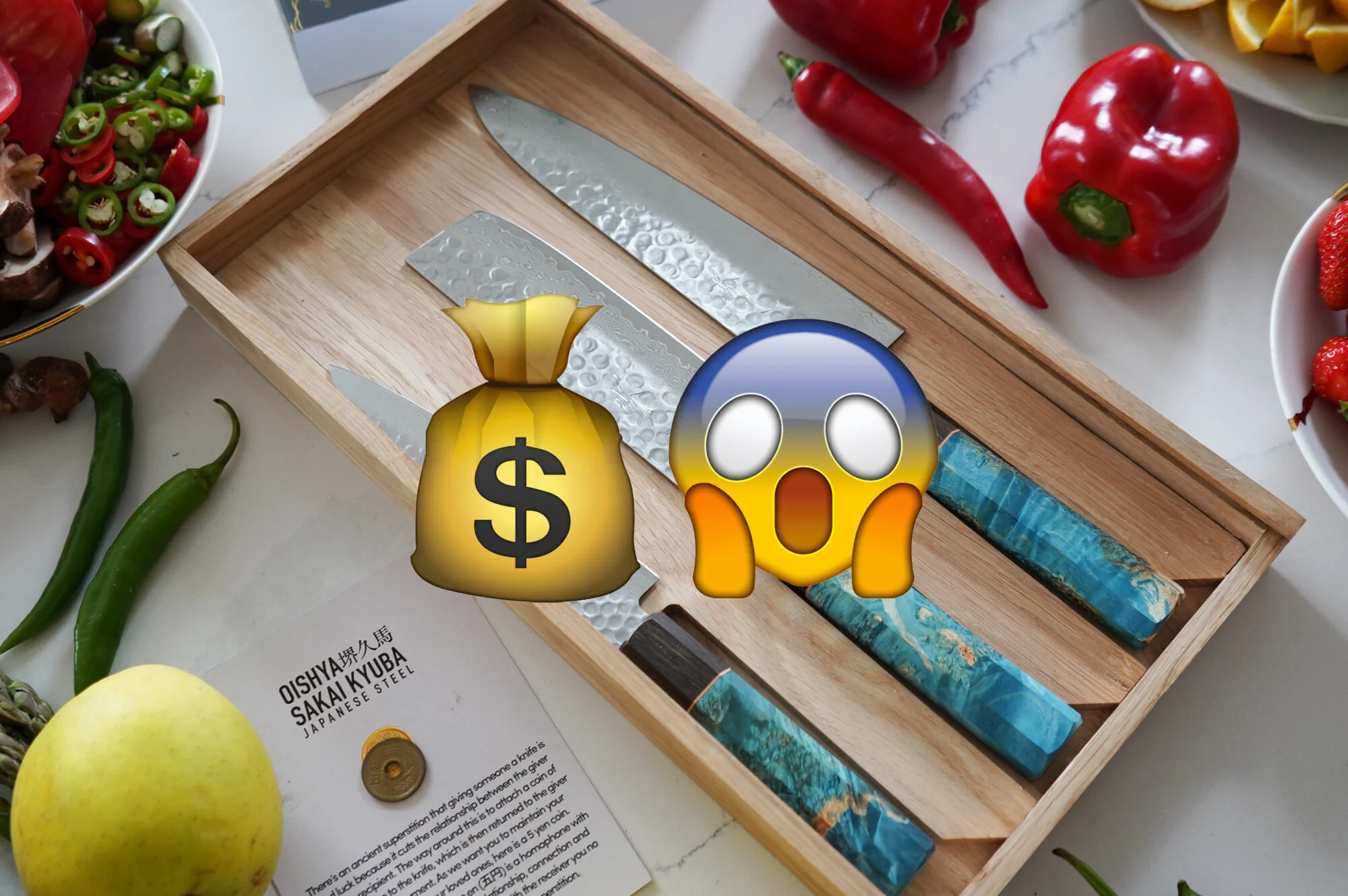
What makes Japanese knives worth the price: high-carbon VG10 and layered Damascus steel, task-specific designs, and matching kitchen accessories.
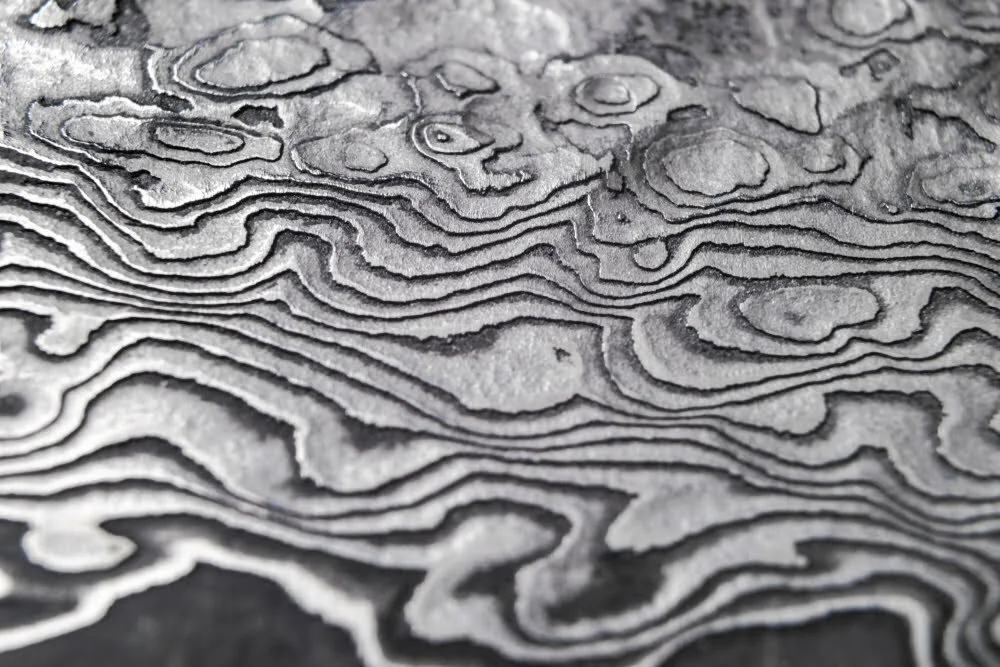
Damascus steel traces back to the Near East around 300 AD, prized for its wavy pattern and strength. Here is the history behind the legendary blade.
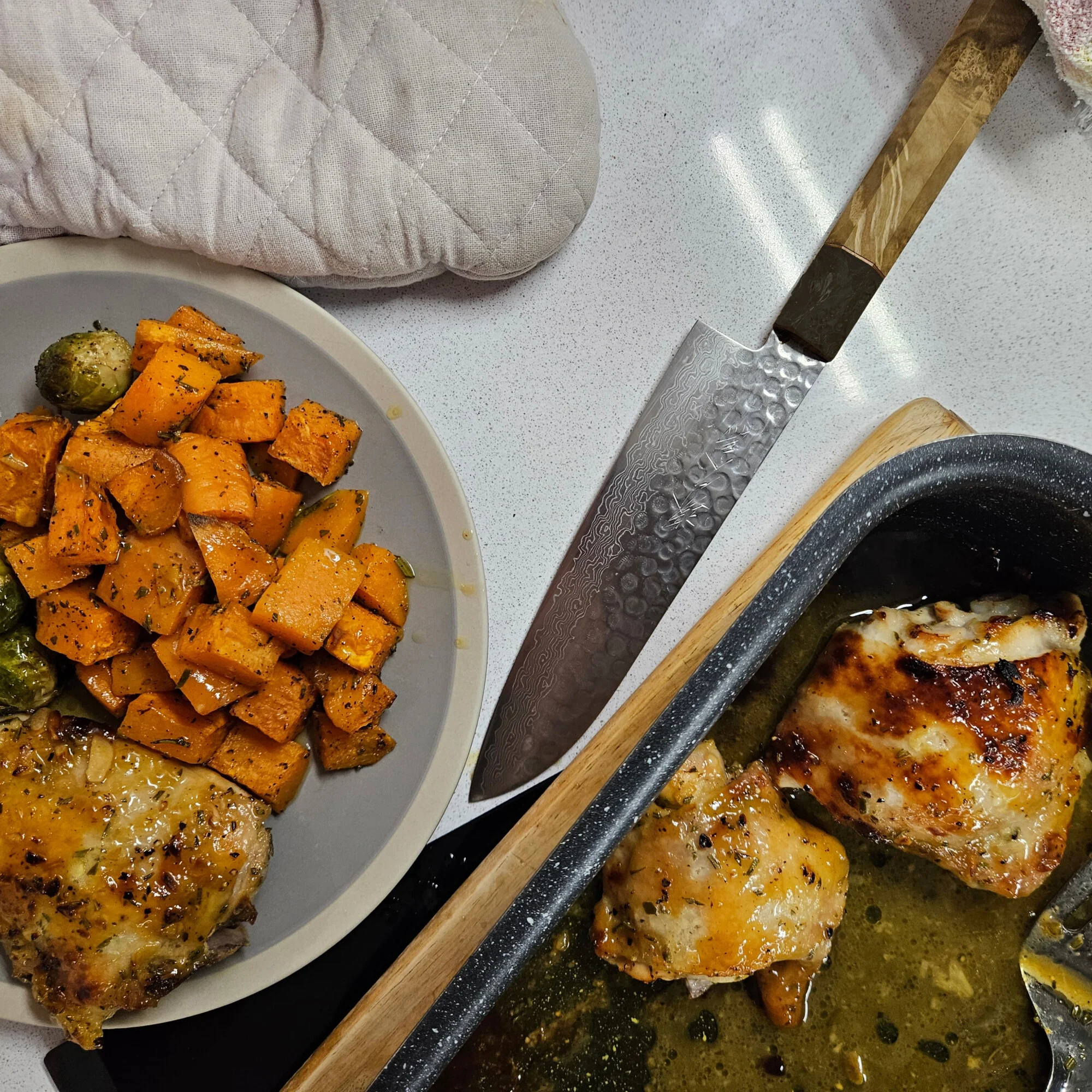
How do you tell a real Japanese knife from a fake? Read the steel, the grind and the edge geometry, plus the marketing tells that dress up a cheap blade.
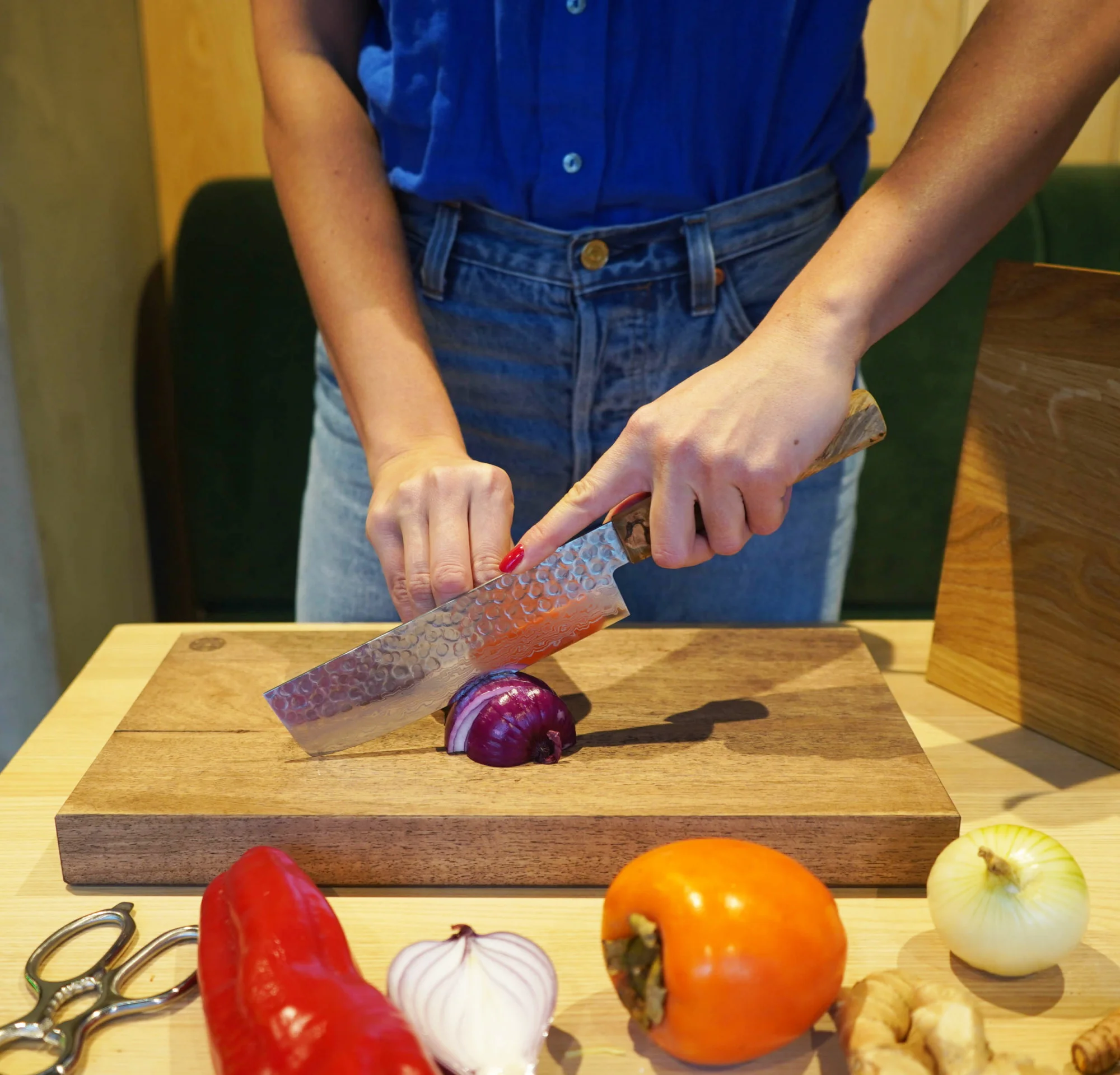
Choosing a knife for women who love to cook: comfort, ergonomic handles, versatility and a sharp, well-balanced blade for everyday kitchen tasks.
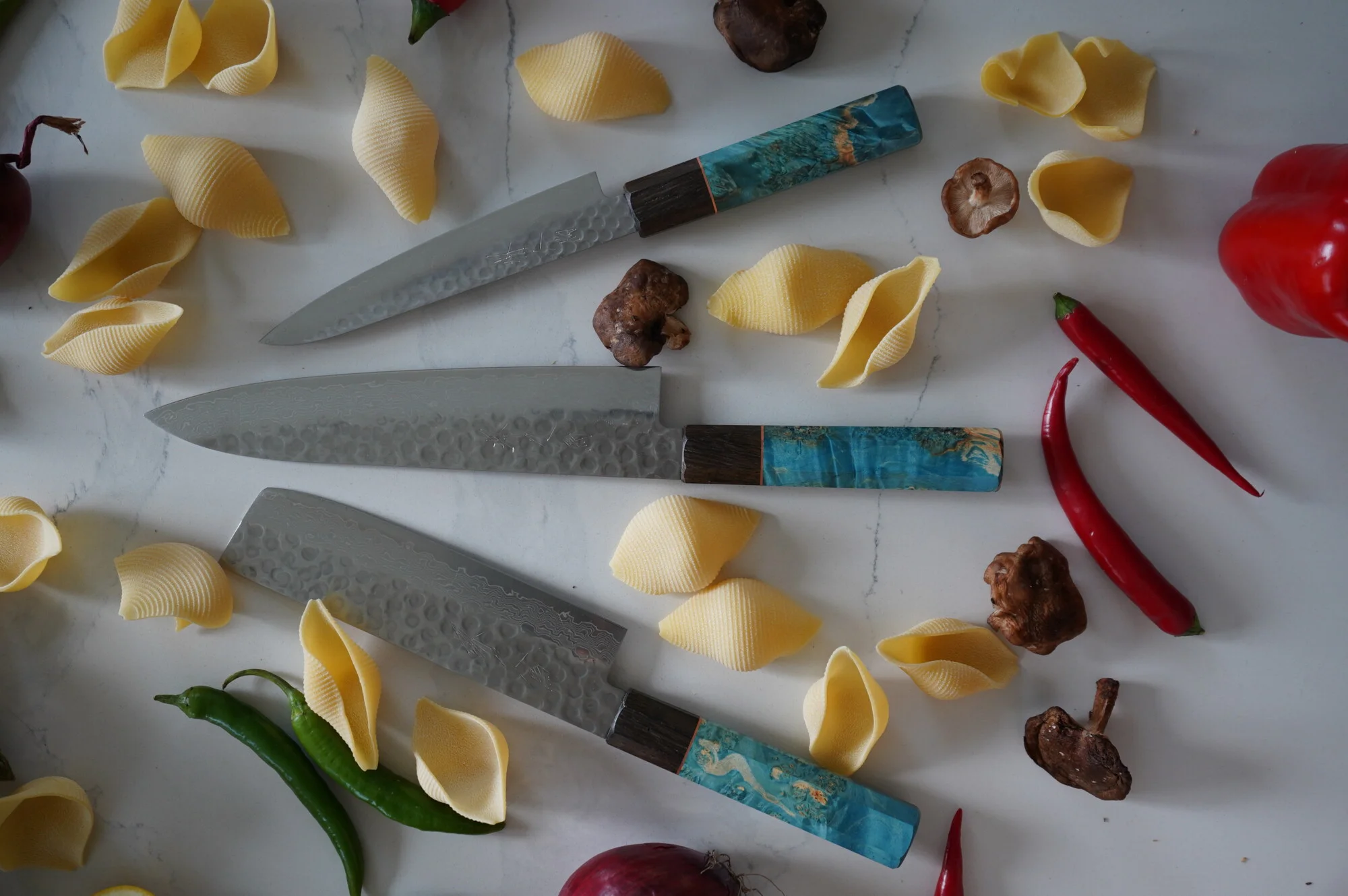
Chromium in the steel is what stops a blade rusting, staining and pitting. What rust-resistant knives ask of you day to day, and what they give back.