Japanese knives trace back to samurai swordsmiths, including blades for the Onna Bugeisha, and their light, precise build suits women cooks well.
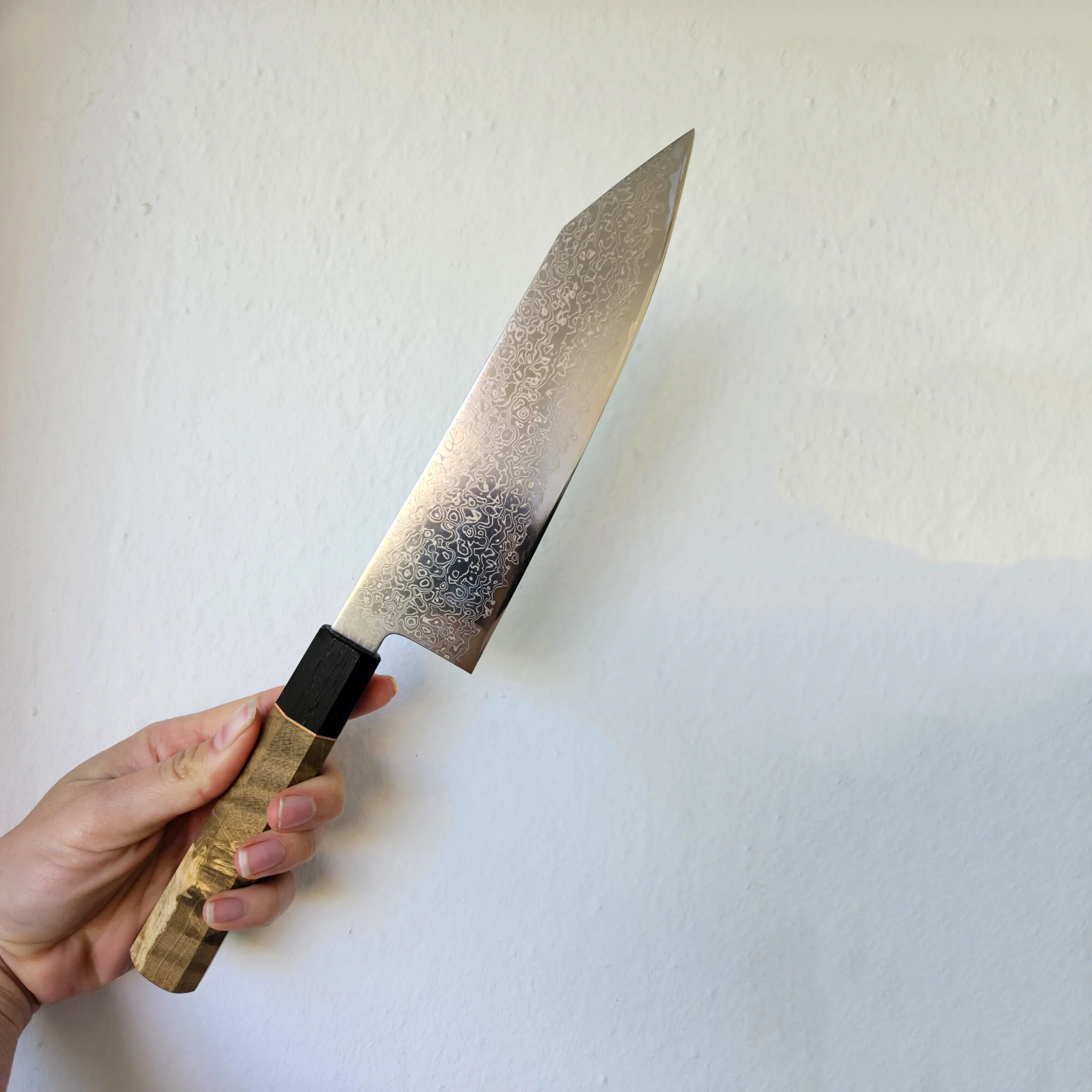

Articles about Japanese kitchen knives: where they come from, how they’re made, and how to choose and live with one. We work directly with smiths in Sakai and Seki, so much of this is written from the workshop side: what a harder steel does that a softer one doesn’t, why a 15° edge changes the way you cut, how to tell a gyuto from a santoku before you spend money on either. Buying your first? Start with the buying guide. Already own one? The care and sharpening pieces will keep it cutting for a decade.
Japanese knives trace back to samurai swordsmiths, including blades for the Onna Bugeisha, and their light, precise build suits women cooks well.
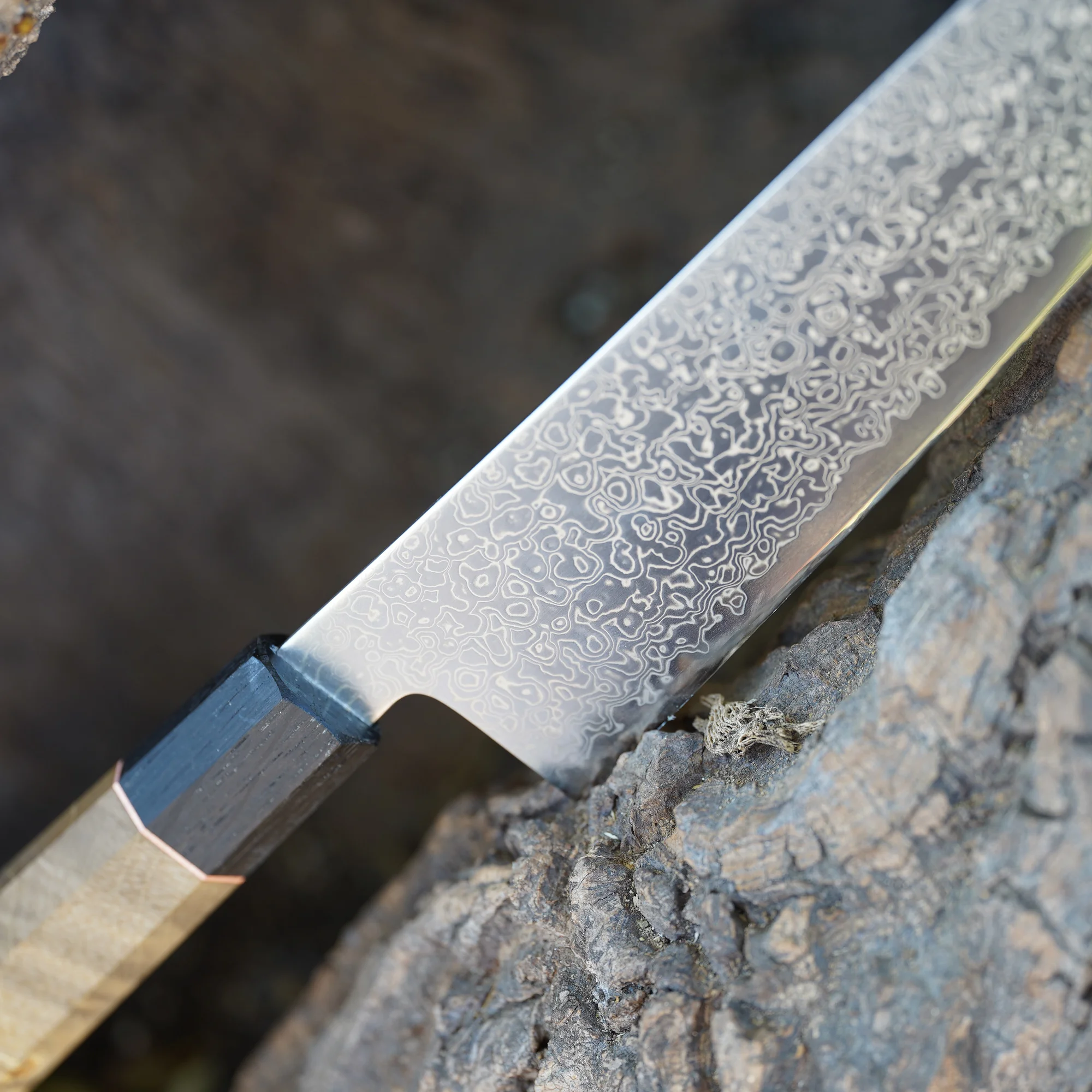
Never leave them wet. How to wash, dry and sharpen a Japanese knife, with a rundown of the Gyuto, Santoku, Nakiri, Deba and Sujihiki.
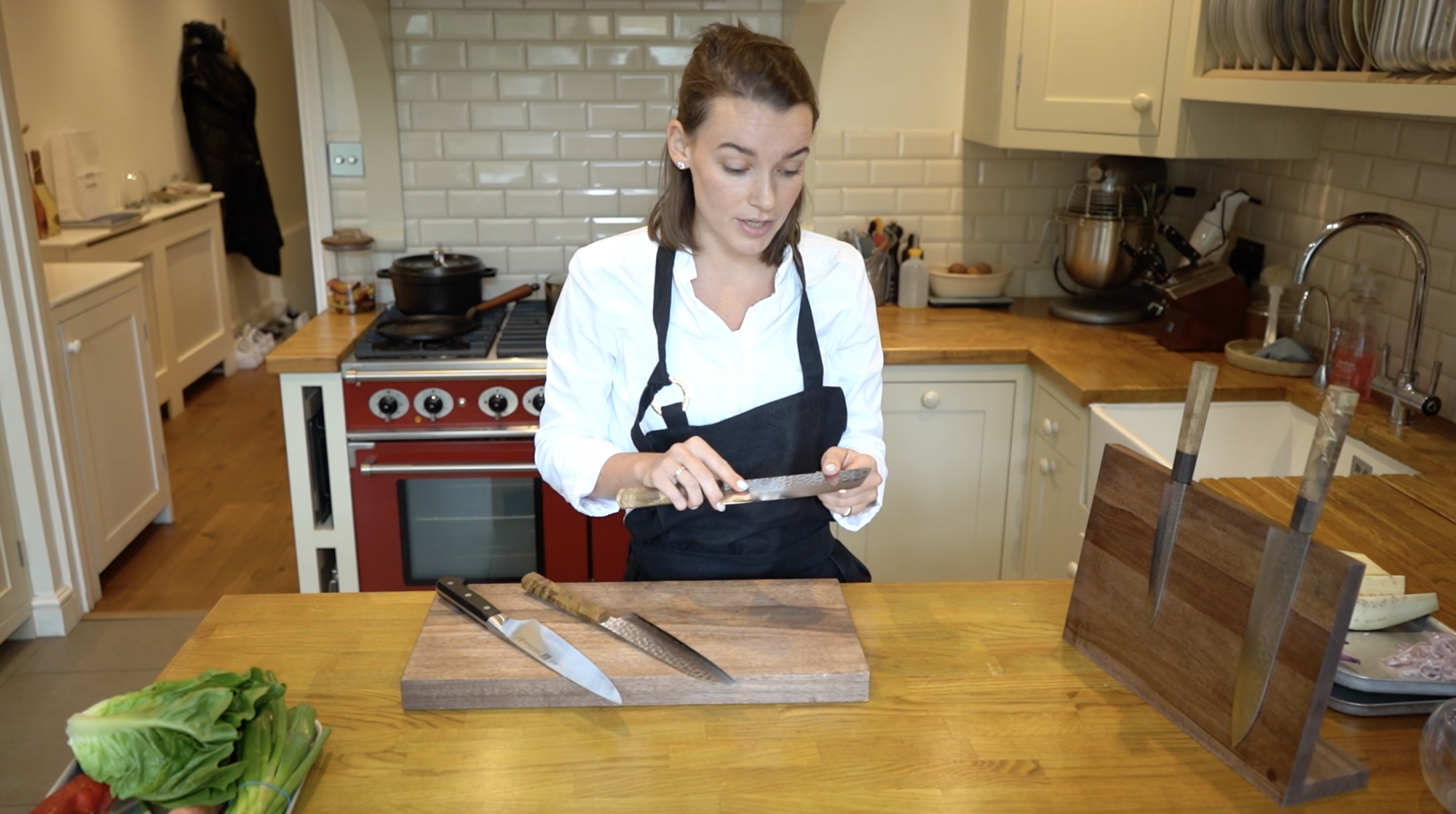
Chef Olivia Burt on why Japanese blades stay sharper and food sticks less, plus the three she’d own: a Gyuto or Santoku, a Nakiri and a Petty.
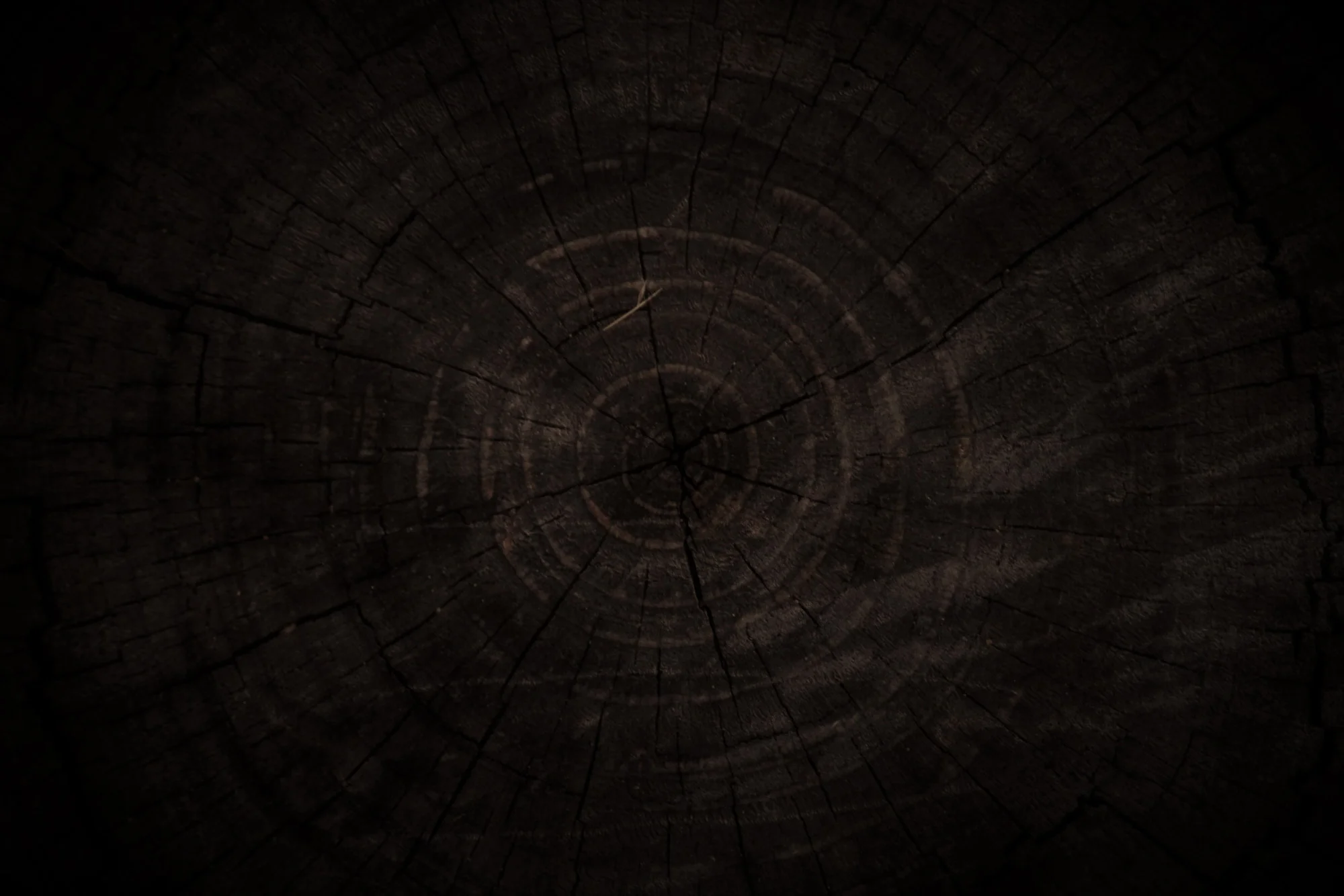
The wood on every Sakai Kyuba handle sat in a peat bog for 2,500 years, darkening and hardening since before Rome. Here’s how bog oak forms.
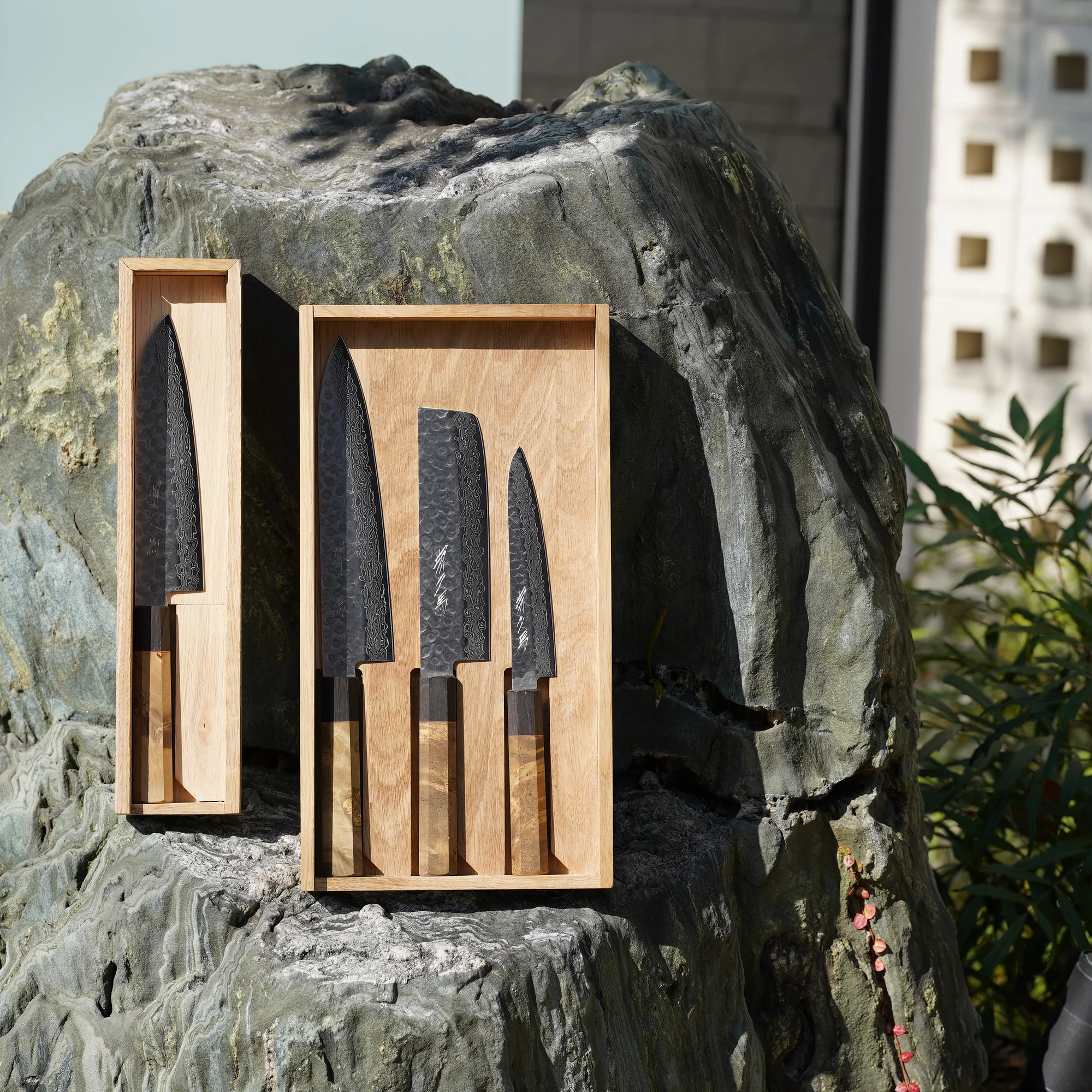
Why own a meat-carving knife if you’re vegetarian? Weighing a tidy knife set against buying only the two or three blades you’ll actually use.
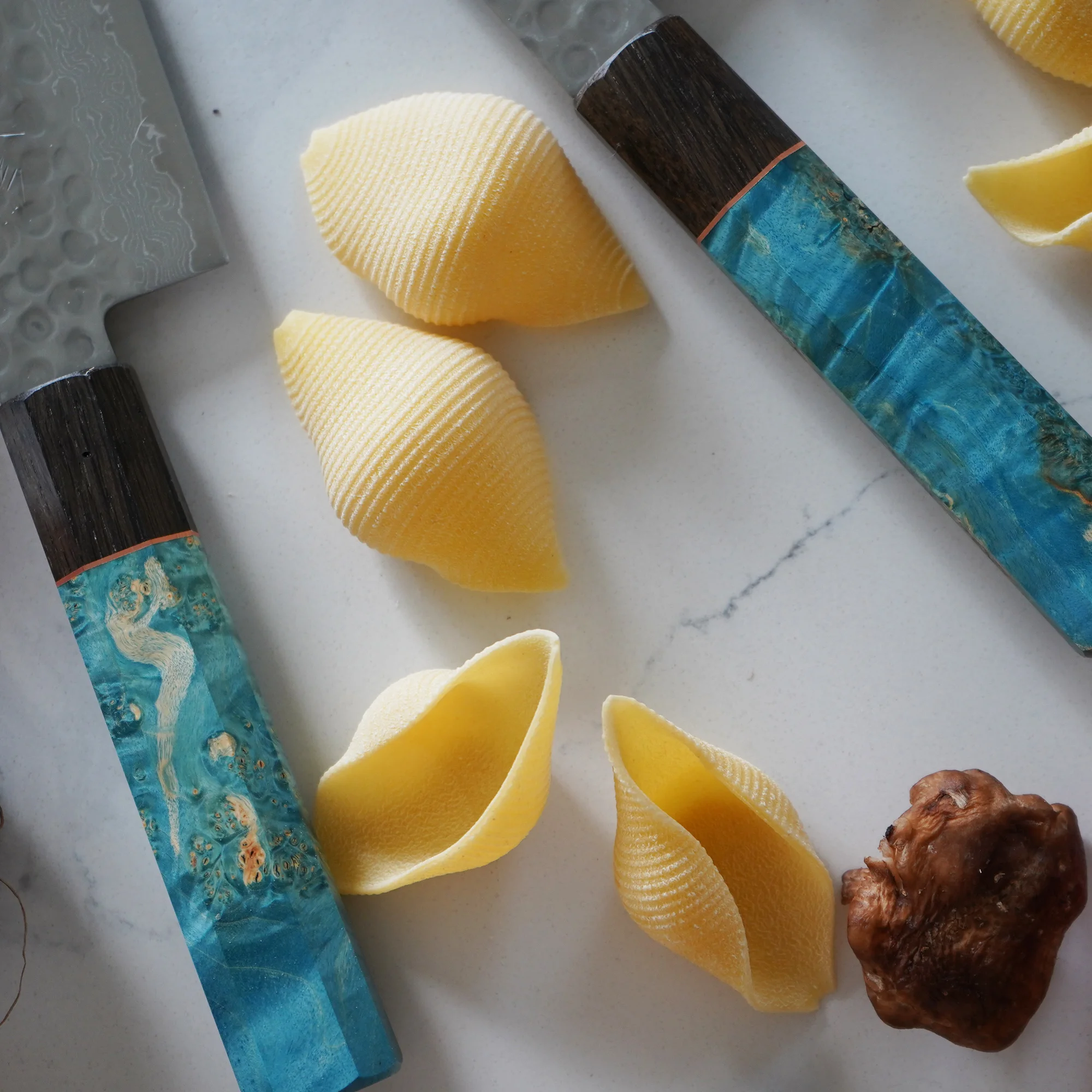
What turns soft maple into a handle that shrugs off water? Resin forced deep under pressure, leaving the burl dense, tough and waterproof.
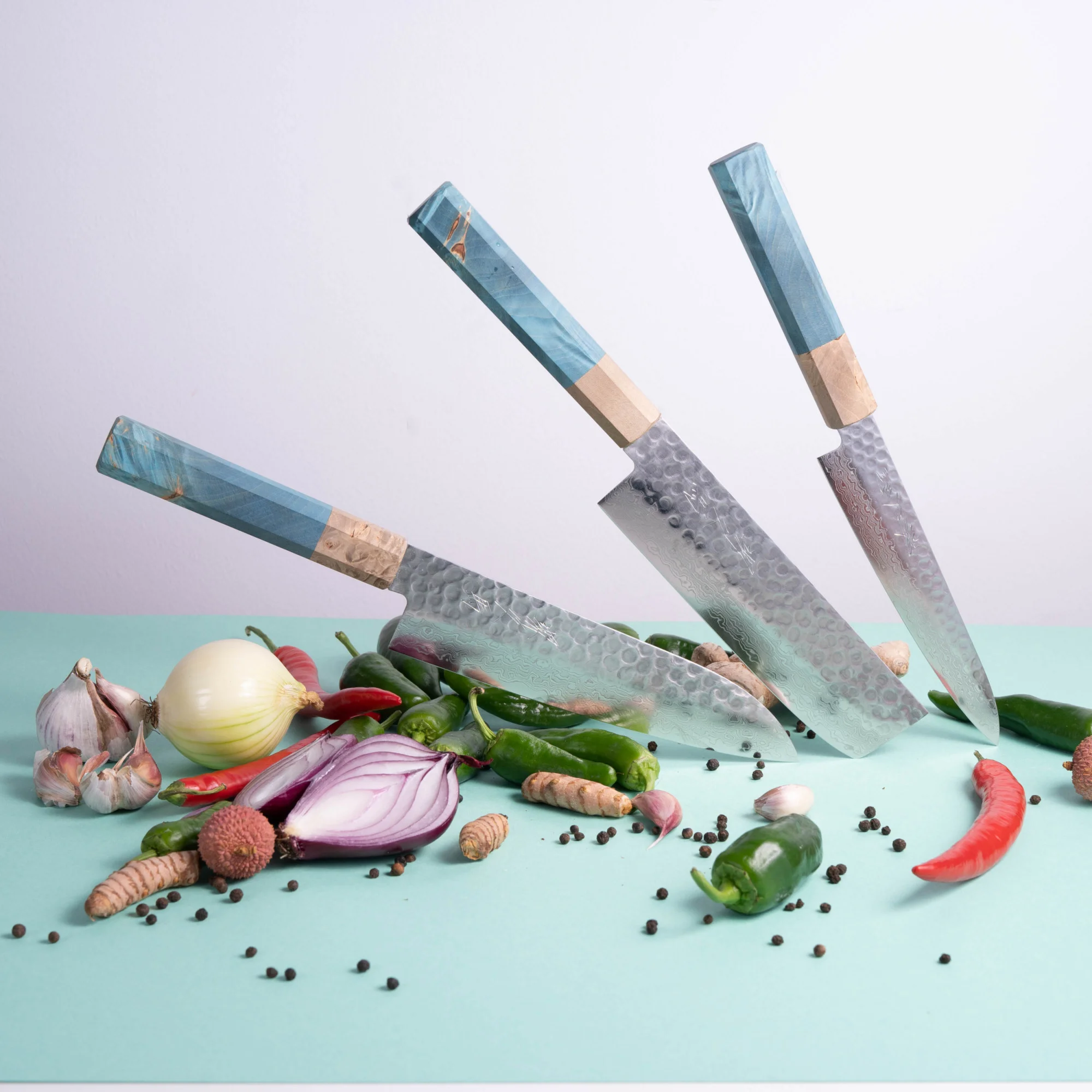
Rockwell 58-65 steel against Europe’s 52-56, a 15-degree bevel instead of 20, and a blade hammered light enough to draw toward you.
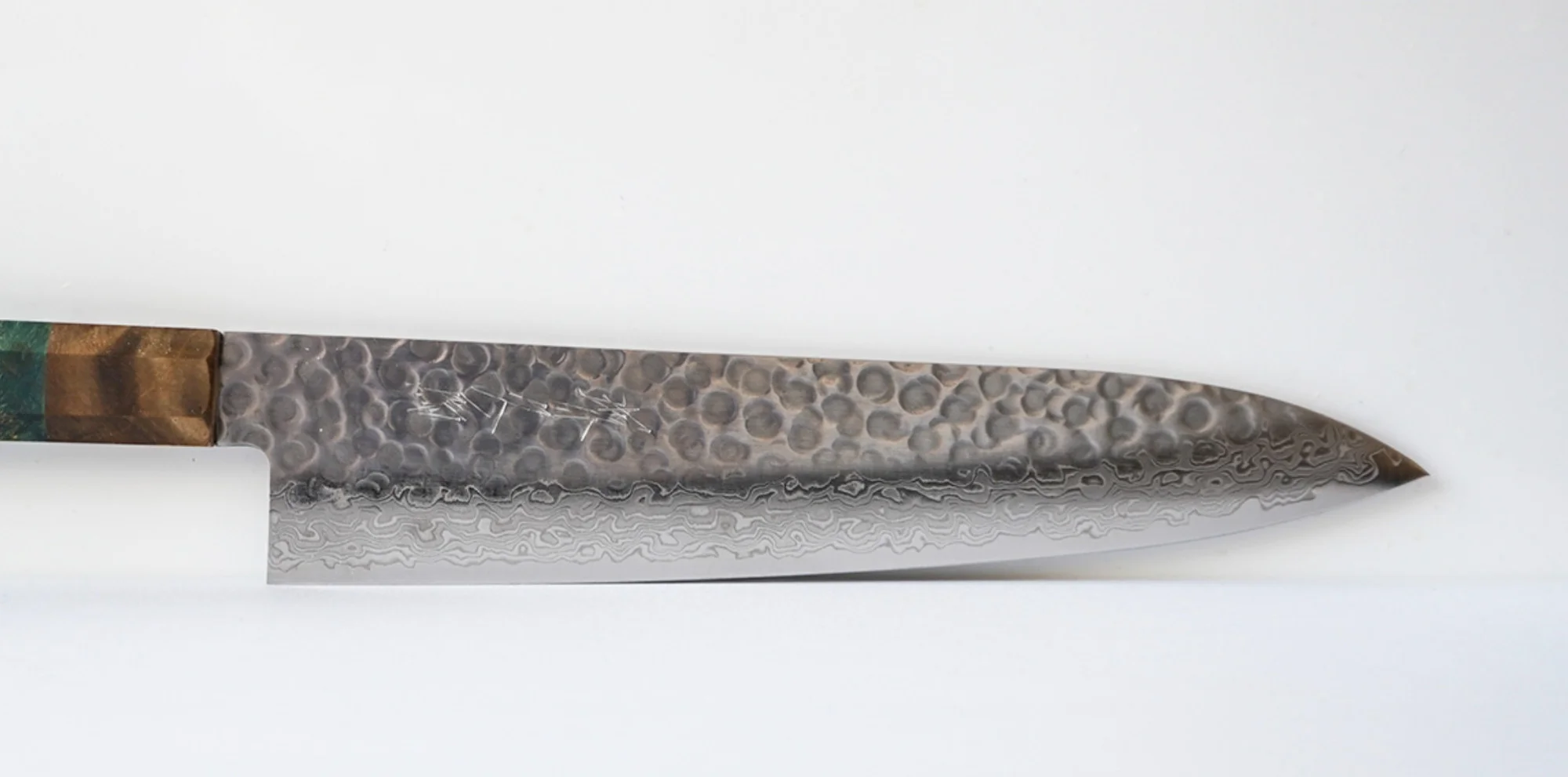
First proper knife? Buy a gyuto. Add a nakiri and a petty later, and those three handle most of what a kitchen throws at you.
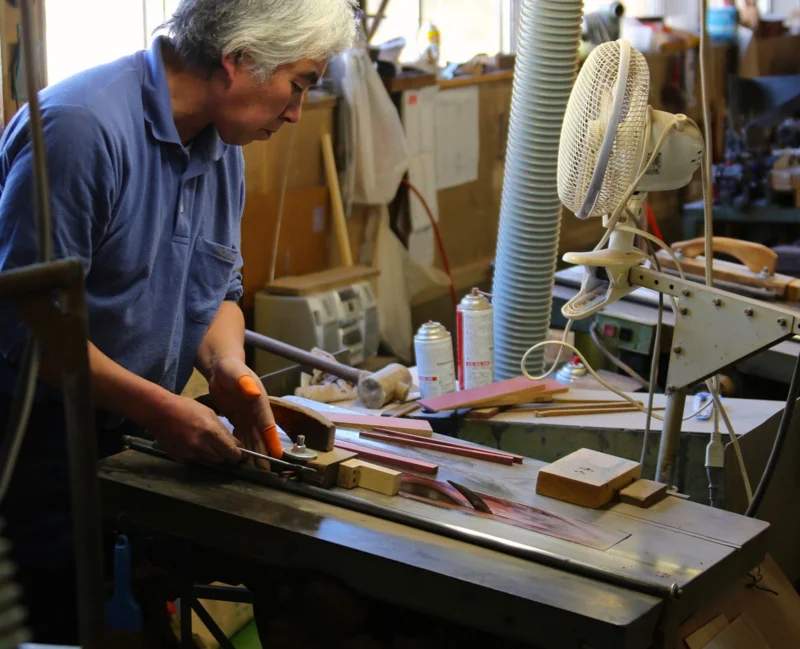
Sakai’s blacksmiths turned samurai sword craft into tobacco-cutting knives after the Portuguese brought tobacco to Japan in the 16th century.
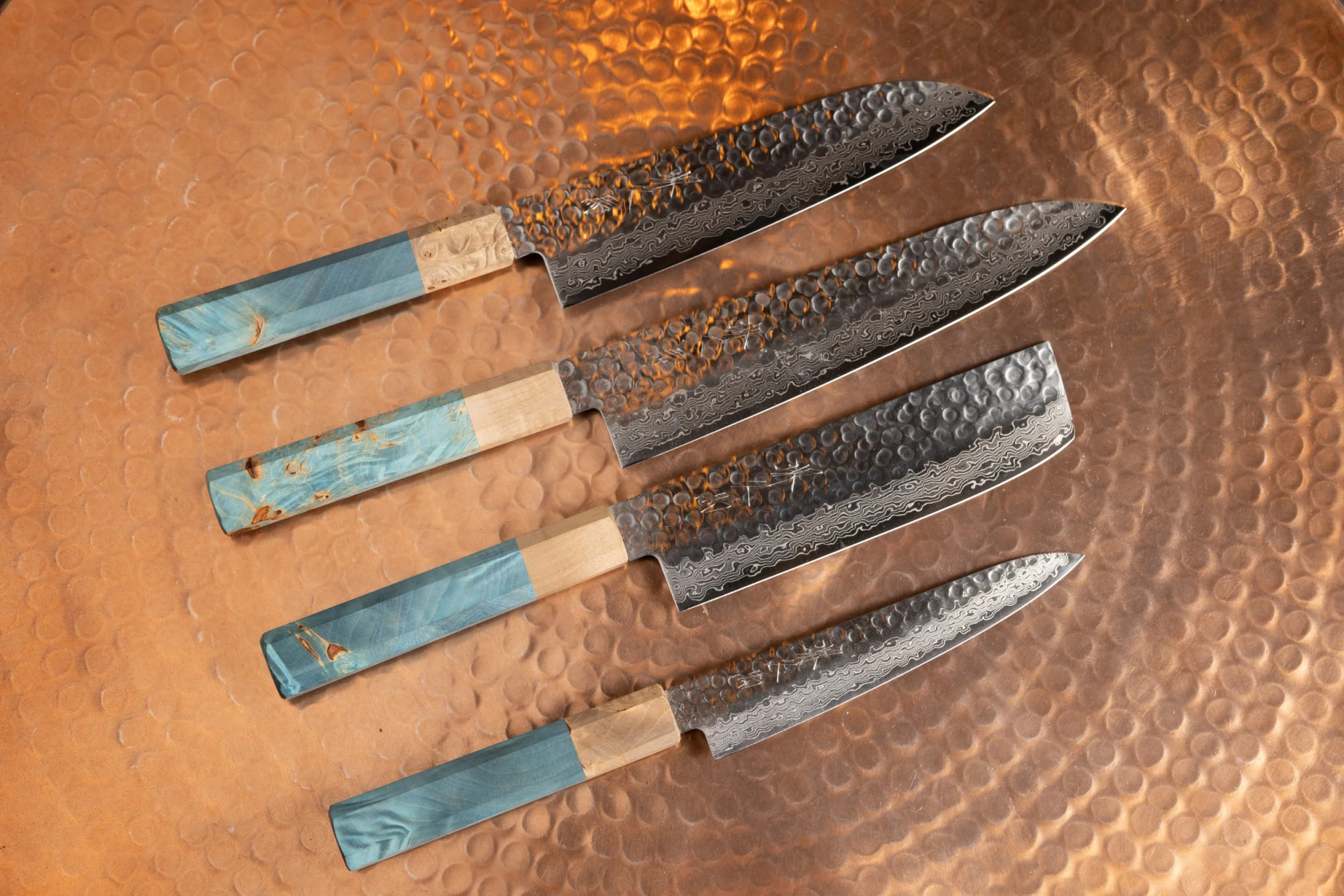
Skip the fifteen-slot block. A Gyuto, a Nakiri, a Petty and one serrated blade handle nearly everything you’ll cut at home.
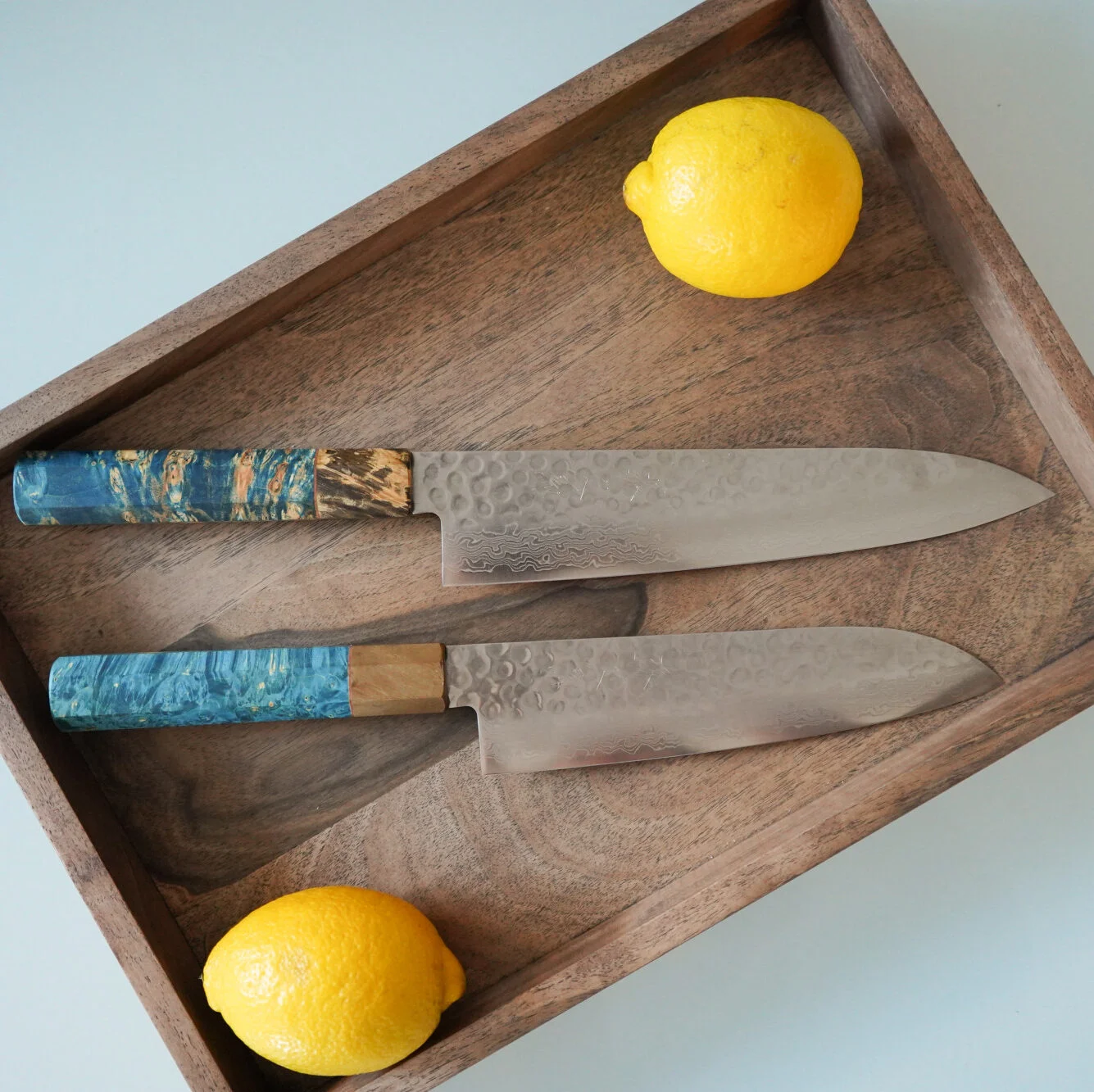
The santoku’s flat blade wants a straight up-and-down chop; the gyuto’s curve lets you rock. That belly, or lack of it, decides which suits your hands.
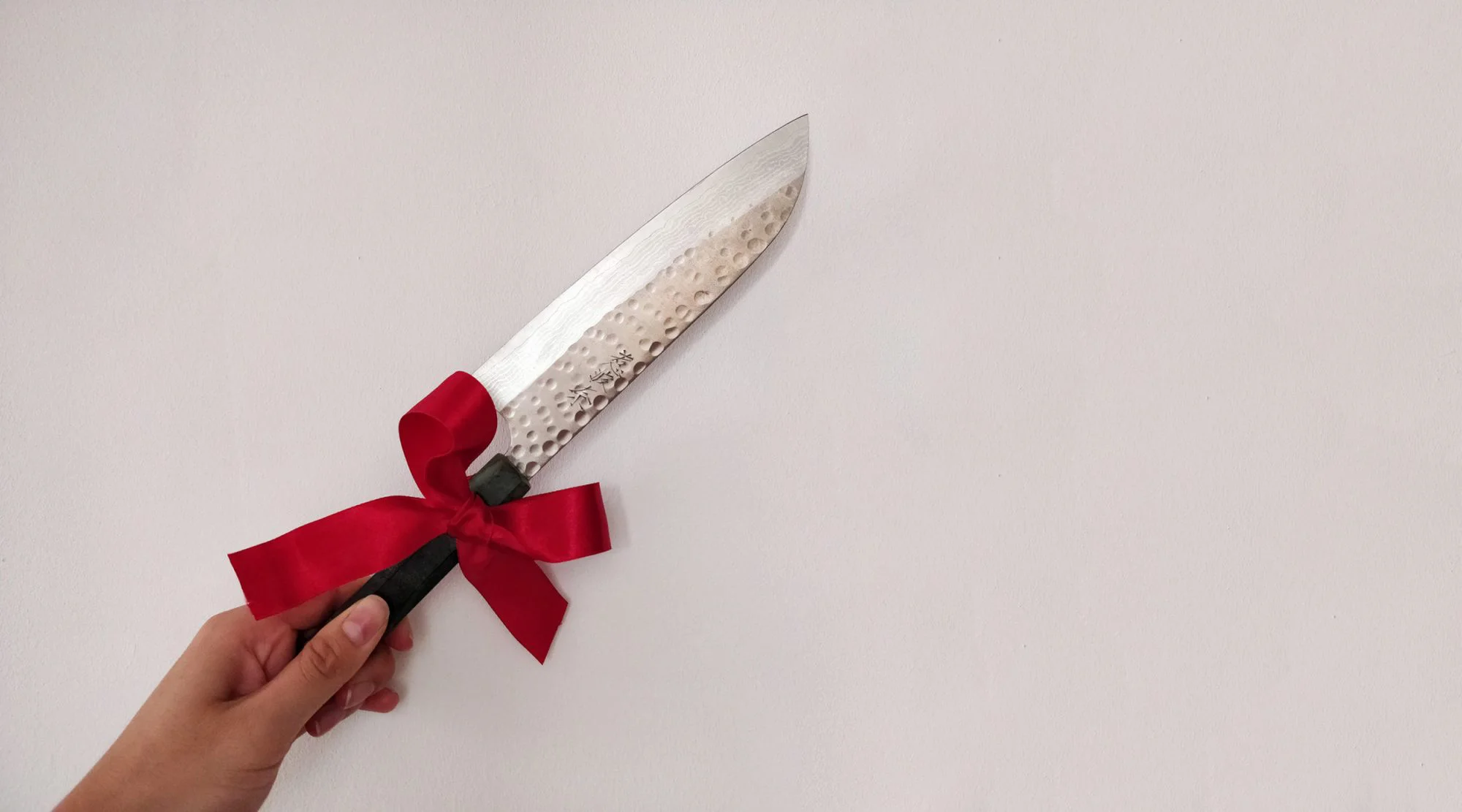
Will a knife ‘cut’ a friendship? The old superstition says yes, but hand over a coin (we include a 5 yen piece) and the gift is safe.
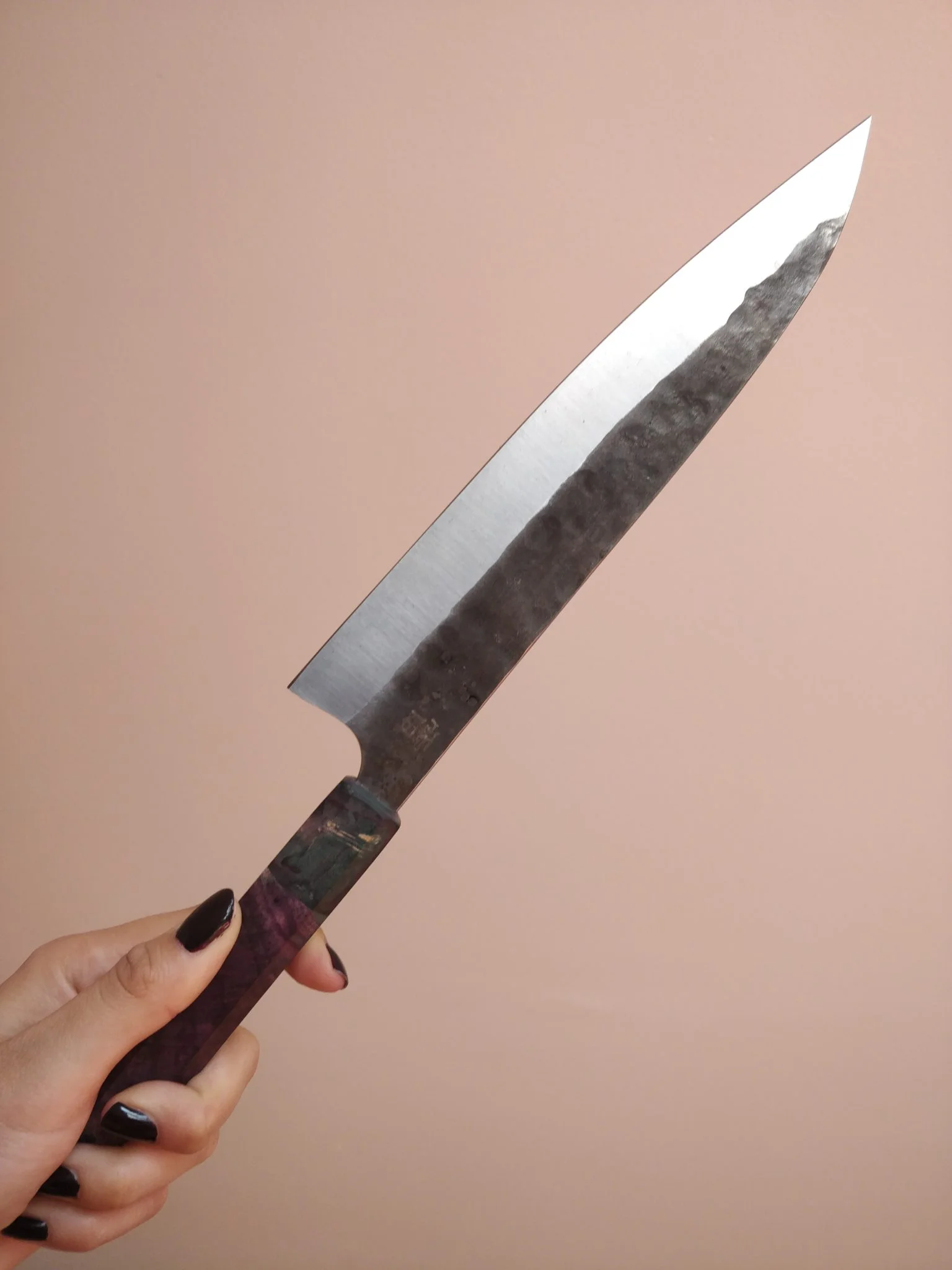
You’ll reach for the chef’s knife 99% of the time, so spend there first. Why a £30 blade can beat a £500 one, and why the sharpest is the safest.
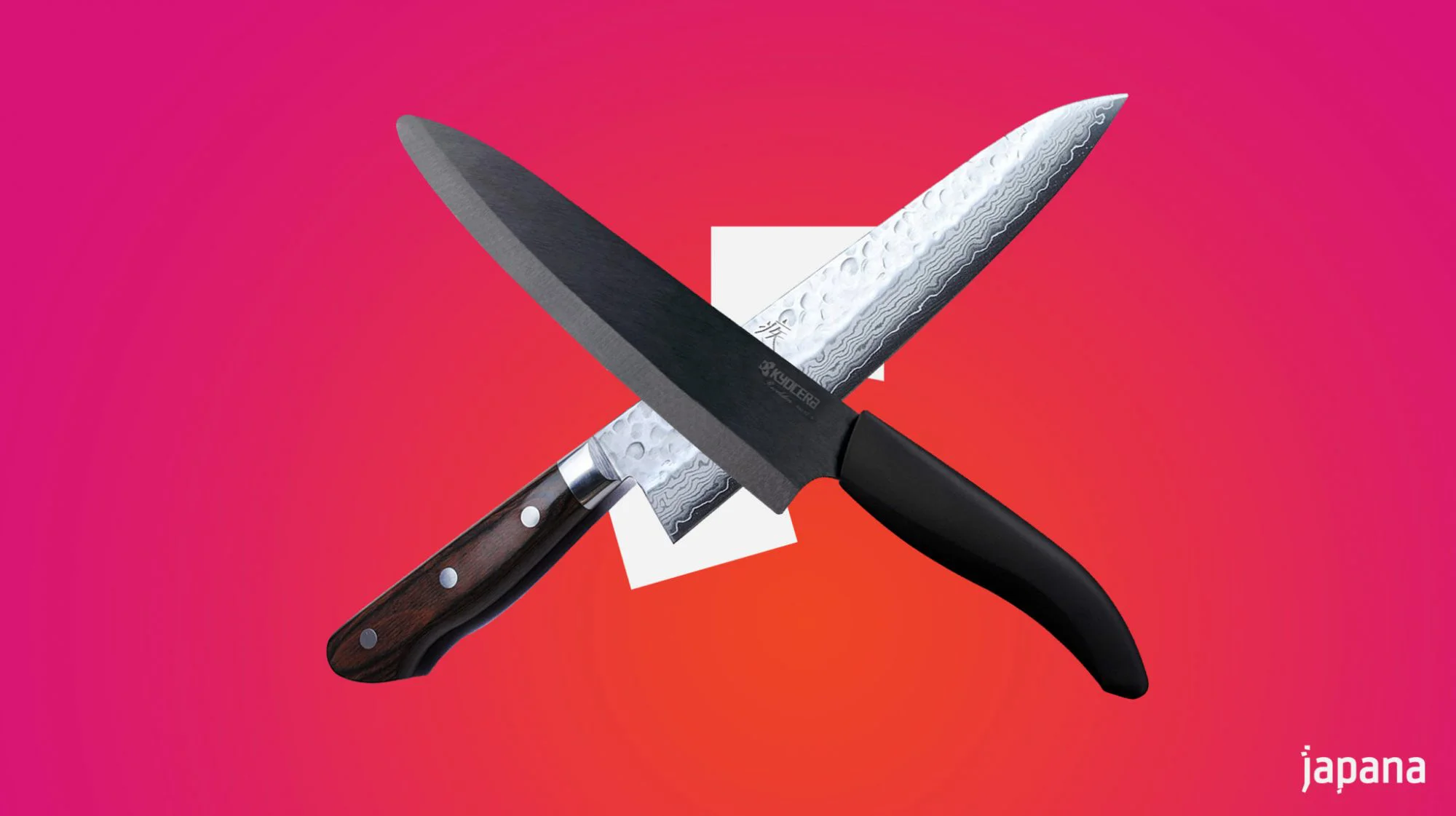
Ceramic is the second-hardest material after diamond, so it keeps an edge for years and won’t pass odours between foods. Its weakness against steel? Chipping.
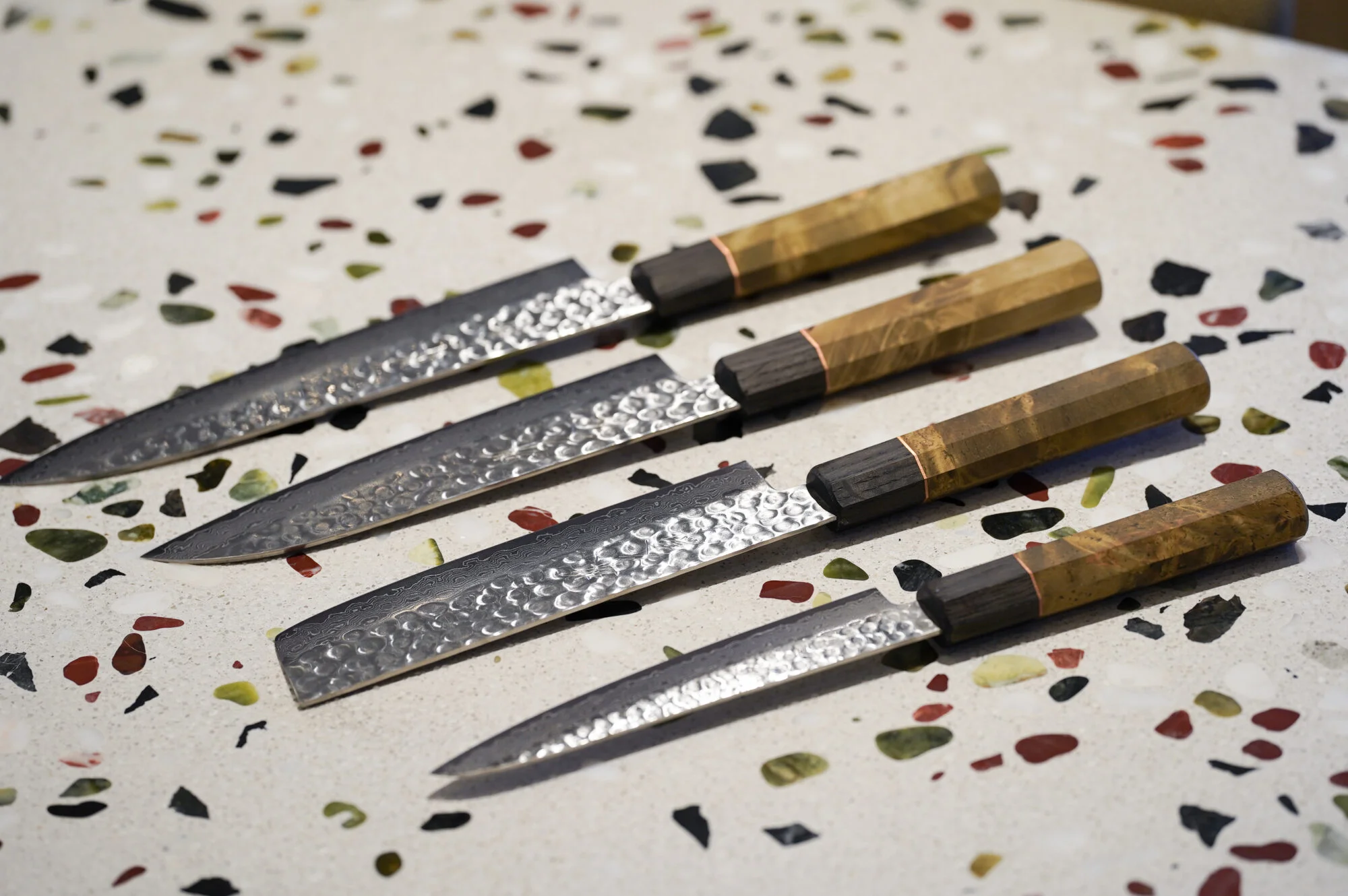
A pro runs a knife 40 hours a week; you use one for twenty minutes a night. That gap, not edge retention, should pick your first Japanese blade.
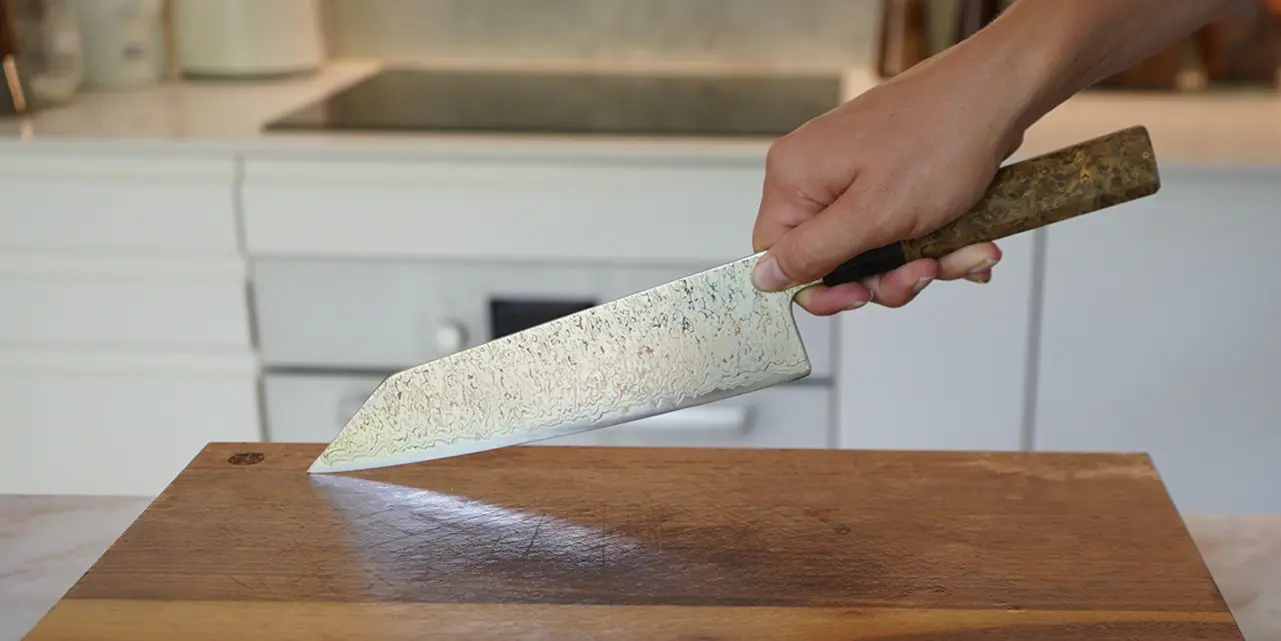
Buying your first Japanese knife feels like a gamble. Here’s how to read shape, steel and handle so it isn’t, plus the 100-day guarantee that softens the risk.
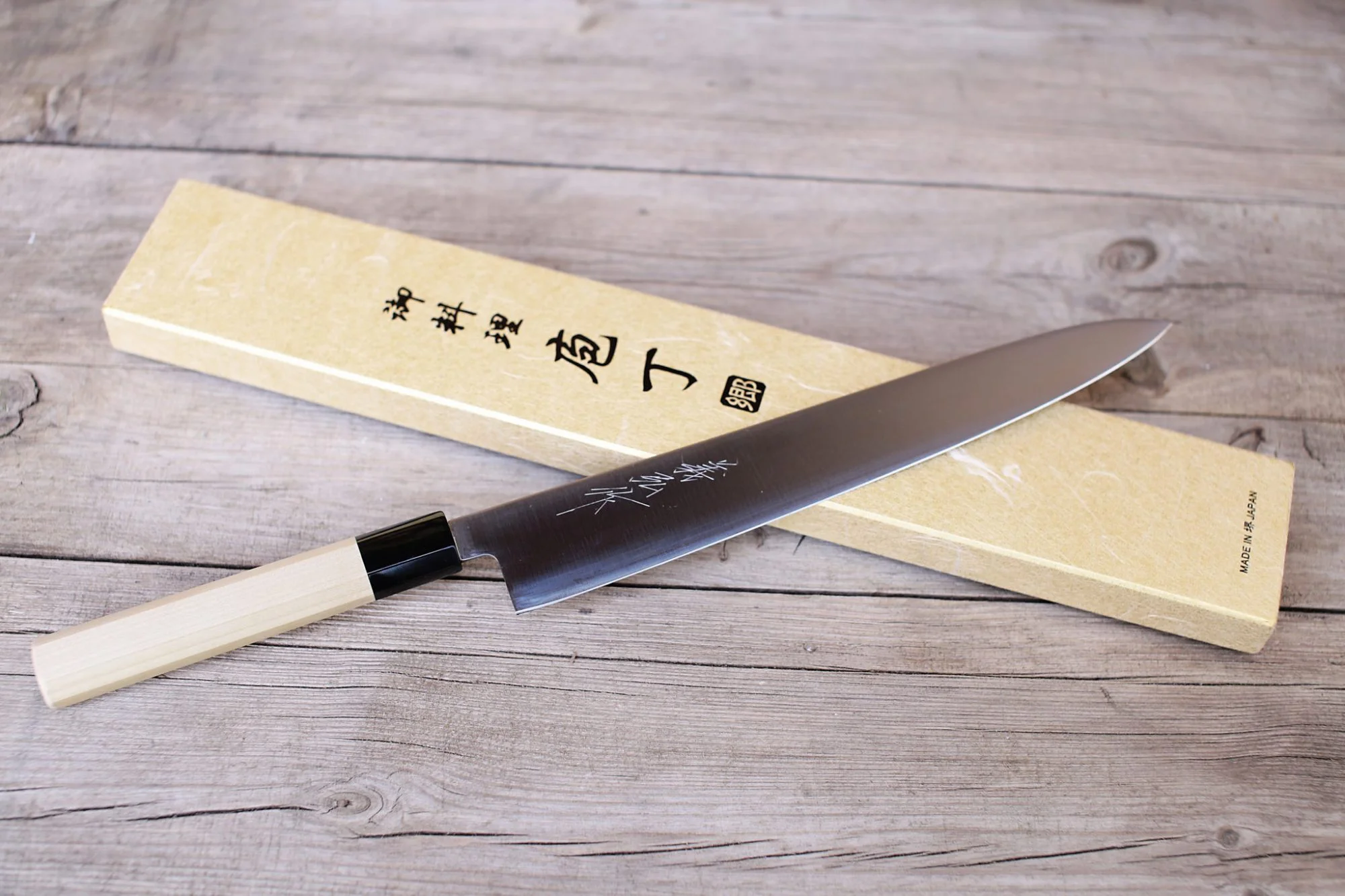
The Sujihiki packs 240-300mm of thin, double-bevel blade, and some sushi chefs reach for it over the yanagiba when slicing sashimi.
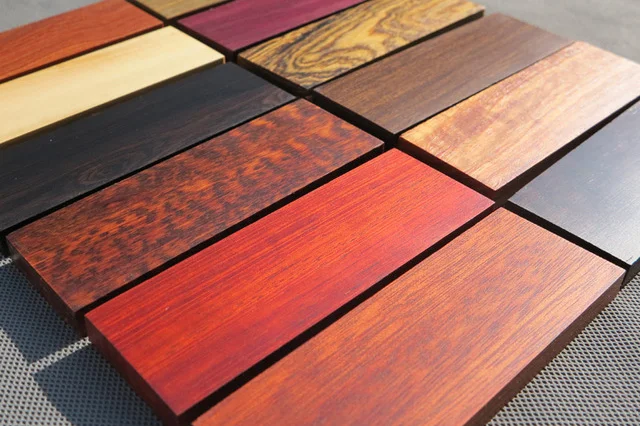
Most buyers obsess over the steel, but the handle carries the knife: cocobolo, ebony and rosewood compared, plus why soft woods fail in a wet kitchen.
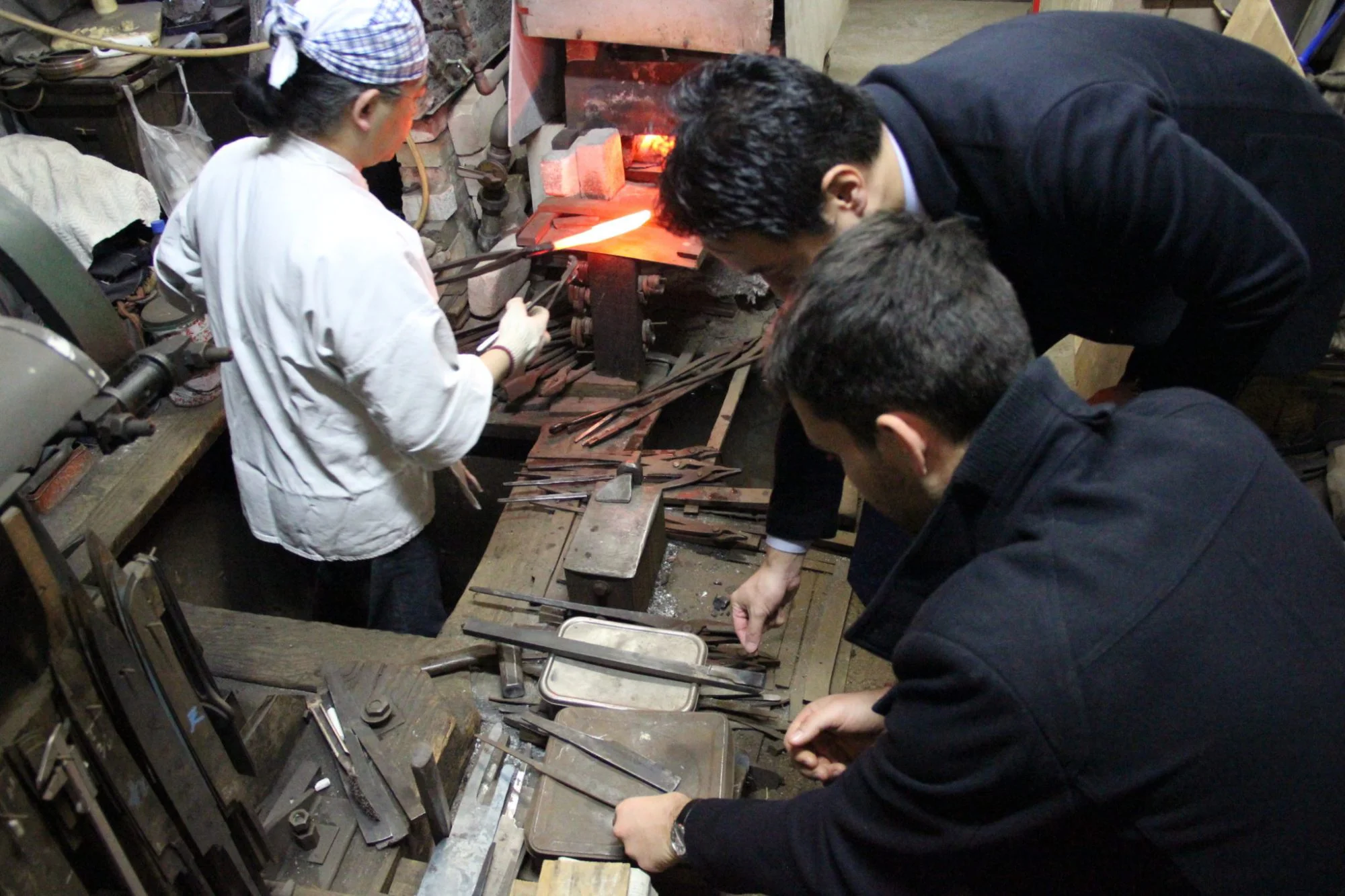
Portuguese traders brought tobacco to Sakai in 1543, and the knives farmers needed to cut the leaves became the cooking blades the town is famous for.
Both come from Hitachi, but Aogami Super adds vanadium for a harder, longer-lasting edge, while #2 stays easier to sharpen. Which fits how you cook?
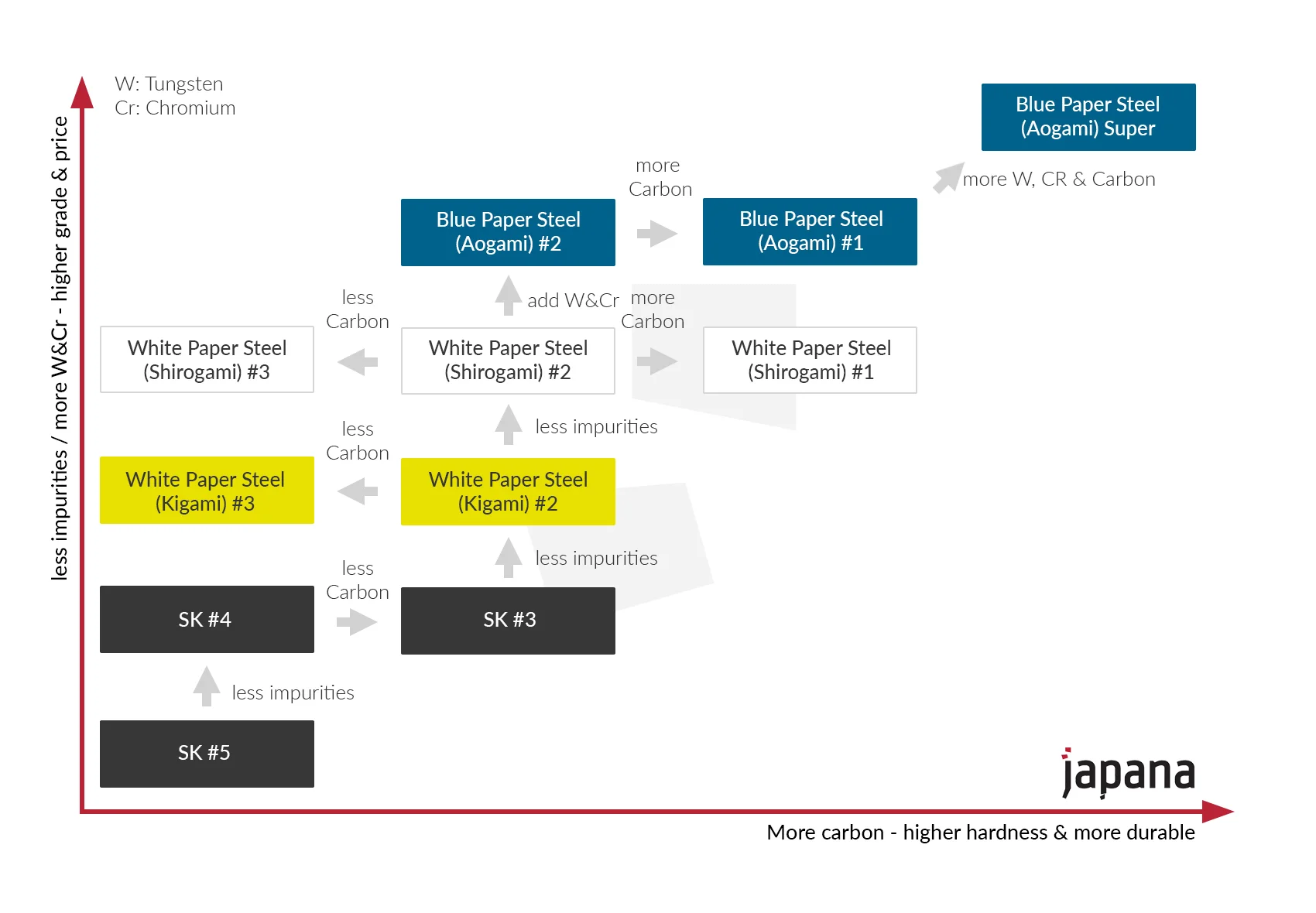
One chart lining up Shirogami, Kigami, Aogami and the GIN stainless grades by hardness, price and what each blade is actually built for.
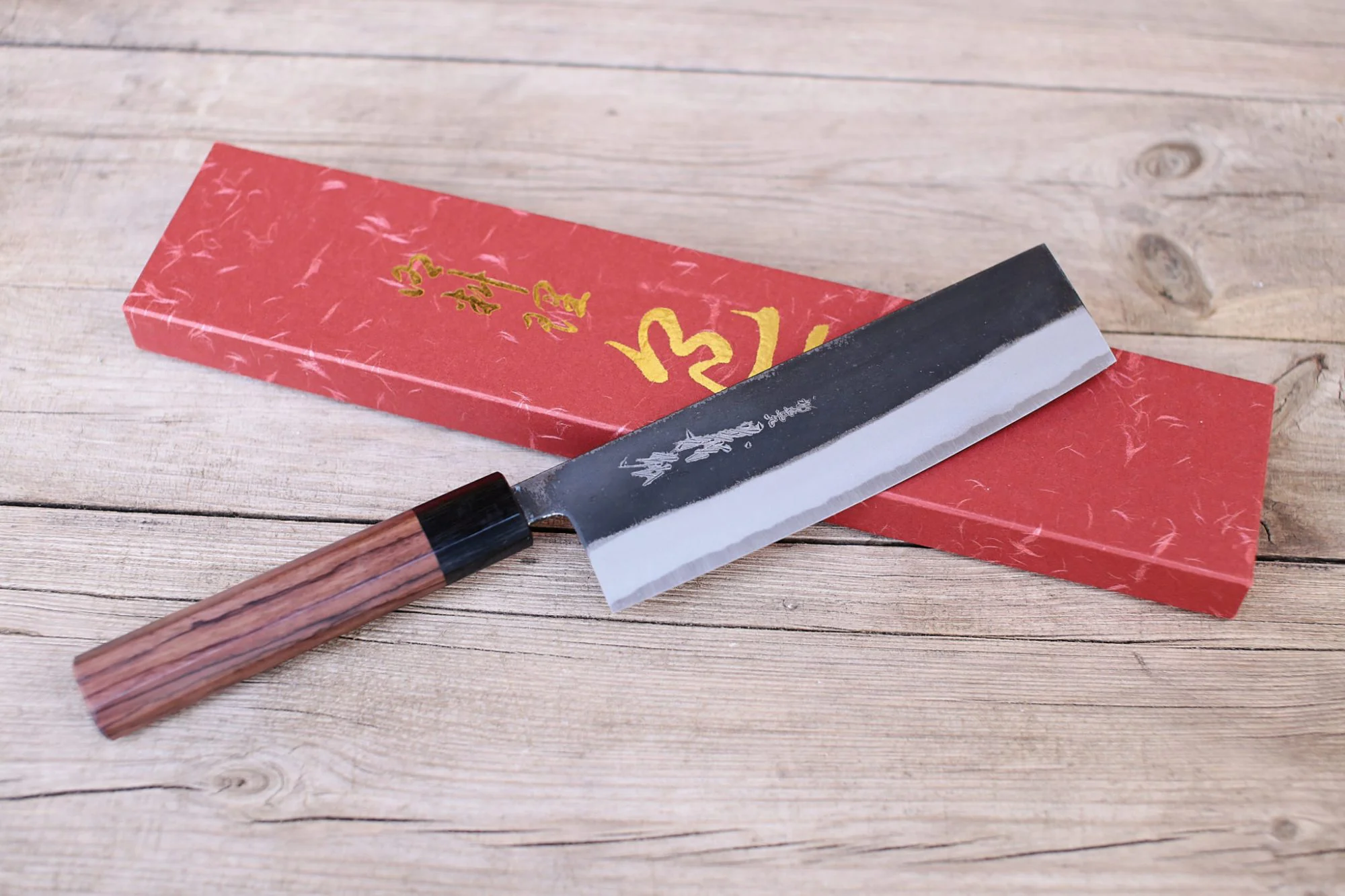
Smelted from sand iron in Shimane, Yasugi steel splits into yellow, white and blue grades. Top smiths favour the white and blue and skip the cheap yellow.
An axe sits near 50 HRC, supermarket knives 54-58, good kitchen blades 60-66. What that diamond-point test measures, and why harder isn’t always better.
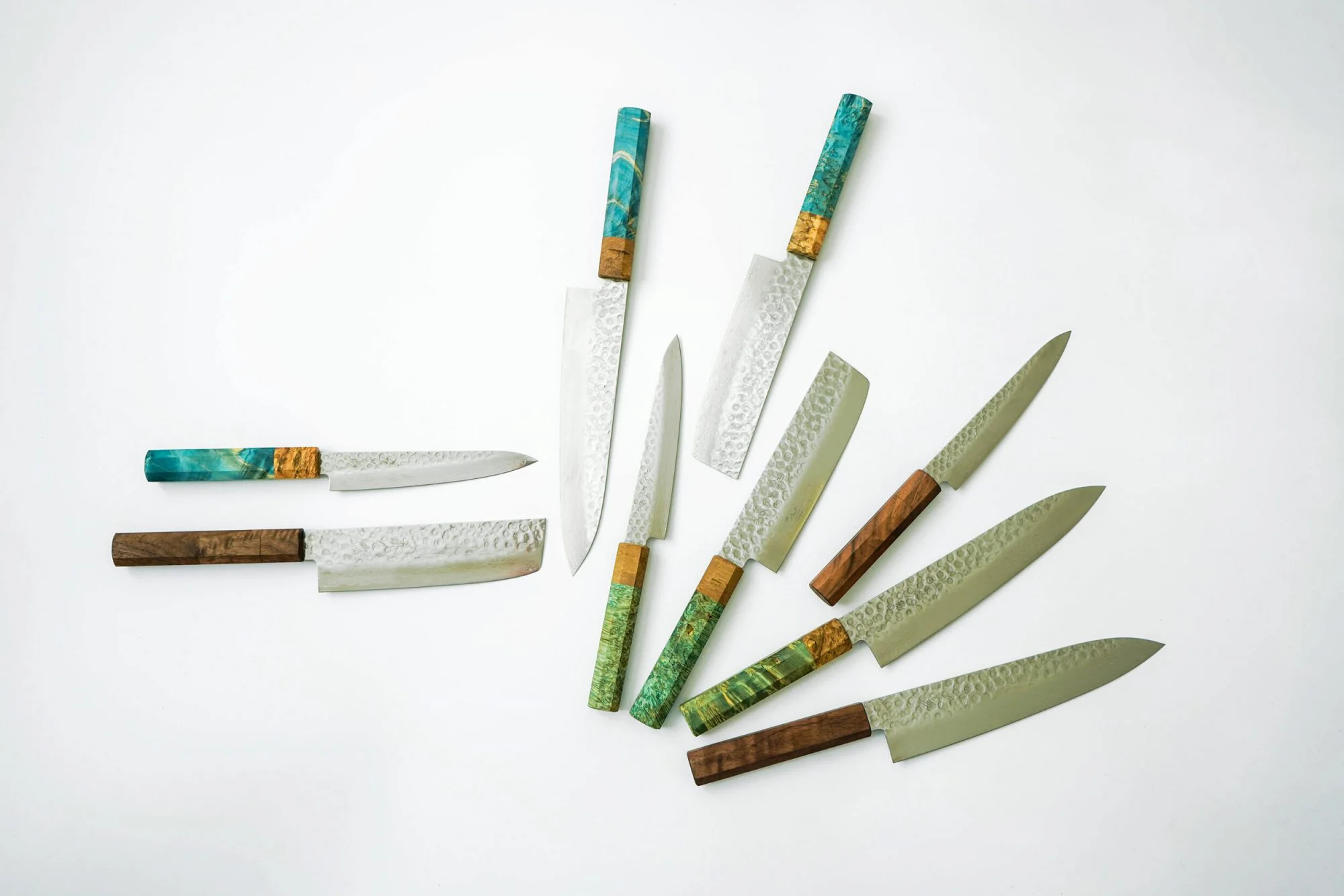
Most homes own three or four knives without really thinking about it. Here are the ten common types sorted, and the four worth buying first.
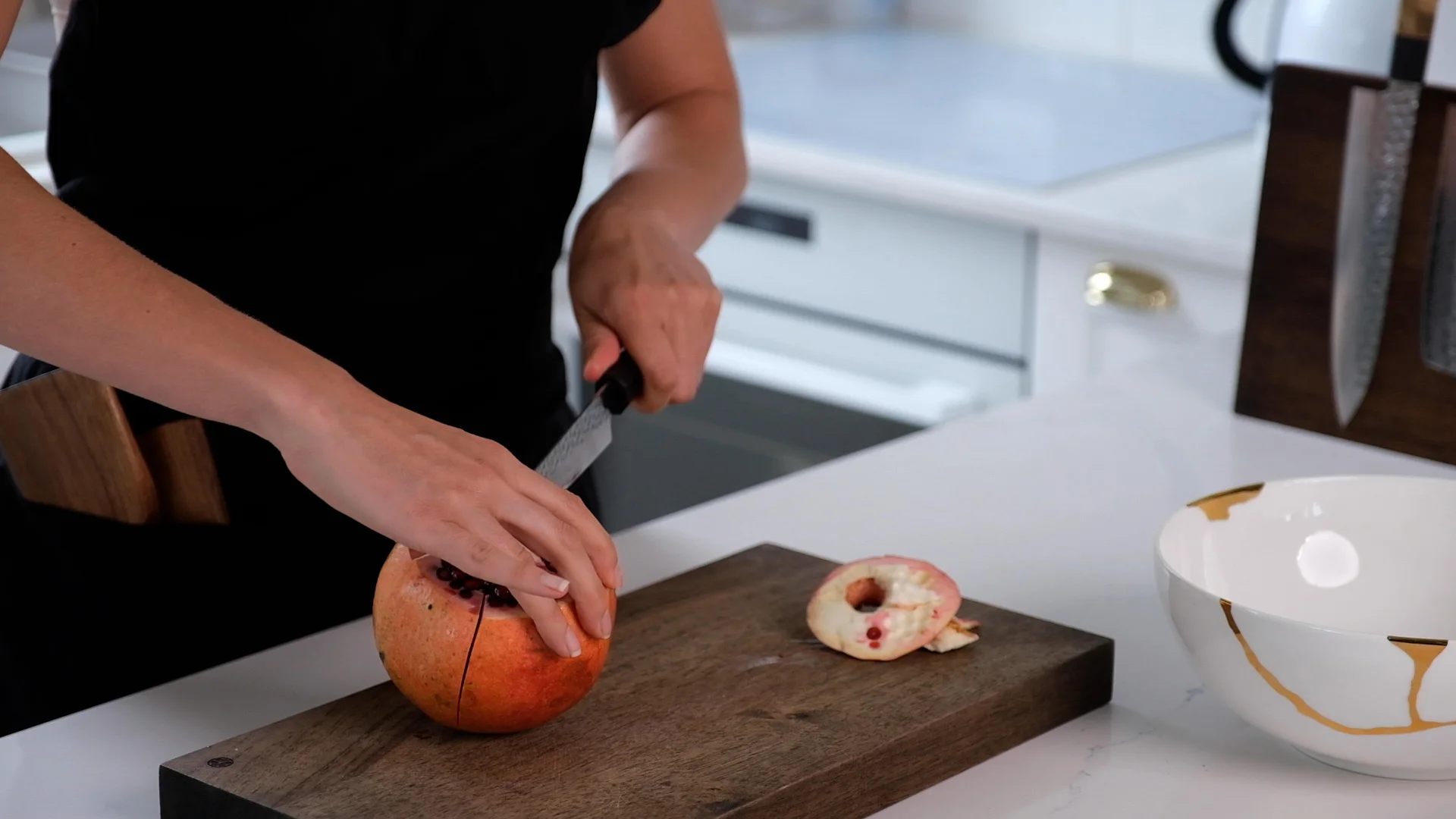
The chef’s knife began as a butchery tool for slicing through cartilage. Here’s how the gyuto and its French and German cousins compare today.
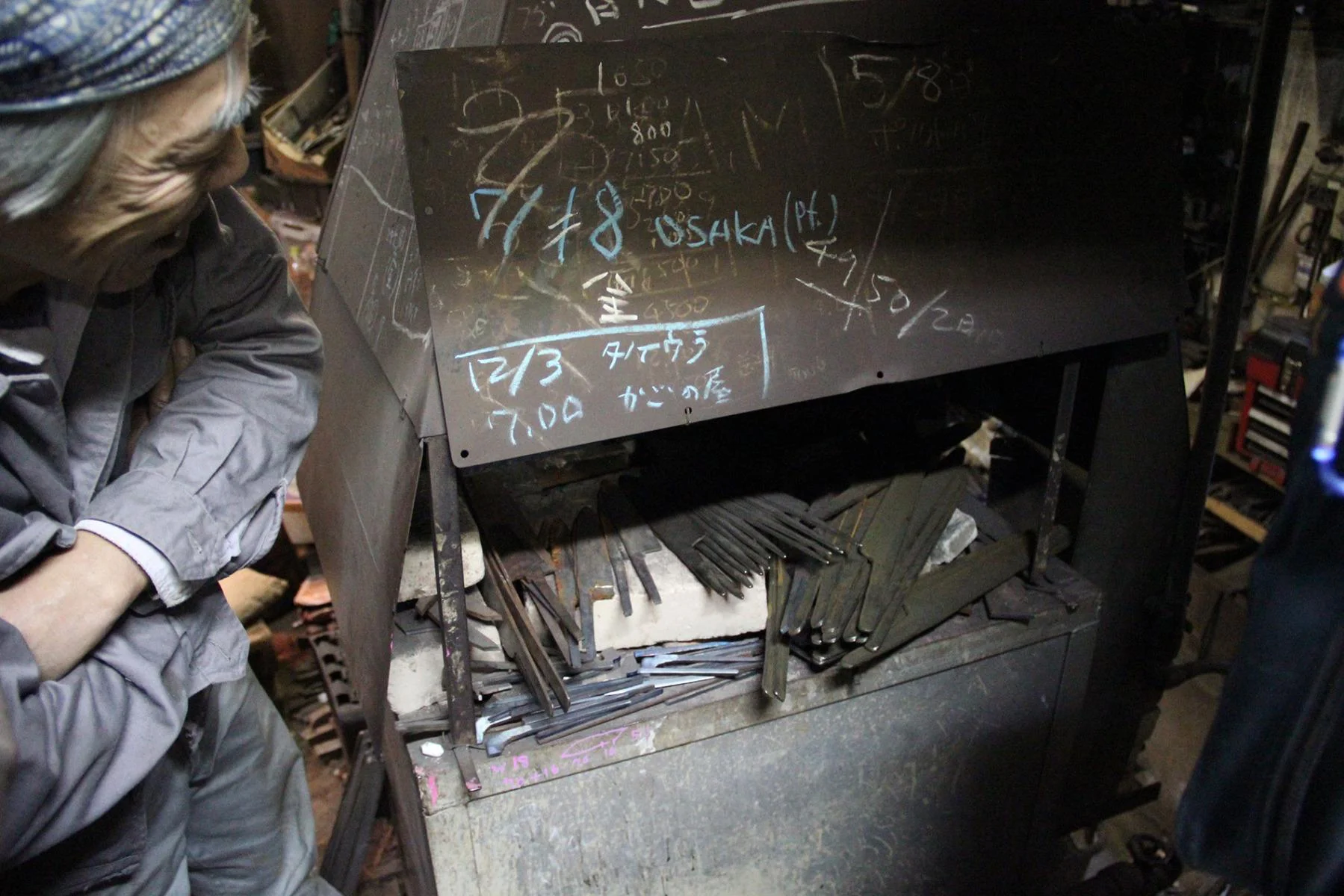
Back from the forges of Takefu and Sakai, where an ageing trade and few young smiths explain why a handmade knife can take months.
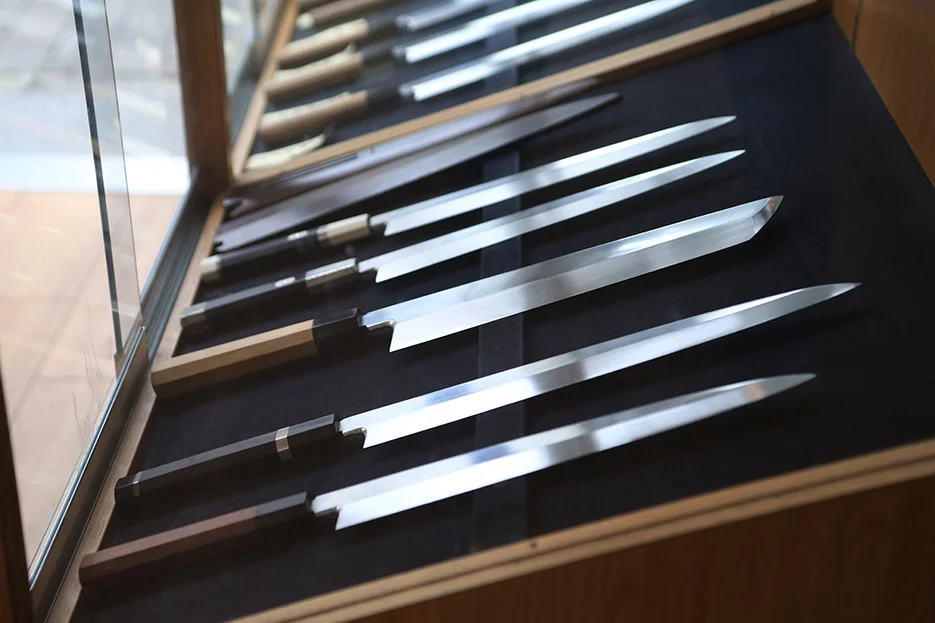
Nine blade shapes, six steel finishes, and how to keep any of them sharp. If you read one thing before buying, make it the long version.
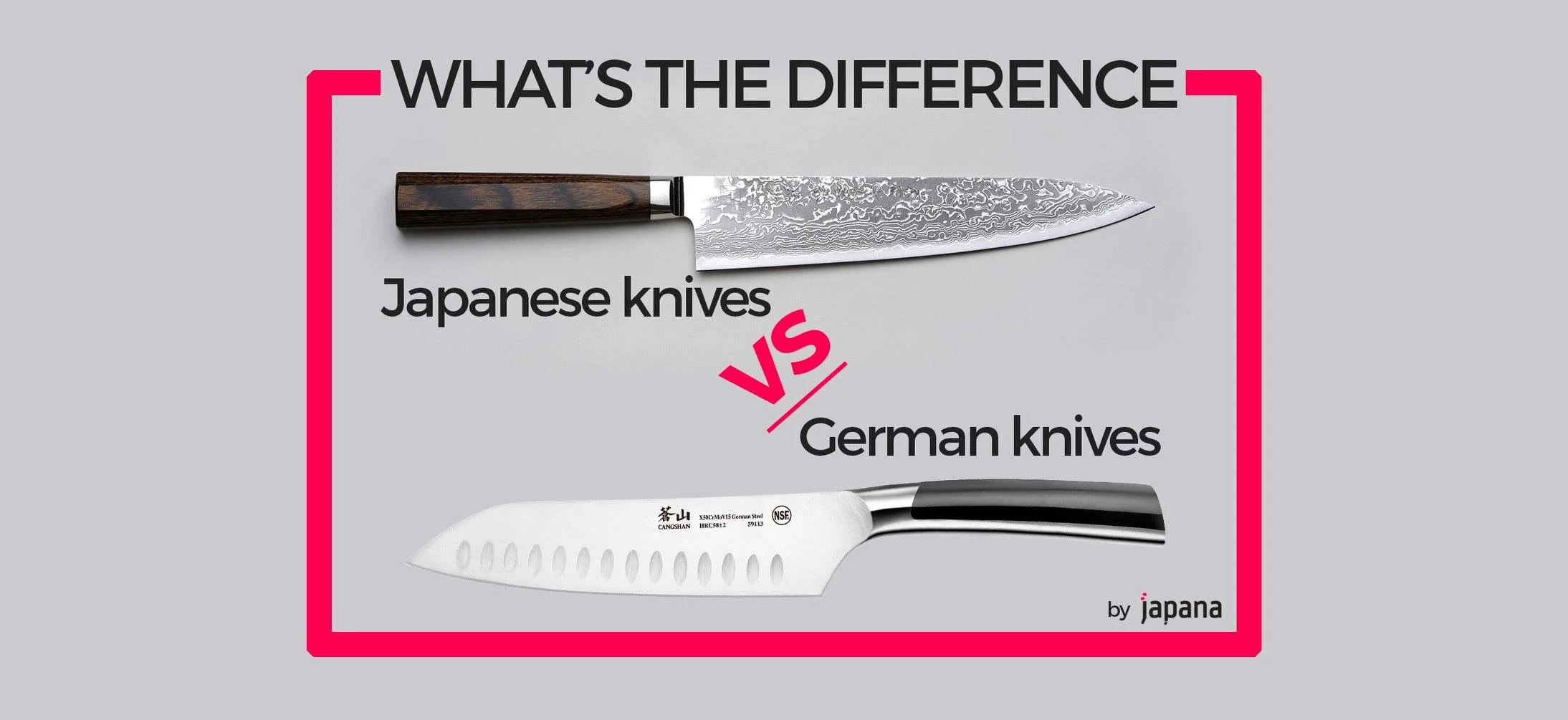
One holds a near-scalpel edge but will rust; the other shrugs off abuse. It comes down to Rockwell hardness, high 50s against mid 60s.
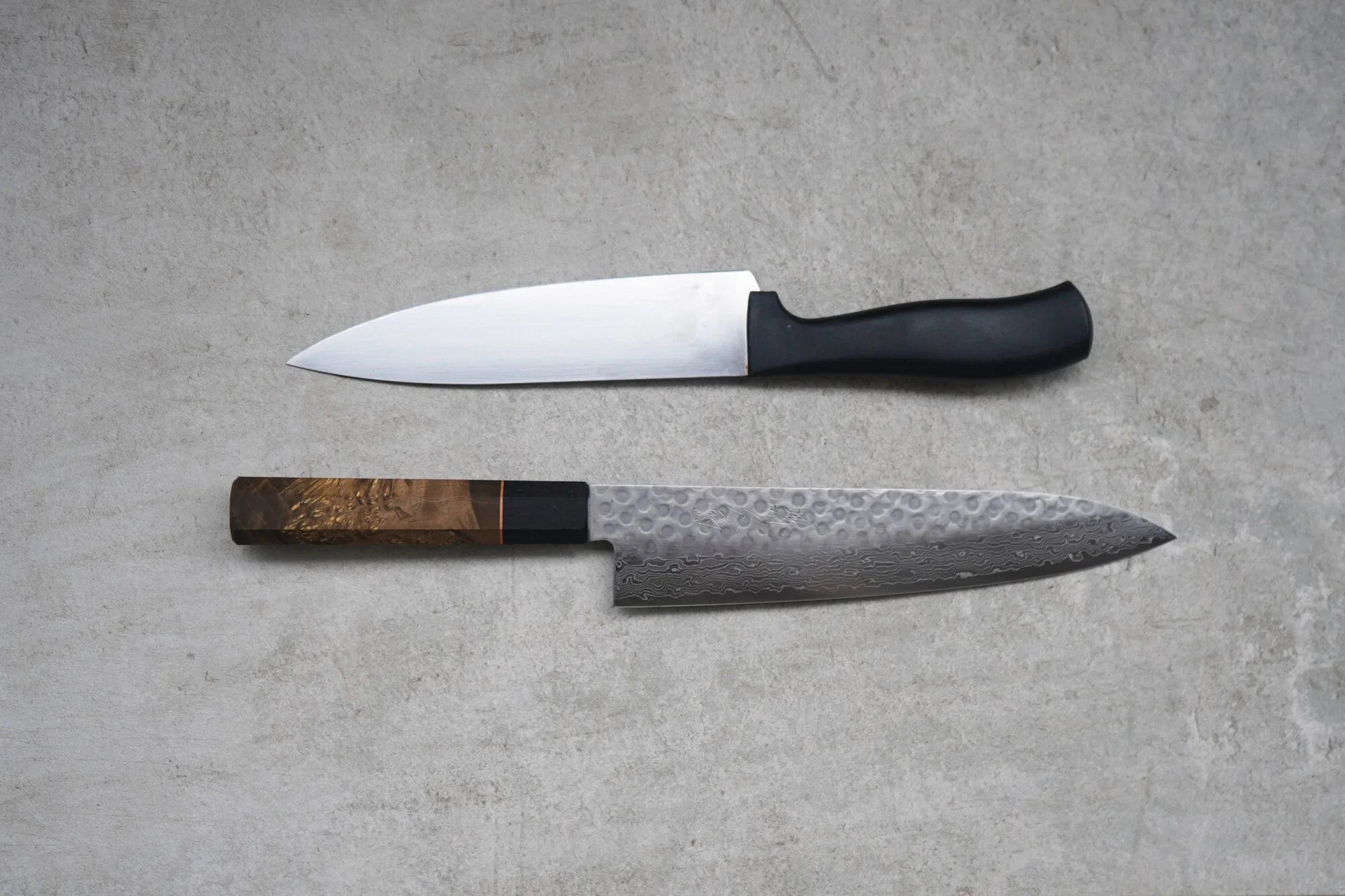
Five blades, two traditions: the chef’s knife, Santoku, paring, bread and carving knife, and where Western and Japanese versions part ways.
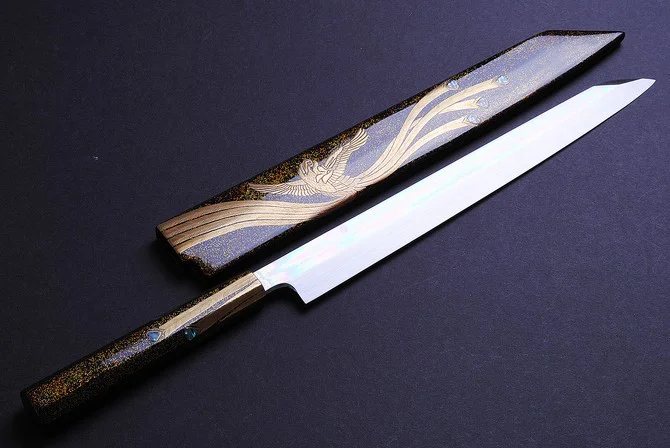
A £1,000 knife can take five weeks and a workshop of four to forge. What the price buys: layered steel, hand-welding and balance.