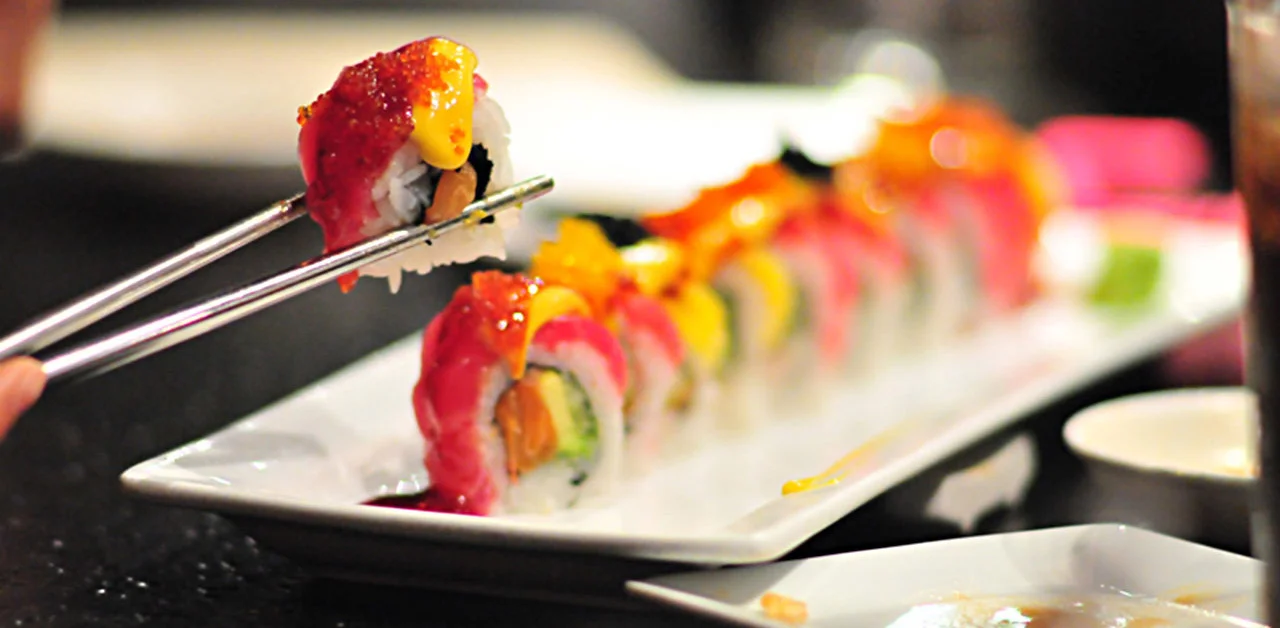
Can you make good sushi at home without a Yanagiba? Where single-bevel slicers ground 70:30 or 90:10 actually earn their keep, and when they don’t.

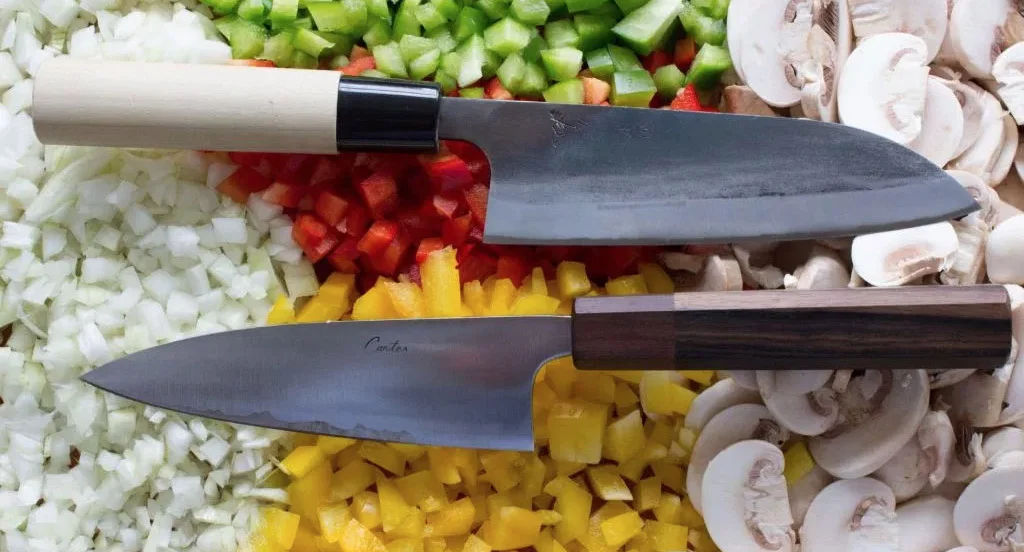
Articles about Japanese kitchen knives: where they come from, how they’re made, and how to choose and live with one. We work directly with smiths in Sakai and Seki, so much of this is written from the workshop side: what a harder steel does that a softer one doesn’t, why a 15° edge changes the way you cut, how to tell a gyuto from a santoku before you spend money on either. Buying your first? Start with the buying guide. Already own one? The care and sharpening pieces will keep it cutting for a decade.
Can you make good sushi at home without a Yanagiba? Where single-bevel slicers ground 70:30 or 90:10 actually earn their keep, and when they don’t.
The difference between Shirogami (#1) and Aogami (#2) steels, how their carbon and alloy content compares, and which blades each suits best.
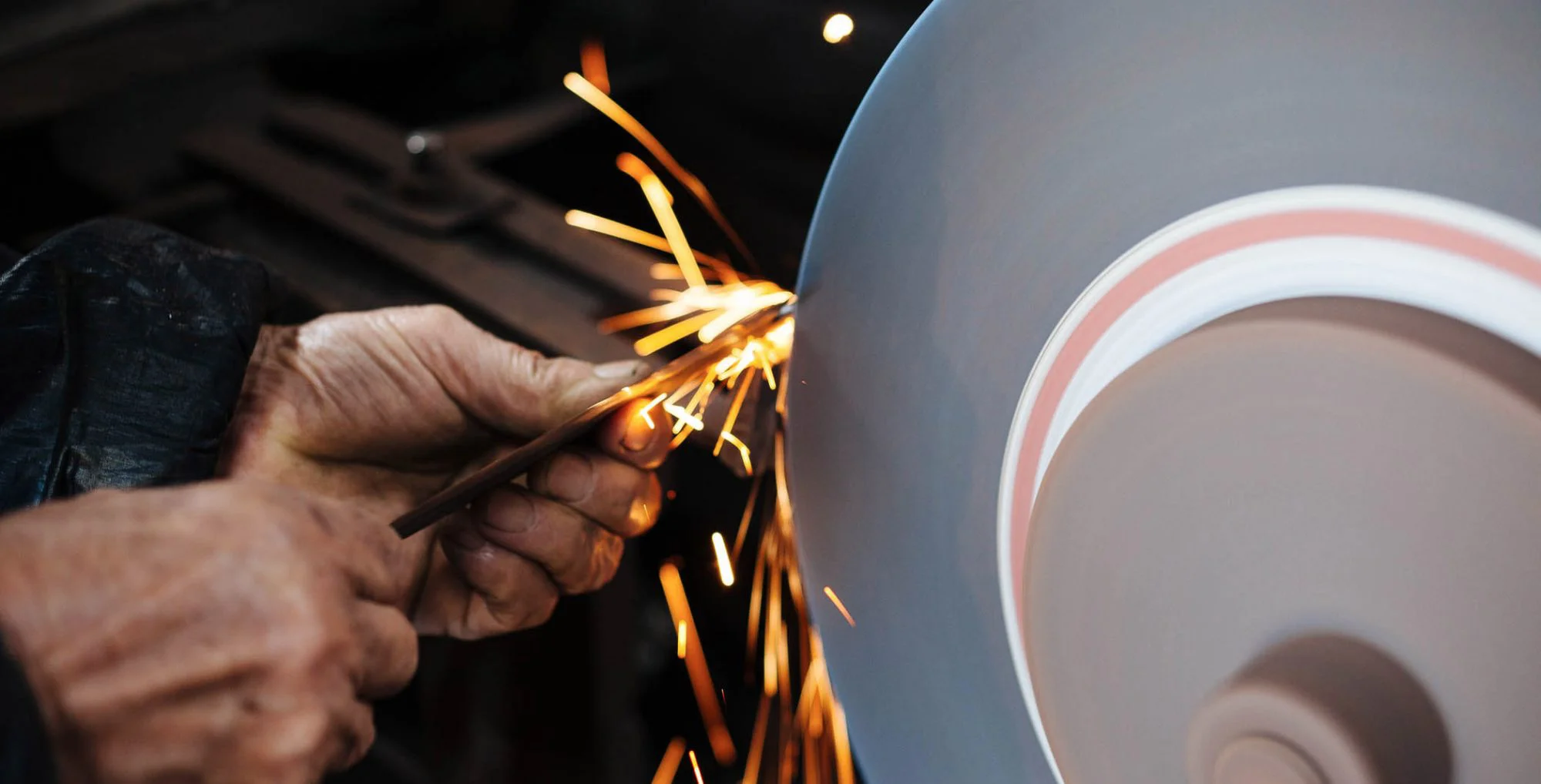
A guide to knife steel including VG10 and Blue Steel, explaining hardness, toughness, wear resistance, and edge retention in plain terms.
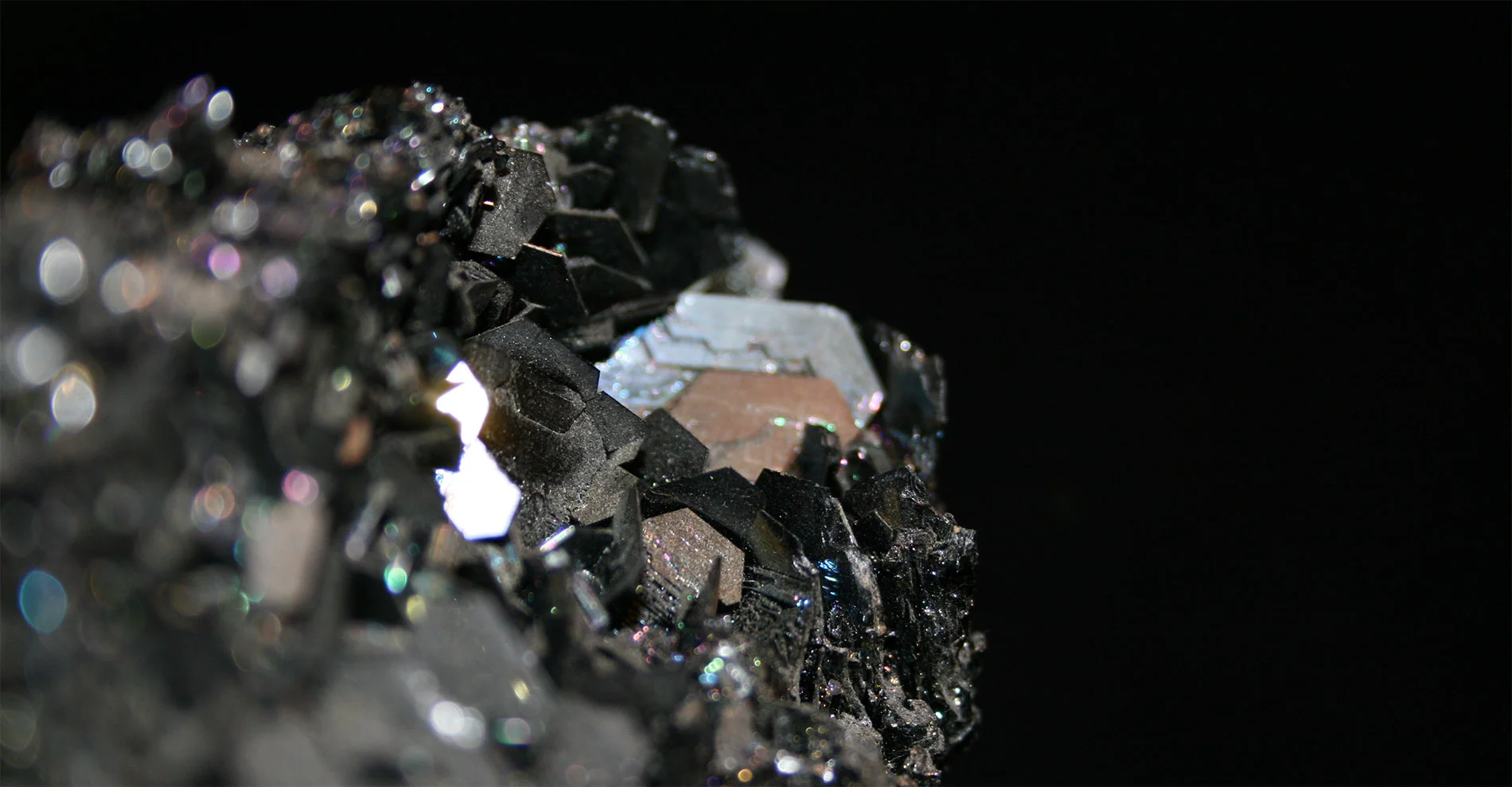
What separates one knife steel from another? A sortable composition table, plus what carbon, chromium and molybdenum each do to edge, hardness and rust resistance.
Western blades meet in the middle at roughly 20 degrees; most Japanese knives are ground on one side only. What that single bevel buys you, and where it doesn’t.