What your money buys at each price point, from sharpening stones and hiba cutting boards under €100 to knives and storage at €200 and €300.

What your money buys at each price point, from sharpening stones and hiba cutting boards under €100 to knives and storage at €200 and €300.
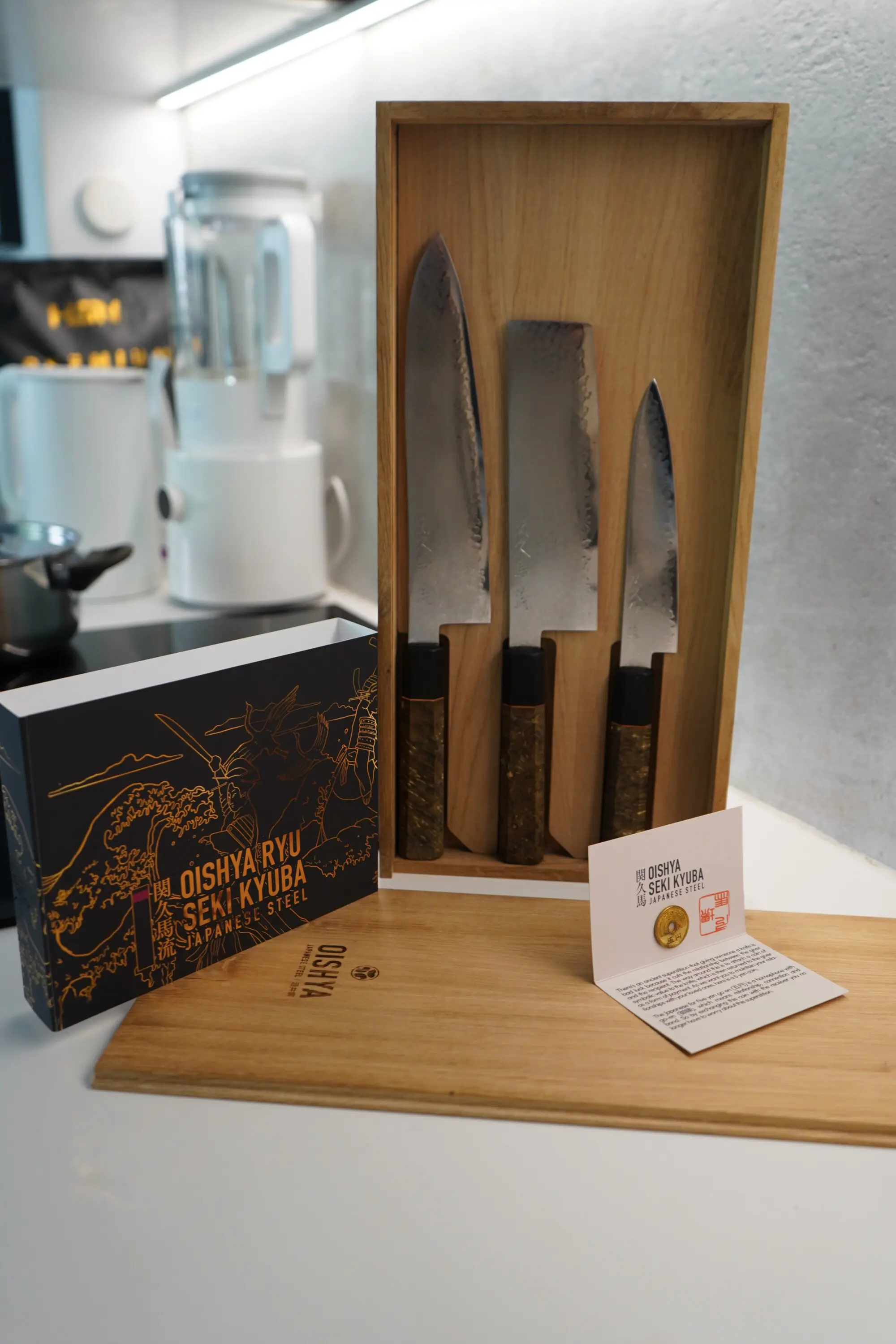
A beginner’s guide to Japanese knife sets, why the chef, vegetable and paring trio works, plus the Sakai Kyuba KYU Set at €690 for first-timers.
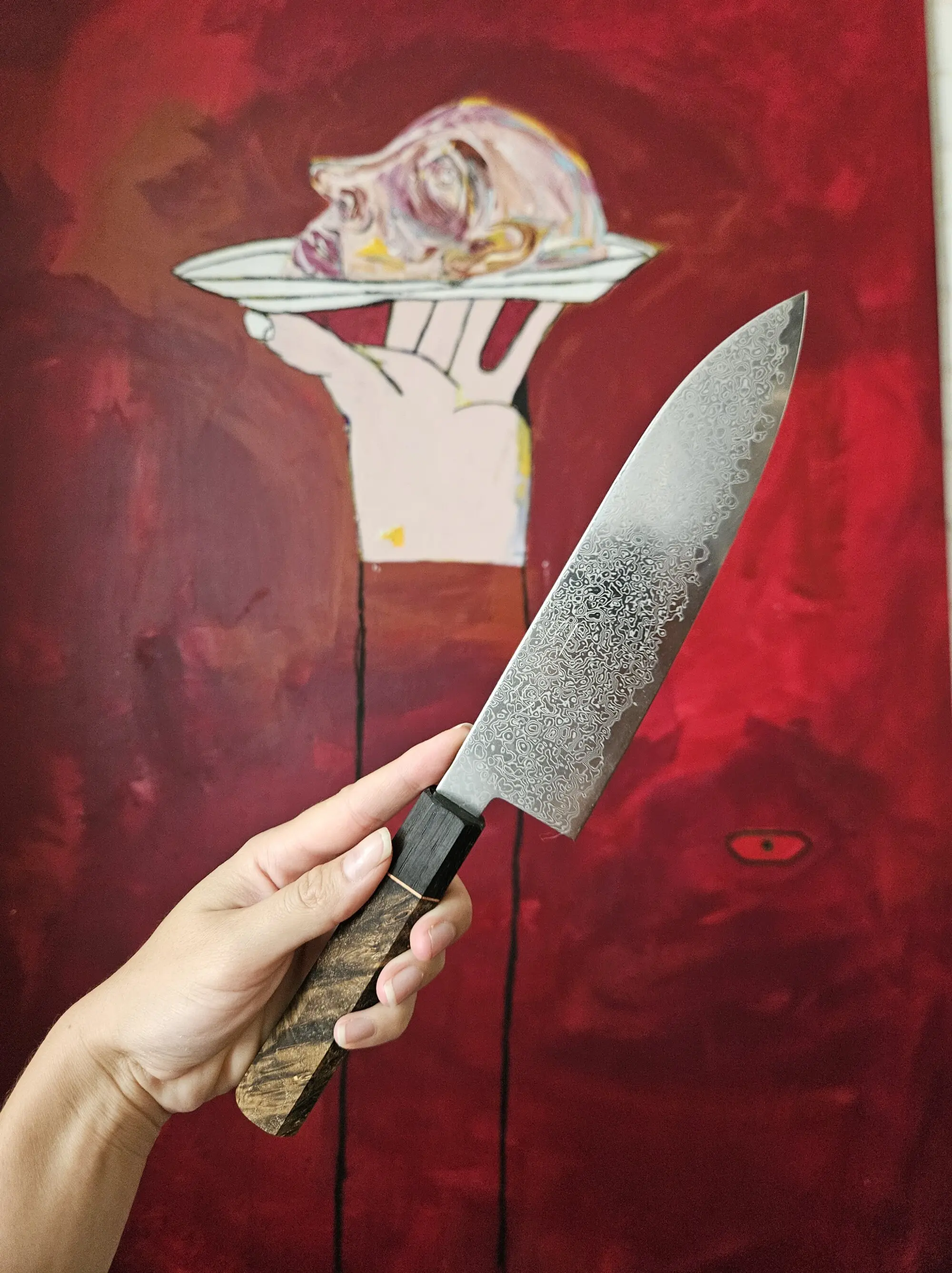
An expert buying guide to Japanese chef knives, explaining gyuto, santoku and bunka styles, steel hardness and picks like the RYU Gyuto at €295.
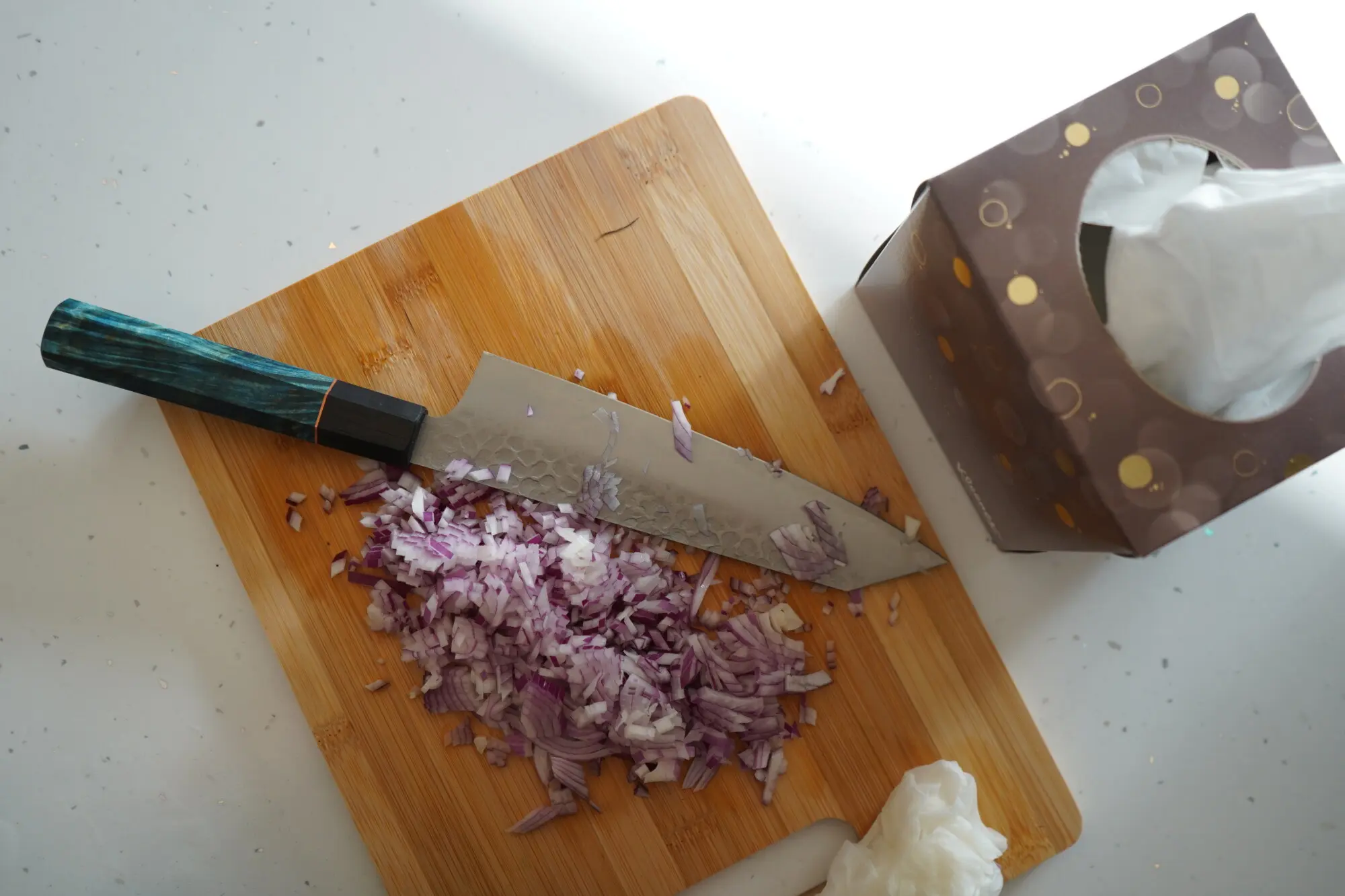
Why onions make you cry, the syn-propanethial-S-oxide gas behind it, and science-backed methods that reduce tears, starting with a sharp knife.
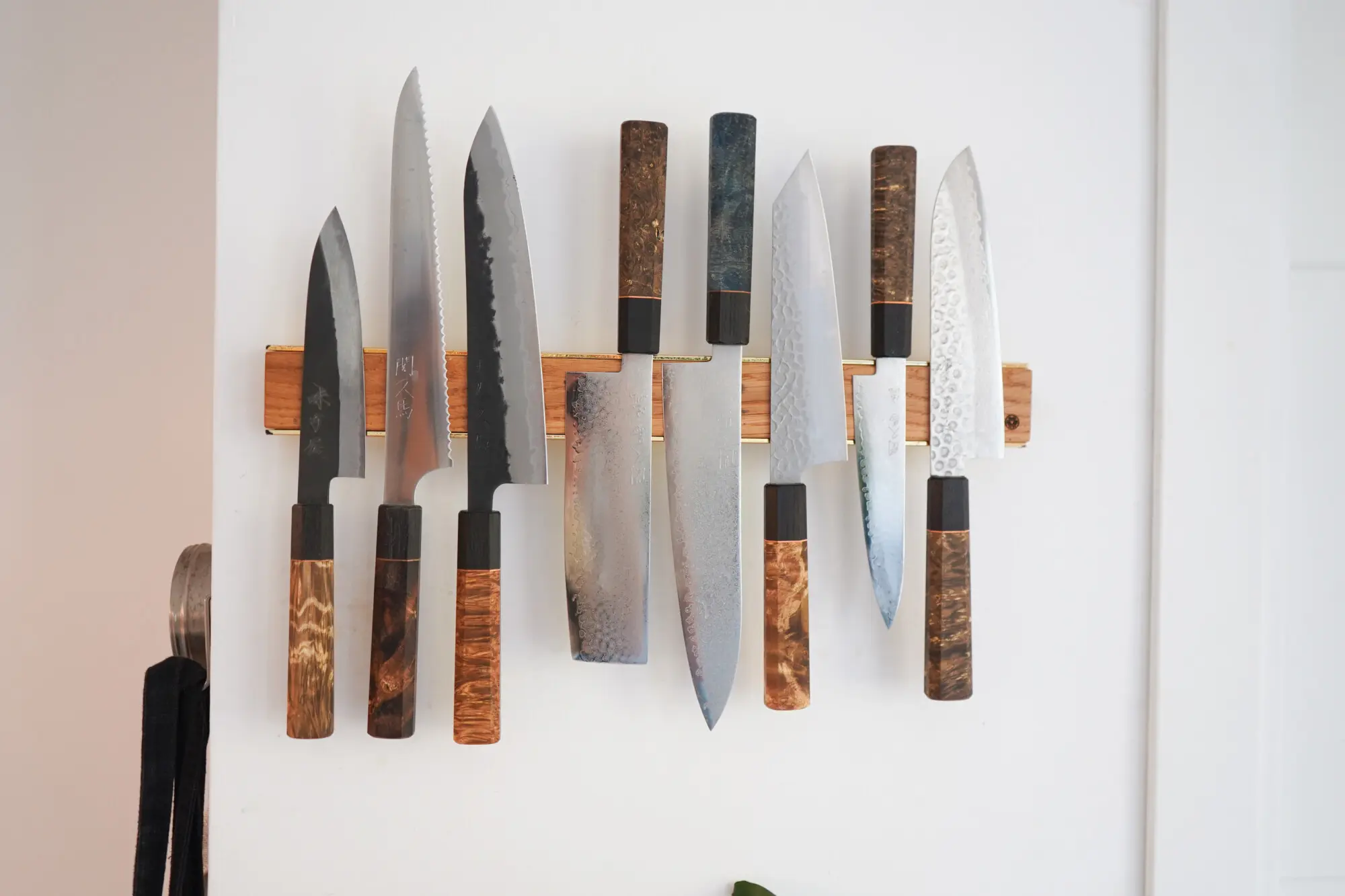
Should knives hang blade up or blade down on a magnetic rack? Why many professionals favour blade up, covering ergonomics, balance and edge wear.
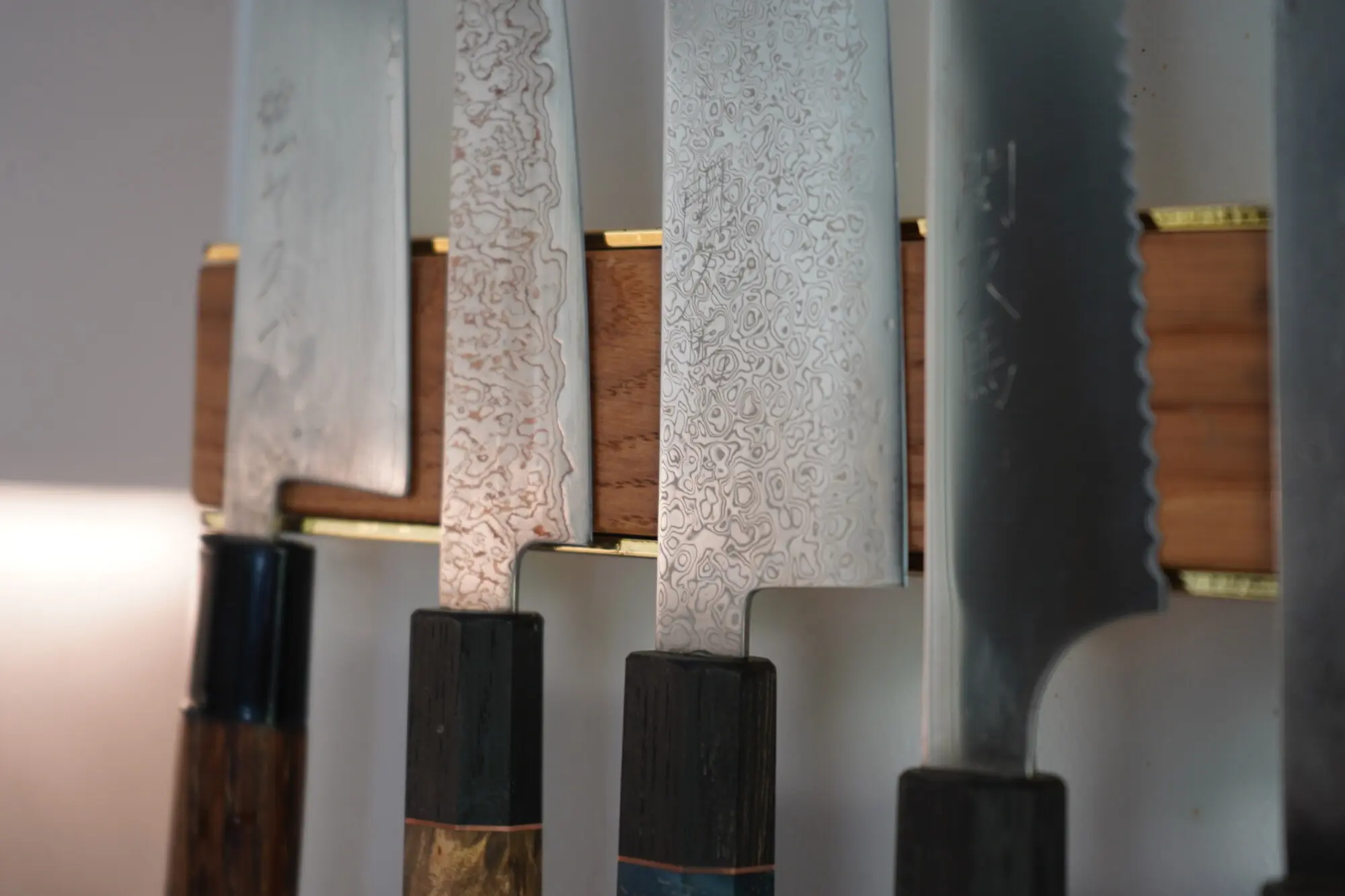
A practical primer on kitchen knives, covering how to pick your first chef’s knife, blade materials, cutting technique and basic maintenance.

From August 29, 2025 the US ends its $800 duty-free threshold. Why Royal Mail to USPS postal delivery beats couriers, with real cost examples.
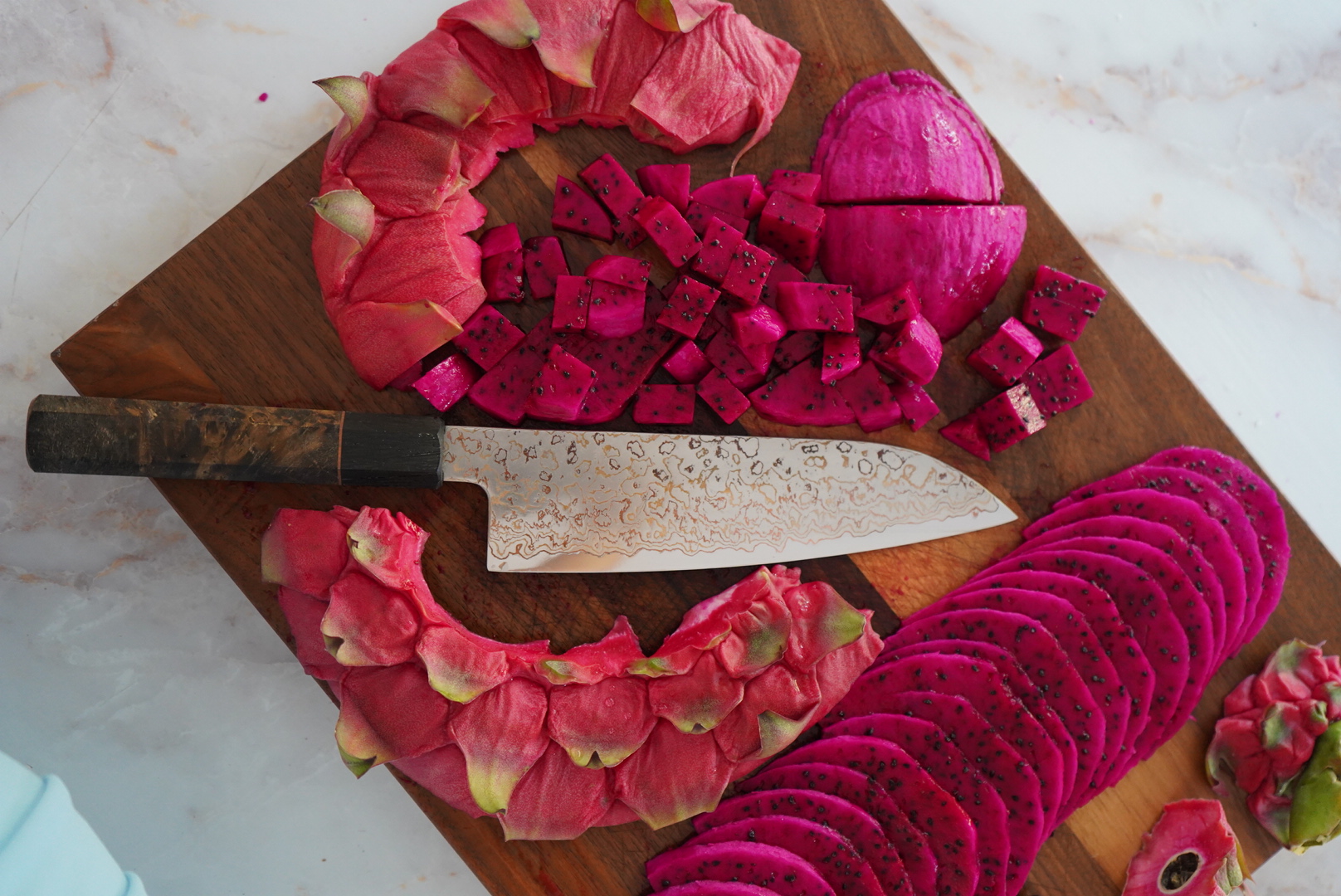
How to peel and prepare dragon fruit with a sharp knife, plus creative ways to serve it as sashimi, carpaccio, smoothie bowls and frozen treats.
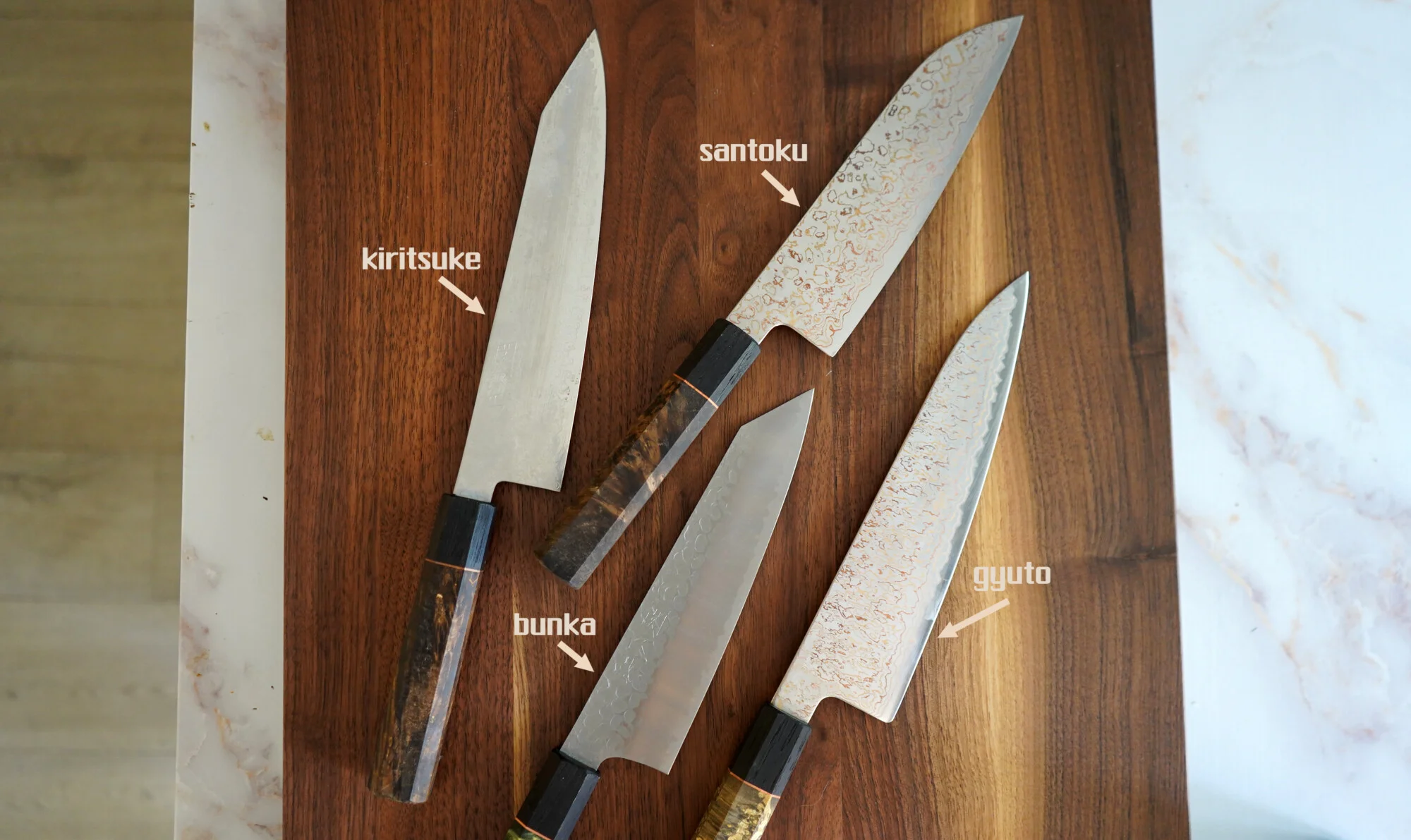
Kiritsuke or Bunka? The longer, elegant Kiritsuke suits showpiece slicing, while the shorter Bunka is a nimble everyday workhorse with a tanto tip.
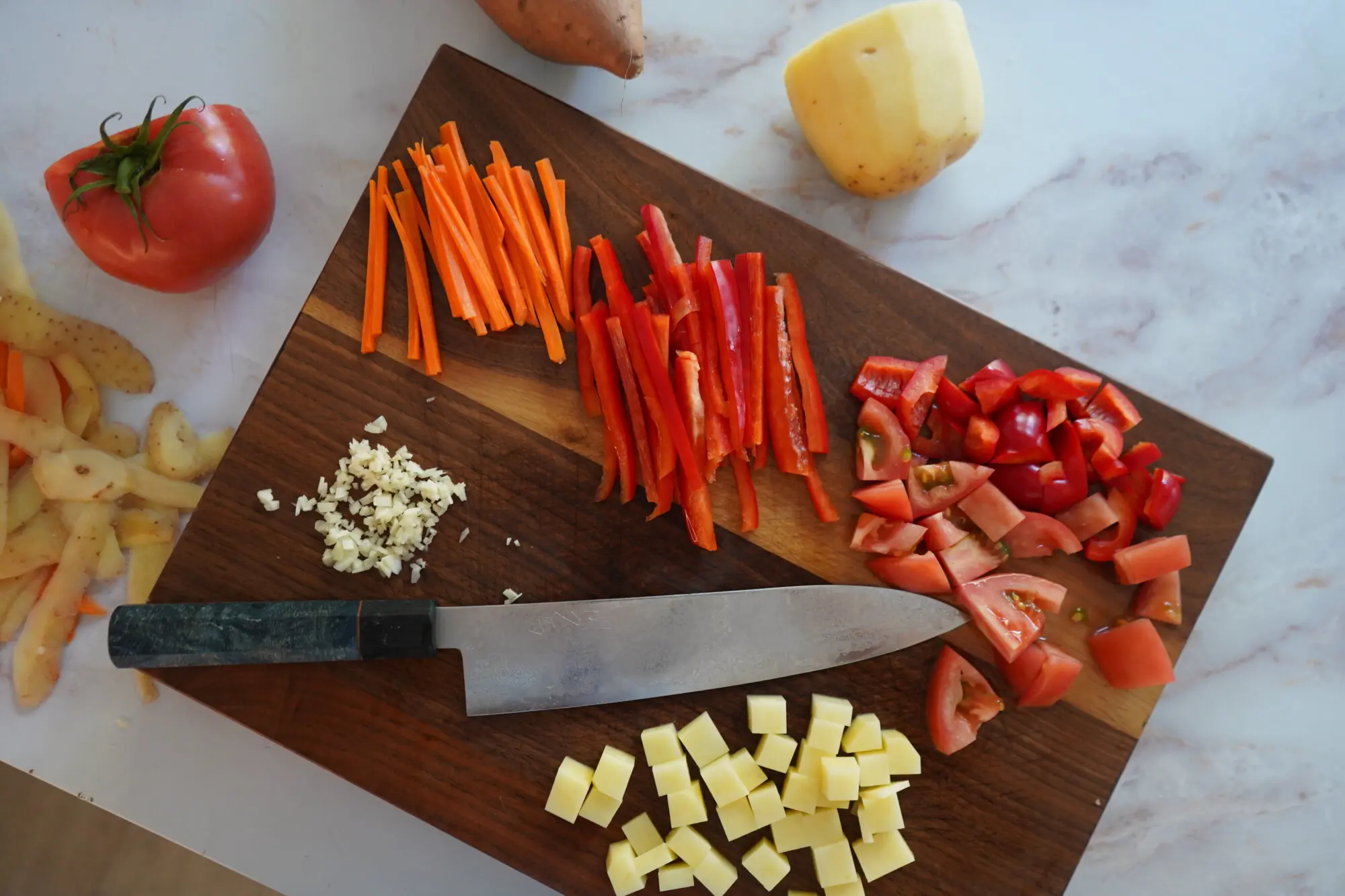
Build faster, safer knife skills with proper grips, the claw technique and the get-to-flat principle, plus what dice, mince and julienne really mean.
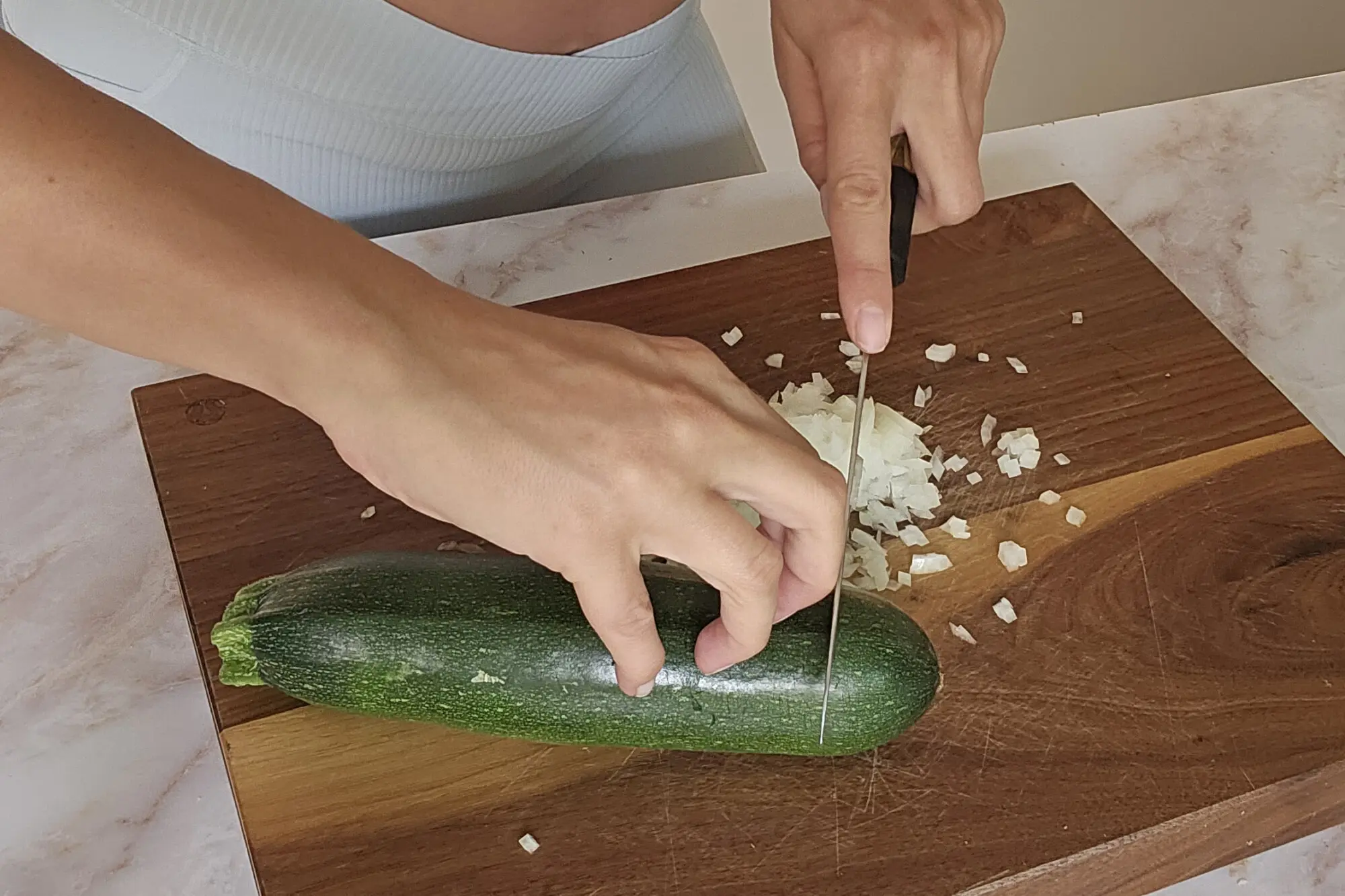
The claw grip is the one technique that keeps fingers safe while cutting onions. Curl your fingertips, use the knuckle as a guide, and cut with control.
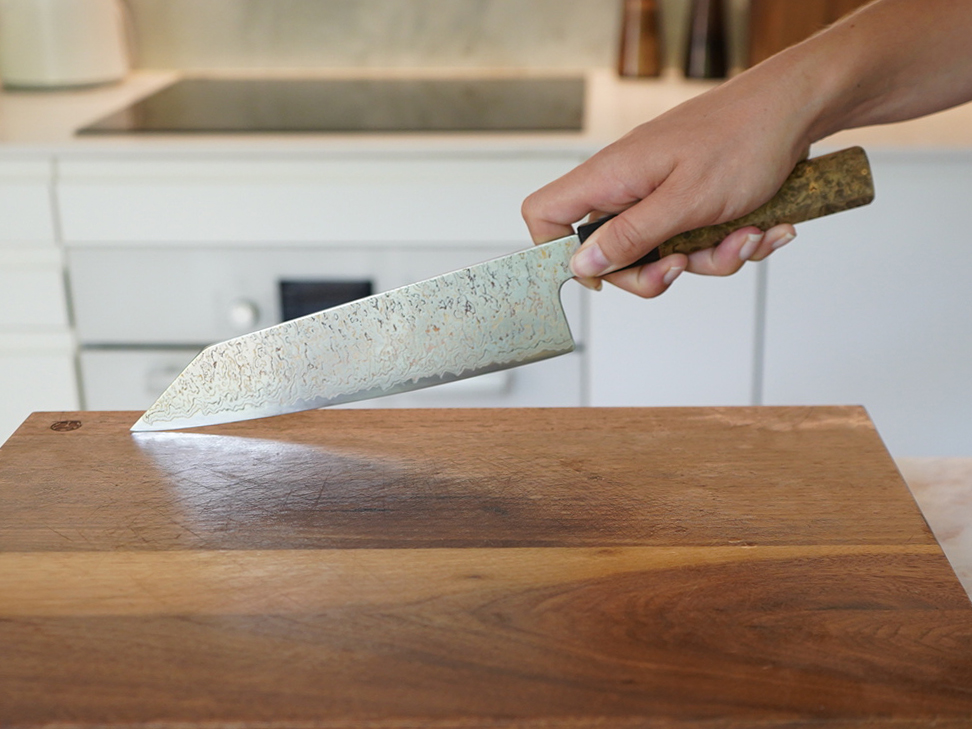
Four ways to hold a kitchen knife, from the pointed finger grip for detail work to the familiar hammer grip, and when each one actually helps.

How to store sharp Japanese knives safely around young children, with practical storage habits, clear boundaries and age-appropriate teaching.
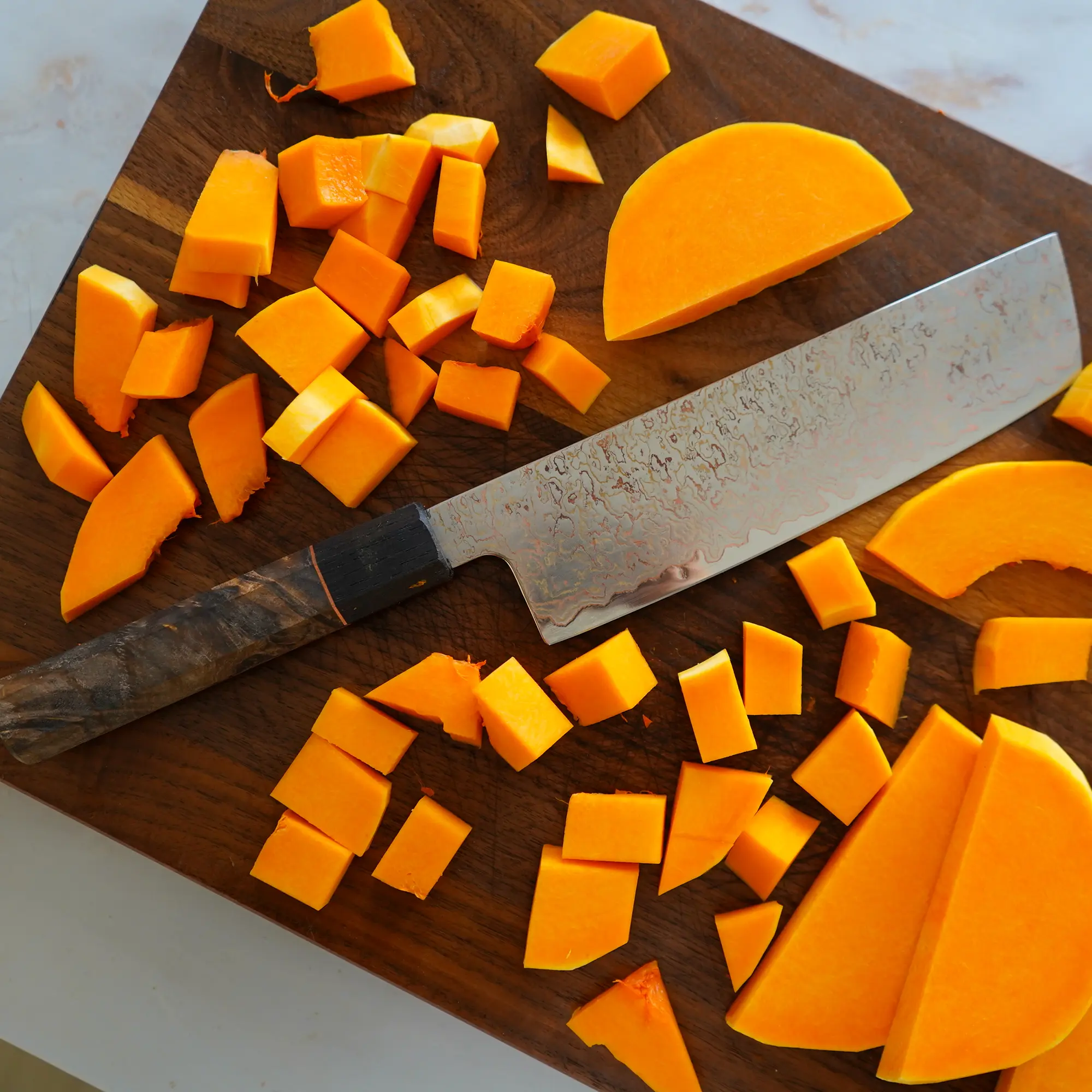
How Japanese chefs handle razor-sharp knives safely at home, from grip and stance to caring for reactive carbon steel and keeping food pristine.

Ginger cleanses the palate between pieces, not on top of them. Sushi-bar etiquette from chopstick rules to soy, wasabi and the omakase counter.
Roughly a third of the food produced worldwide is thrown away. Cooking from scratch cuts the packaging, food miles and waste that industrial meals rack up.
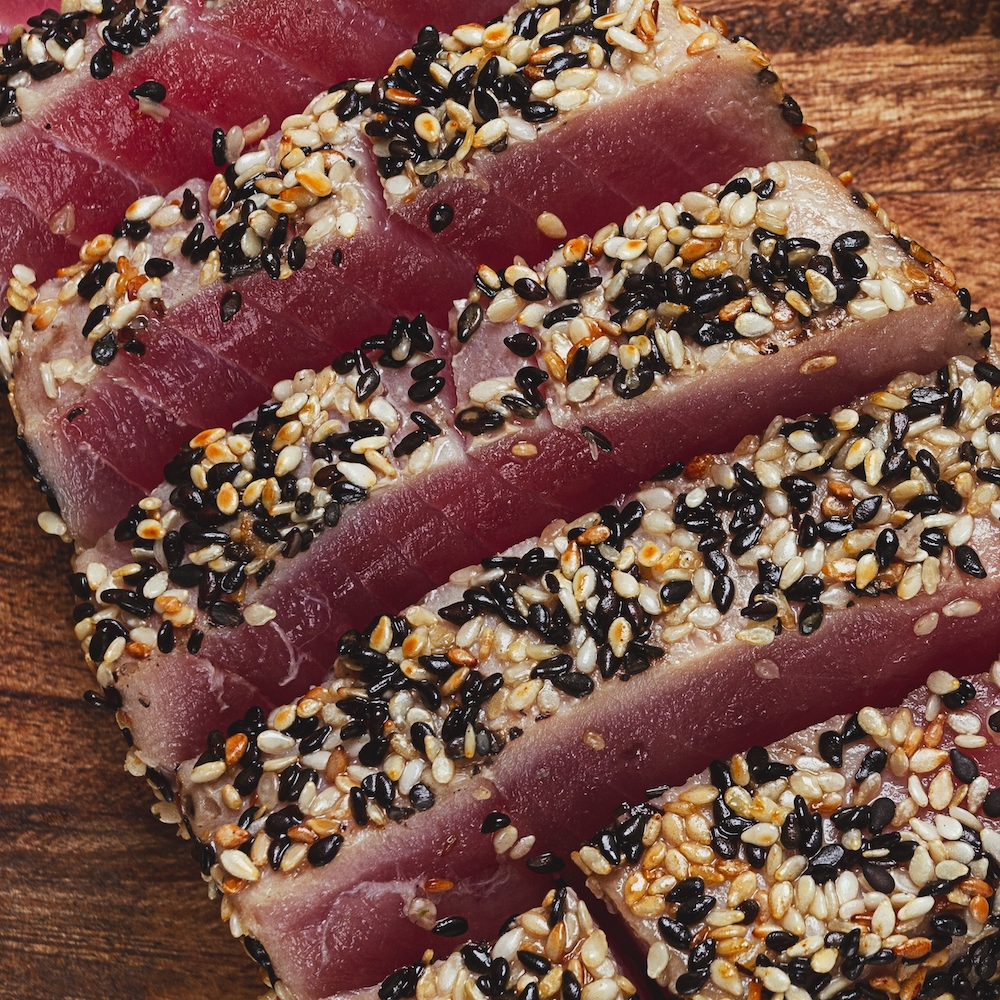
Tuna is one of the few fish the FDA won’t make you freeze. How to slice sushi-grade fillets across the grain for tataki, plus an optional quick-freeze.
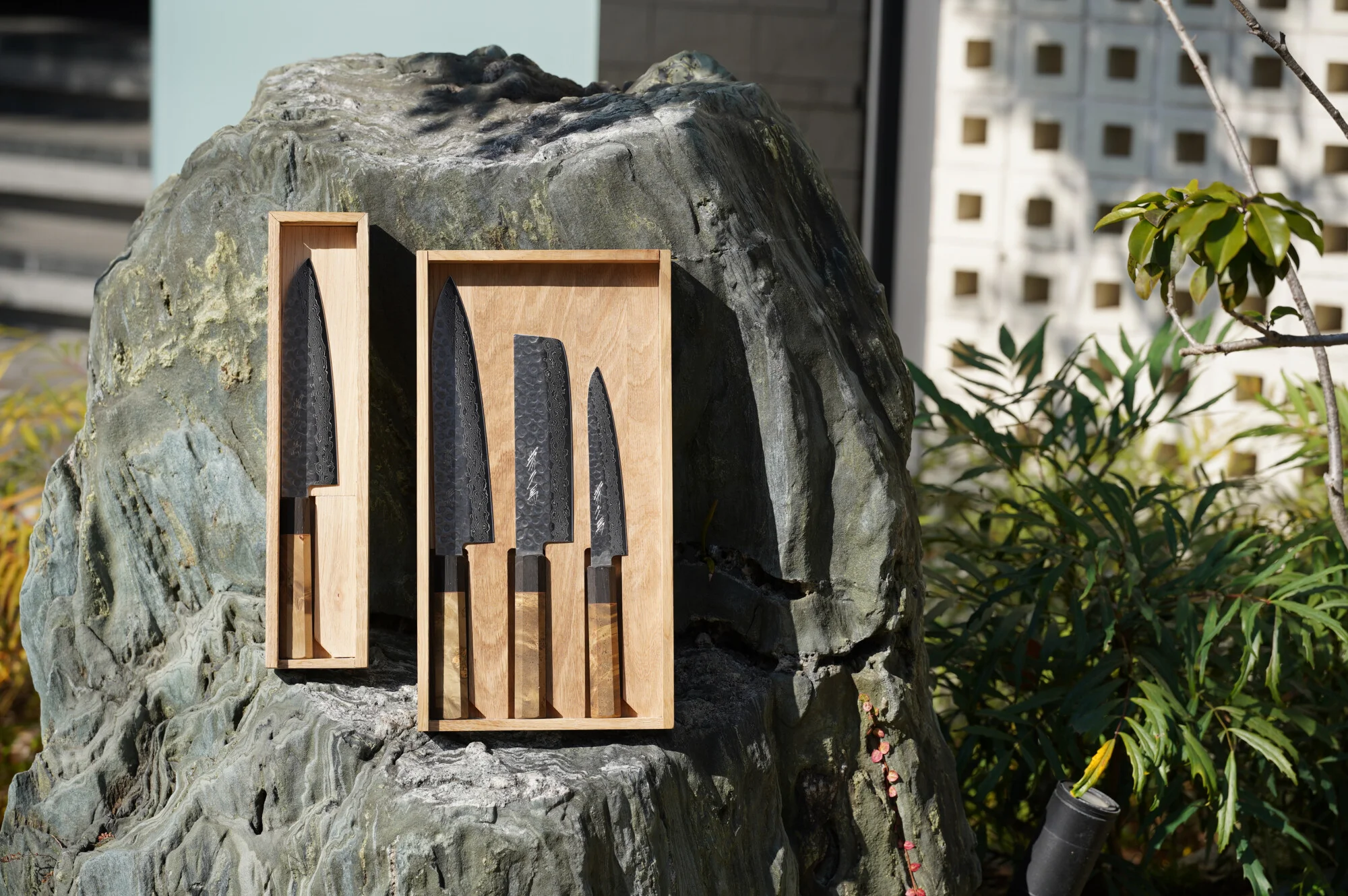
One gyuto or a full set? Where the santoku, bunka and kiritsuke each earn their place before you commit to a matching set.
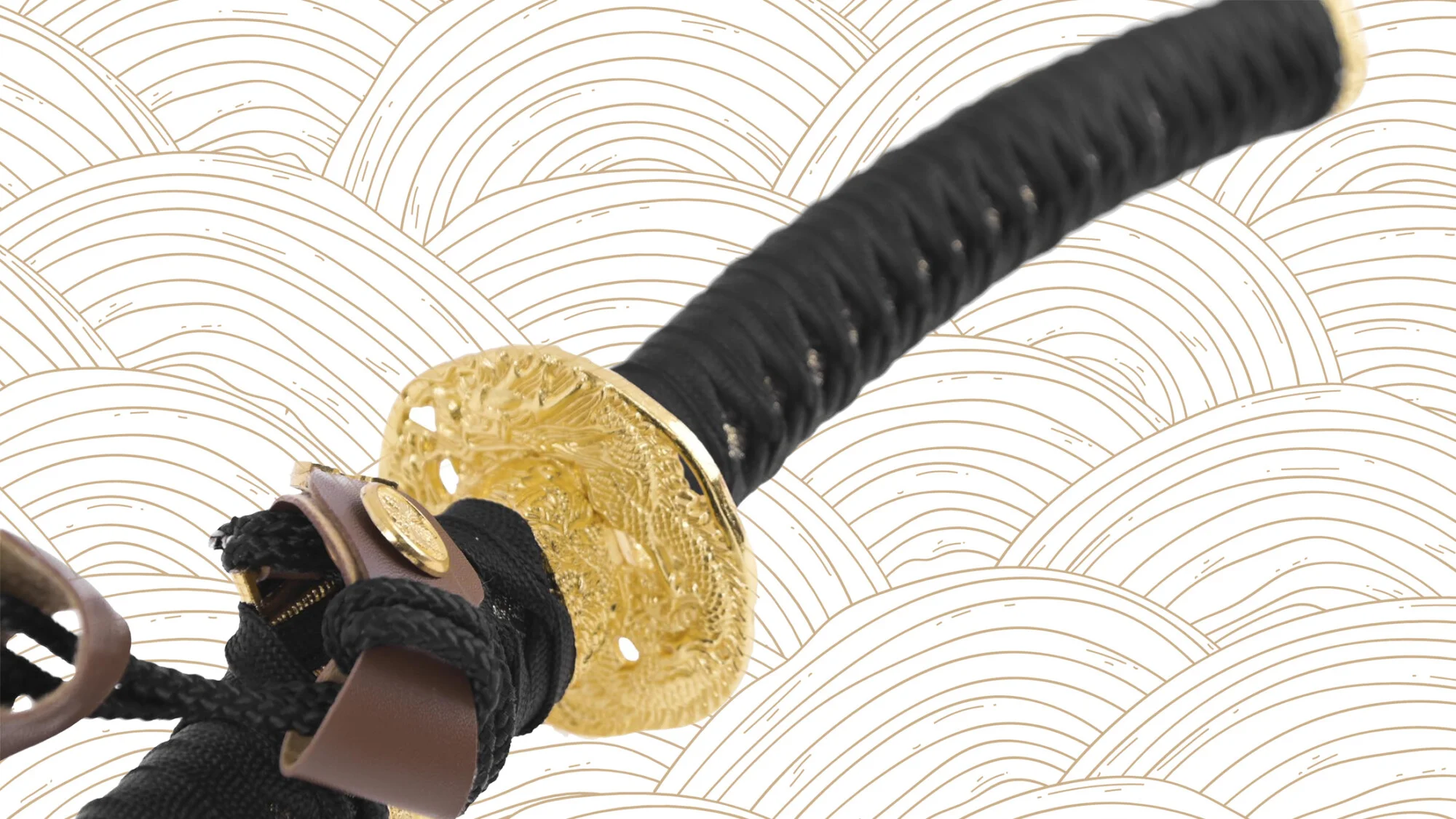
Forged from low-impurity iron sand and folded again and again, a nihonto is closer to ritual than manufacturing. Inside the making of Japan’s costliest blades.
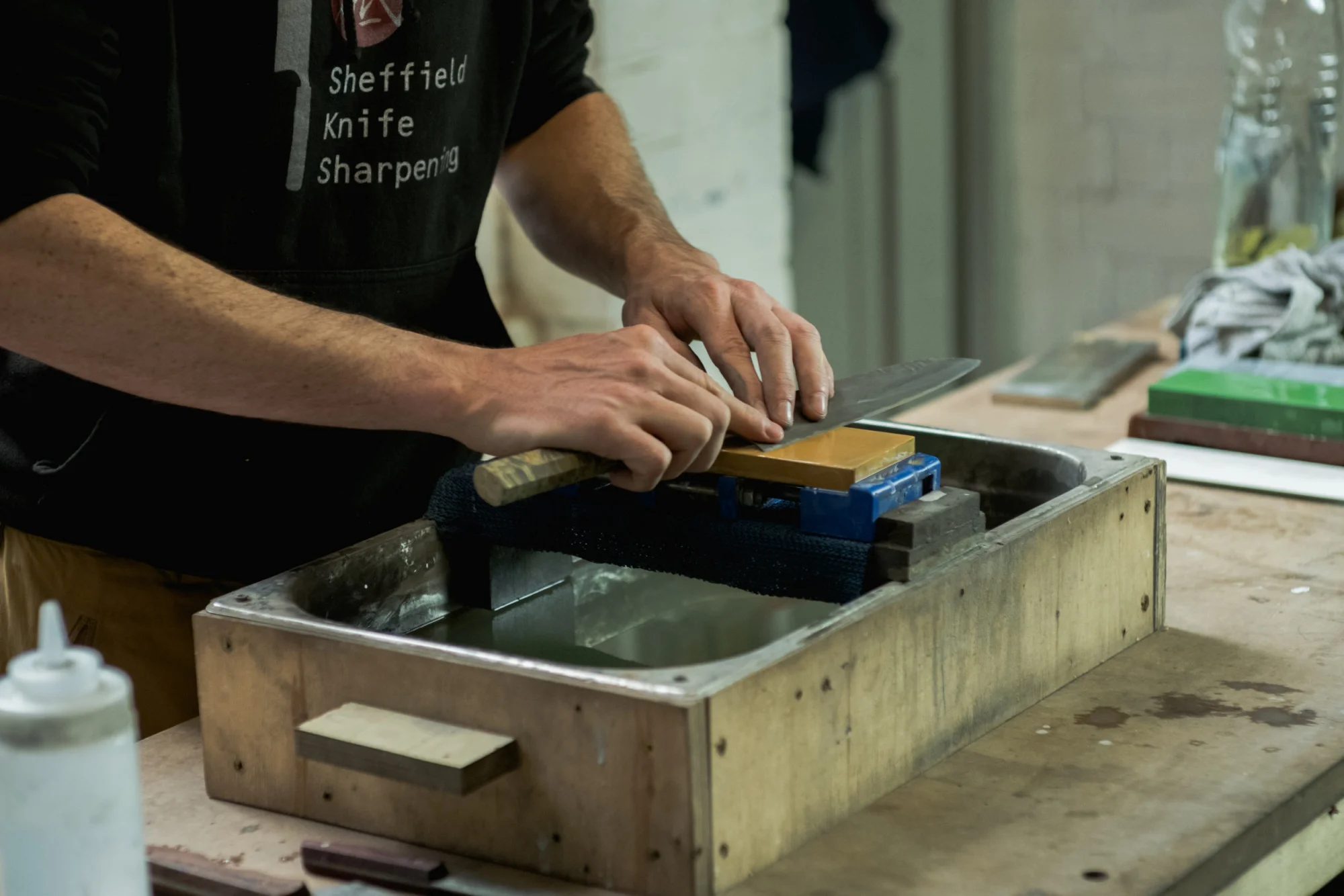
The swordsmiths called toko treated blade upkeep as sacred. How that reverence carries into whetstone work and today’s sharpening tools.
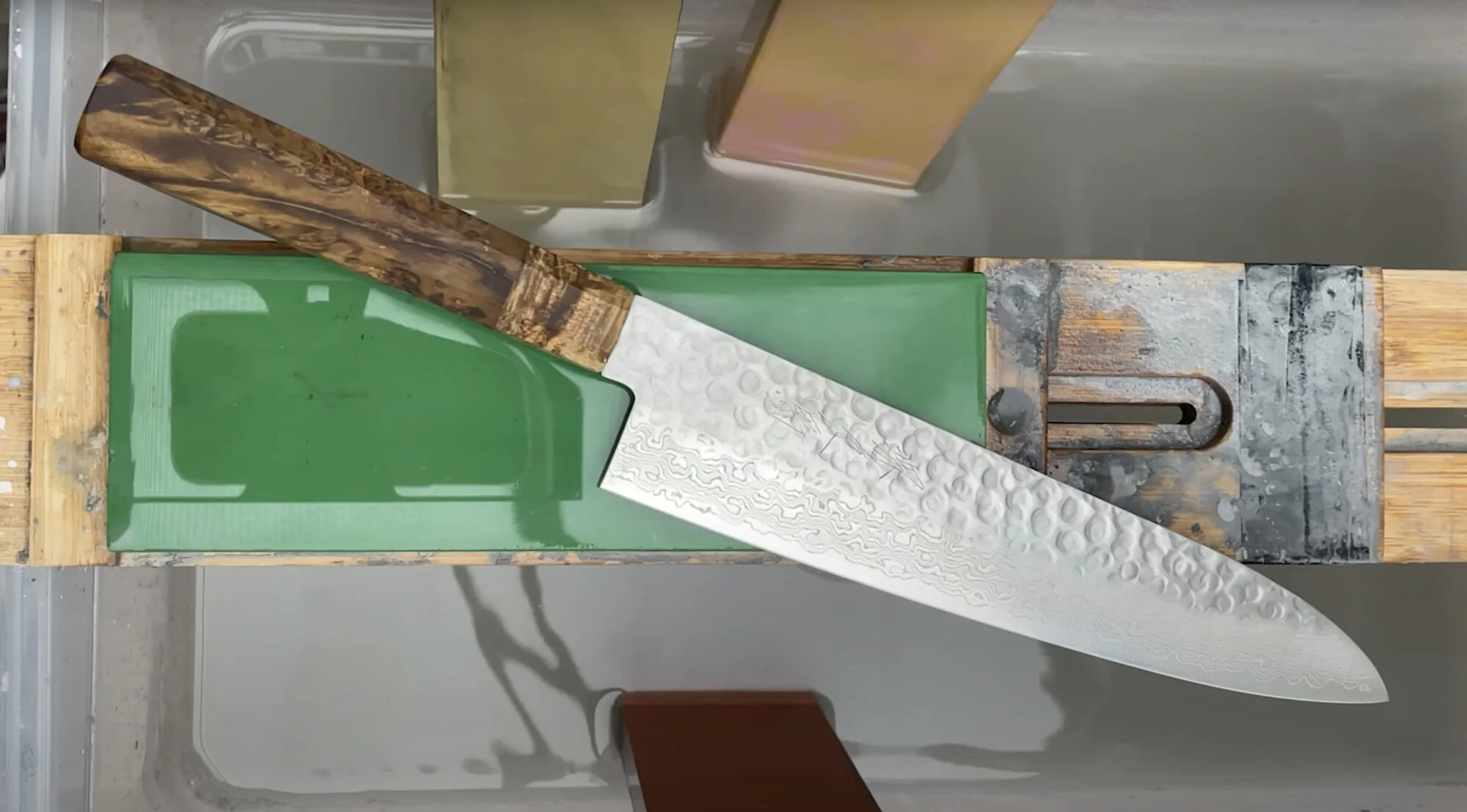
Coarse 400-grit for repair, 8000 for the final polish. A first go at whetstone sharpening, from soaking the stone to the finished edge.

White steel, blue steel, carbon steel: Japanese grades come down to composition and heat treatment, not brand names. What each one actually tells you.
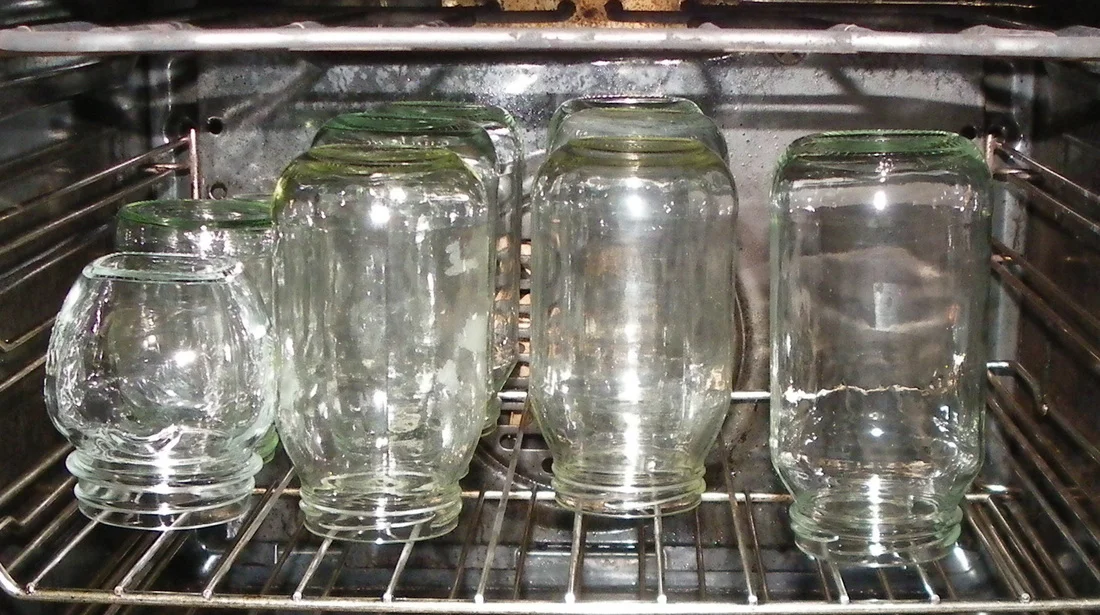
Before you pickle or bottle jam, the jars need sterilising: wash them, boil for about ten minutes, then air-dry and store clean.
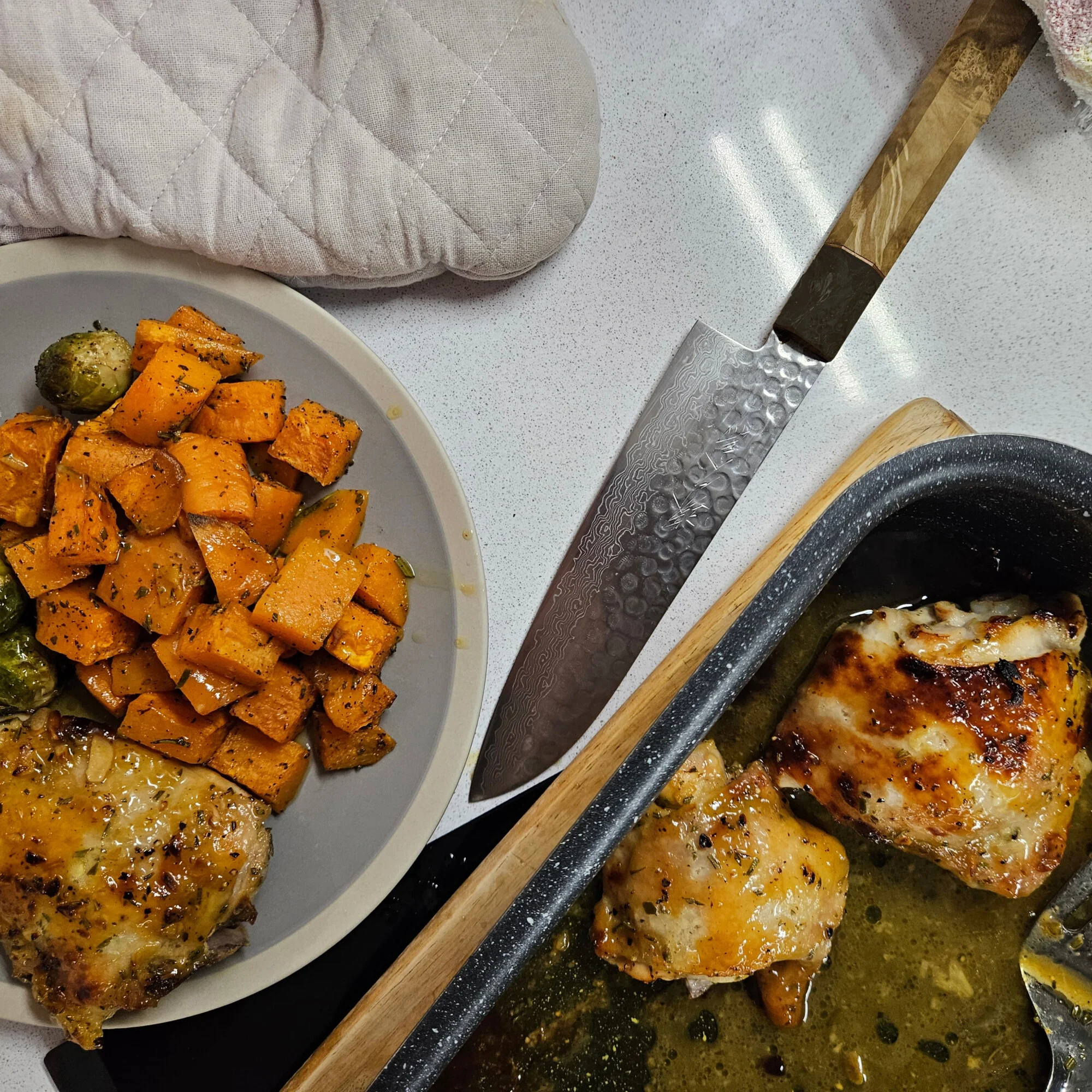
How do you tell a real Japanese knife from a fake? Read the steel, the grind and the edge geometry, plus the marketing tells that dress up a cheap blade.
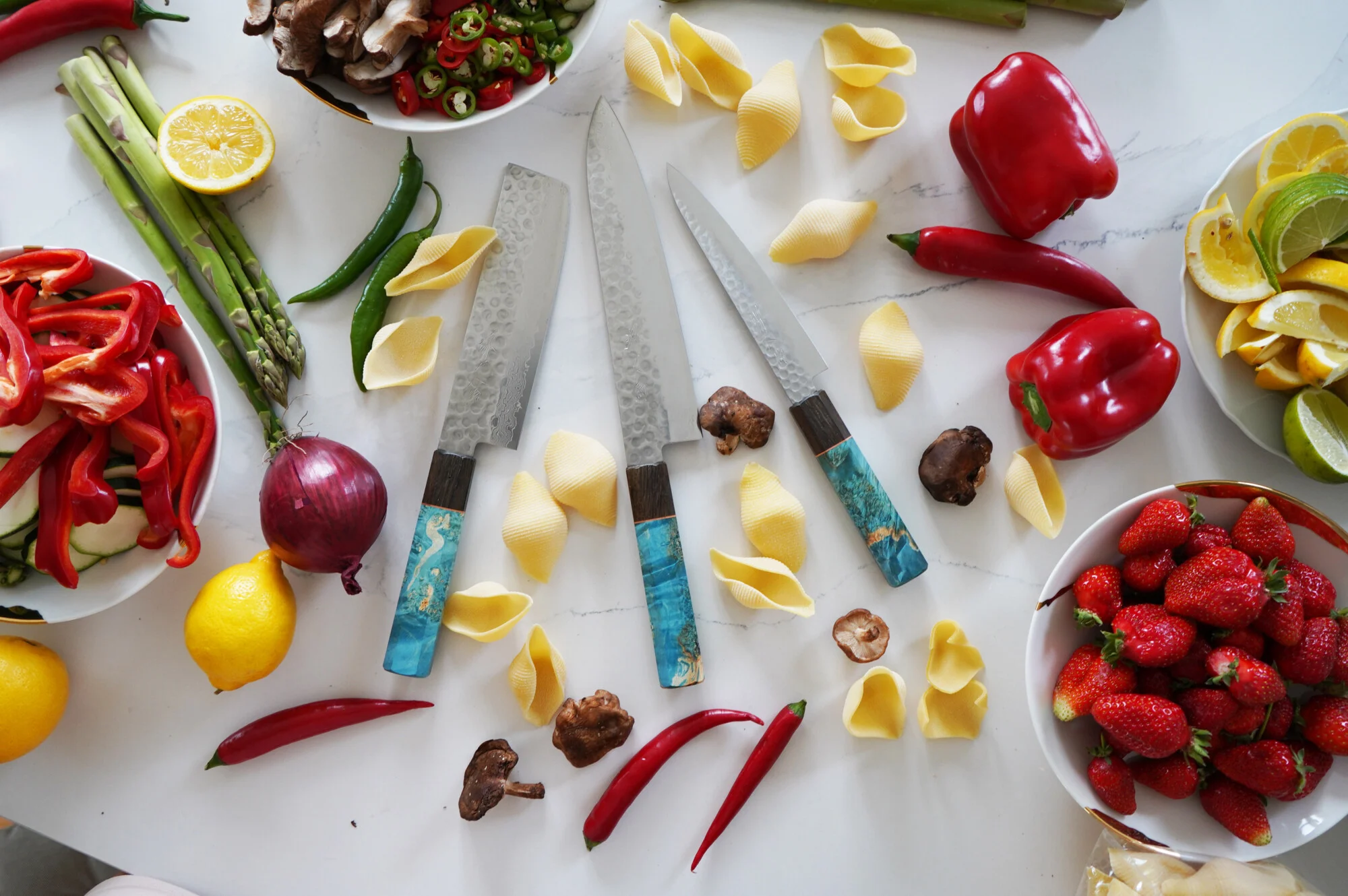
Some knives are past saving: an edge that won’t hold after sharpening, cracks or chips, a wobbling handle, rust in the steel. Four signs it’s time to let go.

21 practical low-waste tips for the kitchen and grocery shop, organised around the five R’s of zero-waste living: refuse, reduce, reuse, recycle and rot.
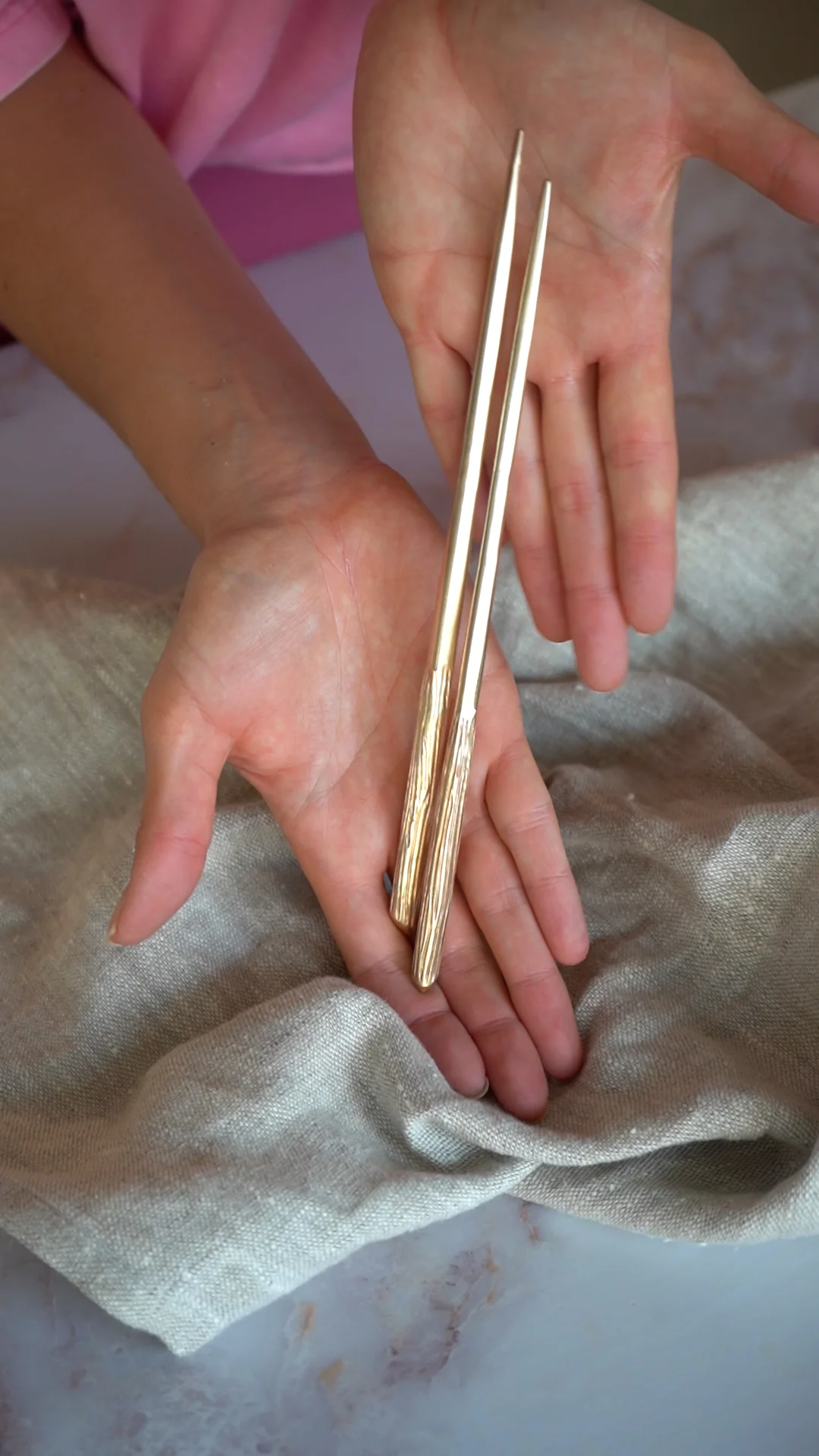
Clean and brighten brass utensils in minutes with a simple paste of vinegar, flour, bicarbonate of soda and salt, then polish and rinse.
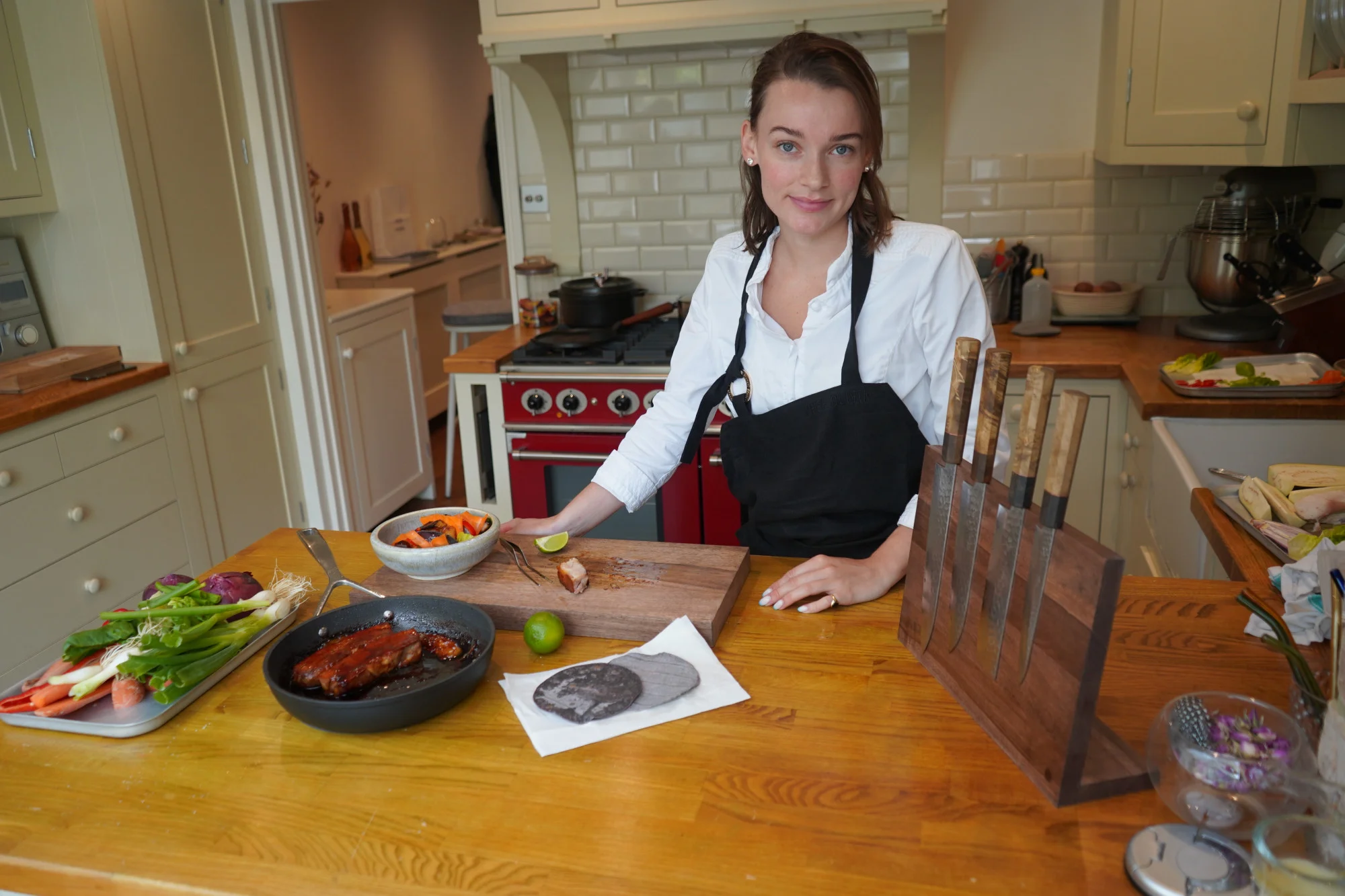
Chef Olivia Burt’s three tips for caring for Japanese knives: use a flat wooden board, store them on a magnetic rack, and never use the dishwasher.
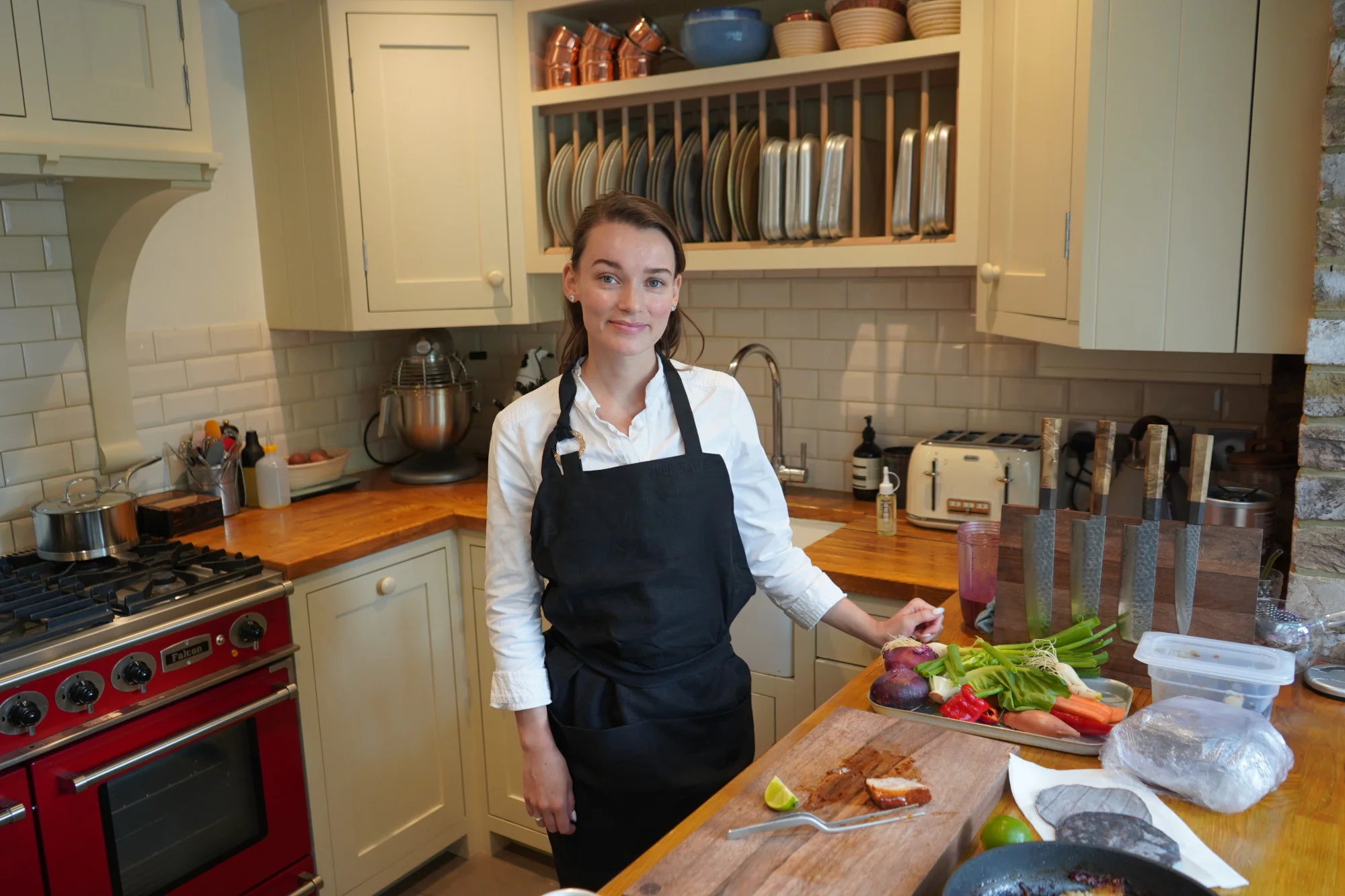
Chef Olivia Burt shows how to do the claw grip, the hand position that tucks your fingertips behind the blade so you cut food, not yourself.
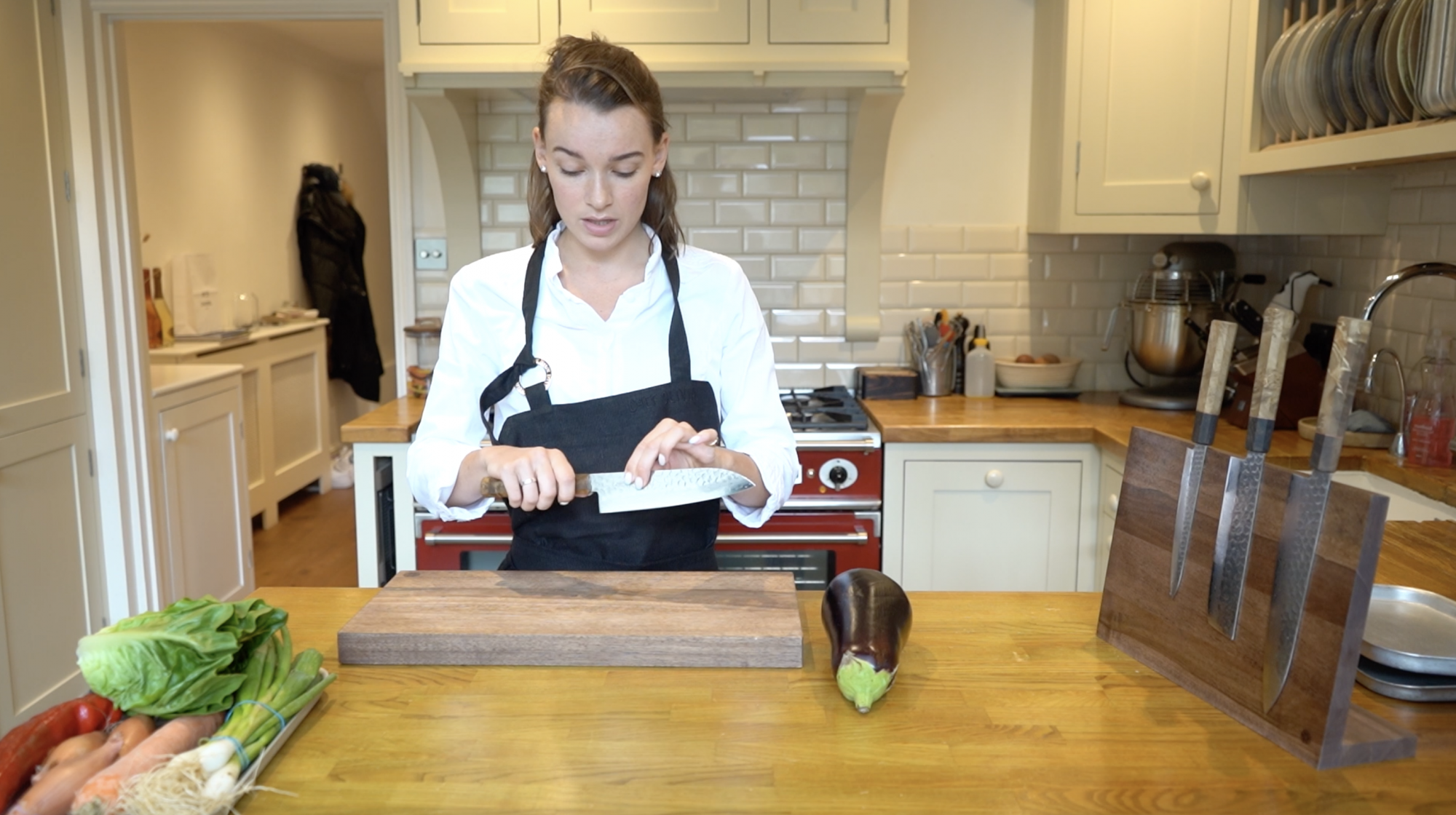
Chef Olivia Burt explains how to hold a Japanese knife, gripping the top of the handle with thumb and fingers for steadier, faster cutting.