The story of Oishya, a brand born from trips to Sakai and Seki that works with Japanese workshops to make knives for European home cooks.

The story of Oishya, a brand born from trips to Sakai and Seki that works with Japanese workshops to make knives for European home cooks.
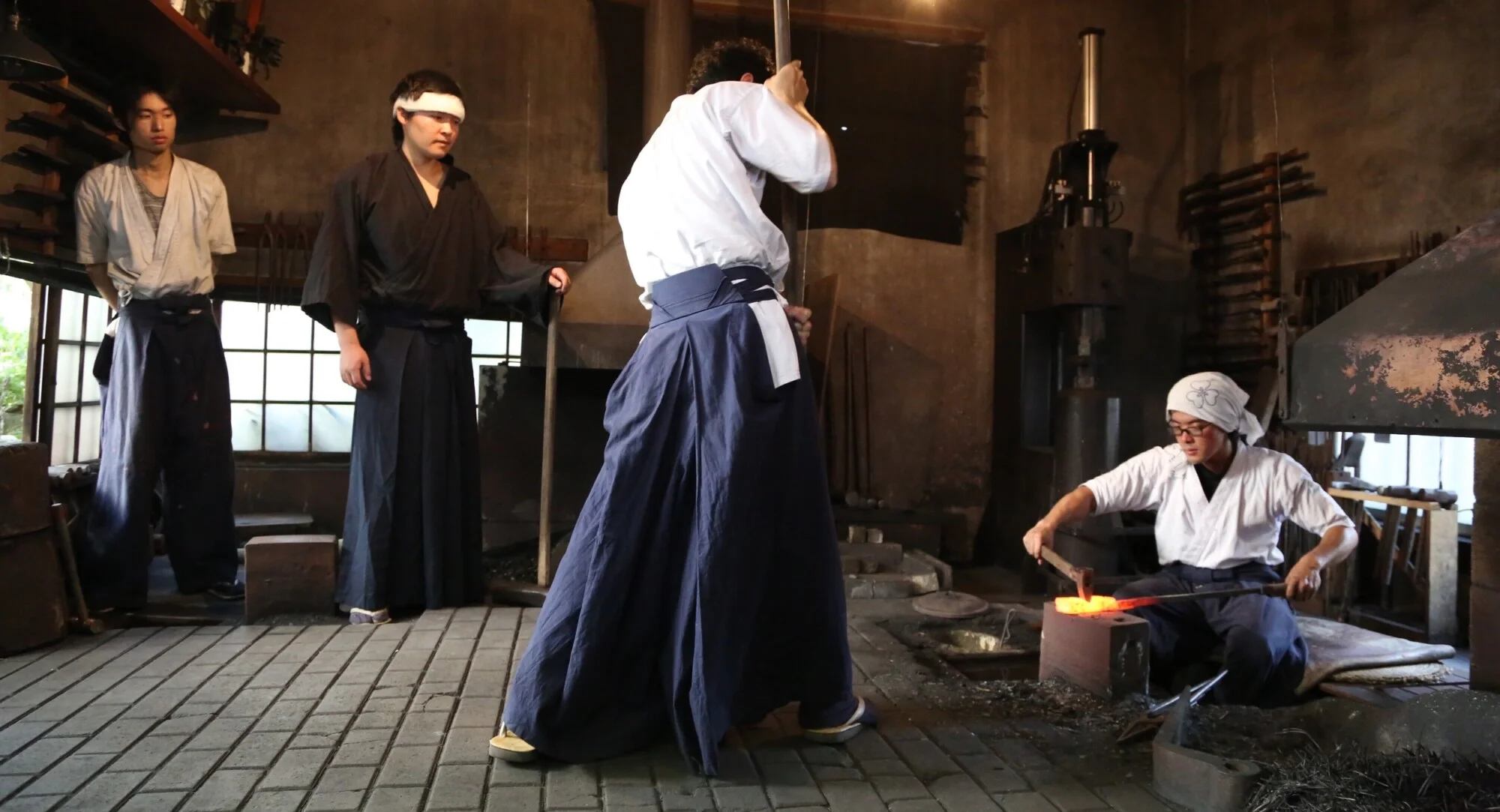
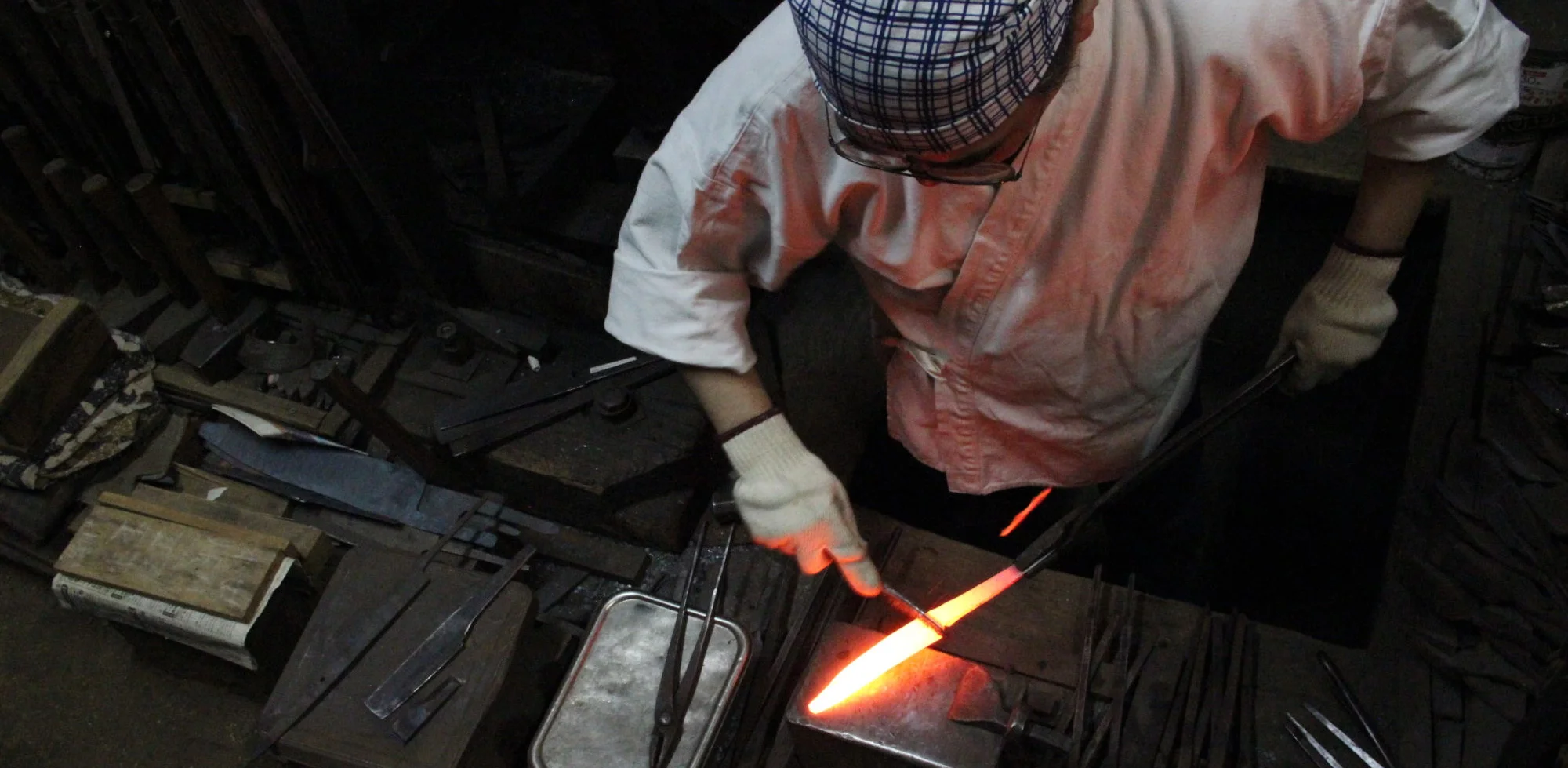
How a Japanese kitchen knife is forged, from Sakai and Seki workshops to layered Damascus steel hammered at 1,100°C through dozens of hand steps.
The philosophy and craft of the Japanese kitchen, from nagomi balance and wabi-sabi to mottainai and kaizen, and how each shapes how you cook.
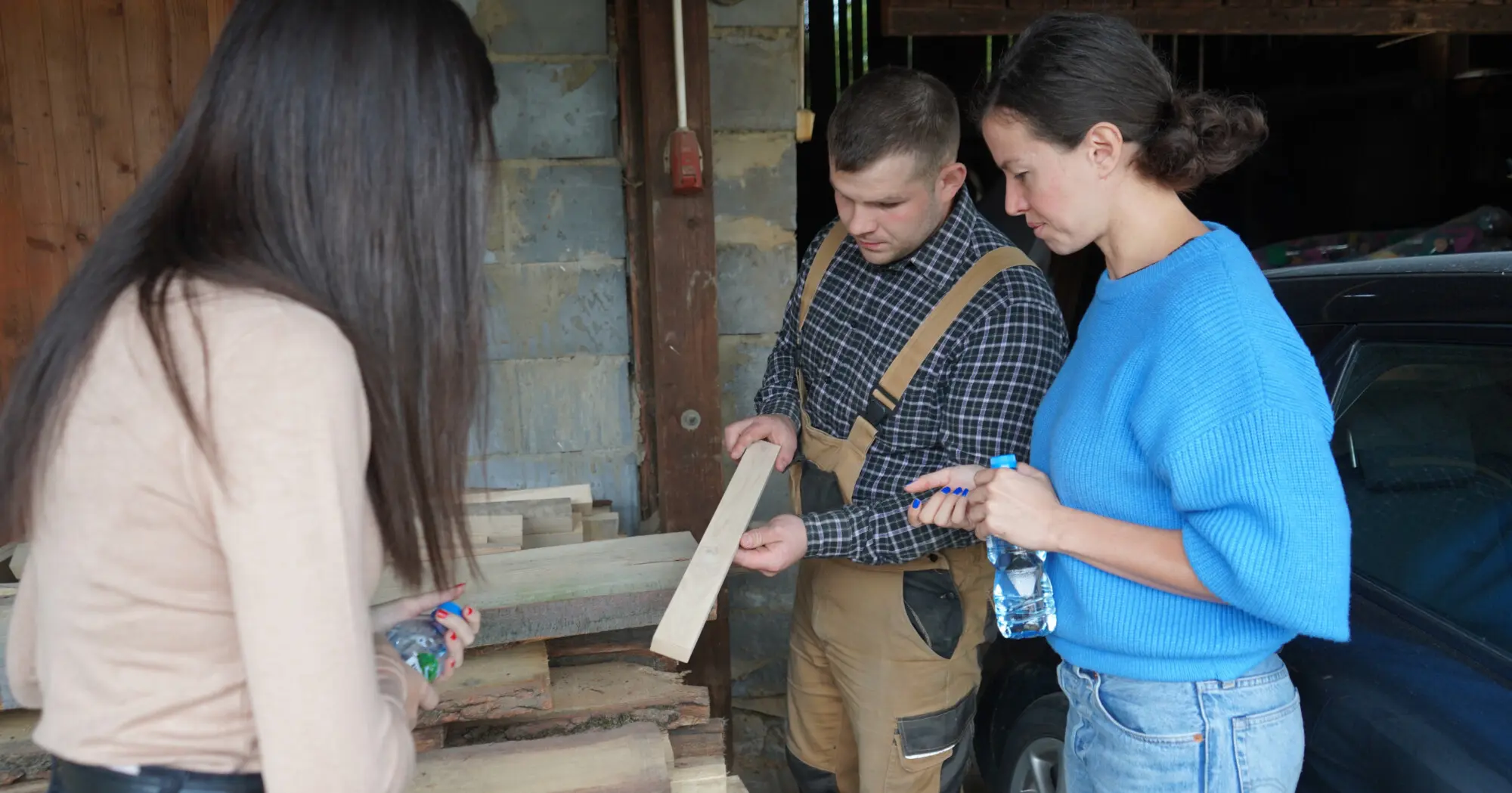
The story behind every Oishya knife, from the 2022 rebrand out of Japana to wooden boards crafted by family workshops across Europe.

Ginger cleanses the palate between pieces, not on top of them. Sushi-bar etiquette from chopstick rules to soy, wasabi and the omakase counter.
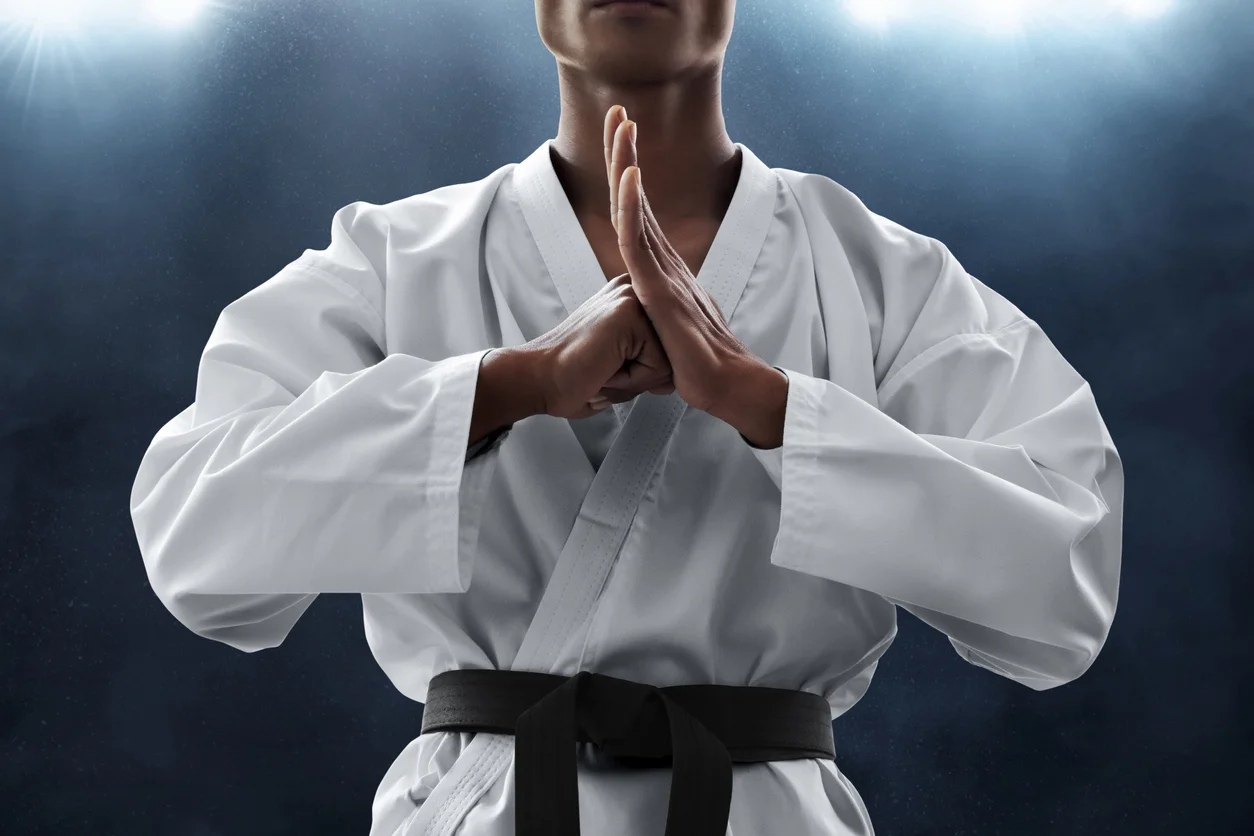
Karate began in Okinawa as ‘te’, shaped by Chinese martial arts and practised in secret under weapon bans. Its history, philosophy, and core techniques.
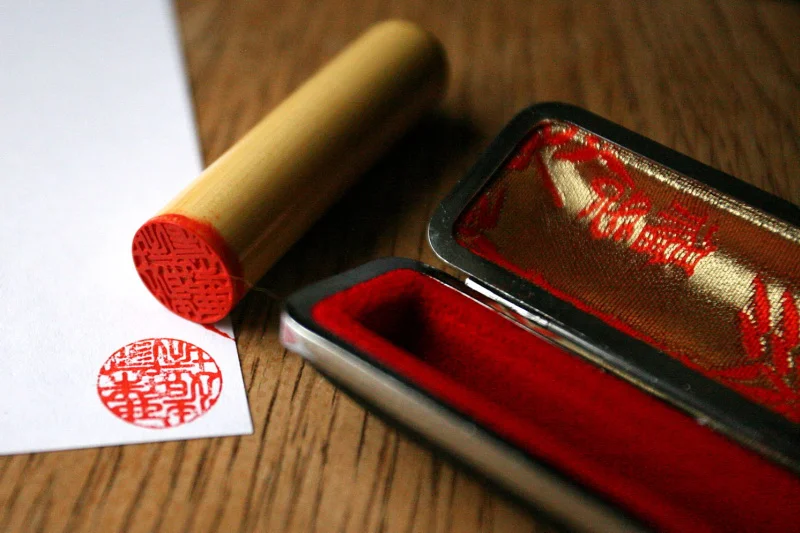
A hanko is a carved Japanese name seal used in place of a signature. Oishya stamps one on every Sakai Kyuba certificate of authenticity.
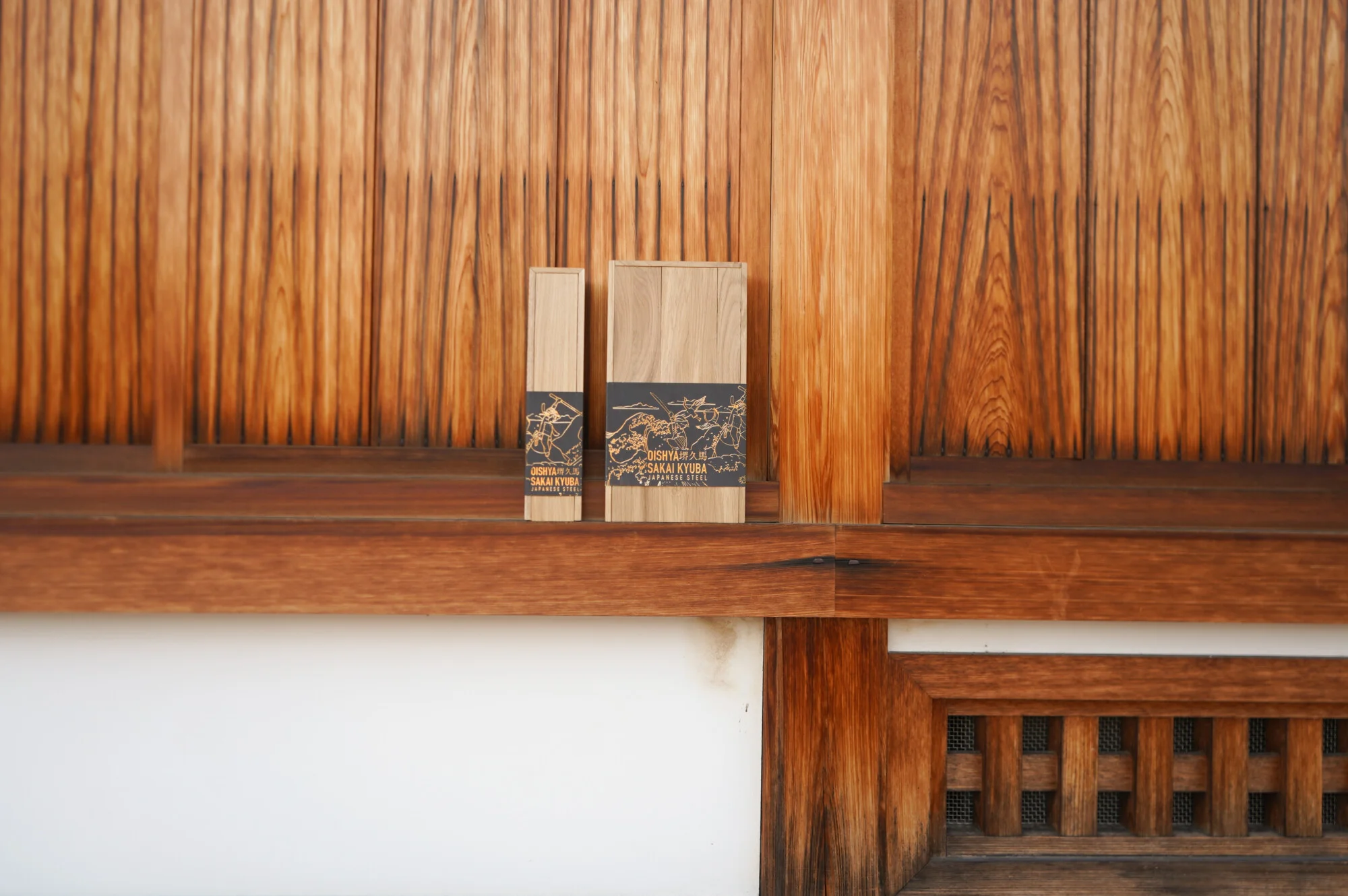
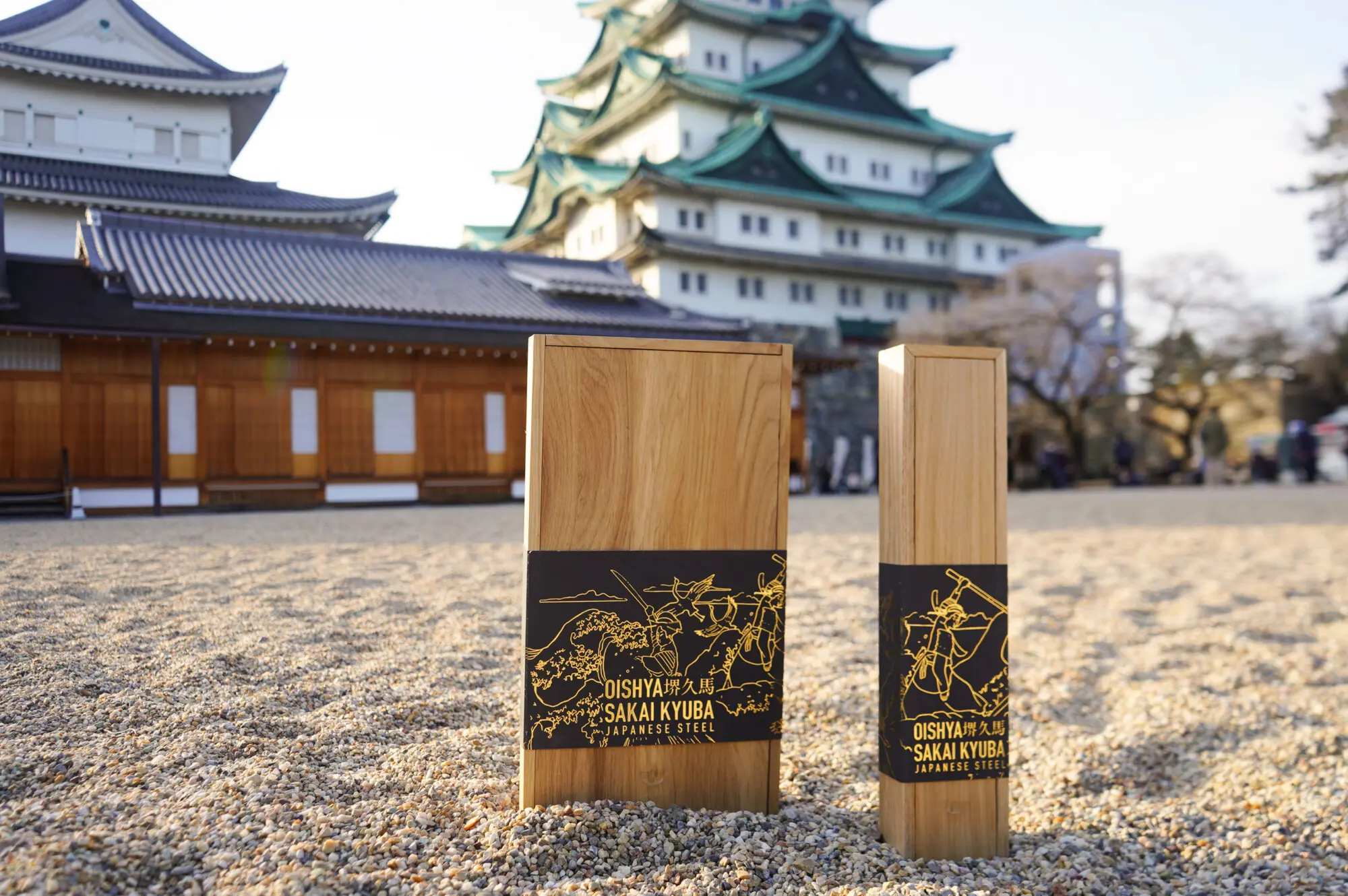
The onna-bugeisha illustration on Sakai Kyuba boxes honours feudal Japan’s female samurai, with nods to Hokusai’s Great Wave and the Oishya kamon.

Japan’s vending machines serve full meals, from hot ramen to frozen gyoza, using refrigeration, heating, and robotic arms. A look at automated dining.

Kaizen is the Japanese practice of small, continuous improvement born in postwar Japan. How Oishya applies it to craft and quality.
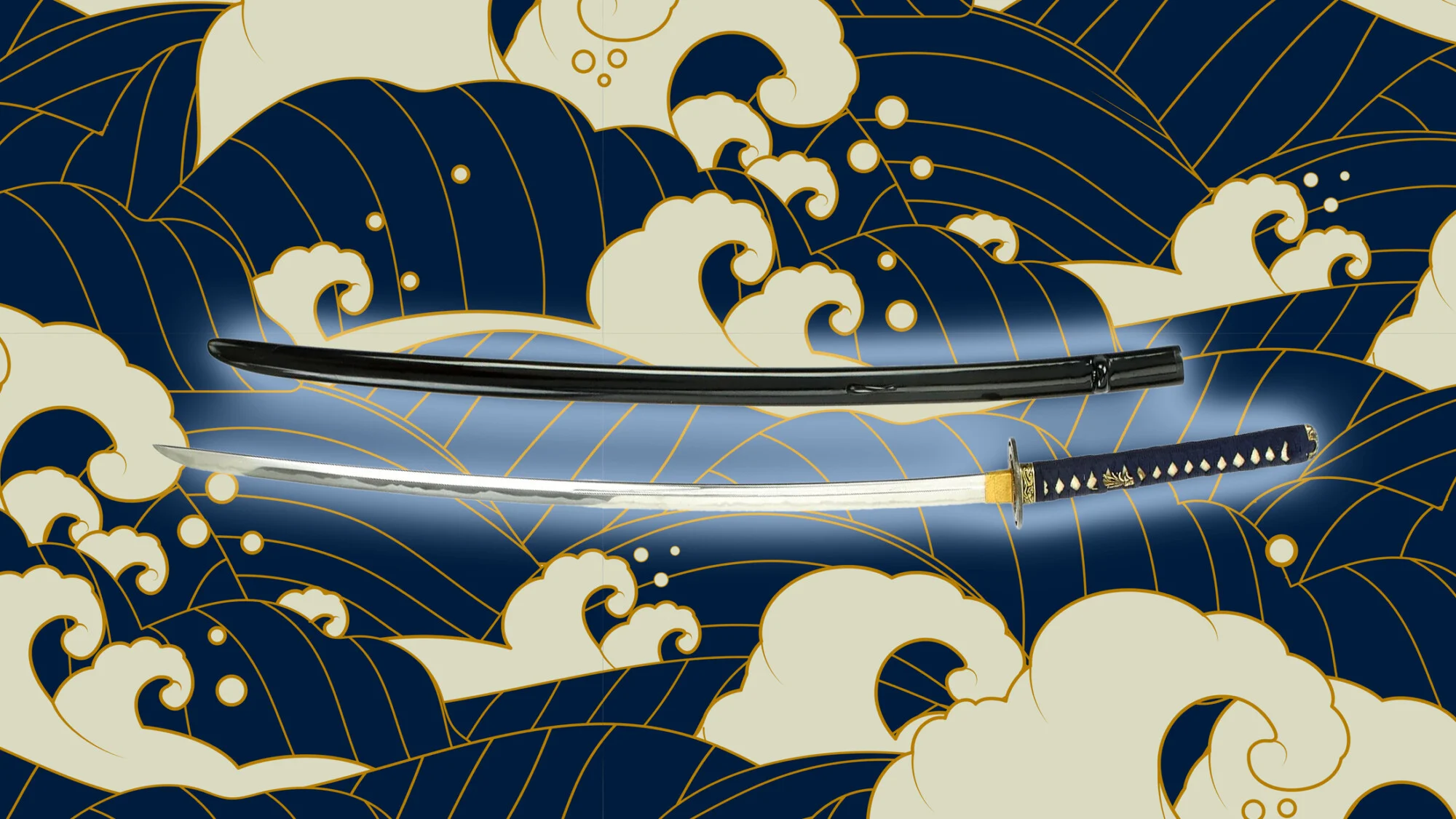
The katana’s curve, or sori, concentrates mass toward the tip for cleaner cuts and spreads impact to resist fractures. Why the blade is shaped this way.
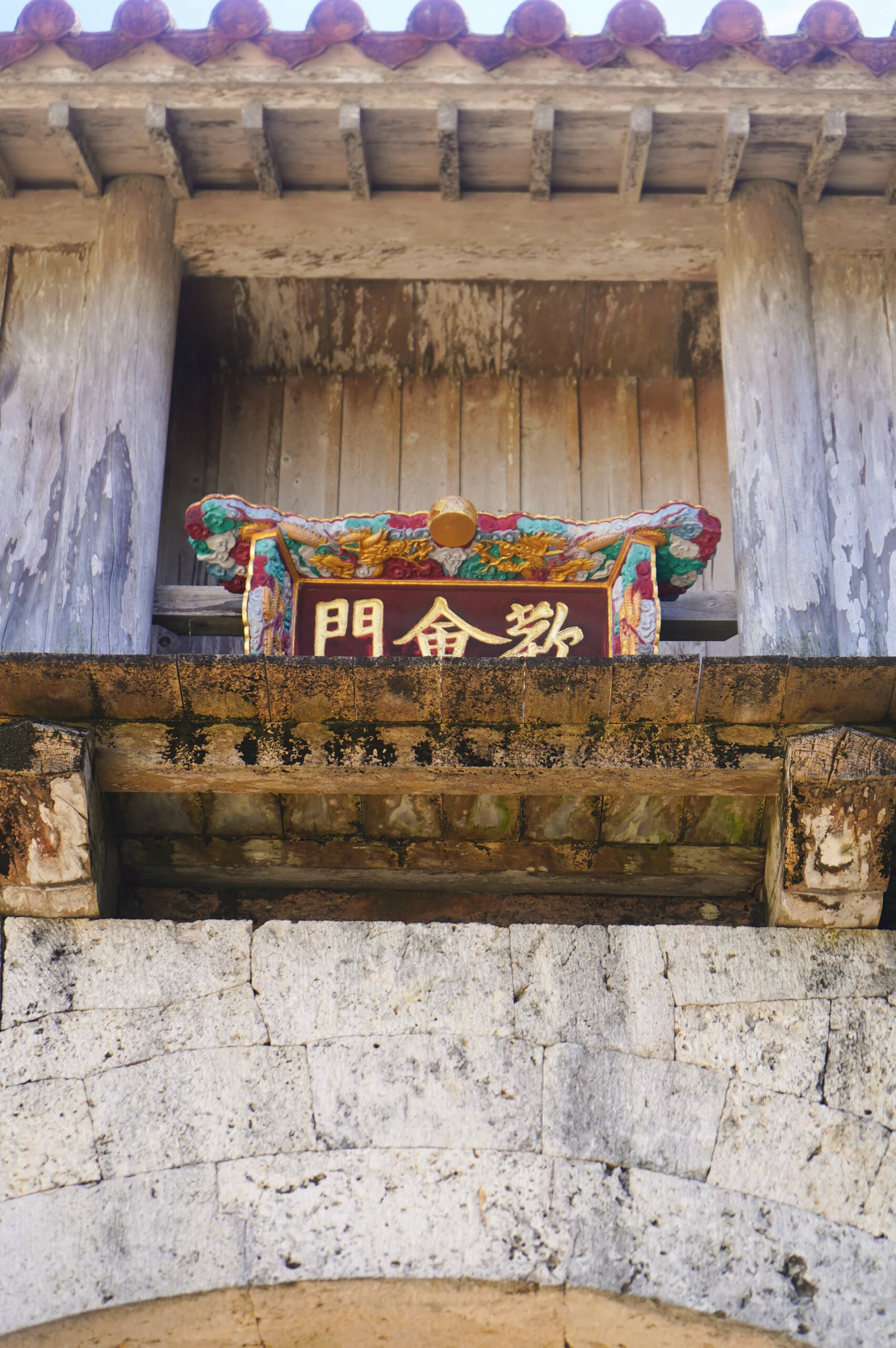
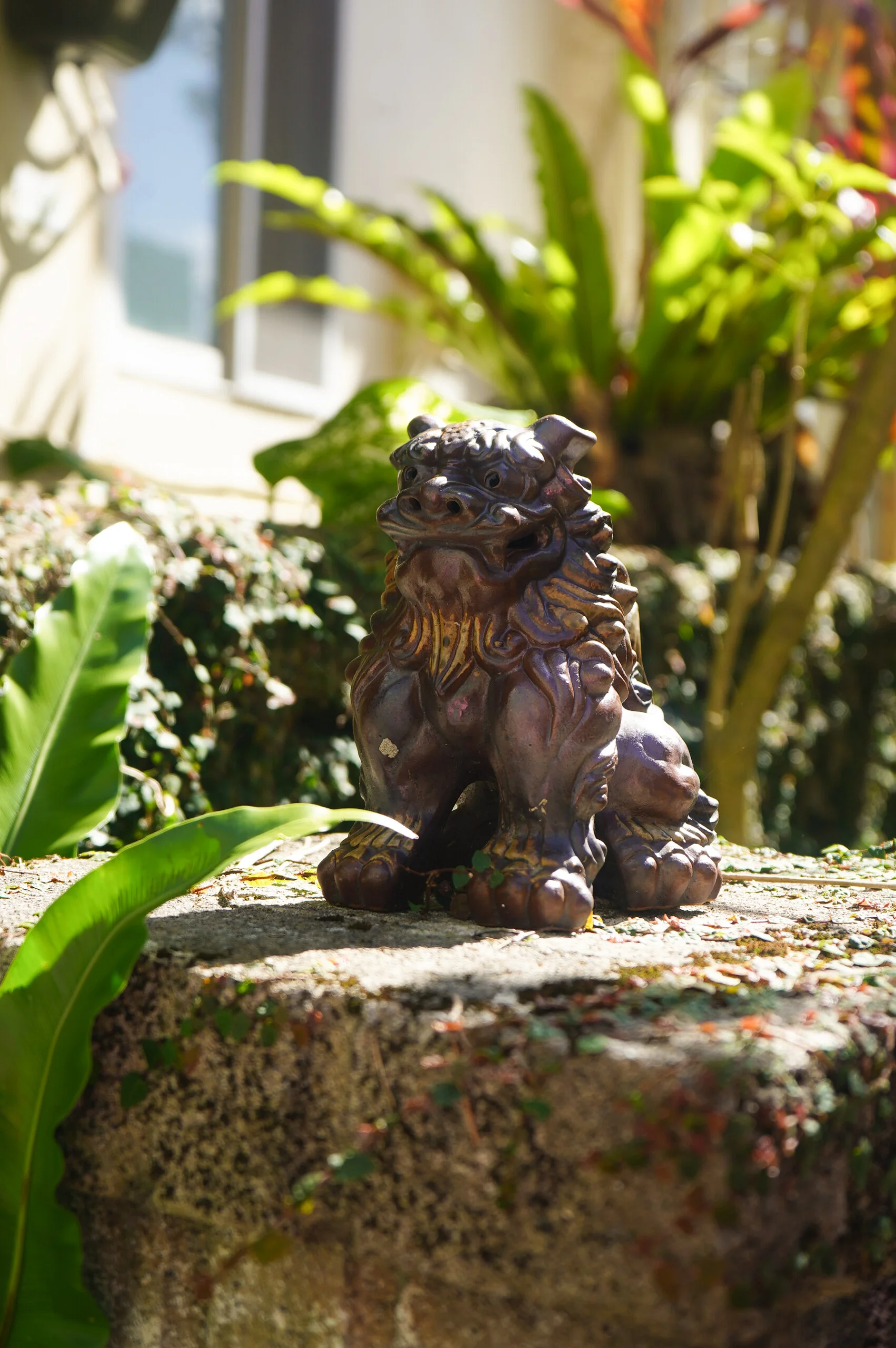
Okinawan food blends Ryukyu Kingdom trade roots with post-war American influence, from Taco Rice and tropical sushi to prized Ishigaki beef.
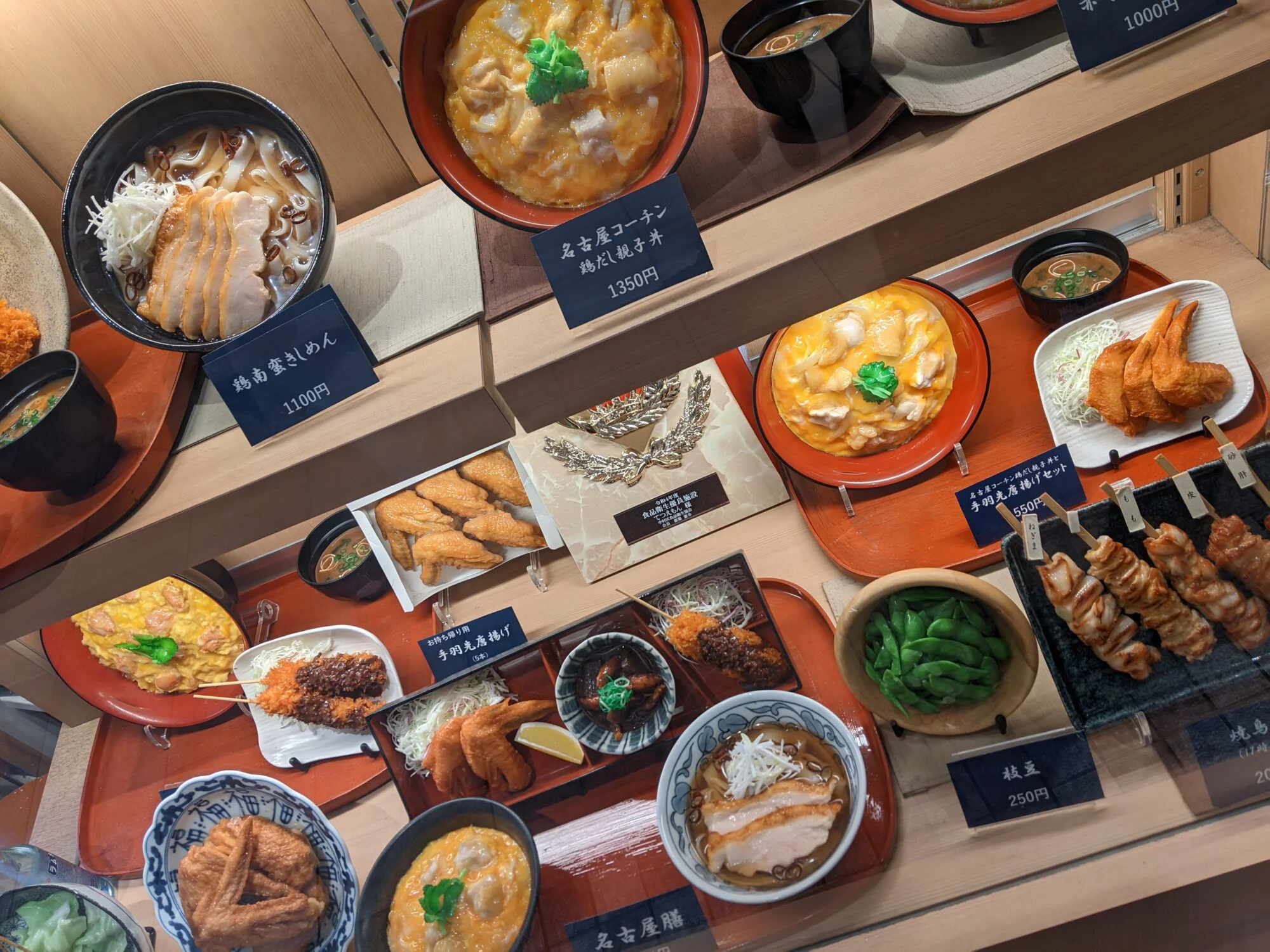
Shokuhin Sampuru are Japan’s lifelike fake food replicas, made from PVC to display restaurant menus. Inside the craft and the artisans who make them.

Nagomi is the Japanese idea of harmony and balance, applied to homes, relationships, and meals. How the principle shapes a calmer everyday life.
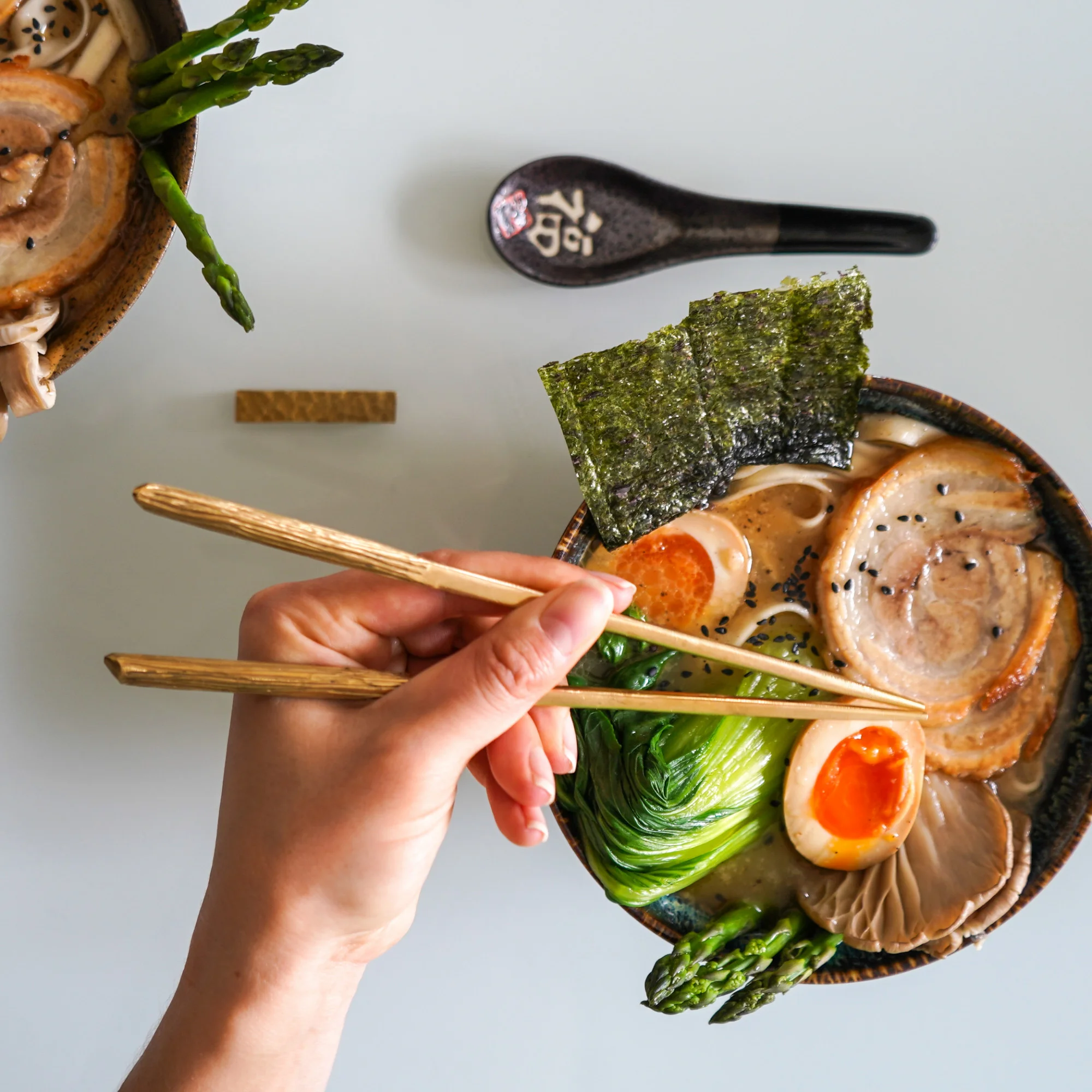
Japanese, Chinese, and Korean chopsticks differ in shape, material, and etiquette. A look at what sets each style apart and the culture behind them.
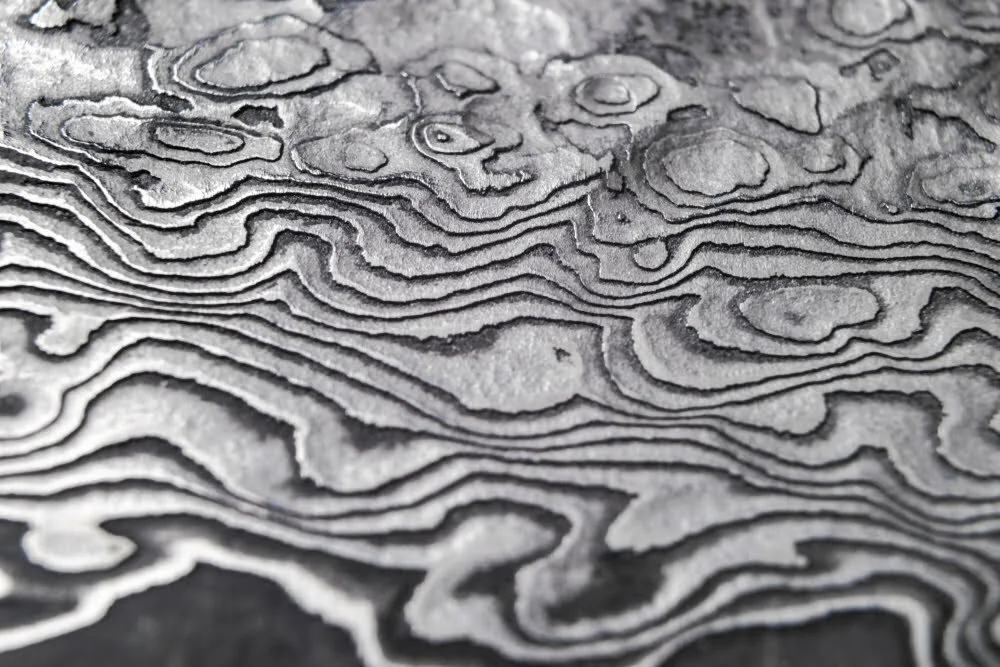
Damascus steel traces back to the Near East around 300 AD, prized for its wavy pattern and strength. Here is the history behind the legendary blade.
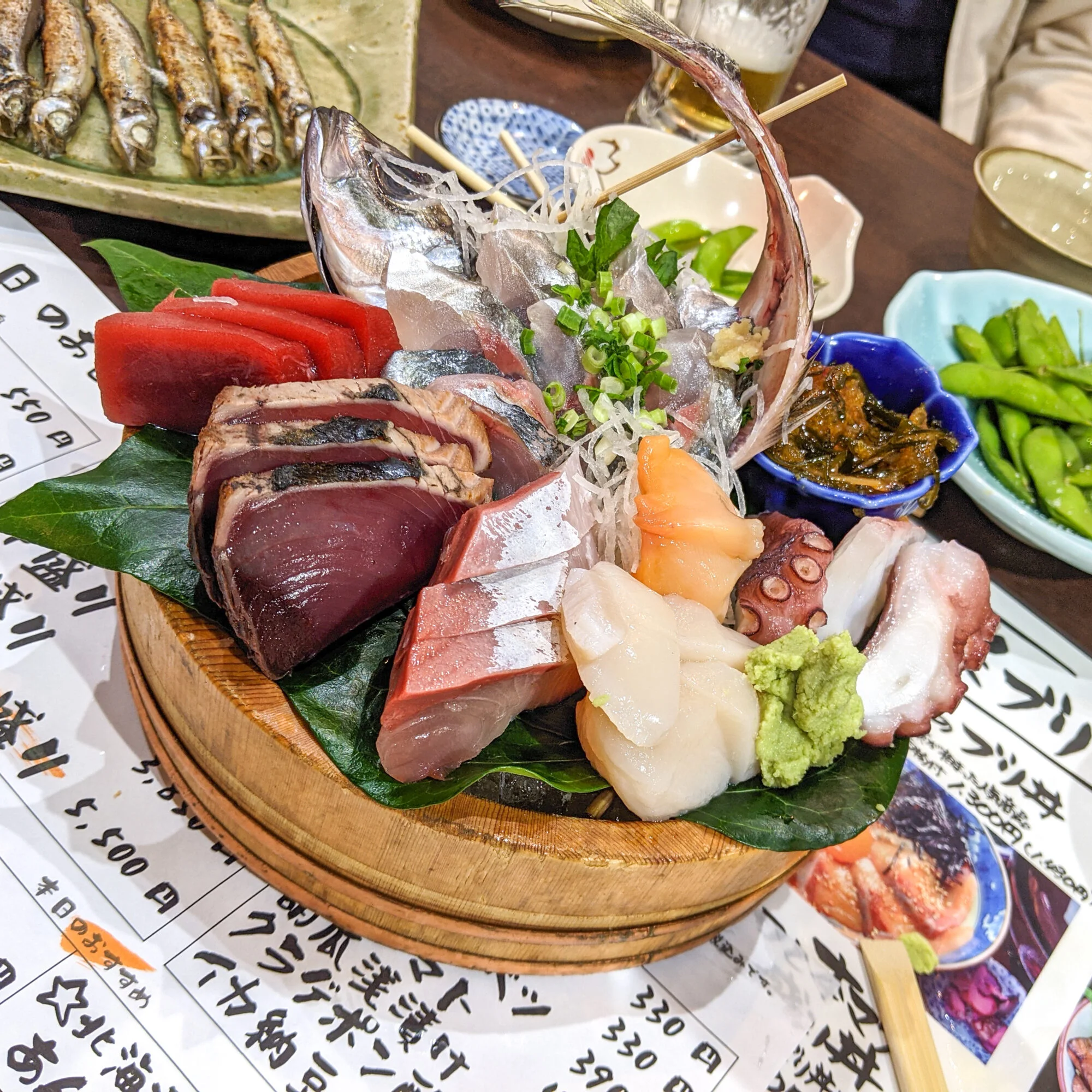
Okinawa has one of the world’s highest counts of centenarians, linked to a plant-rich diet and the Hara Hachi Bu habit of eating until 80% full.

Why Japanese cuisine stands out: fresh seasonal ingredients, mastery of umami and the pride of the cooks behind sushi, ramen, soba and more.
Umami, the savoury fifth taste found in meat, cheese and mushrooms, was identified by Japanese scientist Kikunae Ikeda in the early 1900s.
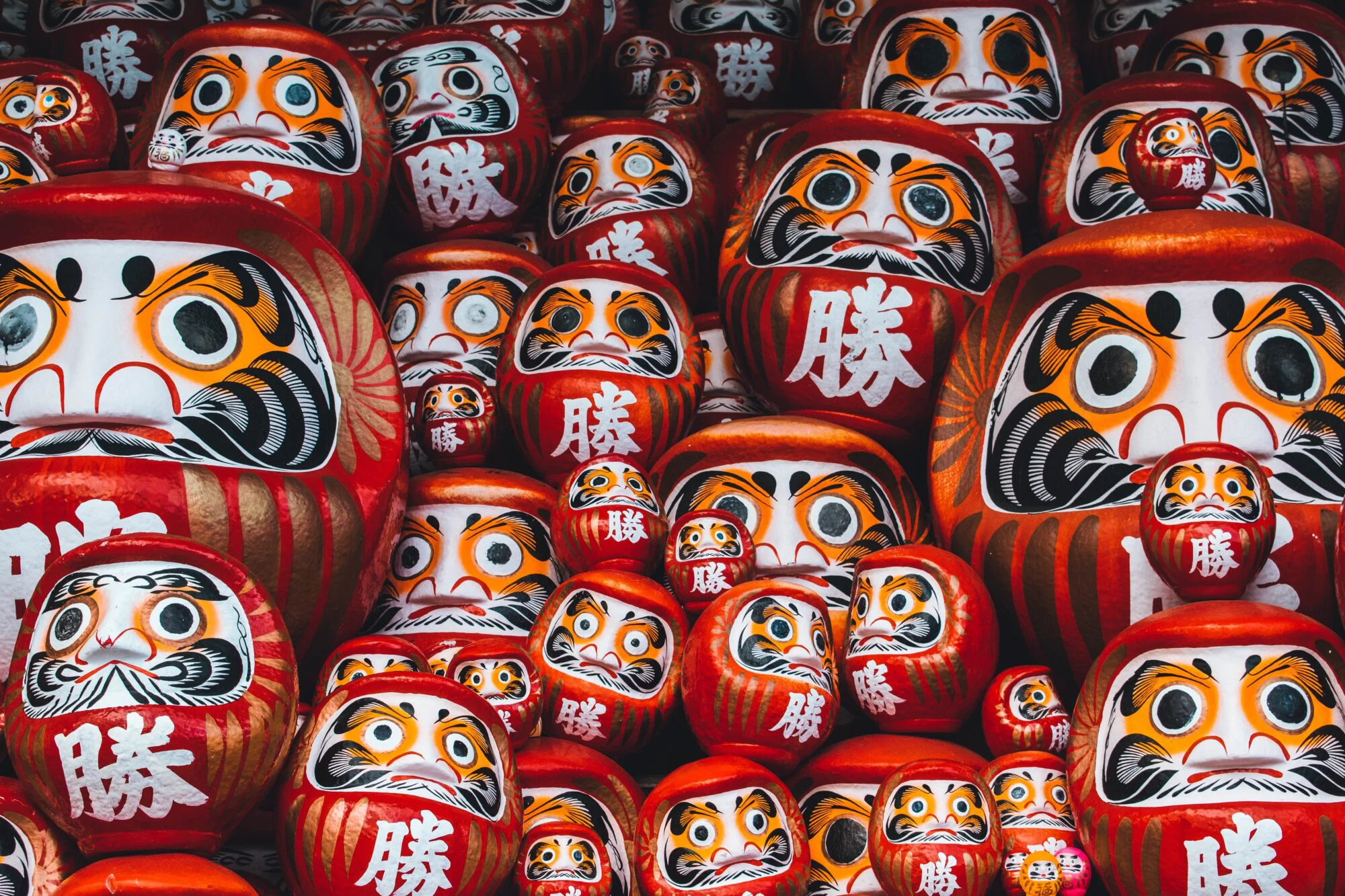
The Daruma doll, a symbol of luck and perseverance, traces back to Bodhidharma, the Zen monk whose nine-year wall meditation inspired the legend.
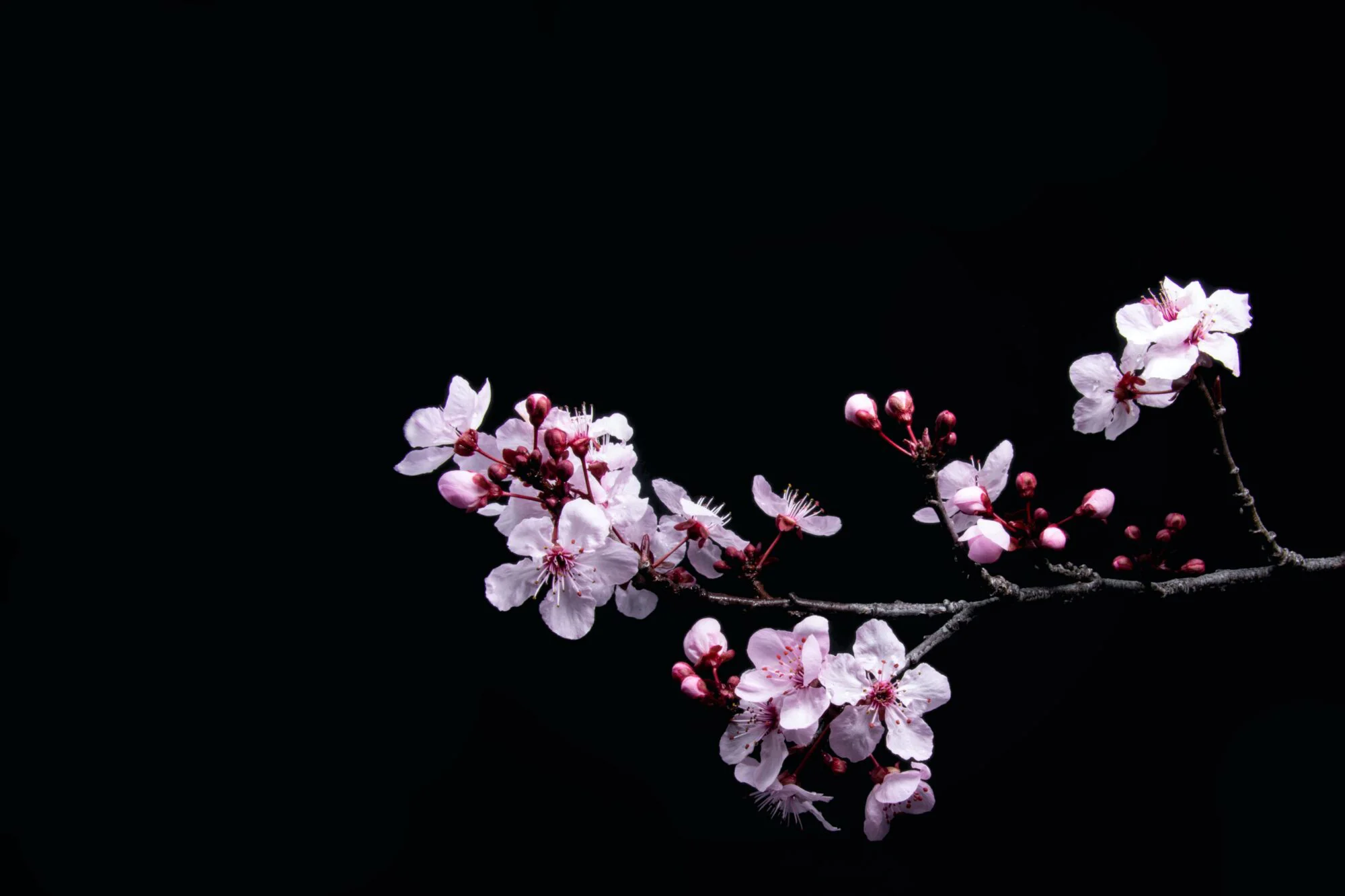
Ten Japanese concepts for a happier life, including ikigai as a reason for being, kaizen as steady improvement, and oubaitori on not comparing.
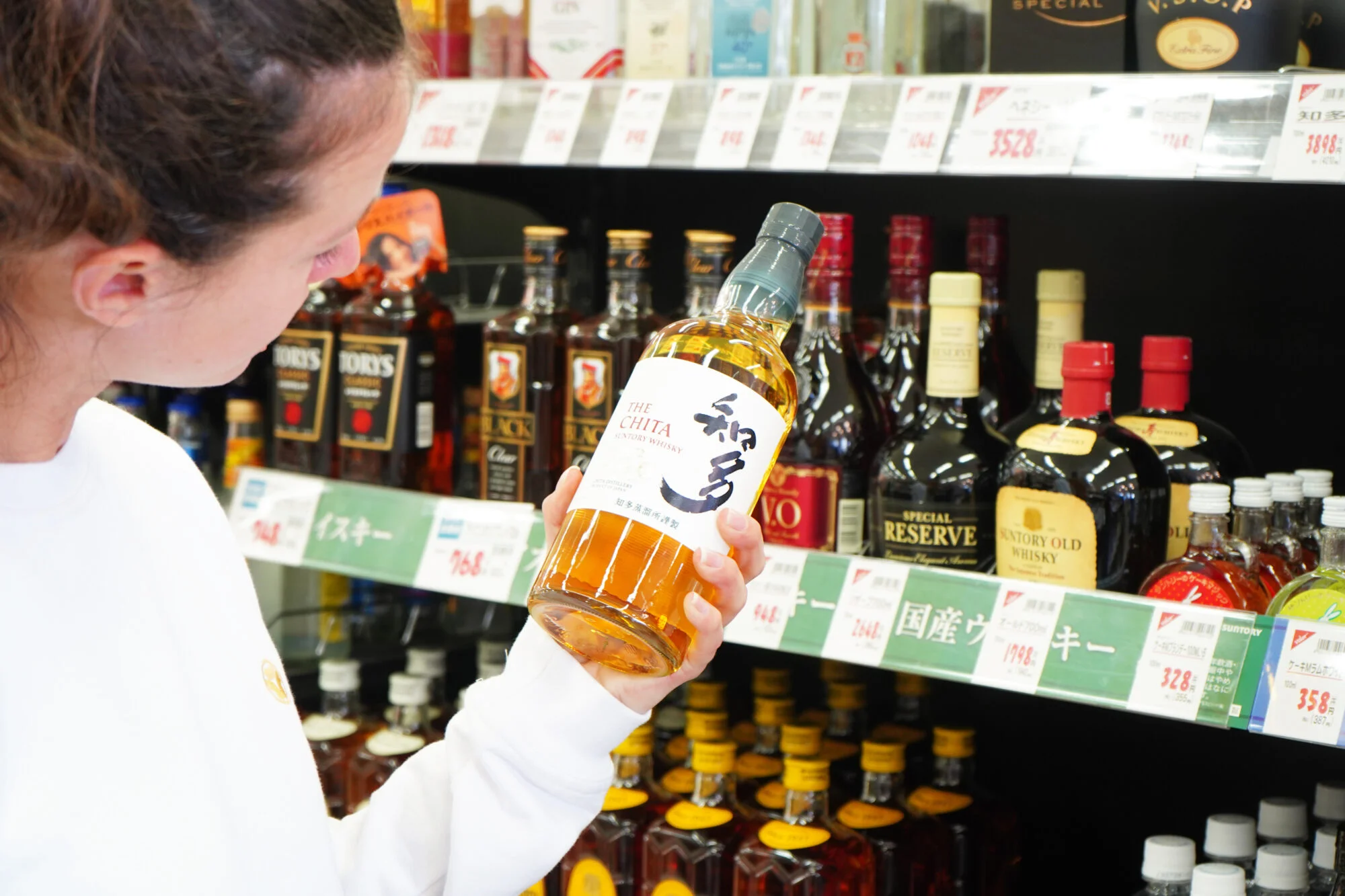
The story of Japanese whisky, from Commodore Perry’s 1853 gift barrel to Masataka Taketsuru studying the craft in Scotland.
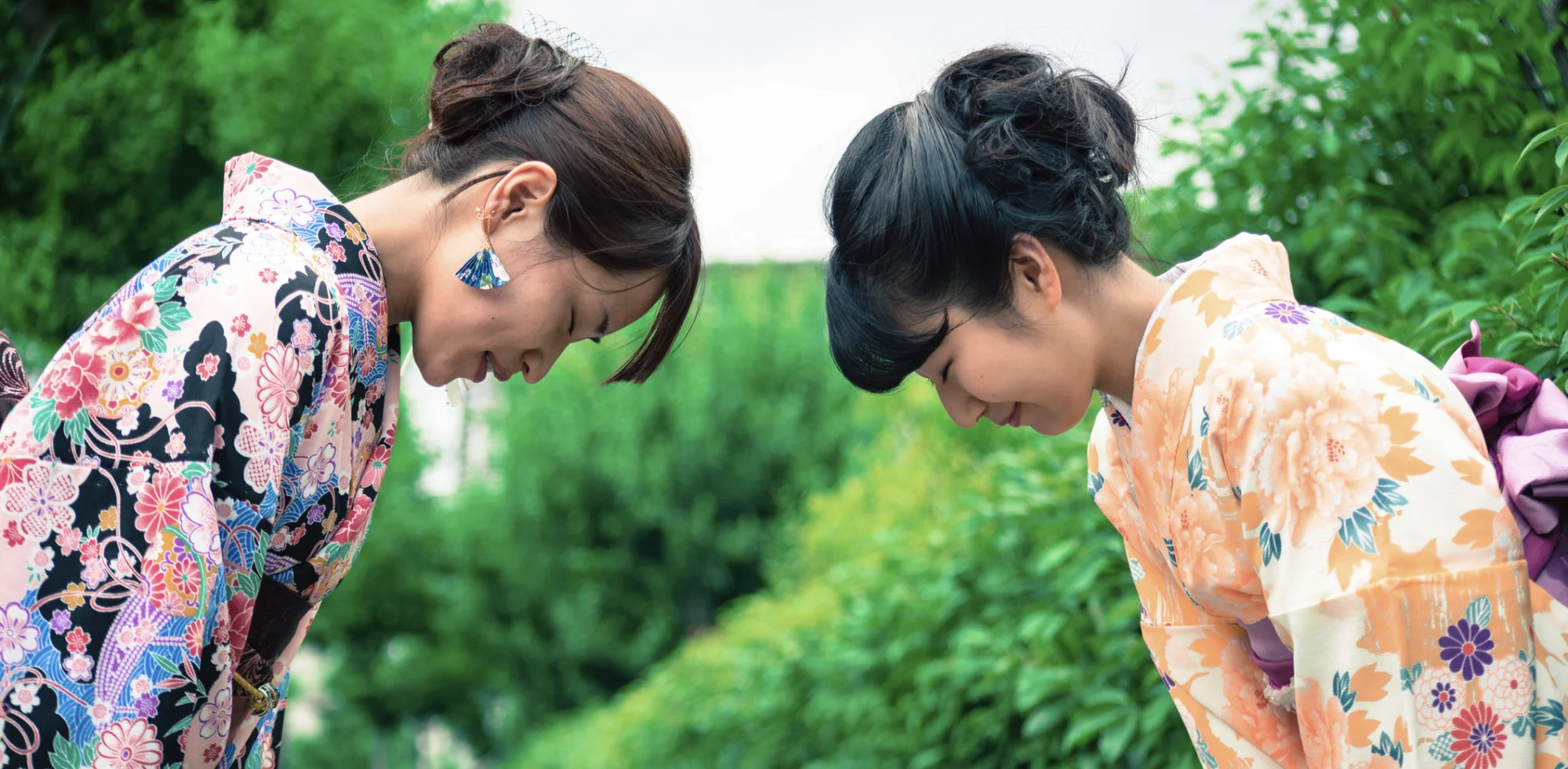
Personal habits that trip up foreigners in Japanese business, from handshakes and nose-blowing to small talk that the other side won’t return.
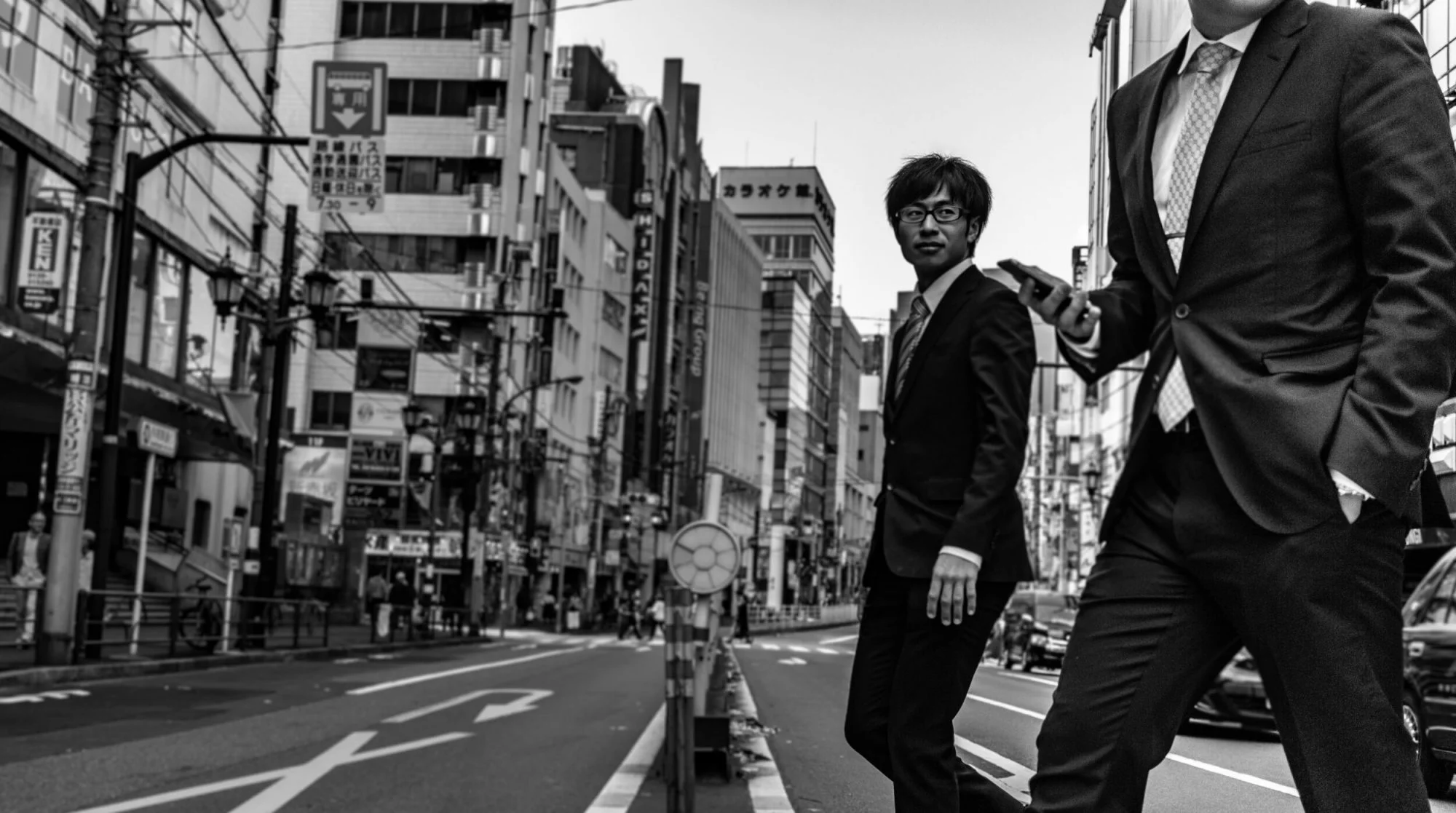
A black suit with a white shirt reads as funeral attire in Japan. Seasonal suit colours, winter coats, and separate rules for men and women.
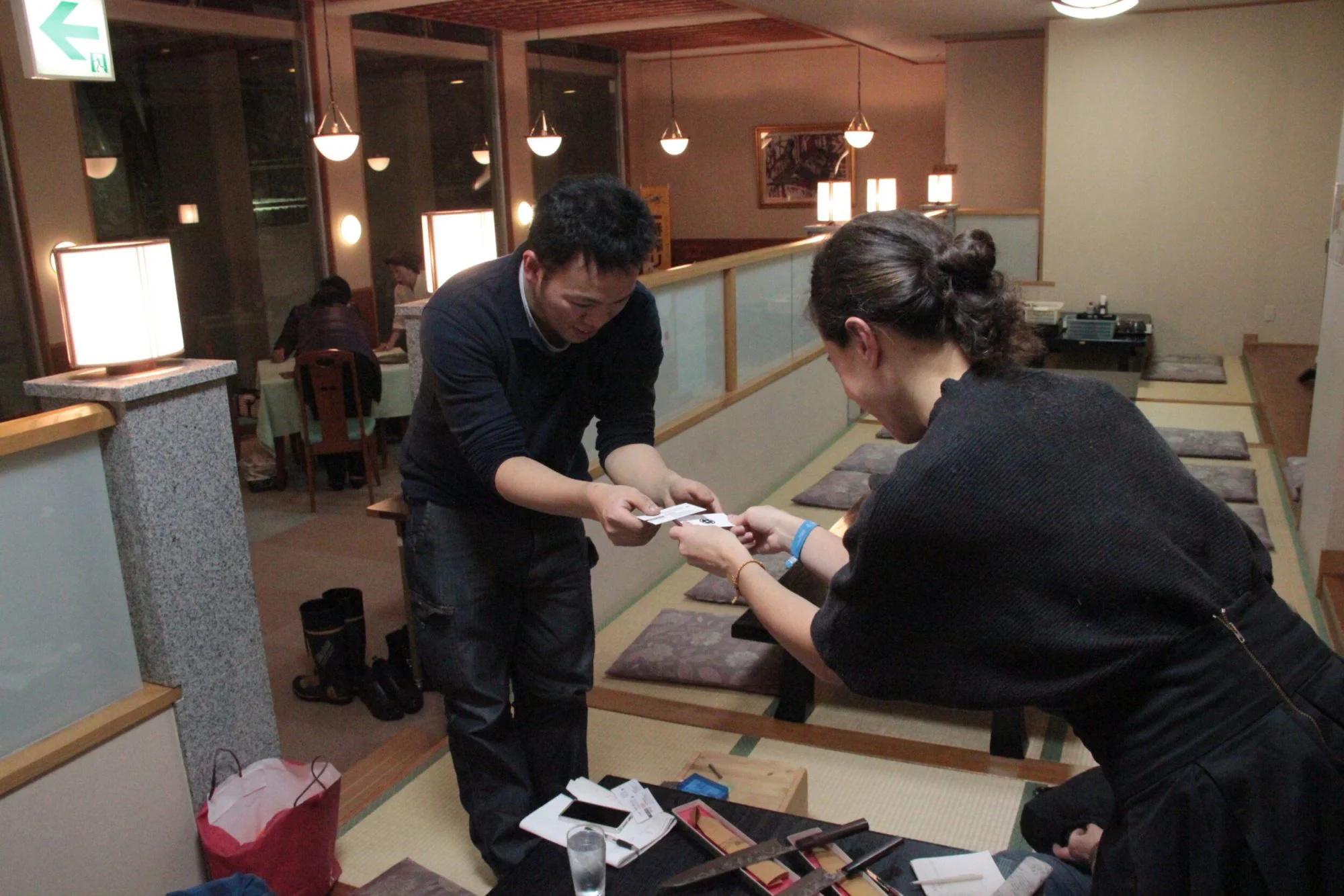
Carry 100 cards for a week in Japan, and never slide one across the table. Giving and receiving business cards without causing quiet offence.

Working with conservative Japanese blacksmiths was a culture clash for us. How meetings run, and why the business-card exchange is near-sacred.
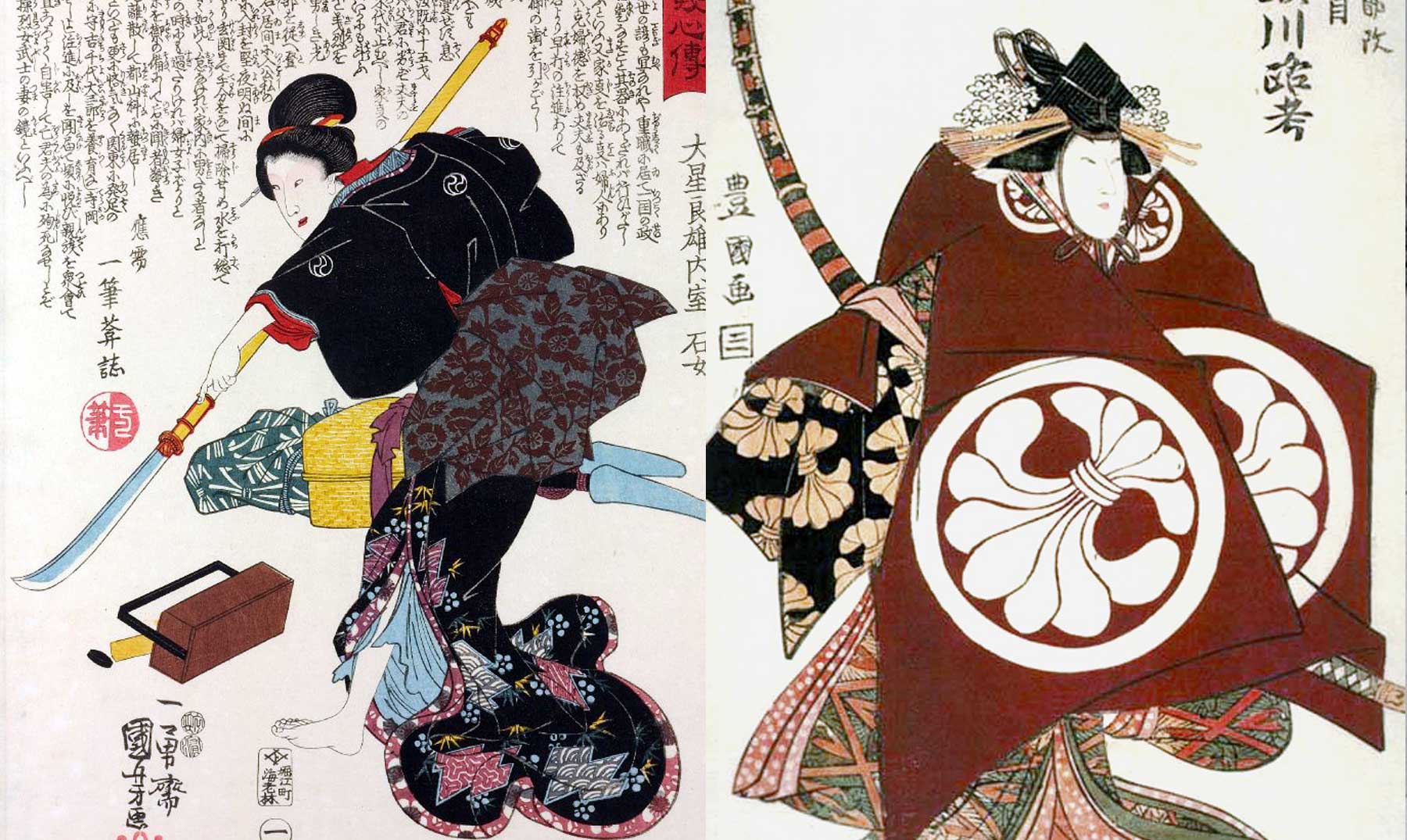
They trained with the naginata and fought to the same standard as the men. Meet Empress Jingu, who led a campaign into Korea, and Tomoe Gozen.
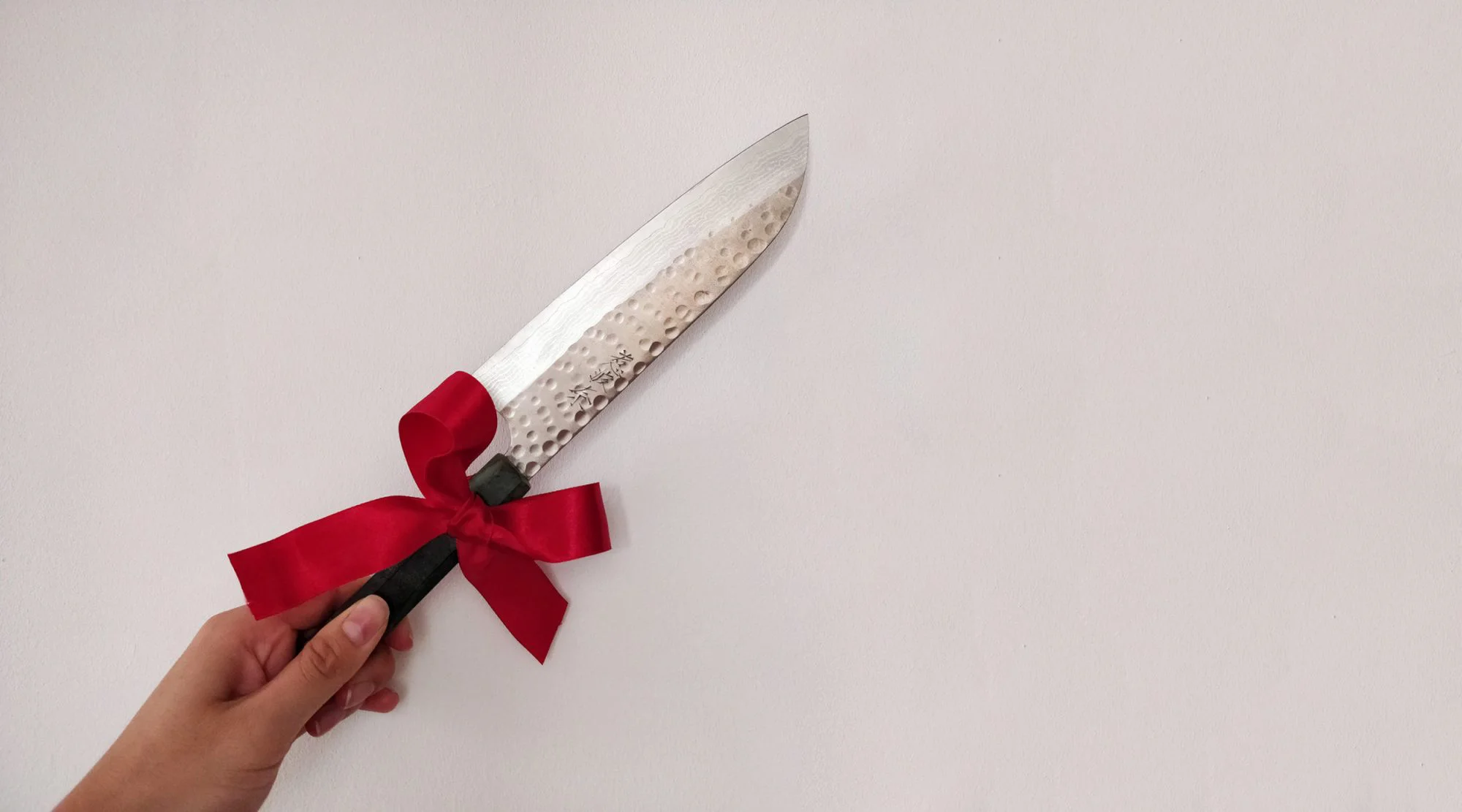
Will a knife ‘cut’ a friendship? The old superstition says yes, but hand over a coin (we include a 5 yen piece) and the gift is safe.
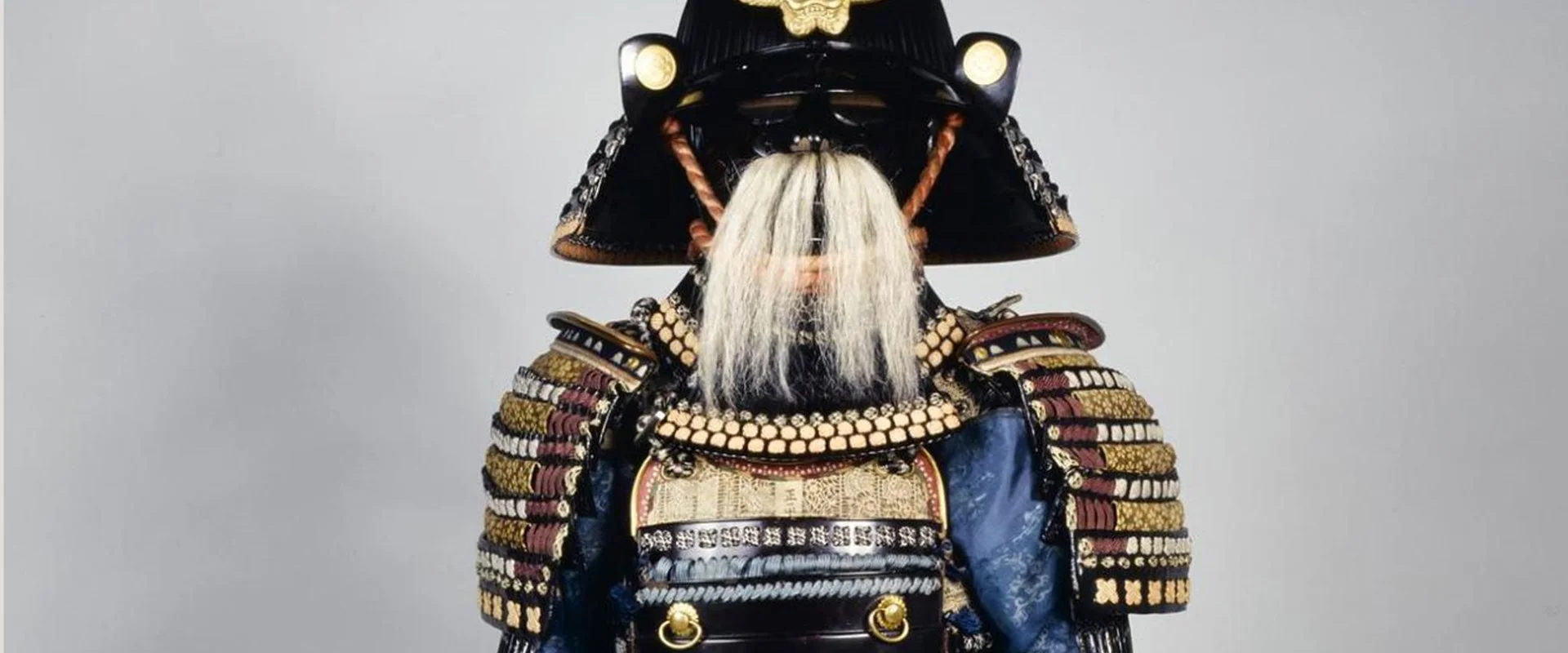
Not every samurai was a man: DNA from the 1580 Battle of Senbon Matsubaru revealed female warriors, the naginata-wielding Onna-Bugeisha.
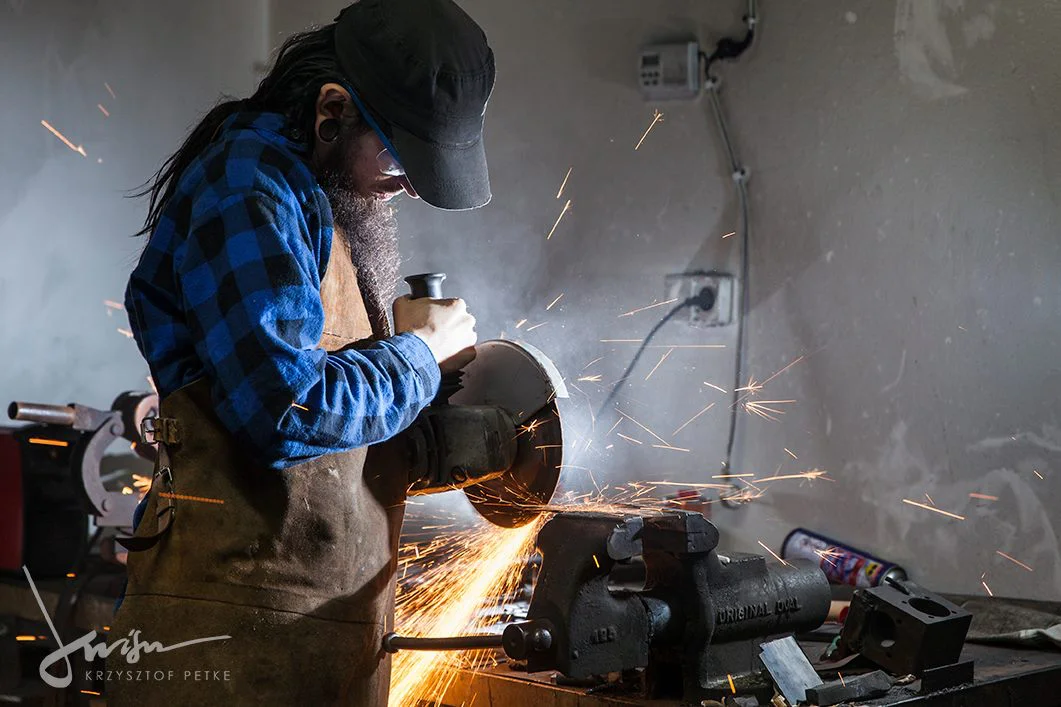
A self-taught blacksmith from Reda, Poland now teaches young Japanese how to forge the knives their own country made famous, one YouTube vlog at a time.