Ten wedding gifts for couples who love Japan, anchored by a SHIN Damascus Gyuto and framed by mono no aware and the shokunin ideal.


Everything we’ve learned about actually cooking, not the photogenic kind, the Tuesday-night kind. Recipes, technique guides and kitchen how-tos, most written around the knives we make and the way Japanese kitchens approach prep: fewer tools, sharper edges, less waste. You’ll find step-by-steps for the things people quietly get wrong (chopping an onion without crying, gripping a knife so your knuckles guide the blade), gift guides for the cooks in your life, and the occasional opinionated detour into why a good board matters as much as a good knife.
Ten wedding gifts for couples who love Japan, anchored by a SHIN Damascus Gyuto and framed by mono no aware and the shokunin ideal.
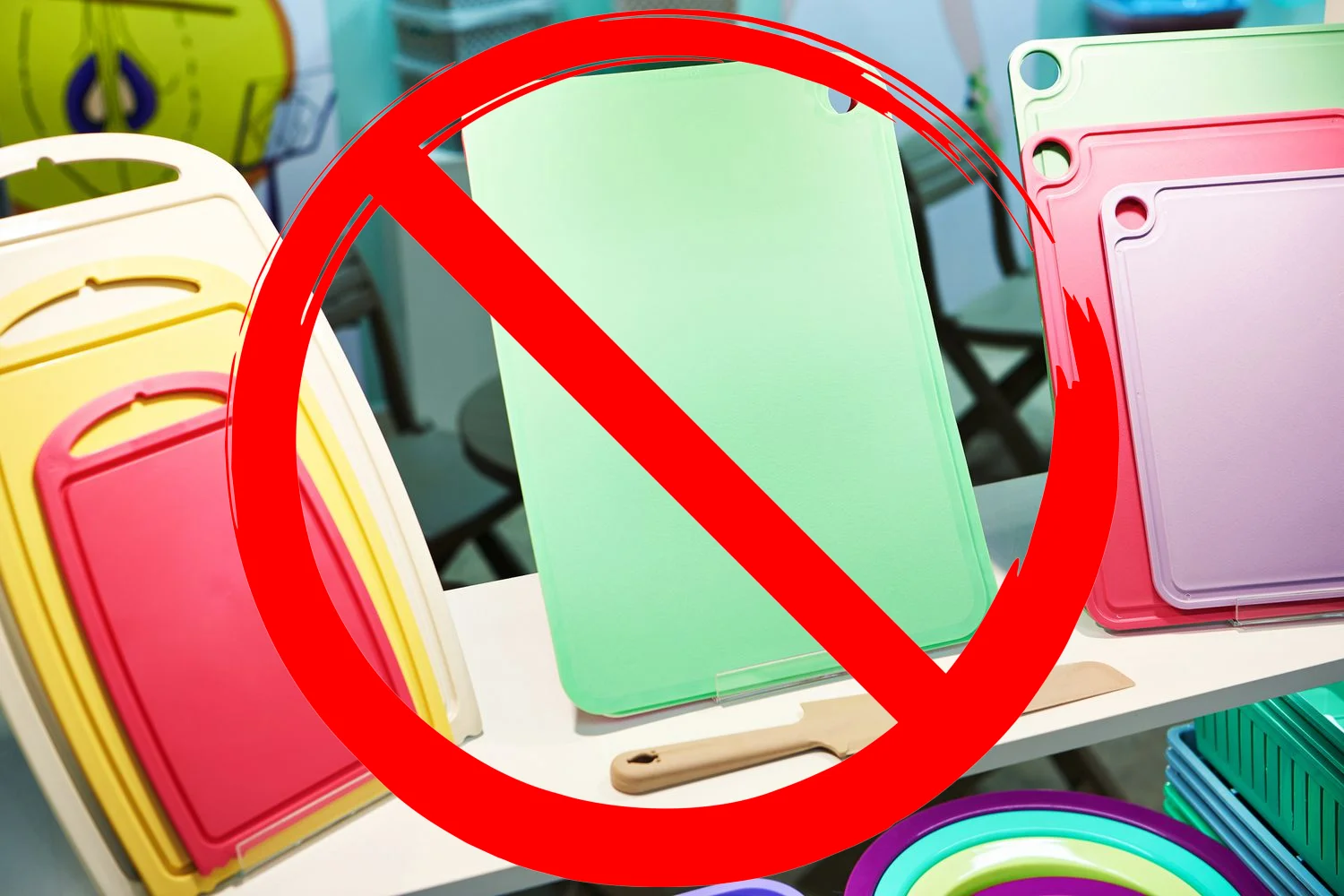
PFAS in scratched non-stick, microplastics off plastic boards, fragrance in scented candles: five kitchen culprits and the safer swaps for each.
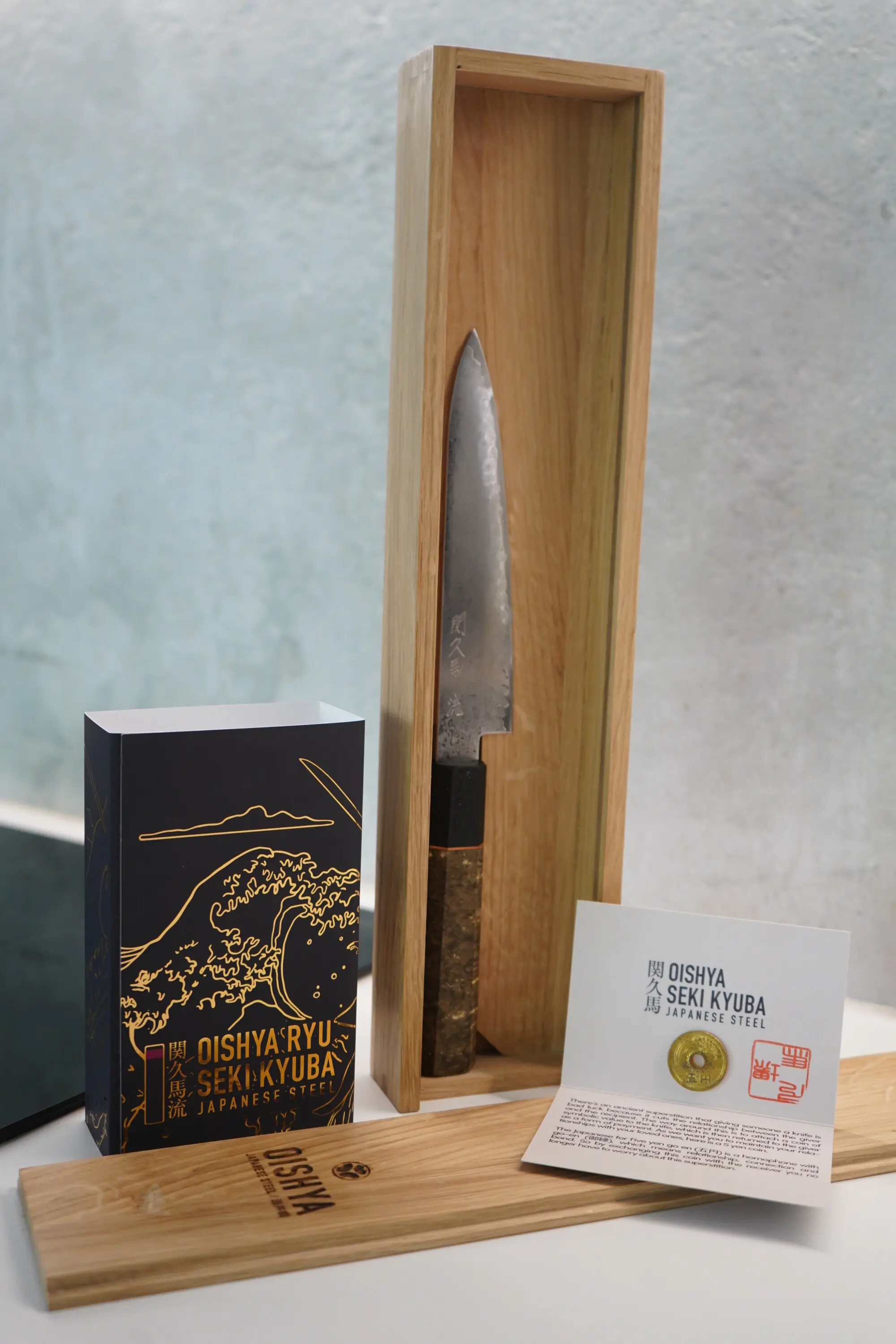
Buying a knife for someone whose kitchen you’ve never seen? How to choose by likely skill level instead of guesswork, with the quiz as a shortcut.
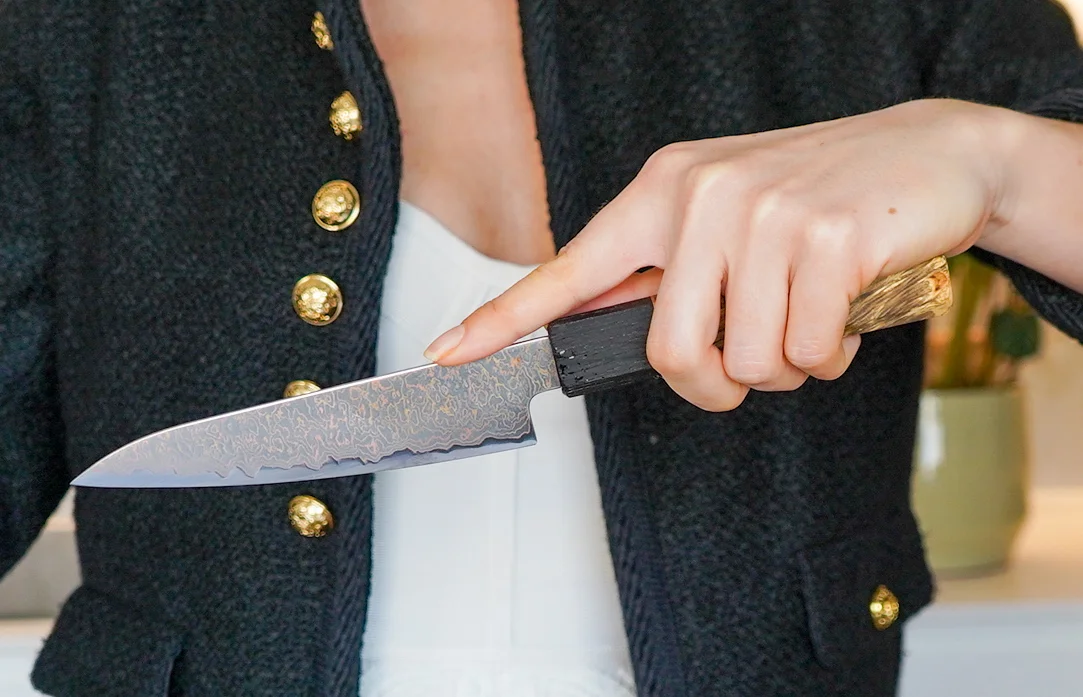
The Gyuto rocks, the Santoku push-cuts, the Bunka splits the difference. Each blade shape has one signature move it was ground to do best.
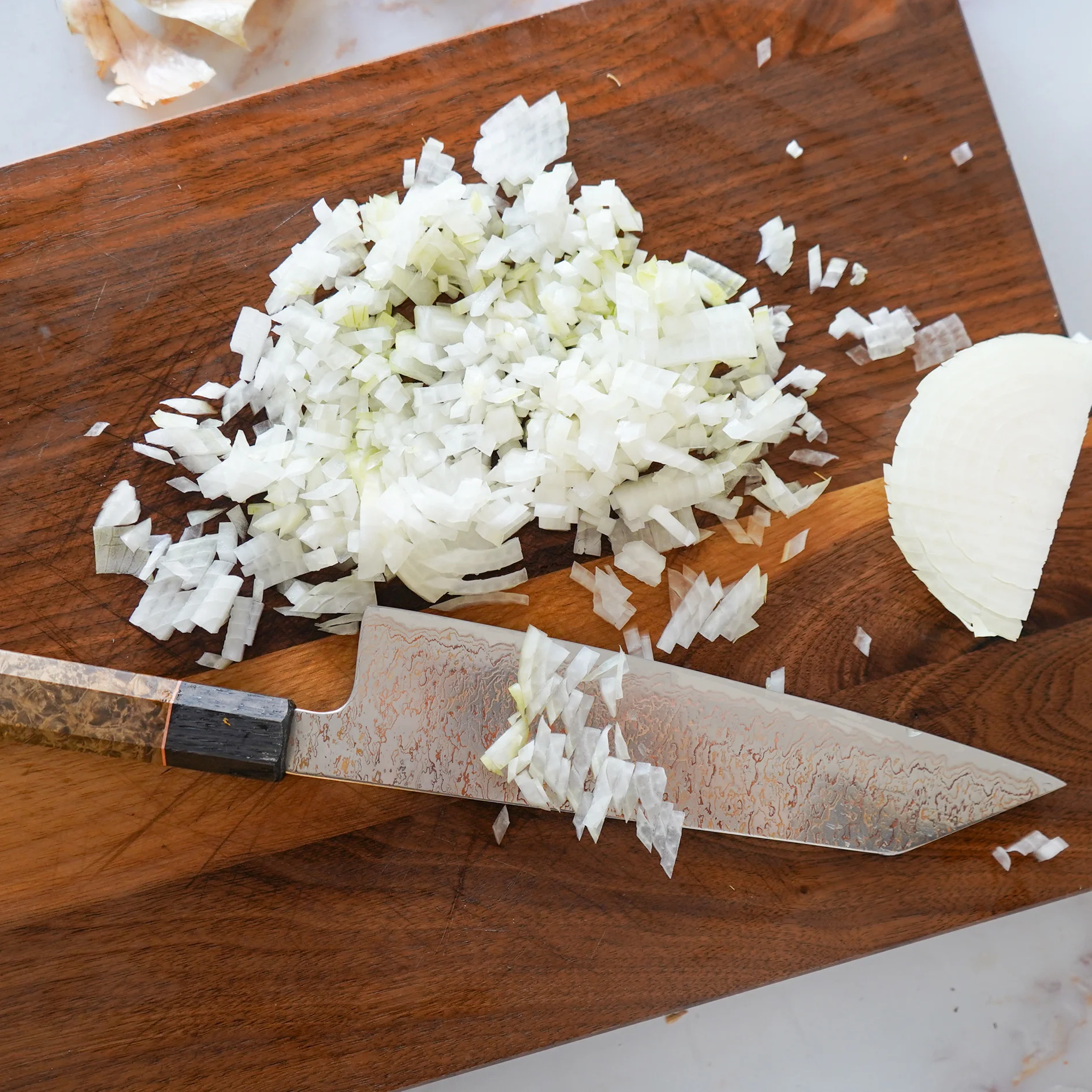
The trick is the root: leave it attached and it anchors the onion through the horizontal, vertical and cross cuts. A sharp blade and a damp towel do the rest.
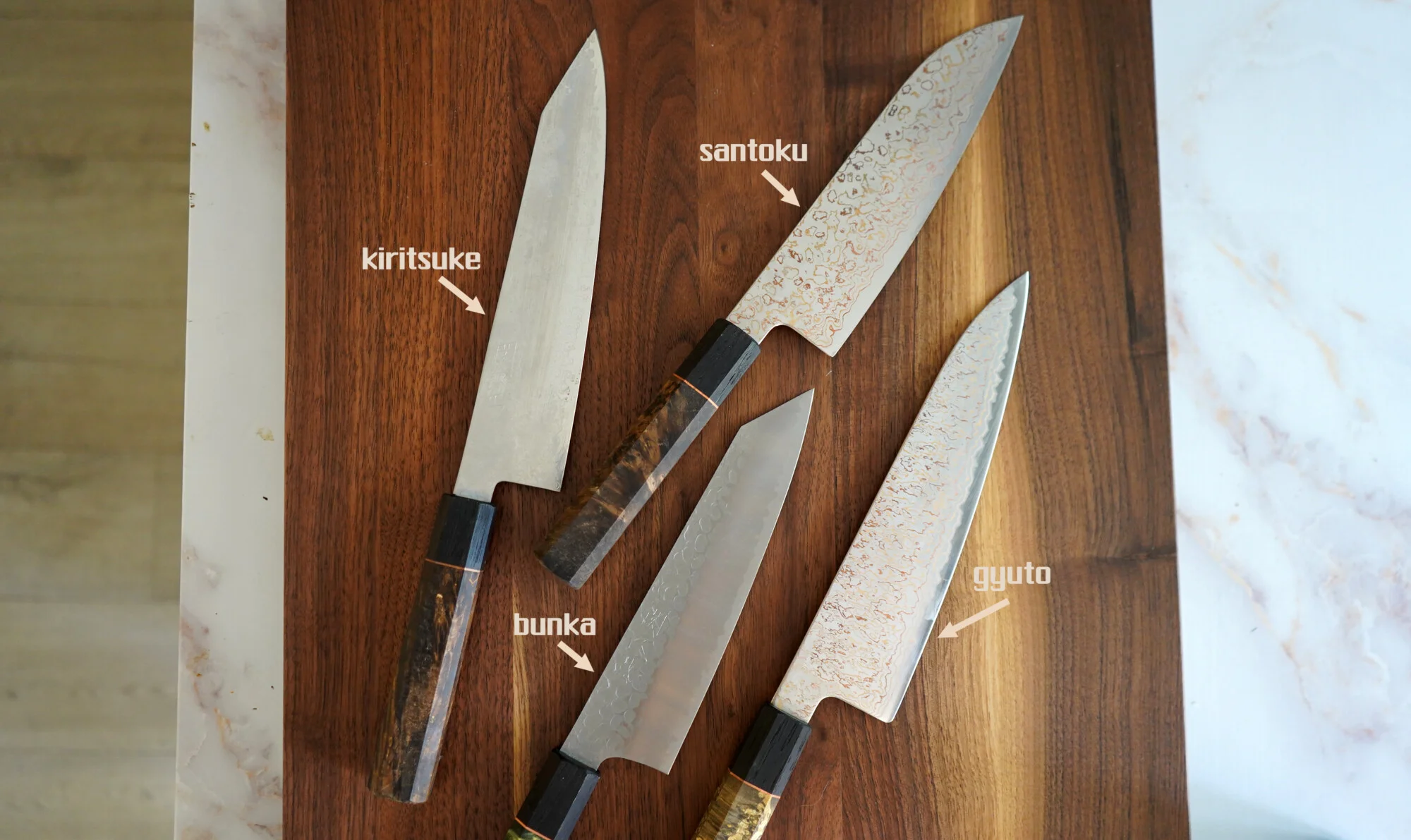
‘Gyuto’ translates to cow sword and dates to the Meiji era. What actually separates these four blades by shape, history and how you cook.

Every Oishya knife ships with a 5 yen coin, a pun on ‘go-en’: five yen and a good relationship. Gift picks from washi-wrapped KATA Damascus to Hiba boards.

Ginger cleanses the palate between pieces, not on top of them. Sushi-bar etiquette from chopstick rules to soy, wasabi and the omakase counter.
Roughly a third of the food produced worldwide is thrown away. Cooking from scratch cuts the packaging, food miles and waste that industrial meals rack up.

Nearly every cuisine folds dough around a filling. Crispy-bottomed gyoza, butter-fried pierogi, Cantonese har gow and Russian pelmeni, side by side.
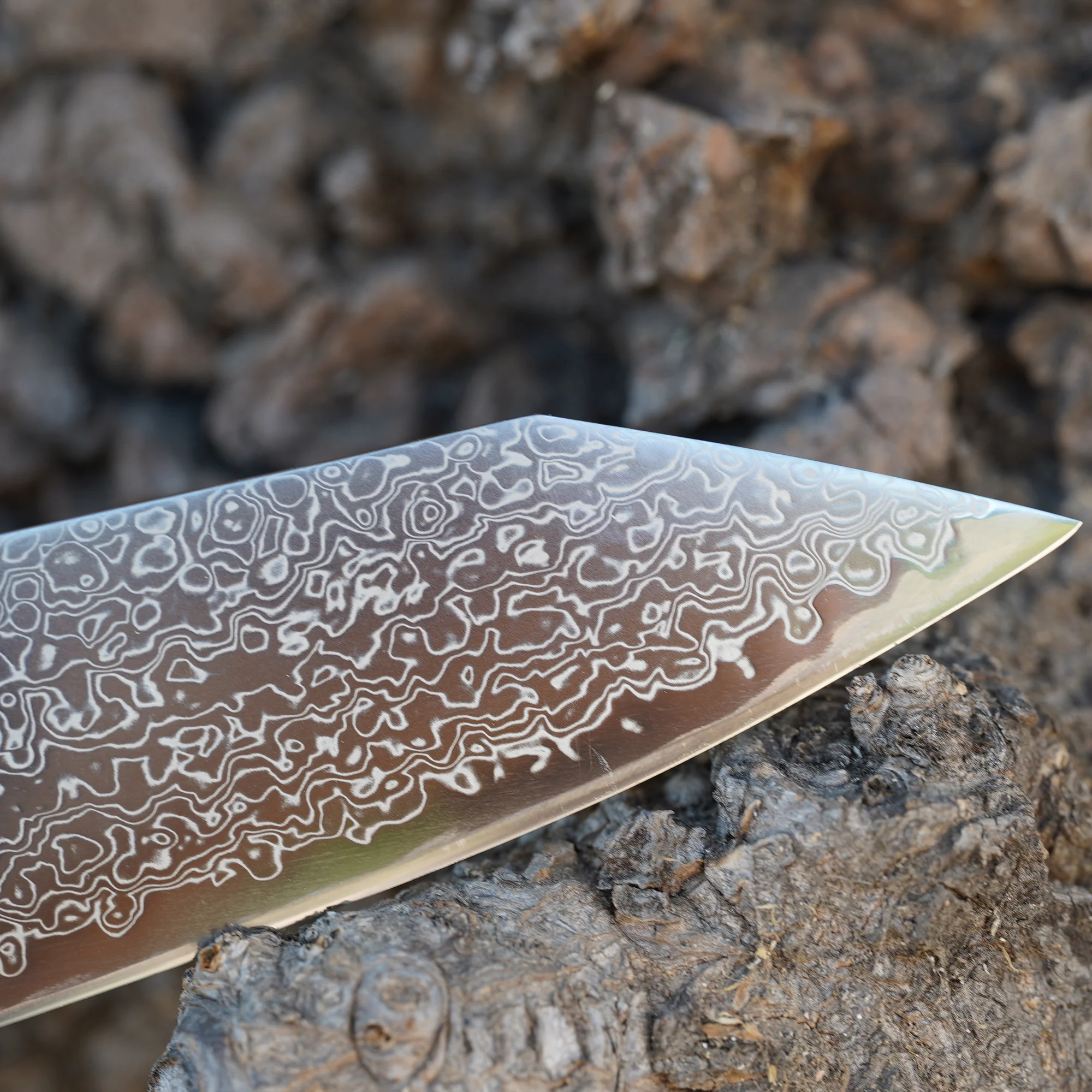
Fraternal twins, or the same steel under two names? R2 and SG2 share the carbon-moly-vanadium recipe of powdered stainless, with a few telling differences.
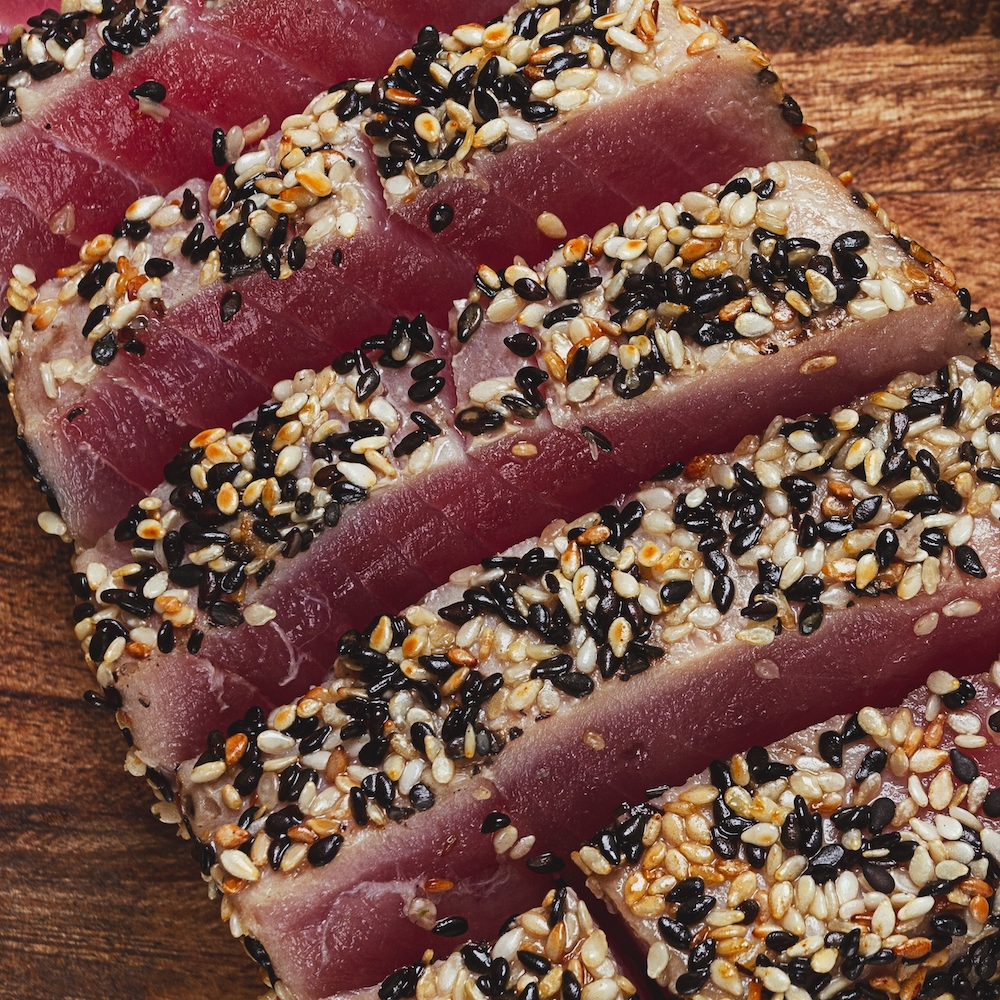
Tuna is one of the few fish the FDA won’t make you freeze. How to slice sushi-grade fillets across the grain for tataki, plus an optional quick-freeze.
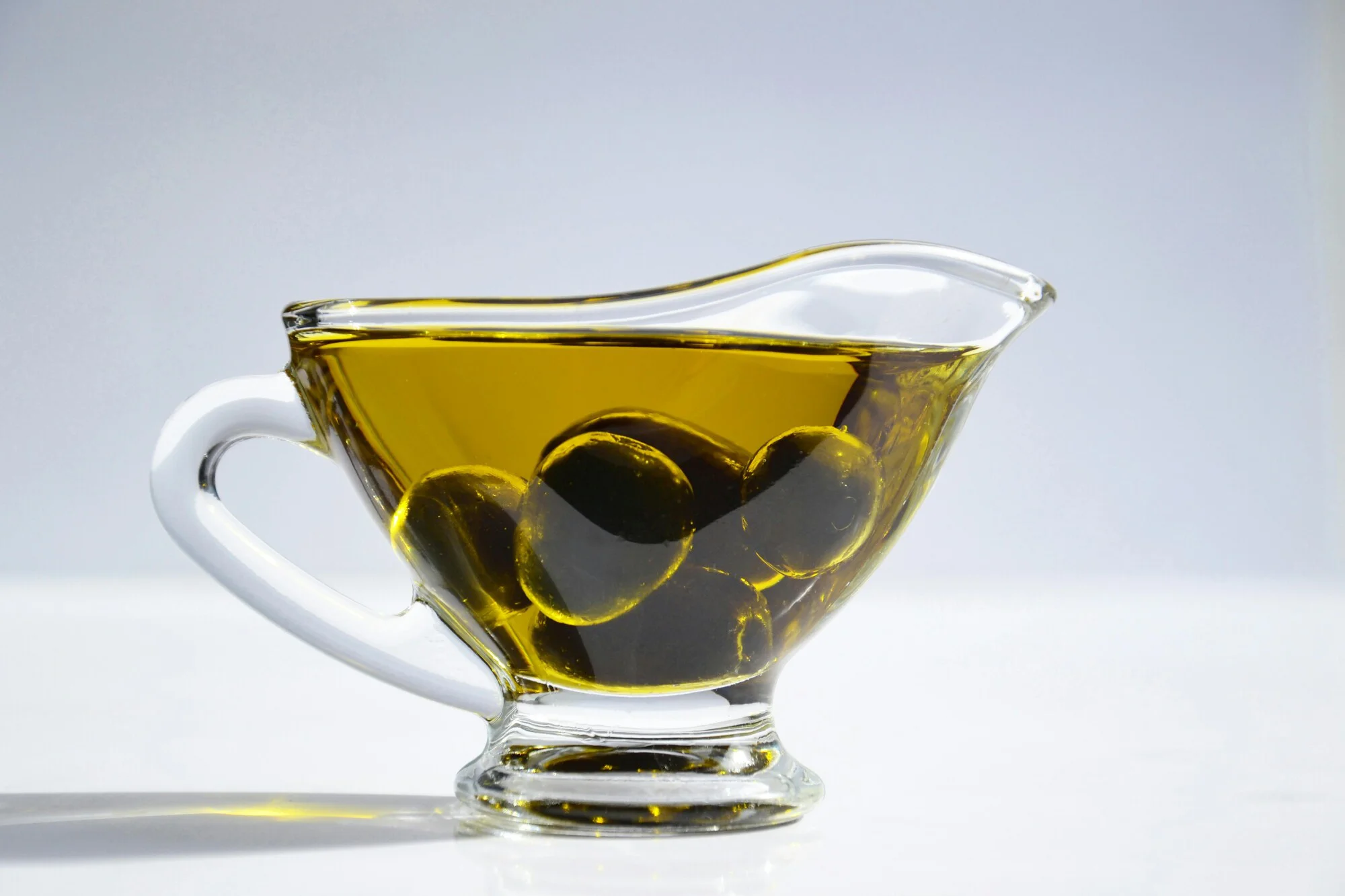
Not all fats are equal. Olive, coconut, avocado and canola oils sorted by smoke point and health profile, and which ones to leave on the shelf.

VG10 holds a keener edge; AUS10 shrugs off more abuse. The composition split behind Oishya’s Seki and Sakai Kyuba lines, and which suits your kitchen.
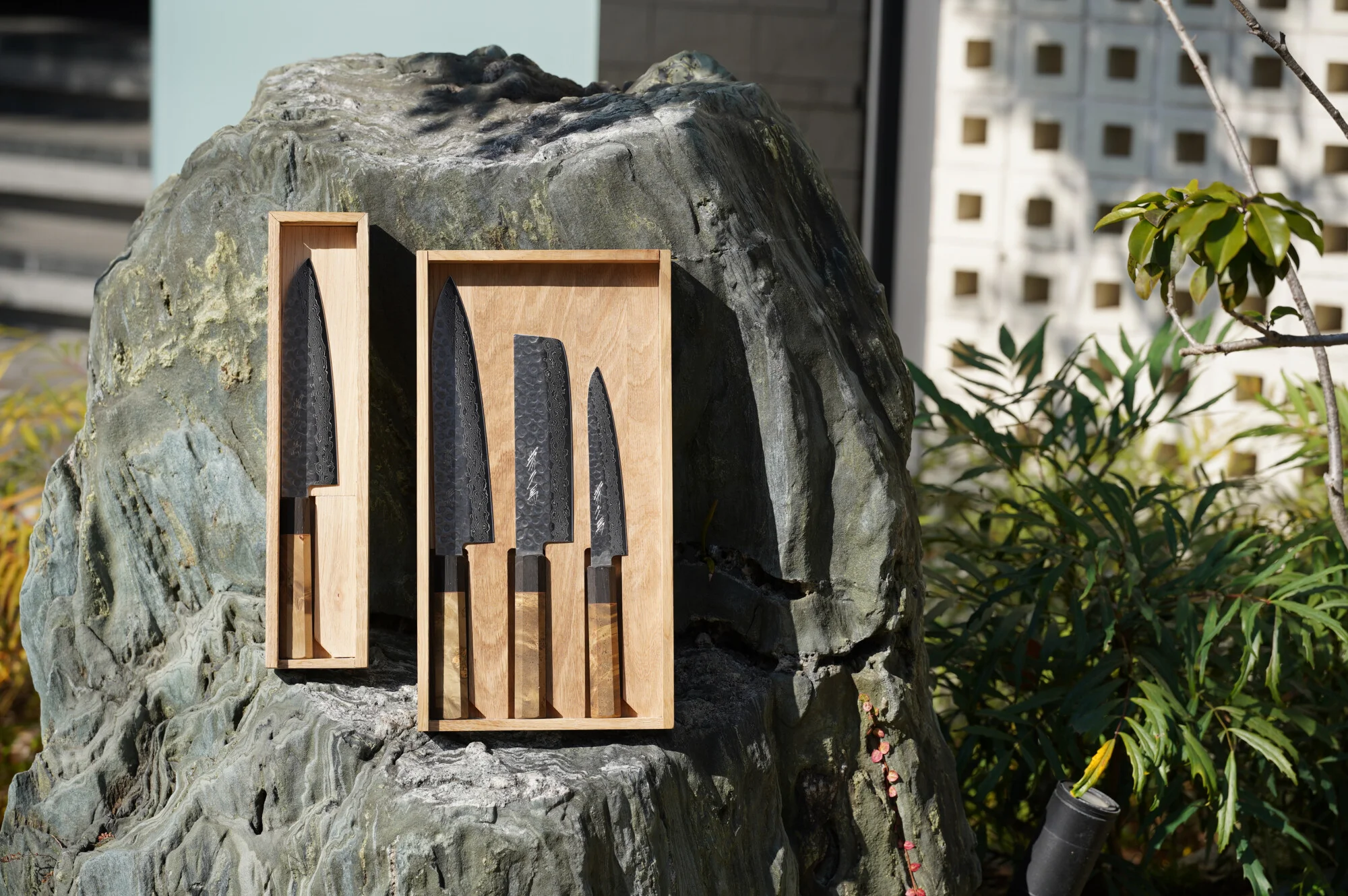
One gyuto or a full set? Where the santoku, bunka and kiritsuke each earn their place before you commit to a matching set.
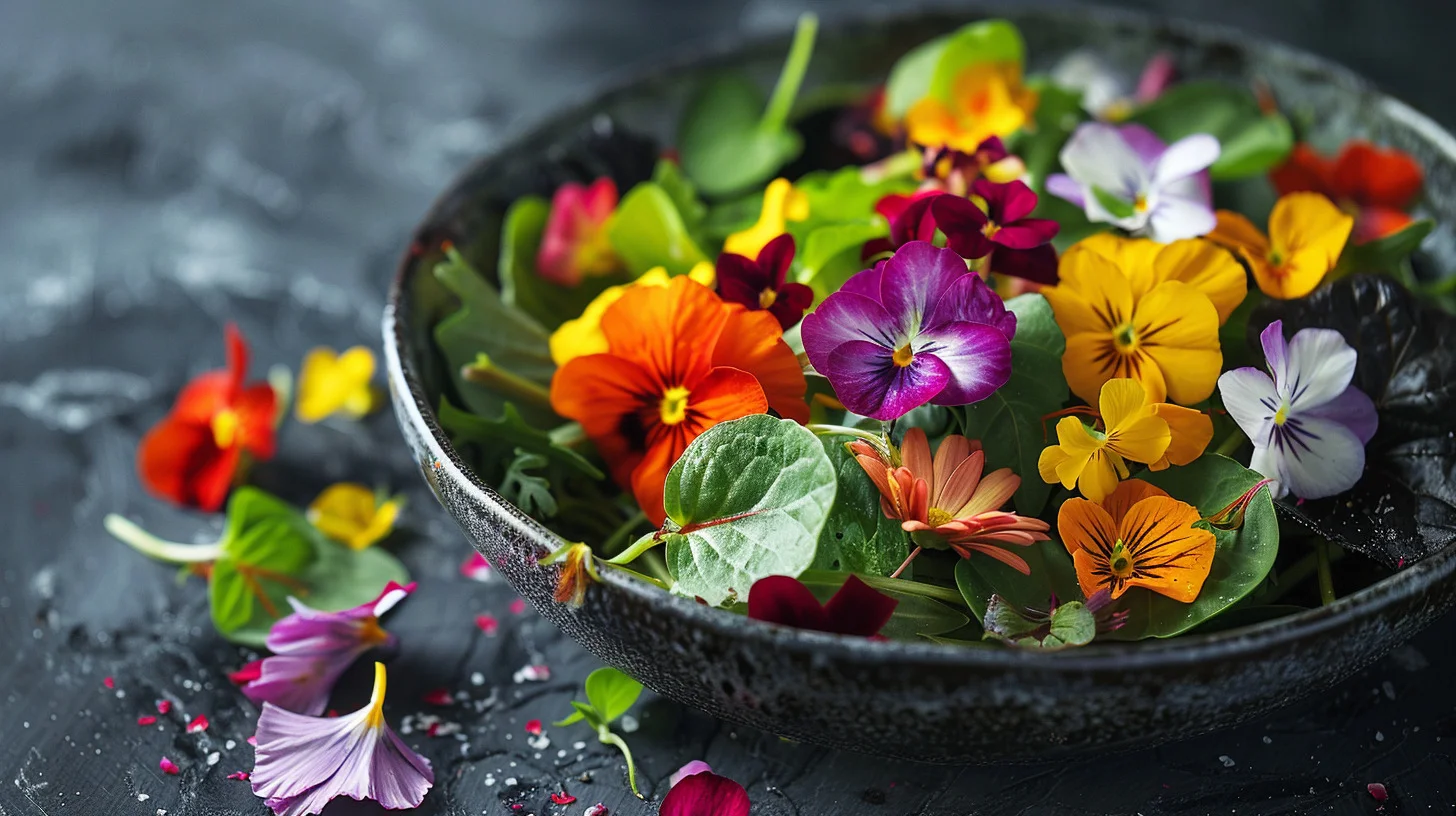
Borage tastes of cucumber, thyme blossoms hit harder than the leaves, lavender sweetens honey. Fifteen edible flowers and what each does on the plate.
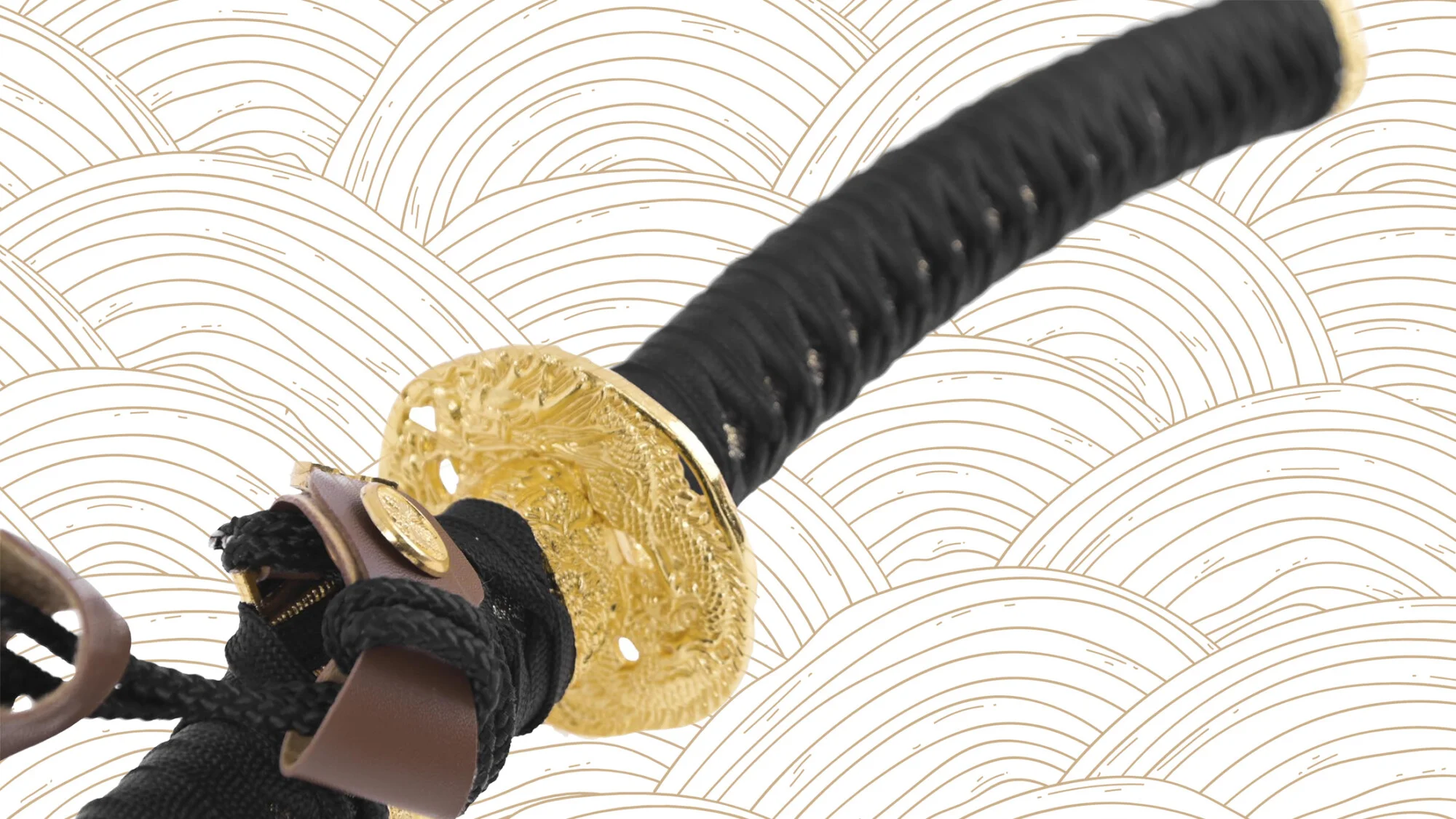
Forged from low-impurity iron sand and folded again and again, a nihonto is closer to ritual than manufacturing. Inside the making of Japan’s costliest blades.
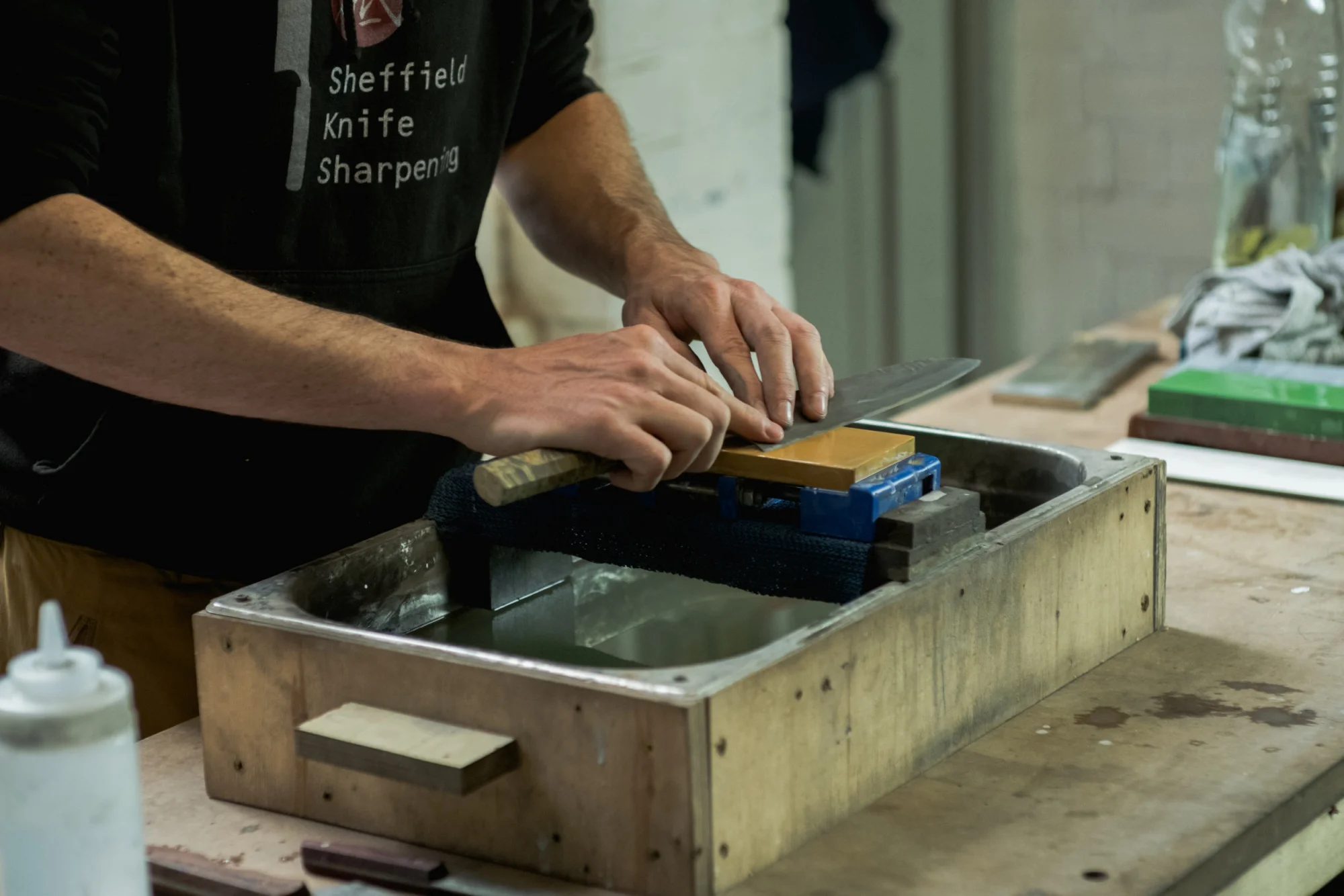
The swordsmiths called toko treated blade upkeep as sacred. How that reverence carries into whetstone work and today’s sharpening tools.
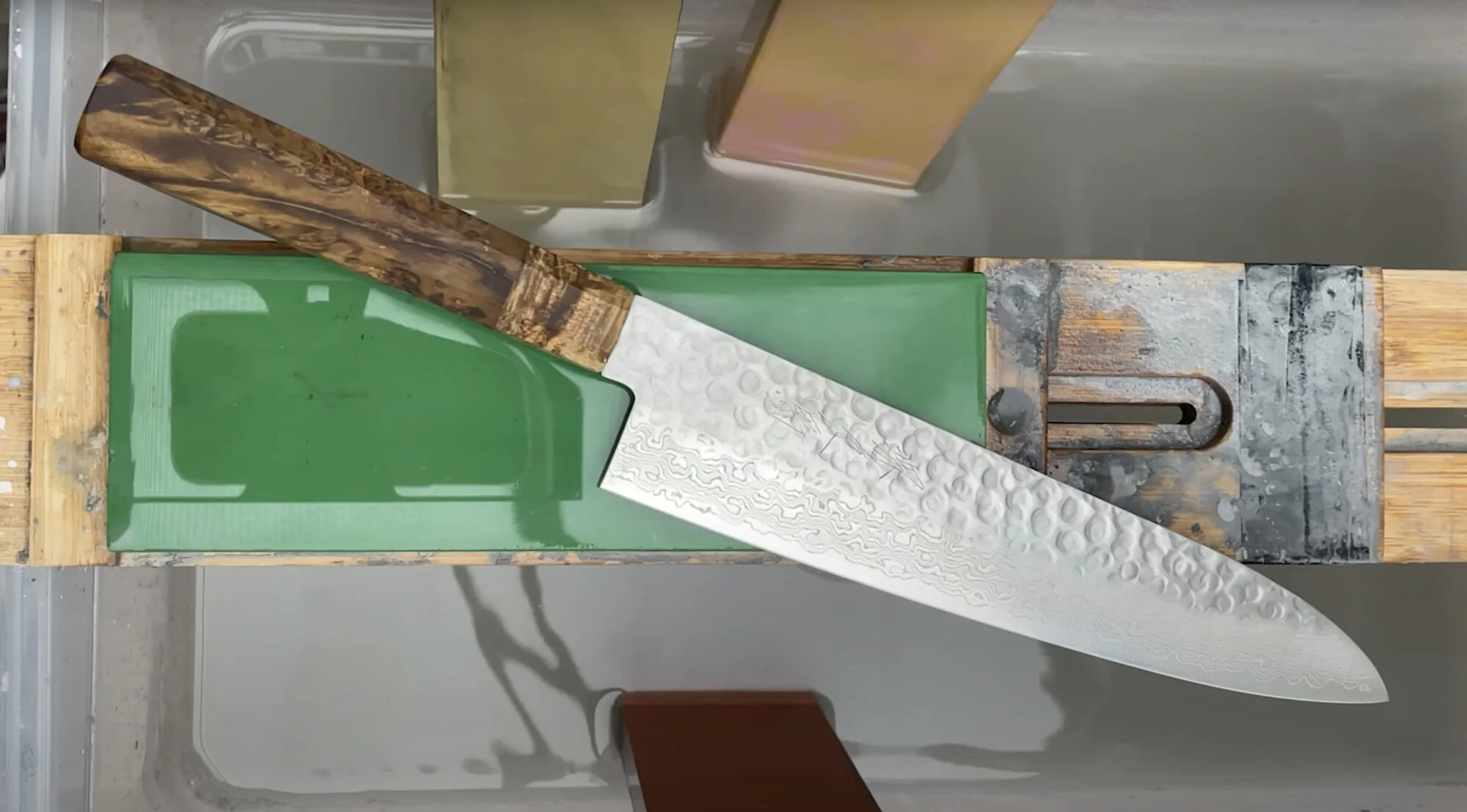
Coarse 400-grit for repair, 8000 for the final polish. A first go at whetstone sharpening, from soaking the stone to the finished edge.

White steel, blue steel, carbon steel: Japanese grades come down to composition and heat treatment, not brand names. What each one actually tells you.
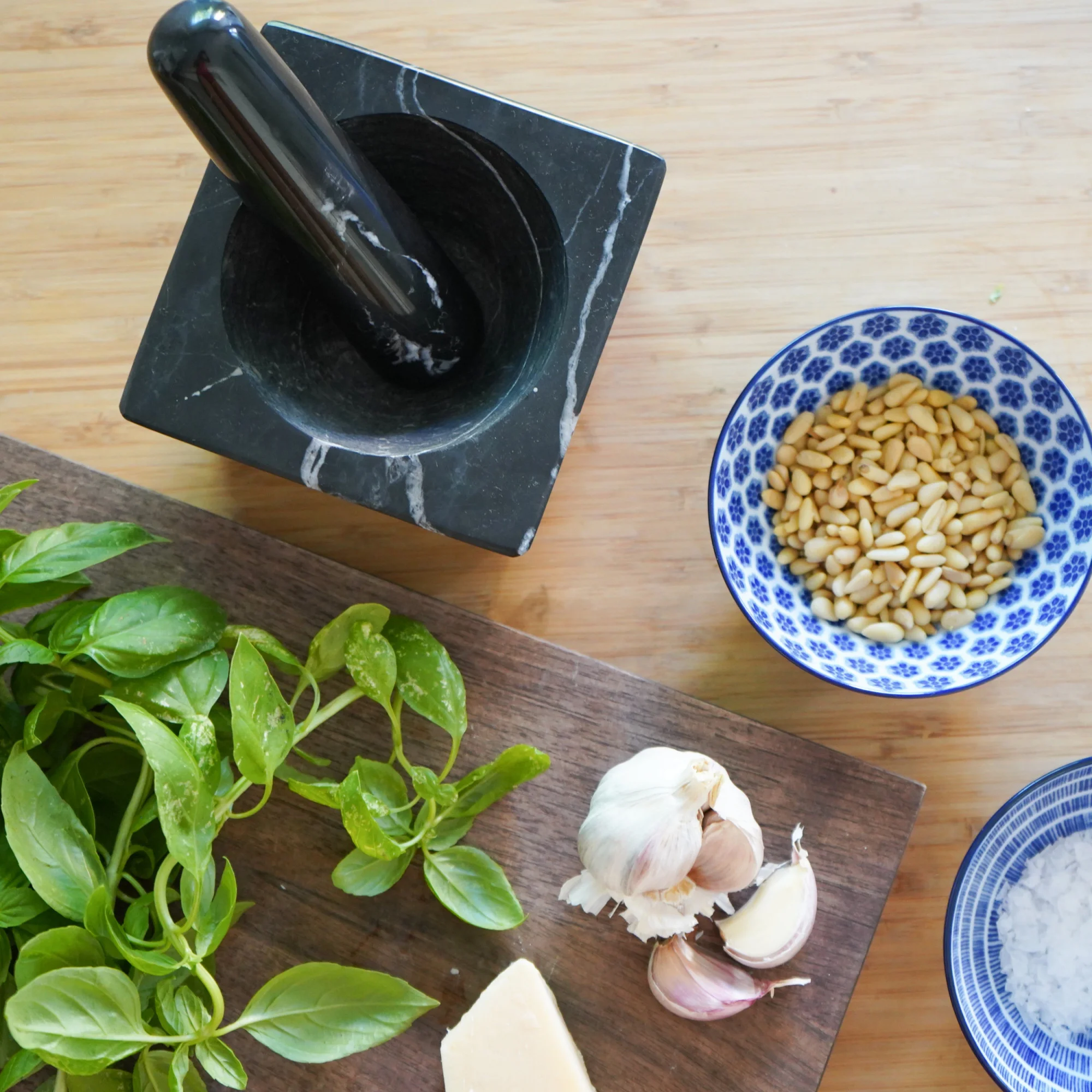
Ceramic mortars soak up yesterday’s garlic; marble, being non-porous, doesn’t. Why it wins on hygiene and longevity, and how to match a pestle to it.
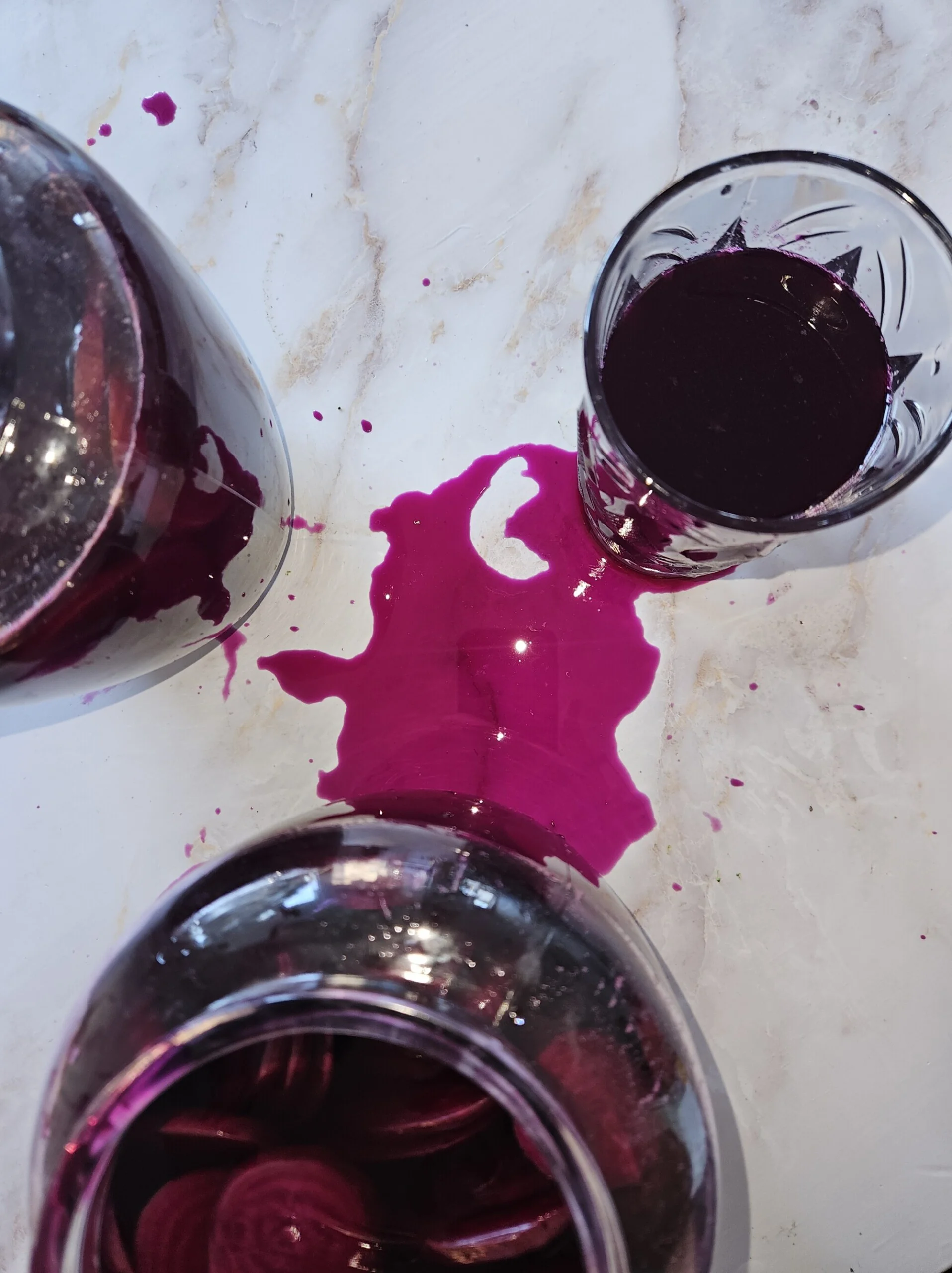
Four beetroots, water, salt and a week on the counter make a tangy, probiotic-rich drink. Here’s the ferment, its betalains, and how to cook with it.
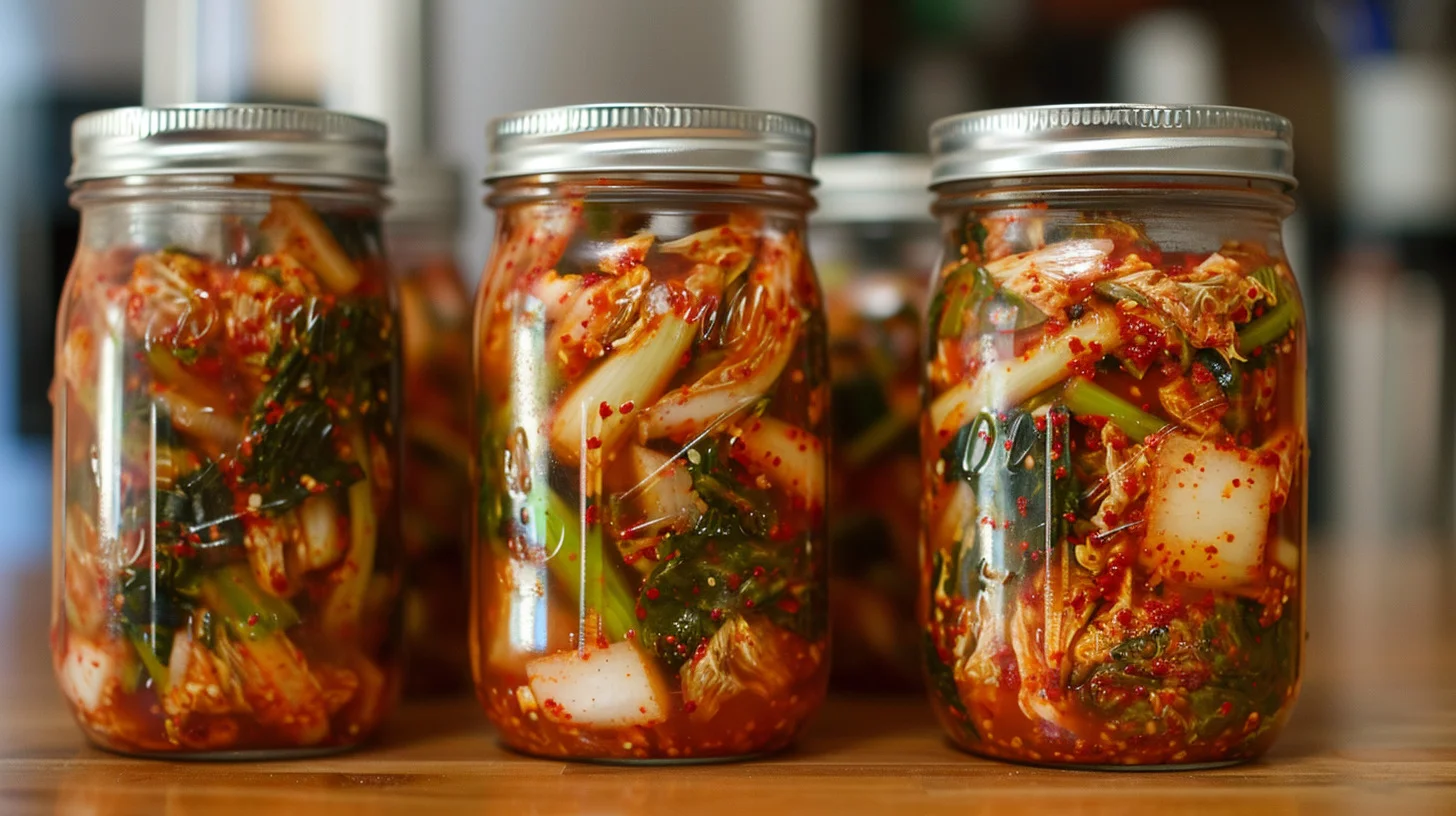
Lactic-acid bacteria, not vinegar, do the work in kimchi, building probiotics and freeing up nutrients. The science, the kimjang tradition, and a recipe.
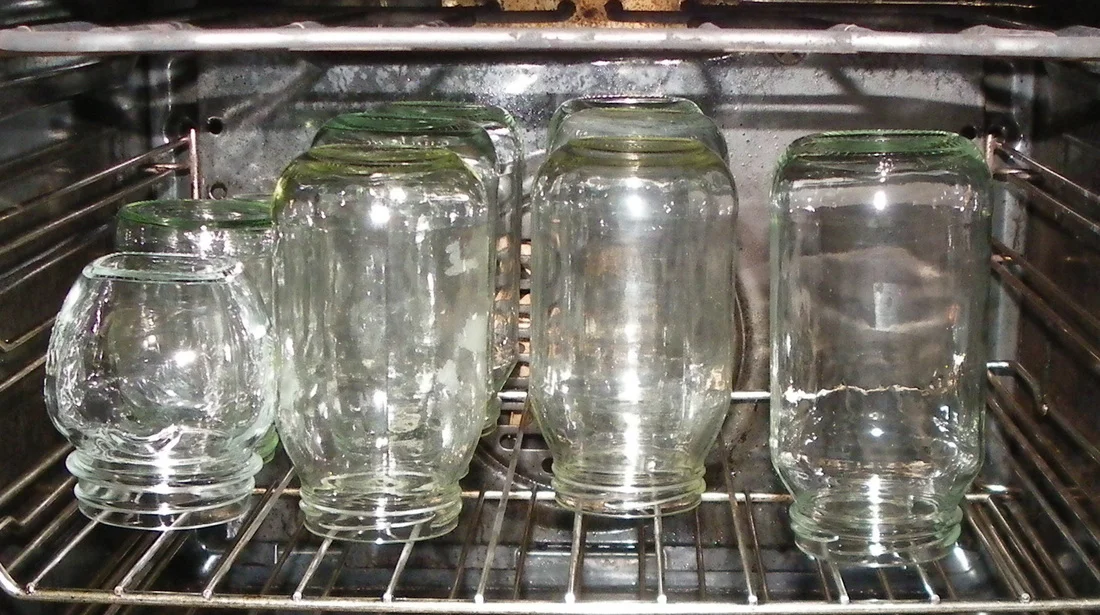
Before you pickle or bottle jam, the jars need sterilising: wash them, boil for about ten minutes, then air-dry and store clean.
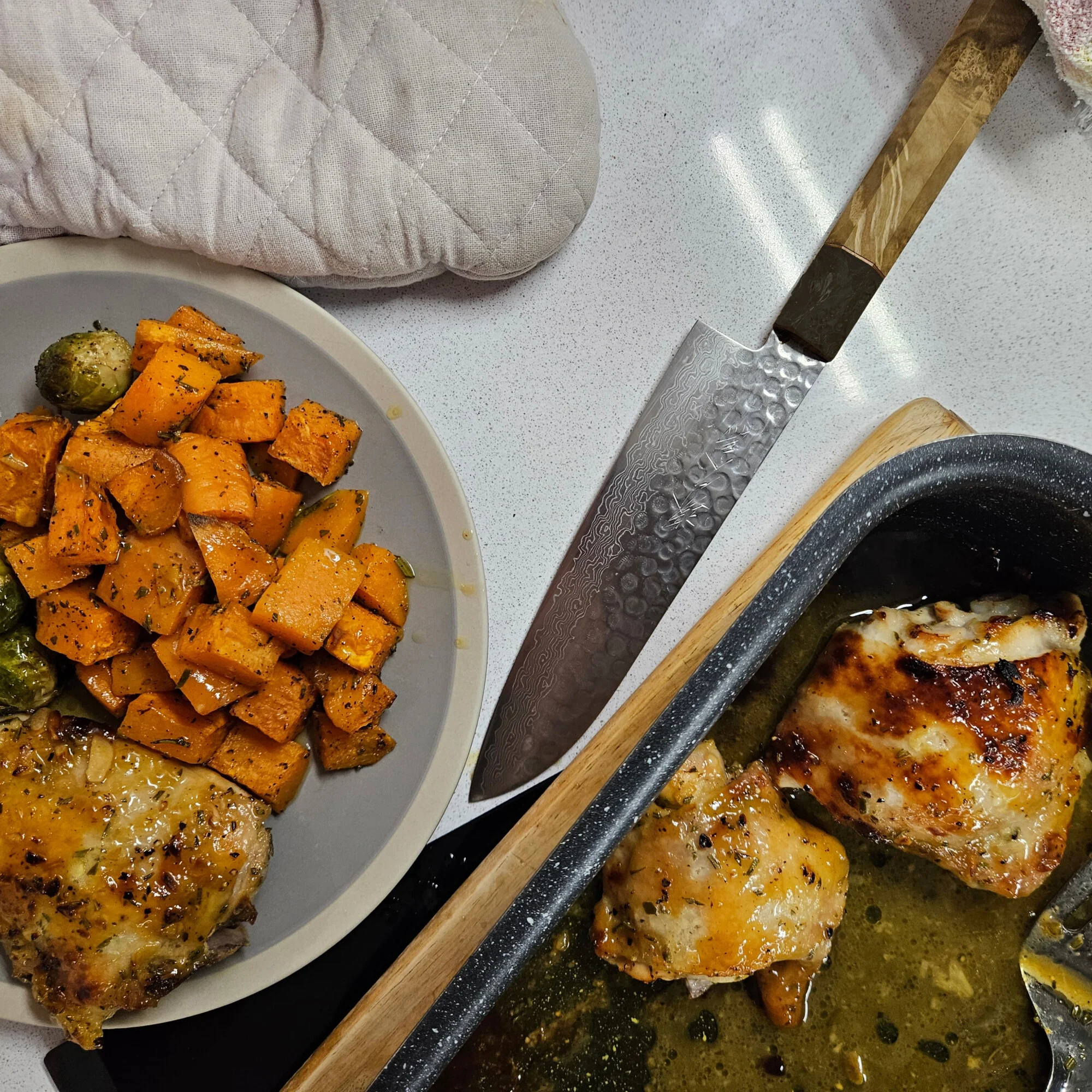
How do you tell a real Japanese knife from a fake? Read the steel, the grind and the edge geometry, plus the marketing tells that dress up a cheap blade.
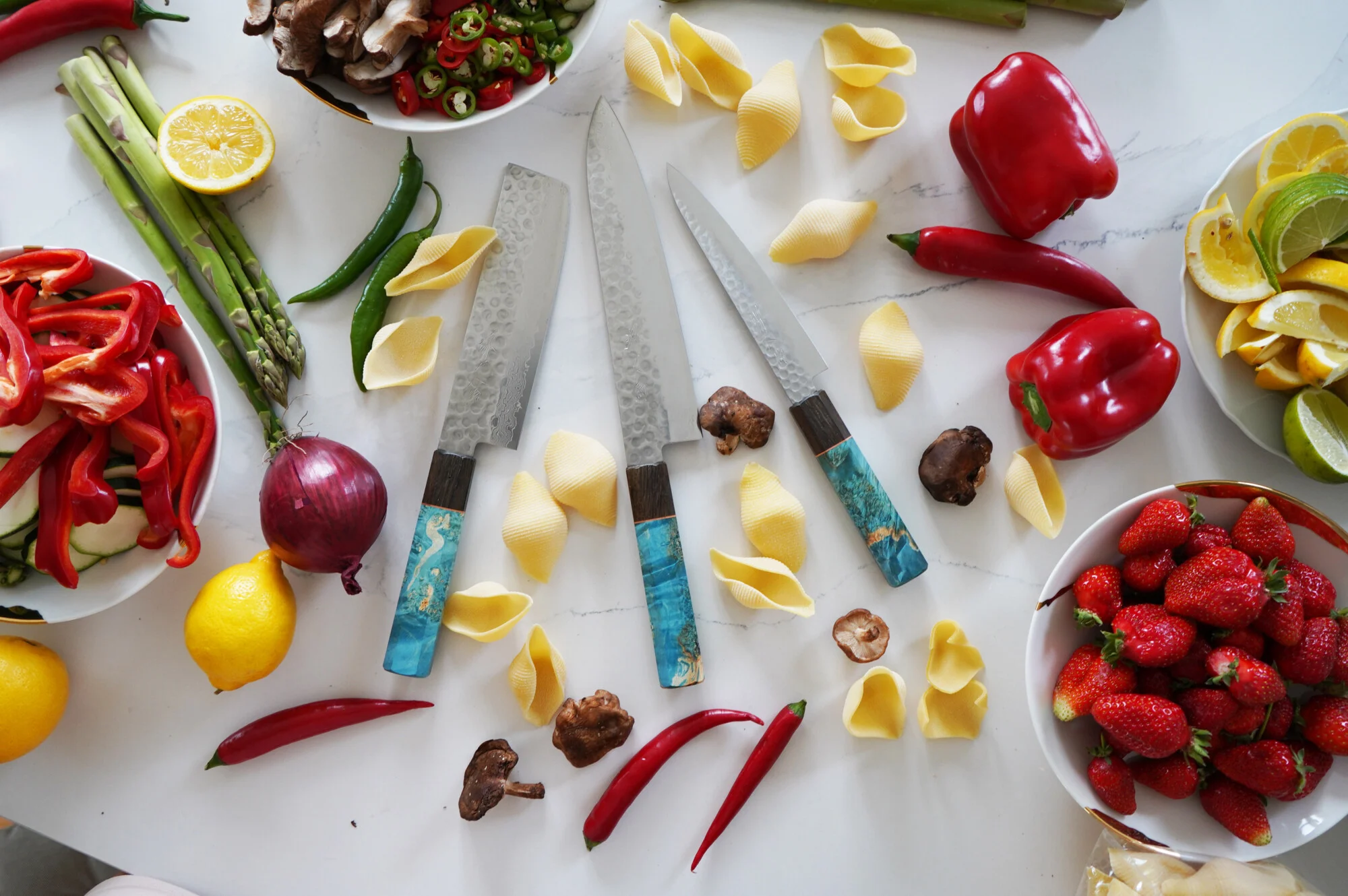
Some knives are past saving: an edge that won’t hold after sharpening, cracks or chips, a wobbling handle, rust in the steel. Four signs it’s time to let go.
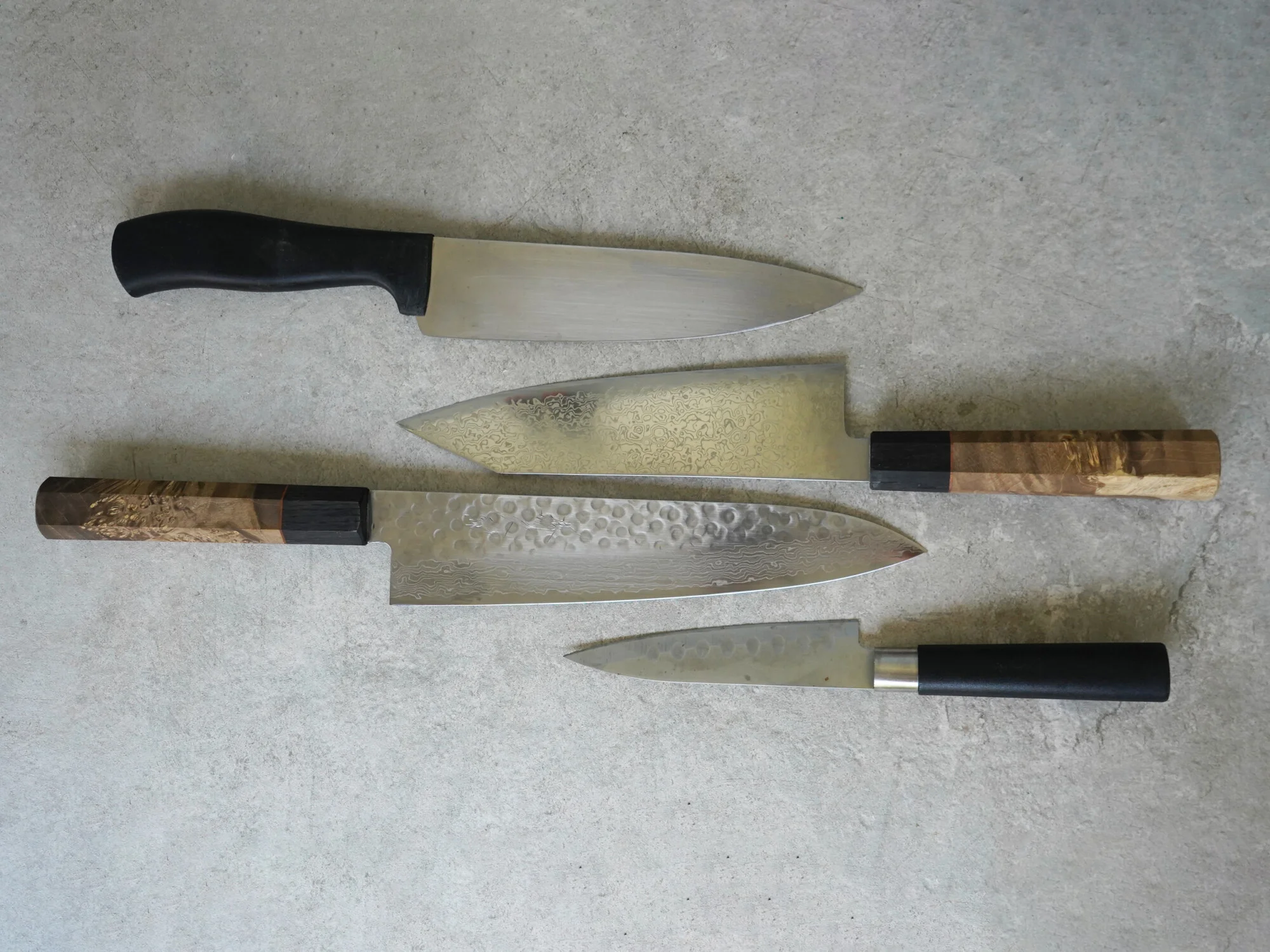
Cheap blades chip, dull within weeks and tire your wrist. The case for spending more, with Oishya’s Sakai Kyuba damascus as the counter-example.
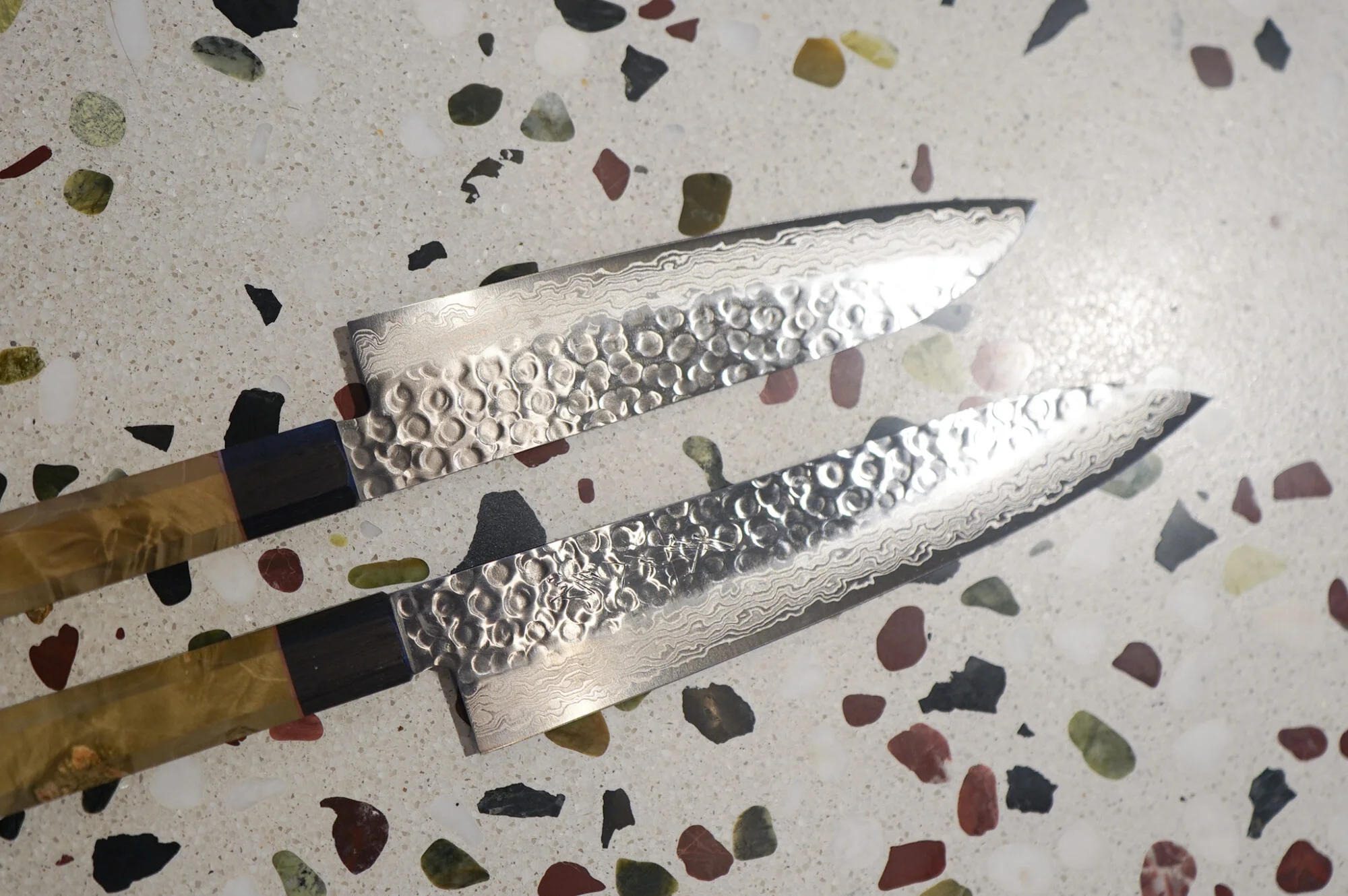
Santoku means ‘three virtues’: slice, dice, mince. Why it makes a sane first Japanese knife, and what to check in weight, balance and handle feel.
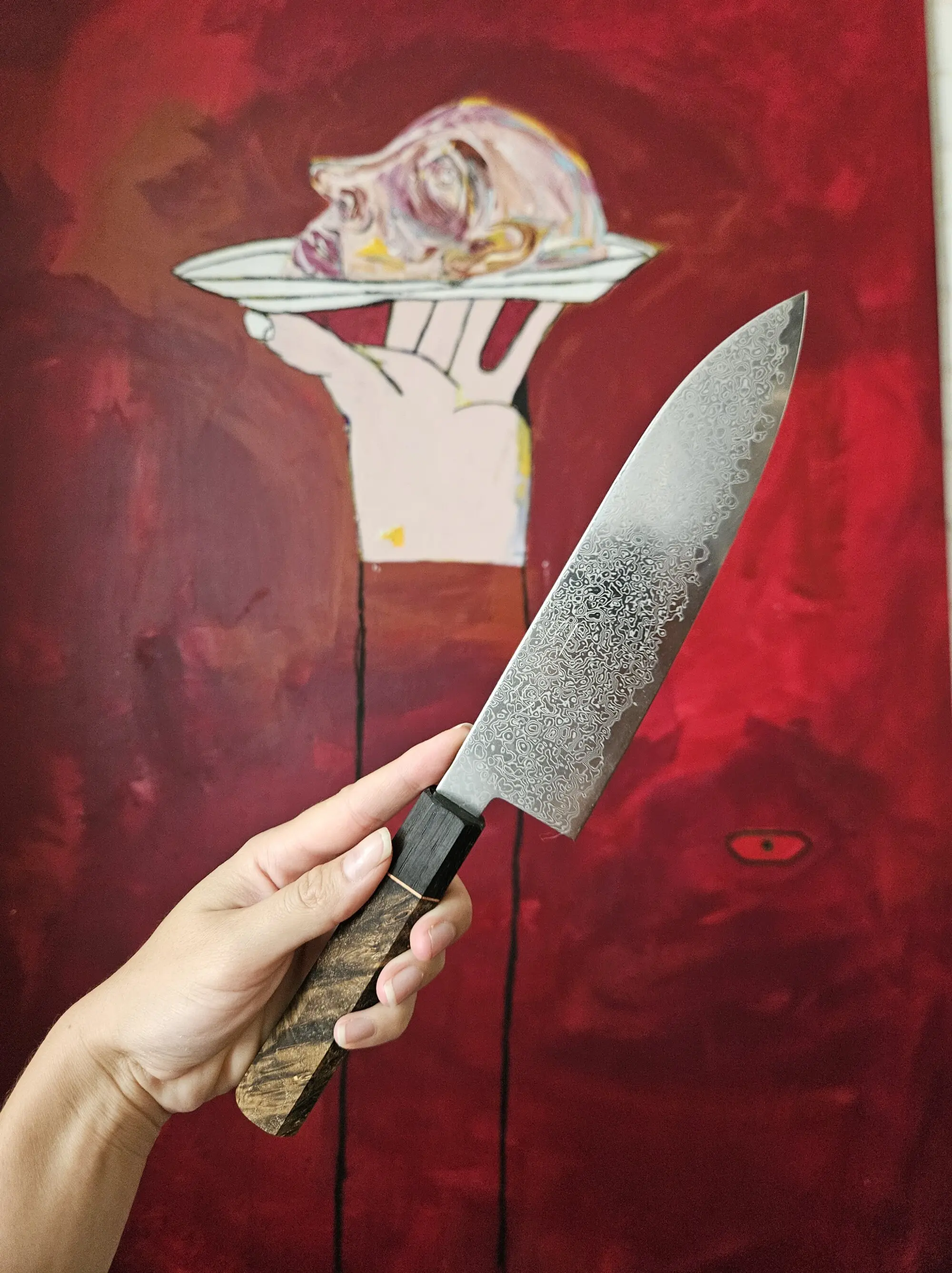
Welches japanische Messer zuerst? Das Santoku steht für ‘drei Tugenden’ (schneiden, würfeln, hacken), plus worauf Sie bei Gewicht, Balance und Griff achten.
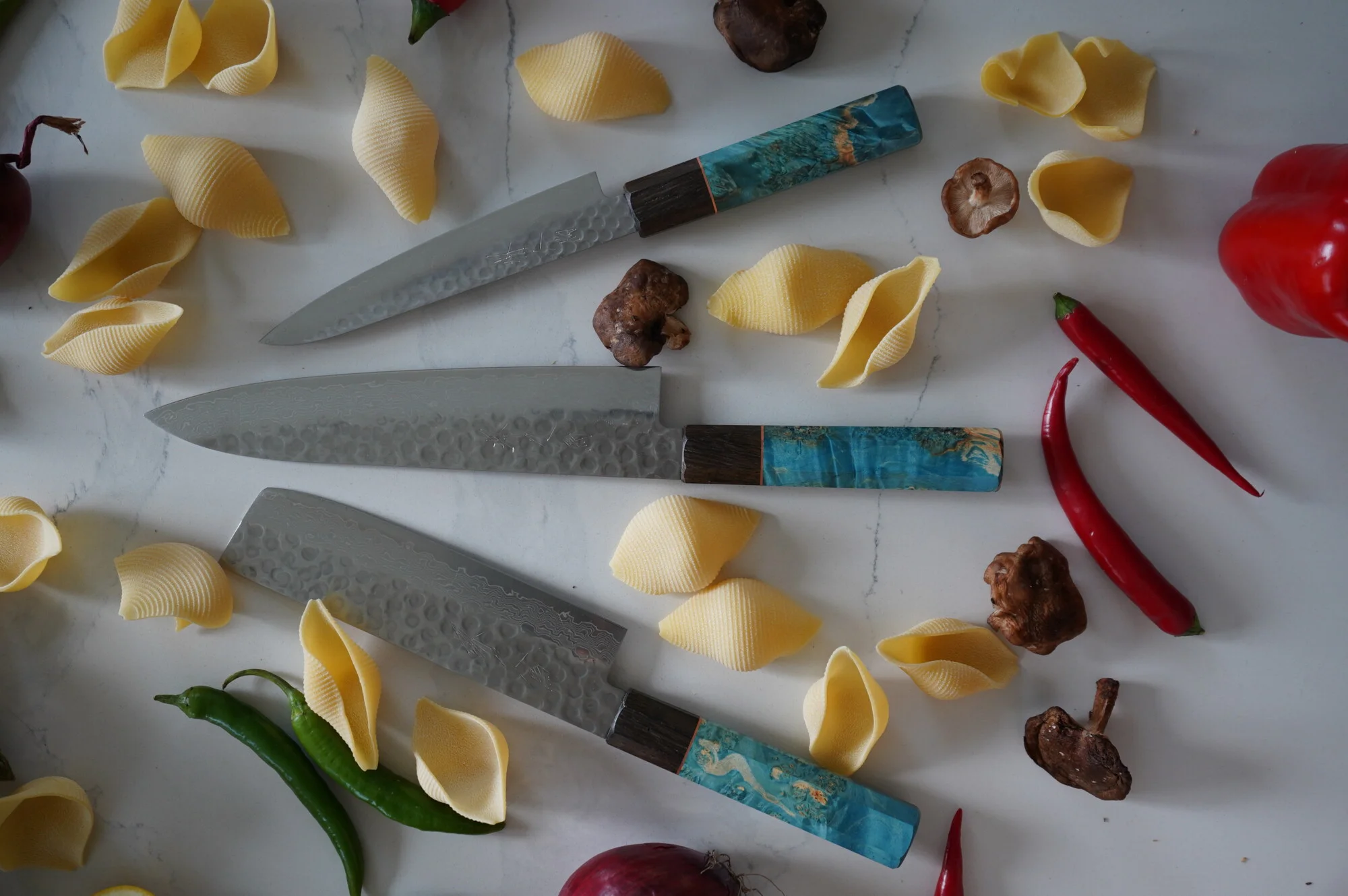
Chromium in the steel is what stops a blade rusting, staining and pitting. What rust-resistant knives ask of you day to day, and what they give back.