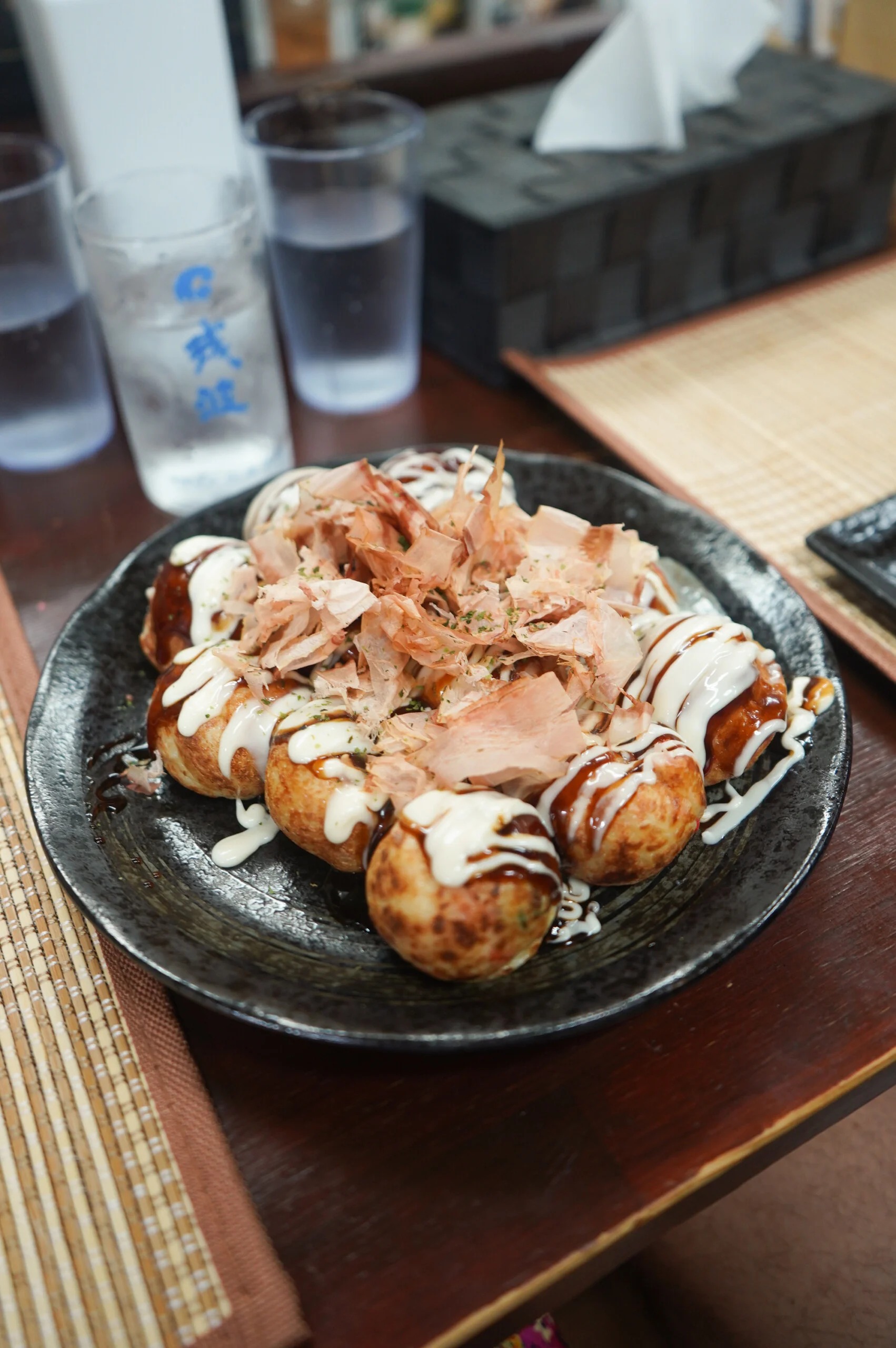
A homemade takoyaki recipe walking through batter, octopus and toppings, with tips for shaping the octopus balls in a pan or muffin tin.

Everything we’ve learned about actually cooking, not the photogenic kind, the Tuesday-night kind. Recipes, technique guides and kitchen how-tos, most written around the knives we make and the way Japanese kitchens approach prep: fewer tools, sharper edges, less waste. You’ll find step-by-steps for the things people quietly get wrong (chopping an onion without crying, gripping a knife so your knuckles guide the blade), gift guides for the cooks in your life, and the occasional opinionated detour into why a good board matters as much as a good knife.
A homemade takoyaki recipe walking through batter, octopus and toppings, with tips for shaping the octopus balls in a pan or muffin tin.

Five reasons cooking together as a family matters, from strengthening bonds and building knife skills to teaching responsibility and healthy eating habits.
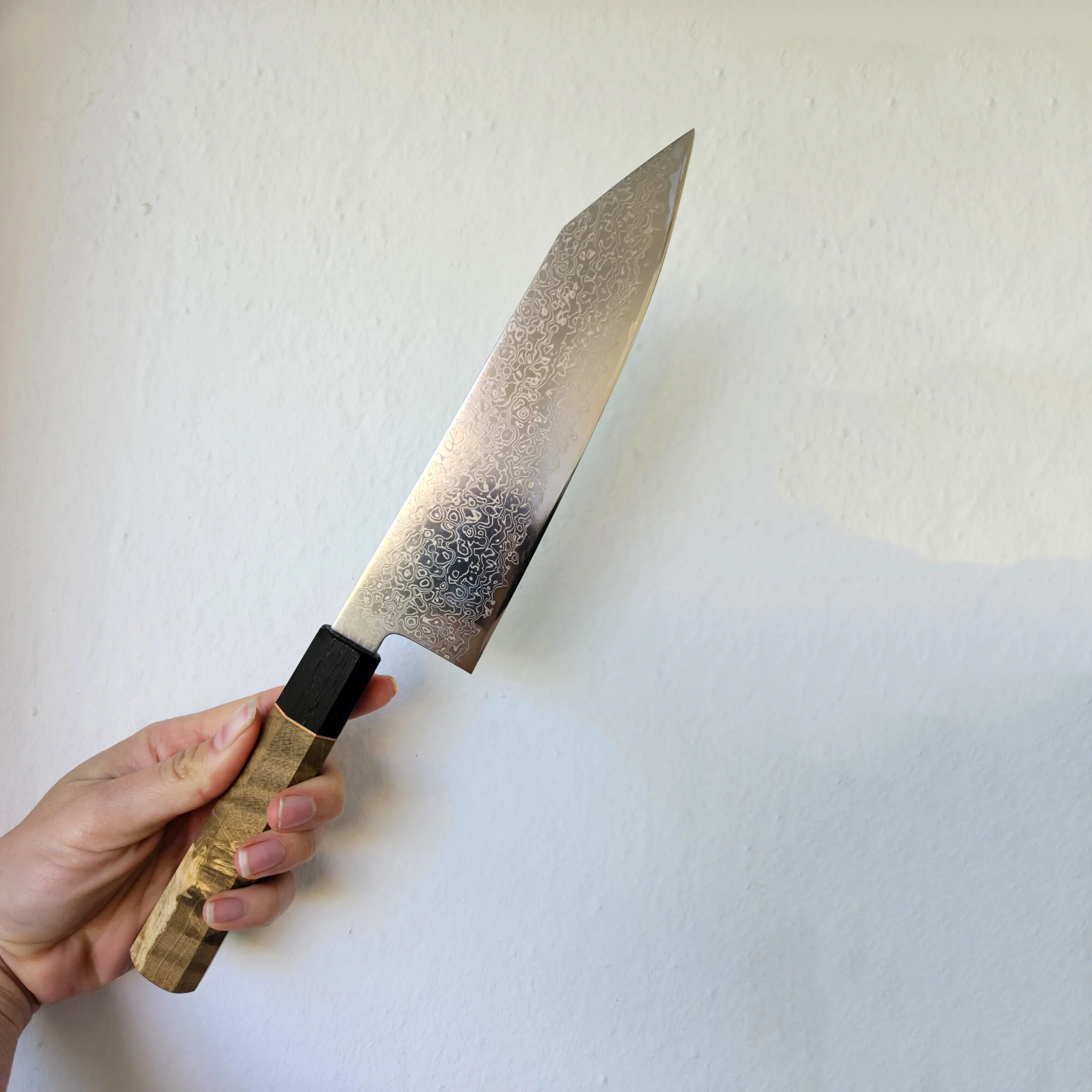
Japanese knives trace back to samurai swordsmiths, including blades for the Onna Bugeisha, and their light, precise build suits women cooks well.
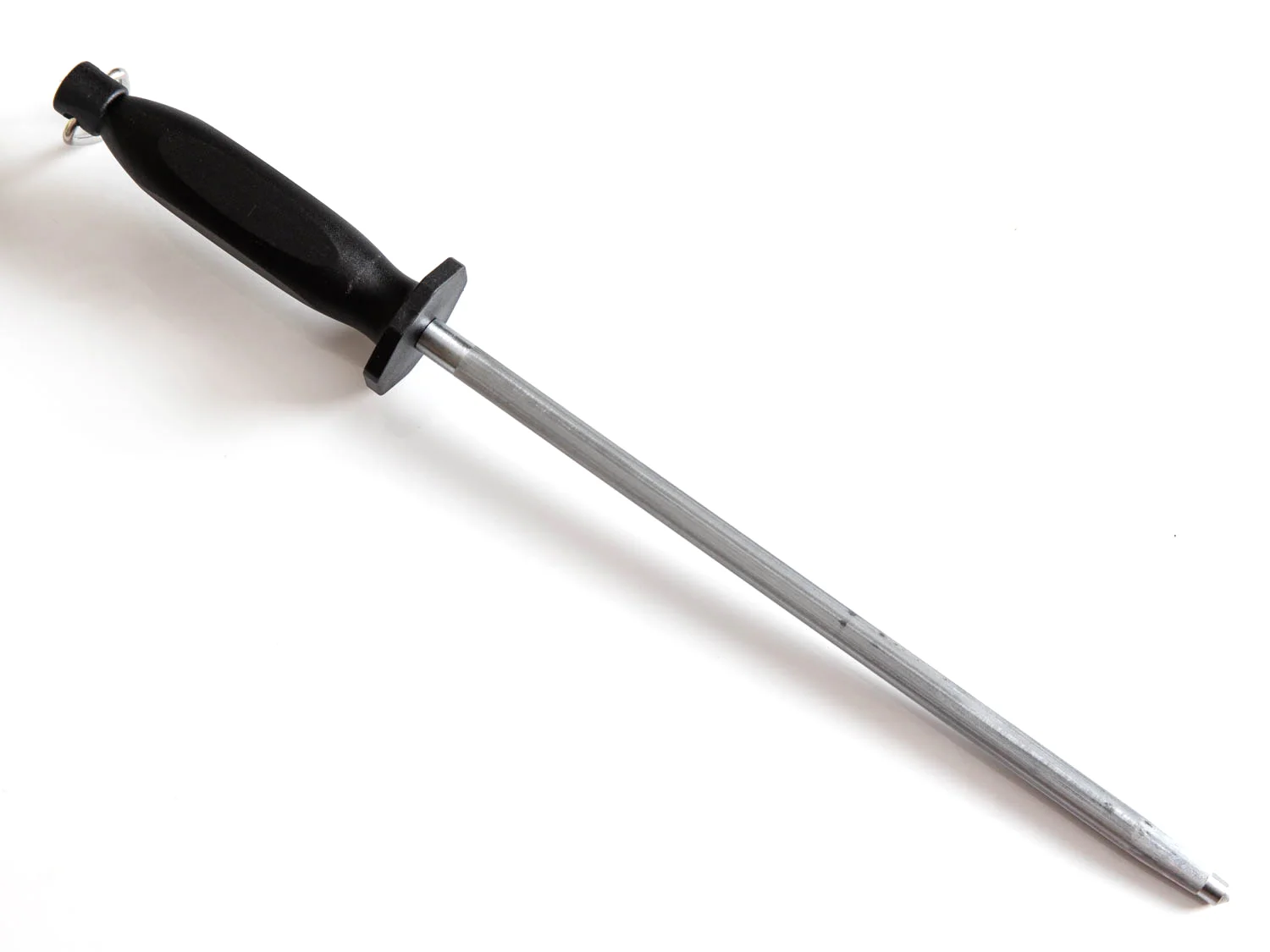
Honing realigns a knife’s edge between uses with a steel or ceramic rod, while sharpening on whetstones removes metal to restore a dulled blade.

21 practical low-waste tips for the kitchen and grocery shop, organised around the five R’s of zero-waste living: refuse, reduce, reuse, recycle and rot.

Why Japanese cuisine stands out: fresh seasonal ingredients, mastery of umami and the pride of the cooks behind sushi, ramen, soba and more.
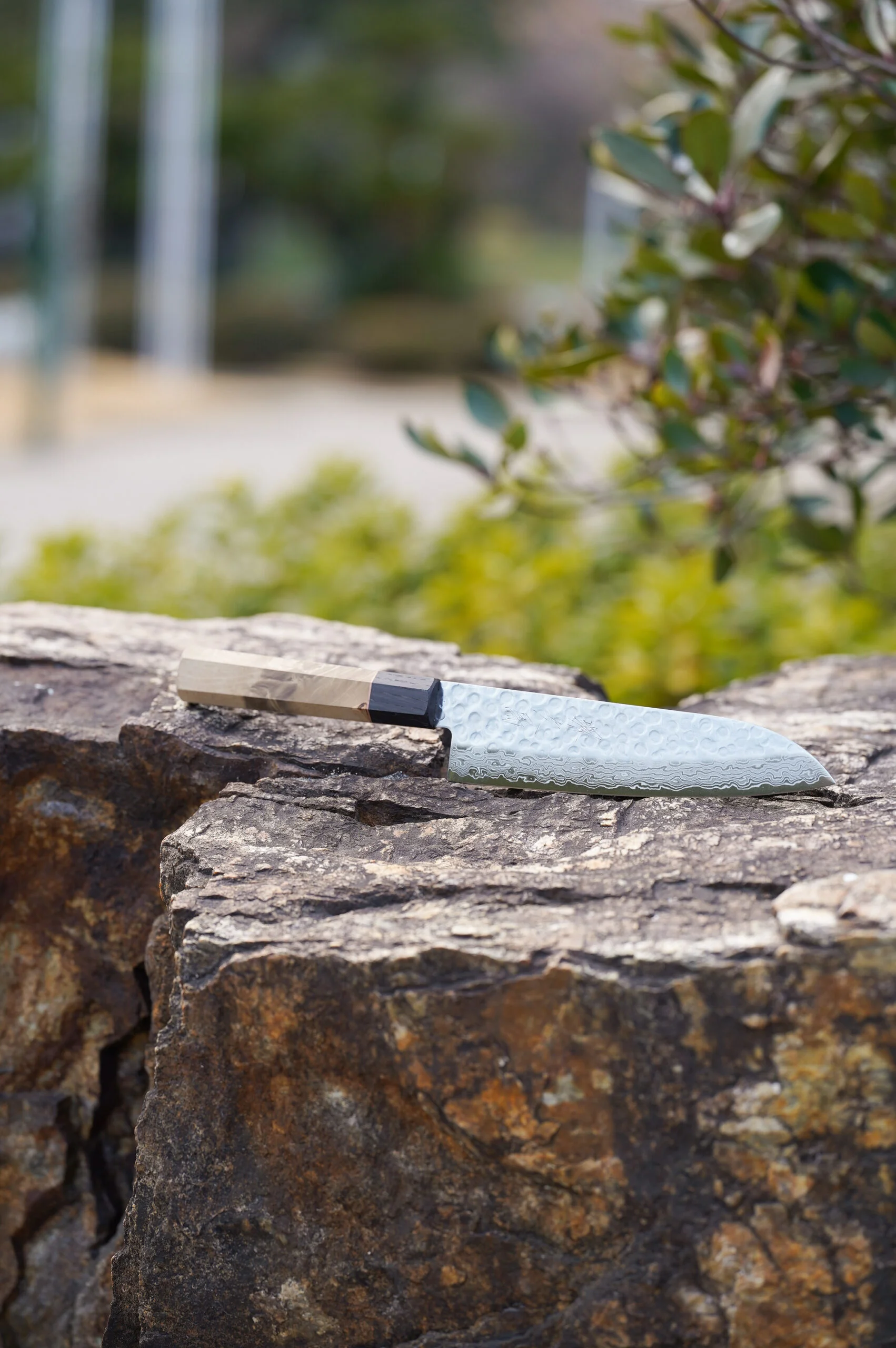
The santoku, whose name means ‘three virtues’, is a short, wide all-purpose blade for slicing, dicing and mincing, and how it differs from the gyuto.
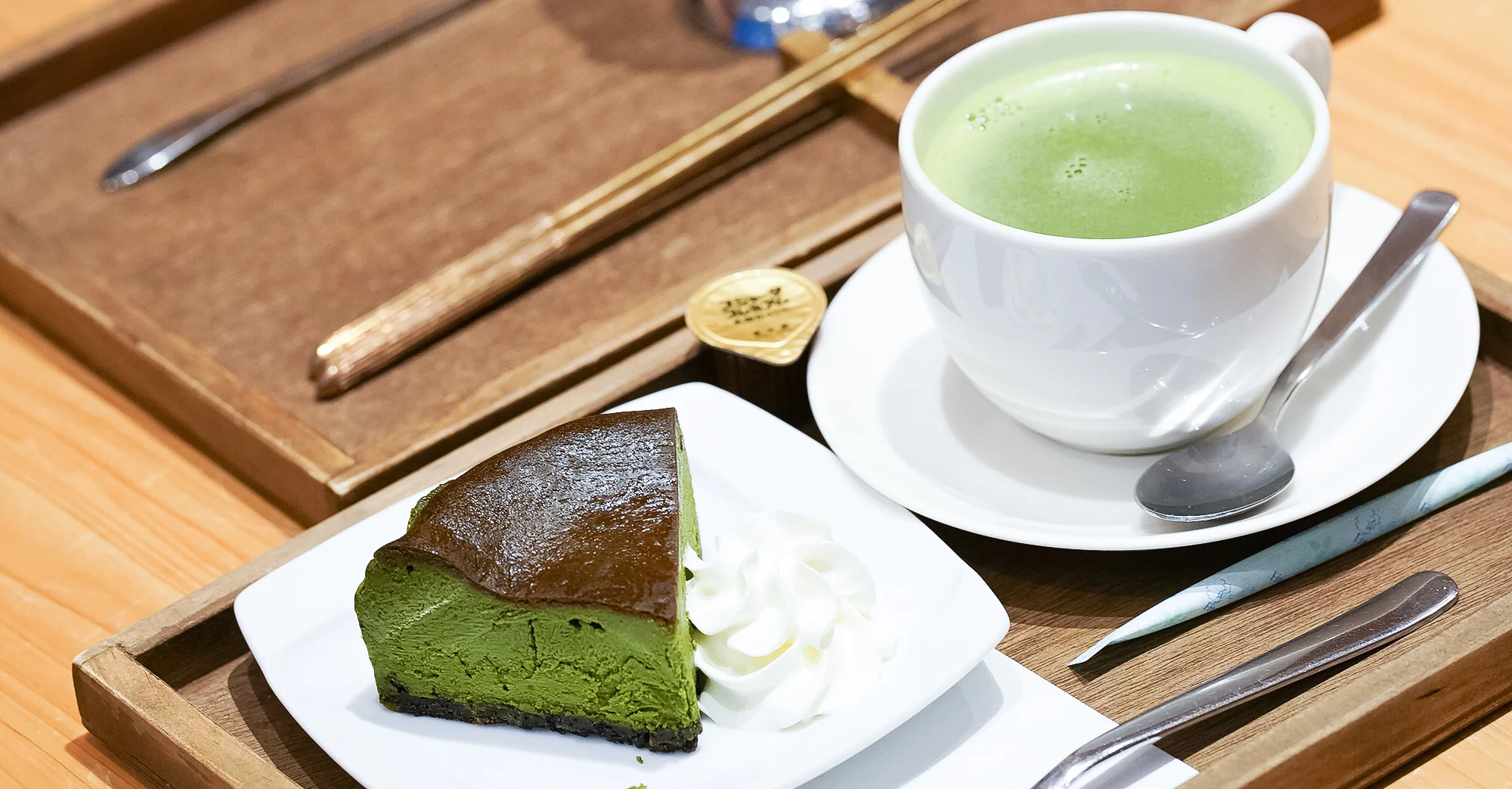
A look at Japanese green tea, from its 8th-century roots and Zen monk Eisai to the main varieties, health benefits and tips for brewing a good cup.
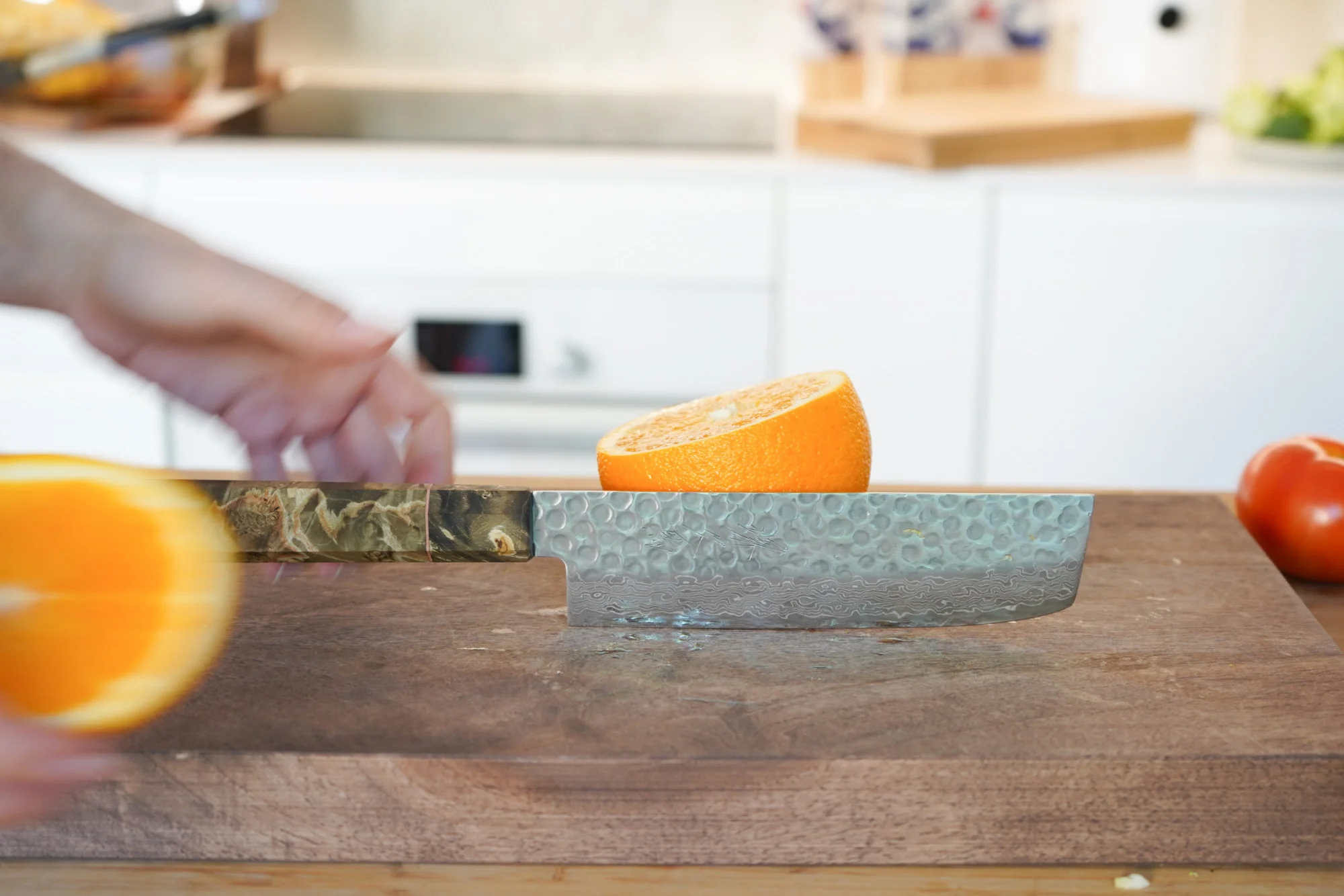
A dull knife needs more force and slips more easily, so it causes more injuries than a sharp one. Includes paper, tomato and fingernail tests.
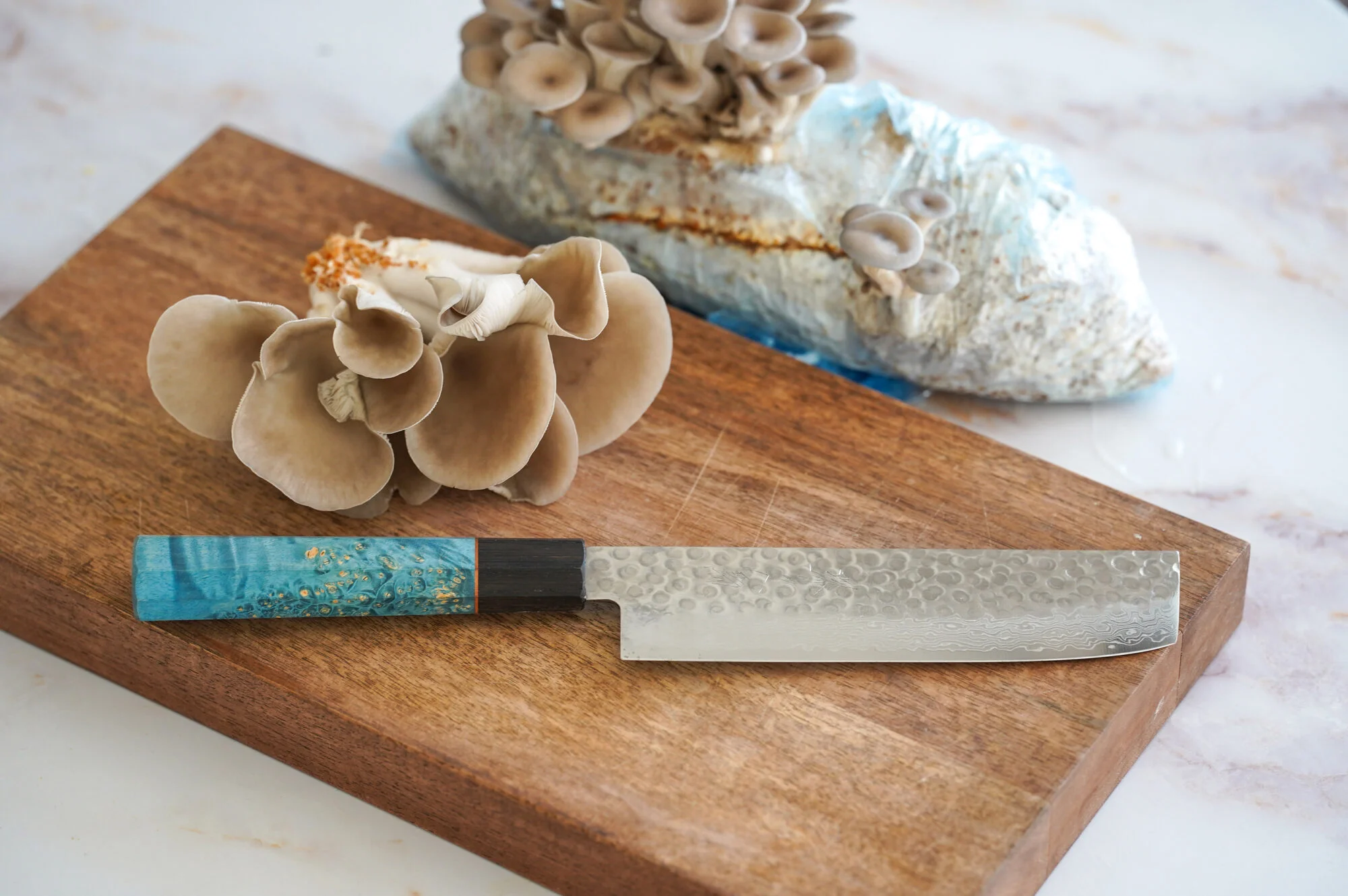
A look at growing reishi, lion’s mane and blue oyster mushrooms at home, the health compounds behind them and the pros and cons of cultivating your own.

Telling a Buddhist temple from a Shinto shrine in Japan, plus the etiquette and dos and don’ts for visiting these revered sites respectfully.
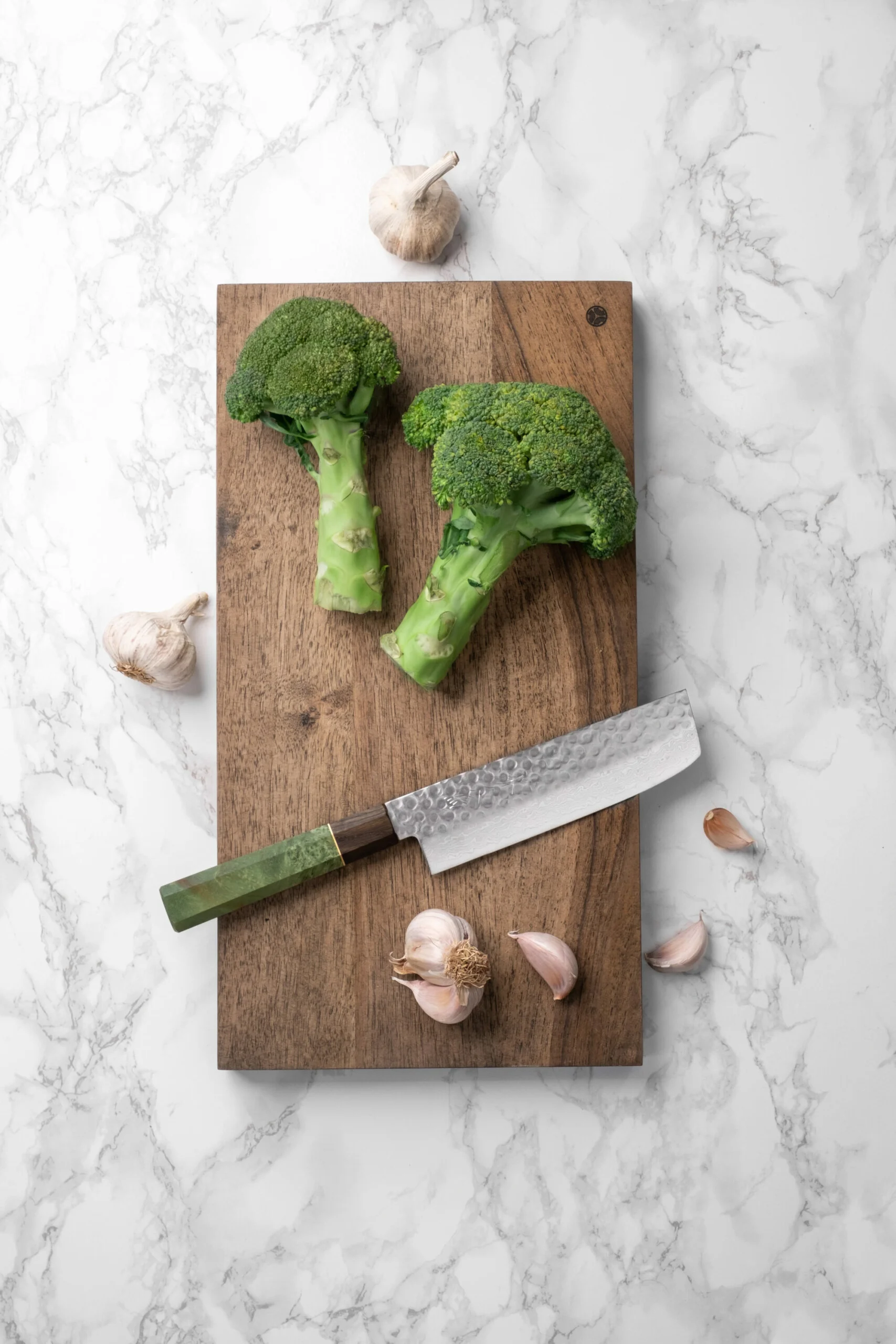
The nakiri has a flat rectangular blade built for an up-and-down chopping motion, which makes it a precise, efficient knife for plant-based cooking.
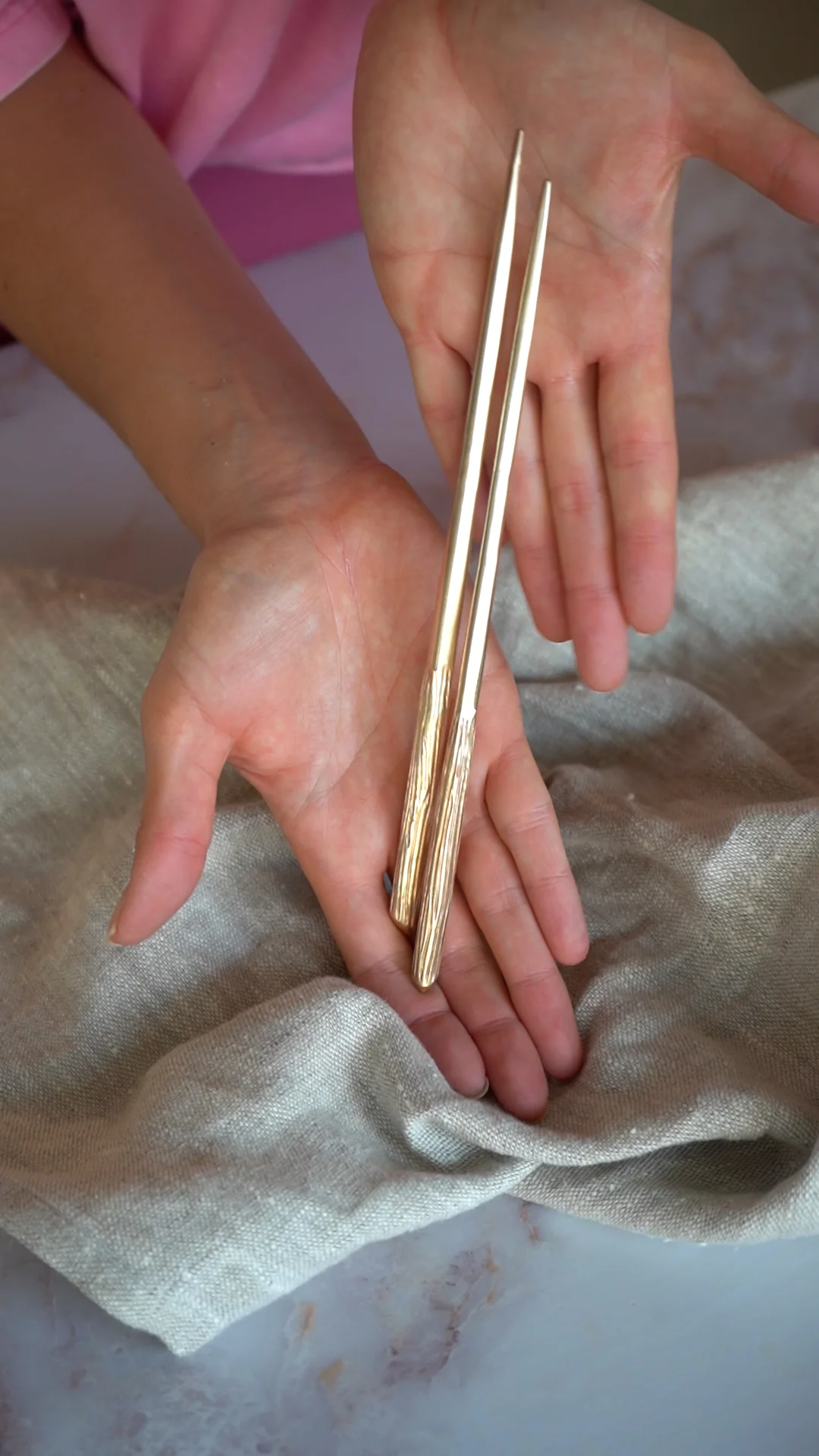
Clean and brighten brass utensils in minutes with a simple paste of vinegar, flour, bicarbonate of soda and salt, then polish and rinse.
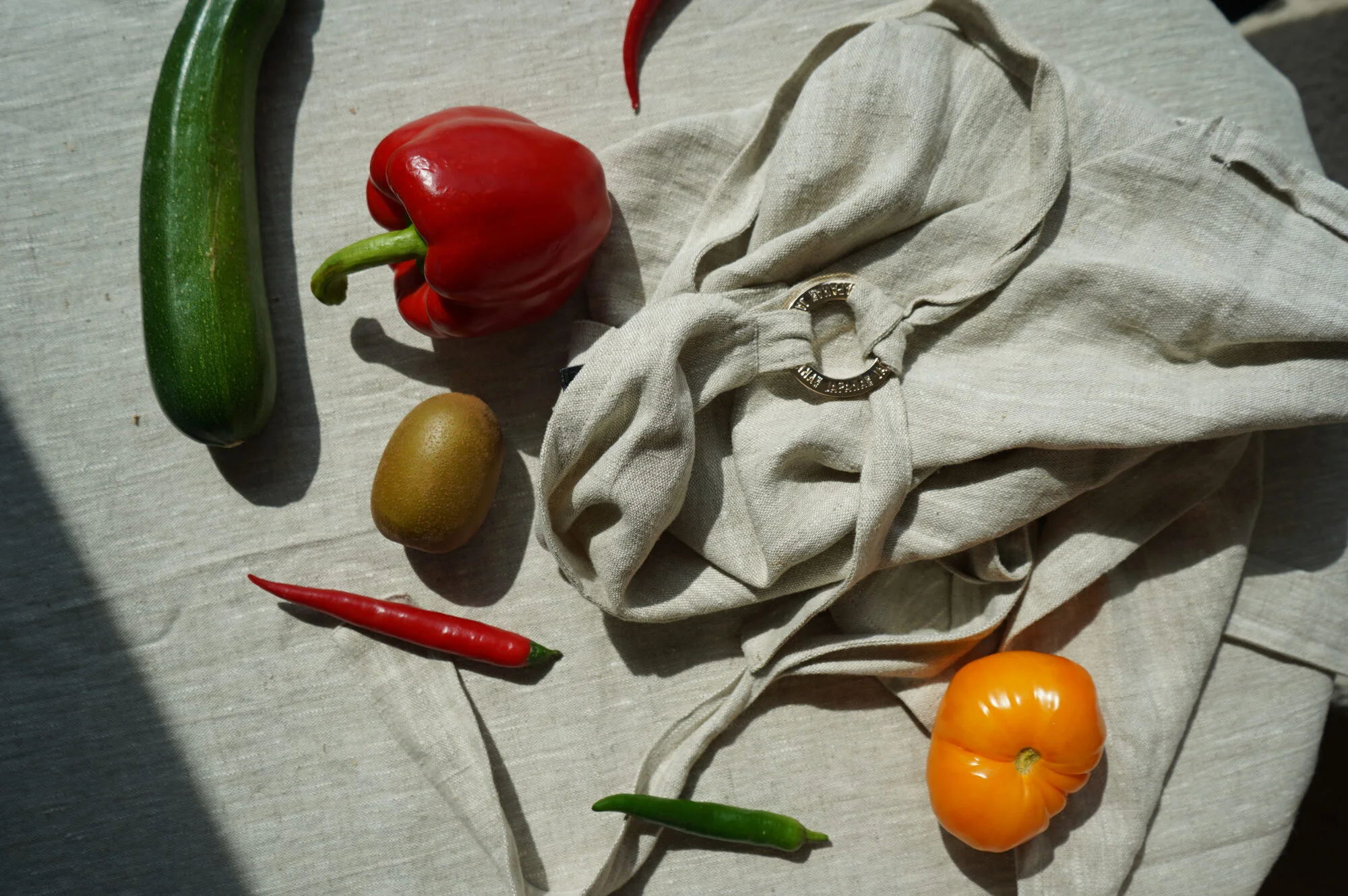
Linen is naturally anti-bacterial, eco-friendly and very absorbent, which is why it has become a staple fabric for kitchen towels and tableware.

Can pregnant women eat sushi? Cooked rolls are generally fine, but raw fish and high-mercury species like swordfish are best avoided.

A guide to safer online shopping: vet unfamiliar stores, read third-party reviews, check for contact details, and use tools like ScamAdviser.
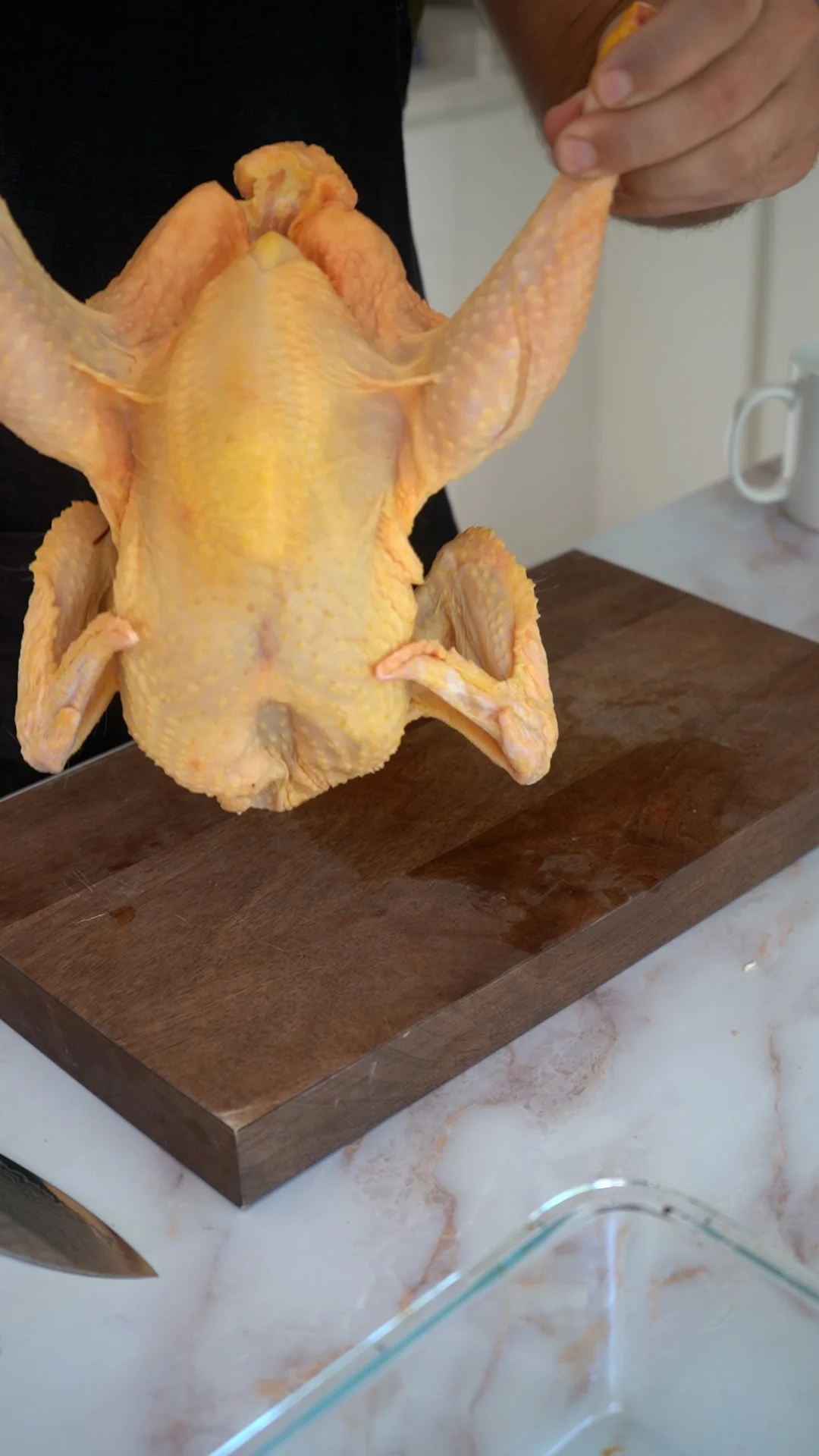
How to joint and carve a chicken Gordon Ramsay style, separating the legs, wings and breasts by letting a sharp knife do the work.
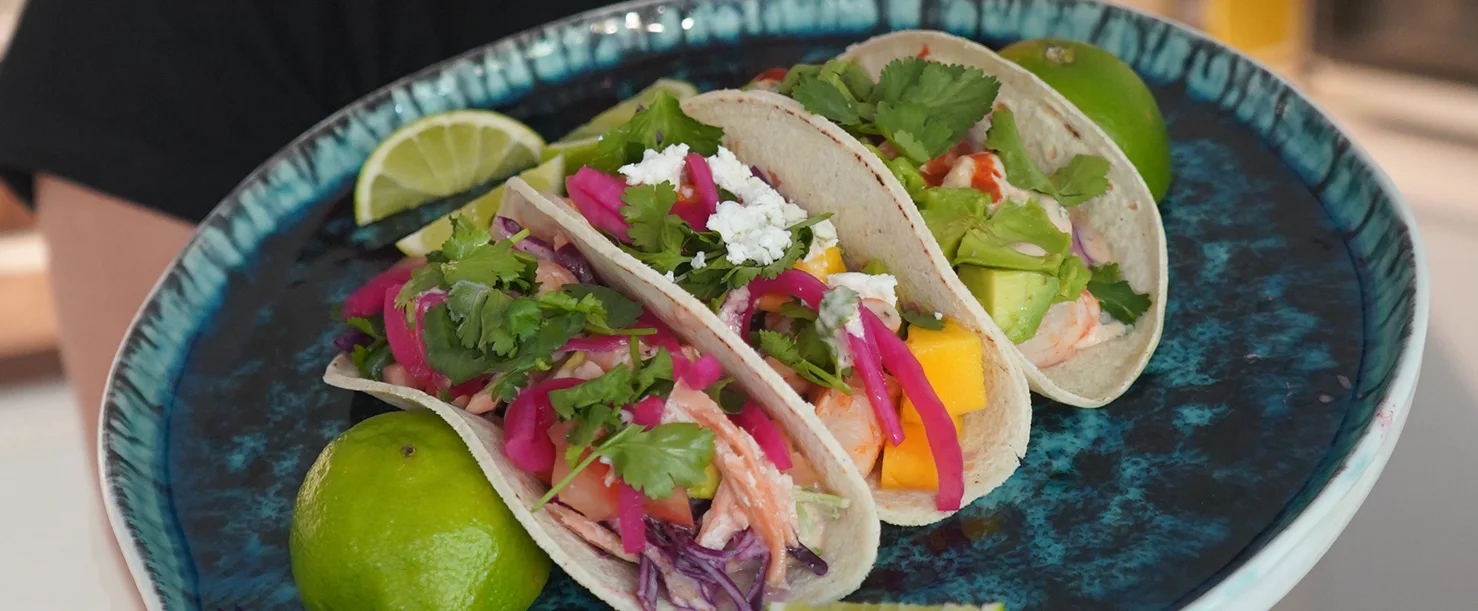
Fish tacos with seasoned white fish and prawns on corn tortillas, topped with cabbage, avocado and a spicy lime crema sauce.
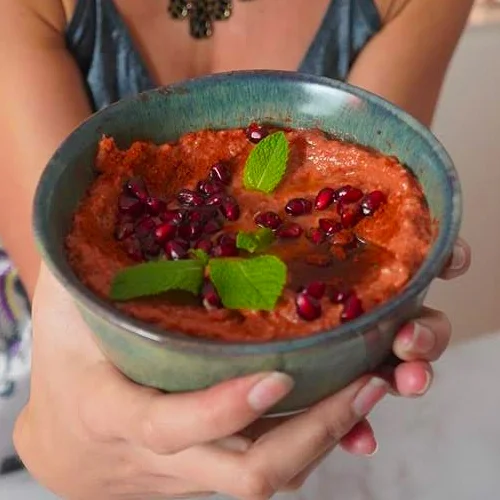
Muhammara, the roasted red pepper and walnut dip from Aleppo, blended with pomegranate molasses, cumin and lemon for a sweet, smoky spread.
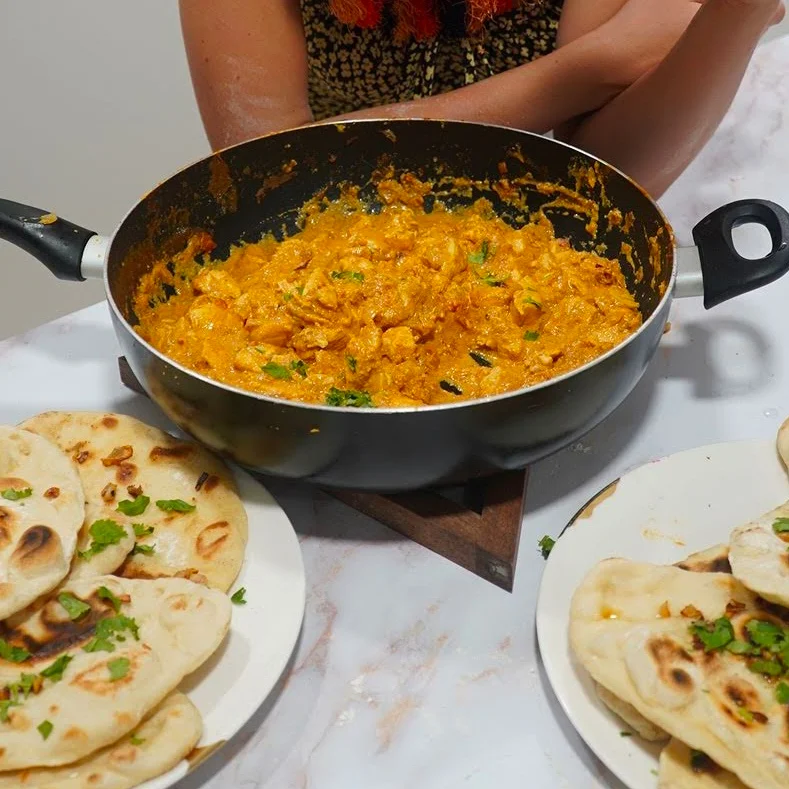
A lighter butter chicken recipe with yogurt-marinated chicken in a spiced tomato and cream sauce, served with naan. A fitting Halloween dish.

Three reasons couples who cook together build stronger relationships, from learning side by side to connecting and making memories in the kitchen.
The three main ways to store kitchen knives safely around children, comparing drawer inserts, countertop blocks and wall-mounted magnetic strips.
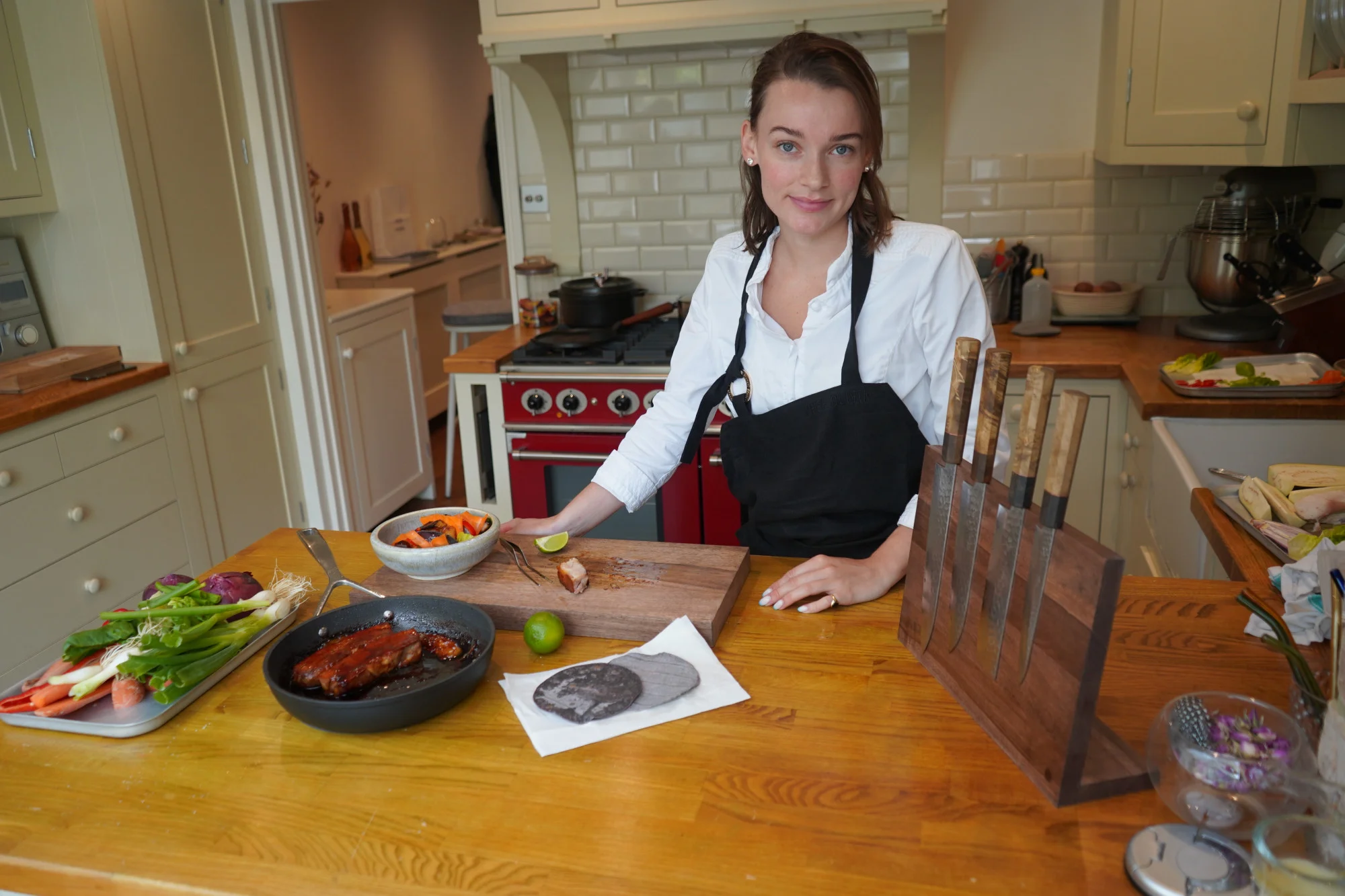
Chef Olivia Burt’s three tips for caring for Japanese knives: use a flat wooden board, store them on a magnetic rack, and never use the dishwasher.
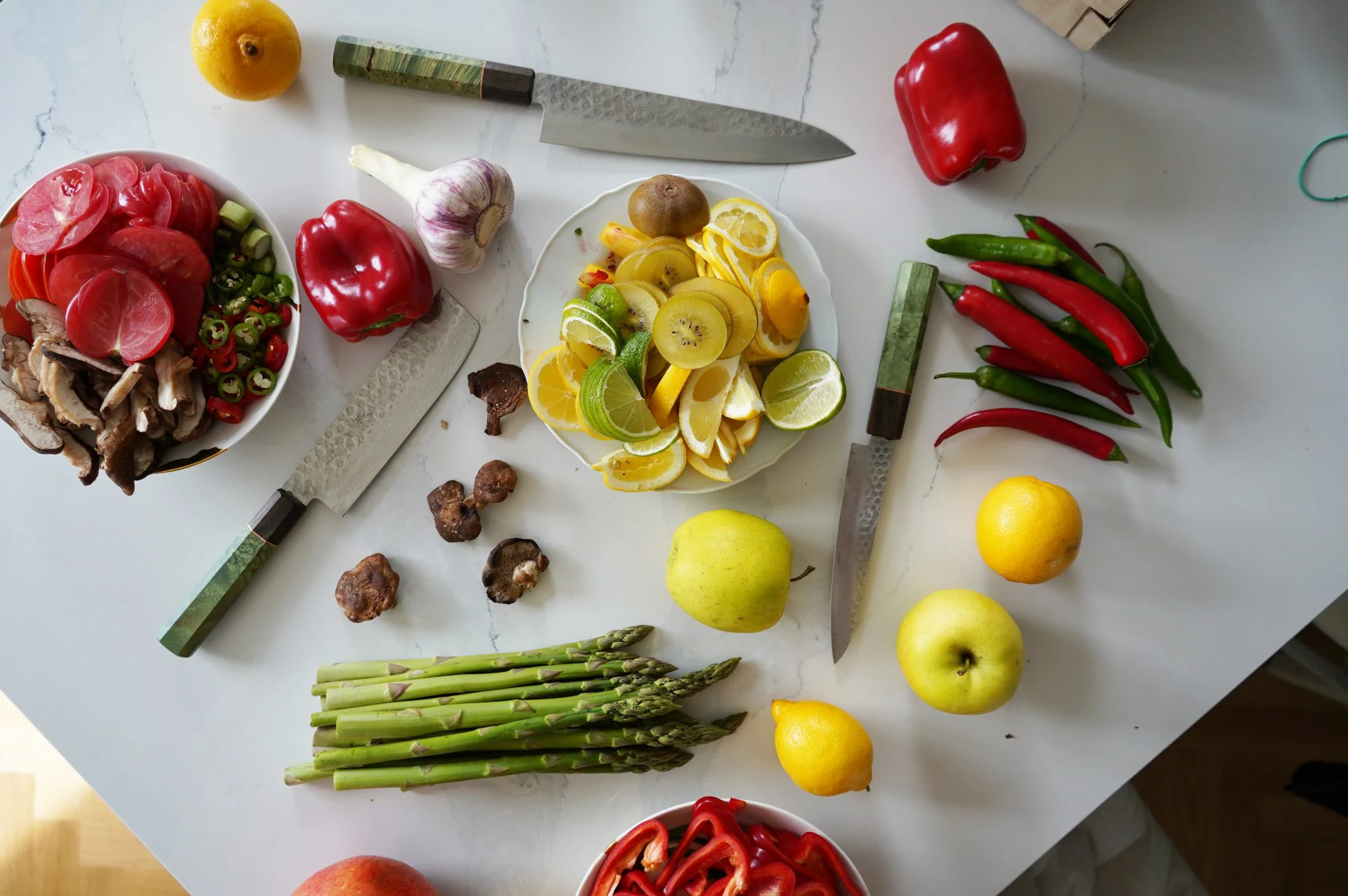
Five reasons to eat seasonally: produce in its natural season holds more nutrients, tastes more intense, and skips artificial ripening agents.
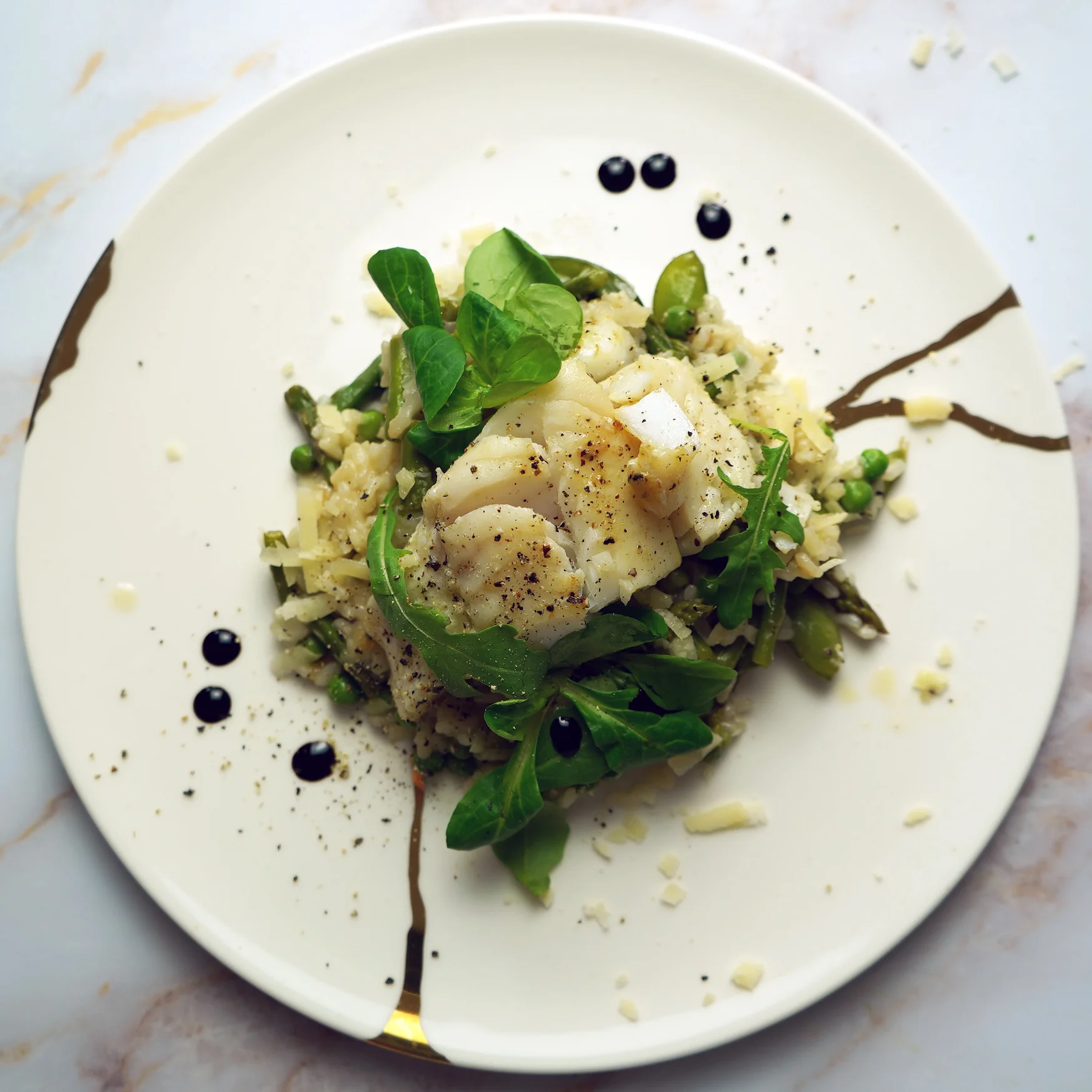
A recipe for roasted skin-on cod served over a creamy risotto of pea, edamame and asparagus, finished with Parmesan and fresh greens.
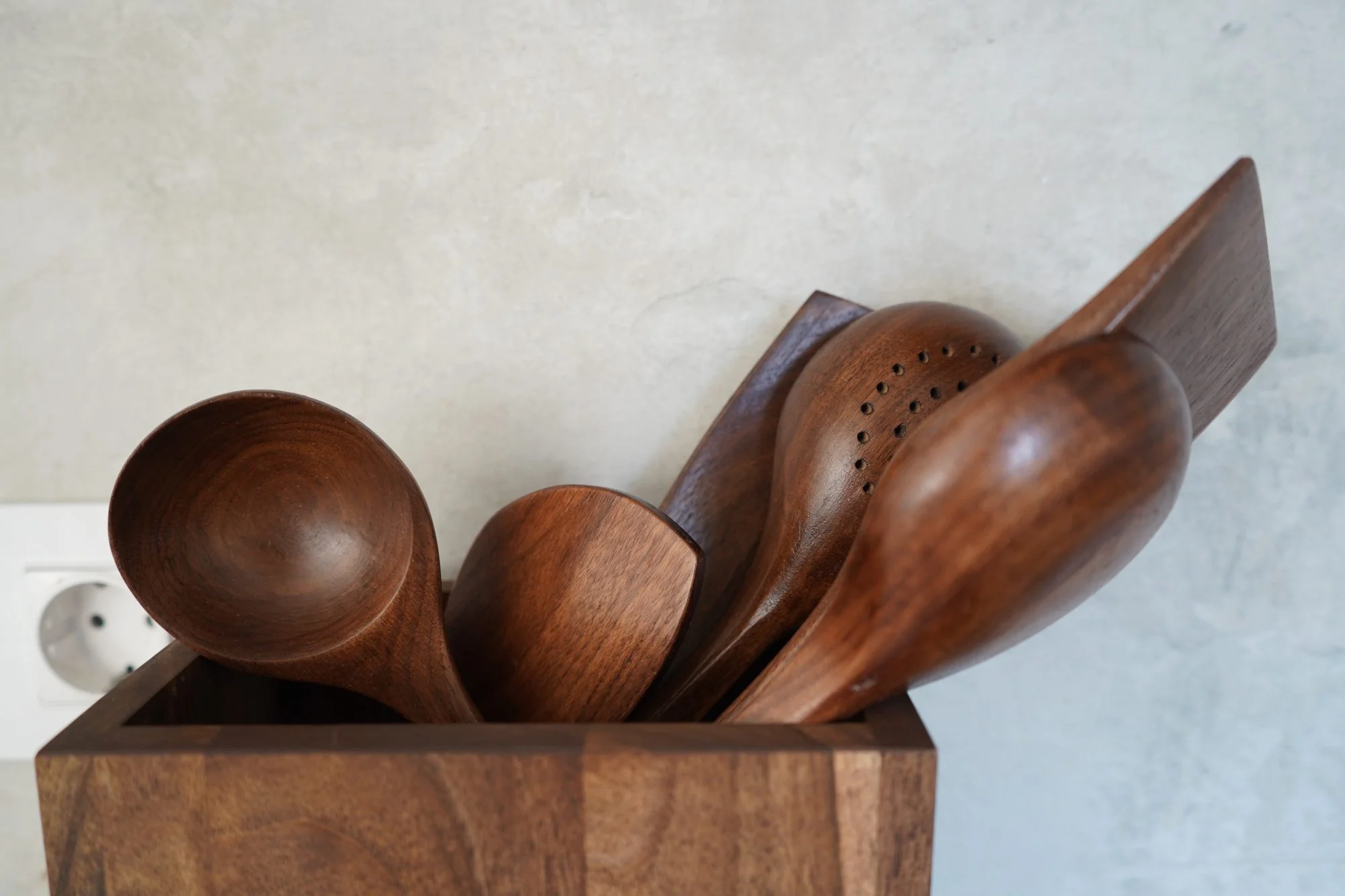
Five reasons to cook with wooden spoons: they resist heat, stay non-reactive with acidic foods, and don’t harbour bacteria the way myths claim.
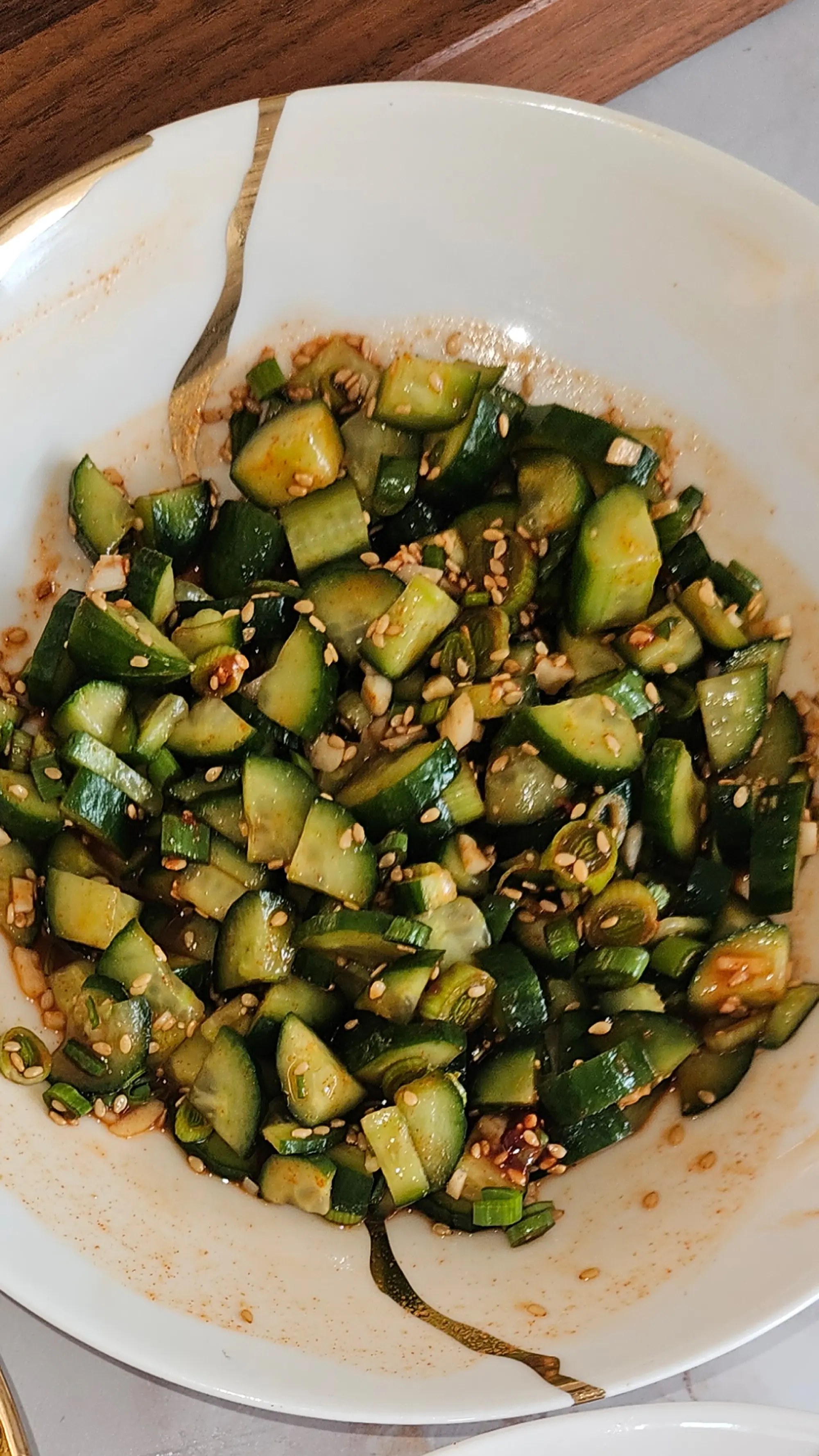
A quick chili oil recipe: simmer crushed dried peppers in neutral oil with a pinch of salt, then bottle and use within a month.

After five years, Japana Home is becoming Oishya, a name from the Japanese word oishii, reflecting a wider range of kitchenware beyond knives.
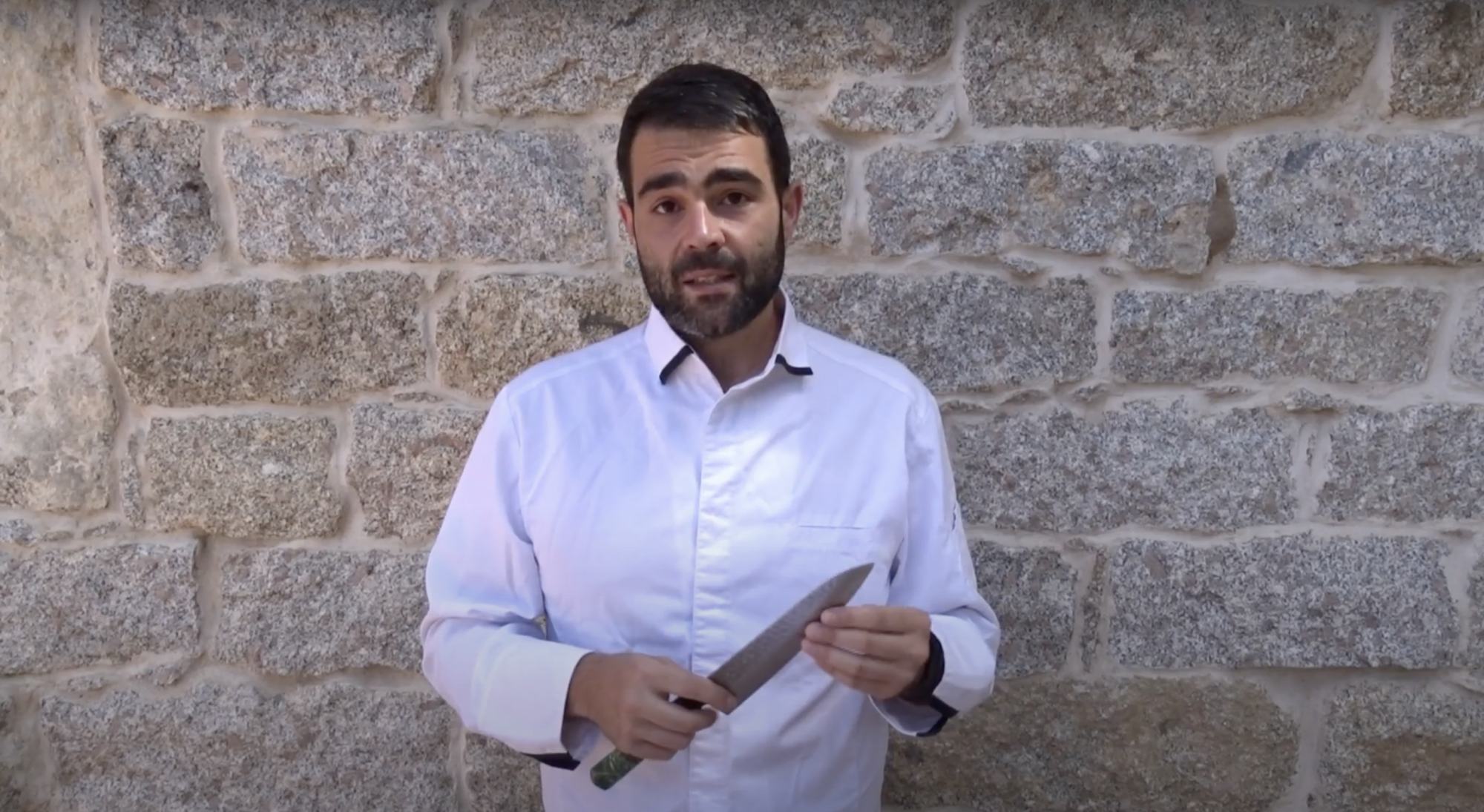
Le chef Fulvio Pischedda montre comment tenir un couteau, la prise en griffe et quatre coupes de base: julienne et brunoise, fines incluses.
Paris chef Fulvio Pischedda demonstrates how to hold a knife, use the claw grip, and master the julienne and brunoise cuts.