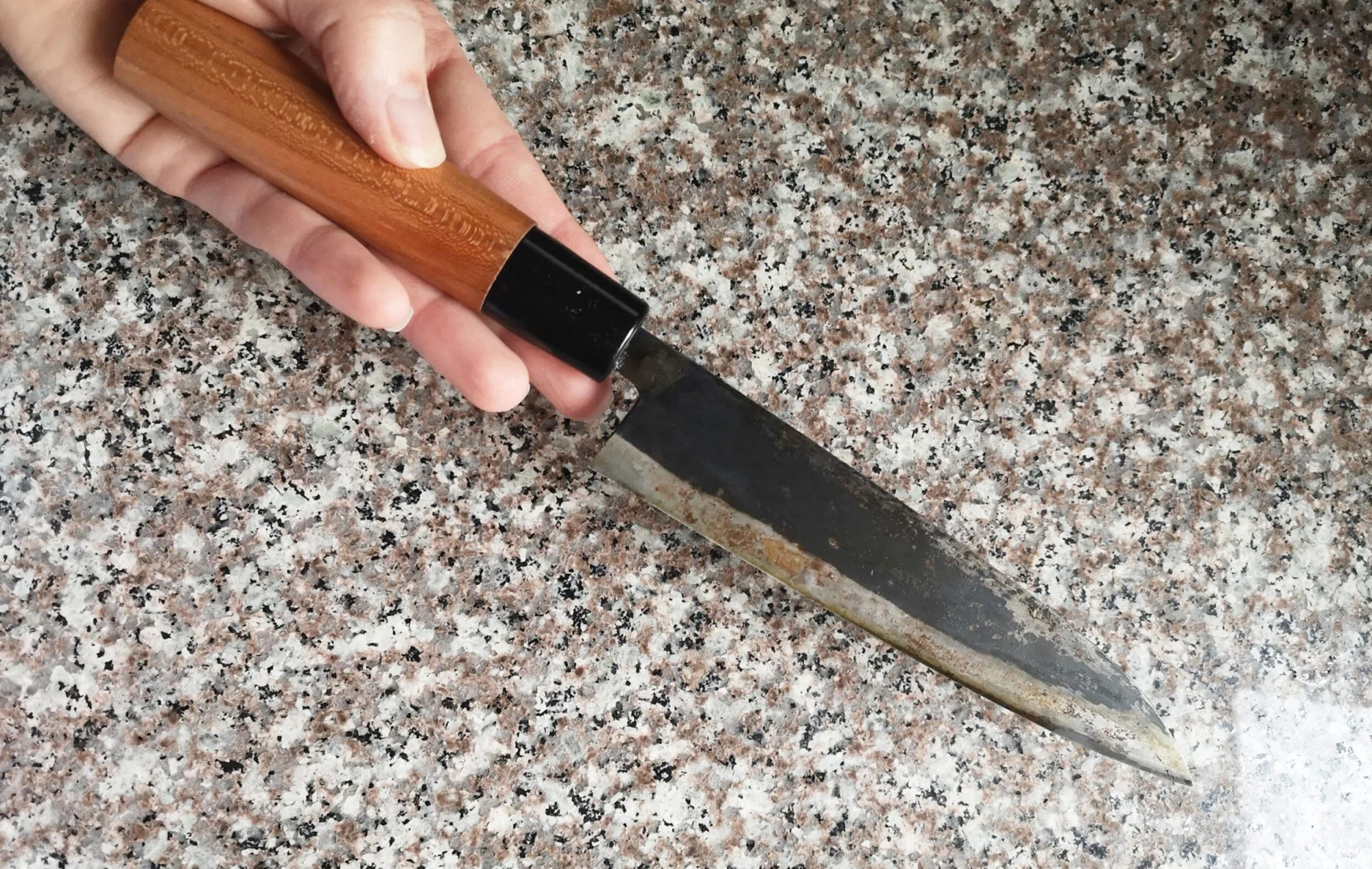
Yes, stainless knives rust too. What iron oxide actually is, why the dishwasher ruins a blade, and the ways to scrub the orange flakes back off.

Everything we’ve learned about actually cooking, not the photogenic kind, the Tuesday-night kind. Recipes, technique guides and kitchen how-tos, most written around the knives we make and the way Japanese kitchens approach prep: fewer tools, sharper edges, less waste. You’ll find step-by-steps for the things people quietly get wrong (chopping an onion without crying, gripping a knife so your knuckles guide the blade), gift guides for the cooks in your life, and the occasional opinionated detour into why a good board matters as much as a good knife.
Yes, stainless knives rust too. What iron oxide actually is, why the dishwasher ruins a blade, and the ways to scrub the orange flakes back off.
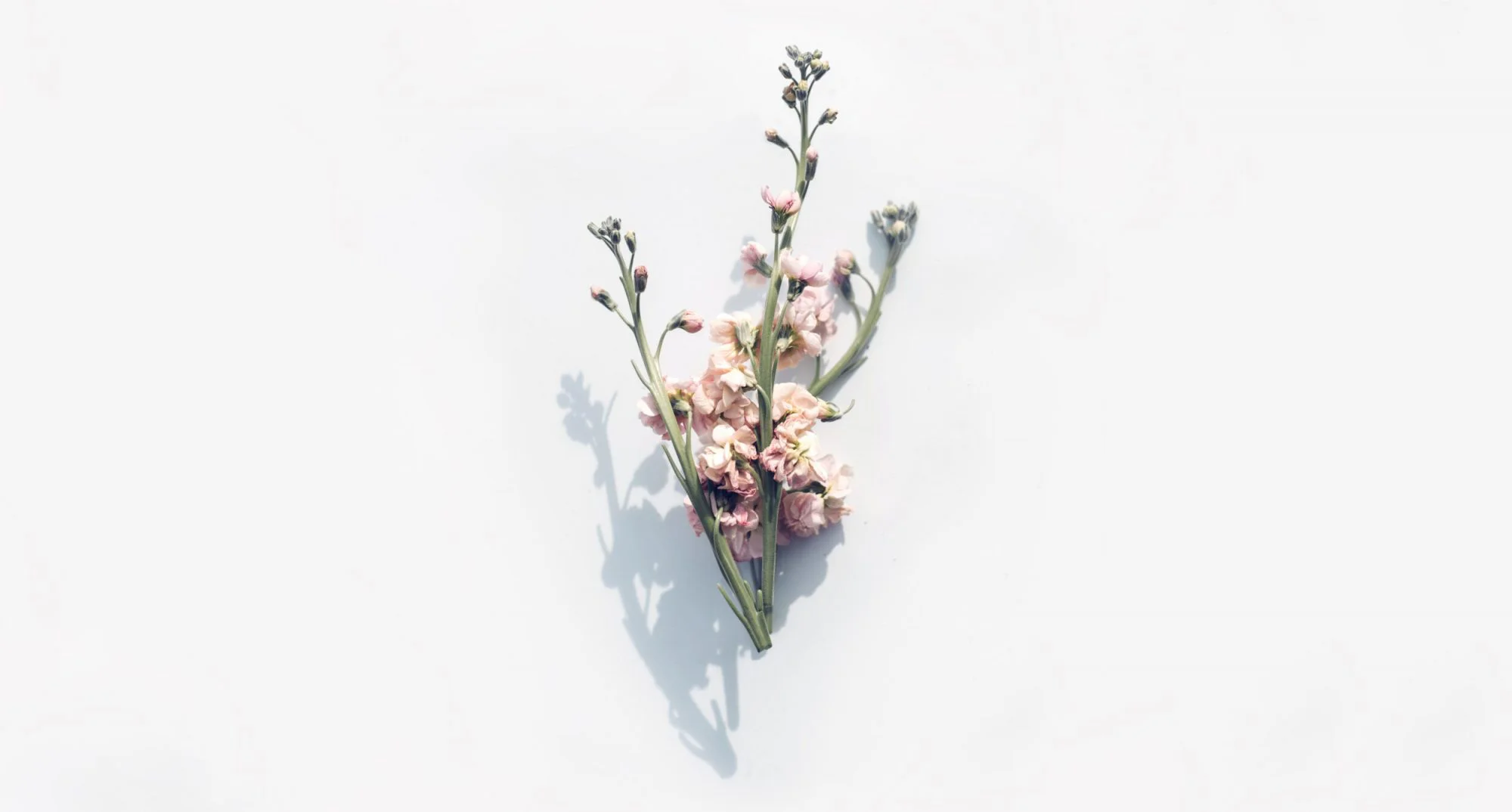
Every stem has a job: ikebana angles branches to stand for heaven, earth and humanity, a discipline monks shaped from Shinto altar offerings.
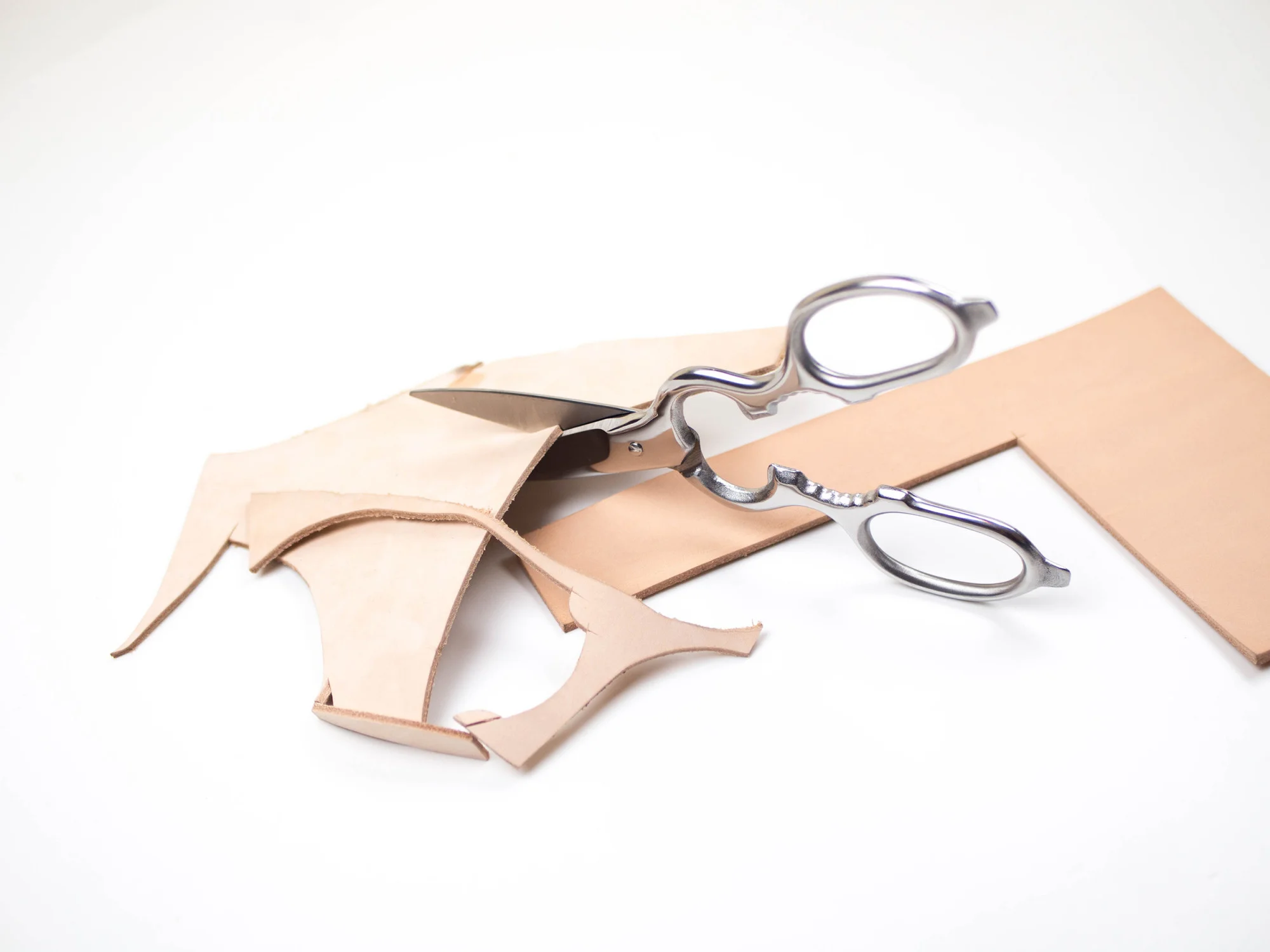
Cross six inches and it’s shears, not scissors. The larger handle gives leverage for tougher cuts; scissors stay small and multipurpose.
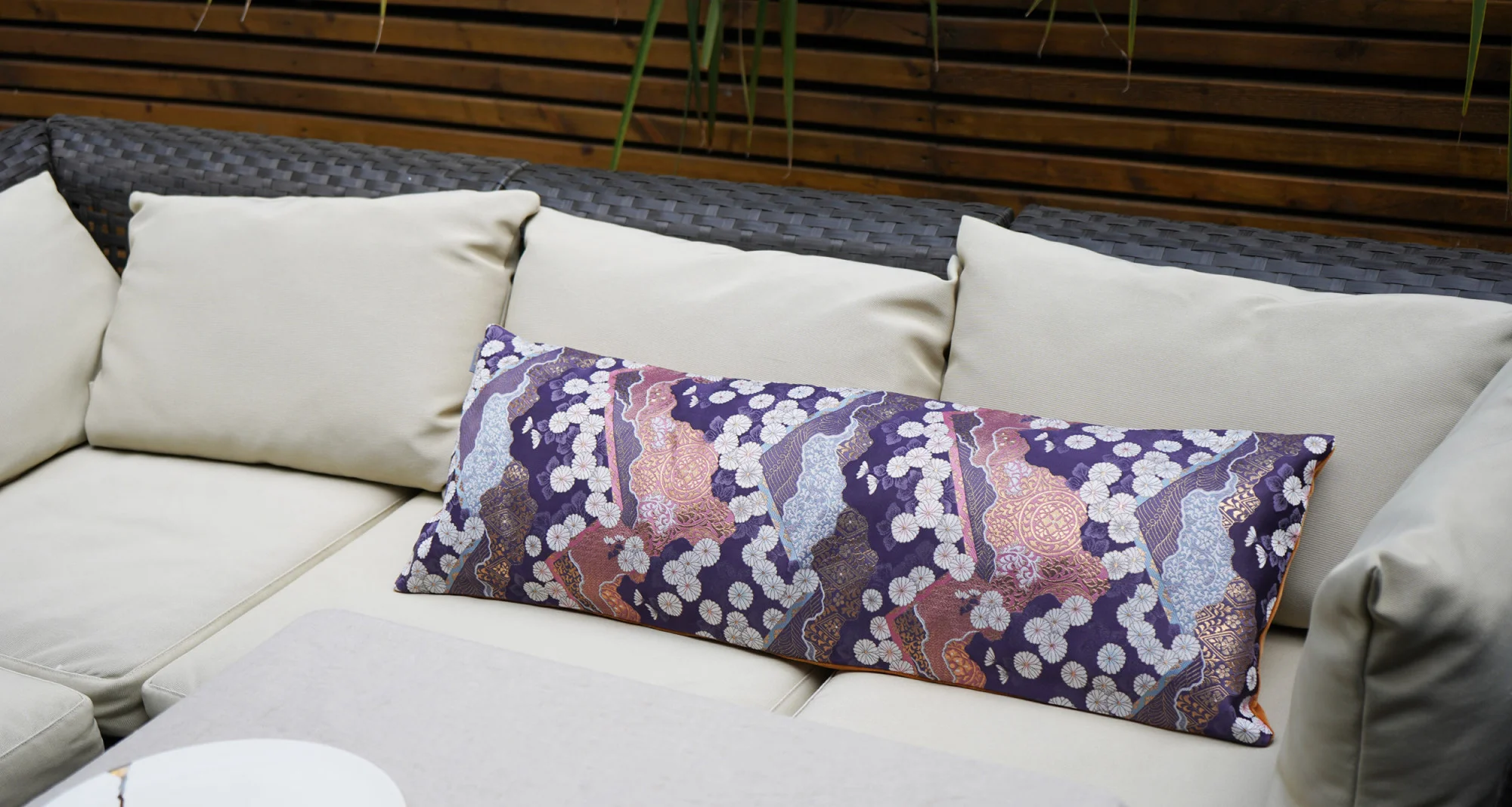
Scandinavian cool meets Japanese warmth: Japandi leans on wabi-sabi and hygge for rooms that stay minimal without feeling clinical.
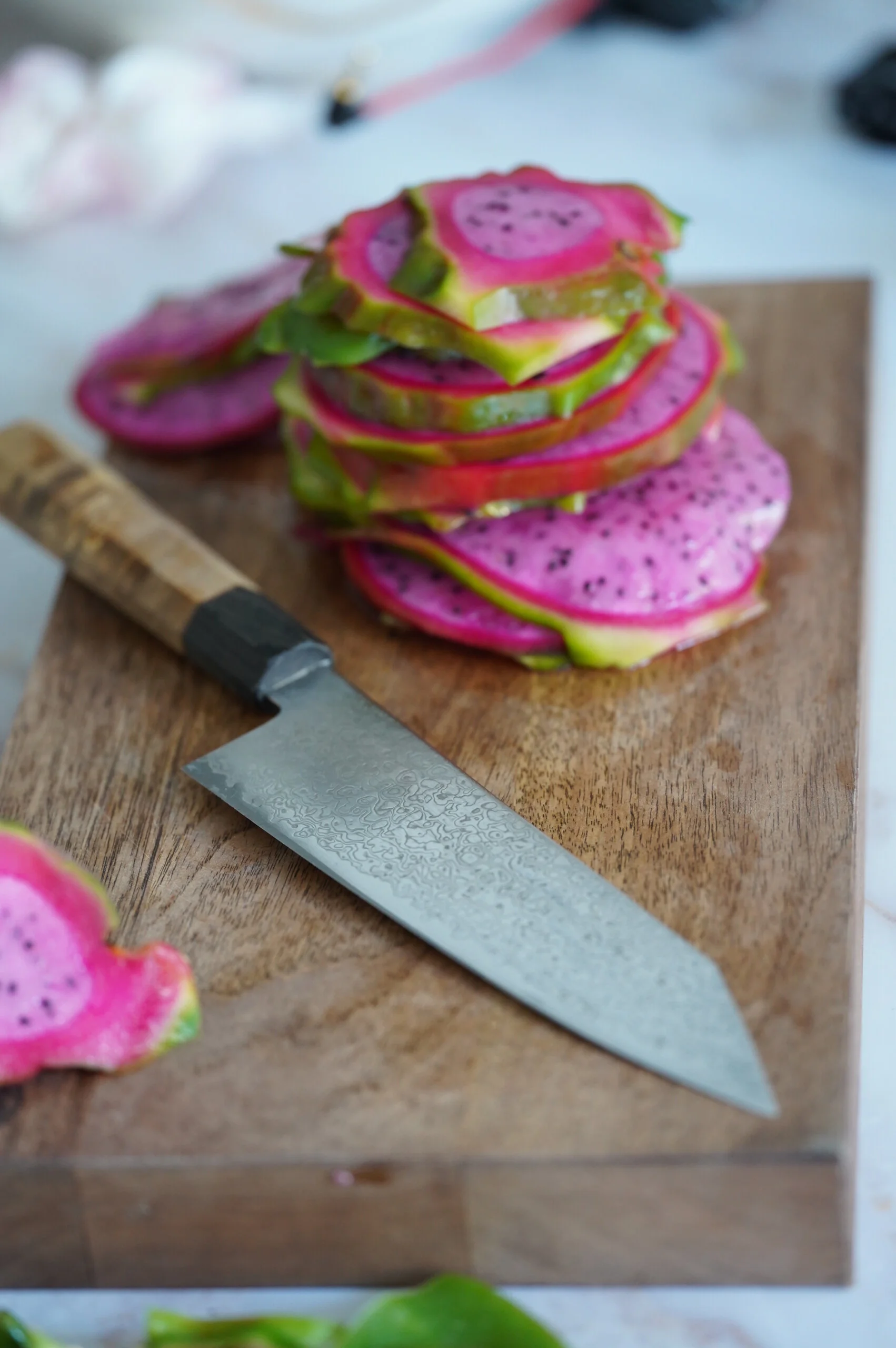
Beyond a good Japanese knife: the magnetic rack, walnut board, wooden spoons and linen apron that quietly earn their counter space.
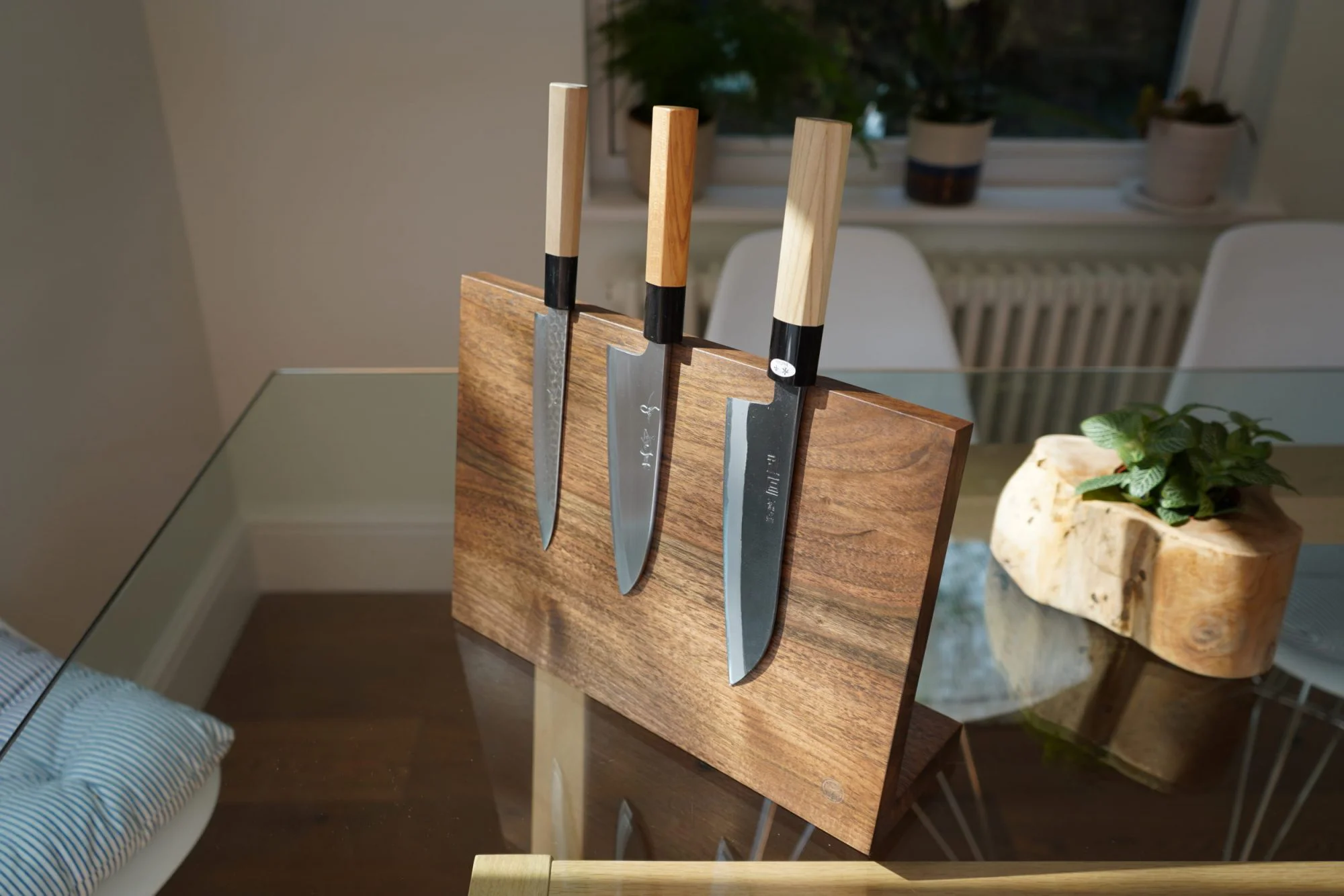
A towel holder, a clip-on meat thermometer, measuring spoons that nest together: six magnets that claw back counter space in a small kitchen.
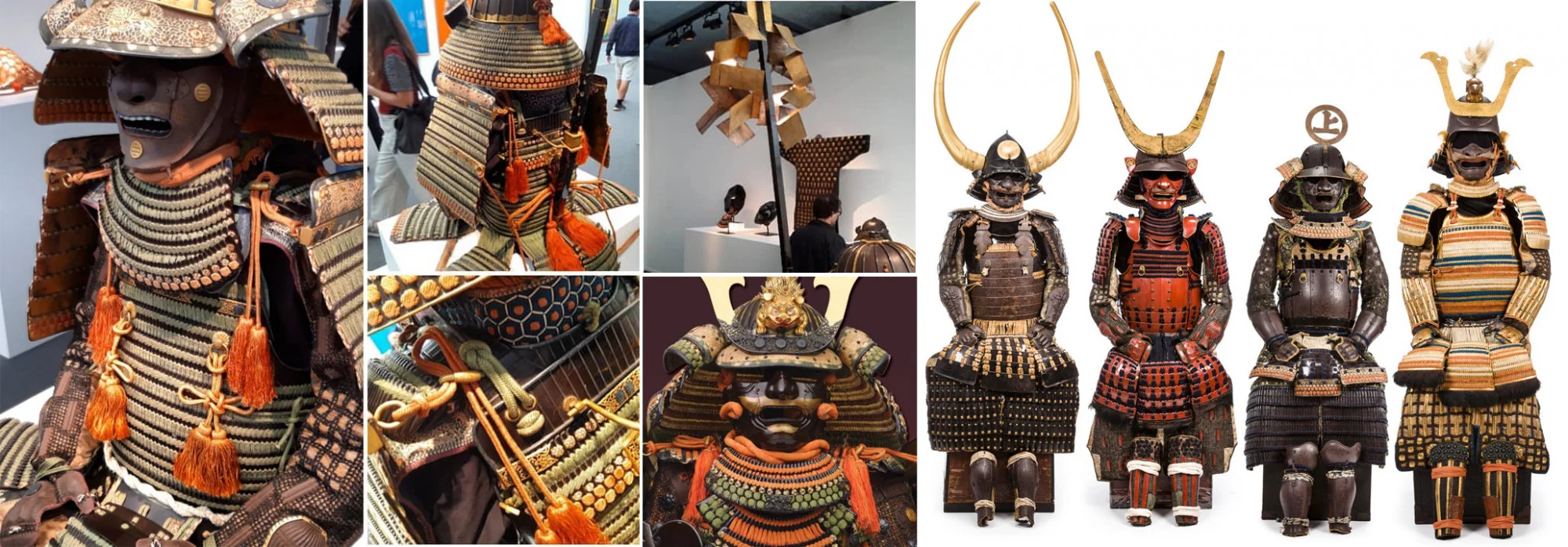
One suit of samurai armour needed up to 300 metres of braided silk cord. Kumihimo’s patterns were guarded like family secrets, and some still are.
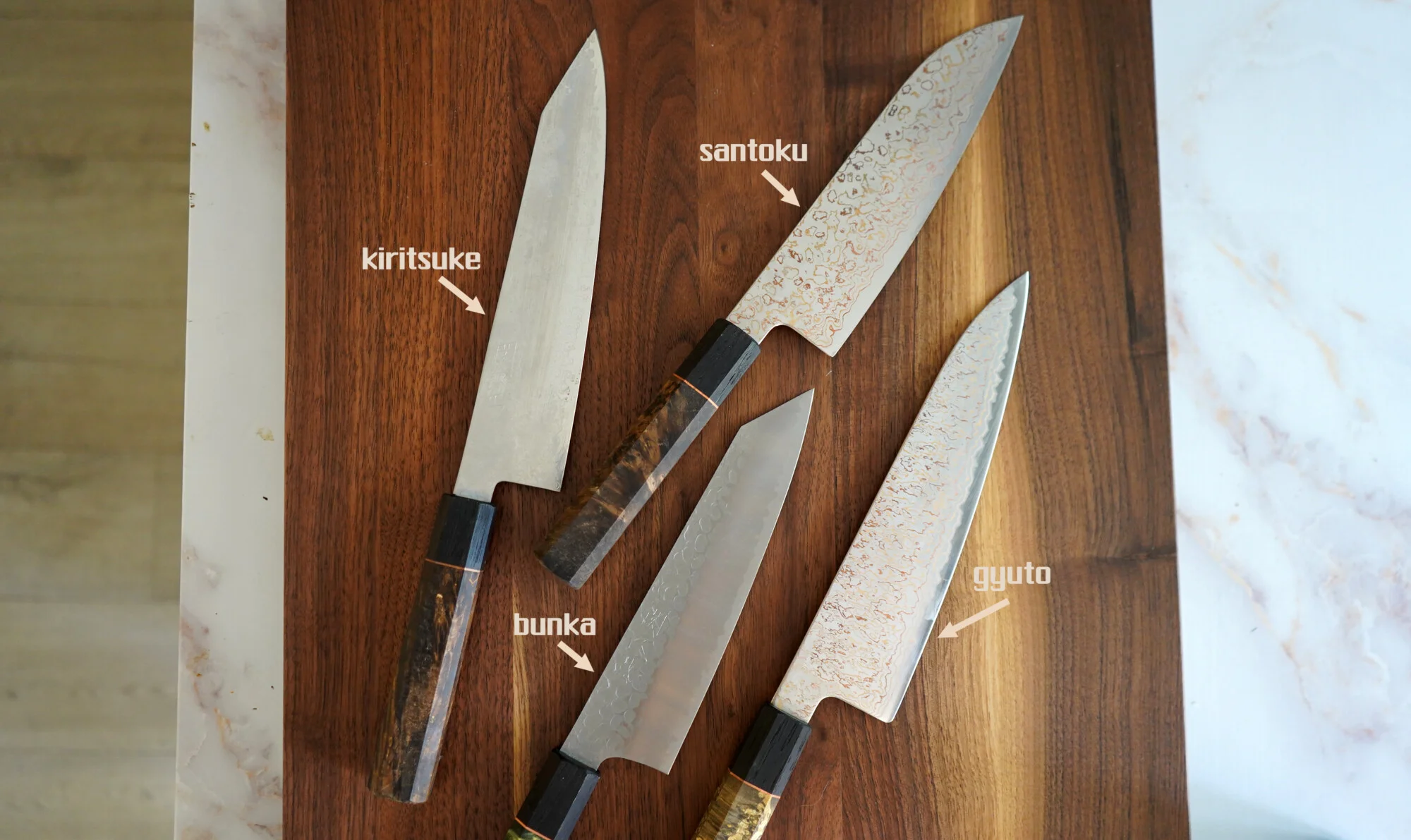
Index finger along the spine, one smooth pull toward you: slicing fish with a yanagiba, from the straight hira giri to the angled sogi giri.

In Japan the presentation outweighs the price tag, and every gift received calls for an O-kaeshi return worth about half its value.
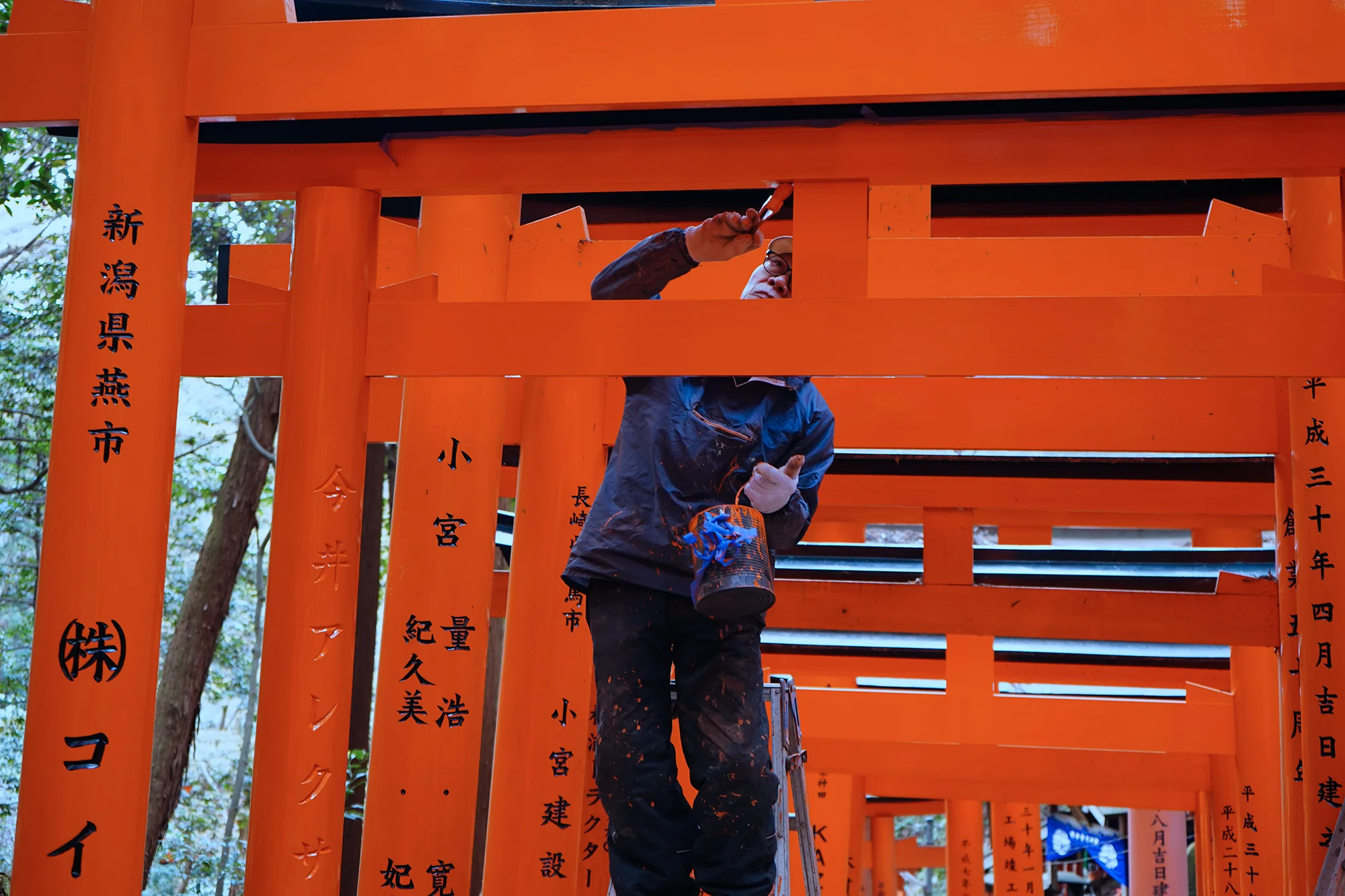
In Ogimi, a village of 3,000 with the world’s longest-lived residents, ikigai sits where what you love, what you’re good at and what matters overlap.
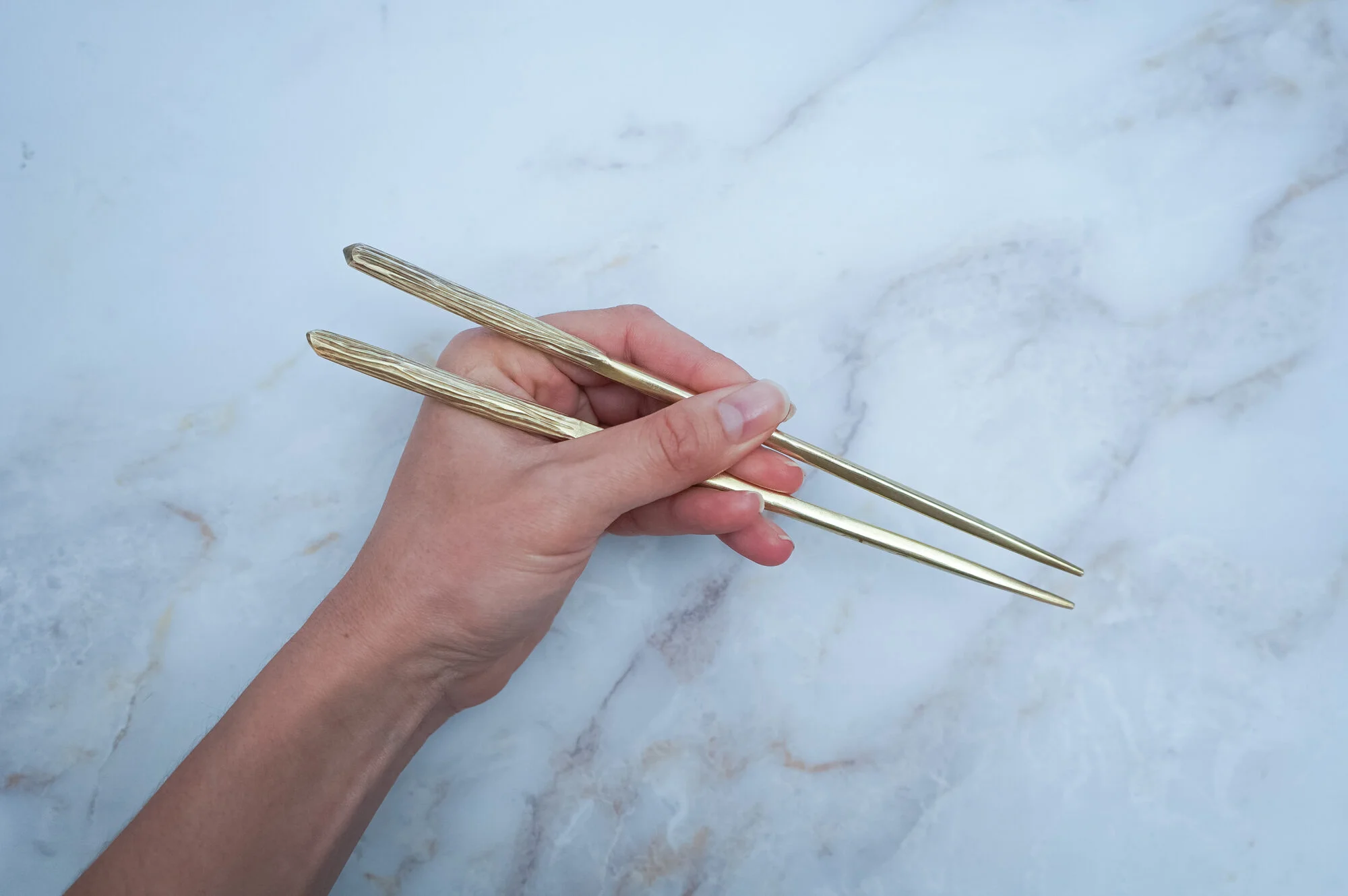
Grip two-thirds up the barrel and let only the top stick move. The mechanics of chopsticks, plus which length and wood make them easiest.
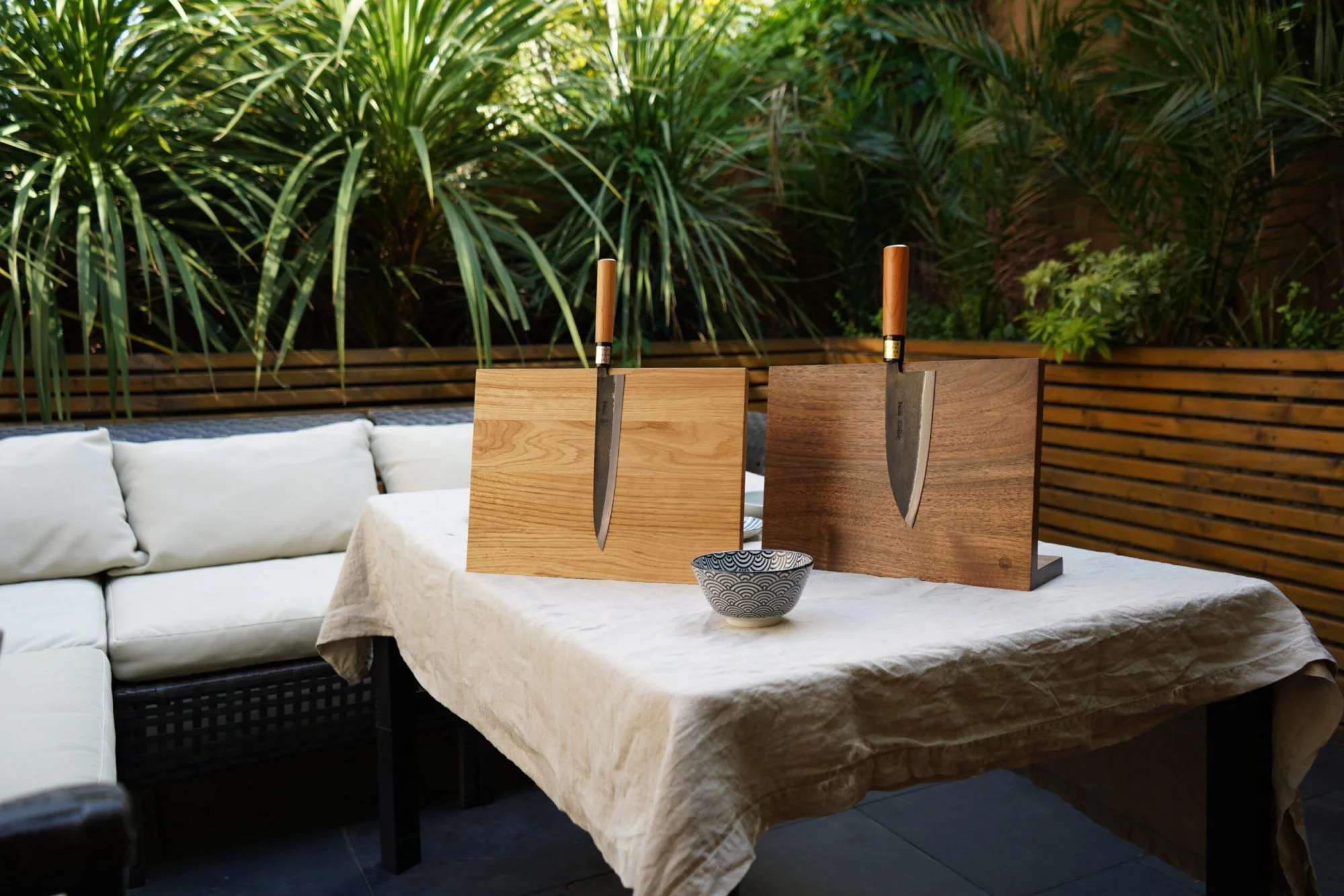
Blade up or handle up? After testing racks up to 50cm, the Oishya team keeps handles at the bottom so no edge sits where your reaching hand lands.
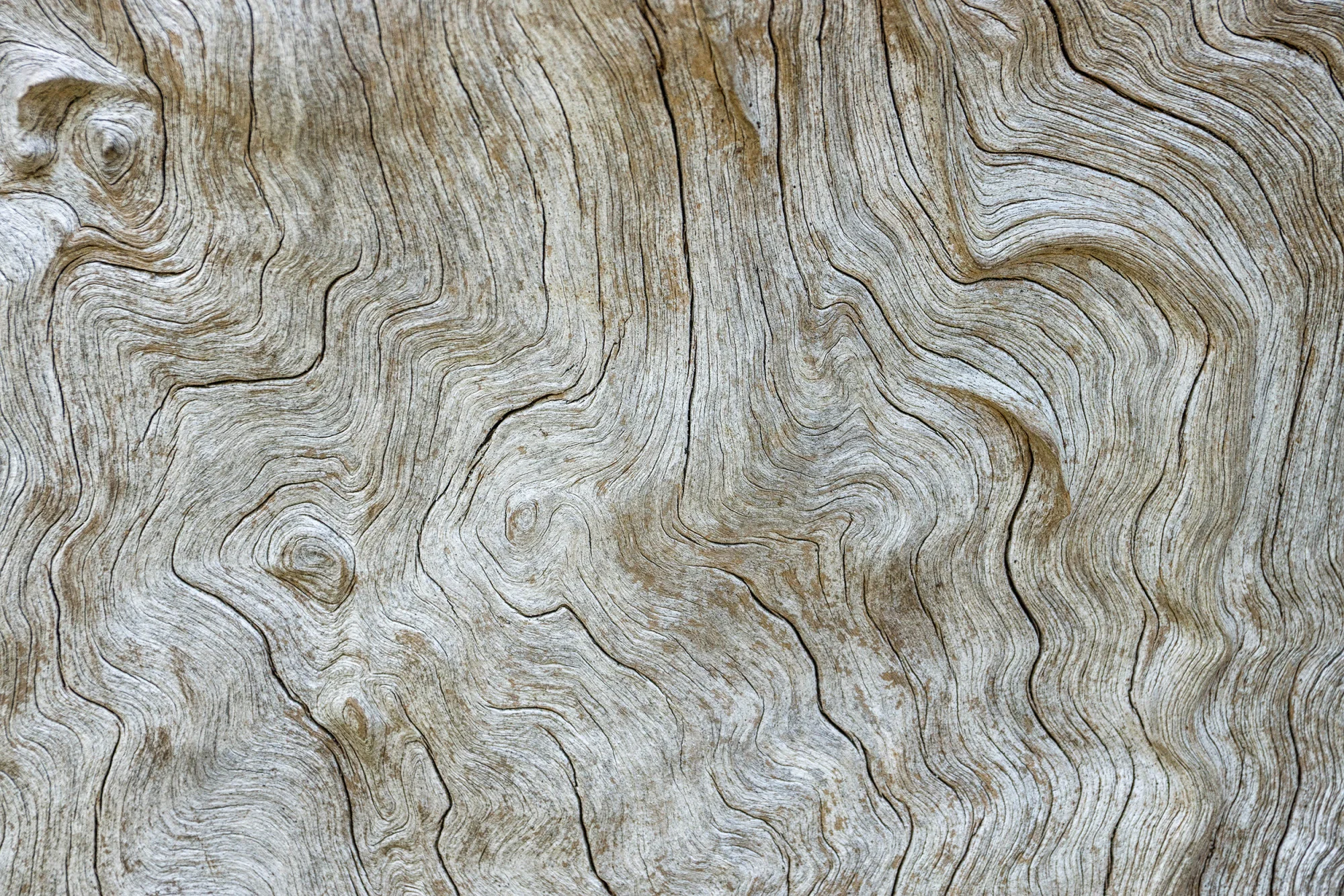
End grain costs more and resists warping; edge grain is cheaper but harder on your blade. Either way, wood beats plastic on hygiene.
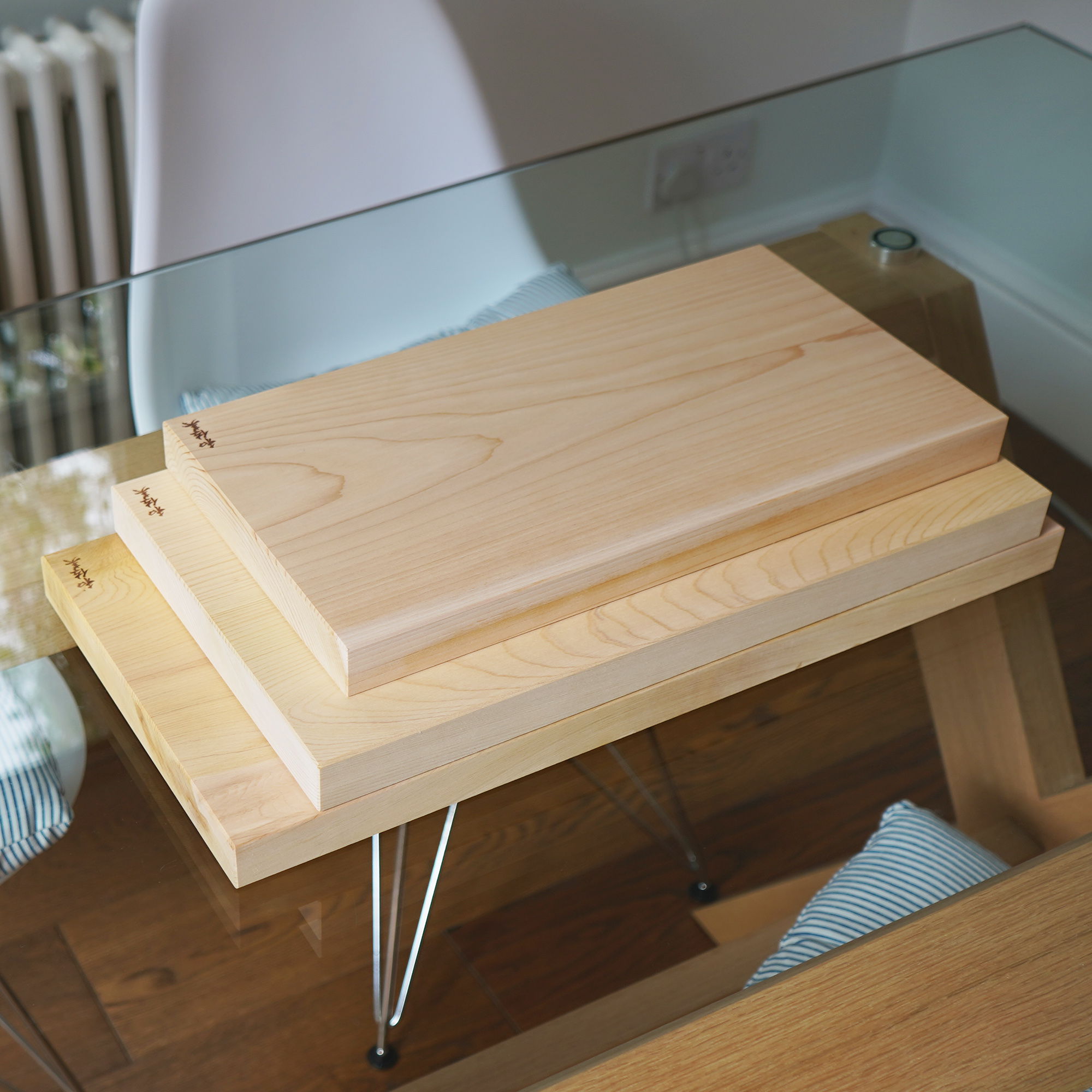
Glass, marble, bamboo and steel all wreck a fine edge. End-grain hinoki, hiba or walnut give the blade something to sink into instead.
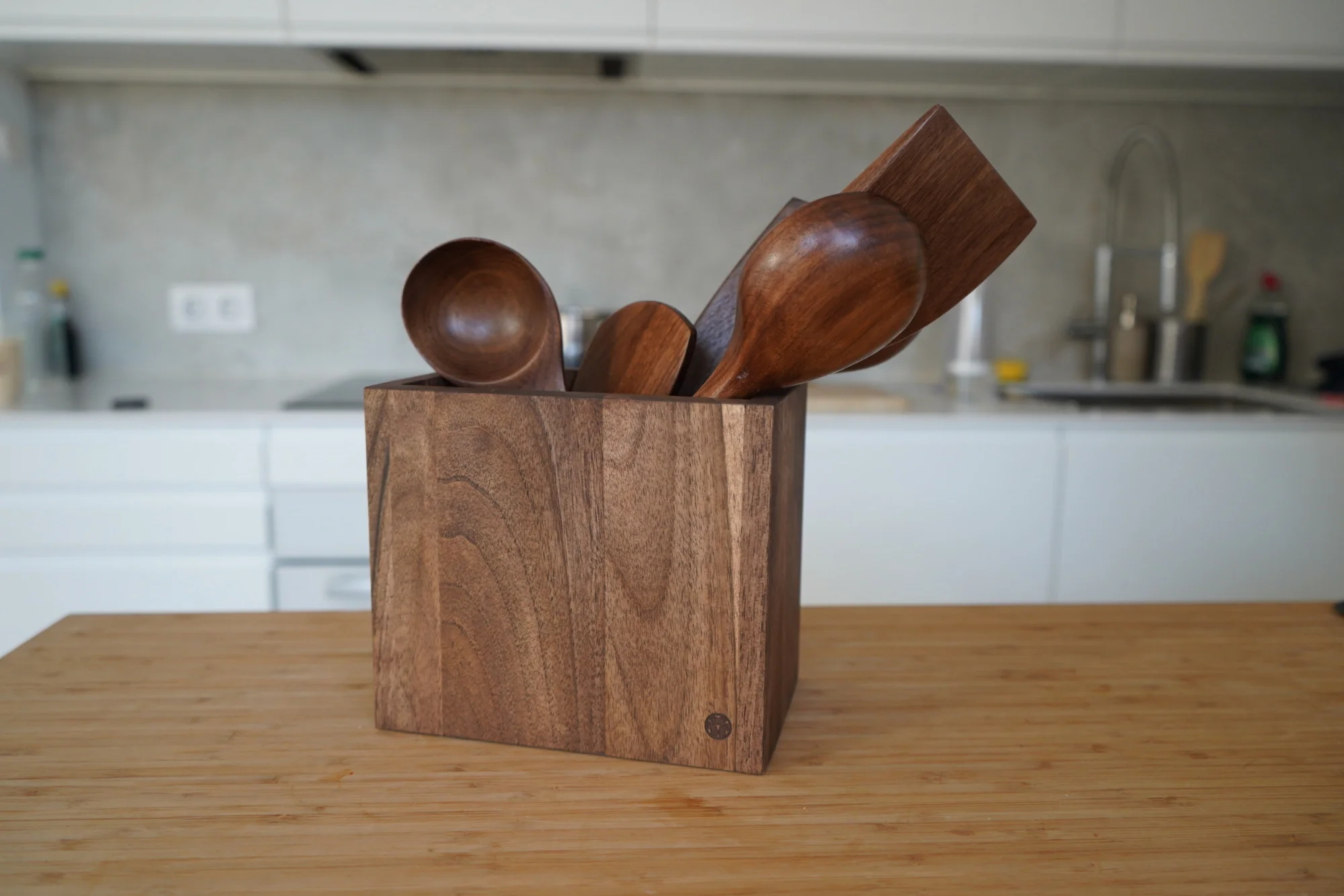
After advising thousands of customers, here are the eight tools we’d actually stock a kitchen with, and yes, we lean hard toward Japan.
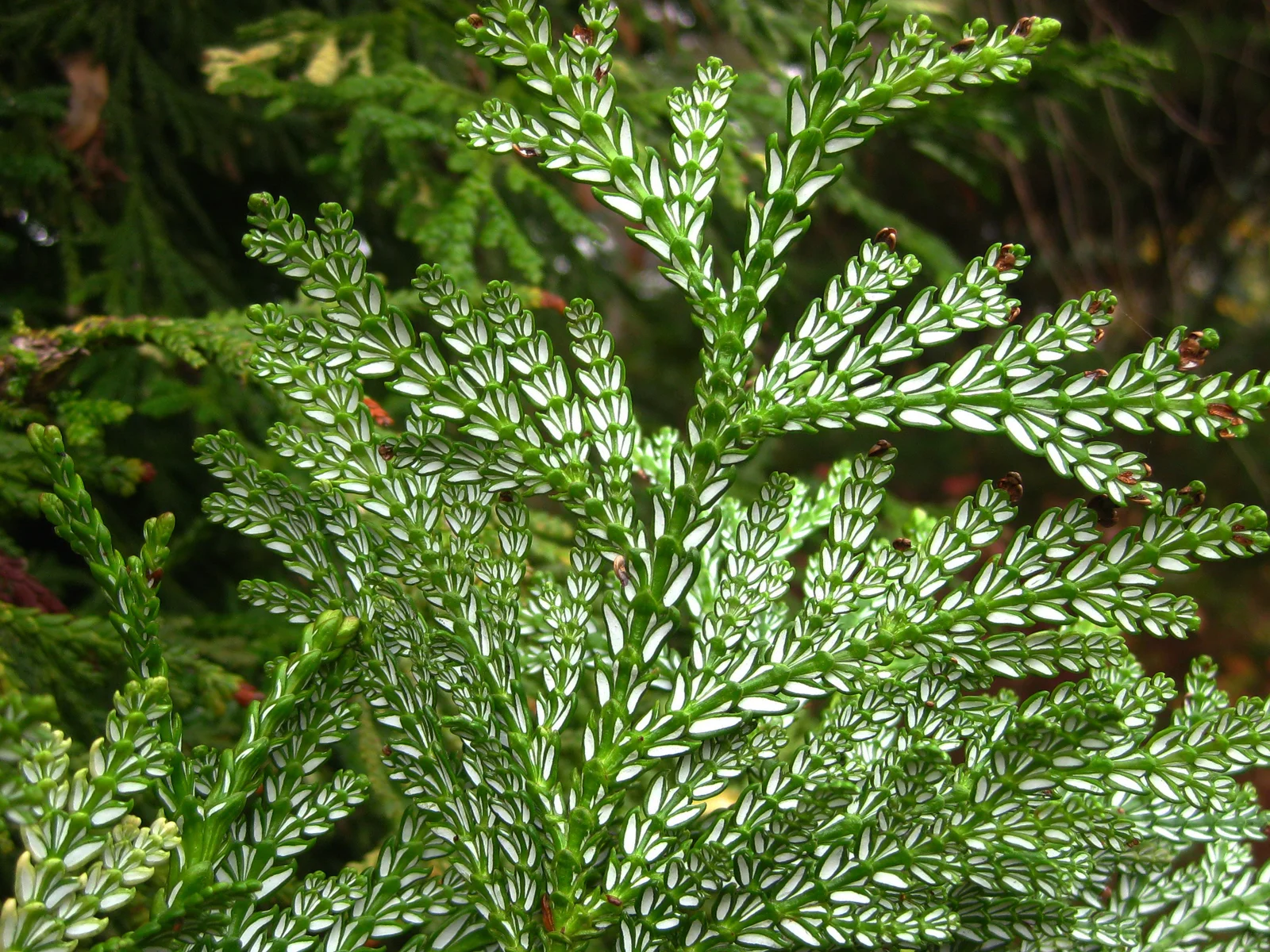
A house of hiba keeps mosquitoes out for three years, the saying goes; this cypress grows 250 years and carries hinokitiol, a compound that repels insects.
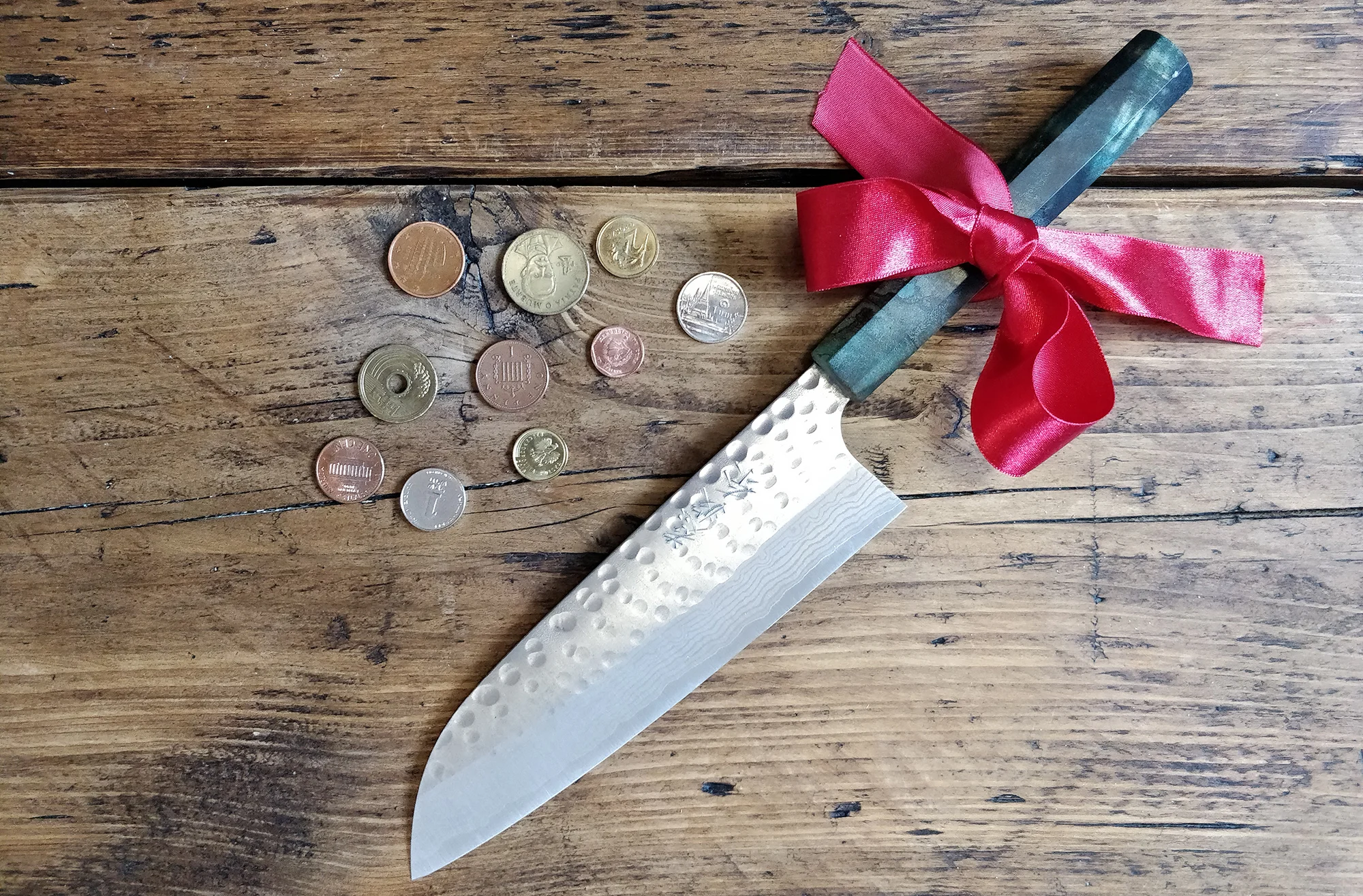
Fifteen presents for the Japan obsessive in your life, from a 100-sheet origami set to a kintsugi kit and 24-carat gold-lined bone porcelain.
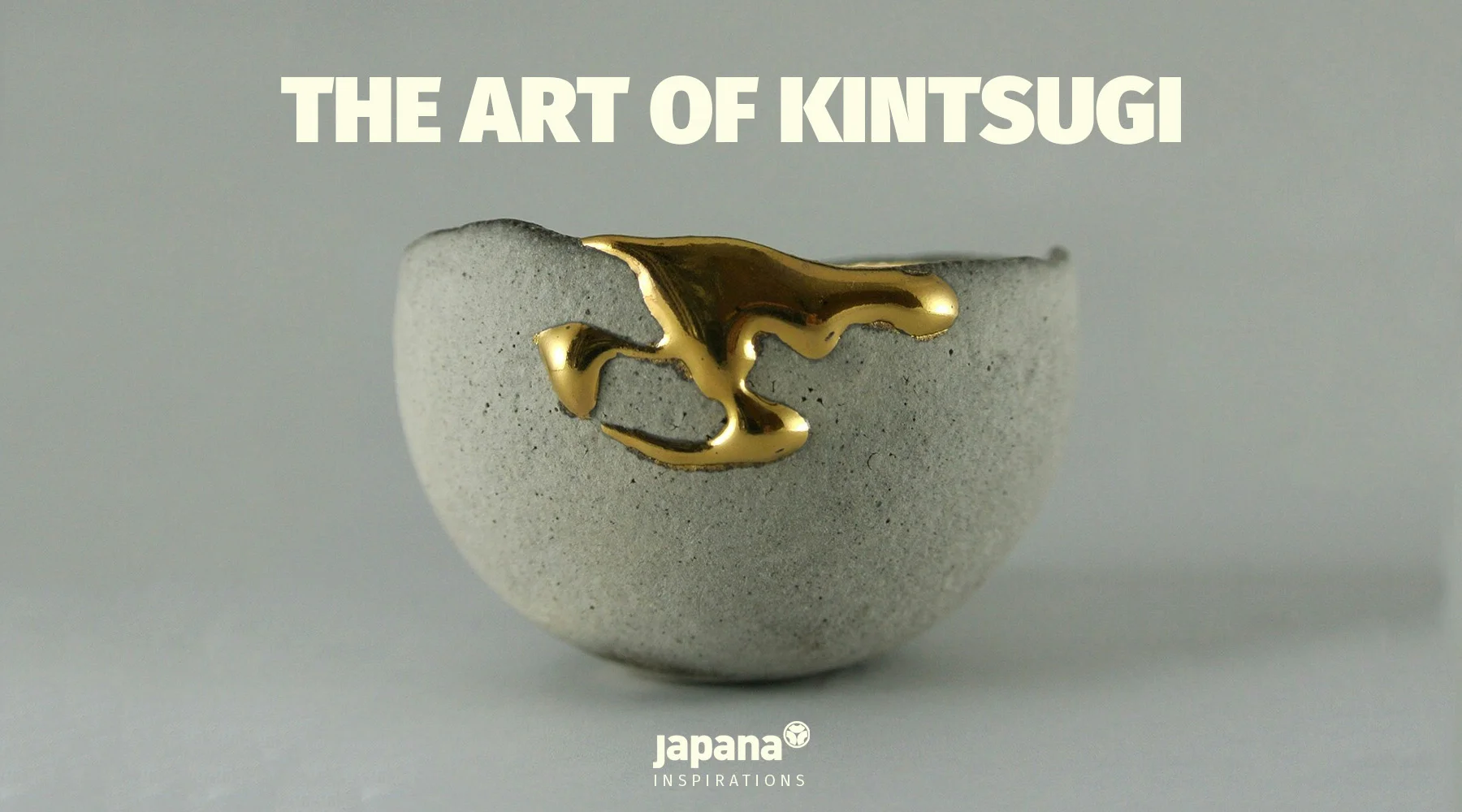
No glue, no filler: urushi lacquer and real gold powder bond broken pottery, and the golden seam is meant to stay imperfect because that flaw is the point.
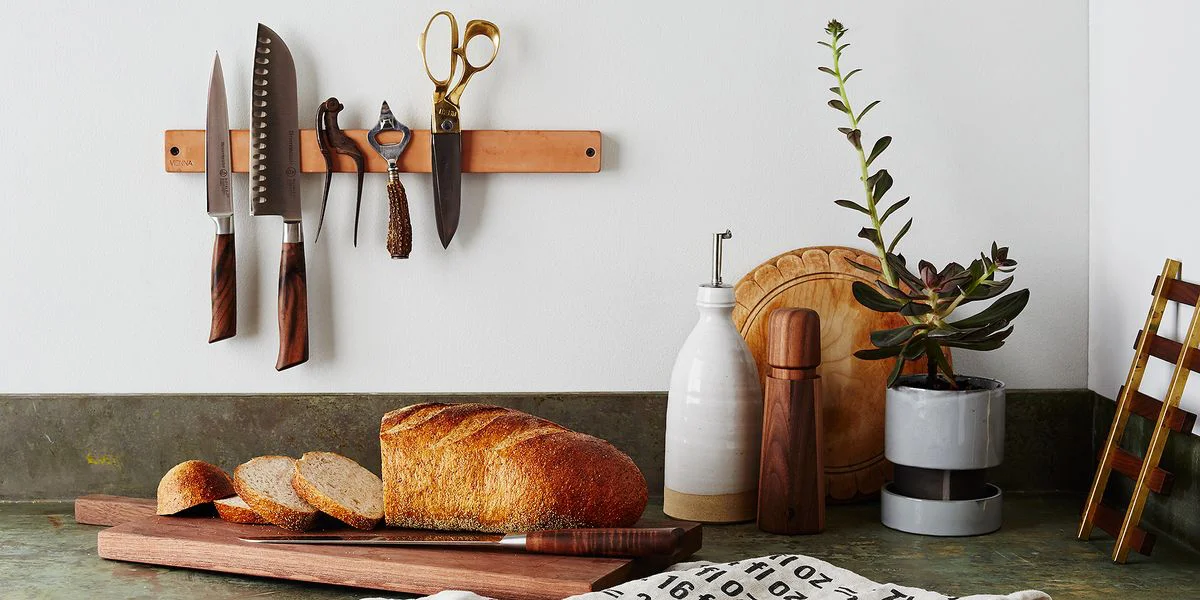
That magnetic strip will hold more than knives: drill bits in the workshop, drying paintbrushes, makeup brushes, pot lids and stray bobby pins.
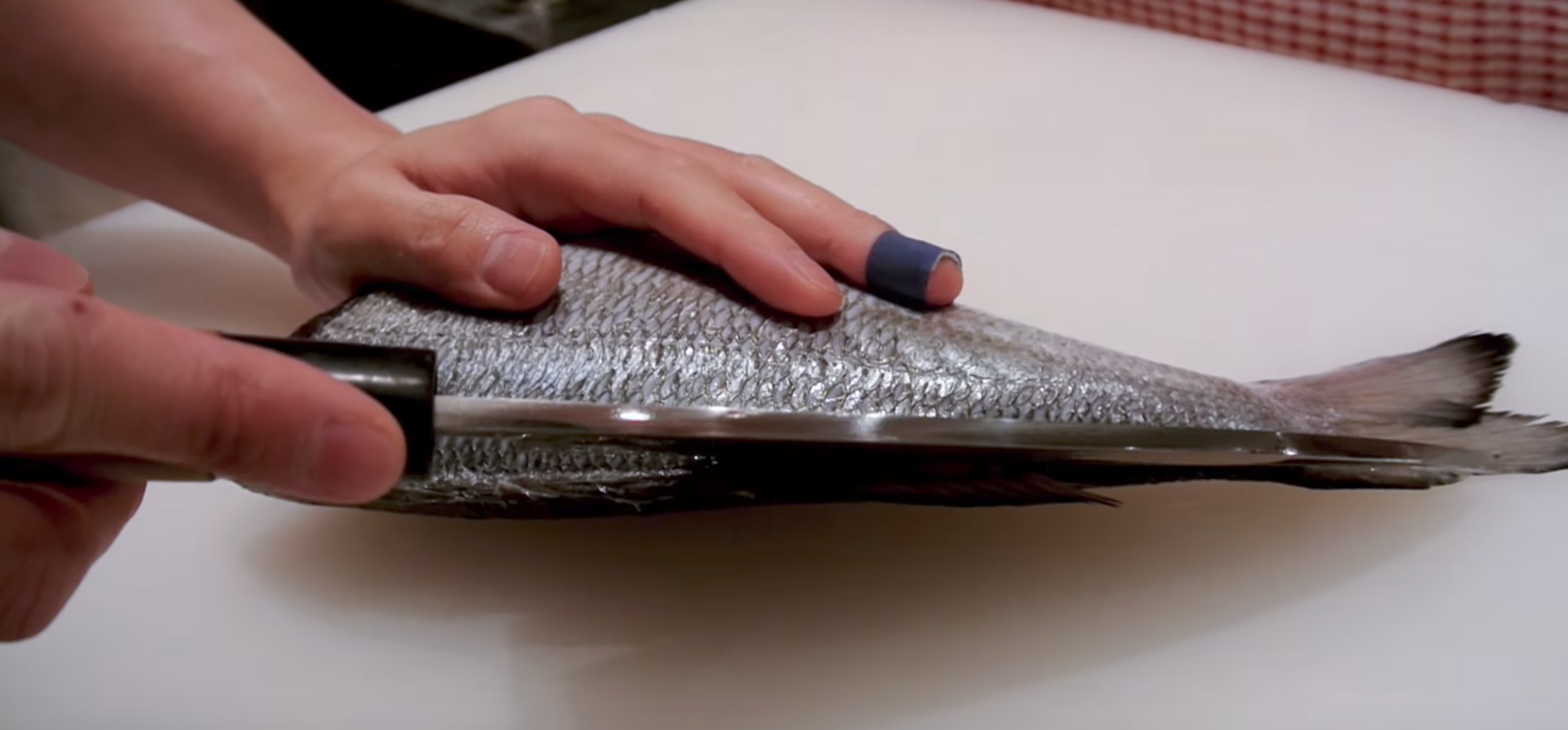
Trim the fins, open the belly, run the blade along the spine: filleting a round fish like sea bass or mackerel with a Deba, with a video to follow.
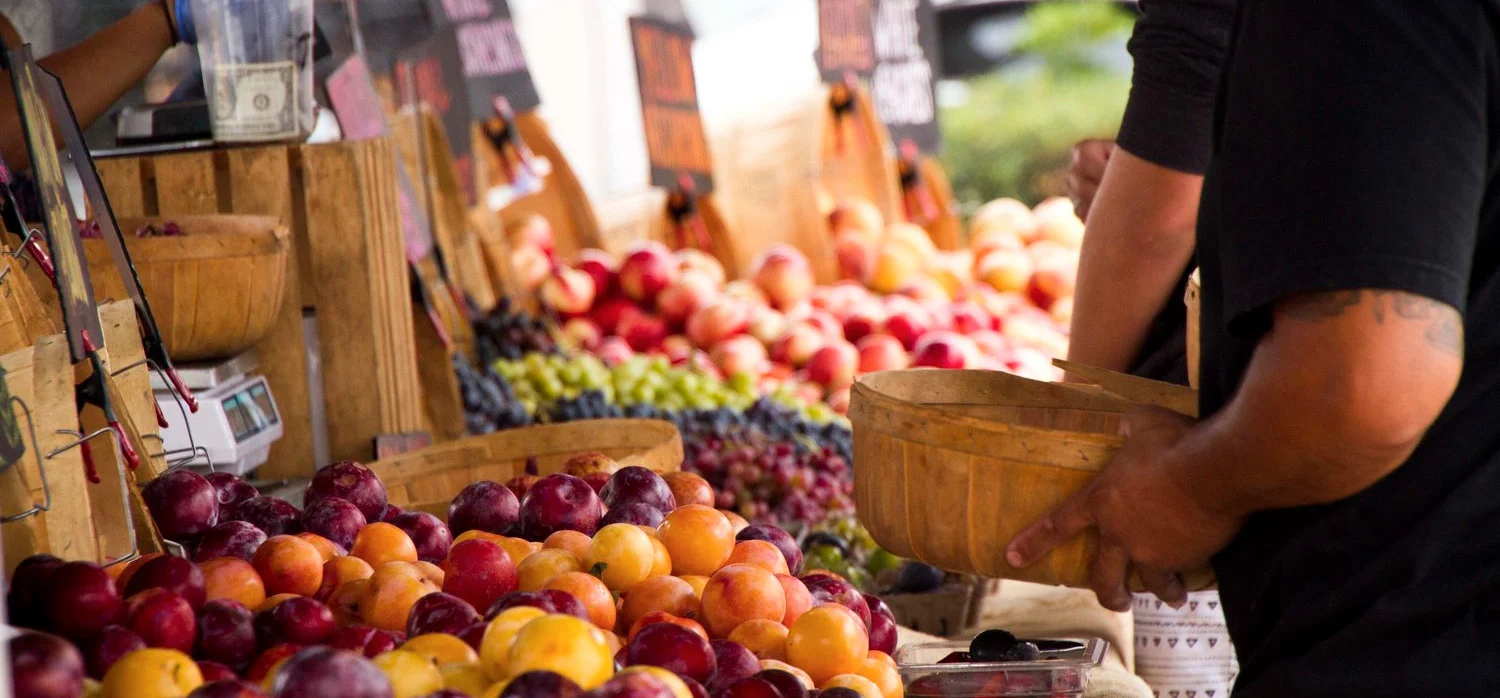
Fifteen working tips from chefs like Emeril Lagasse and Daniel Boulud: spotting ivory marbling in beef, skipping the £110 mandoline, and braising cheap cuts tender.
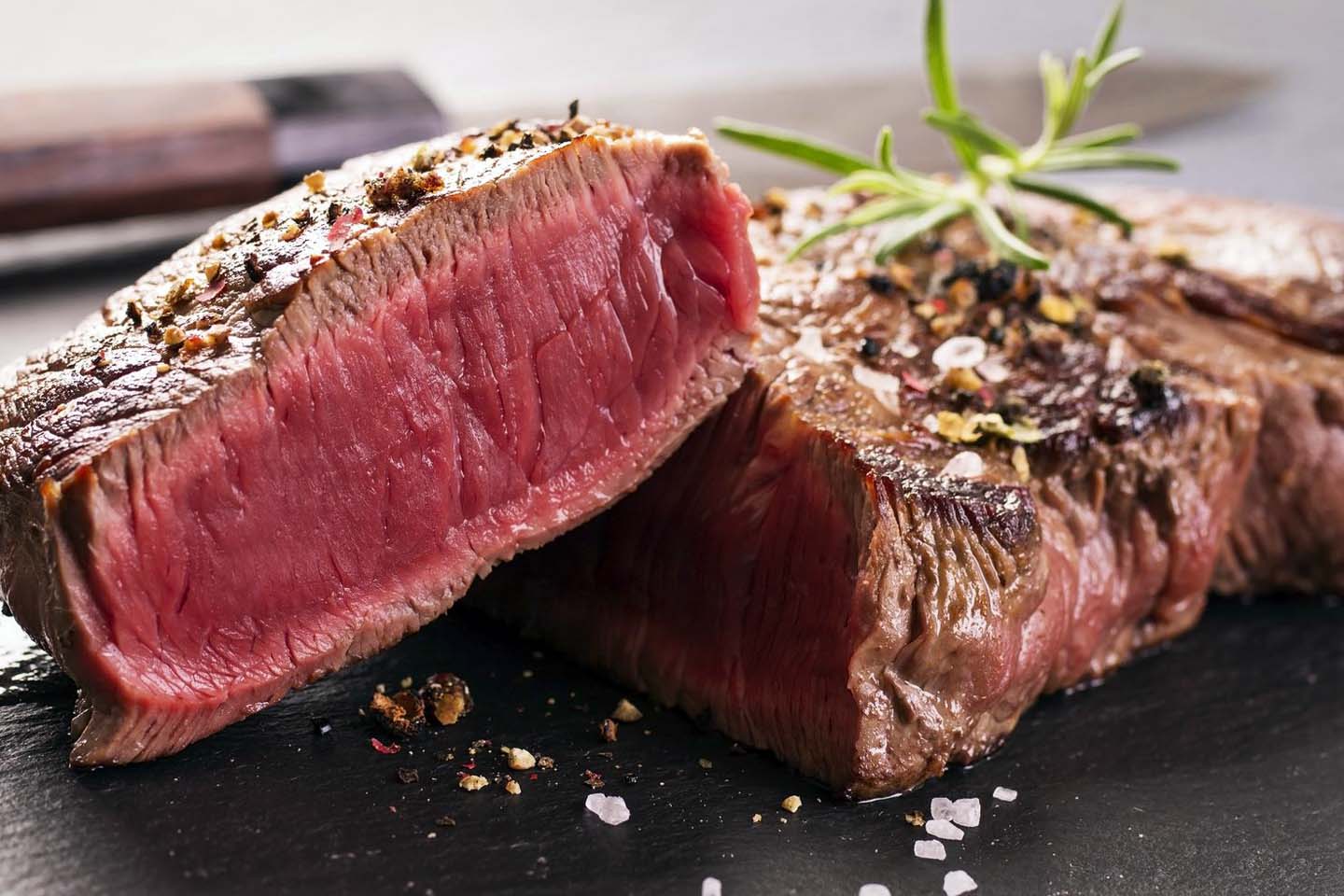
Wagyu runs around £200/kg, but 1kg feeds six and the cooking is almost insultingly simple: sear, season, serve from a screaming-hot cast-iron pan.
Run a pizza wheel through dough, drop a bread slice in with clumped brown sugar, microwave a lemon for 30 seconds: 25 fixes for everyday kitchen snags.
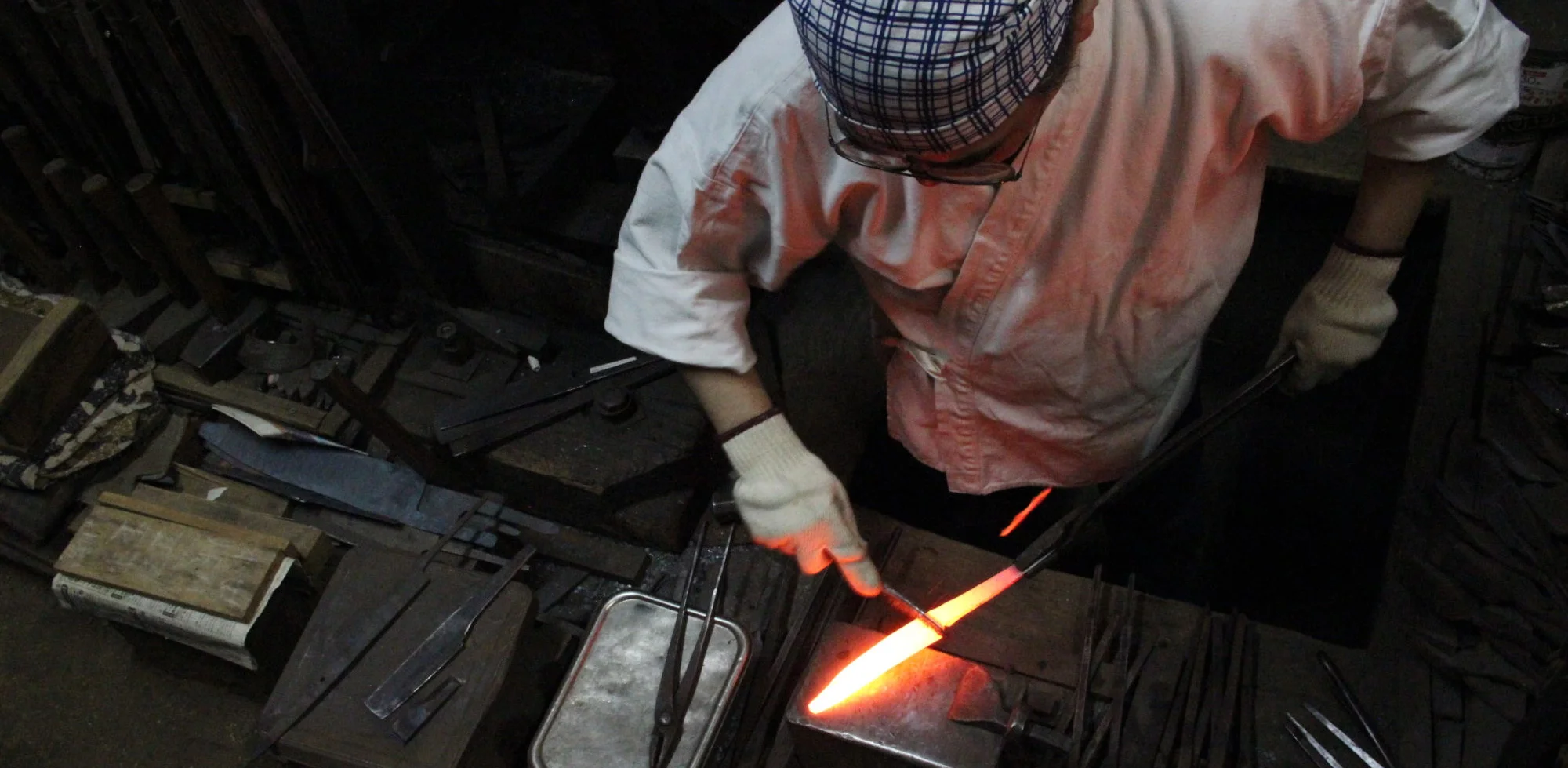
A $5,300 Yoshihiro Honyaki with a hamon shaped like Mount Fuji is only number ten here. Above it: diamonds, gold and rare wood.