
What Japanese Knife To Buy?
First proper knife? Buy a gyuto. Add a nakiri and a petty later, and those three handle most of what a kitchen throws at you.

First proper knife? Buy a gyuto. Add a nakiri and a petty later, and those three handle most of what a kitchen throws at you.

Sakai’s blacksmiths turned samurai sword craft into tobacco-cutting knives after the Portuguese brought tobacco to Japan in the 16th century.

Beyond a good Japanese knife: the magnetic rack, walnut board, wooden spoons and linen apron that quietly earn their counter space.

Skip the fifteen-slot block. A Gyuto, a Nakiri, a Petty and one serrated blade handle nearly everything you’ll cut at home.

A towel holder, a clip-on meat thermometer, measuring spoons that nest together: six magnets that claw back counter space in a small kitchen.

One suit of samurai armour needed up to 300 metres of braided silk cord. Kumihimo’s patterns were guarded like family secrets, and some still are.

Index finger along the spine, one smooth pull toward you: slicing fish with a yanagiba, from the straight hira giri to the angled sogi giri.

In Japan the presentation outweighs the price tag, and every gift received calls for an O-kaeshi return worth about half its value.

In Ogimi, a village of 3,000 with the world’s longest-lived residents, ikigai sits where what you love, what you’re good at and what matters overlap.

Which whetstone grit to use for Japanese knives, from coarse stones under 1000 for chips to 4000 to 8000 finishing stones for the edge.

The santoku’s flat blade wants a straight up-and-down chop; the gyuto’s curve lets you rock. That belly, or lack of it, decides which suits your hands.

Grip two-thirds up the barrel and let only the top stick move. The mechanics of chopsticks, plus which length and wood make them easiest.

Blade up or handle up? After testing racks up to 50cm, the Oishya team keeps handles at the bottom so no edge sits where your reaching hand lands.

End grain costs more and resists warping; edge grain is cheaper but harder on your blade. Either way, wood beats plastic on hygiene.
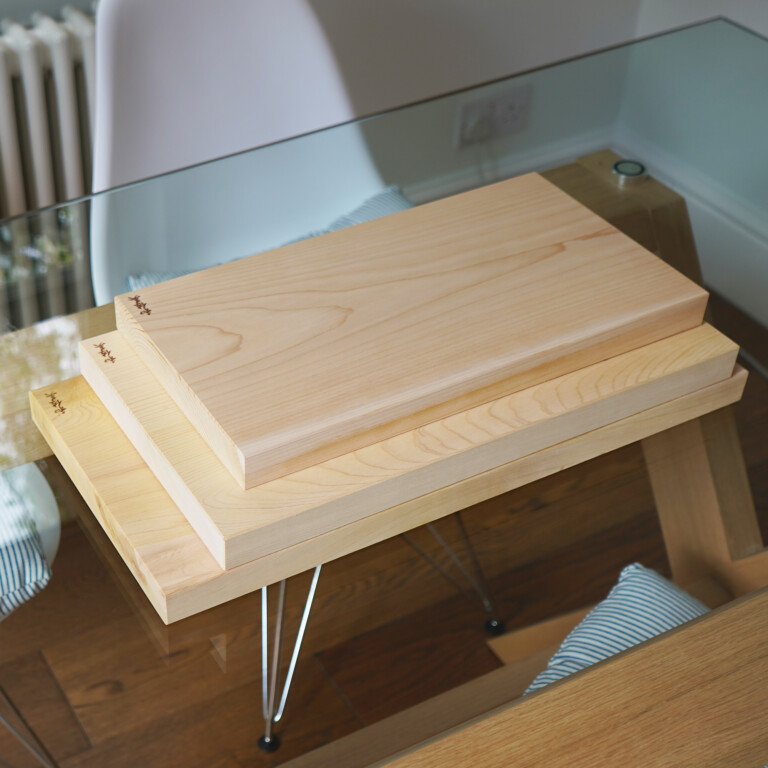
Glass, marble, bamboo and steel all wreck a fine edge. End-grain hinoki, hiba or walnut give the blade something to sink into instead.

Will a knife ‘cut’ a friendship? The old superstition says yes, but hand over a coin (we include a 5 yen piece) and the gift is safe.

Why minimalist interiors help your wellbeing, tracing the idea from Lao Tzu and Confucius to Japanese danshari and Zen-influenced design.

You’ll reach for the chef’s knife 99% of the time, so spend there first. Why a £30 blade can beat a £500 one, and why the sharpest is the safest.

Japanese onsen are mineral-rich hot springs that ease stress and aid recovery, with a clear guide to bathing etiquette for first-time visitors.

A honing rod realigns your edge, it doesn’t sharpen it, and the dull knife is the dangerous one. Seven habits that keep blades keen and hands intact.

Fumio Sasaki owns 150 things and lives in 30 square metres. Danshari is Japanese decluttering measured by how your stuff makes you feel.

No, a magnet won’t ruin a well-kept blade. The real harm comes from cheap racks that drag your edge across a bare metal face.

Why do Japanese and Scandinavian interiors look so alike? Six lessons on simple living, built around three materials: wood, stone and steel.

Above the sink, behind the stove, on the backsplash: ten spots for a magnetic knife rack, with a warning about weak magnets and humid walls.

How to declutter your kitchen the Japanese way using danshari, taking stock, paring down glassware, and storing daily items within easy reach.

After advising thousands of customers, here are the eight tools we’d actually stock a kitchen with, and yes, we lean hard toward Japan.

Not every samurai was a man: DNA from the 1580 Battle of Senbon Matsubaru revealed female warriors, the naginata-wielding Onna-Bugeisha.

A house of hiba keeps mosquitoes out for three years, the saying goes; this cypress grows 250 years and carries hinokitiol, a compound that repels insects.

Ceramic is the second-hardest material after diamond, so it keeps an edge for years and won’t pass odours between foods. Its weakness against steel? Chipping.

A pro runs a knife 40 hours a week; you use one for twenty minutes a night. That gap, not edge retention, should pick your first Japanese blade.
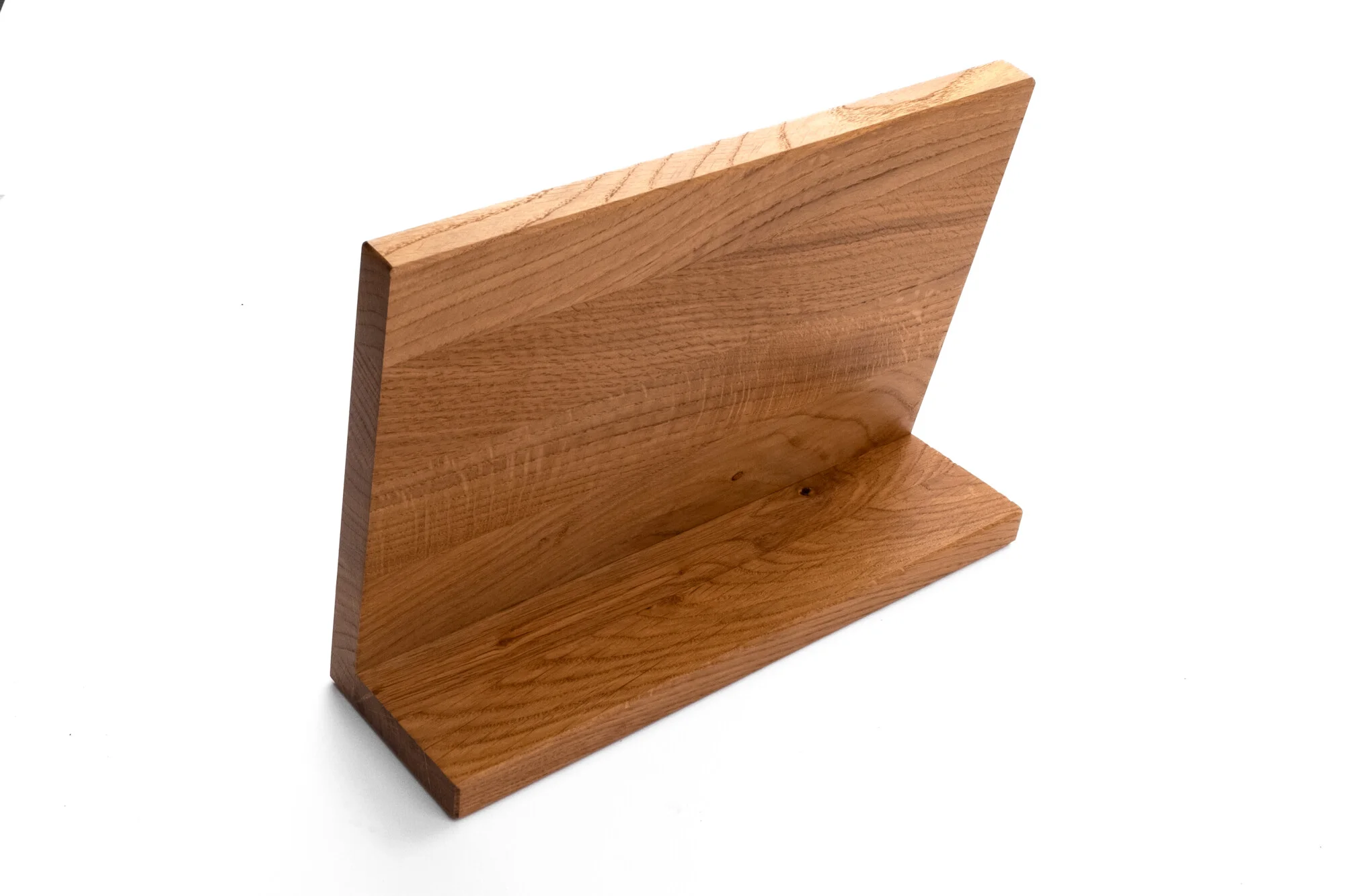
Five rules for caring for a Japanese knife, covering hand washing, the right cutting board, whetstone sharpening, and proper storage.
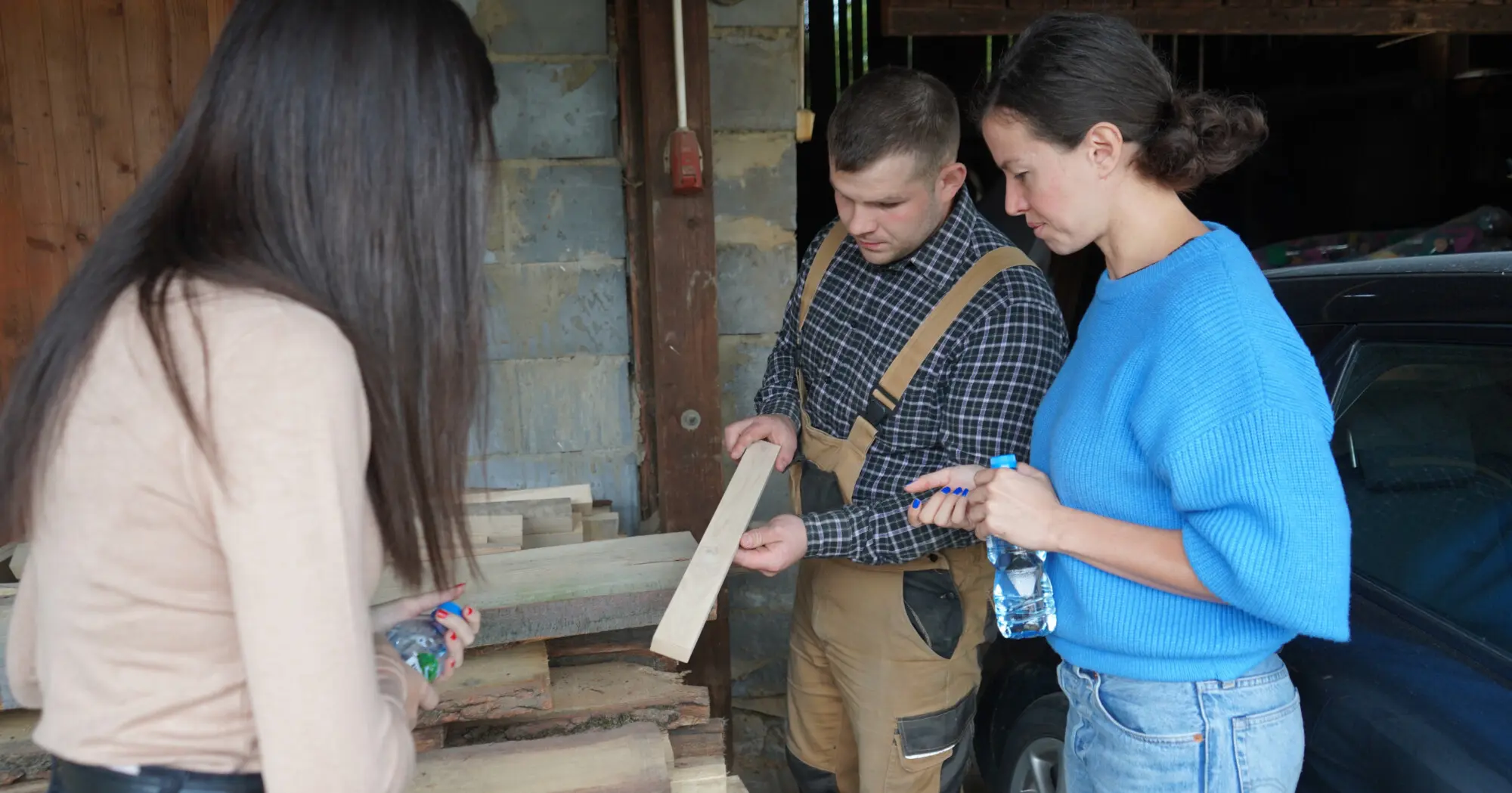
The story of Oishya, a brand born from trips to Sakai and Seki that works with Japanese workshops to make knives for European home cooks.
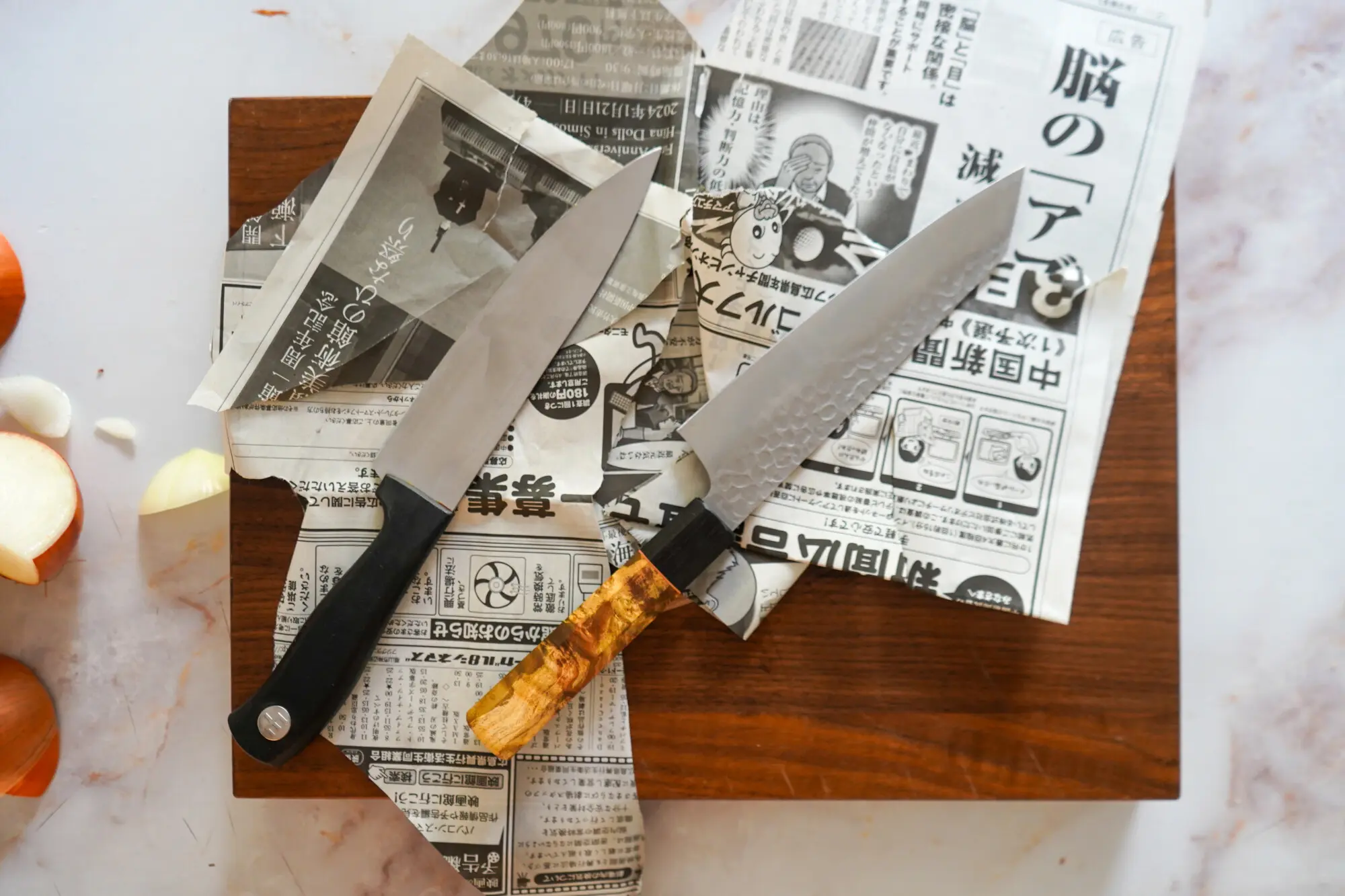
Ten kitchen gifts for summer 2026 cooks, from a Sakai Kyuba santoku and brass chopsticks to walnut cutting boards and a three-knife set.

Five rules for caring for a Japanese knife, covering hand washing, the right cutting board, whetstone sharpening, and proper storage.
The story of Oishya, a brand born from trips to Sakai and Seki that works with Japanese workshops to make knives for European home cooks.
Ten kitchen gifts for summer 2026 cooks, from a Sakai Kyuba santoku and brass chopsticks to walnut cutting boards and a three-knife set.