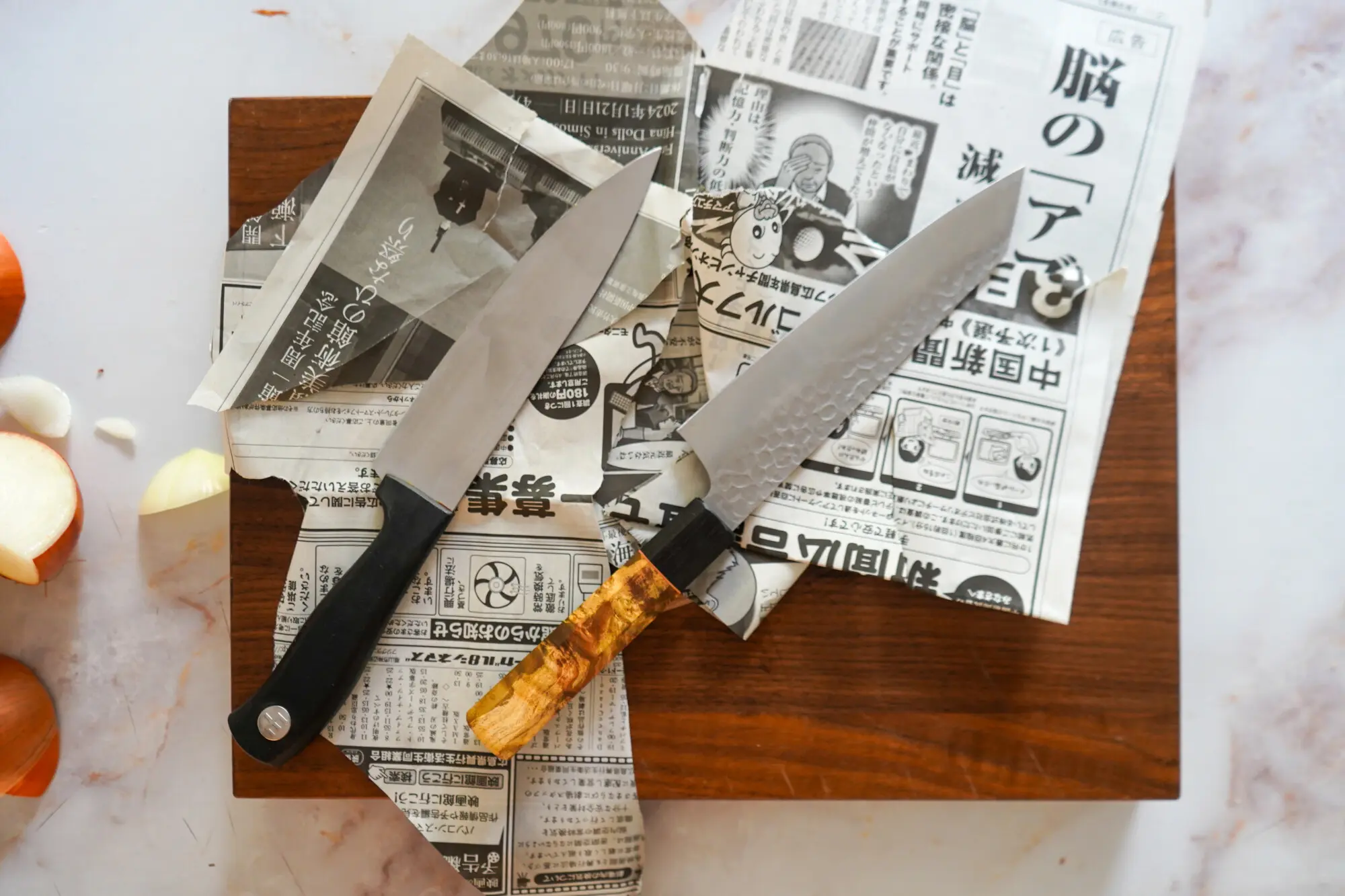
Five rules for caring for a Japanese knife, covering hand washing, the right cutting board, whetstone sharpening, and proper storage.

Five rules for caring for a Japanese knife, covering hand washing, the right cutting board, whetstone sharpening, and proper storage.
Ten kitchen gifts for summer 2026 cooks, from a Sakai Kyuba santoku and brass chopsticks to walnut cutting boards and a three-knife set.
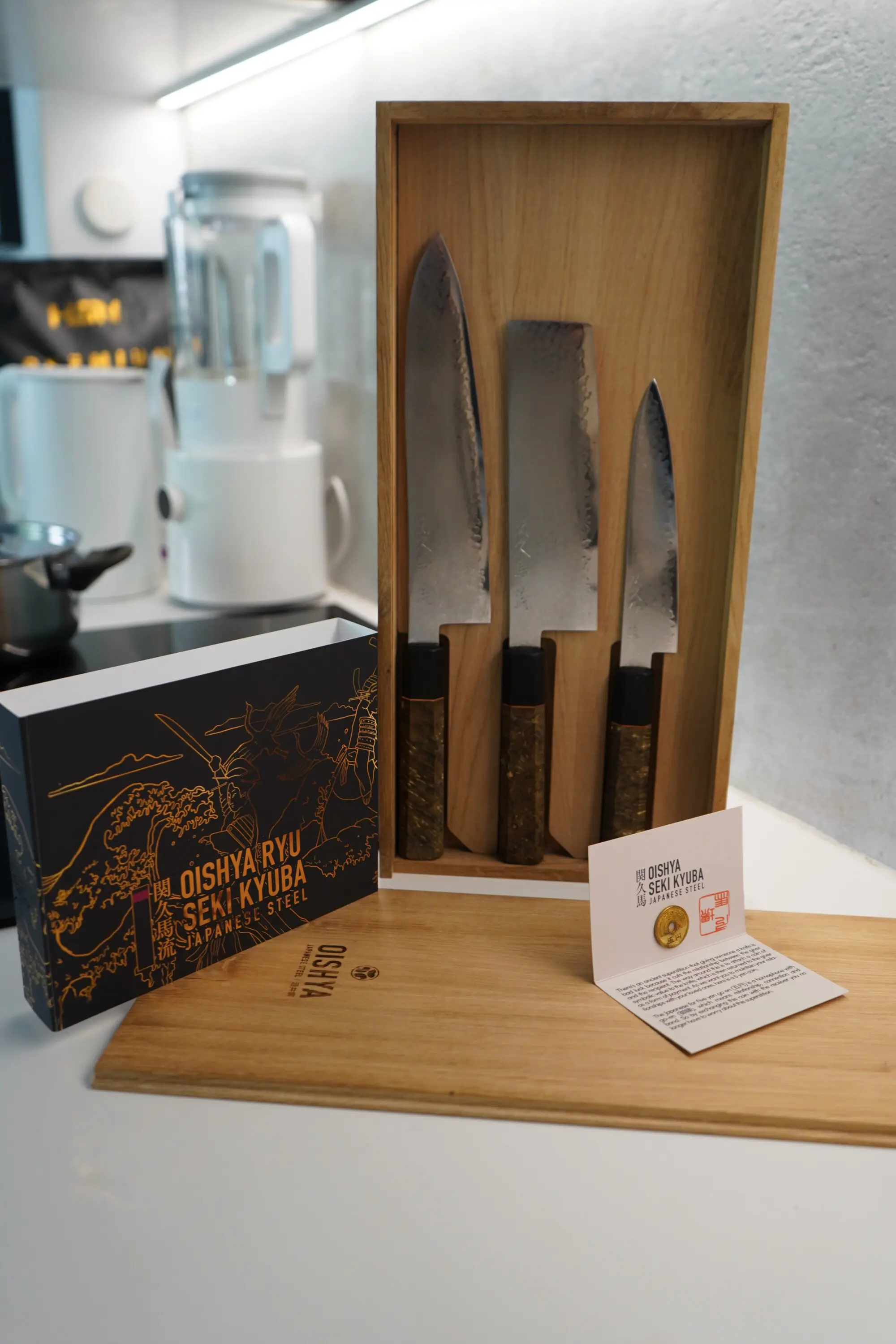
A beginner’s guide to Japanese knife sets, why the chef, vegetable and paring trio works, plus the Sakai Kyuba KYU Set for first-timers.
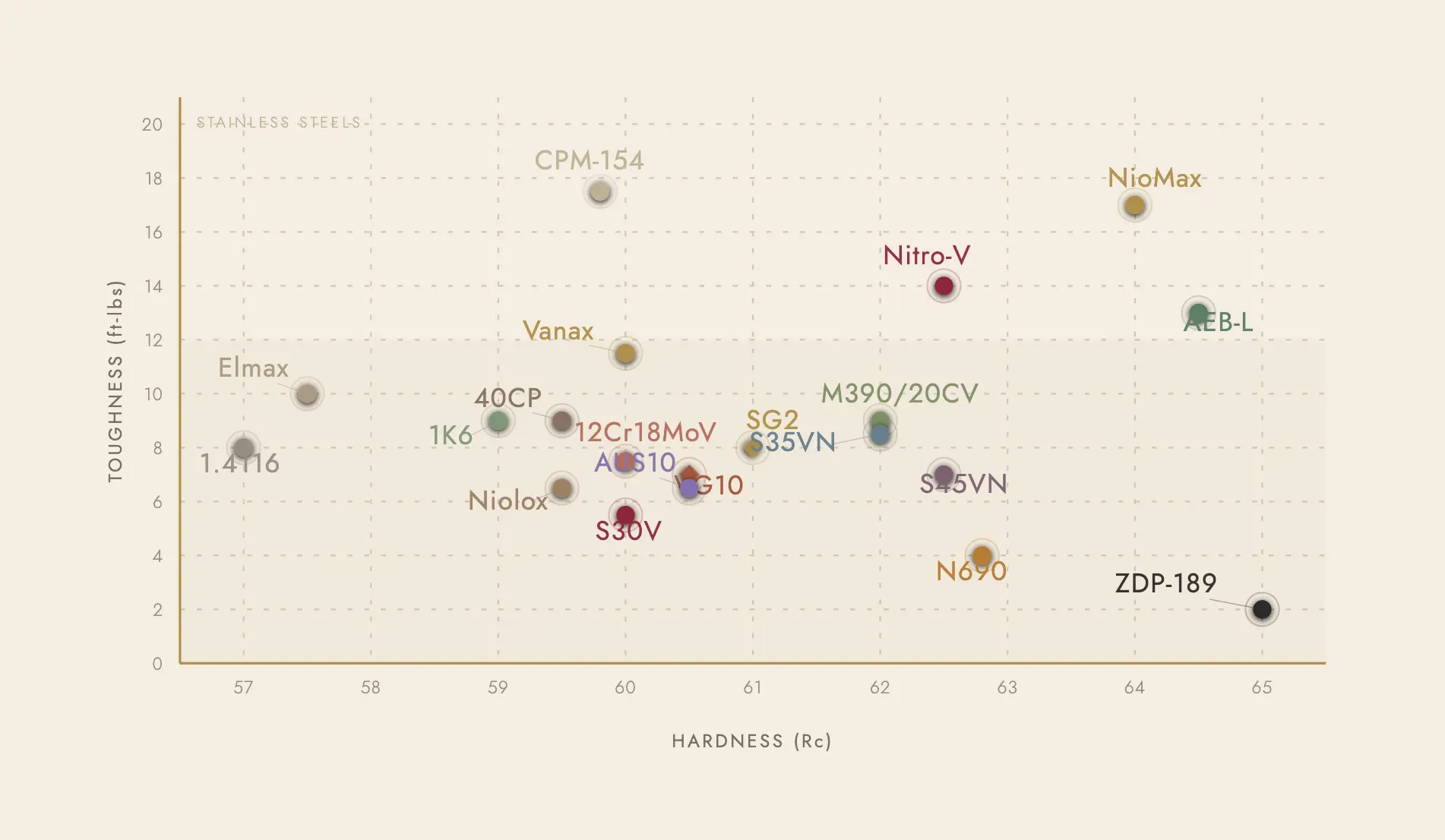
A reference on the stainless steels used in kitchen knives, from budget 1.4116 to VG10, SG2 and ZDP-189, and how carbon and chromium shape each one.
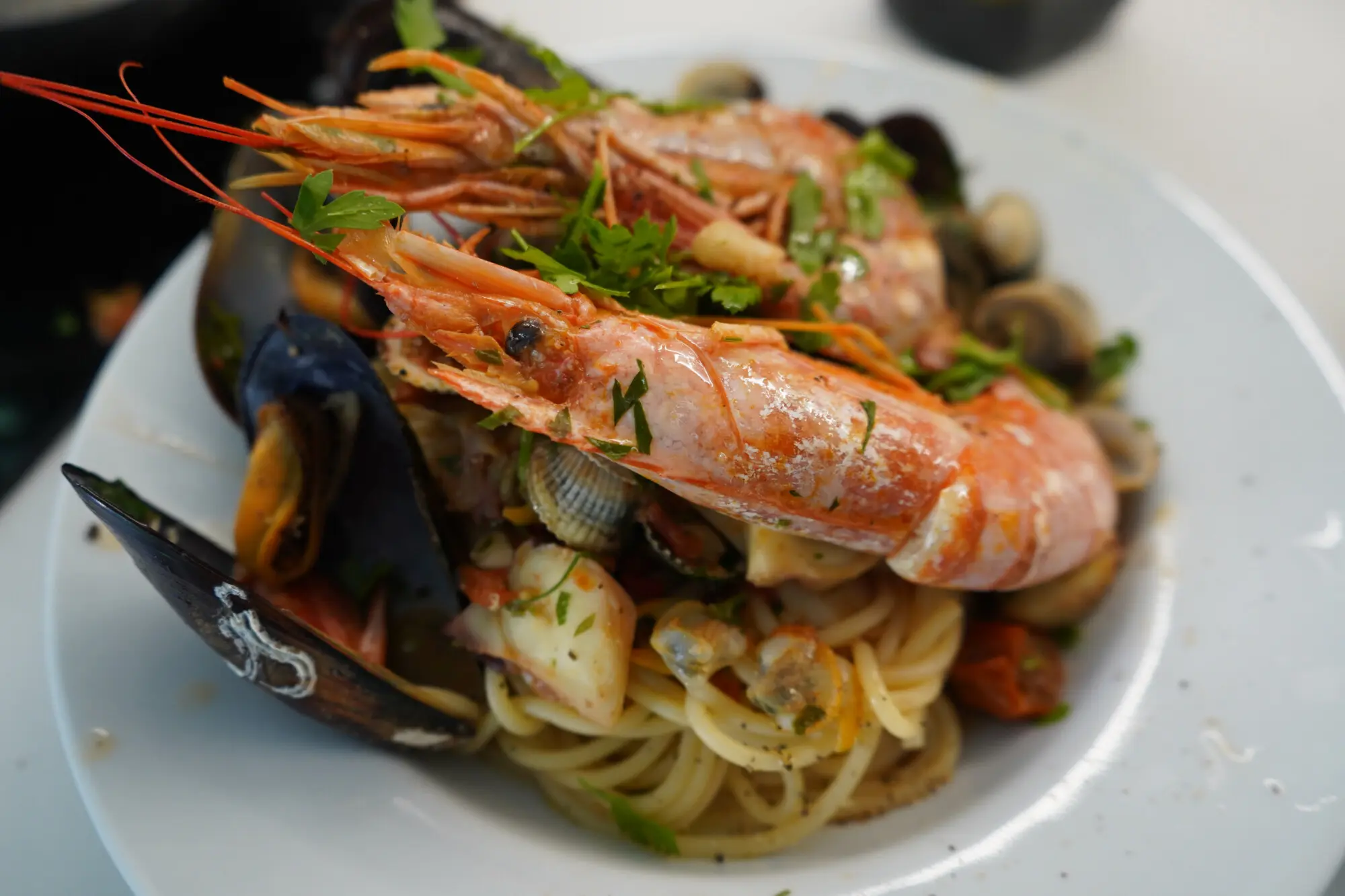
Spaghetti tossed with clams, mussels, king prawns and squid in garlic, white wine and arrabiata, finished with herbs and lemon. Serves a crowd.
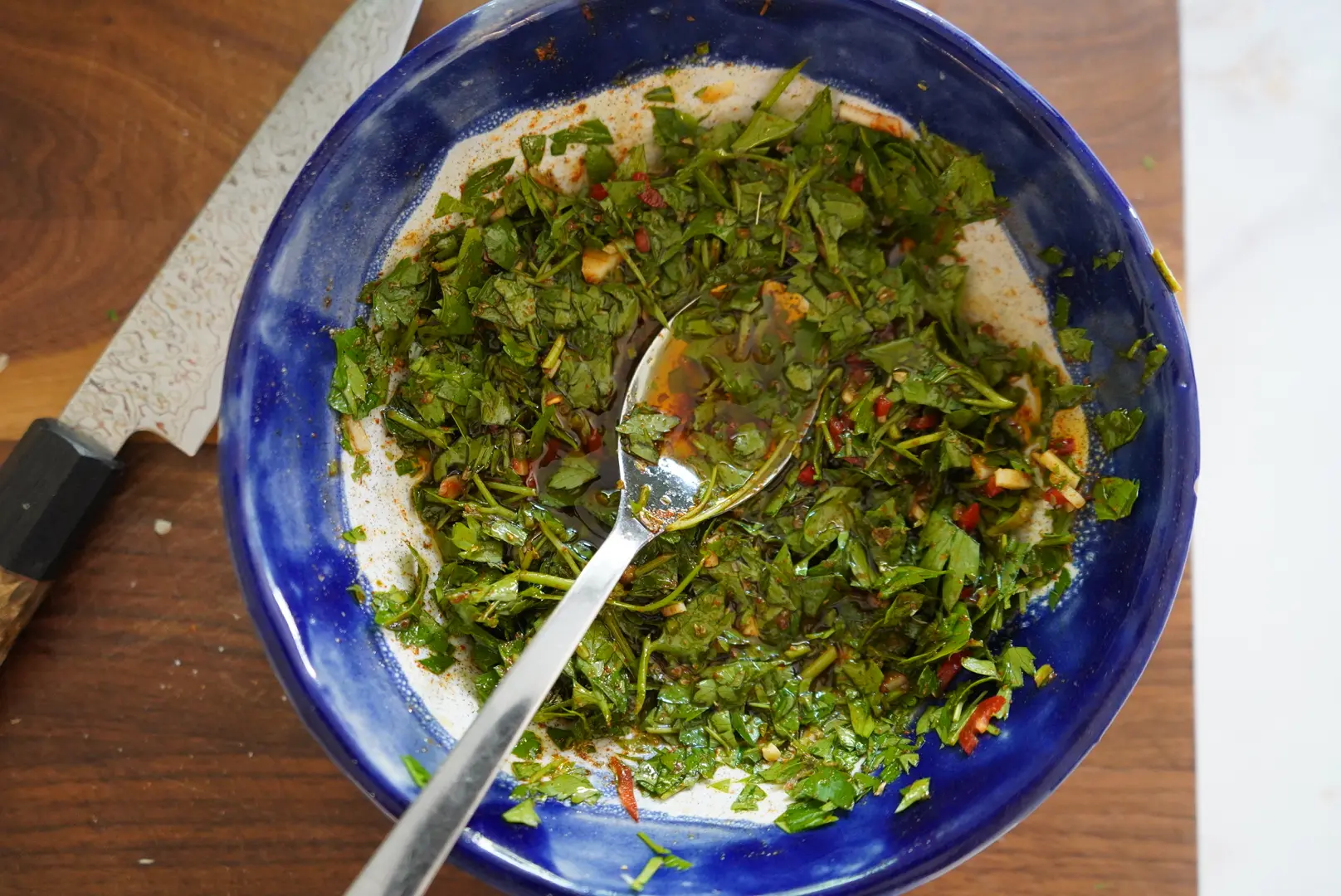
A hand-chopped chimichurri salsa of parsley, garlic, oregano and paprika loosened with apple cider vinegar and olive oil, for meats and veg.
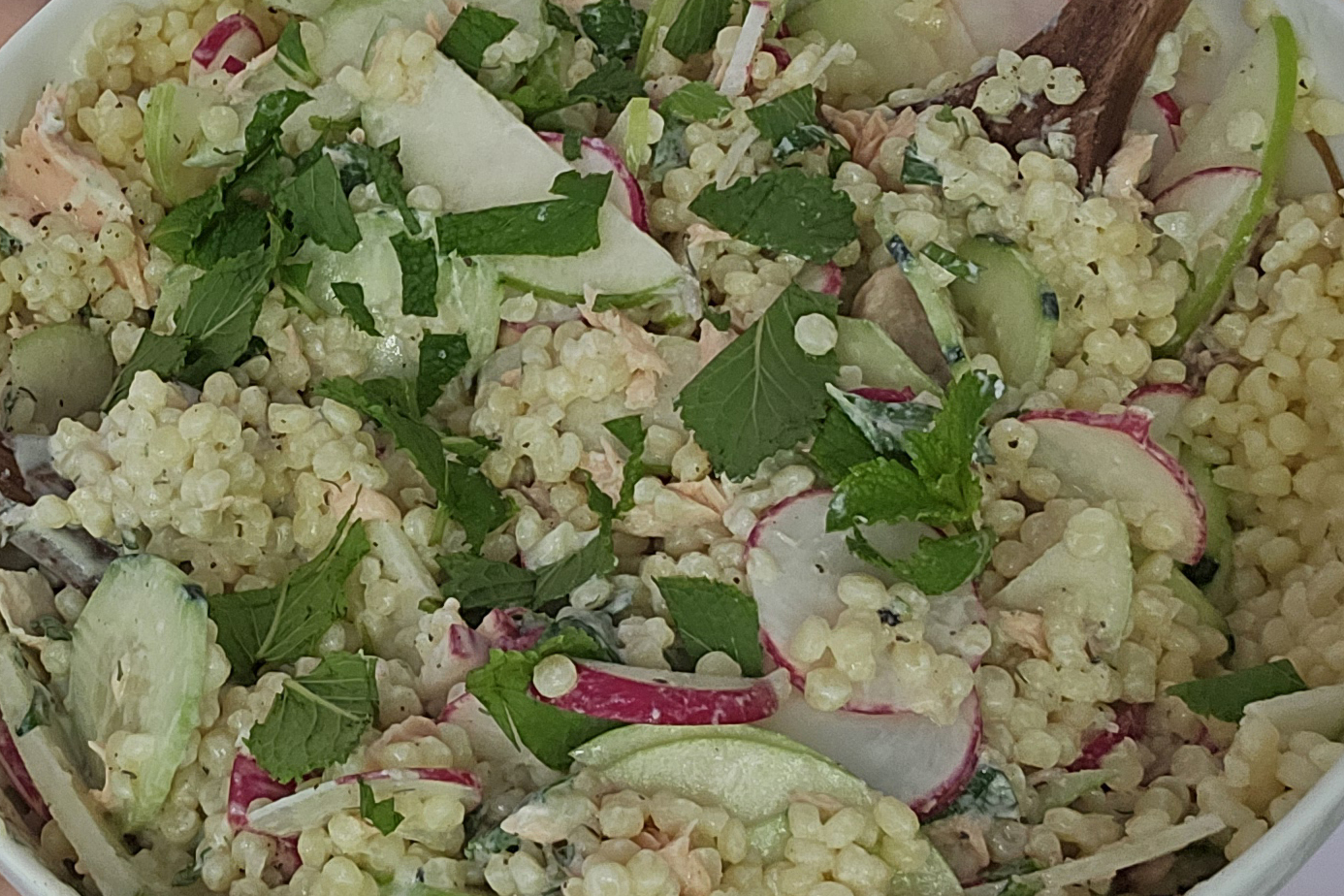
A pearl couscous salad with flaked grilled salmon, radish, cucumber and apple, tossed in a buttermilk dressing with lime, mint and Dijon.
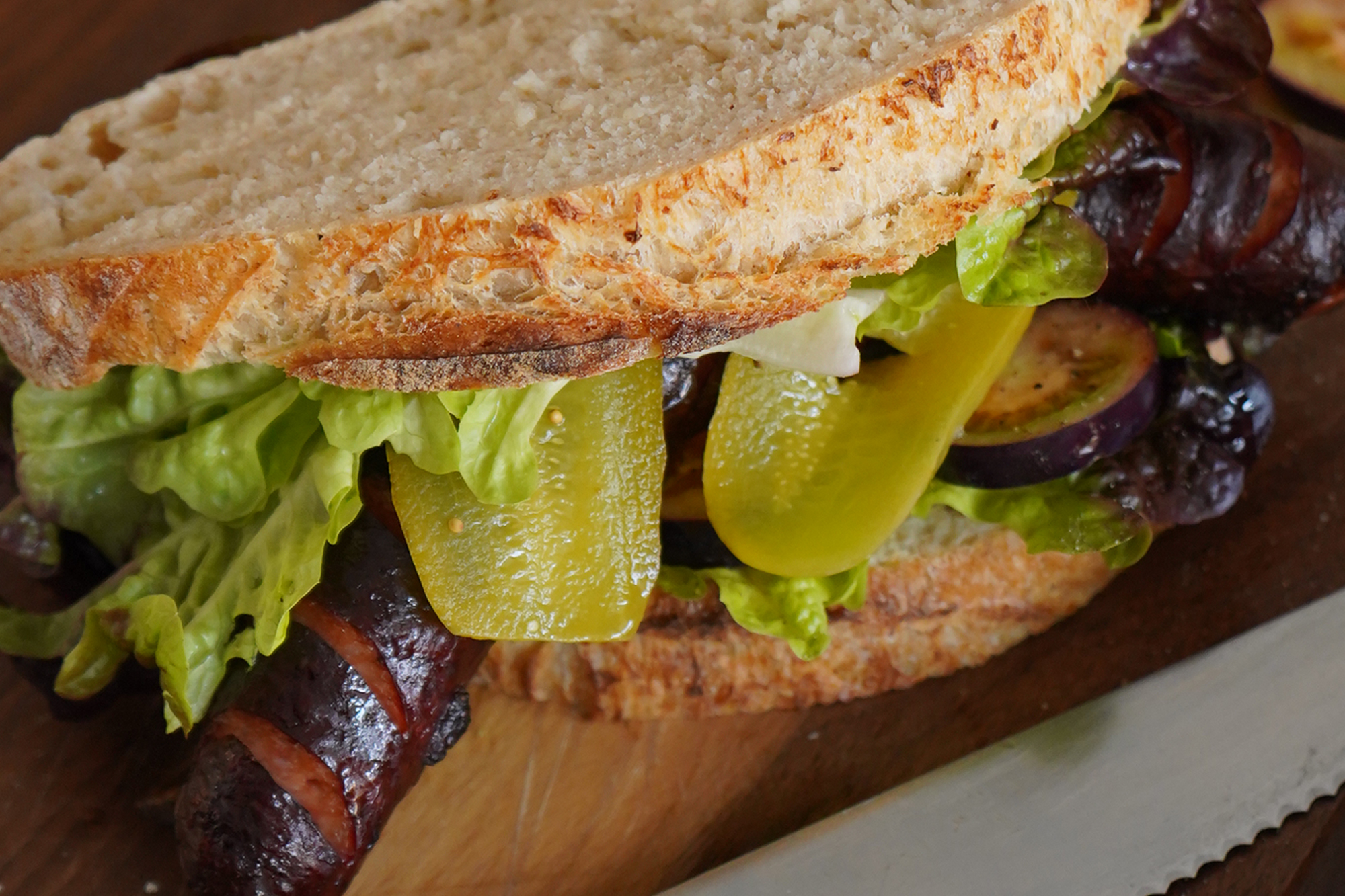
A Polish sausage sandwich on fresh sourdough with Wiejska or Podwawelska, Sarebska mustard, tomato, lettuce and gherkins, grilled until crisp.

How to store sharp Japanese knives safely around young children, with practical storage habits, clear boundaries and age-appropriate teaching.

Nearly every cuisine folds dough around a filling. Crispy-bottomed gyoza, butter-fried pierogi, Cantonese har gow and Russian pelmeni, side by side.

Karate began in Okinawa as ‘te’, shaped by Chinese martial arts and practised in secret under weapon bans. Its history, philosophy, and core techniques.
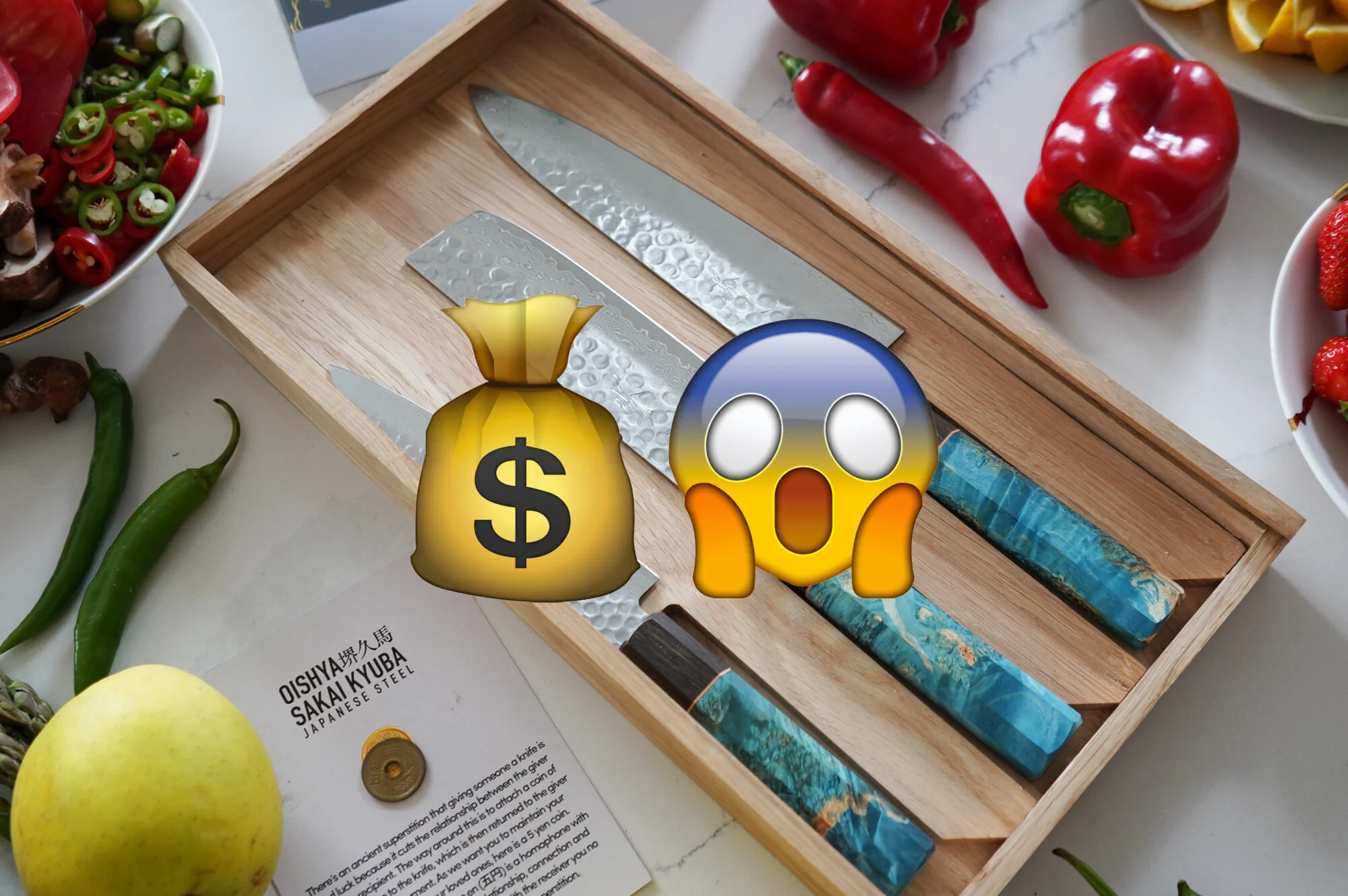
What makes Japanese knives worth the price: high-carbon VG10 and layered Damascus steel, task-specific designs, and matching kitchen accessories.

Okinawa has one of the world’s highest counts of centenarians, linked to a plant-rich diet and the Hara Hachi Bu habit of eating until 80% full.
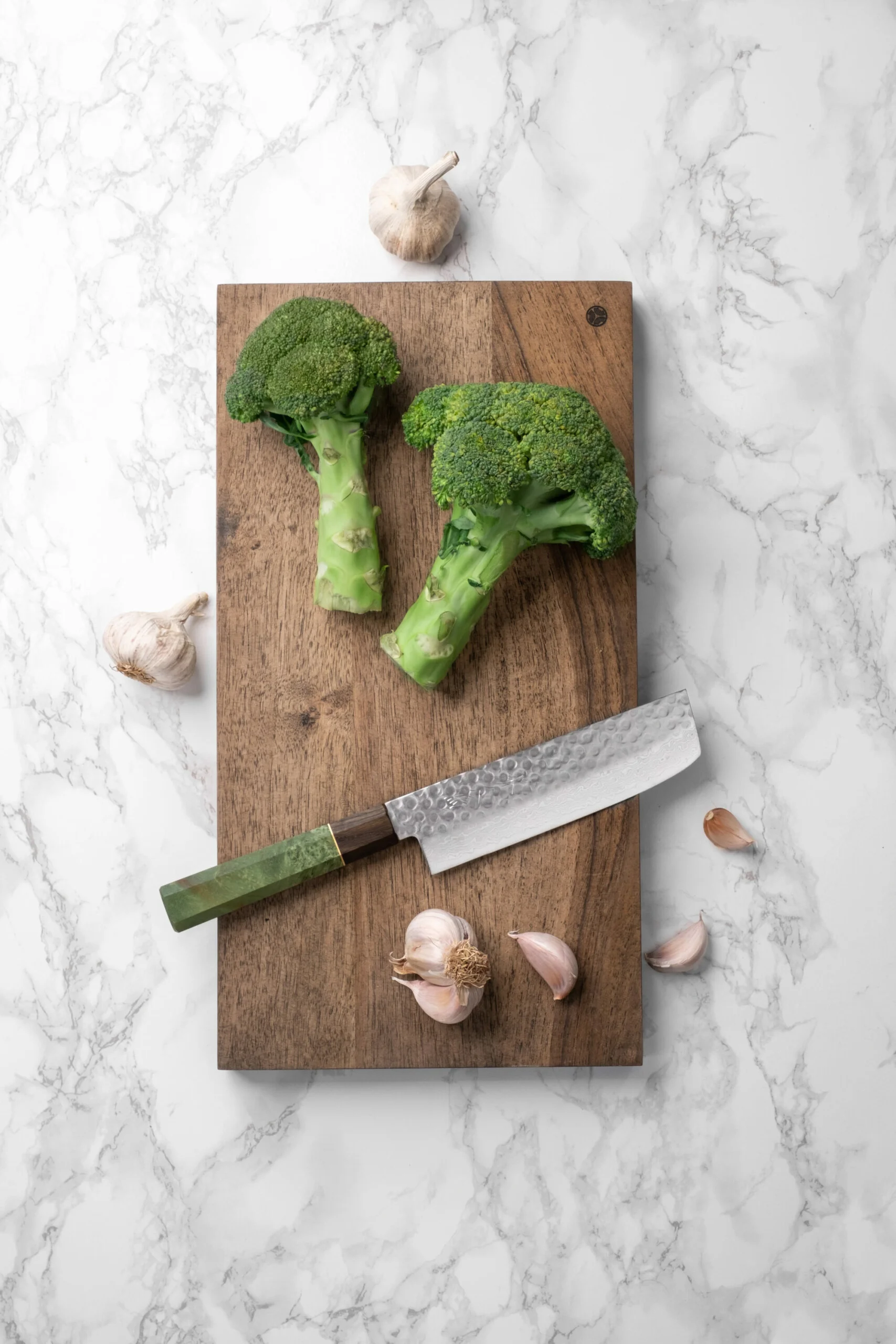
The nakiri has a flat rectangular blade built for an up-and-down chopping motion, which makes it a precise, efficient knife for plant-based cooking.
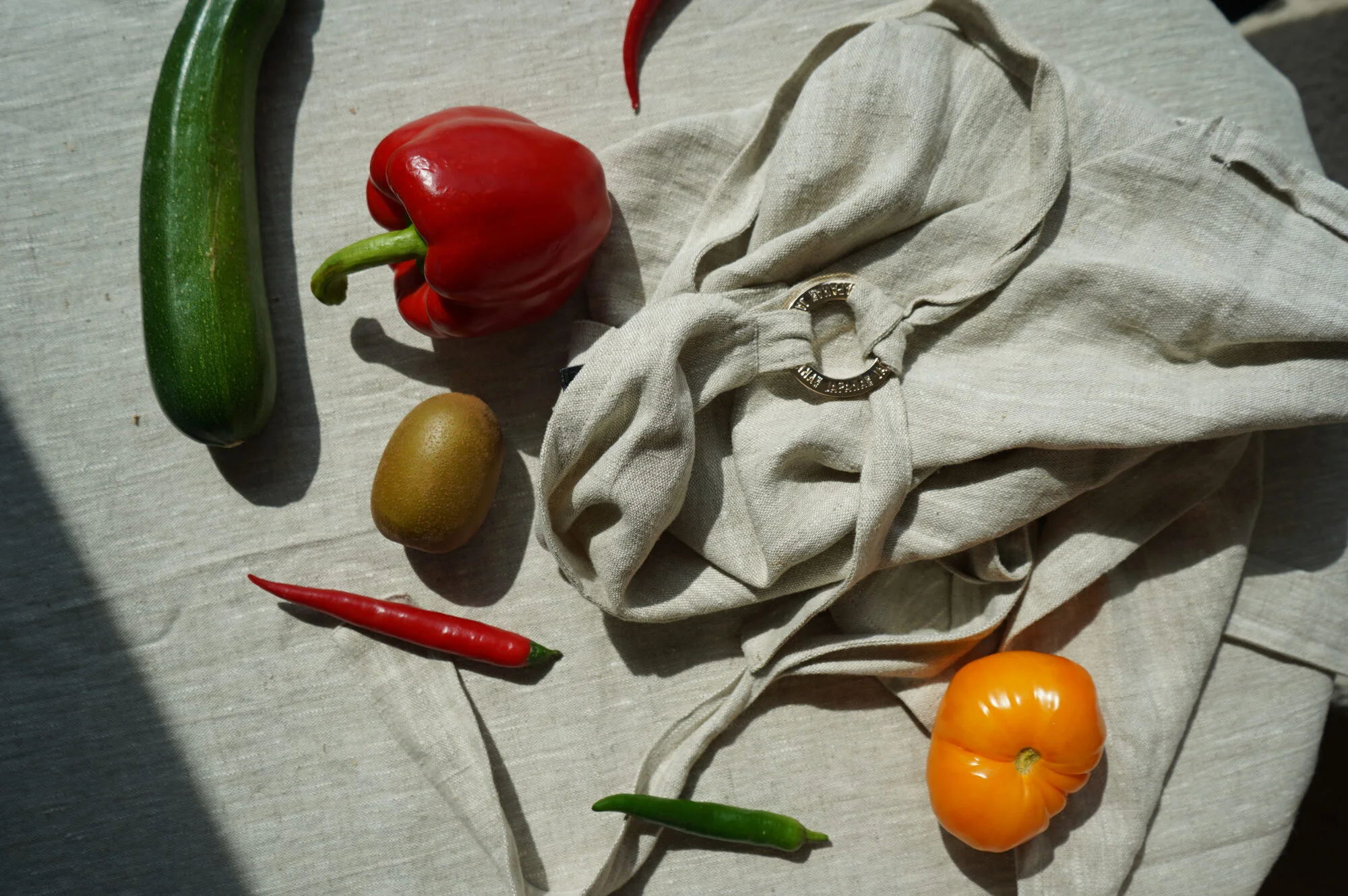
Linen is naturally anti-bacterial, eco-friendly and very absorbent, which is why it has become a staple fabric for kitchen towels and tableware.
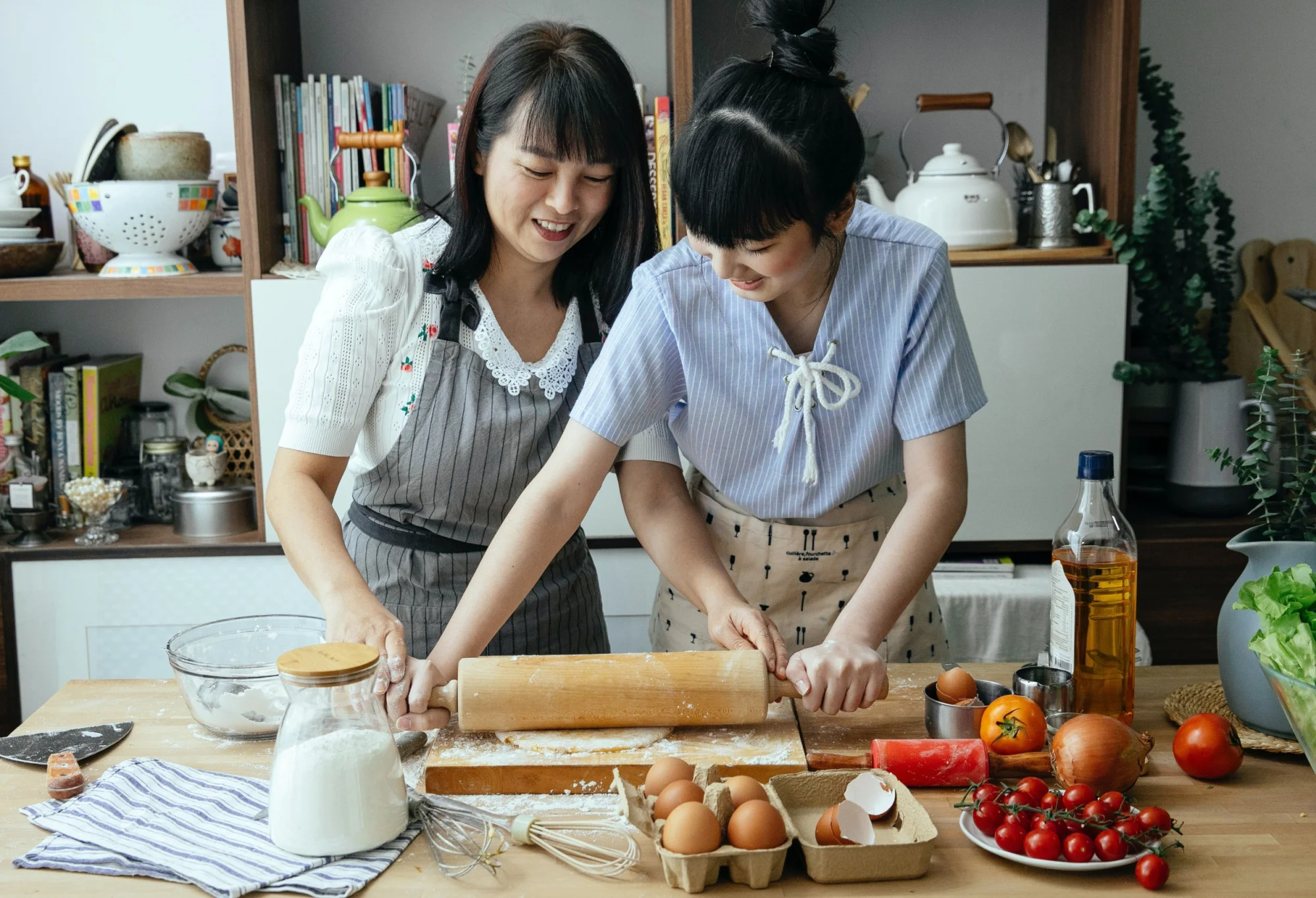
Seven ways to beat cooking fatigue during lockdown, from online cooking classes and YouTube tutorials to recording family recipes and buying better tools.
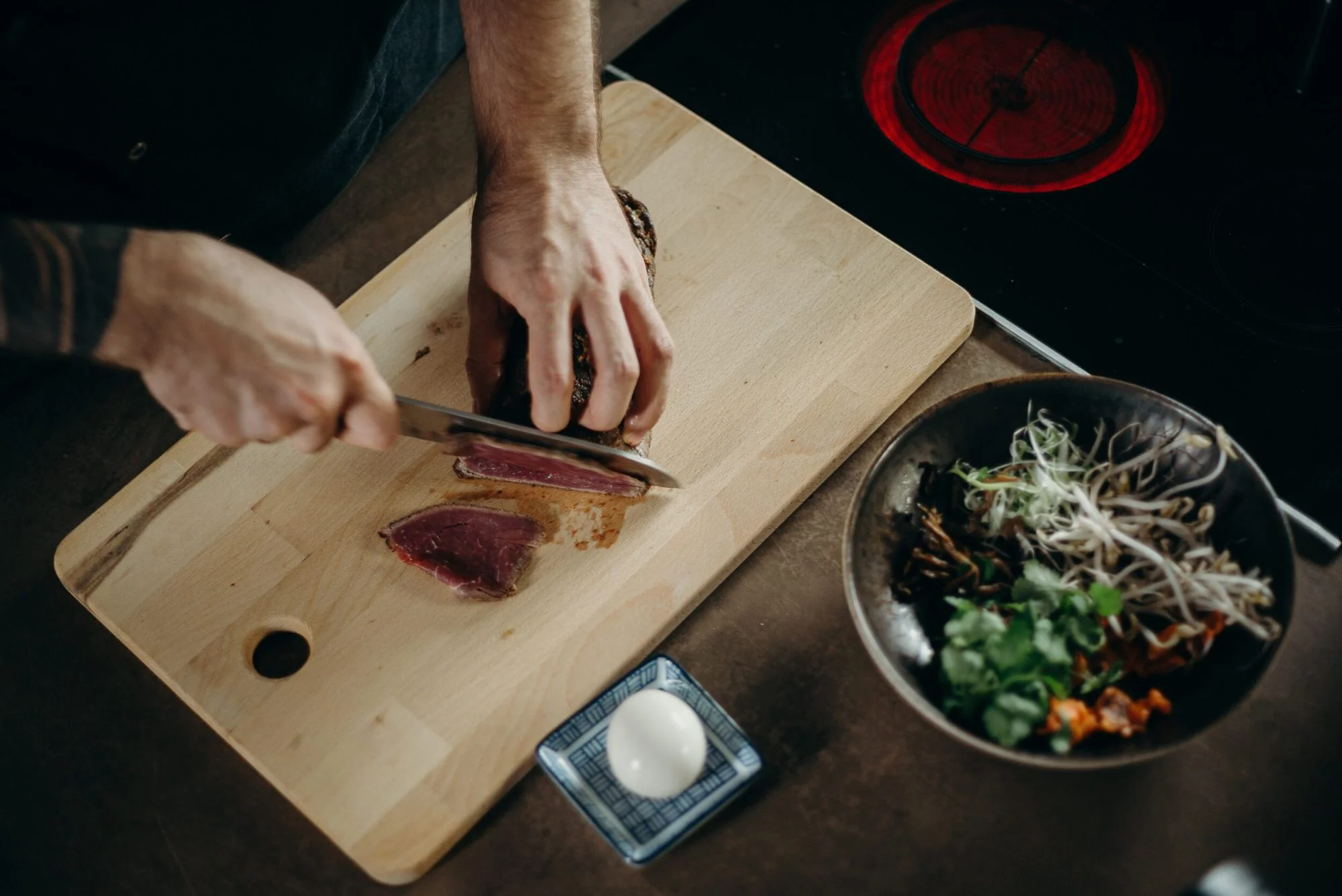
Four ways to stay safe with kitchen knives, keeping them sharp, using a large wooden board, and choosing a knife that fits your hand.
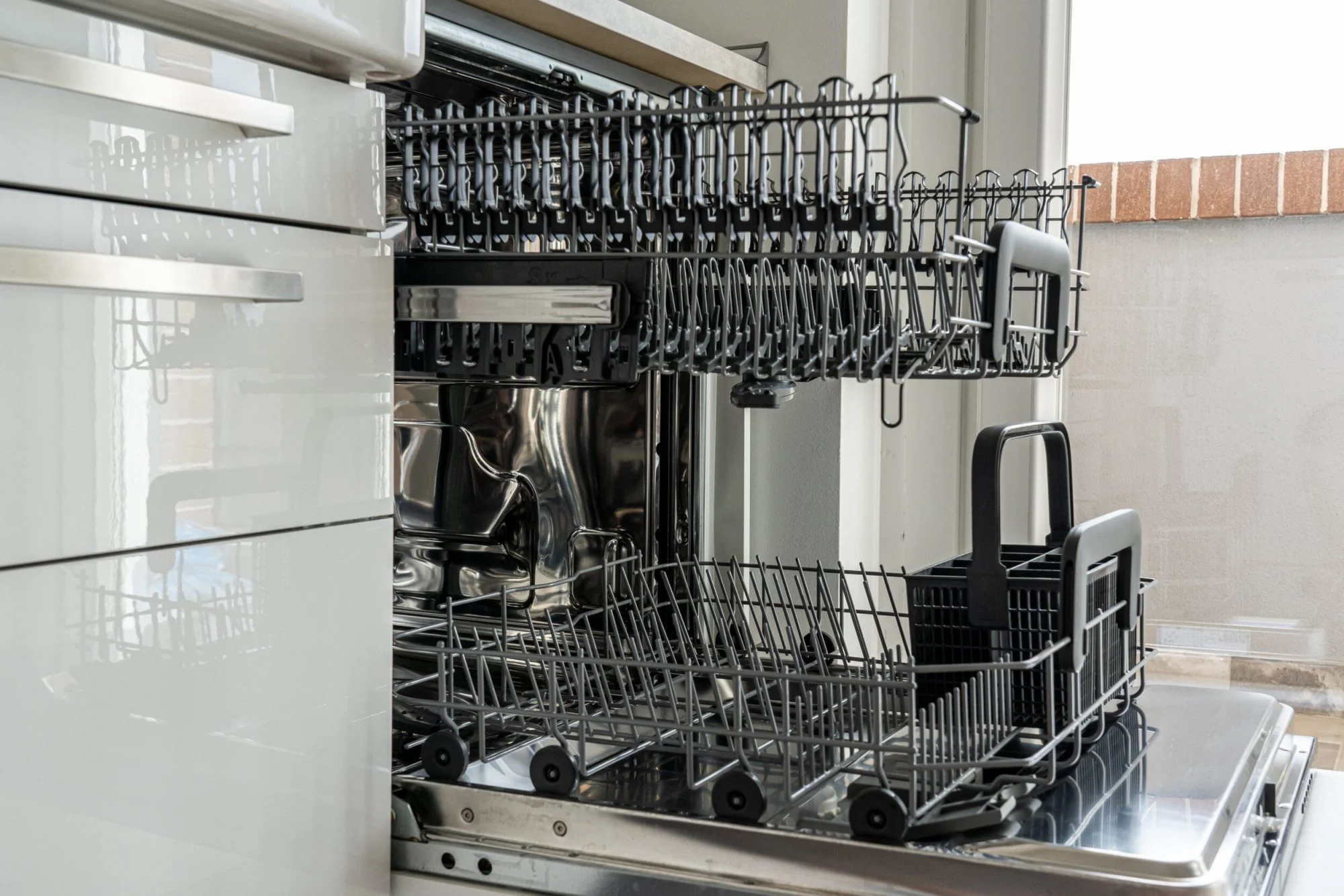
Seven everyday habits that quietly wreck your knives, including the dishwasher, air drying, drawer storage and scraping the board with the edge.
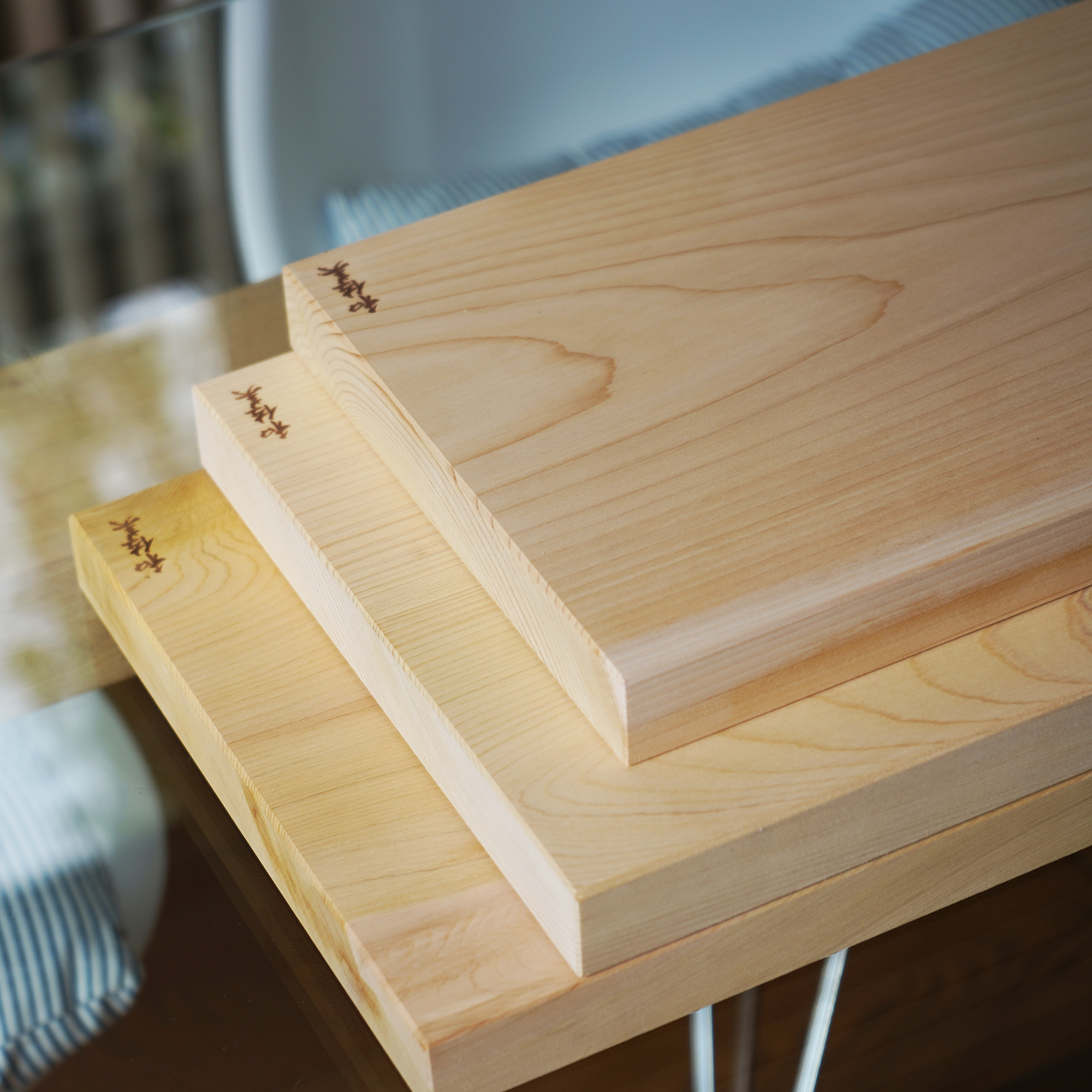
Why wooden chopping boards need oiling, and how mineral oil keeps them from drying, staining and cracking. Covers the what, how and when.
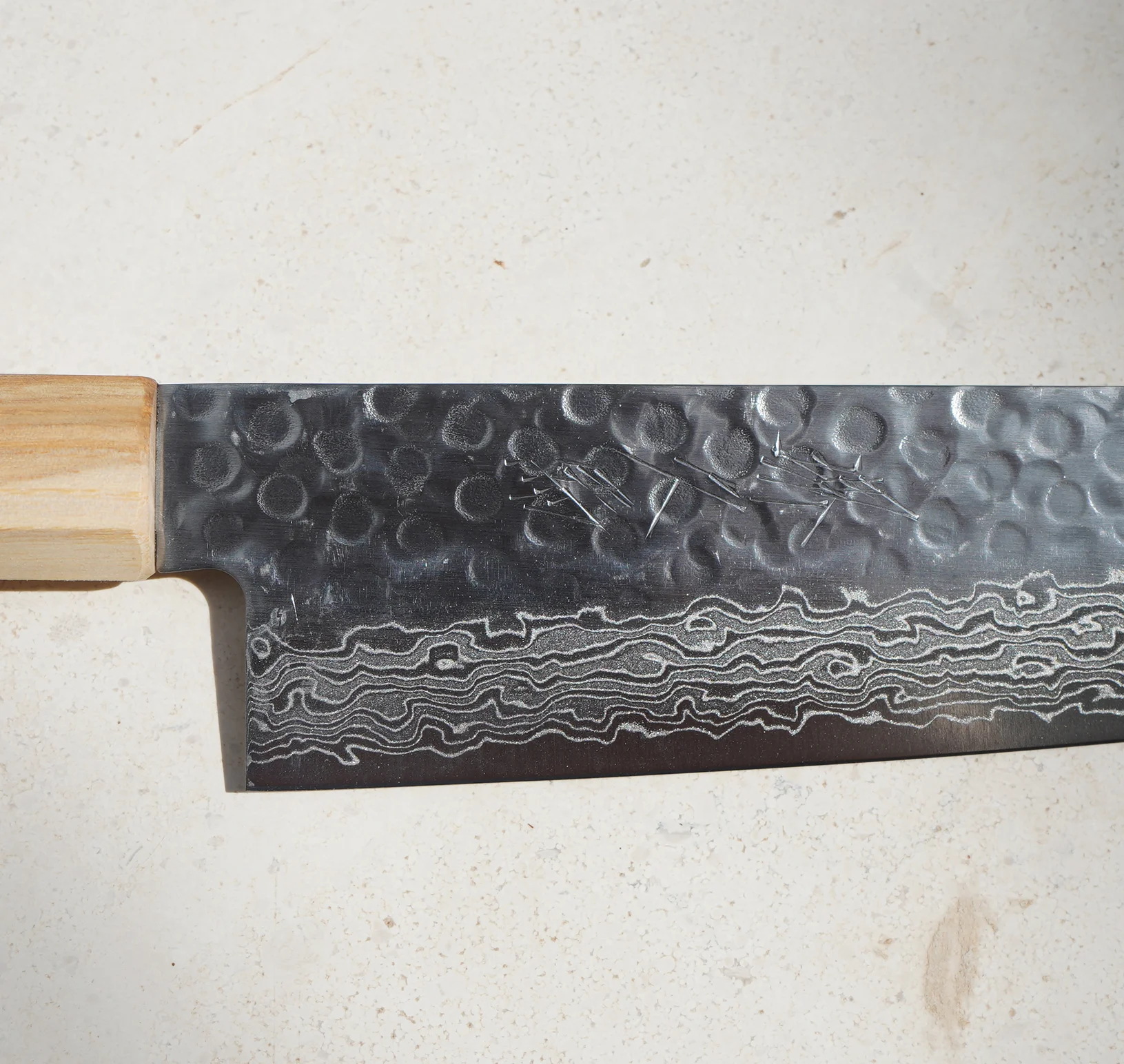
The four knife cuts worth knowing, the slice, the chop, the back-slice and the rock-chop, with how to grip the blade and use its full length.
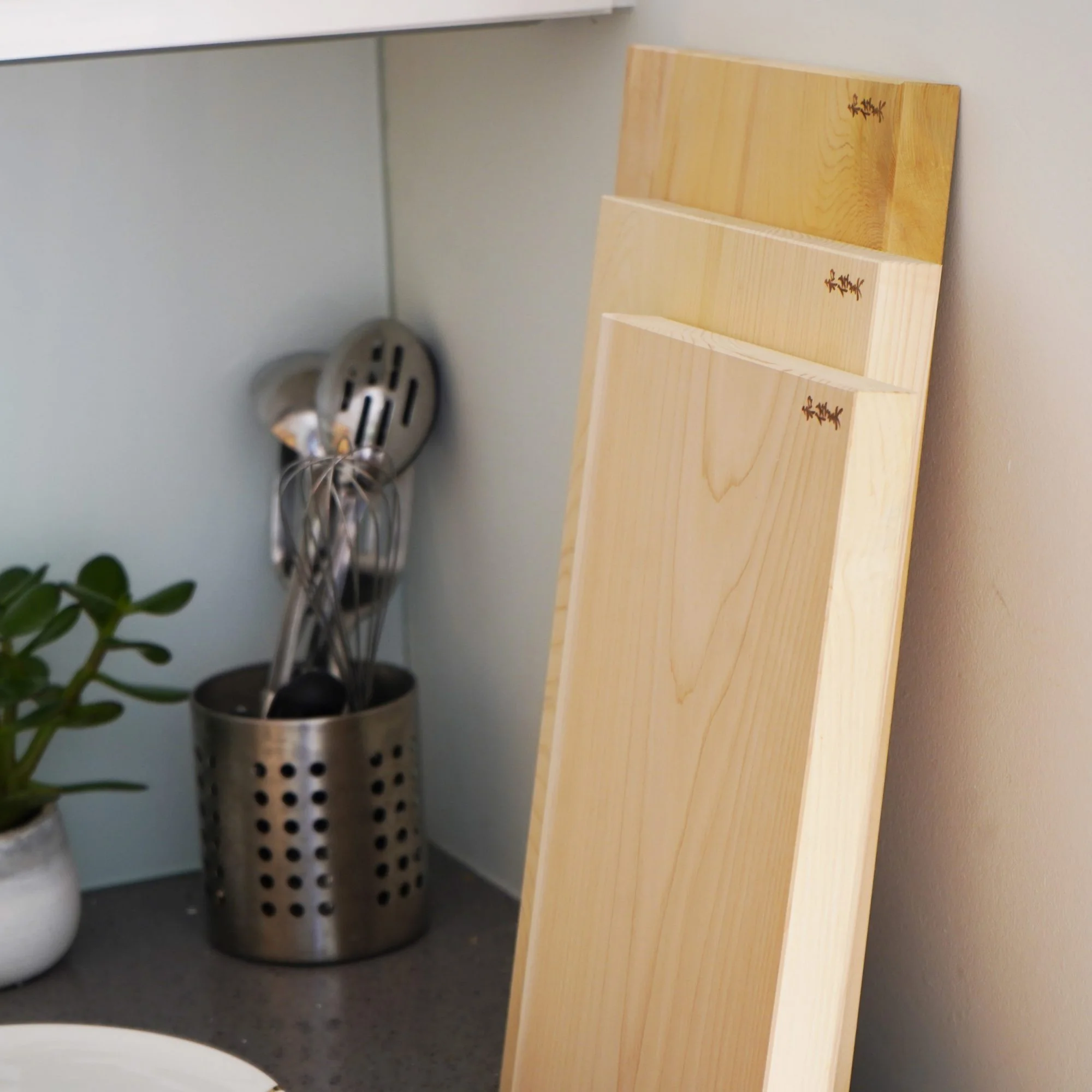
Not all wood suits a cutting board. Judge a species by Janka hardness, toxicity, porosity, conditioning and cost before you buy or build one.
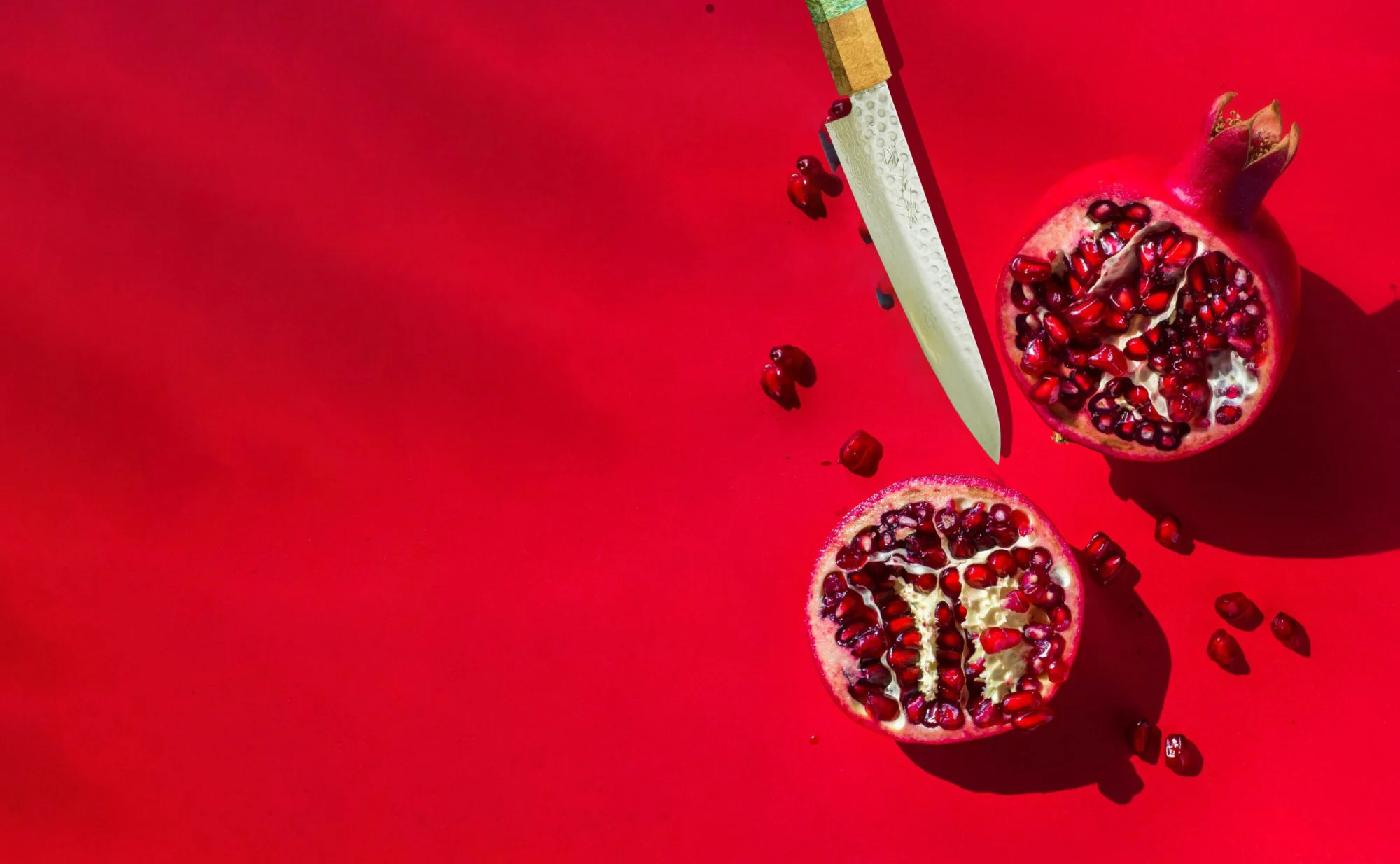
Cutting a pomegranate without the mess takes a paring knife, a board and a bowl. First, here is how to pick one that is ripe and juicy.

Five steps to a minimalist kitchen, from decluttering by the 9-month rule to restricting colours, losing handles, and planning hidden storage.

Fifty cooking tips gathered from top chefs, covering baking temperatures, storing spices, making stock, seasoning evenly, and much more.
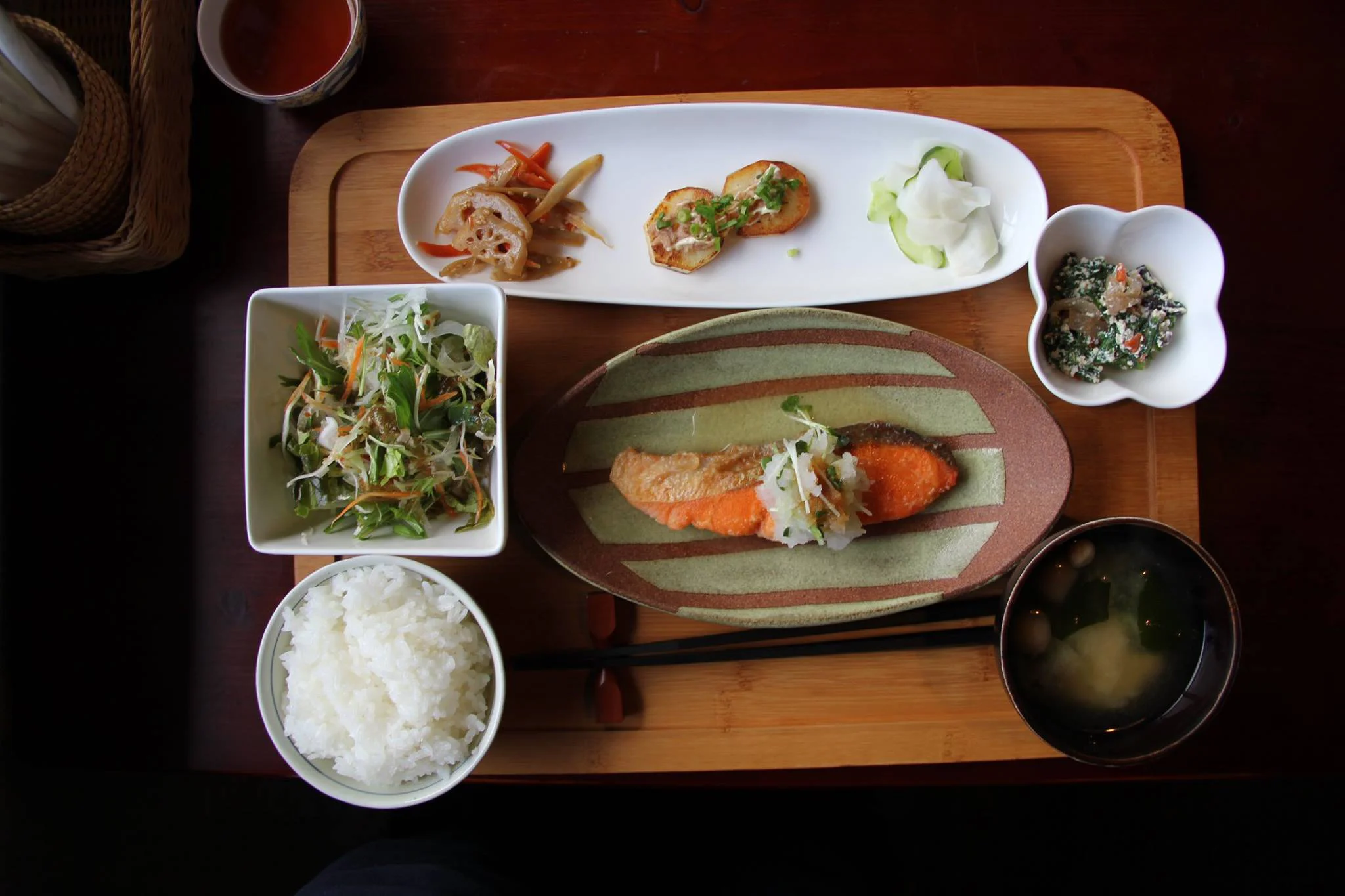
The traditional Japanese diet is rich in fish, vegetables and fermented foods, low in sugar, and linked to long life and good health.
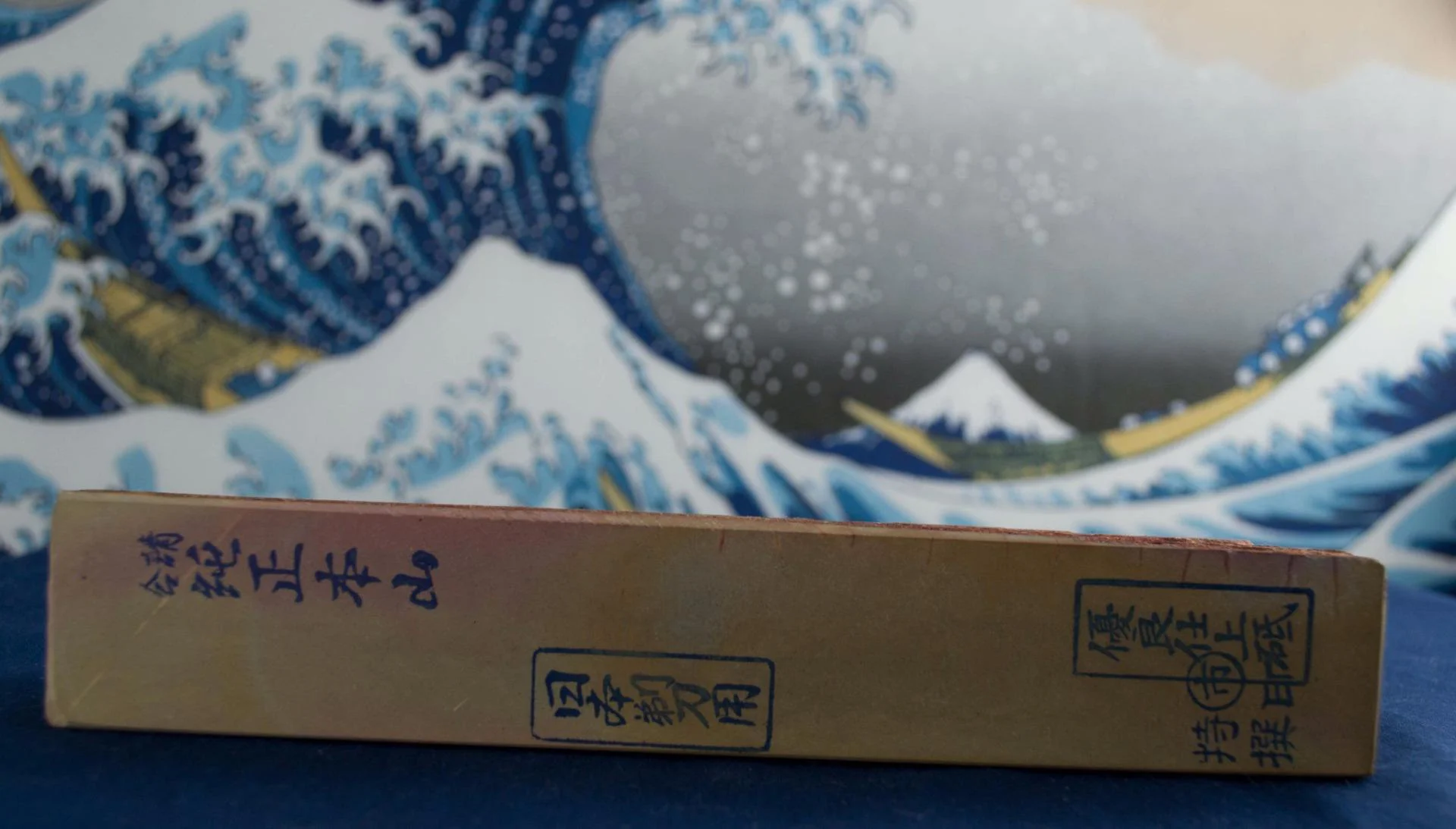
Which whetstone grit to use for Japanese knives, from coarse stones under 1000 for chips to 4000 to 8000 finishing stones for the edge.
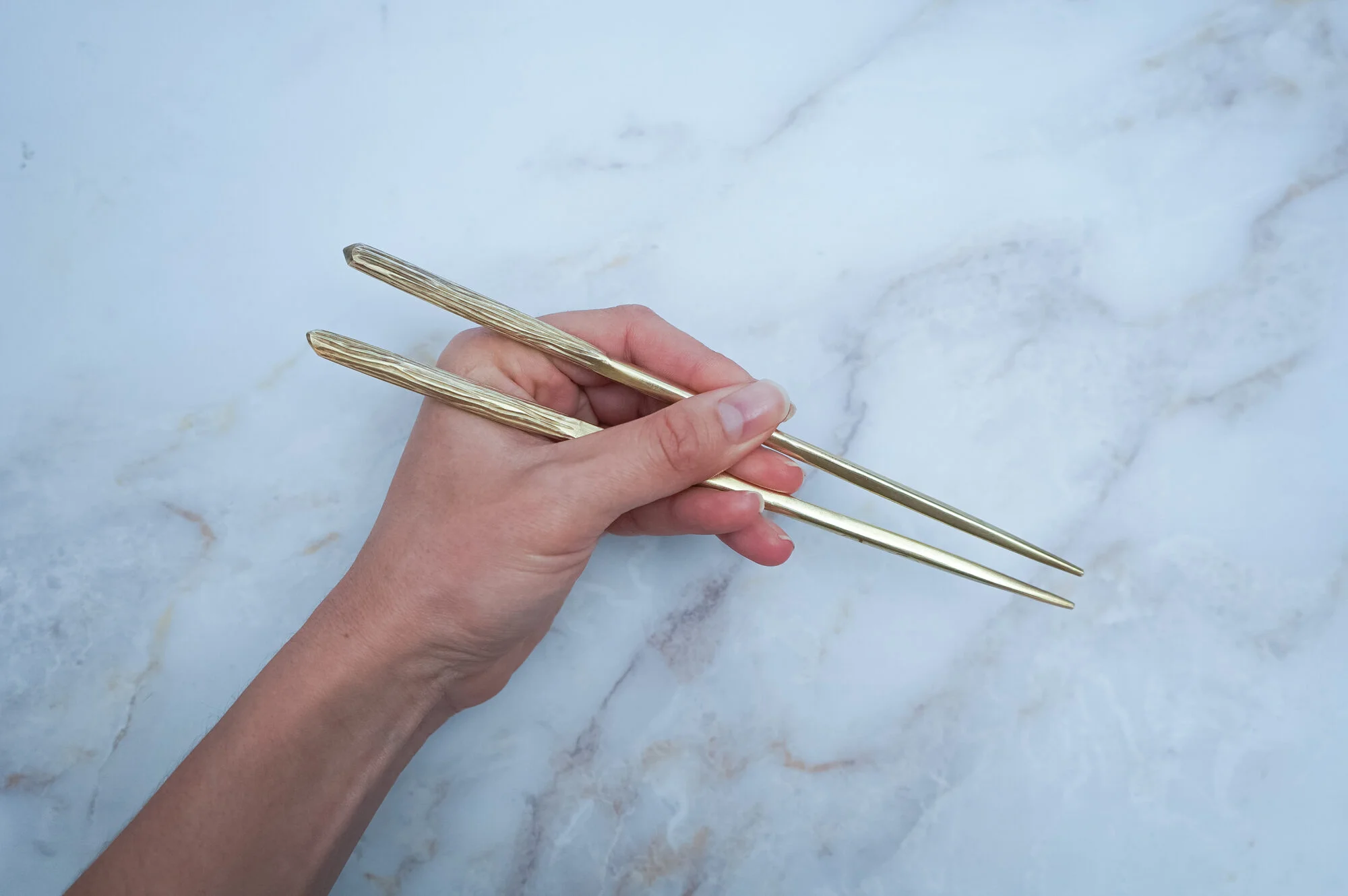
Grip two-thirds up the barrel and let only the top stick move. The mechanics of chopsticks, plus which length and wood make them easiest.
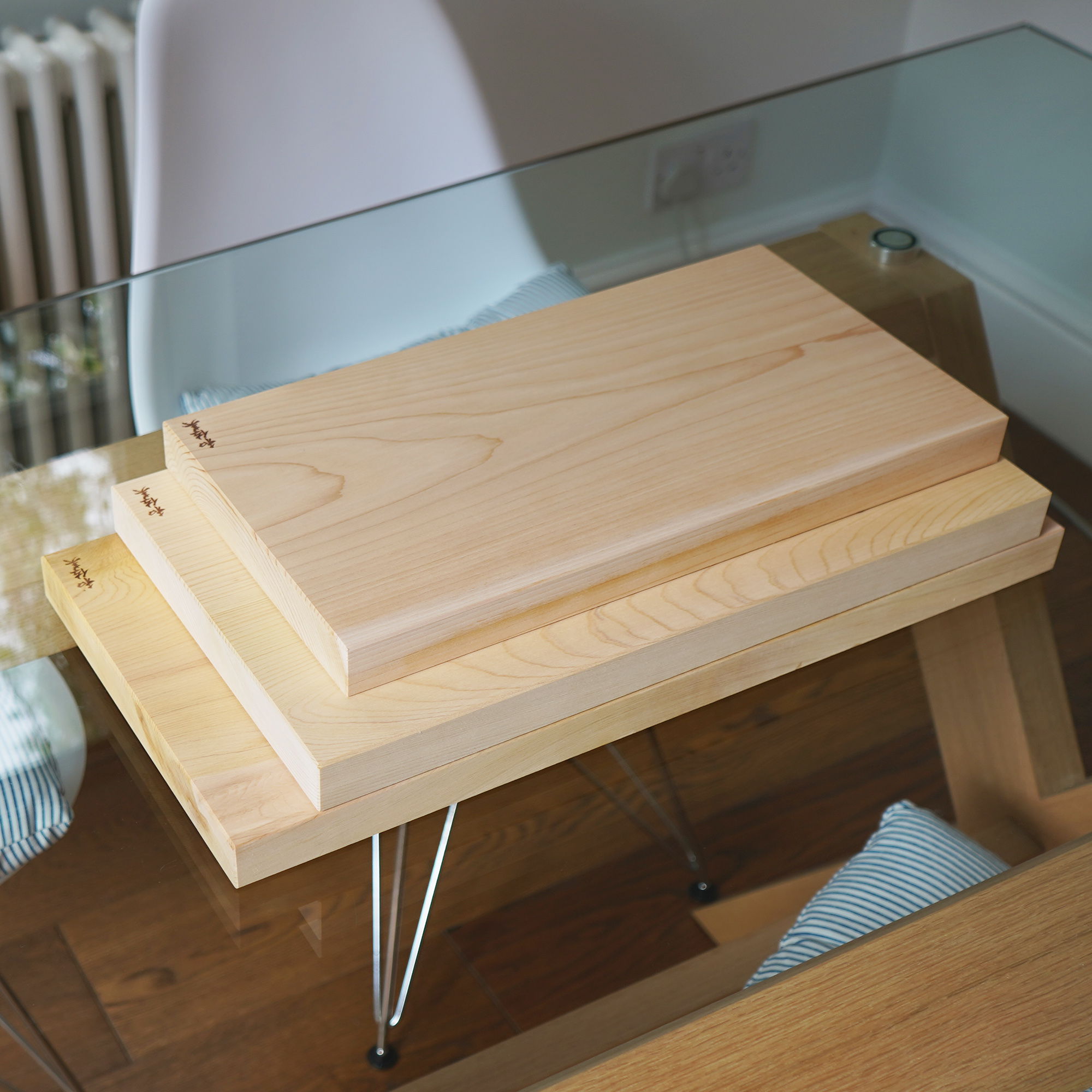
Glass, marble, bamboo and steel all wreck a fine edge. End-grain hinoki, hiba or walnut give the blade something to sink into instead.
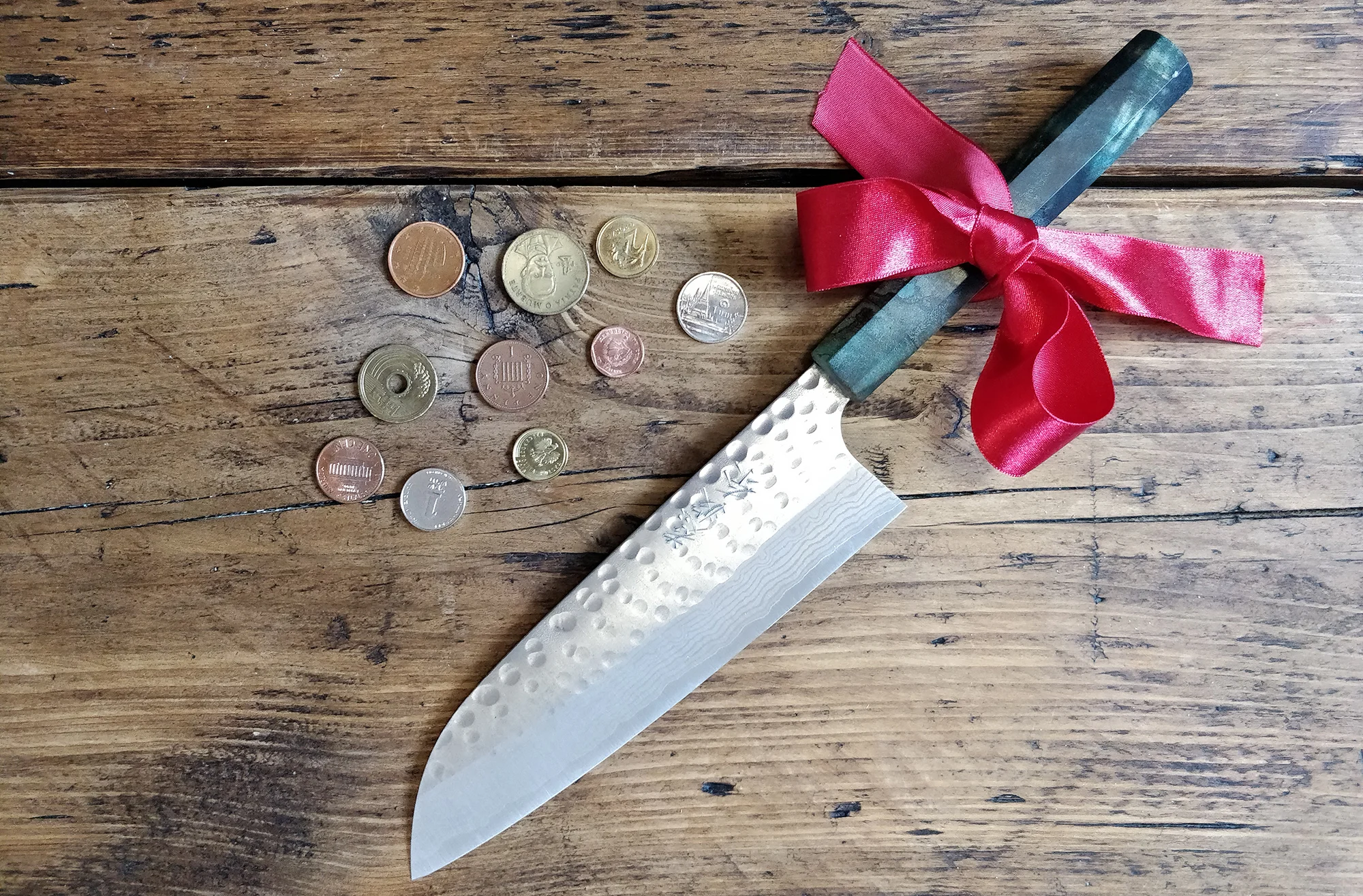
Fifteen presents for the Japan obsessive in your life, from a 100-sheet origami set to a kintsugi kit and 24-carat gold-lined bone porcelain.
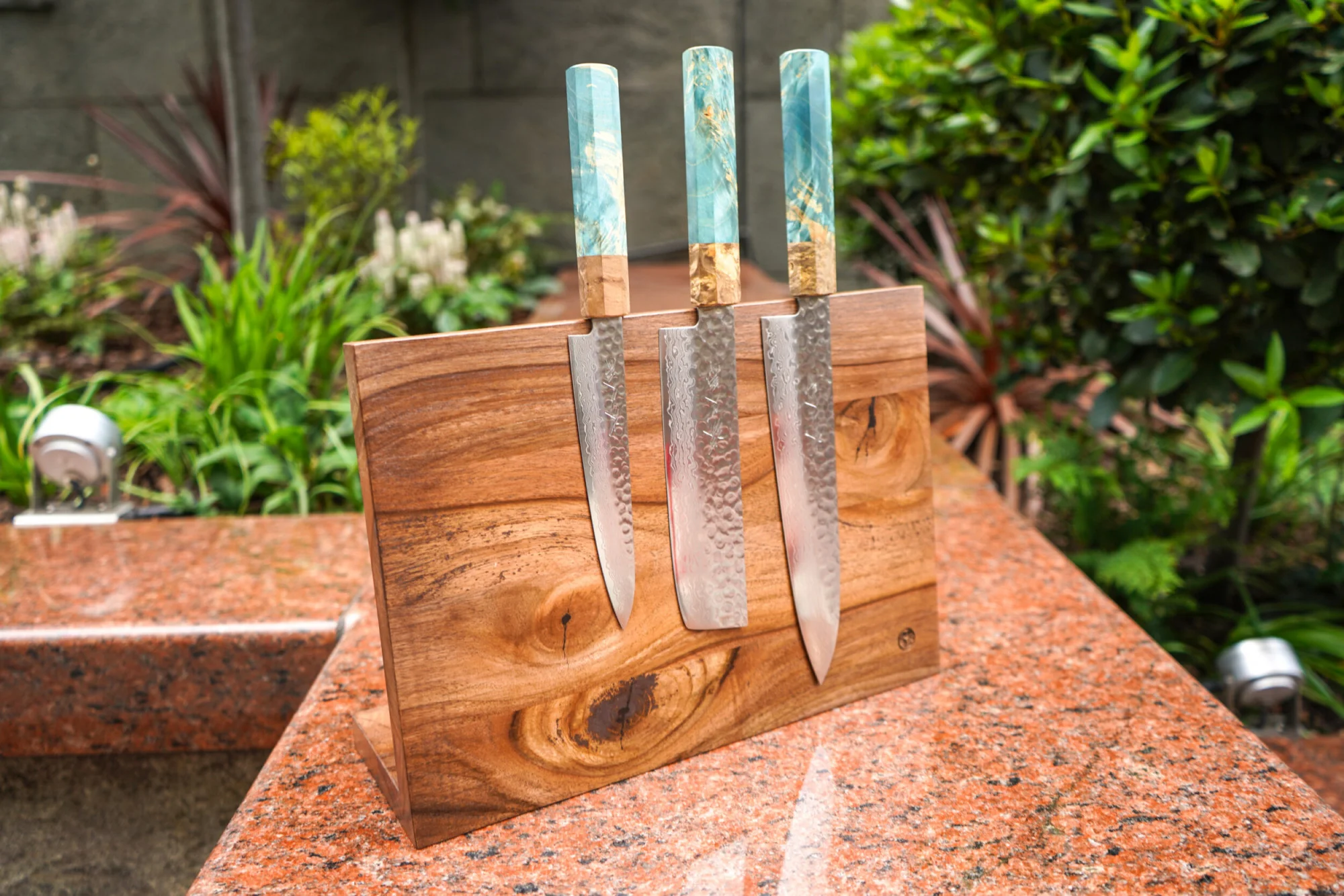
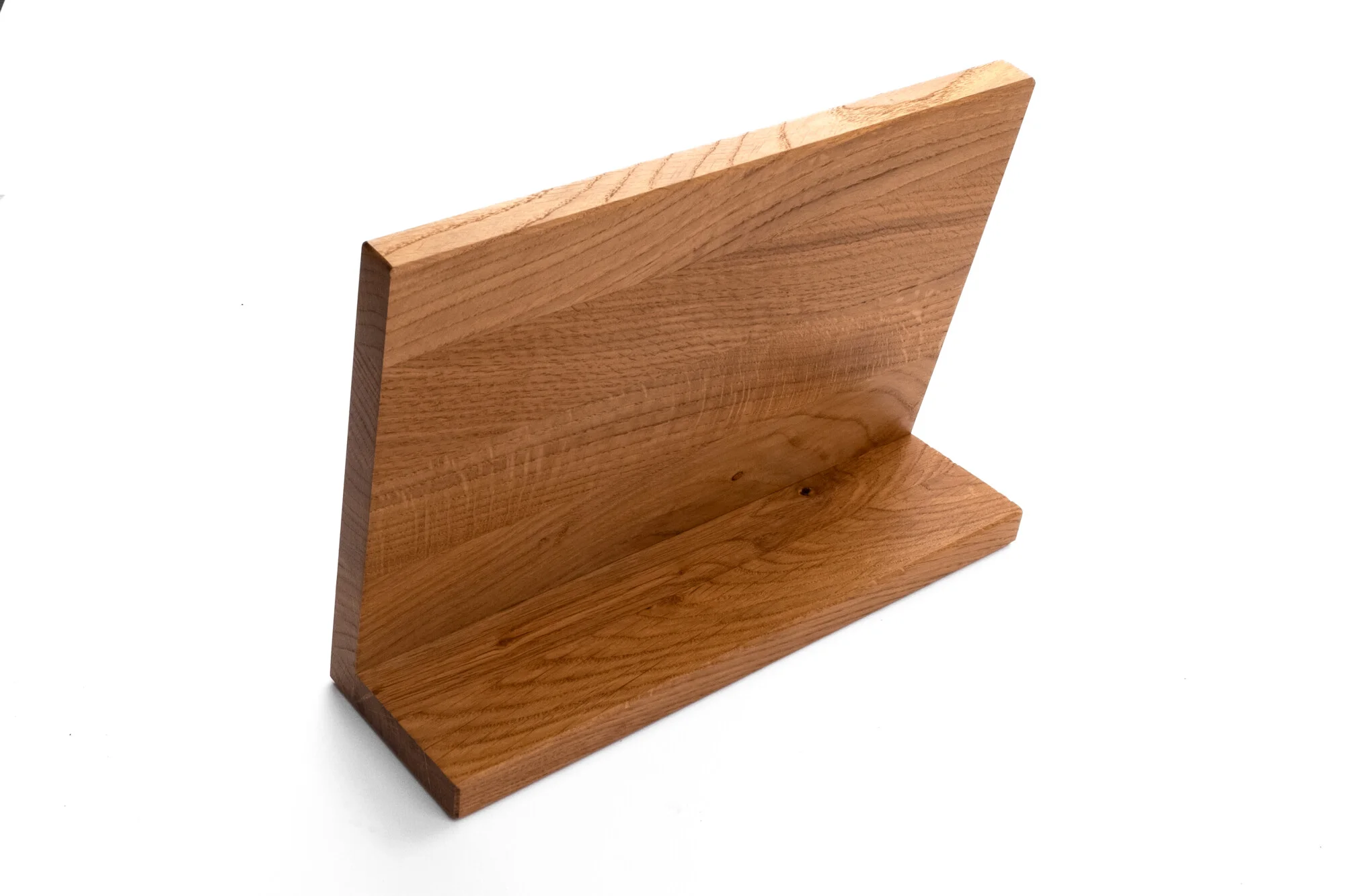
Why a loose drawer ruins knife edges, and how magnetic racks and blocks keep blades sharp, space saved and out of children’s reach.