How to cook steak well and the mistakes that ruin it, from underseasoning and stabbing the meat to forgetting how thick a steak should be.


How to cook steak well and the mistakes that ruin it, from underseasoning and stabbing the meat to forgetting how thick a steak should be.

The safest way to store kitchen knives with children around, weighing drawers, knife blocks and wall-mounted magnetic strips on safety and care.

How Japanese business meetings run, from seating by rank and tight timings to interpreters, confirmation calls and slides translated into Japanese.
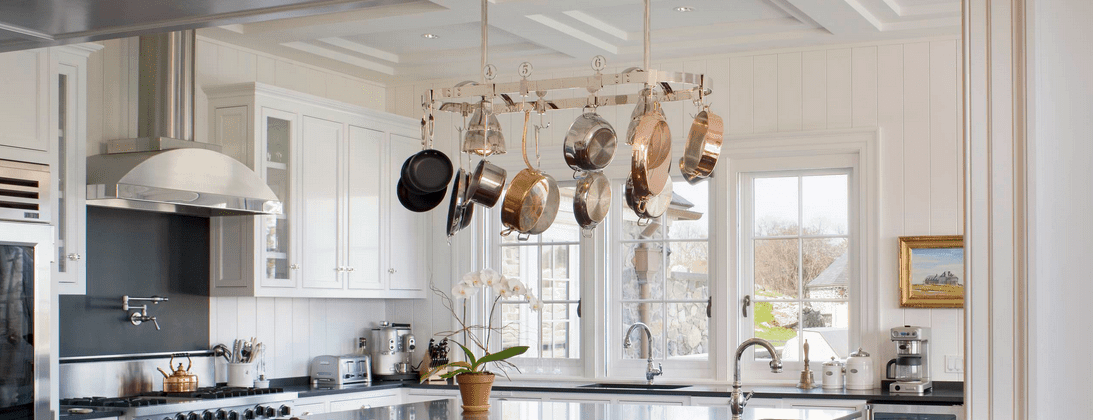
Ten storage ideas for cramped kitchens, from magnetic knife racks and cabinet-top bins to floating spice strips and islands with built-in drawers.
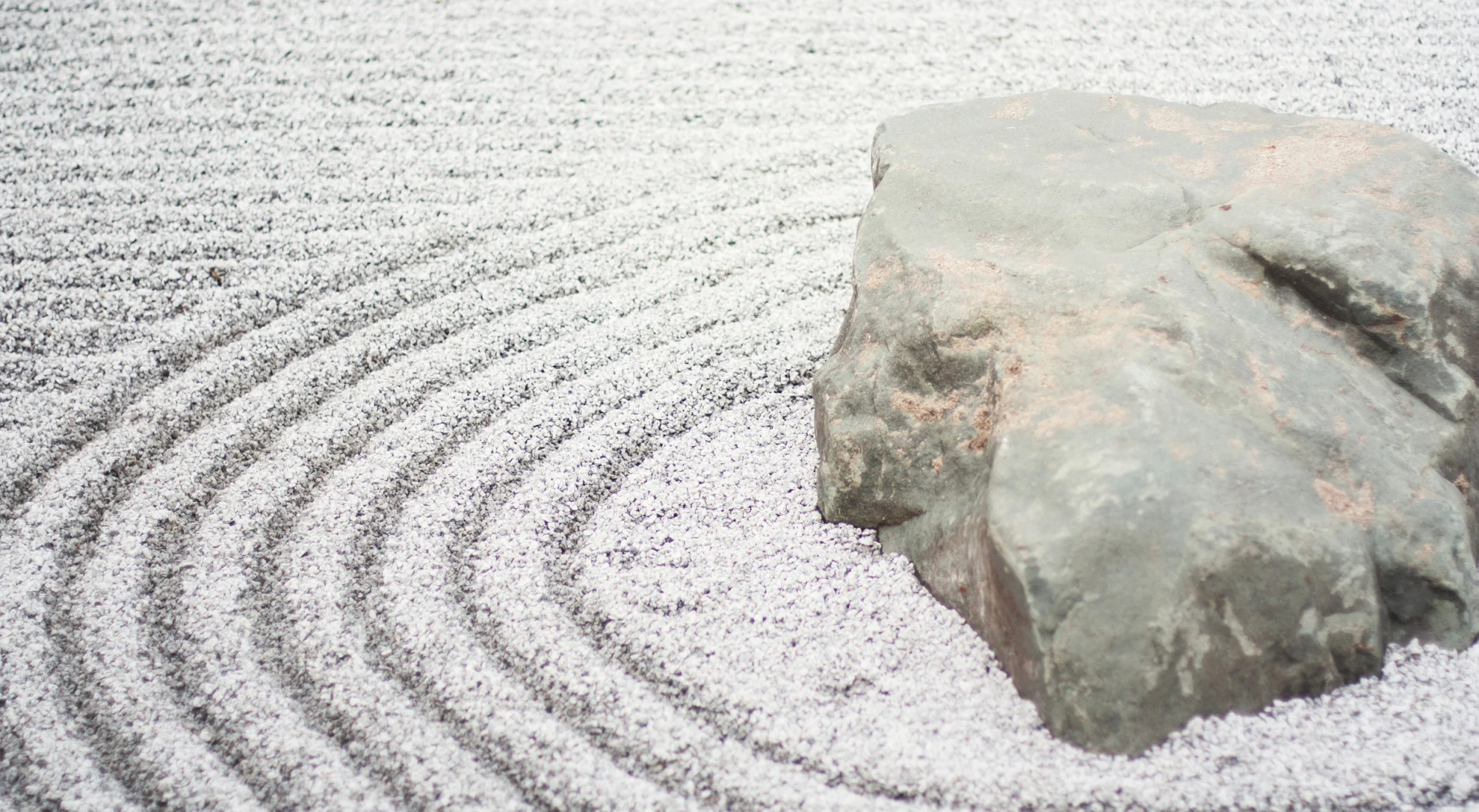
Flow is the absorbed state where time disappears, and it leads to happiness at work. Ten steps draw on Zen to help you reach it.

Ten tips for decorating your home with cushions, covering how to match existing decor, go bold with colour, layer textures and mix prints.
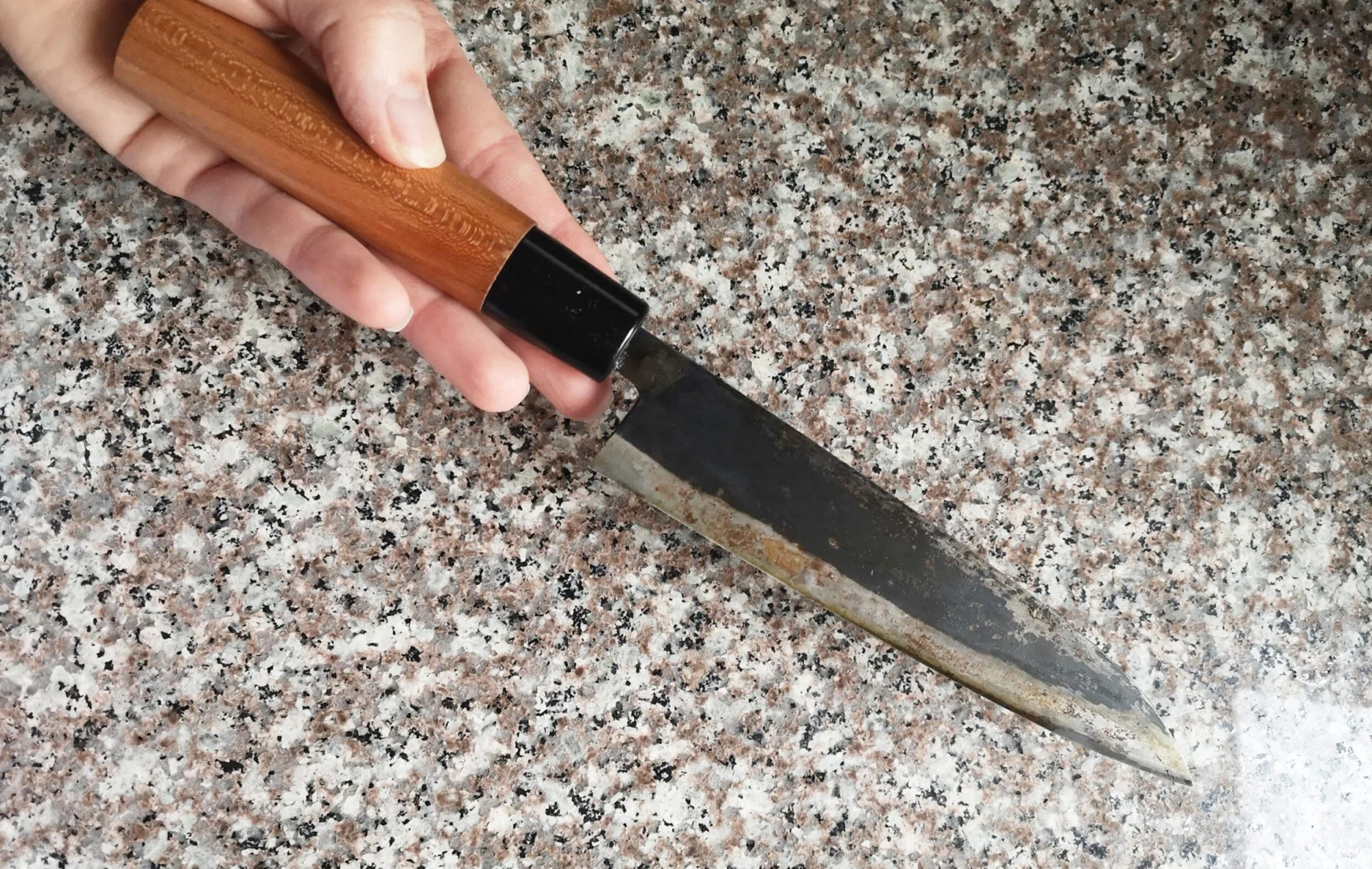
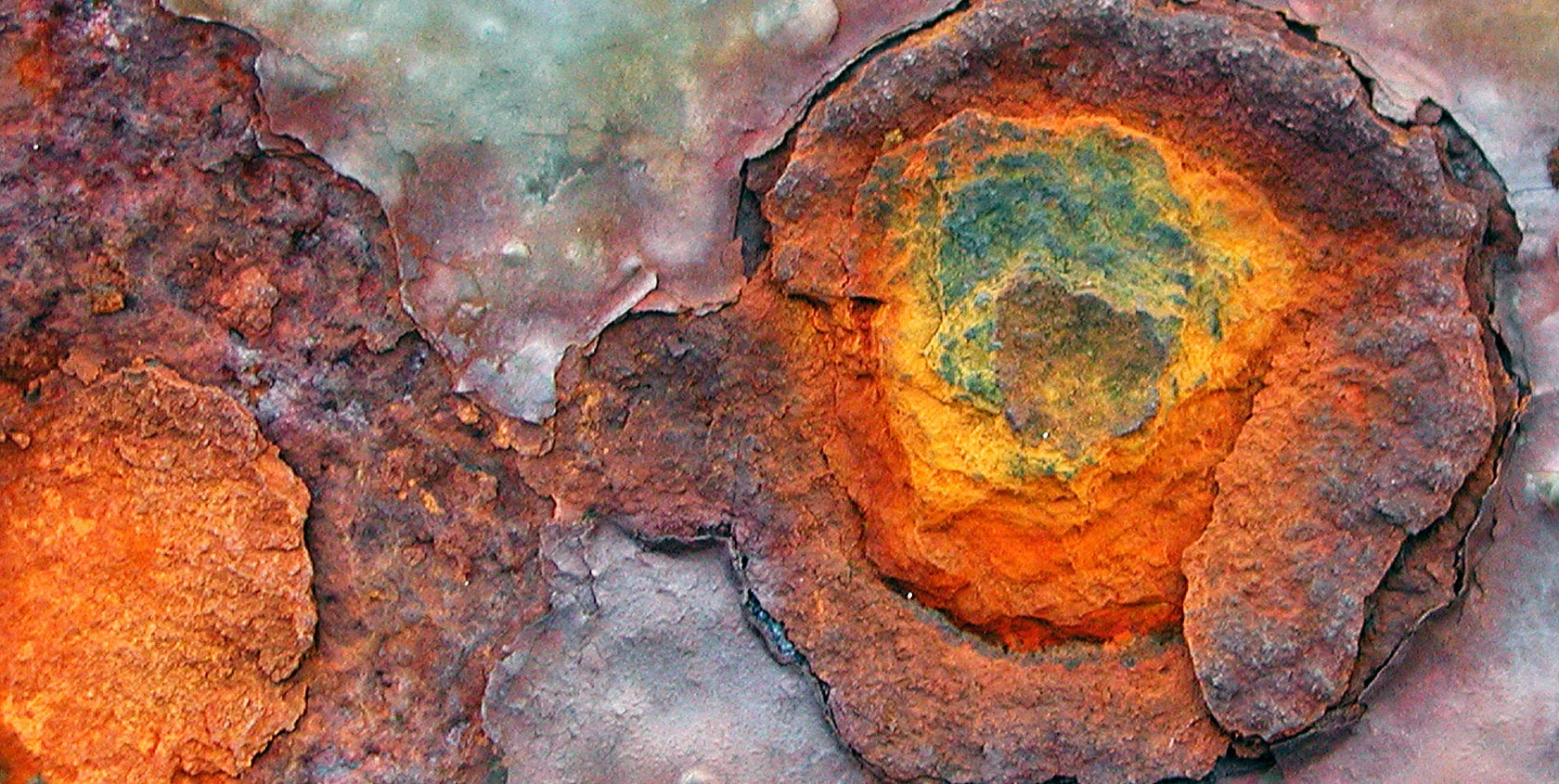
Yes, stainless knives rust too. What iron oxide actually is, why the dishwasher ruins a blade, and the ways to scrub the orange flakes back off.
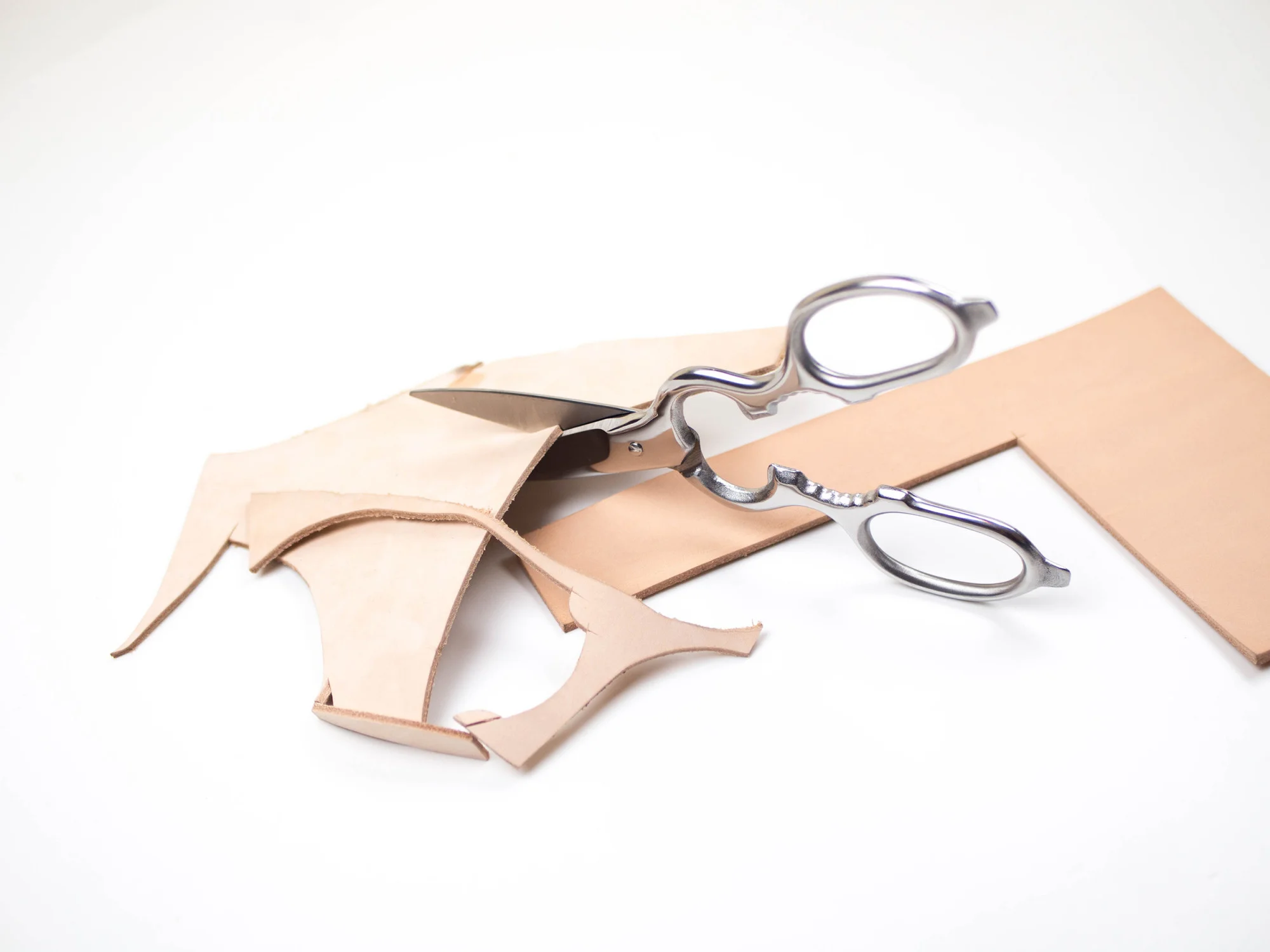
Cross six inches and it’s shears, not scissors. The larger handle gives leverage for tougher cuts; scissors stay small and multipurpose.

Scandinavian cool meets Japanese warmth: Japandi leans on wabi-sabi and hygge for rooms that stay minimal without feeling clinical.
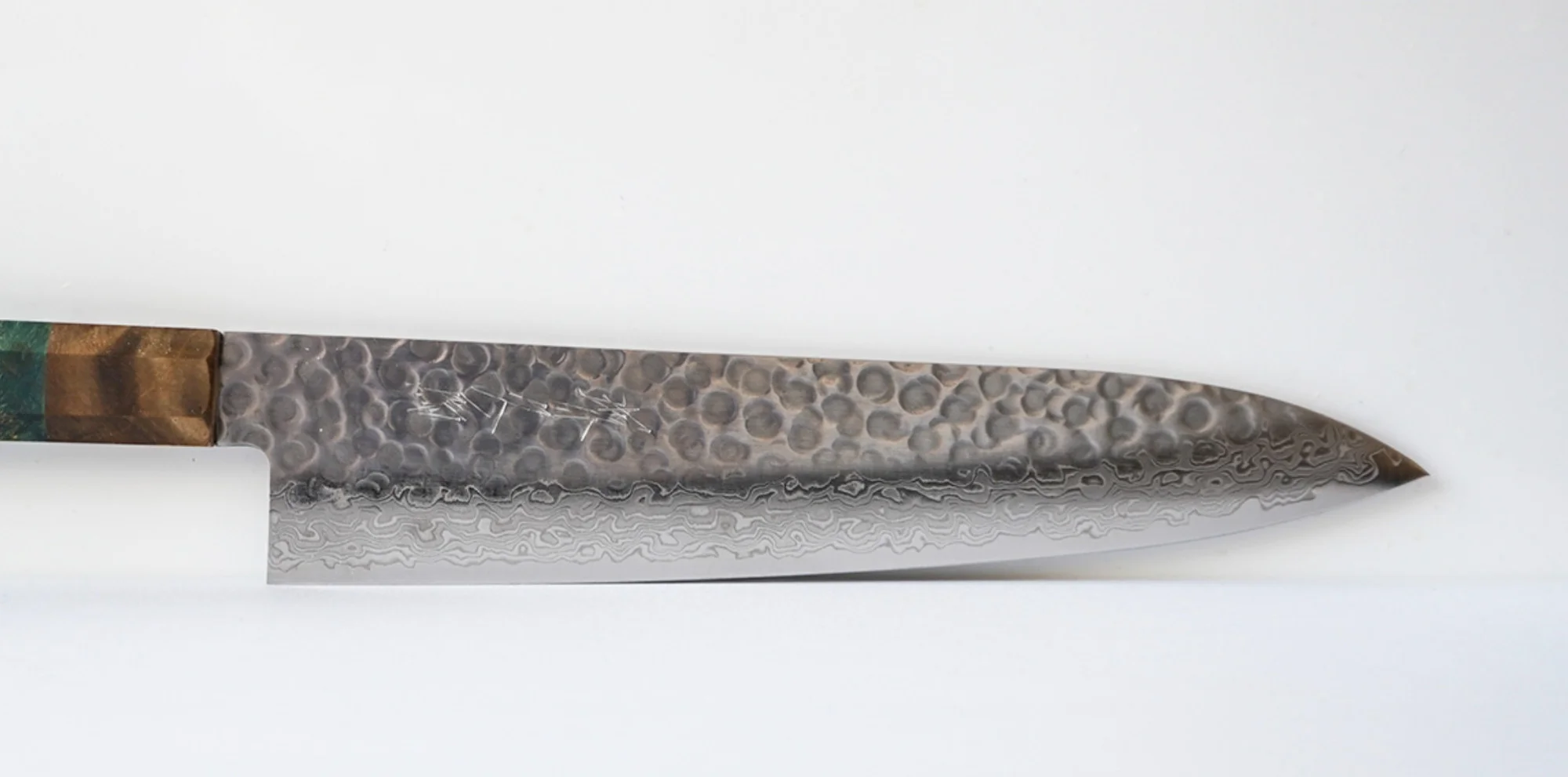
First proper knife? Buy a gyuto. Add a nakiri and a petty later, and those three handle most of what a kitchen throws at you.
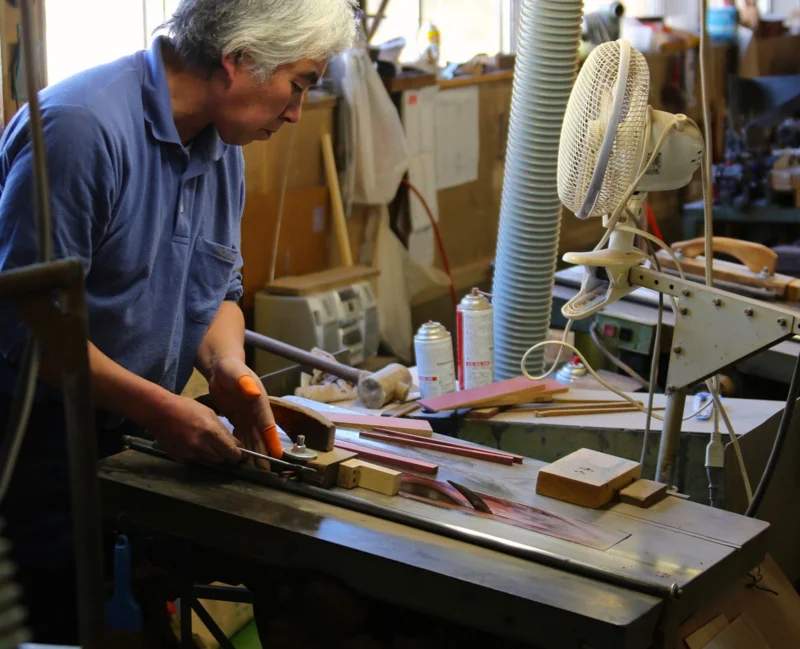
Sakai’s blacksmiths turned samurai sword craft into tobacco-cutting knives after the Portuguese brought tobacco to Japan in the 16th century.
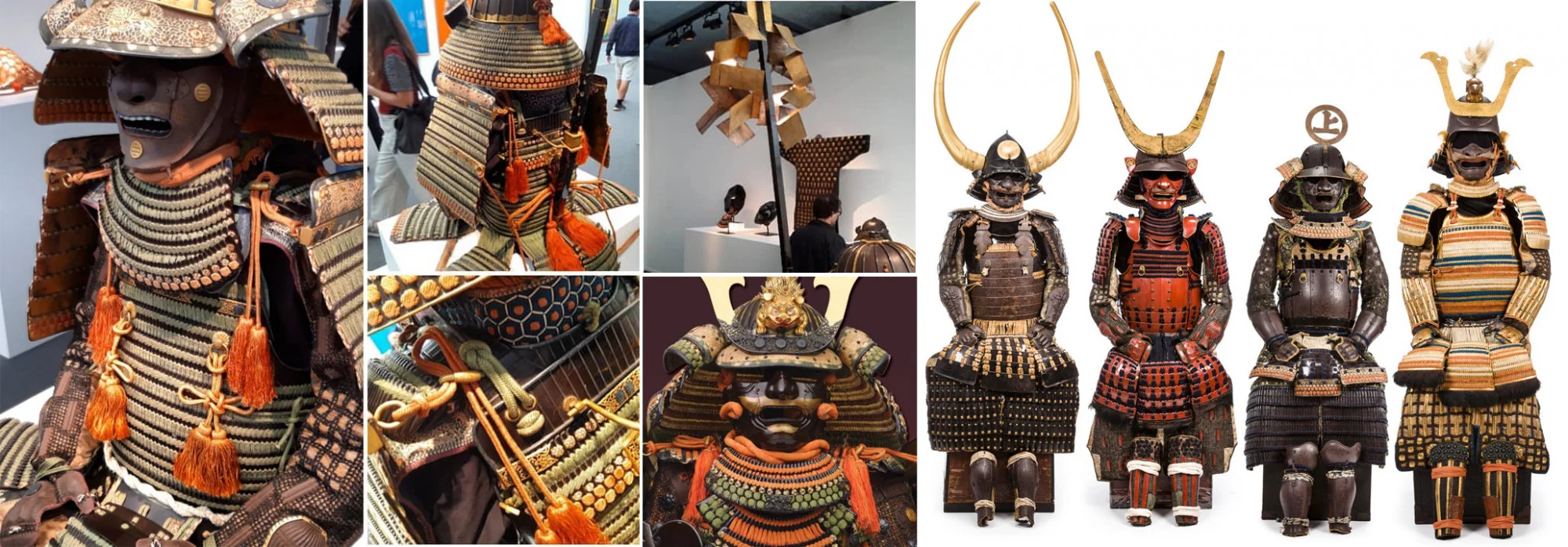
One suit of samurai armour needed up to 300 metres of braided silk cord. Kumihimo’s patterns were guarded like family secrets, and some still are.
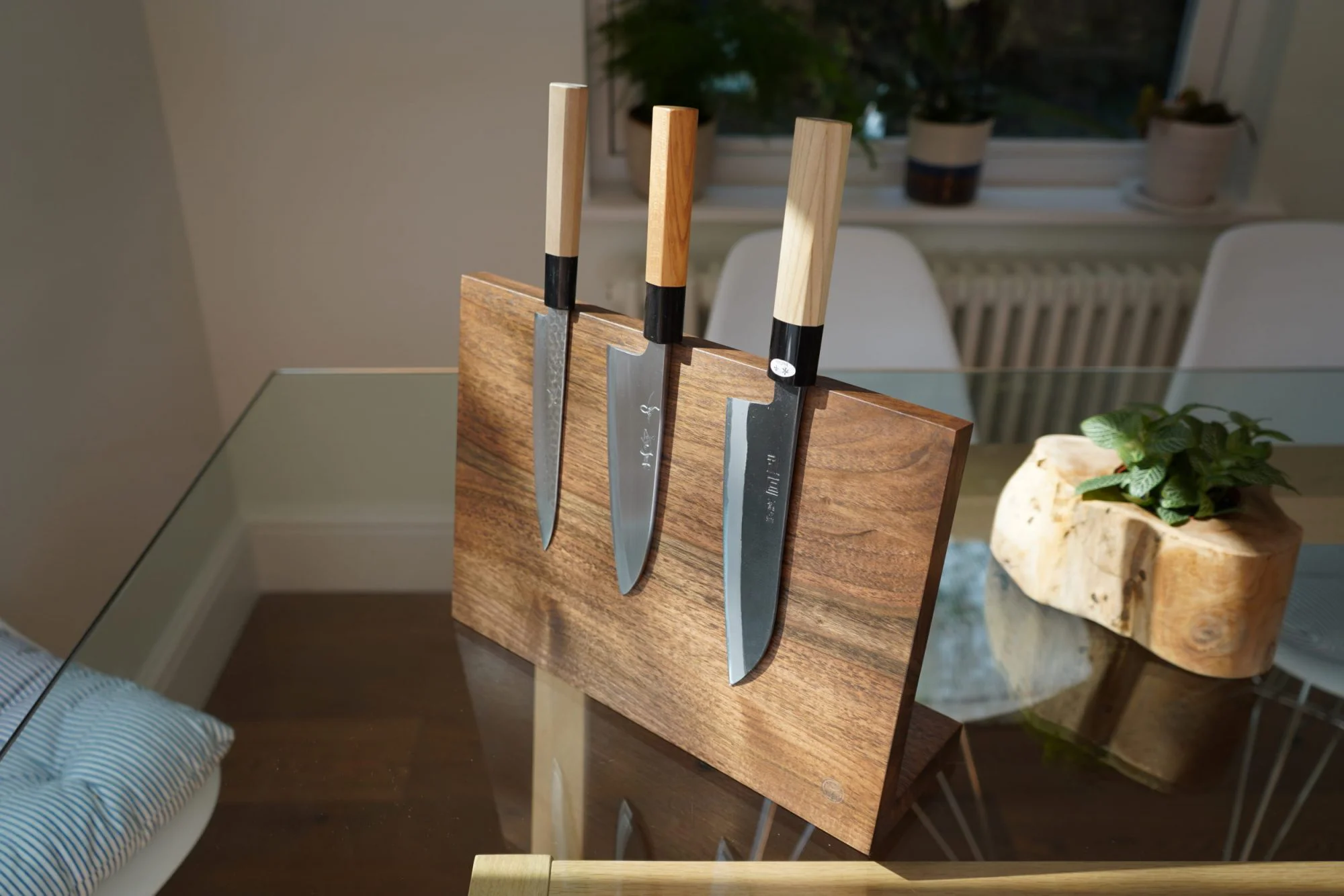
A towel holder, a clip-on meat thermometer, measuring spoons that nest together: six magnets that claw back counter space in a small kitchen.
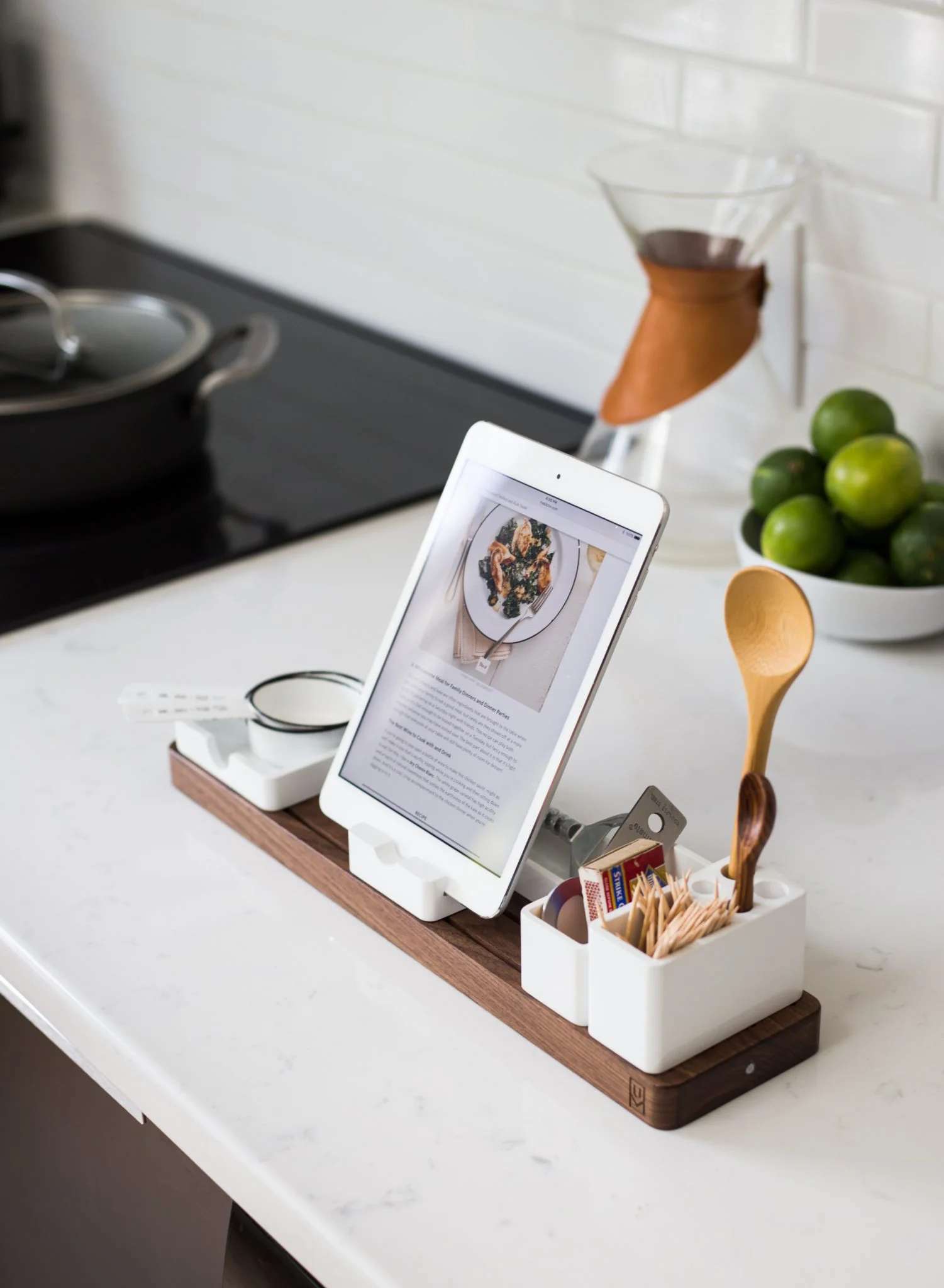
How to declutter your kitchen the Japanese way using danshari, taking stock, paring down glassware, and storing daily items within easy reach.
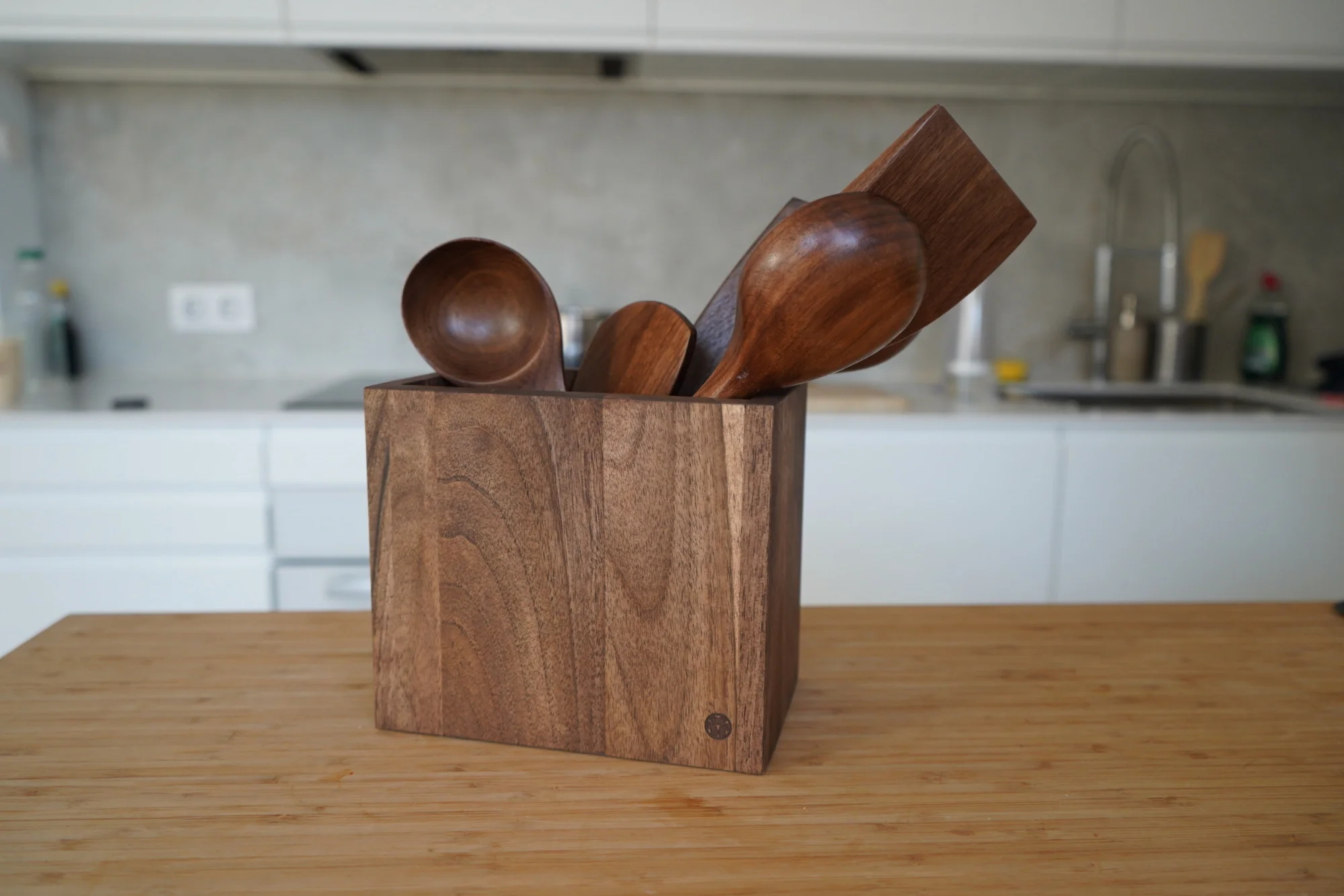
After advising thousands of customers, here are the eight tools we’d actually stock a kitchen with, and yes, we lean hard toward Japan.
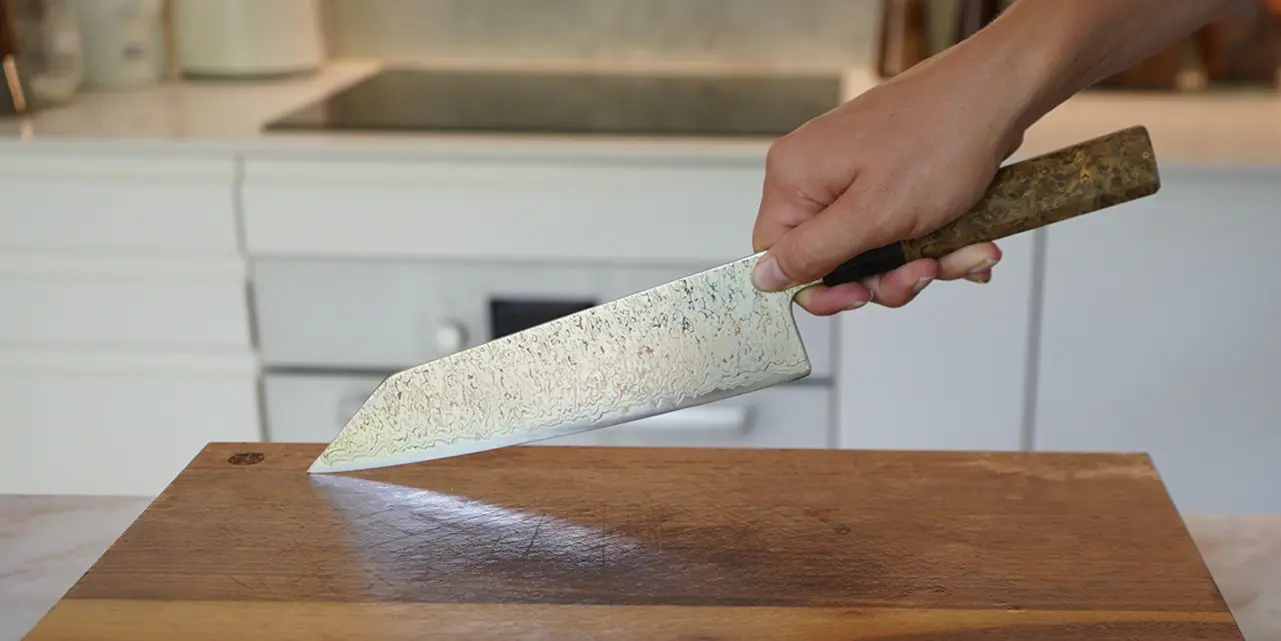
Buying your first Japanese knife feels like a gamble. Here’s how to read shape, steel and handle so it isn’t, plus the 100-day guarantee that softens the risk.
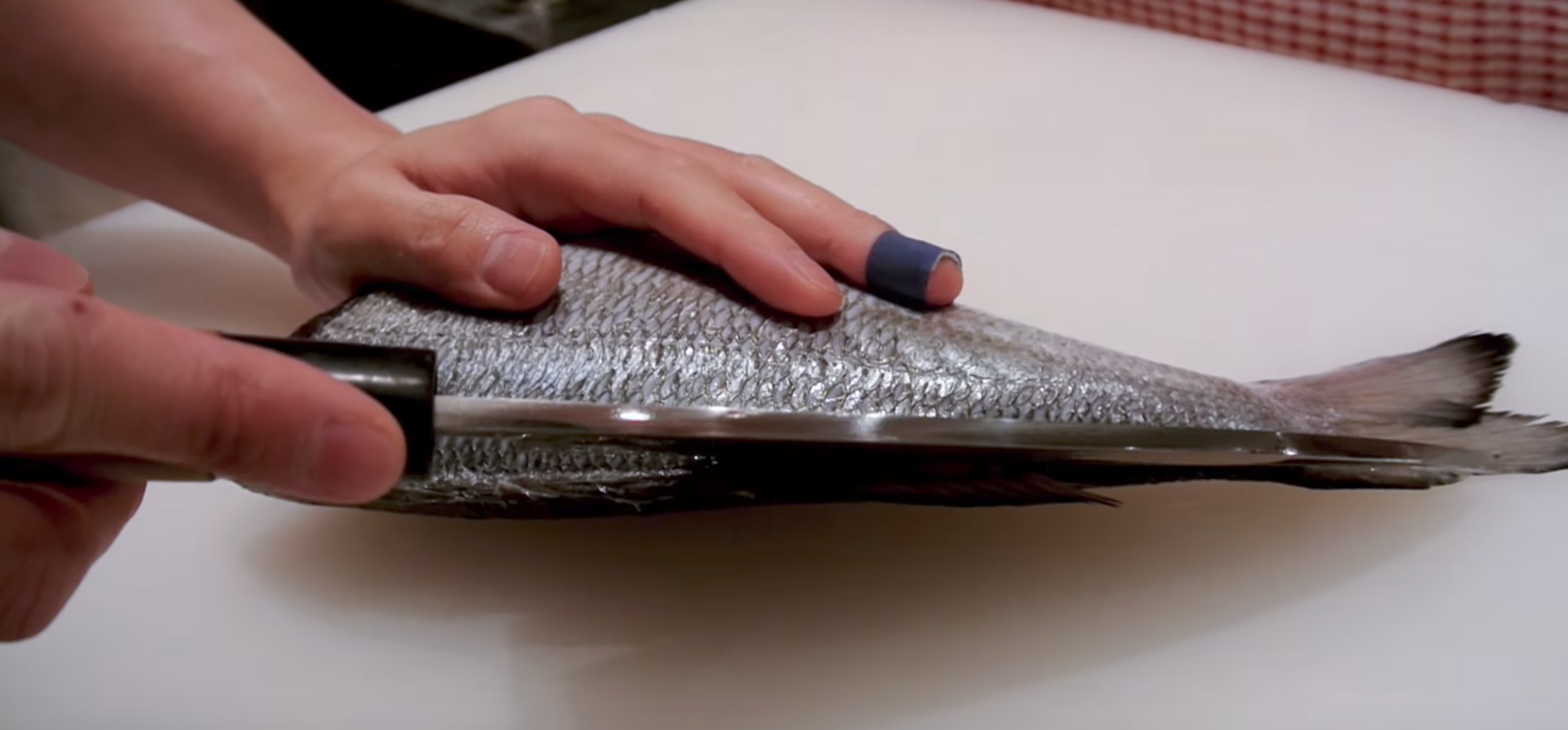
Trim the fins, open the belly, run the blade along the spine: filleting a round fish like sea bass or mackerel with a Deba, with a video to follow.
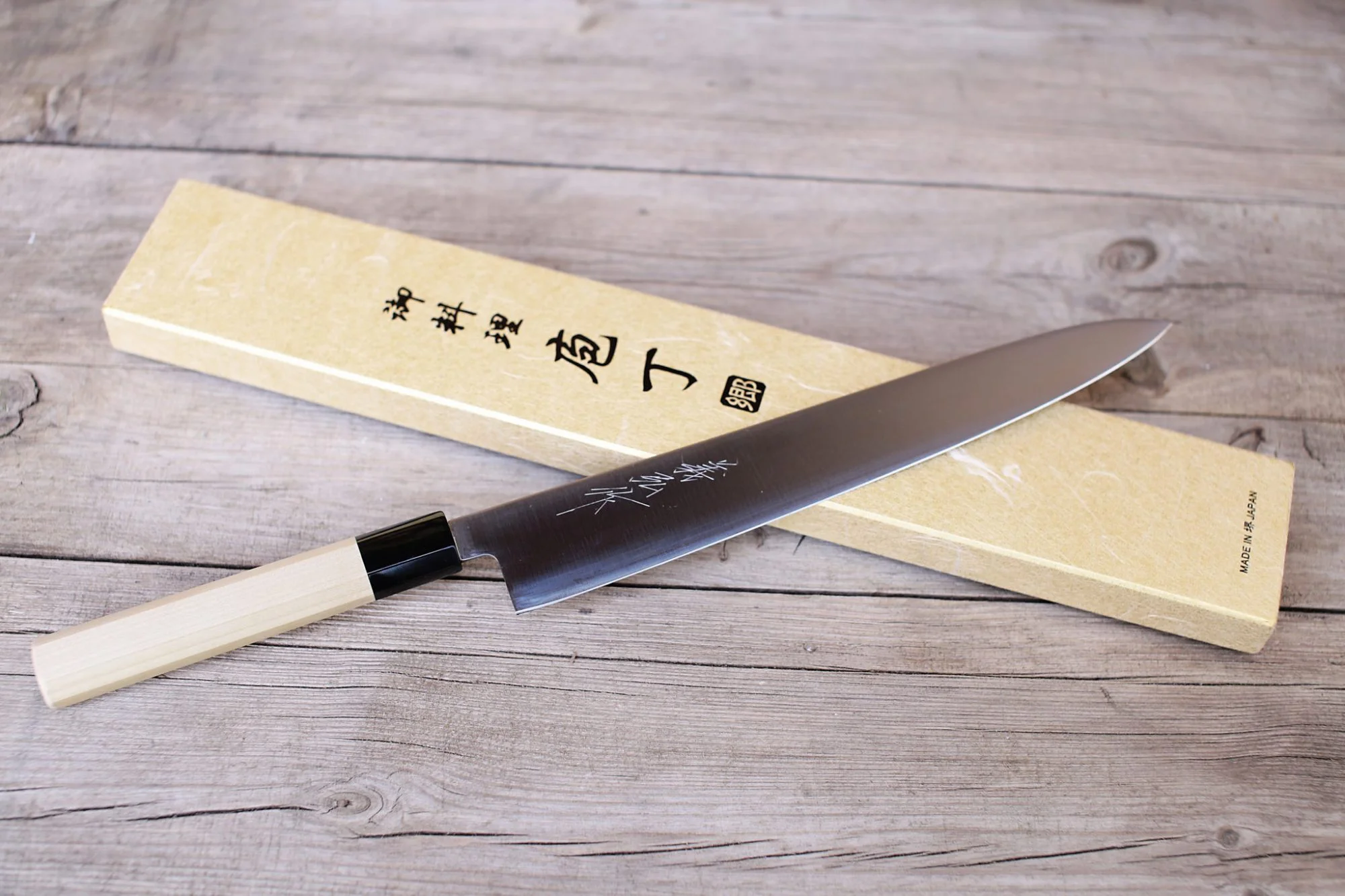
The Sujihiki packs 240-300mm of thin, double-bevel blade, and some sushi chefs reach for it over the yanagiba when slicing sashimi.
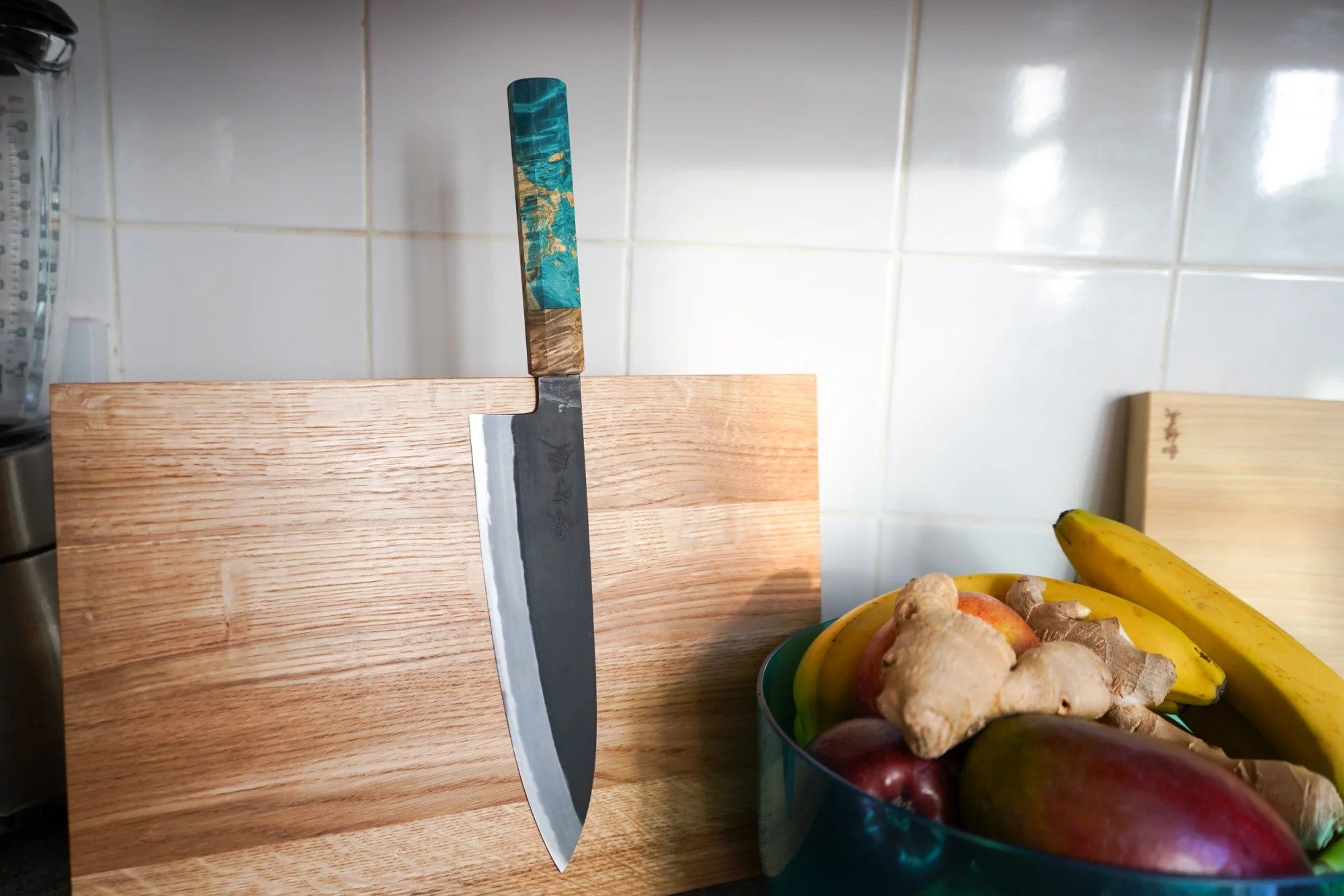
Knife drawers, blocks and magnetic racks compared on space, usability, hygiene, child safety and price to help you store blades well.
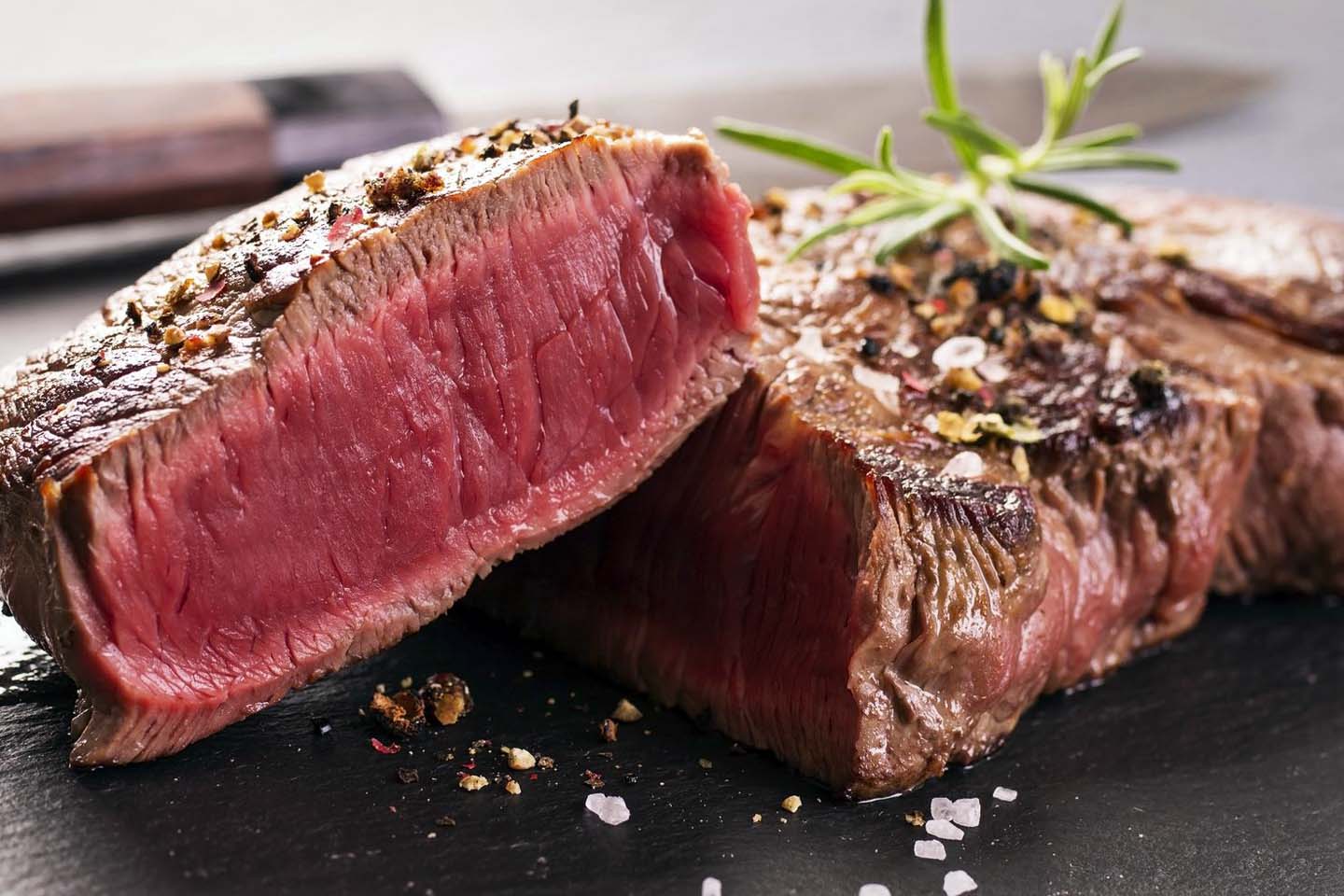
Wagyu runs around £200/kg, but 1kg feeds six and the cooking is almost insultingly simple: sear, season, serve from a screaming-hot cast-iron pan.
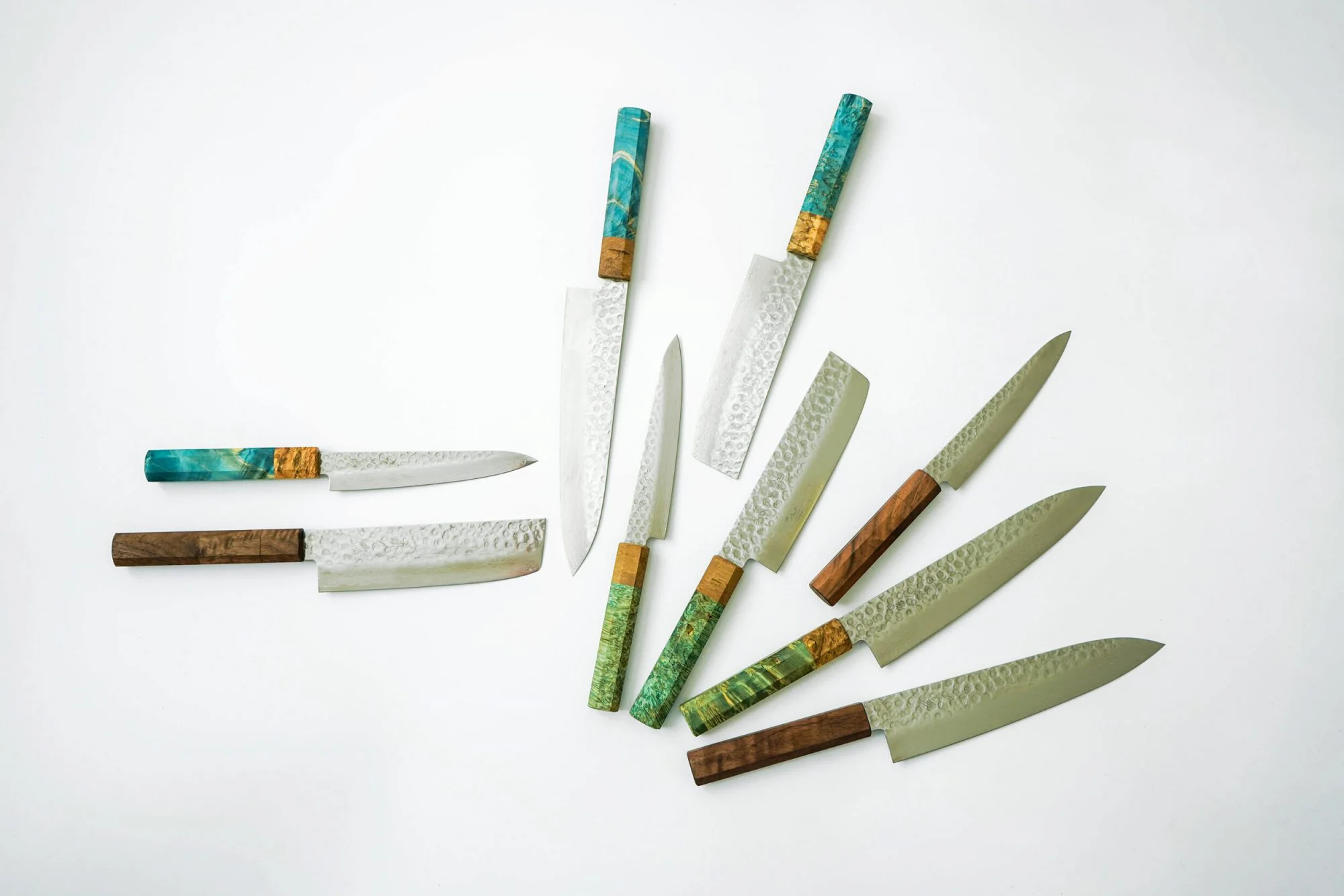
Most homes own three or four knives without really thinking about it. Here are the ten common types sorted, and the four worth buying first.
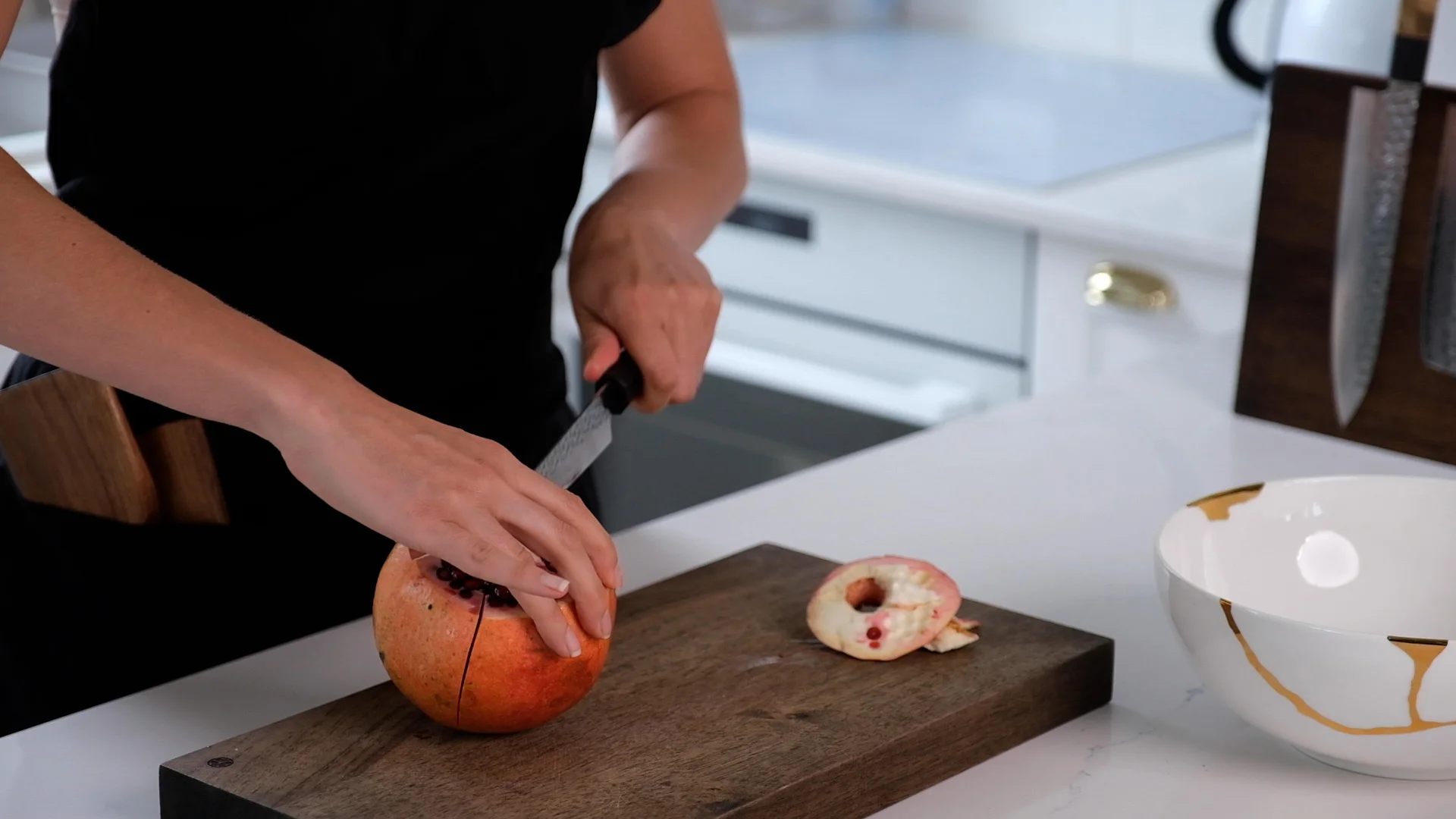
The chef’s knife began as a butchery tool for slicing through cartilage. Here’s how the gyuto and its French and German cousins compare today.
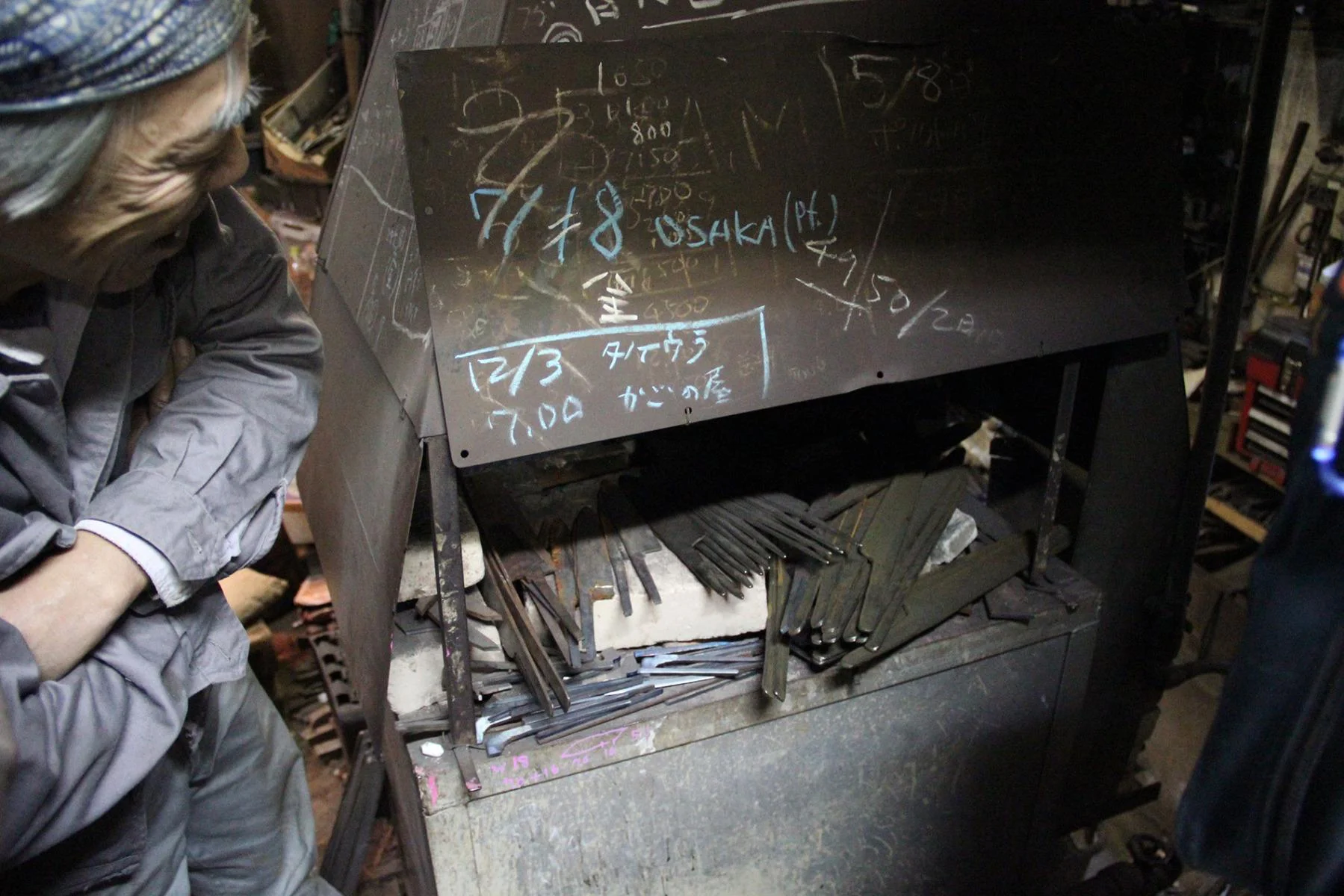
Back from the forges of Takefu and Sakai, where an ageing trade and few young smiths explain why a handmade knife can take months.
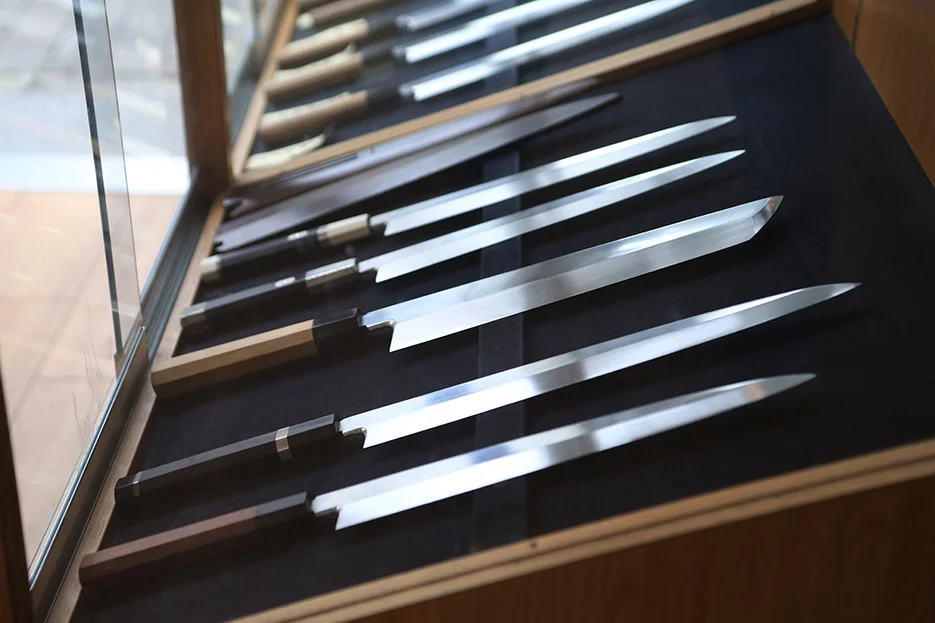
Nine blade shapes, six steel finishes, and how to keep any of them sharp. If you read one thing before buying, make it the long version.
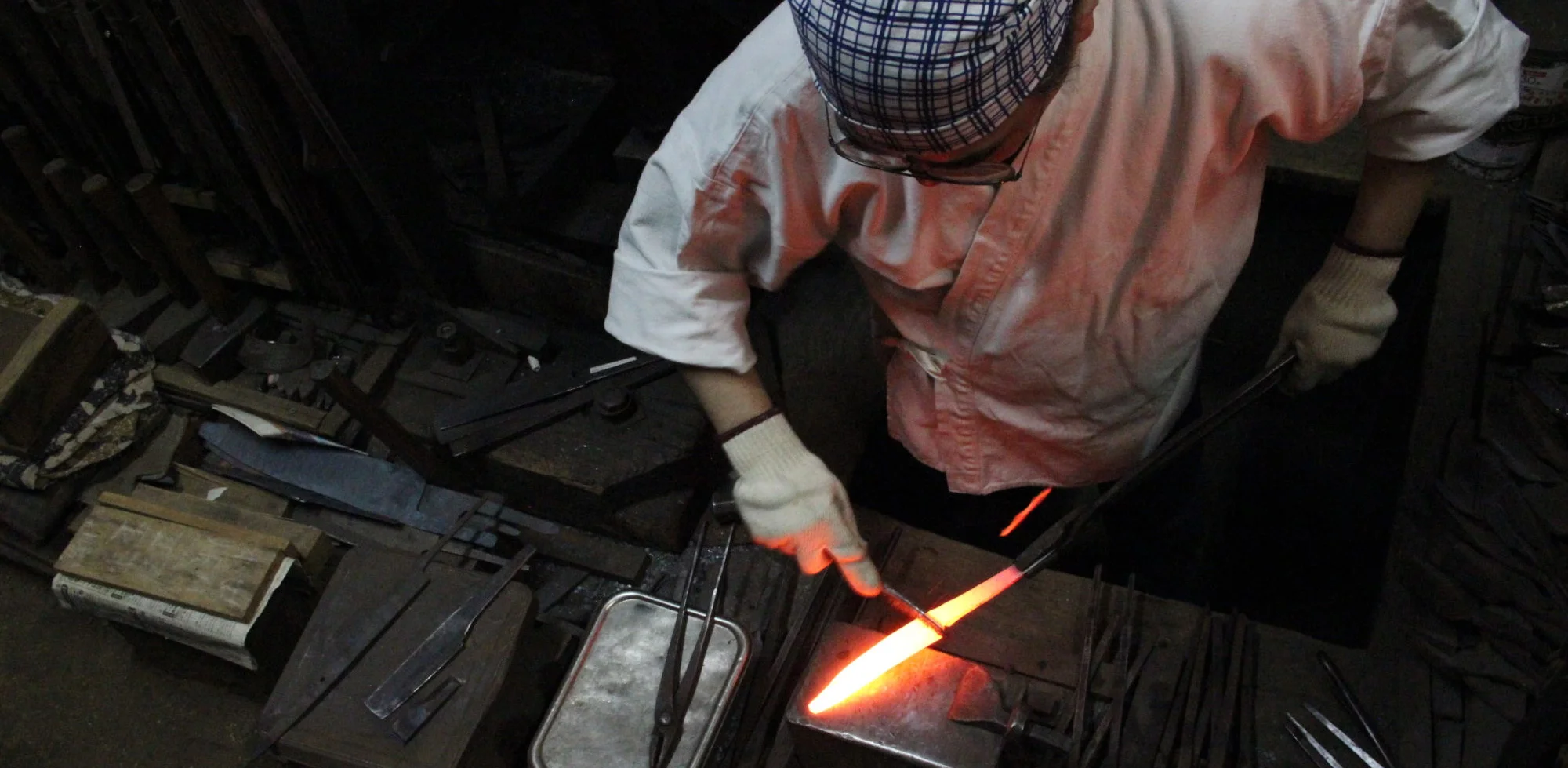
A $5,300 Yoshihiro Honyaki with a hamon shaped like Mount Fuji is only number ten here. Above it: diamonds, gold and rare wood.
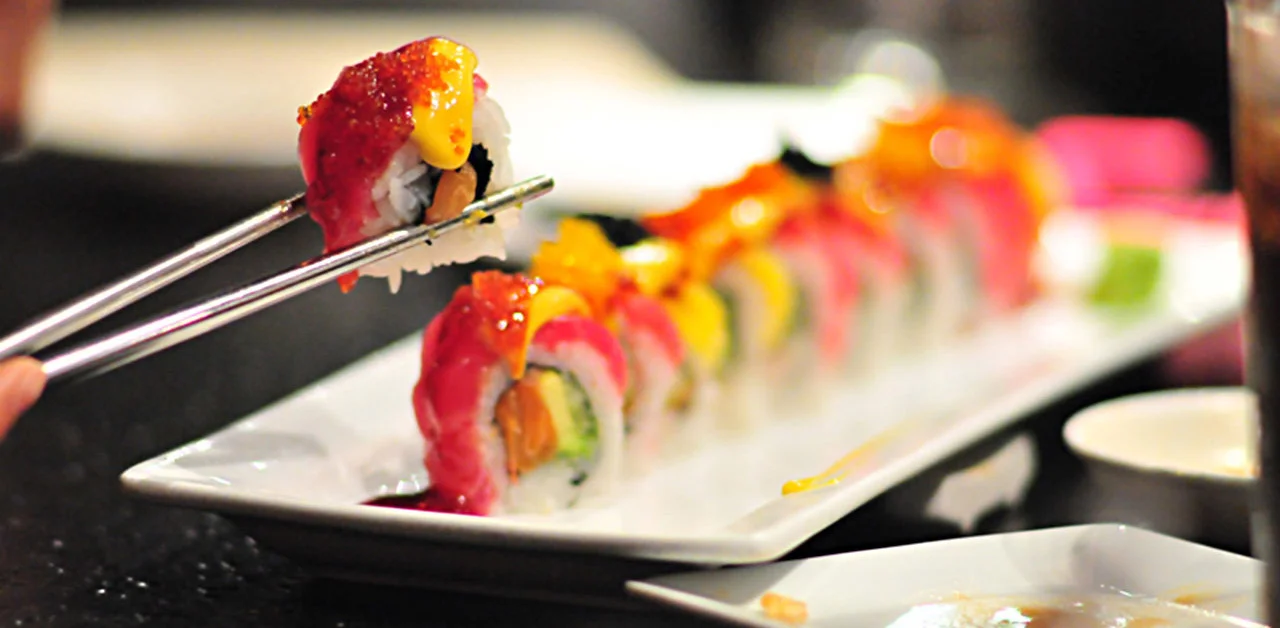
Can you make good sushi at home without a Yanagiba? Where single-bevel slicers ground 70:30 or 90:10 actually earn their keep, and when they don’t.
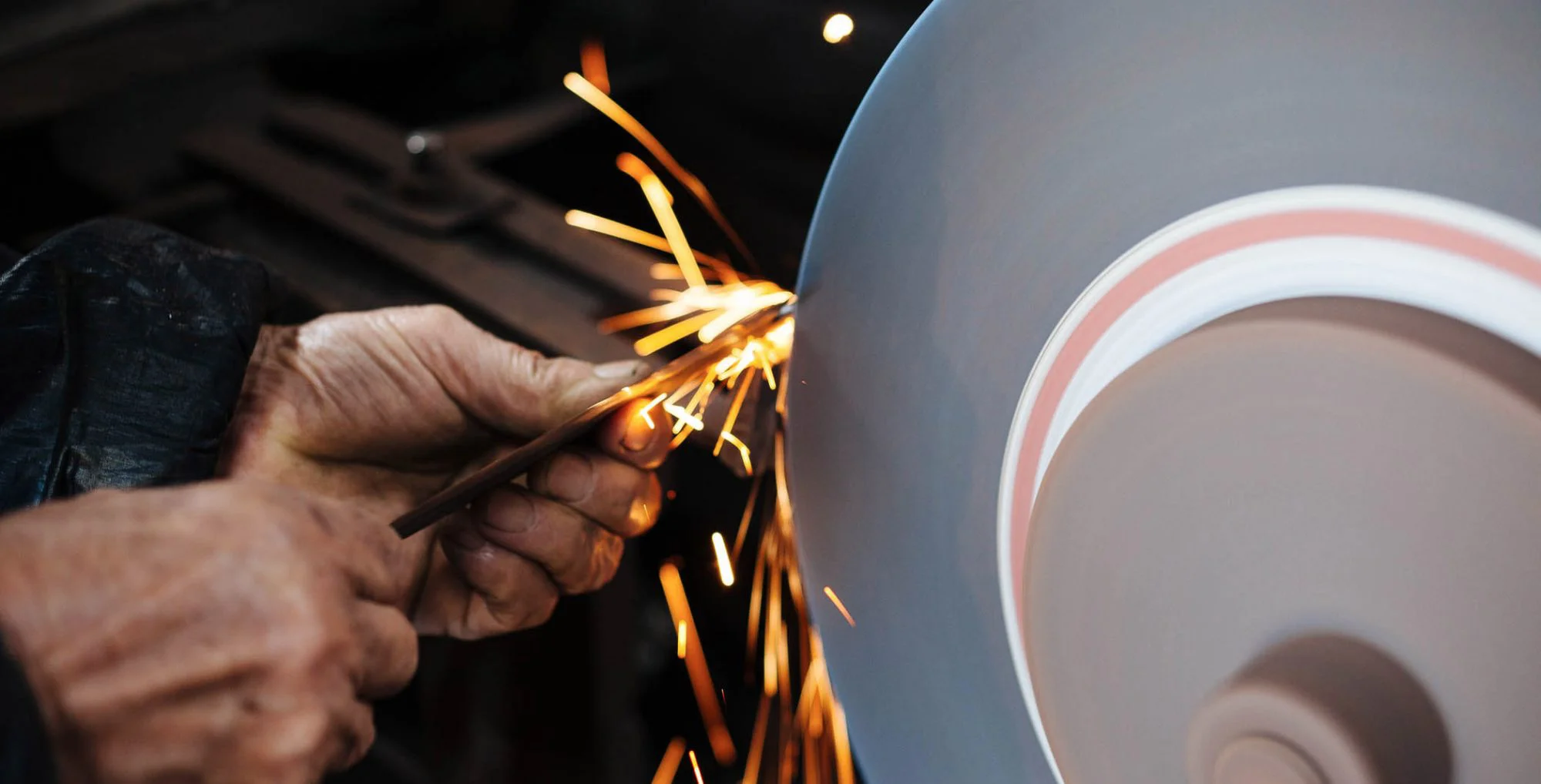
A guide to knife steel including VG10 and Blue Steel, explaining hardness, toughness, wear resistance, and edge retention in plain terms.
The three most common mistakes that ruin Japanese knives: the dishwasher, loose storage in drawers, and how to avoid both with simple care.