An expert buying guide to Japanese chef knives, explaining gyuto, santoku and bunka styles, steel hardness and picks like the RYU Gyuto.
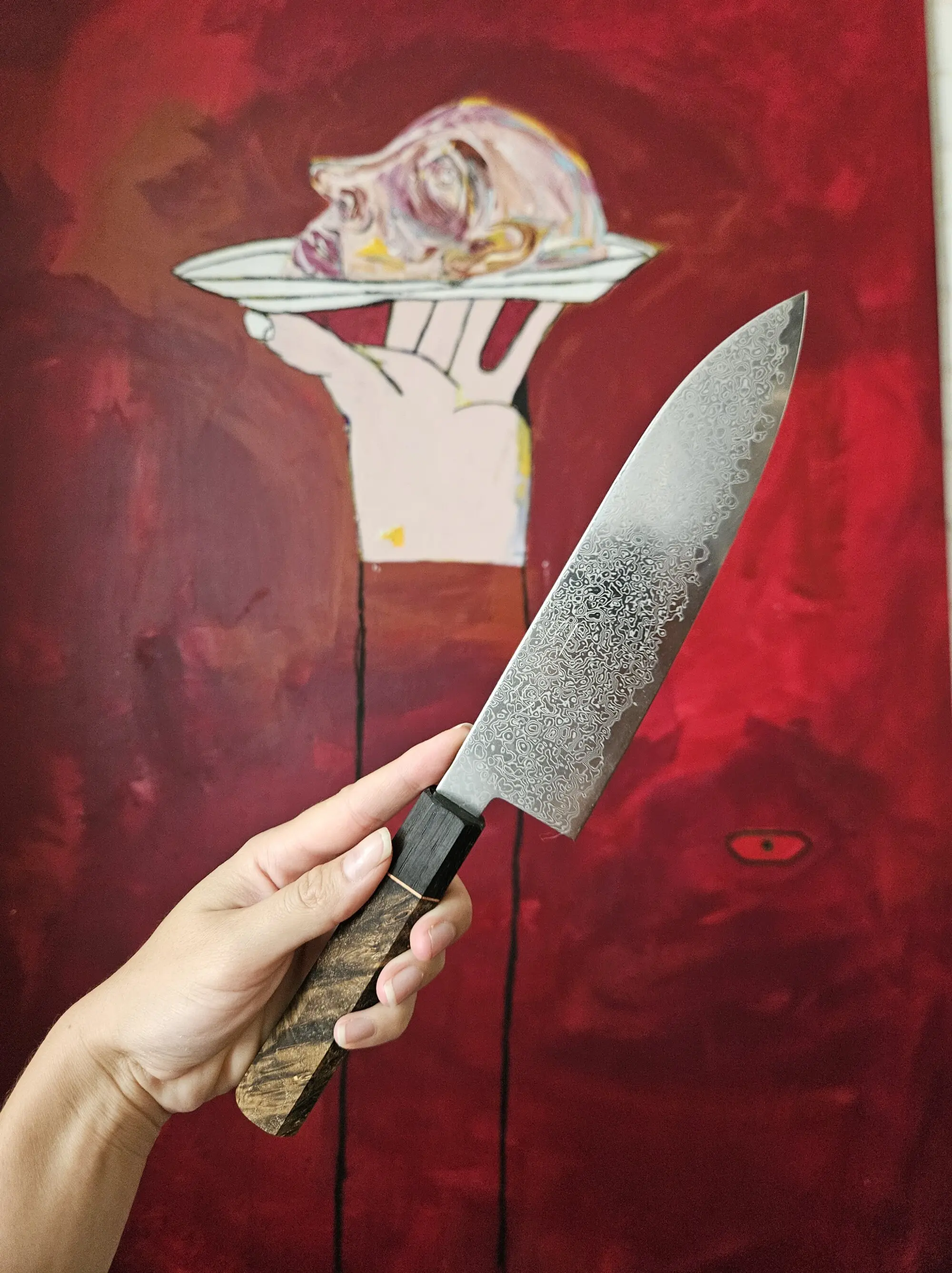

An expert buying guide to Japanese chef knives, explaining gyuto, santoku and bunka styles, steel hardness and picks like the RYU Gyuto.
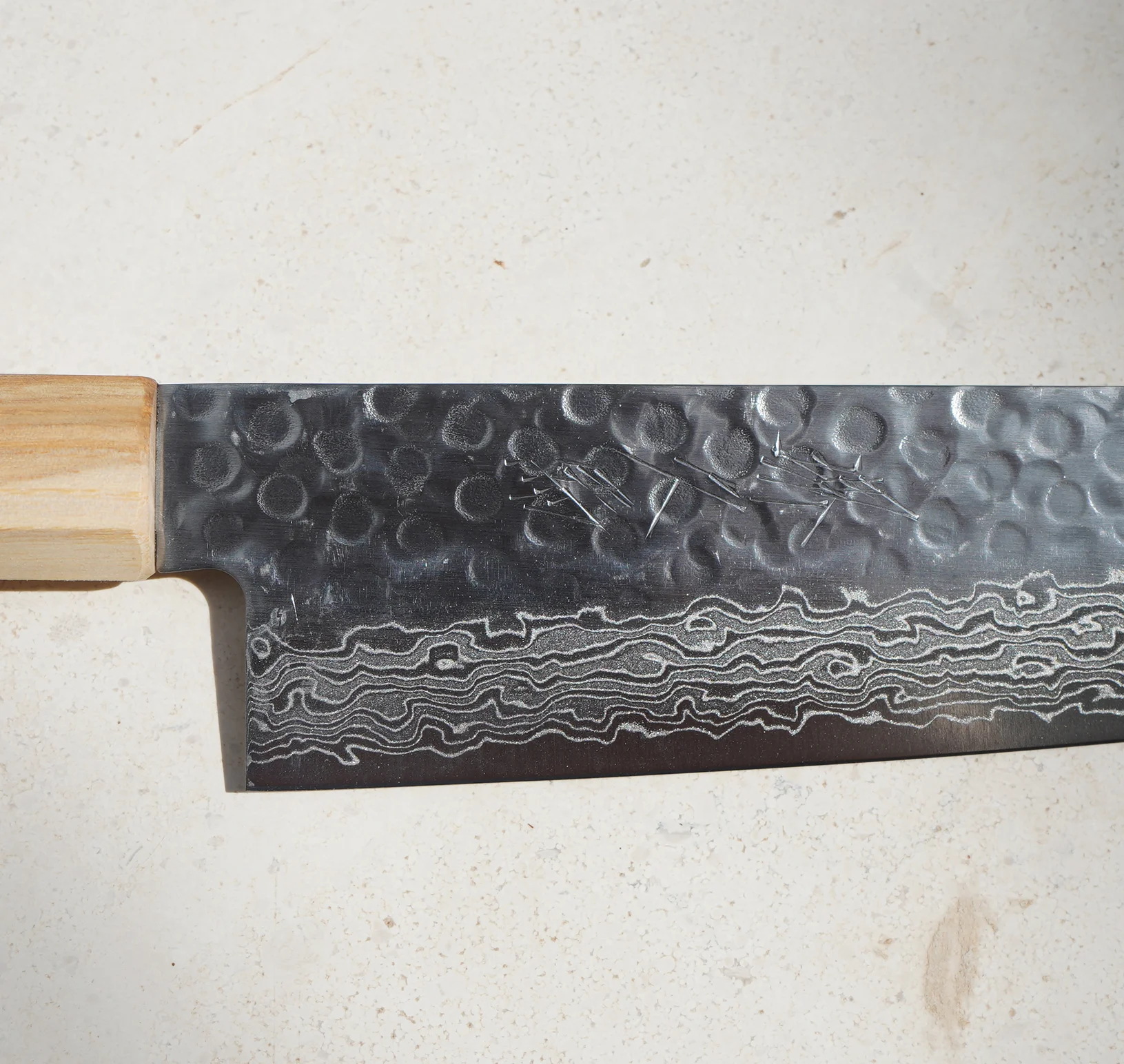
What Japanese blade finishes really do, from the tsuchime hammered texture that releases food to the Damascus cladding on the Sakai KYU line.
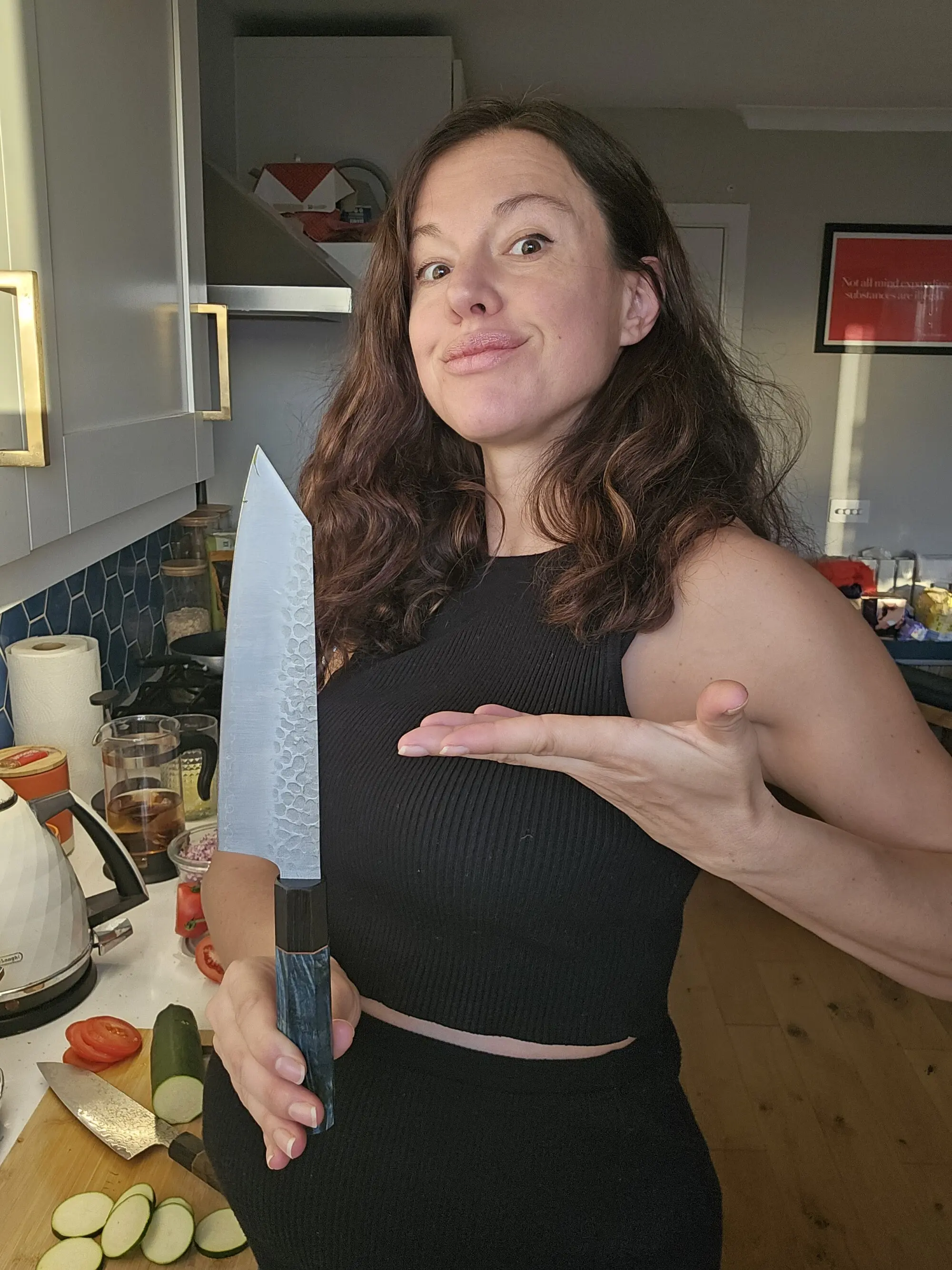
Is a £300 kitchen knife worth it? The cost-per-meal maths, plus what VG10 steel and three-layer construction in the KATA Bunka actually buy you.
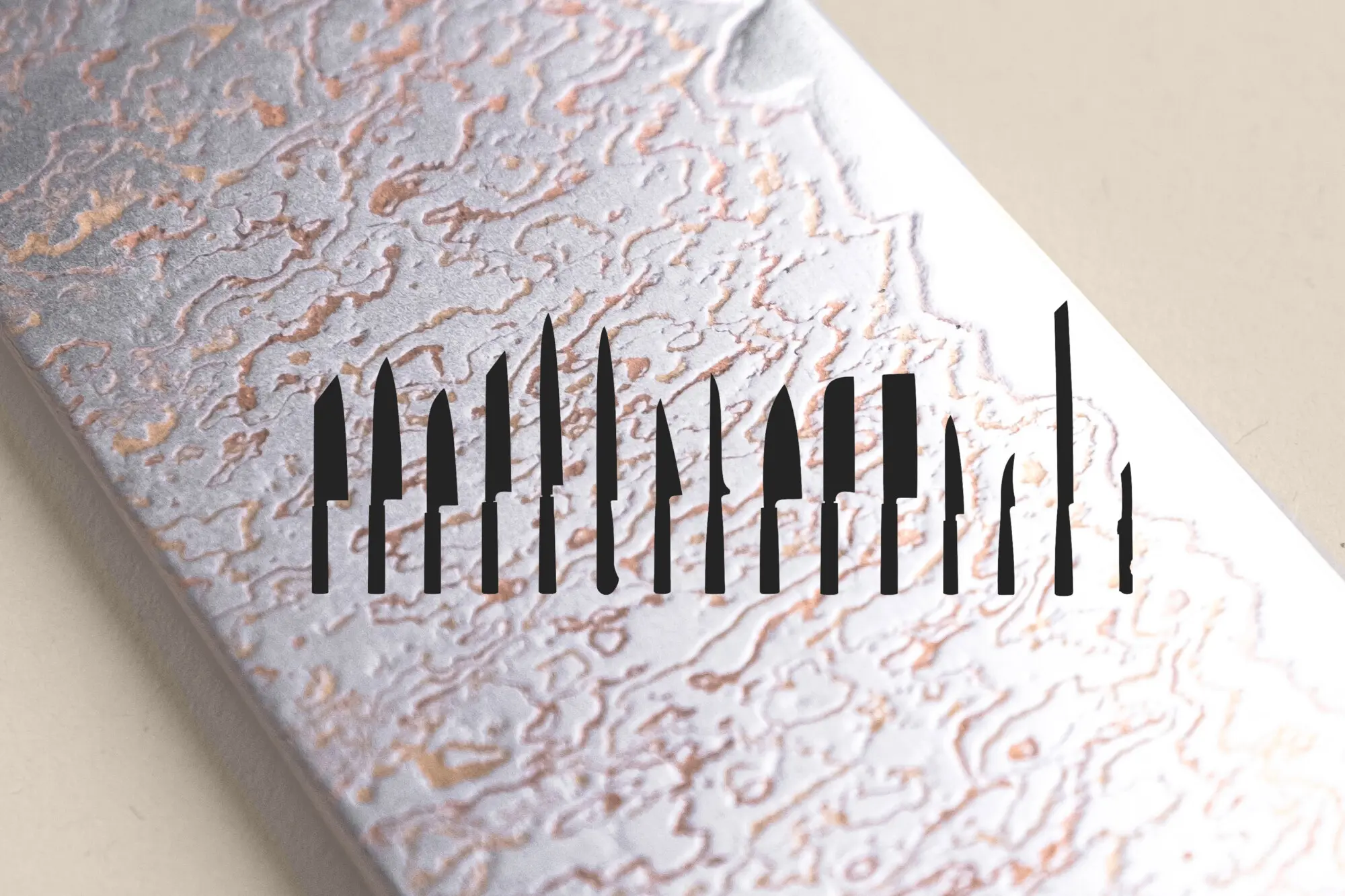
A guide to every major Japanese knife shape, from the all-purpose gyuto and santoku to specialised blades, and what each one is built to do.
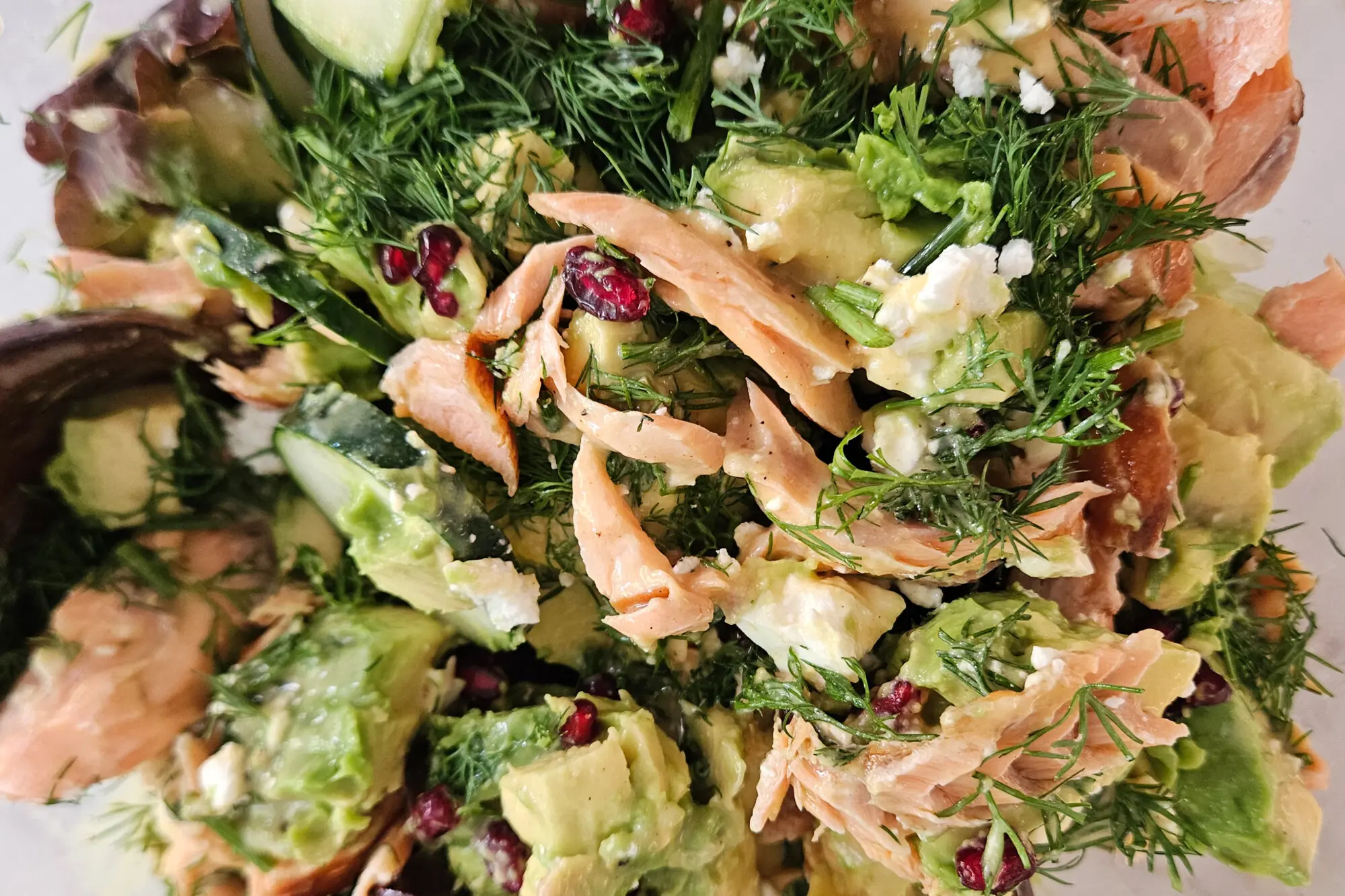
Mixed greens with avocado, cucumber and smoked salmon, scattered with feta and dressed in a lemon, honey and Dijon vinaigrette with fresh dill.
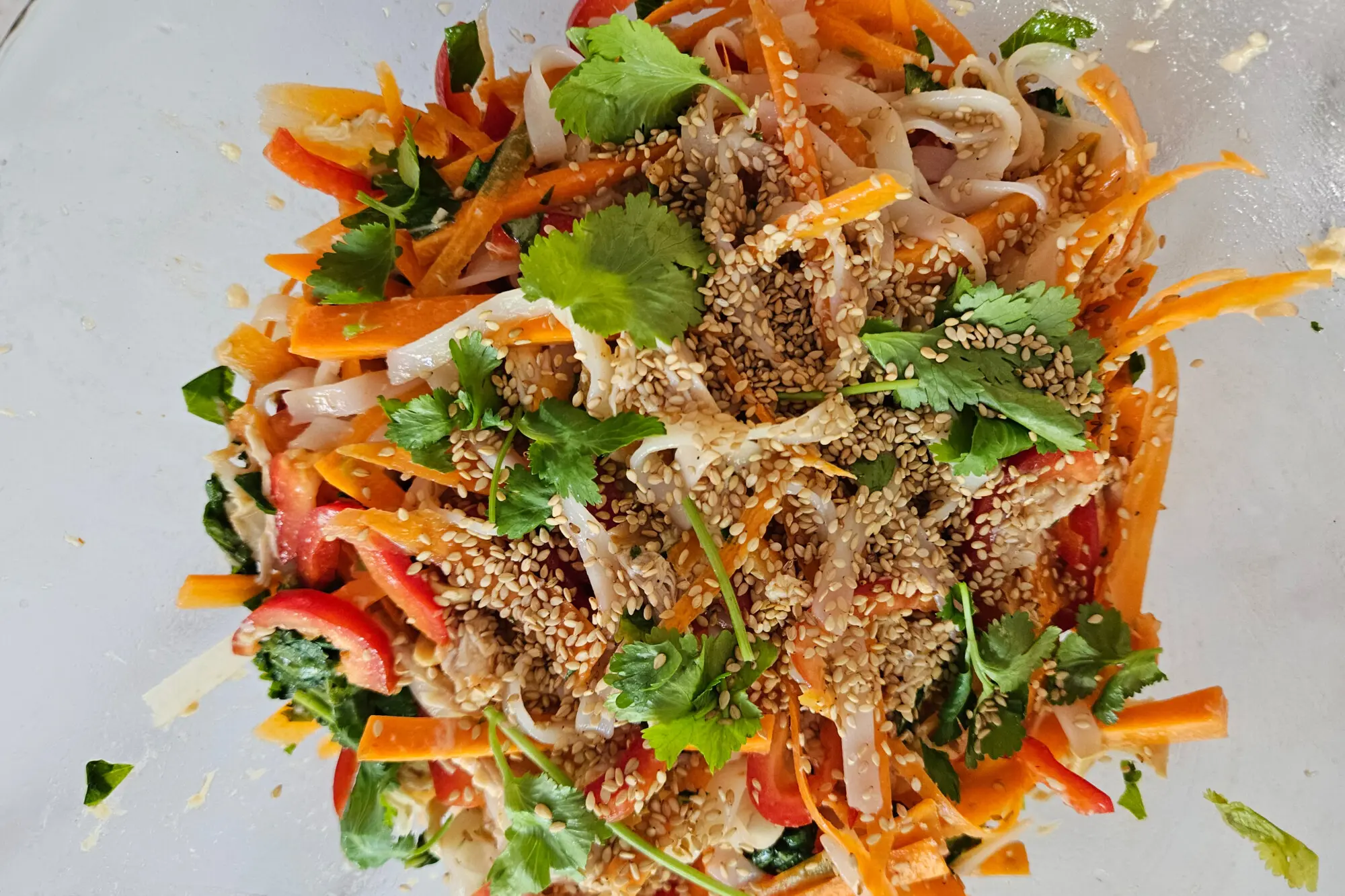
Rice vermicelli with shredded roast chicken, carrots and herbs in a fish sauce and sambal dressing, topped with peanuts and Fresno chiles.
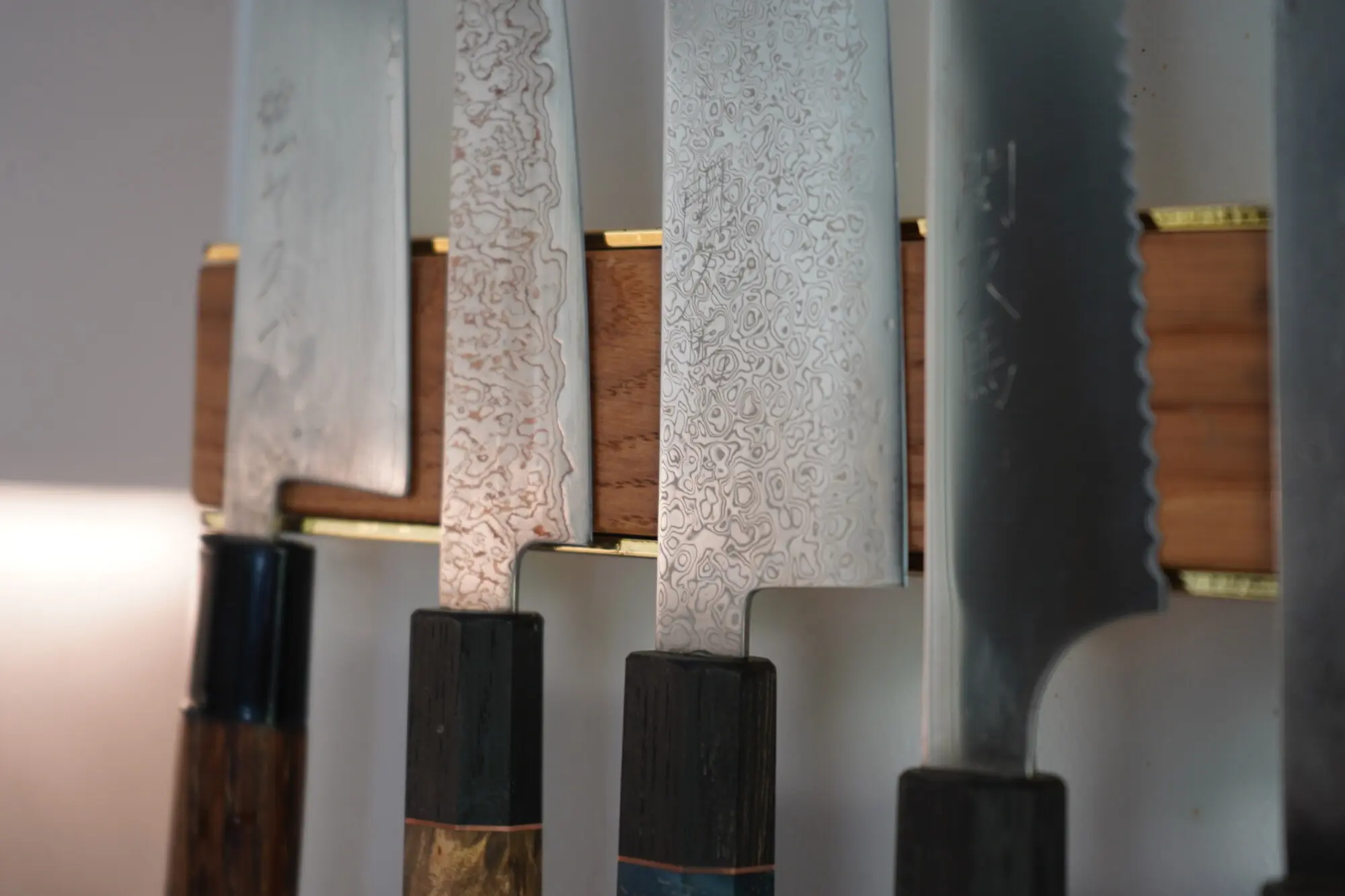
How forged and stamped knives differ, from the hammering and heat treatment of a forged blade to its strength, edge retention and balance.
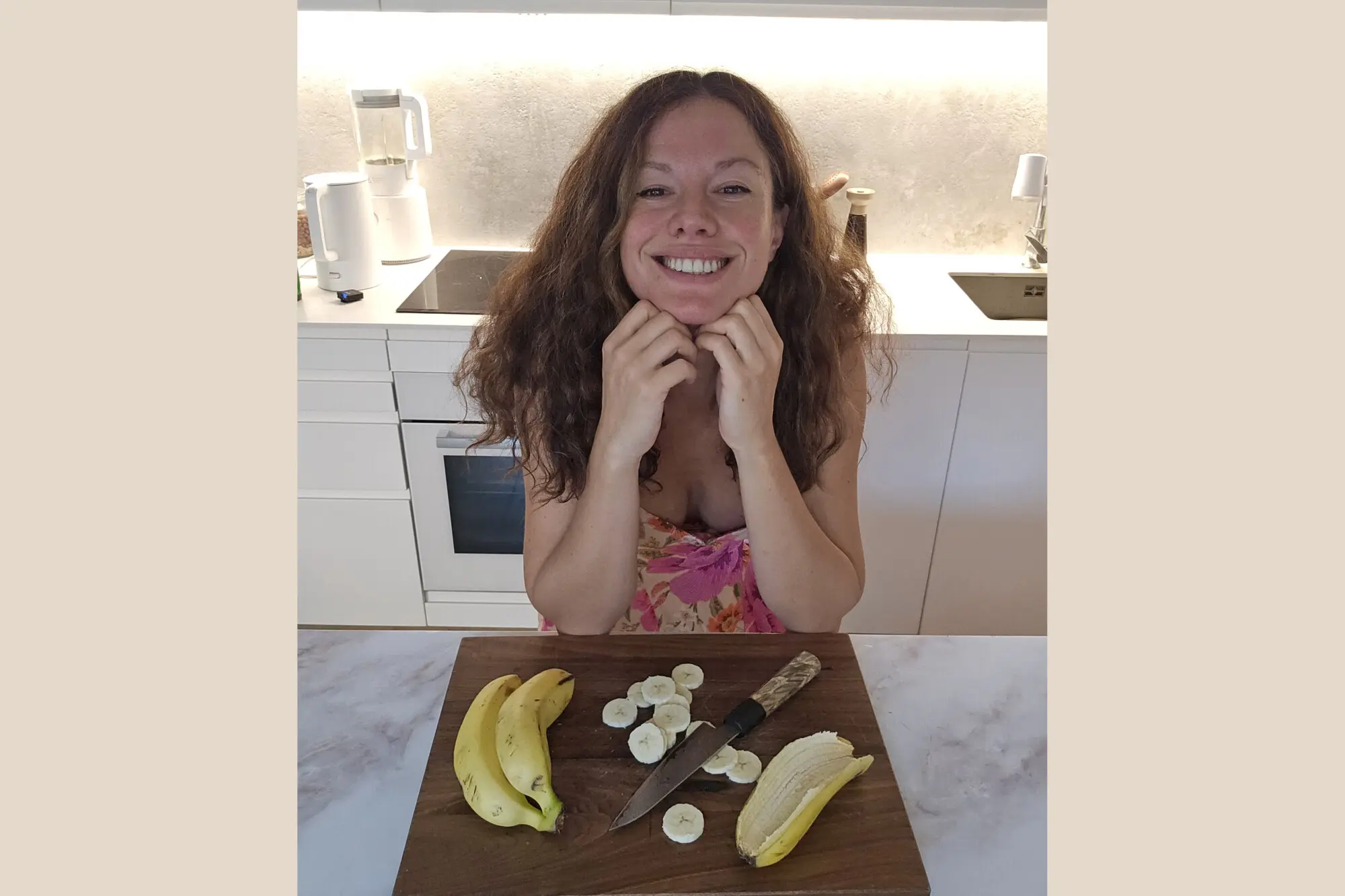
Cooking at home or eating out? A look at the real costs to your wallet, health and time, and when each choice genuinely serves you best.
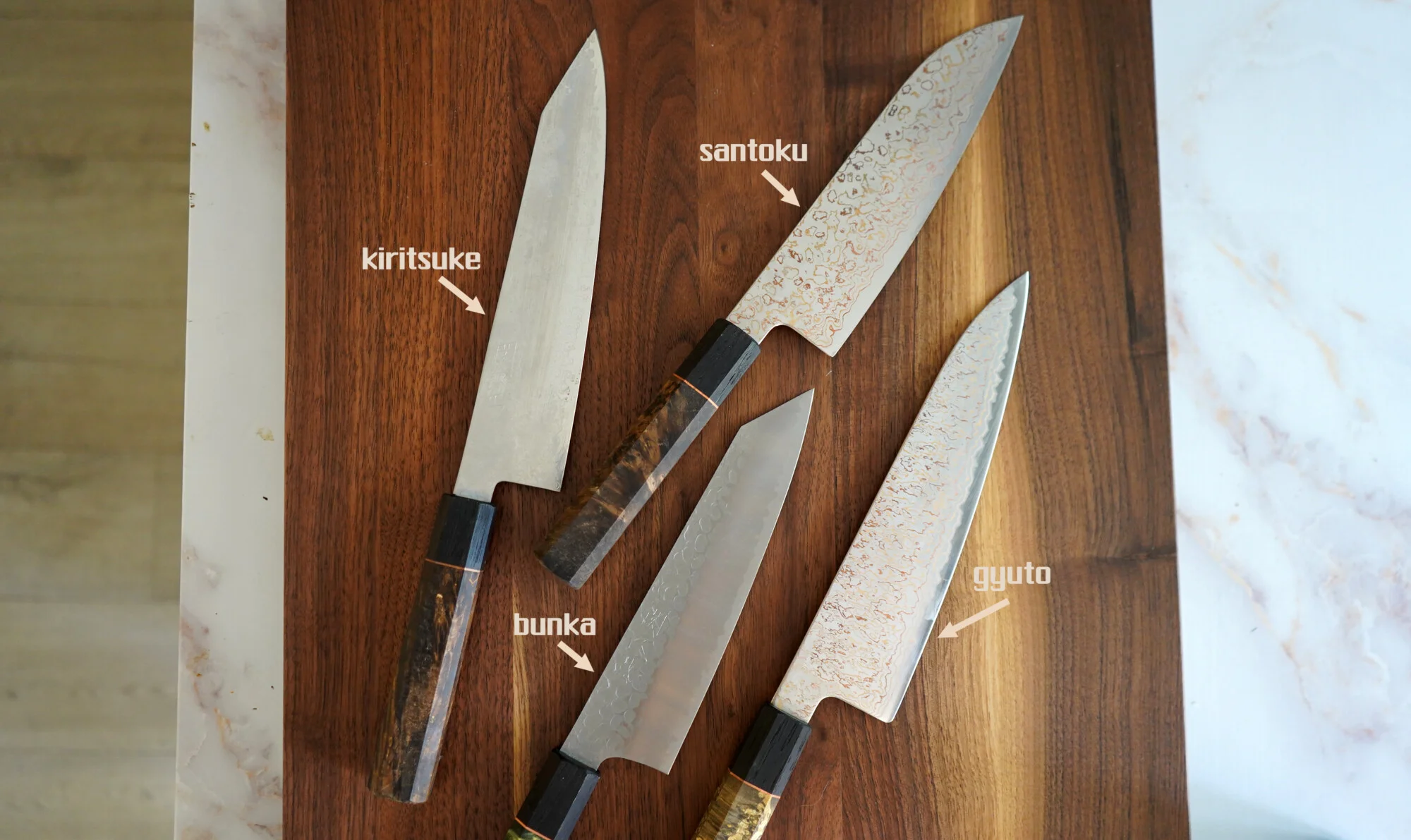
Kiritsuke or Bunka? The longer, elegant Kiritsuke suits showpiece slicing, while the shorter Bunka is a nimble everyday workhorse with a tanto tip.
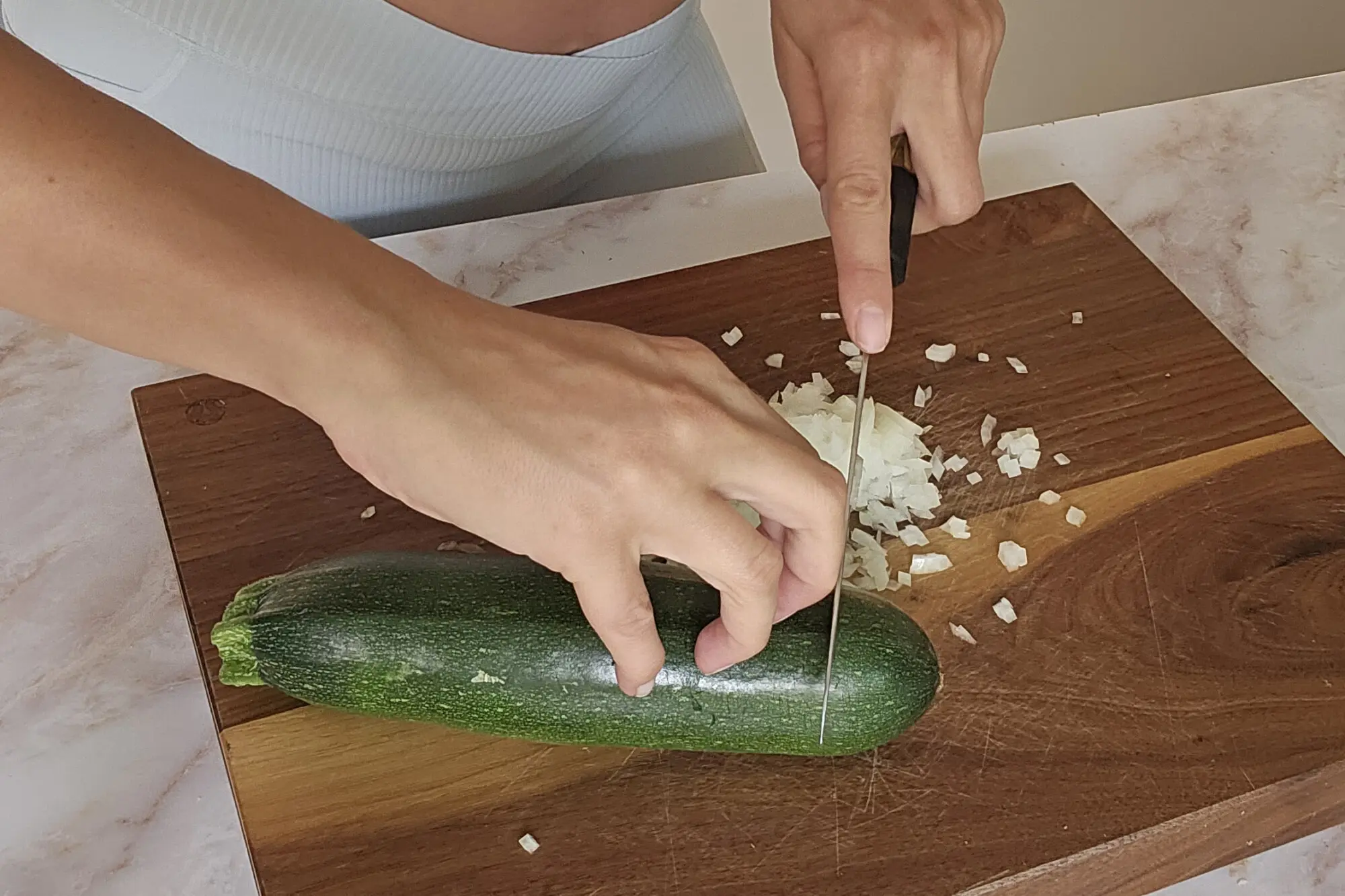
The claw grip is the one technique that keeps fingers safe while cutting onions. Curl your fingertips, use the knuckle as a guide, and cut with control.
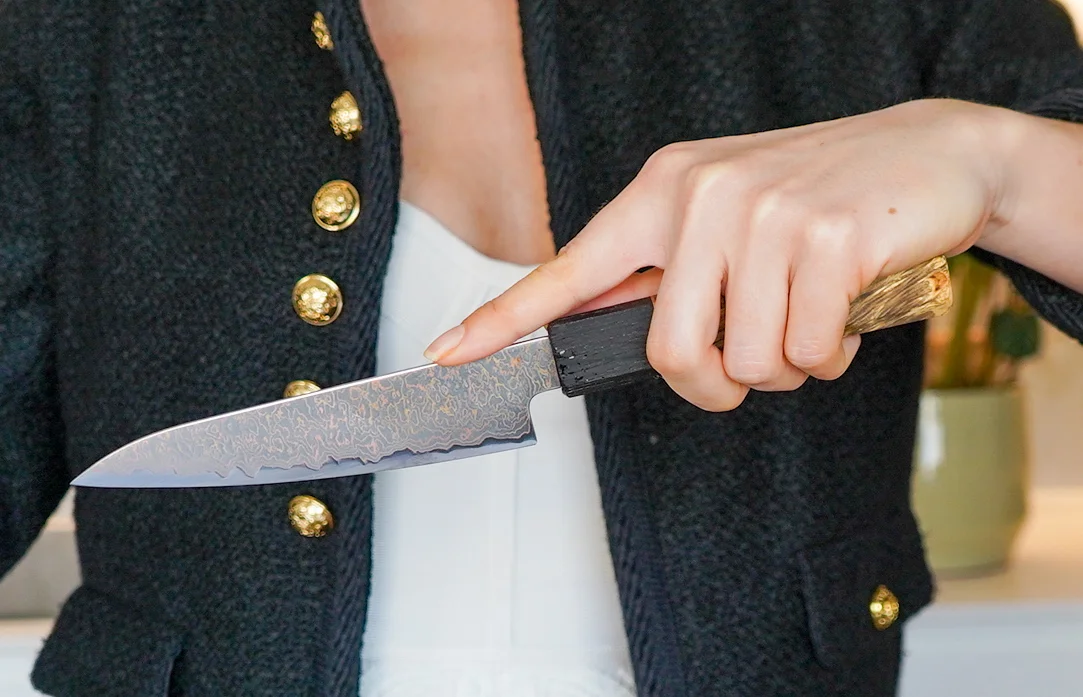
The Gyuto rocks, the Santoku push-cuts, the Bunka splits the difference. Each blade shape has one signature move it was ground to do best.

Ginger cleanses the palate between pieces, not on top of them. Sushi-bar etiquette from chopstick rules to soy, wasabi and the omakase counter.
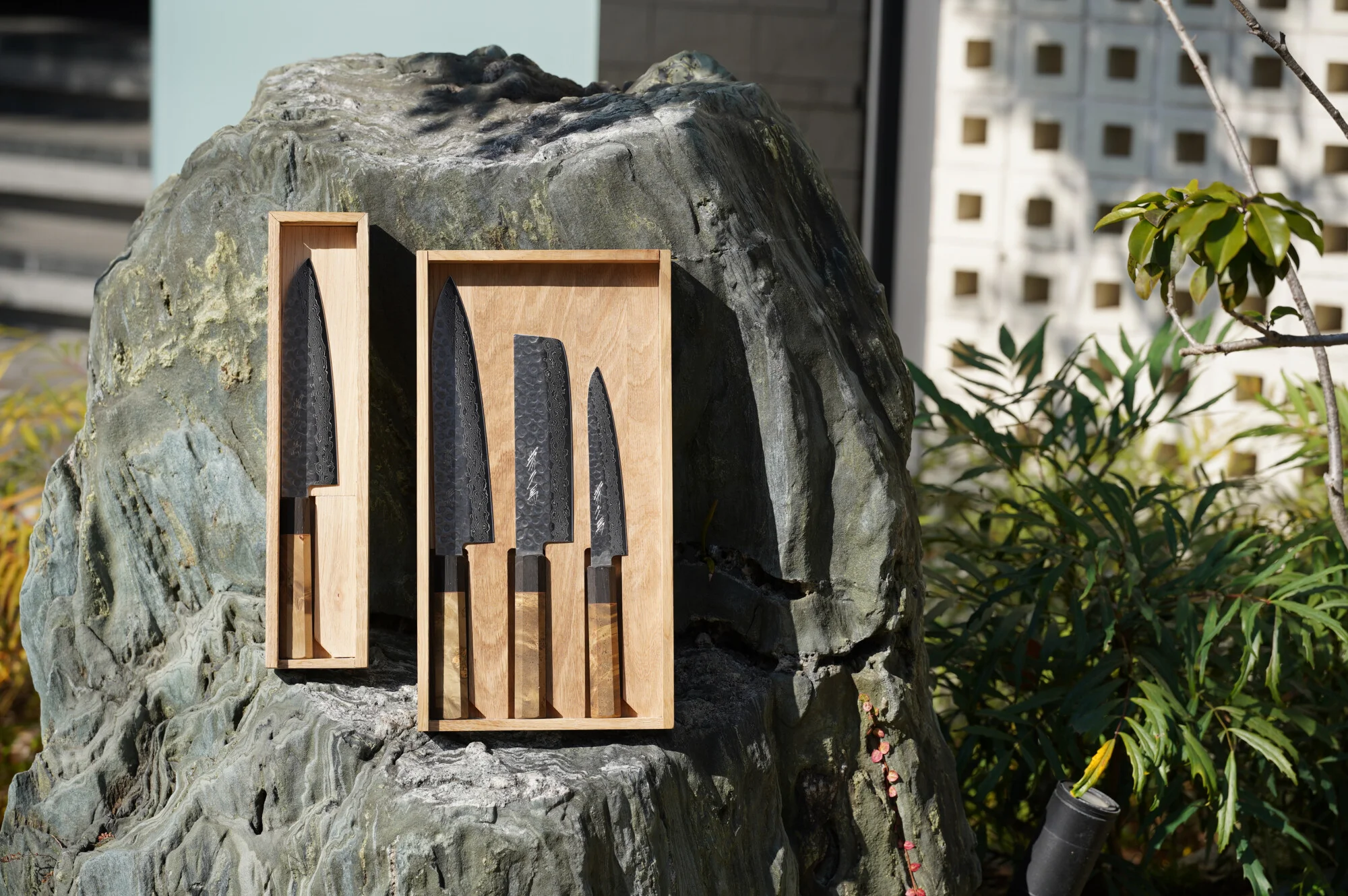
One gyuto or a full set? Where the santoku, bunka and kiritsuke each earn their place before you commit to a matching set.
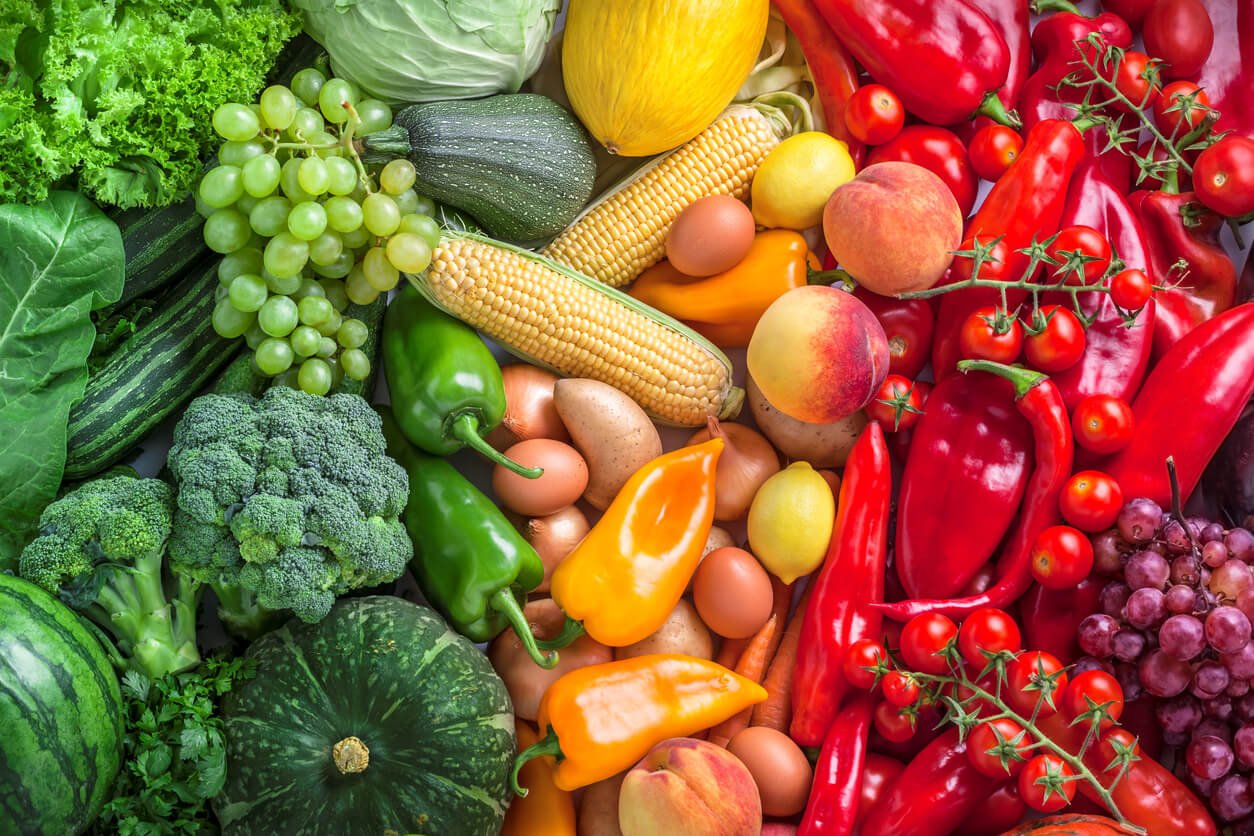
What food colour signals about flavour and nutrition, from chlorophyll and carotenoids to flavonoids and betalains in fruits and vegetables.
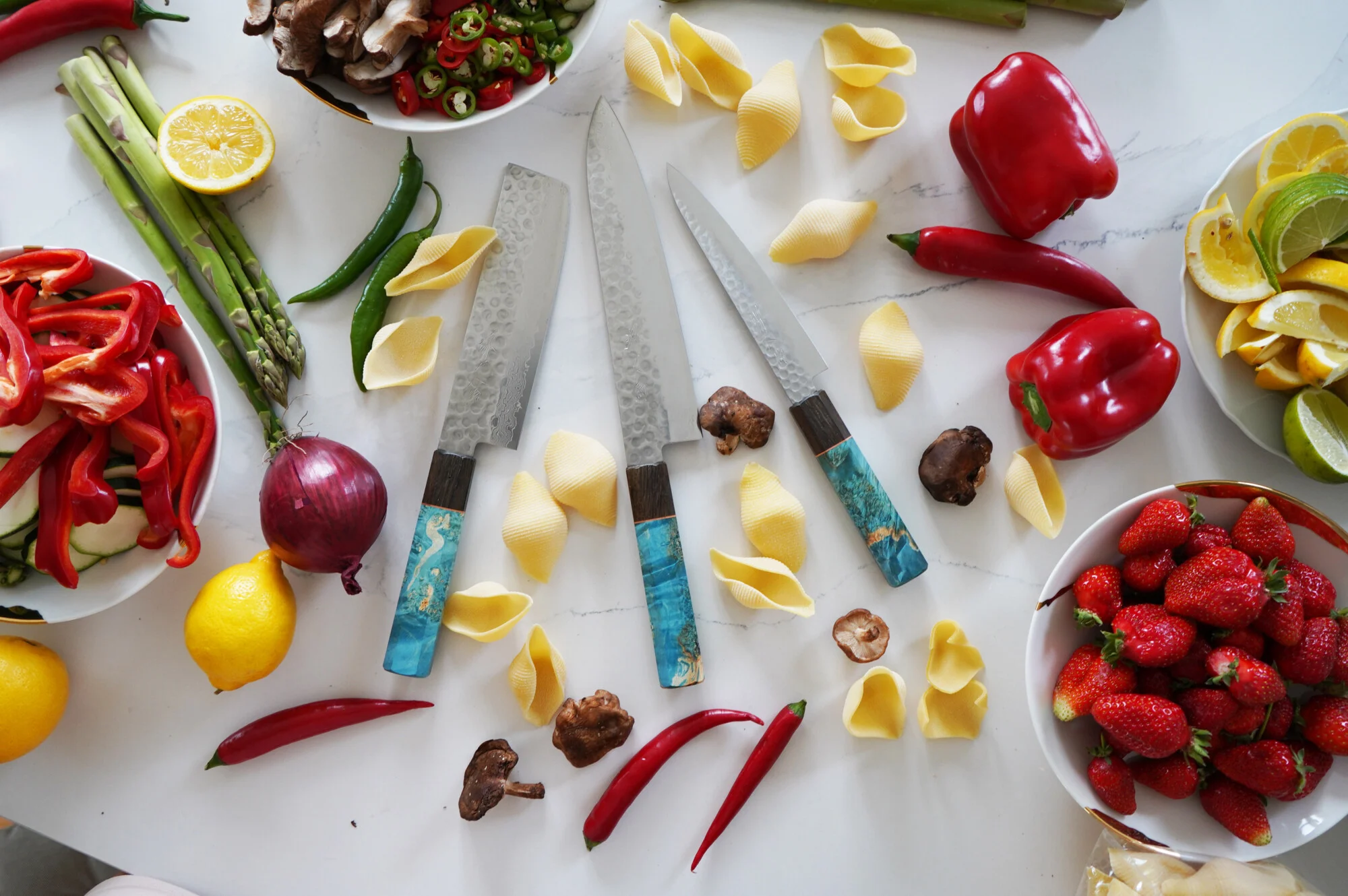
Some knives are past saving: an edge that won’t hold after sharpening, cracks or chips, a wobbling handle, rust in the steel. Four signs it’s time to let go.
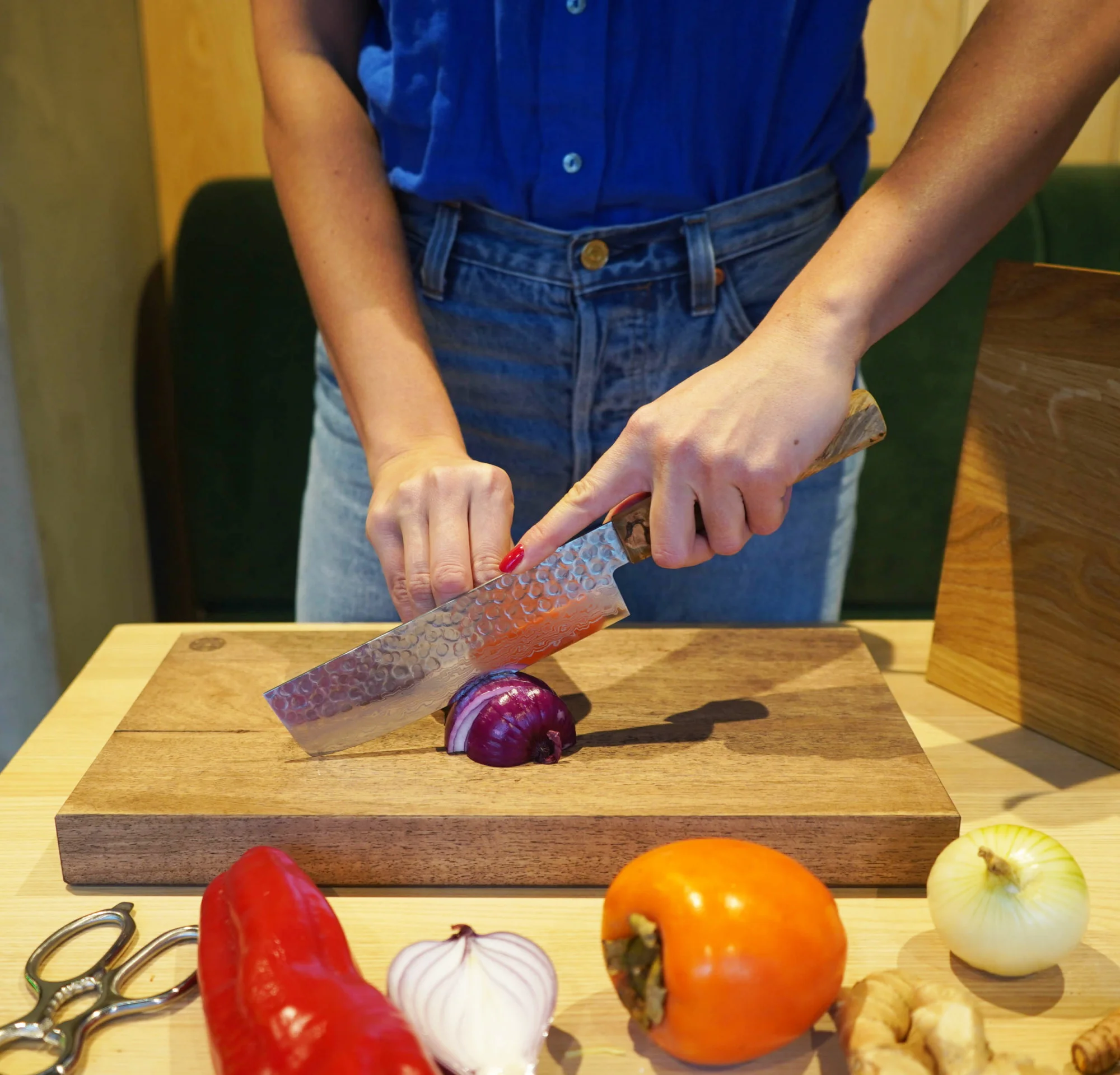
Choosing a knife for women who love to cook: comfort, ergonomic handles, versatility and a sharp, well-balanced blade for everyday kitchen tasks.
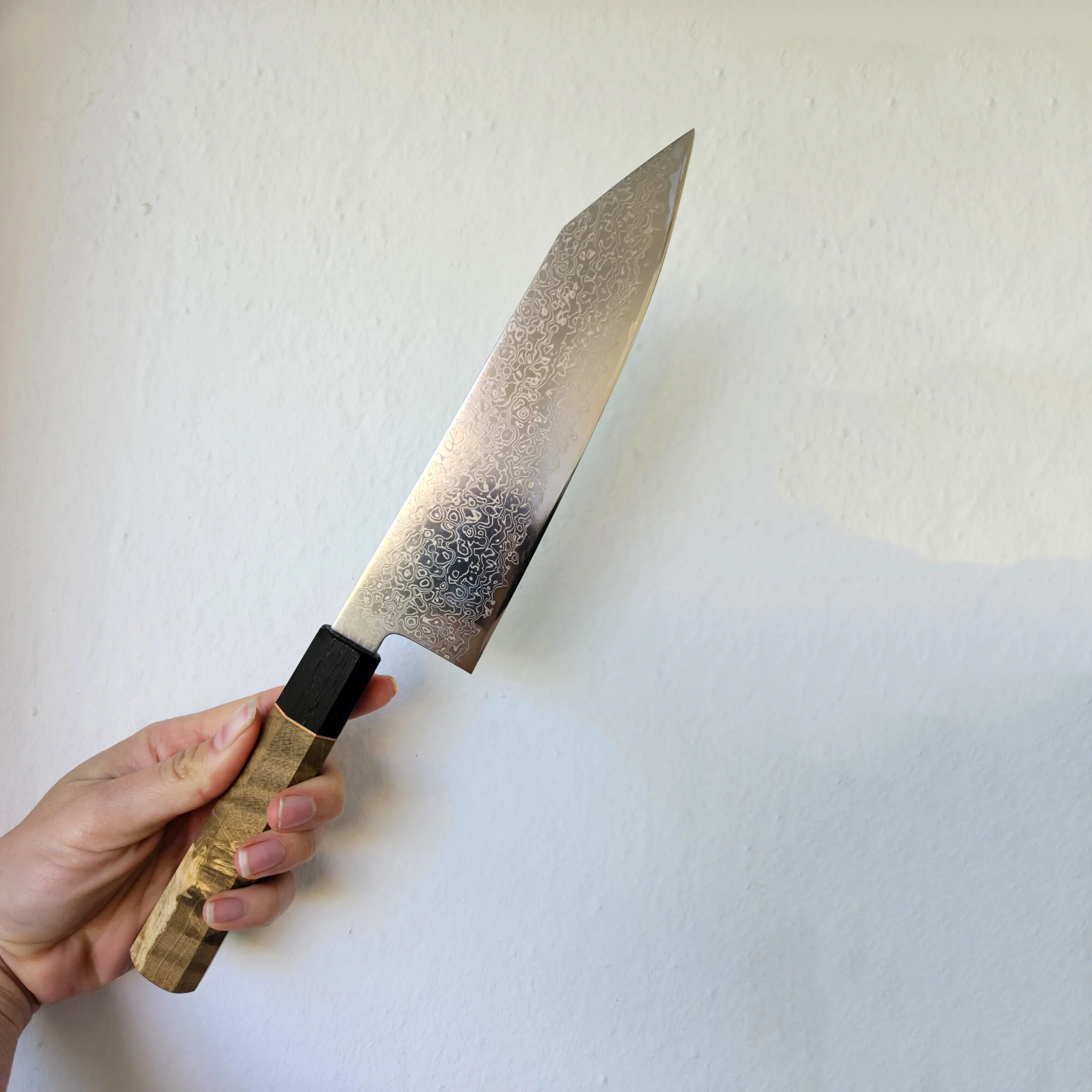
Japanese knives trace back to samurai swordsmiths, including blades for the Onna Bugeisha, and their light, precise build suits women cooks well.

21 practical low-waste tips for the kitchen and grocery shop, organised around the five R’s of zero-waste living: refuse, reduce, reuse, recycle and rot.

Why Japanese cuisine stands out: fresh seasonal ingredients, mastery of umami and the pride of the cooks behind sushi, ramen, soba and more.
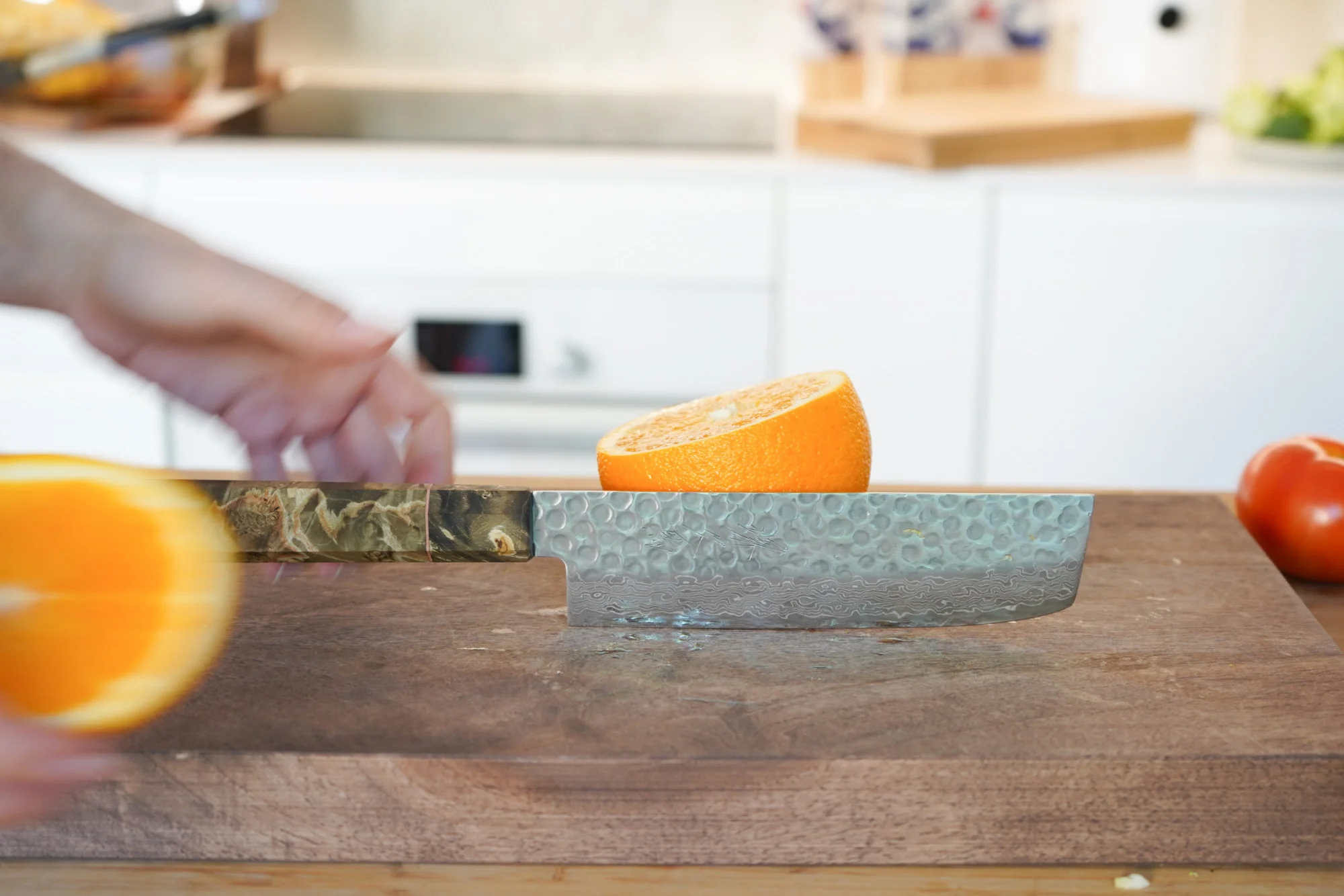
A dull knife needs more force and slips more easily, so it causes more injuries than a sharp one. Includes paper, tomato and fingernail tests.
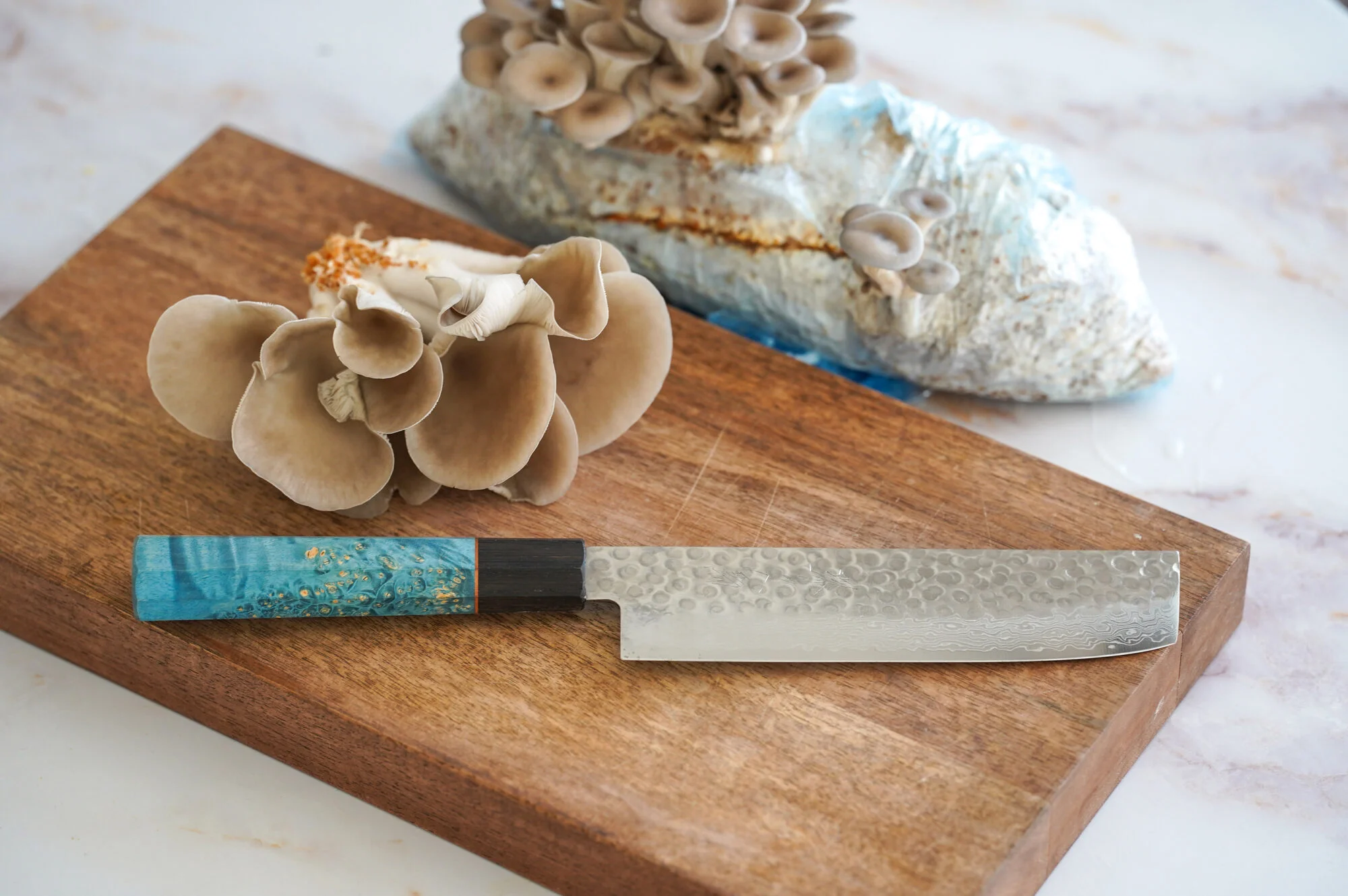
A look at growing reishi, lion’s mane and blue oyster mushrooms at home, the health compounds behind them and the pros and cons of cultivating your own.
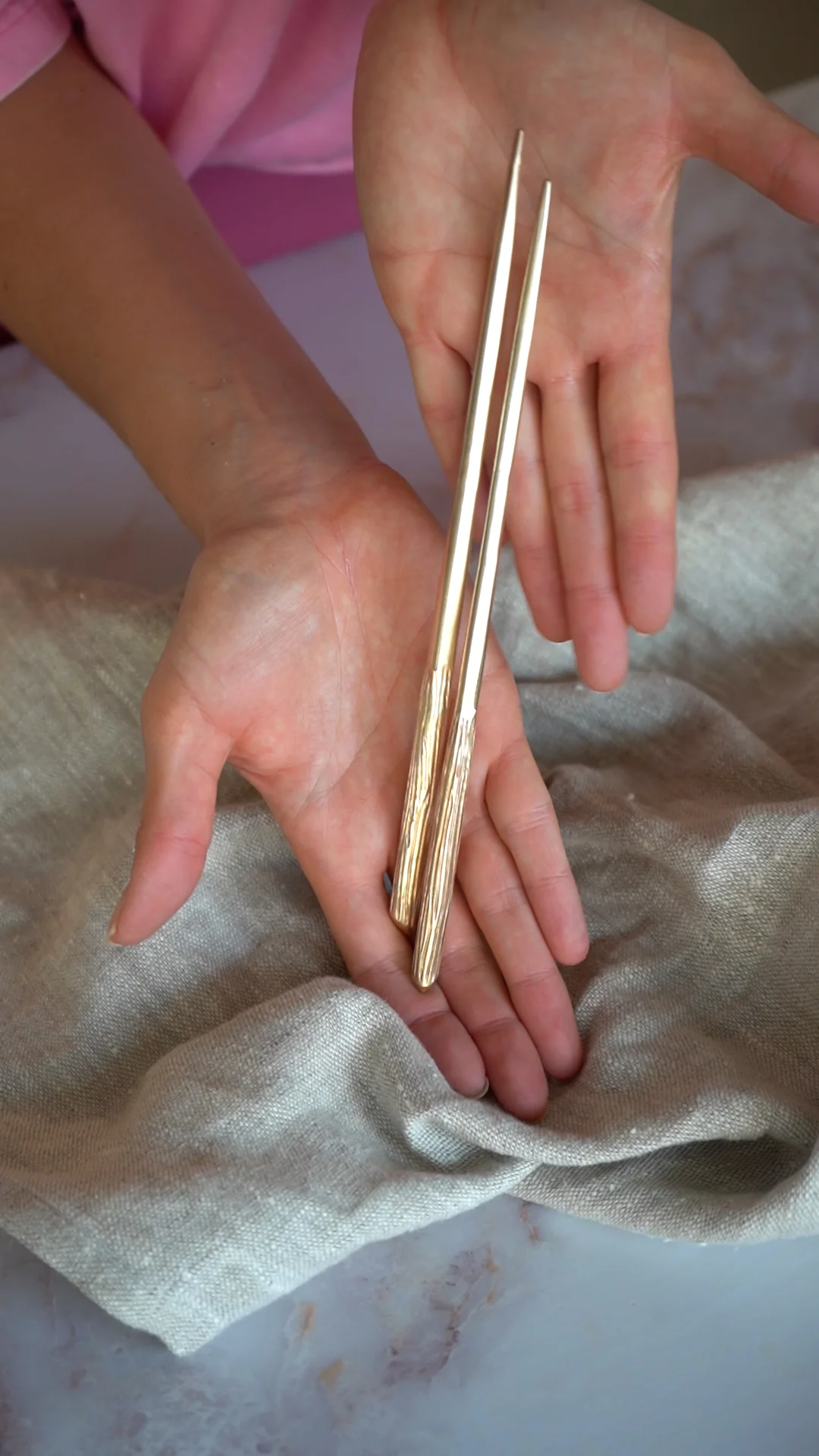
Clean and brighten brass utensils in minutes with a simple paste of vinegar, flour, bicarbonate of soda and salt, then polish and rinse.

After five years, Japana Home is becoming Oishya, a name from the Japanese word oishii, reflecting a wider range of kitchenware beyond knives.
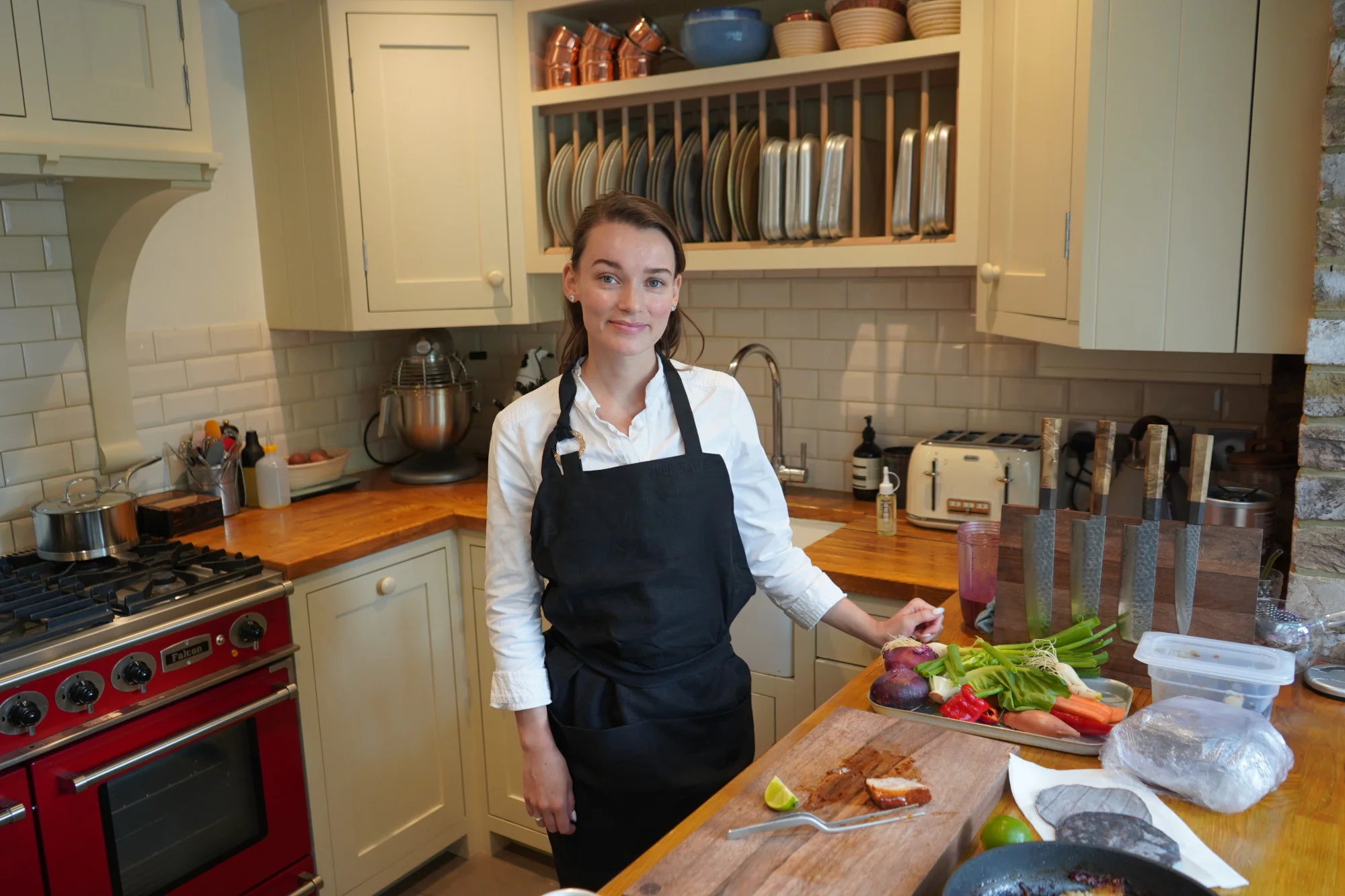
Chef Olivia Burt shows how to do the claw grip, the hand position that tucks your fingertips behind the blade so you cut food, not yourself.

An eggs Benedict recipe with poached eggs, parma ham and homemade hollandaise, served on from-scratch English muffins for a proper brunch at home.
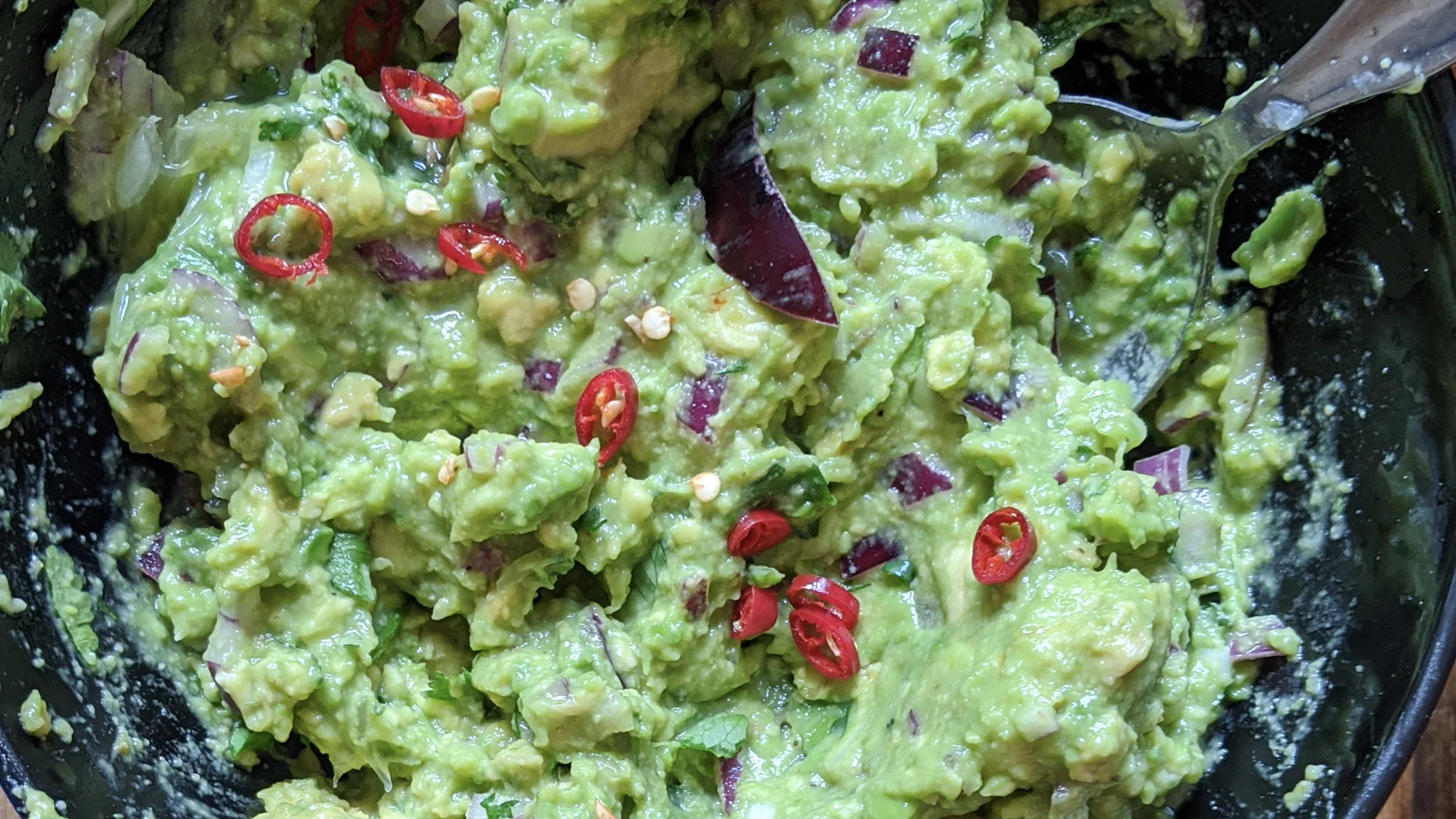
A simple guacamole recipe using fresh avocado, lime, tomato, onion and coriander, with optional peperoncino and cumin, ready in just a few steps.
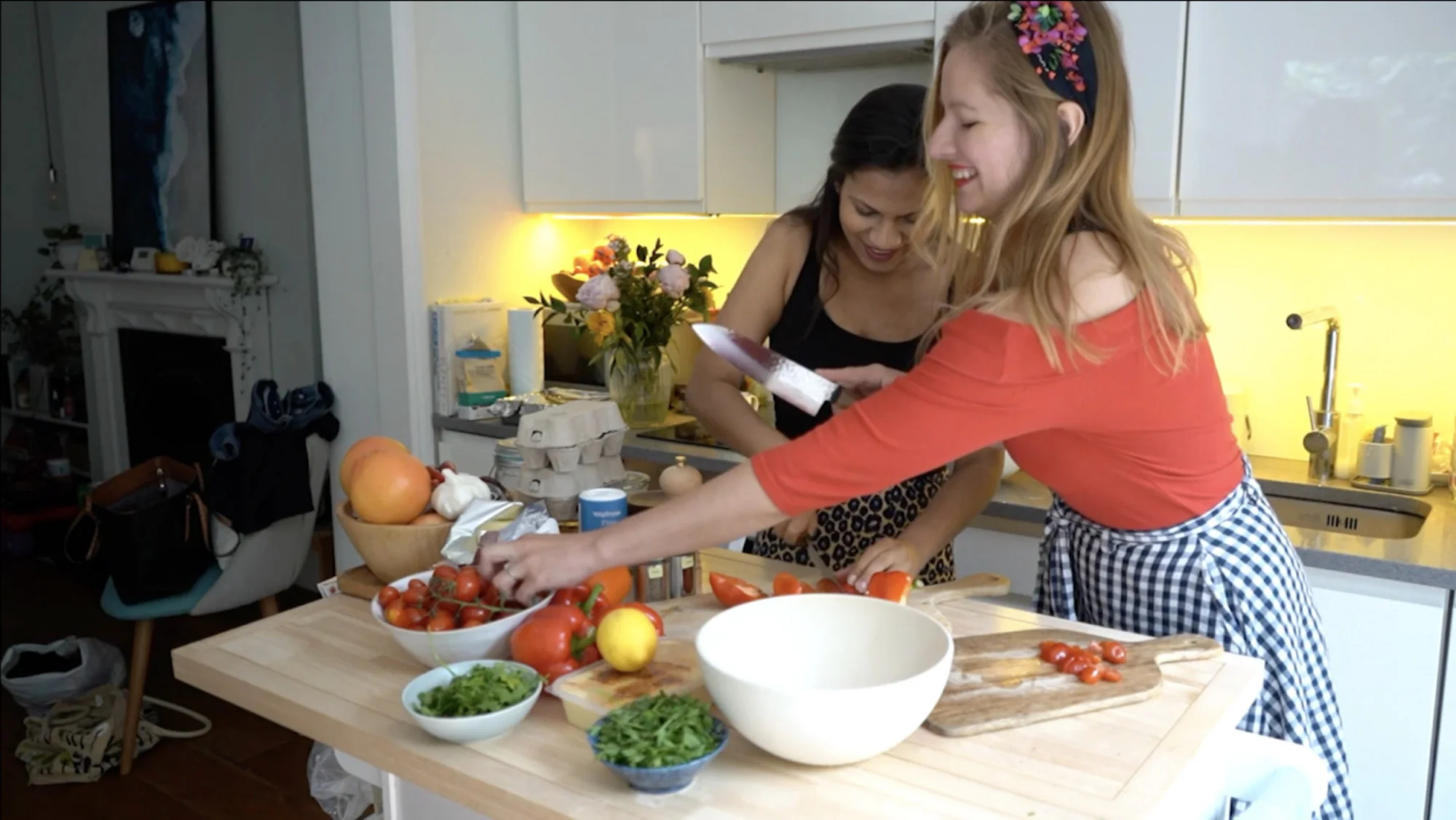
How to plan and host a cooking party, covering the guest list, dietary needs and choosing an appetiser, main and dessert your guests will cook together.
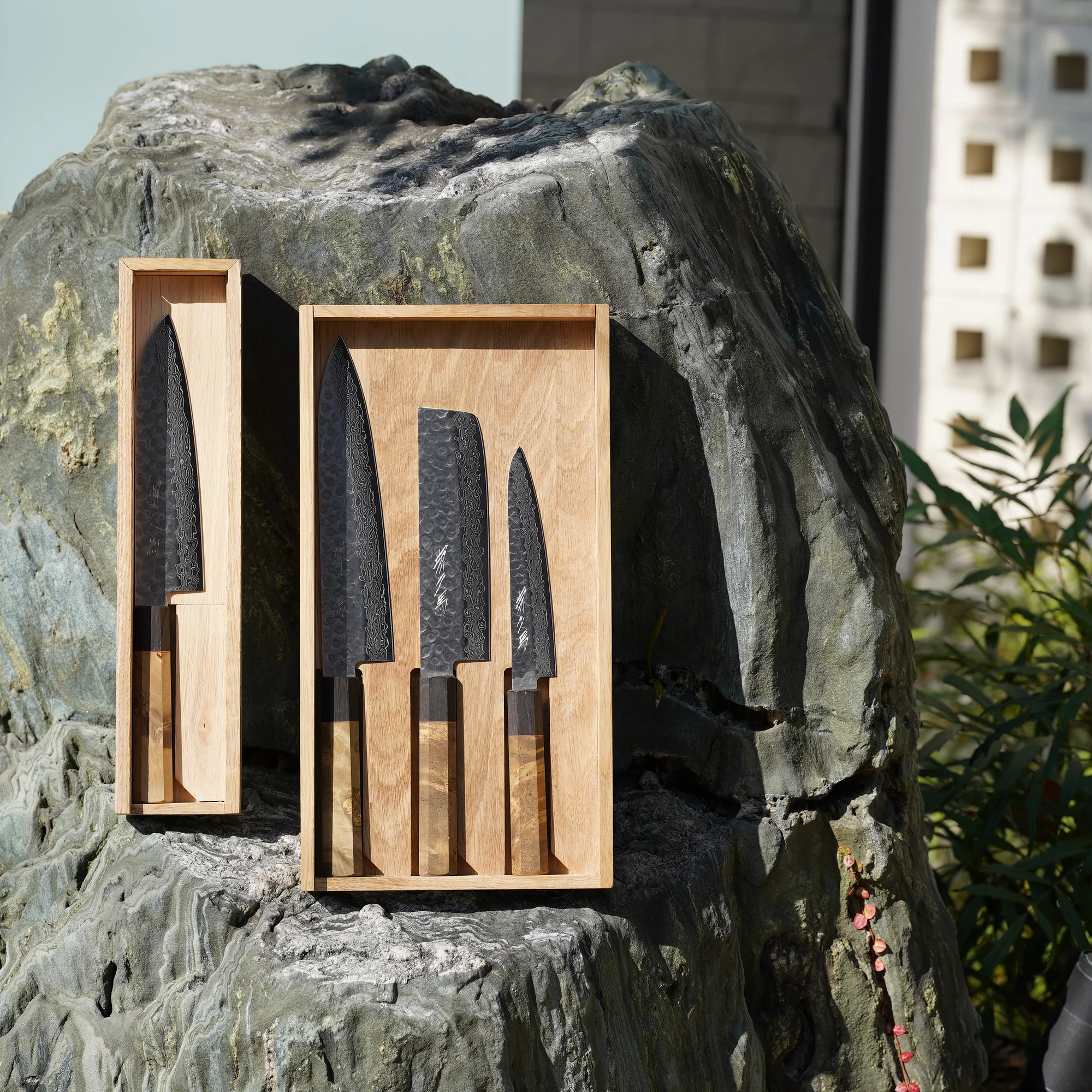
Why own a meat-carving knife if you’re vegetarian? Weighing a tidy knife set against buying only the two or three blades you’ll actually use.
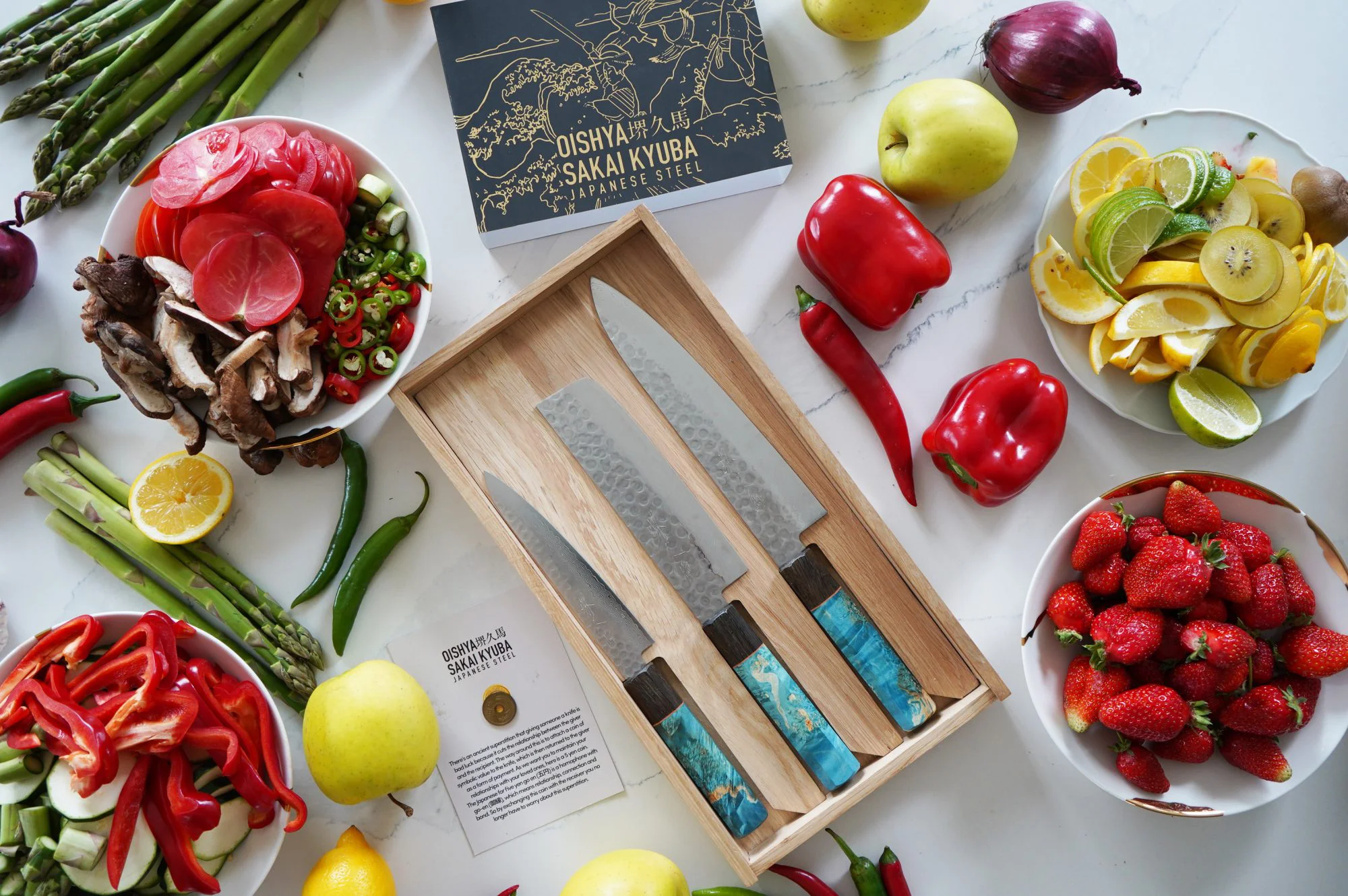
A guide to choosing a Japanese knife, covering how to match a blade to your cooking needs and the main types, starting with the all-purpose Gyuto.

What ikigai means and how to find yours by listing your values, what you enjoy and what you do well, then living where the three overlap.