The wood on every Sakai Kyuba handle sat in a peat bog for 2,500 years, darkening and hardening since before Rome. Here’s how bog oak forms.


The wood on every Sakai Kyuba handle sat in a peat bog for 2,500 years, darkening and hardening since before Rome. Here’s how bog oak forms.
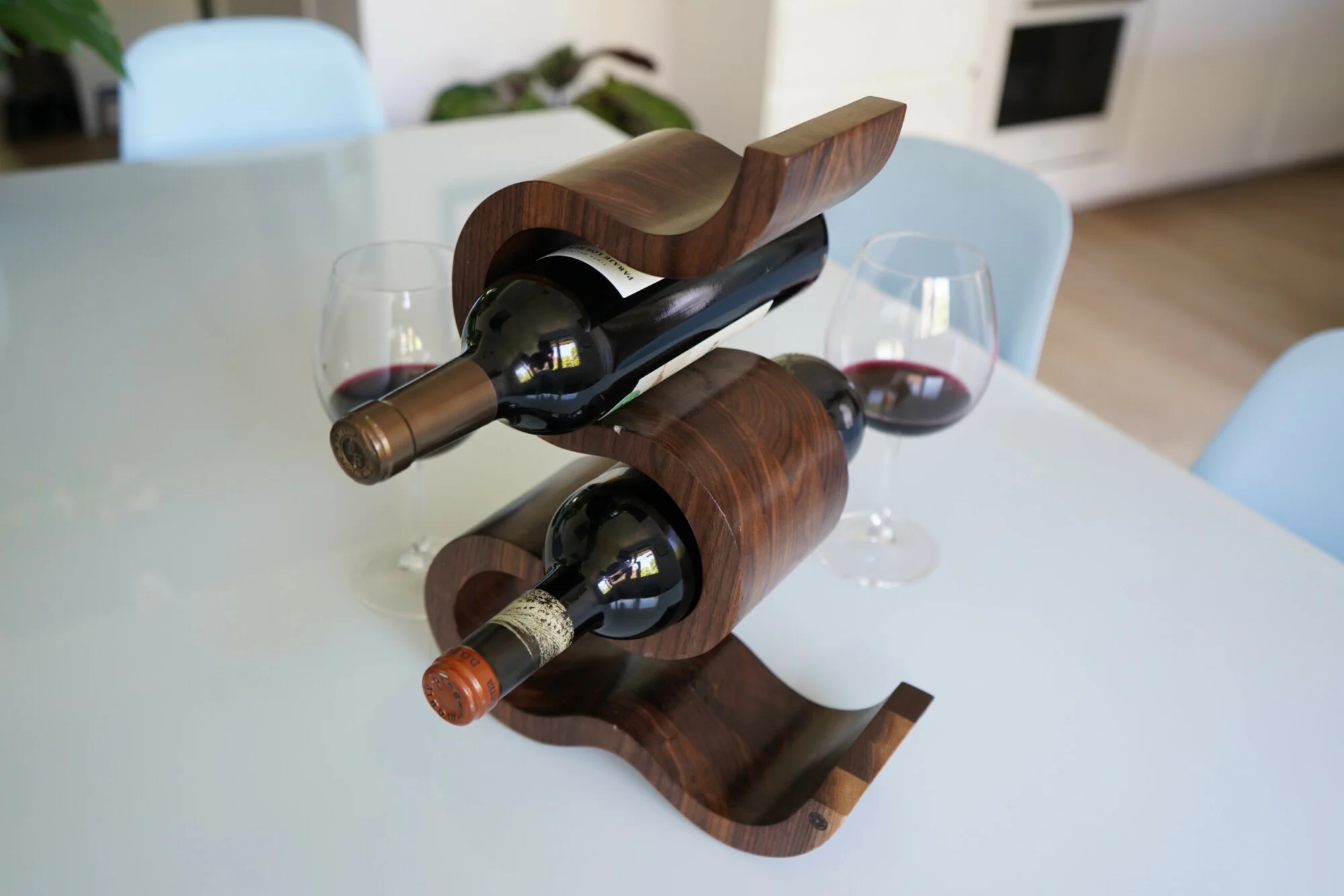
Skip the knife block for a magnetic strip, add a mortar for his spice blends: ten gift ideas for the dad who actually cooks.
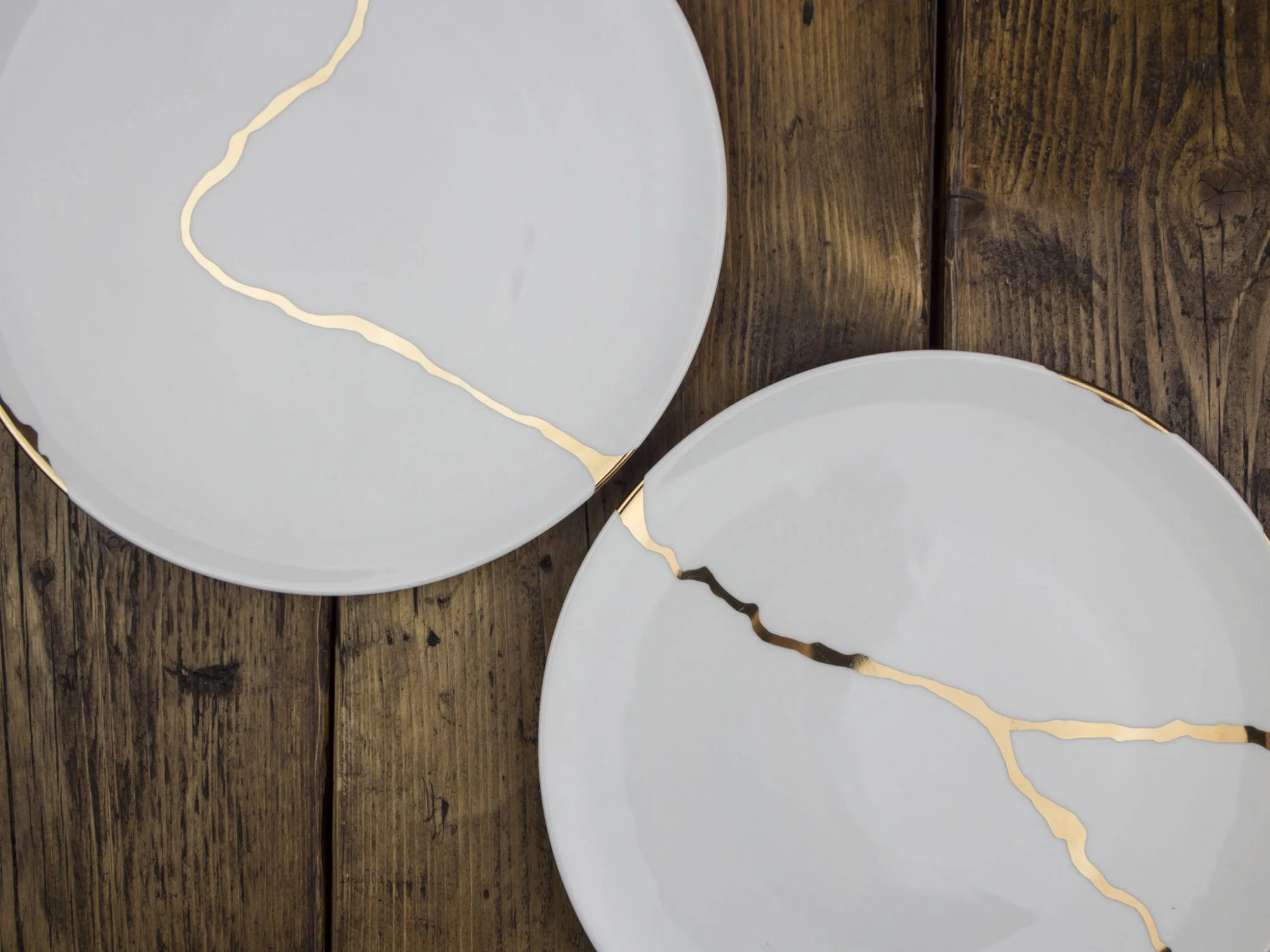
Broken a favourite mug? Mend it with gold instead of hiding the crack. Three steps with the Minowa kit, from fitting the pieces to the final join.
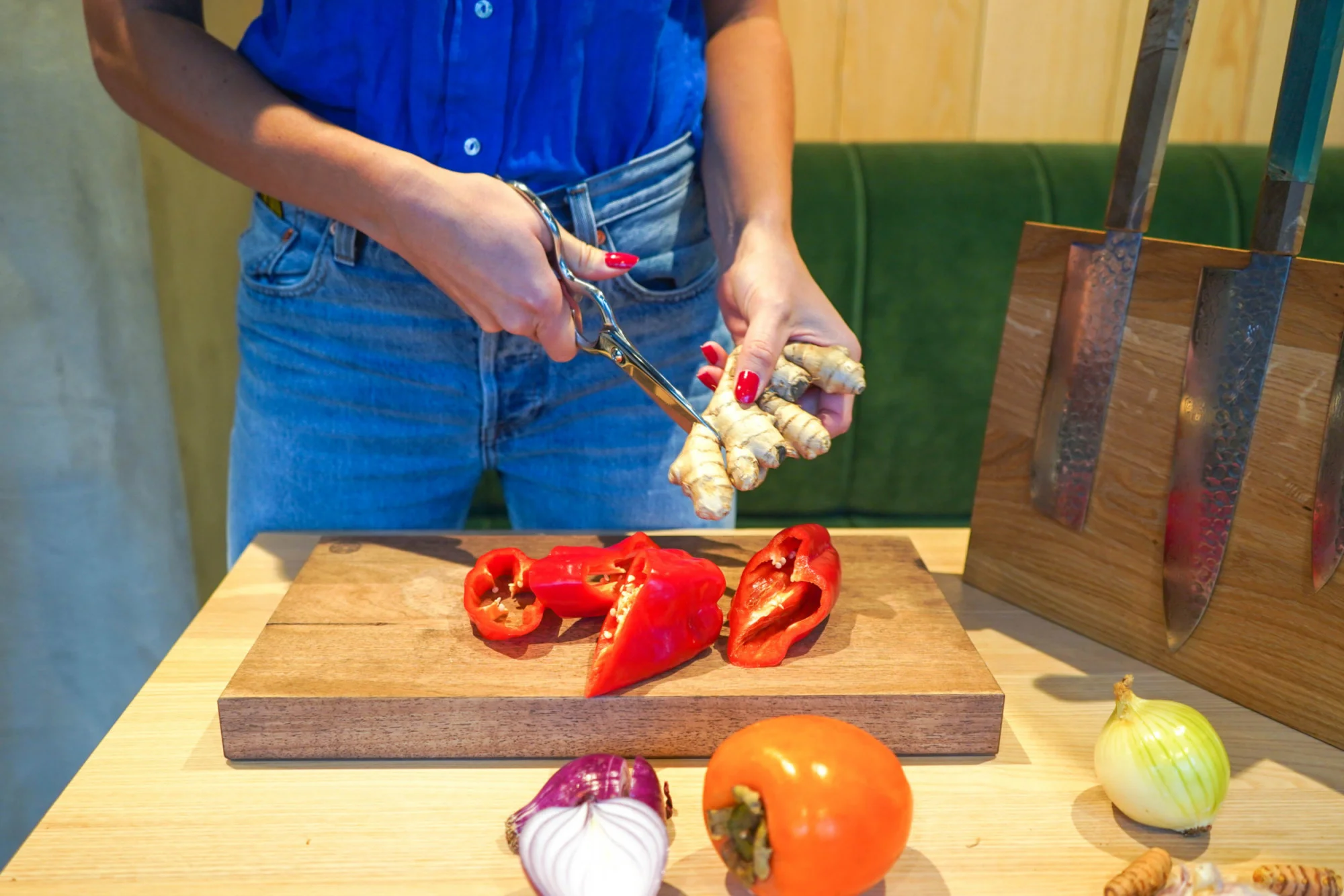
Preheat the pan and your roast veg never need flipping. Twelve small habits like that, including an egg-yolk wash and a warm knife for cake.

Cook the same meal over Zoom, build a blanket-fort cinema, or graze a charcuterie board all day: ten ways to spend Valentine’s at home.
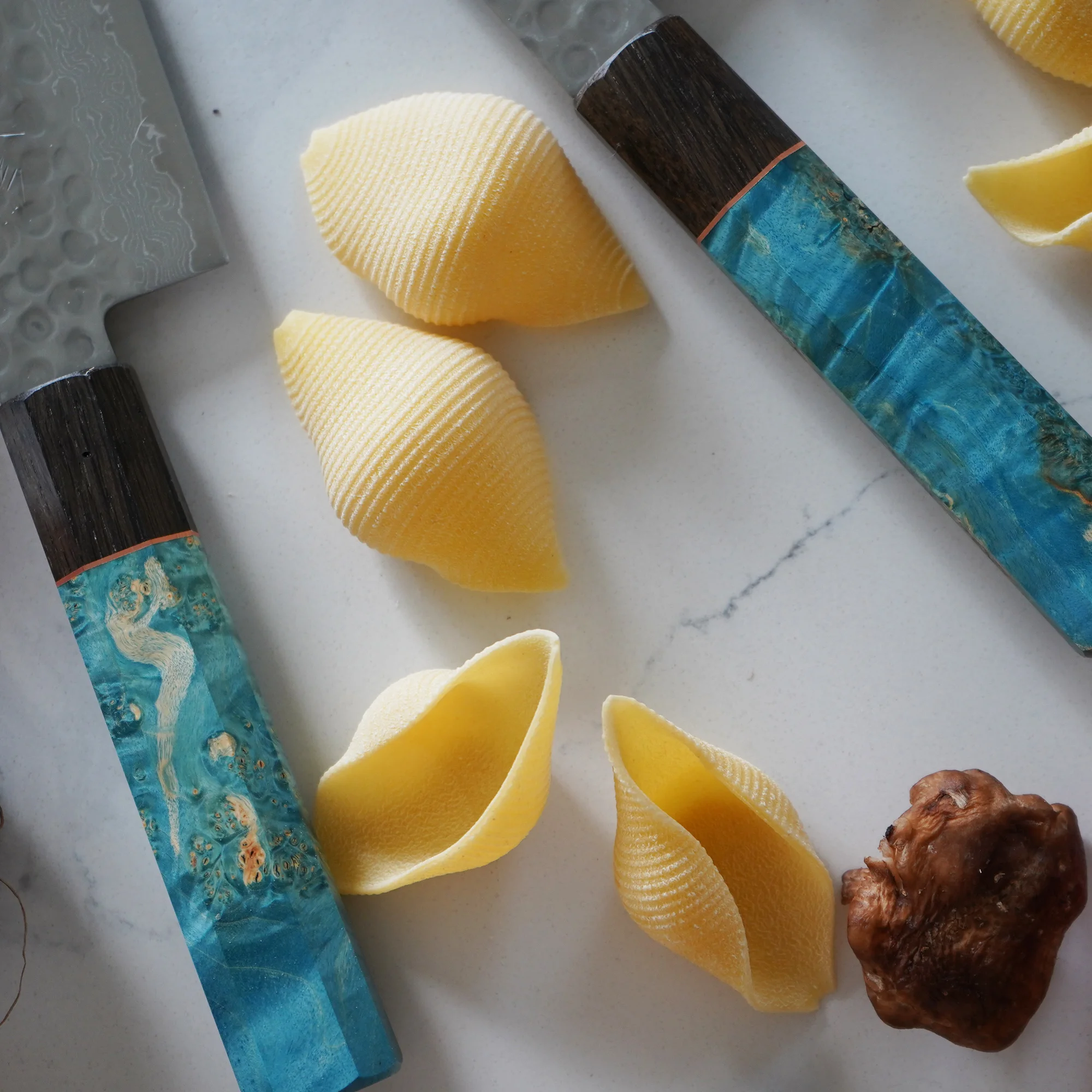
What turns soft maple into a handle that shrugs off water? Resin forced deep under pressure, leaving the burl dense, tough and waterproof.

Best-before is a suggestion; expiry is the one to obey, and leftovers go after four days. A step-by-step fridge reset that cuts food waste.
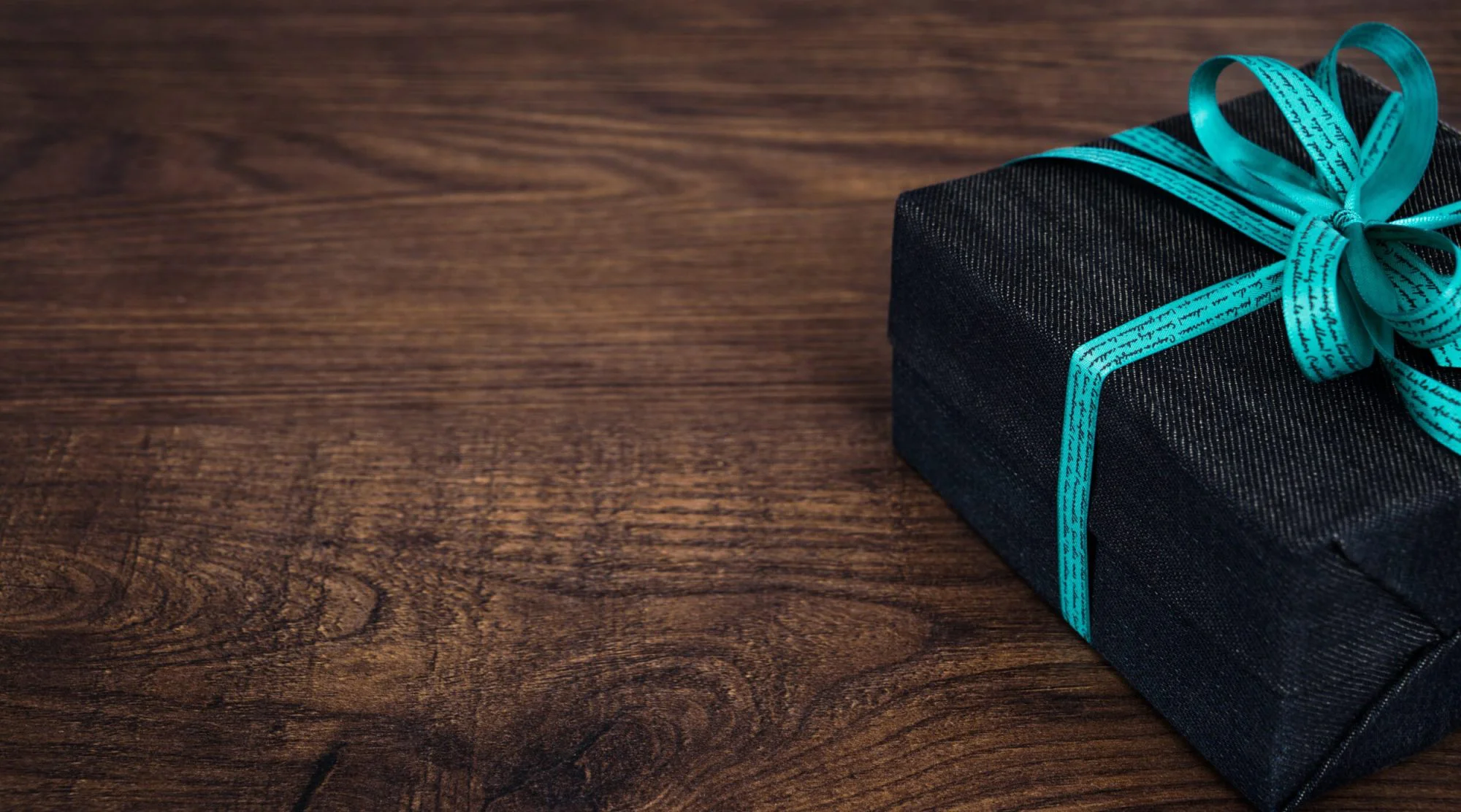
Sake, a knife set forged by the same methods as 1,000-year-old katanas, a sushi kit and brass chopsticks. Ten Japan-inspired gifts for him.
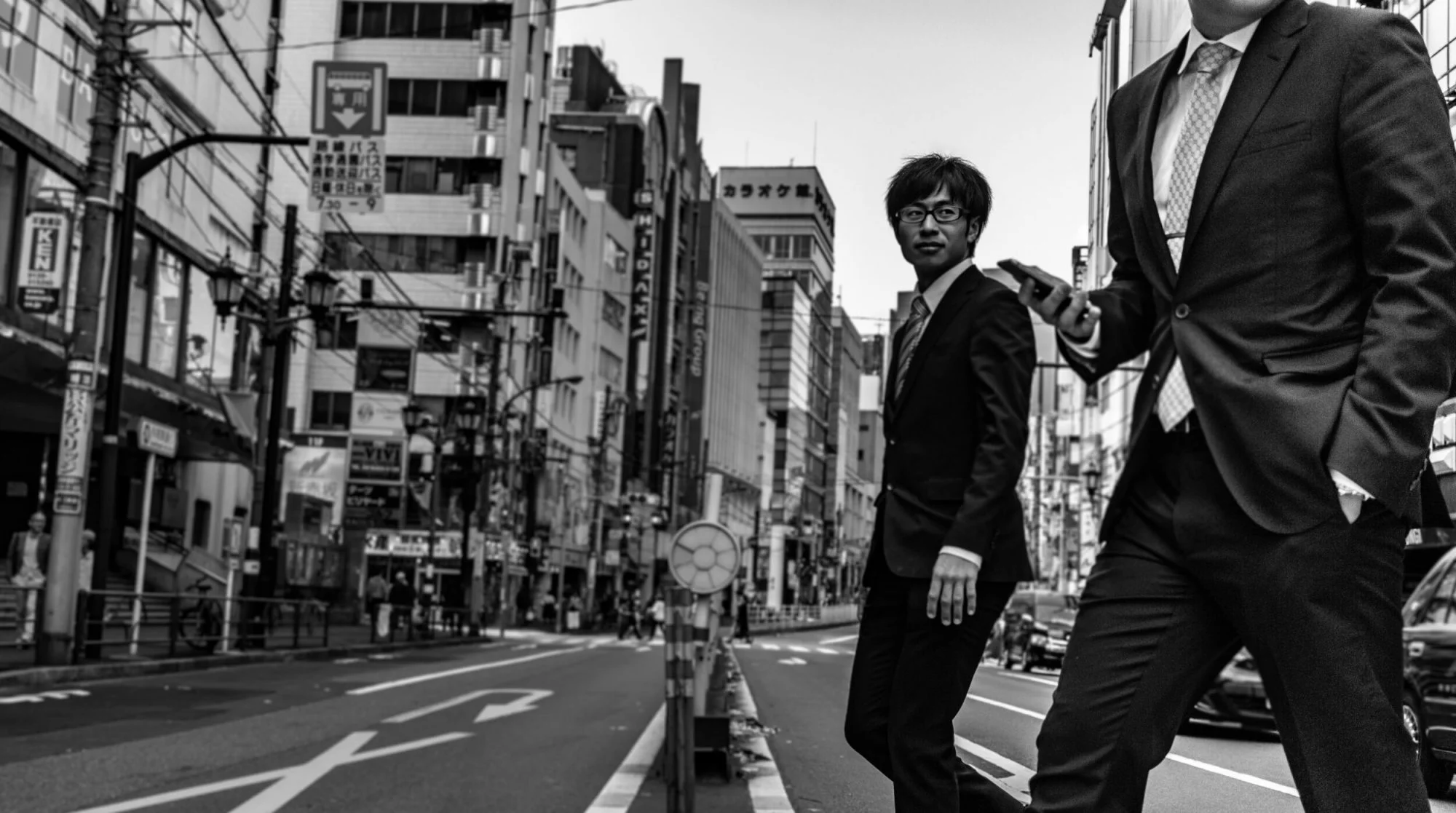
A black suit with a white shirt reads as funeral attire in Japan. Seasonal suit colours, winter coats, and separate rules for men and women.
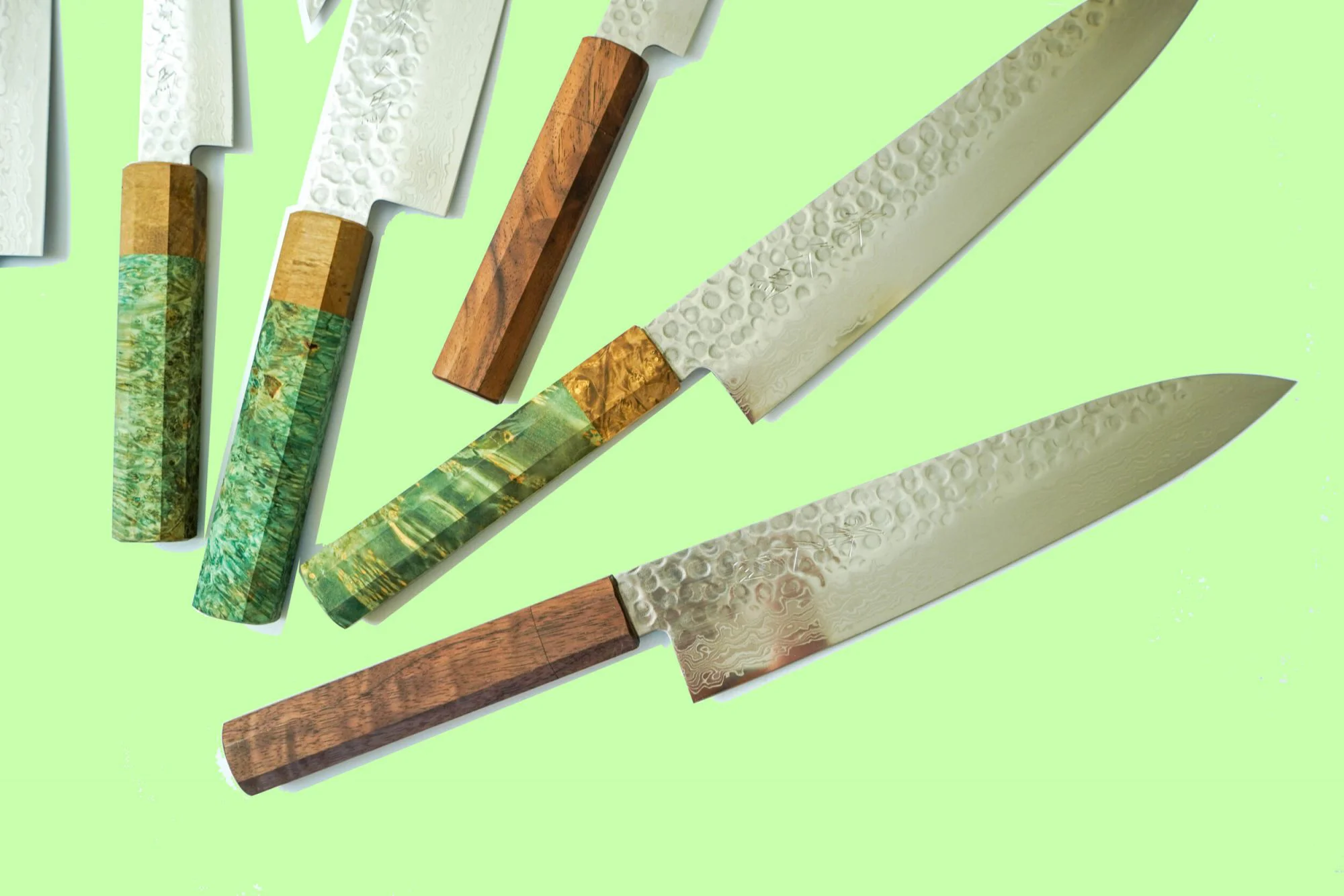
Electric pull-through, manual sharpener or whetstone: which one your knives actually want, plus serrated edges, over-sharpening and smart storage.
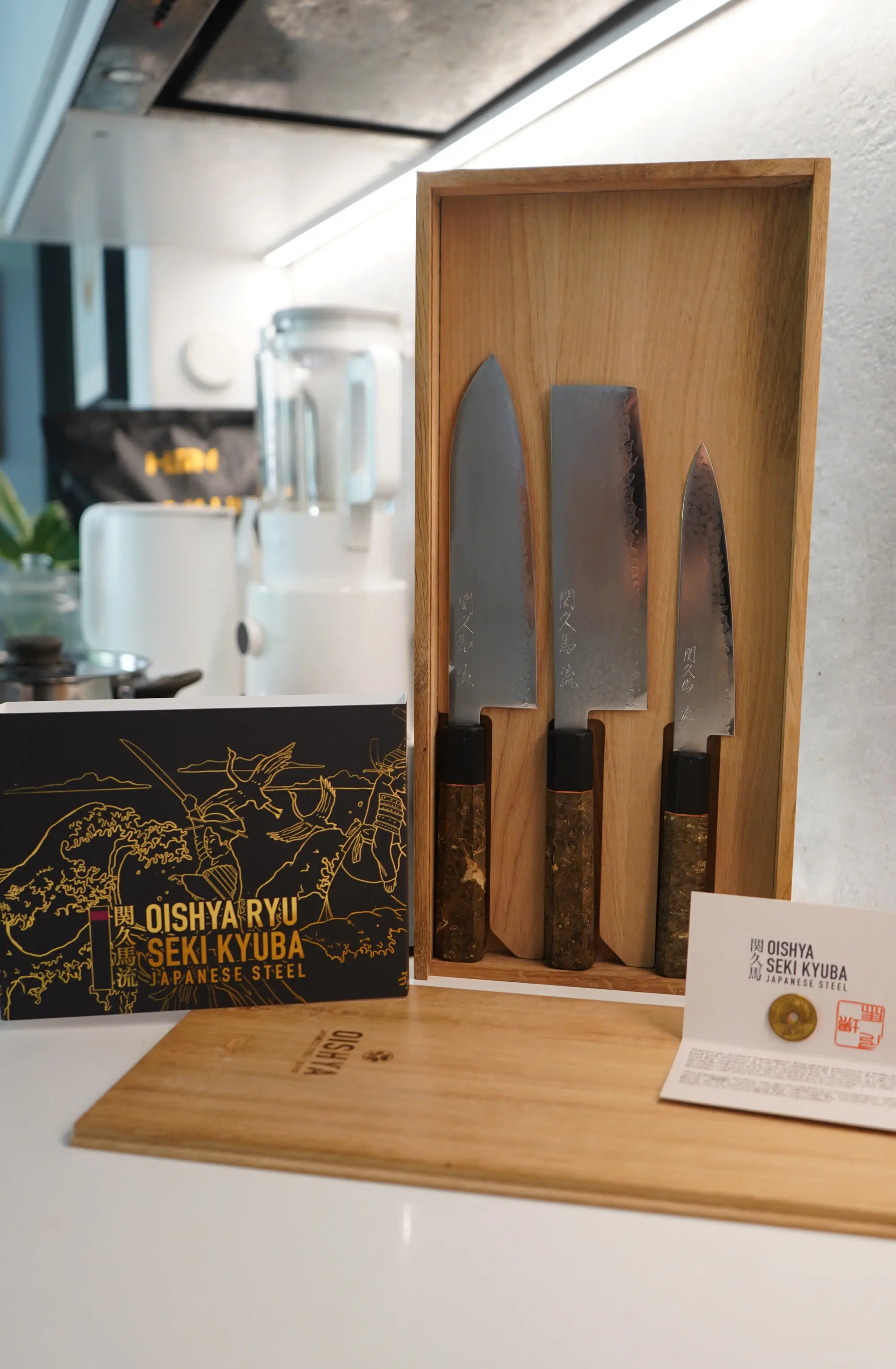
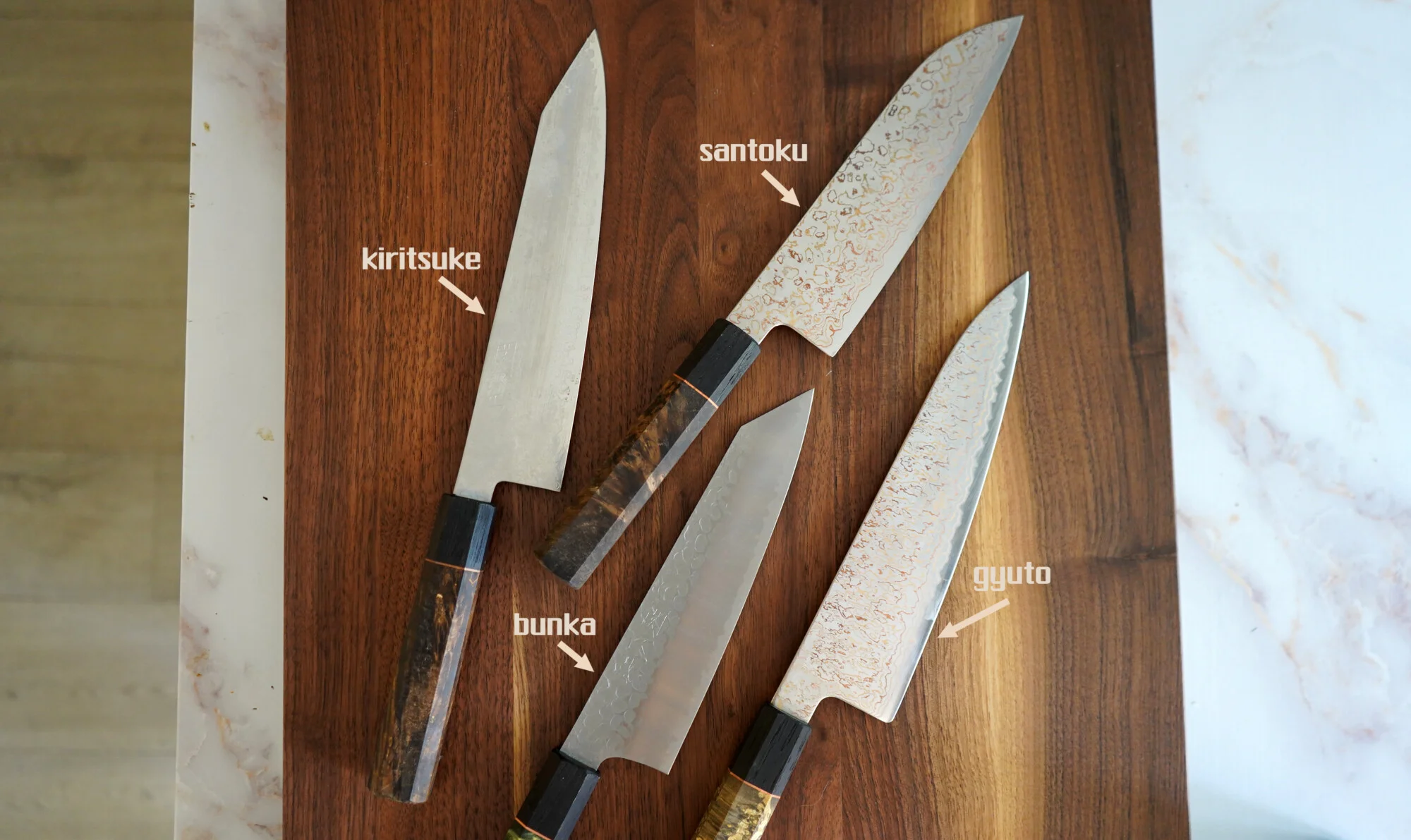
You don’t need a twelve-knife block. Why three well-made blades cover almost everything, and how a Japanese 12-15 degree edge differs from a Western one.
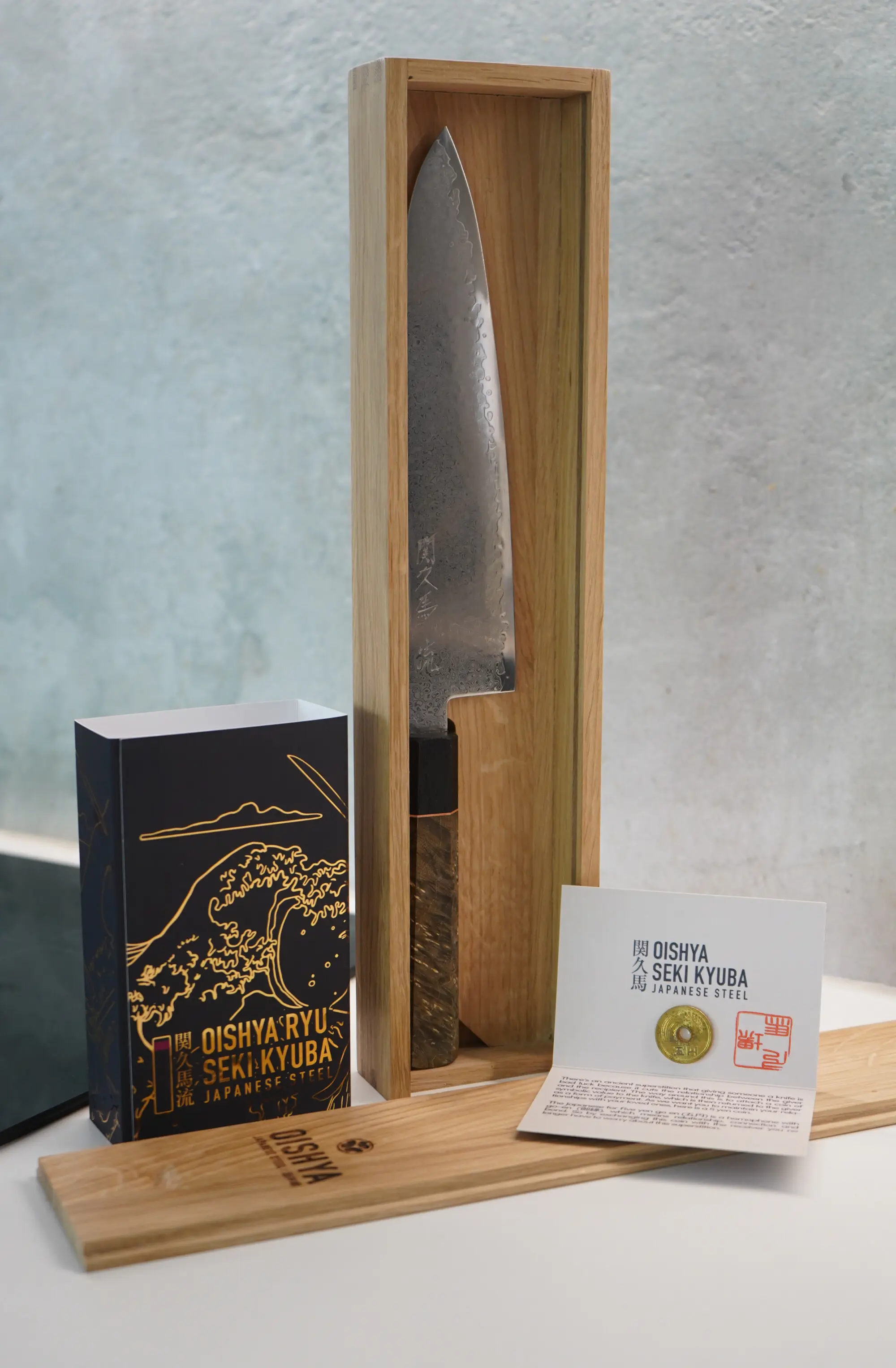
One chef owns around 100 knives but reaches for the same 7-to-9-inch blade for most jobs. What to weigh up before you buy your one workhorse.

It started with Carlo Petrini’s Slow Food in 1980s Italy, an antidote to gulping lunch at your desk. Consuming less, and actually noticing the day.
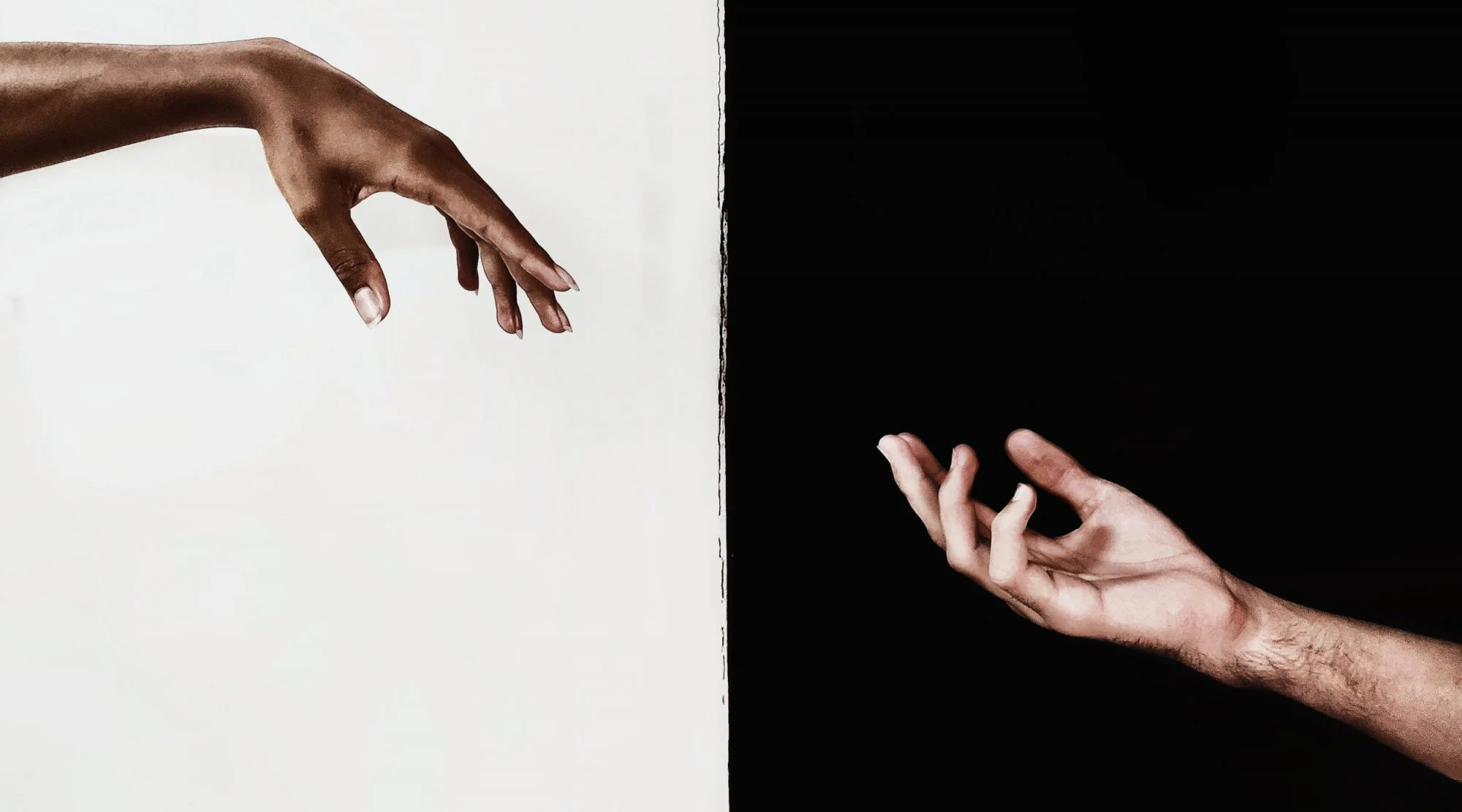
Thumb for worry, index for fear, middle for anger. Hold each finger 30 seconds and this Japanese technique settles you in under five minutes.

Working with conservative Japanese blacksmiths was a culture clash for us. How meetings run, and why the business-card exchange is near-sacred.
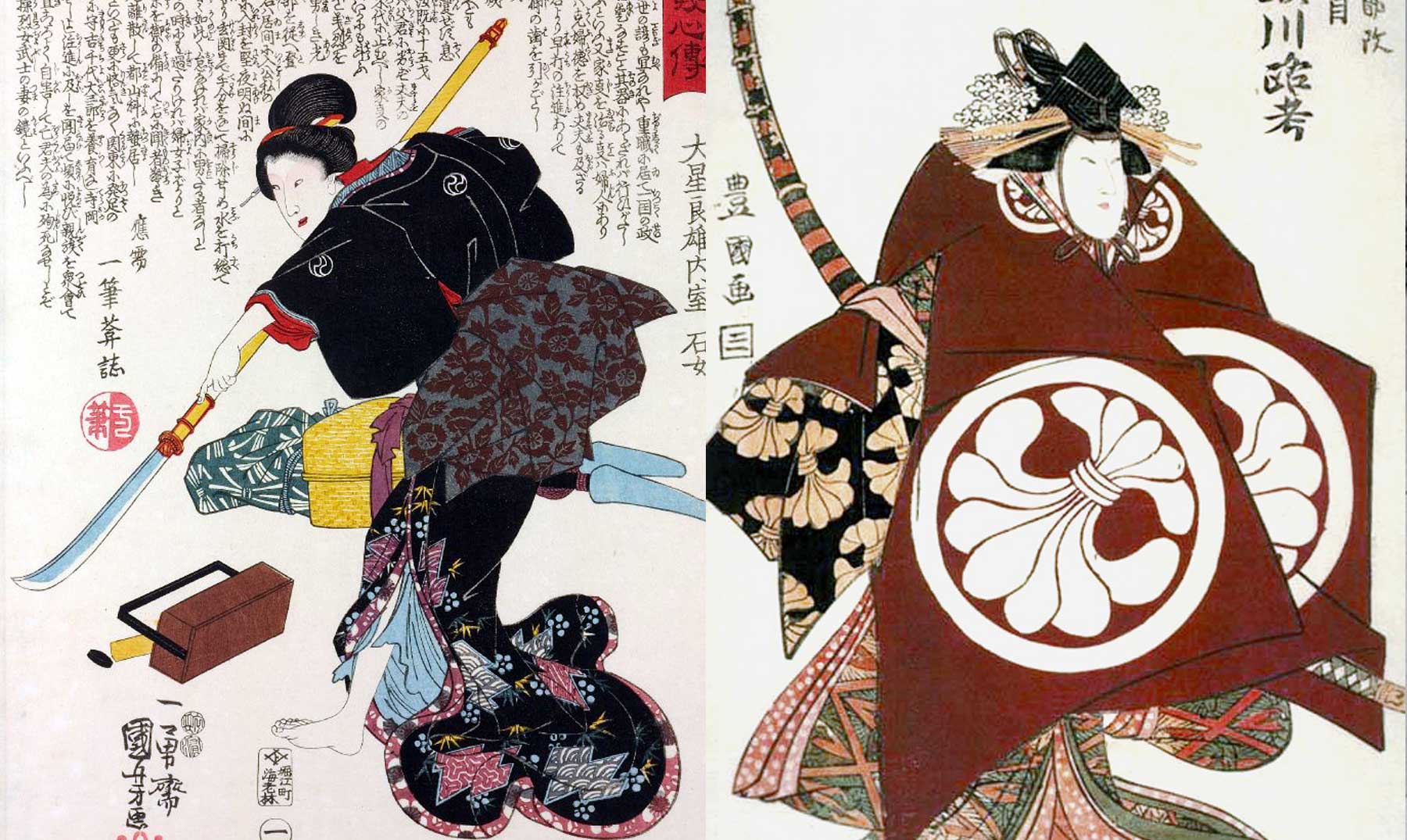
They trained with the naginata and fought to the same standard as the men. Meet Empress Jingu, who led a campaign into Korea, and Tomoe Gozen.
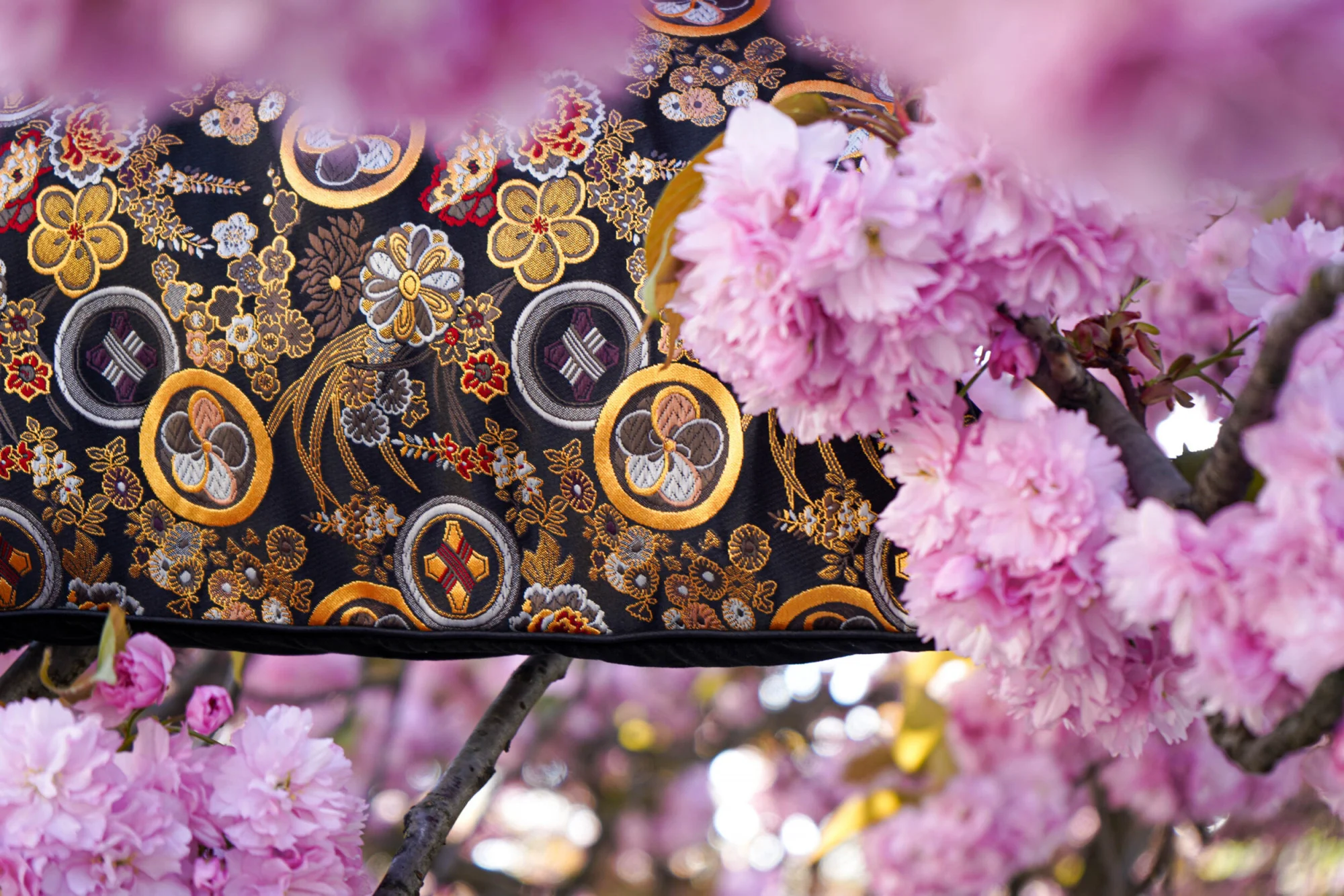
Every motif on a kimono says something. Nihon shishu embroidery dates back 1,600 years to the Kofun period, and its patterns carry coded meaning.
Index finger along the spine, one smooth pull toward you: slicing fish with a yanagiba, from the straight hira giri to the angled sogi giri.
In Ogimi, a village of 3,000 with the world’s longest-lived residents, ikigai sits where what you love, what you’re good at and what matters overlap.
Fumio Sasaki owns 150 things and lives in 30 square metres. Danshari is Japanese decluttering measured by how your stuff makes you feel.
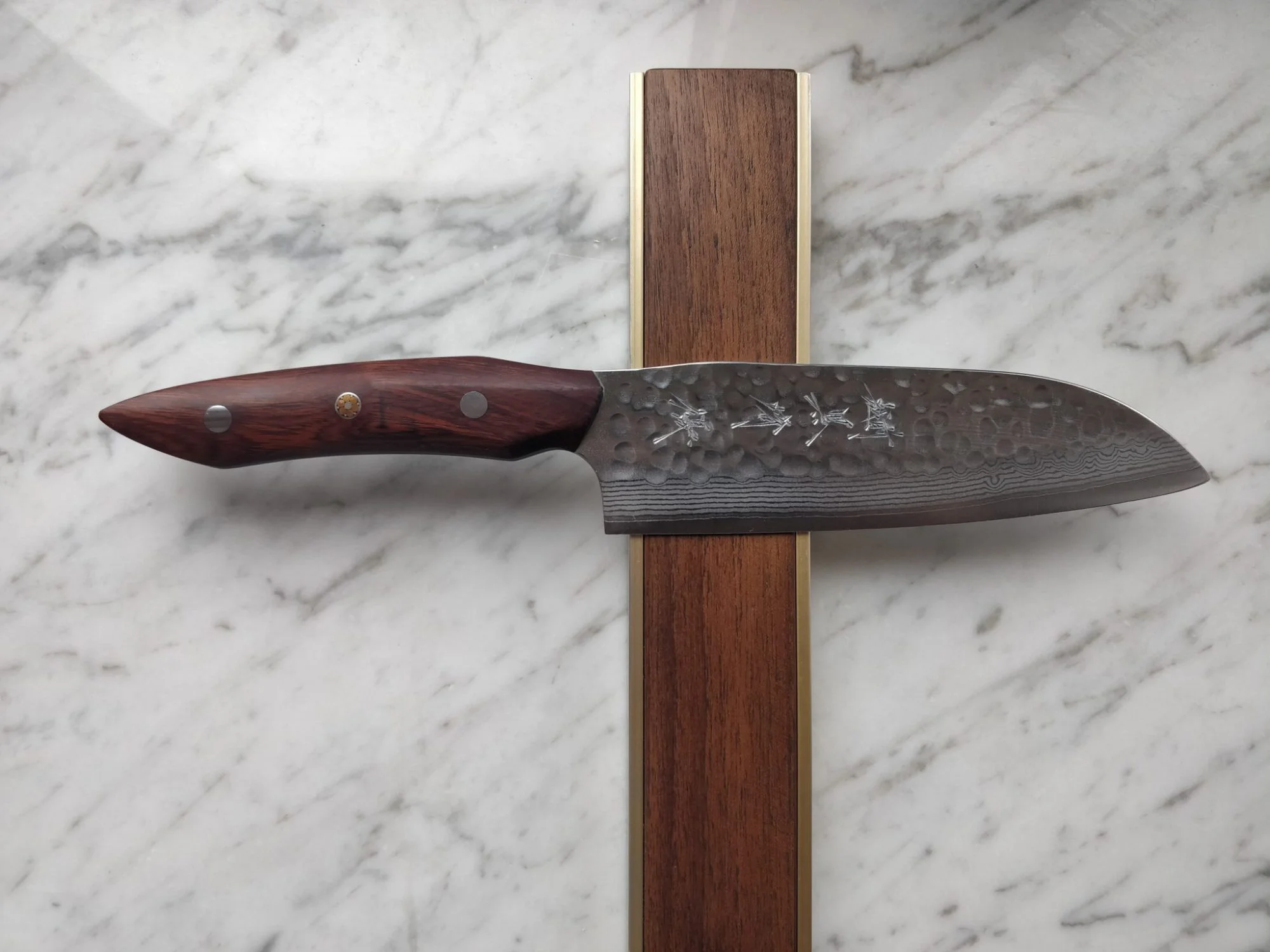
No, a magnet won’t ruin a well-kept blade. The real harm comes from cheap racks that drag your edge across a bare metal face.

Why do Japanese and Scandinavian interiors look so alike? Six lessons on simple living, built around three materials: wood, stone and steel.
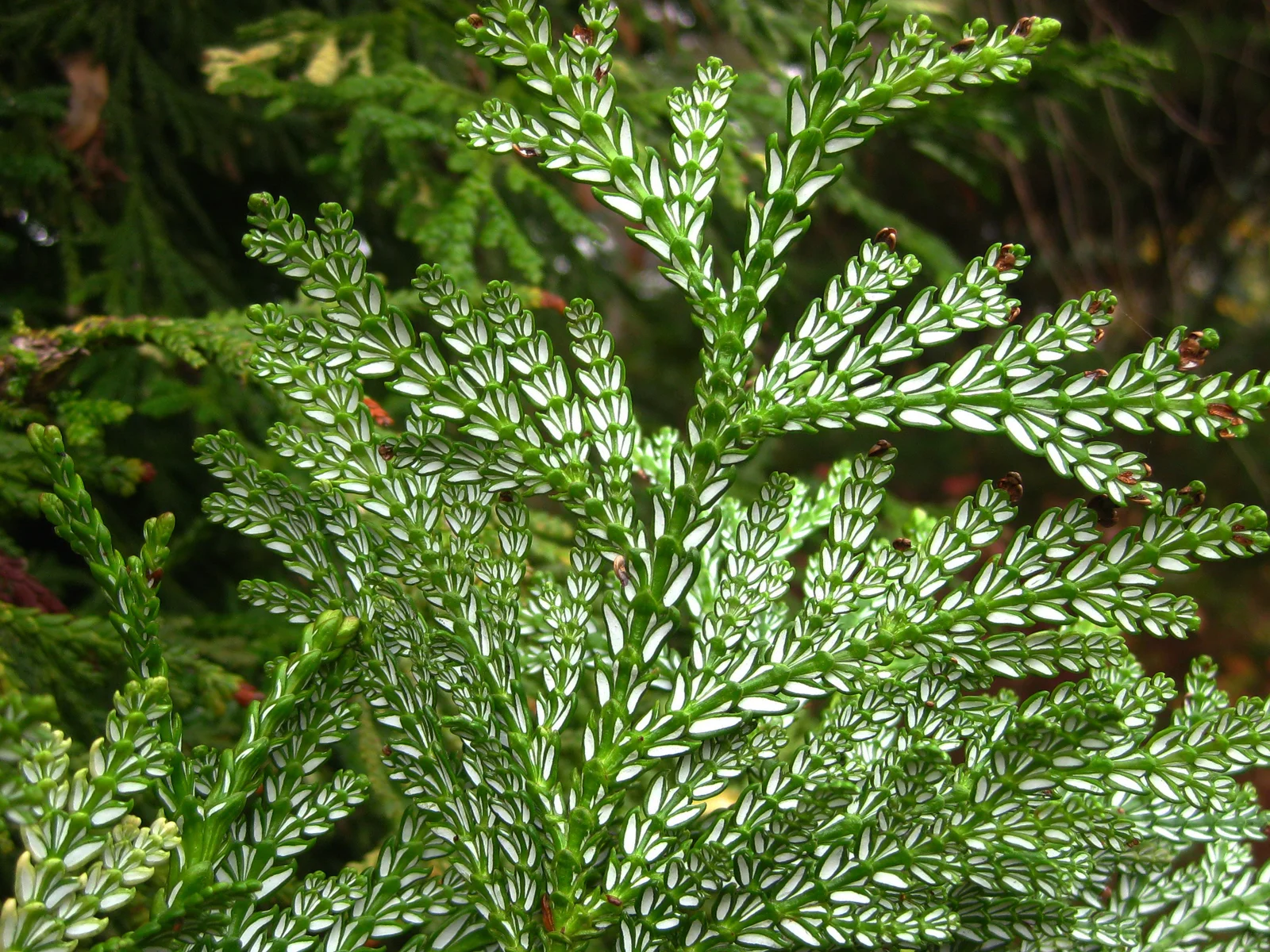
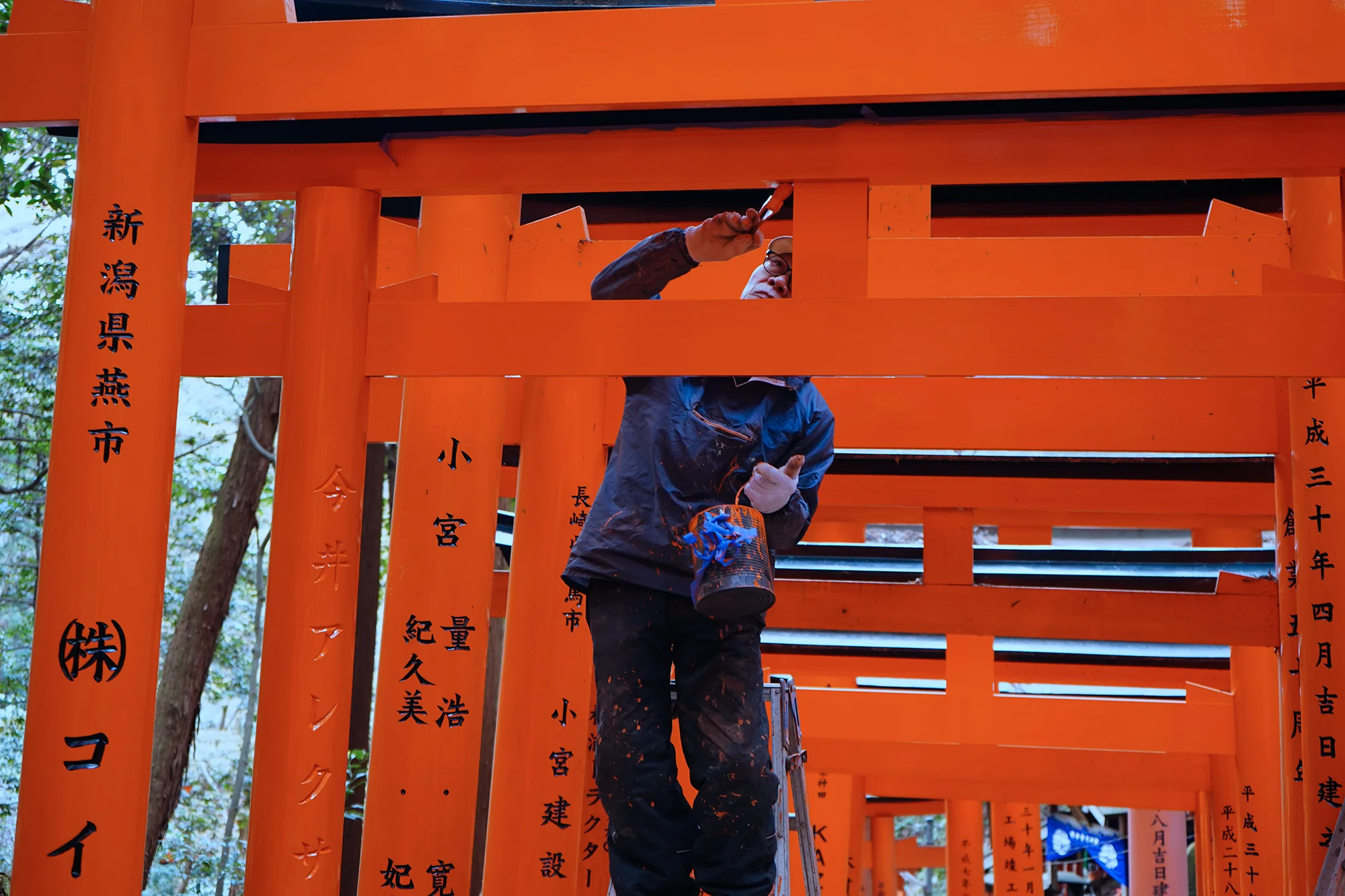
A house of hiba keeps mosquitoes out for three years, the saying goes; this cypress grows 250 years and carries hinokitiol, a compound that repels insects.
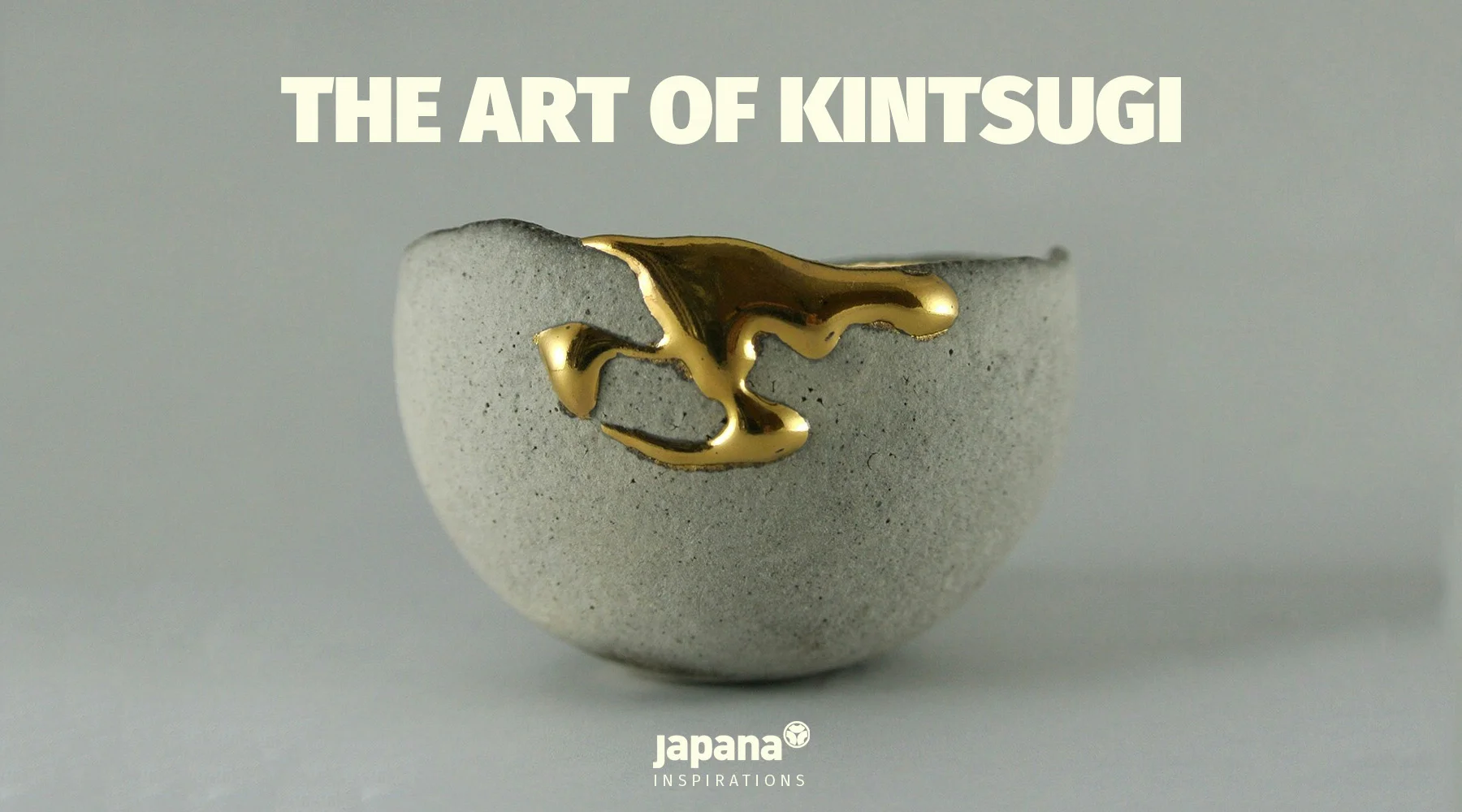
No glue, no filler: urushi lacquer and real gold powder bond broken pottery, and the golden seam is meant to stay imperfect because that flaw is the point.
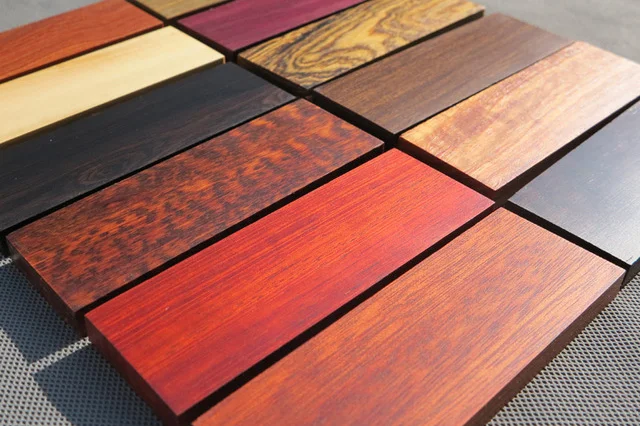
Most buyers obsess over the steel, but the handle carries the knife: cocobolo, ebony and rosewood compared, plus why soft woods fail in a wet kitchen.
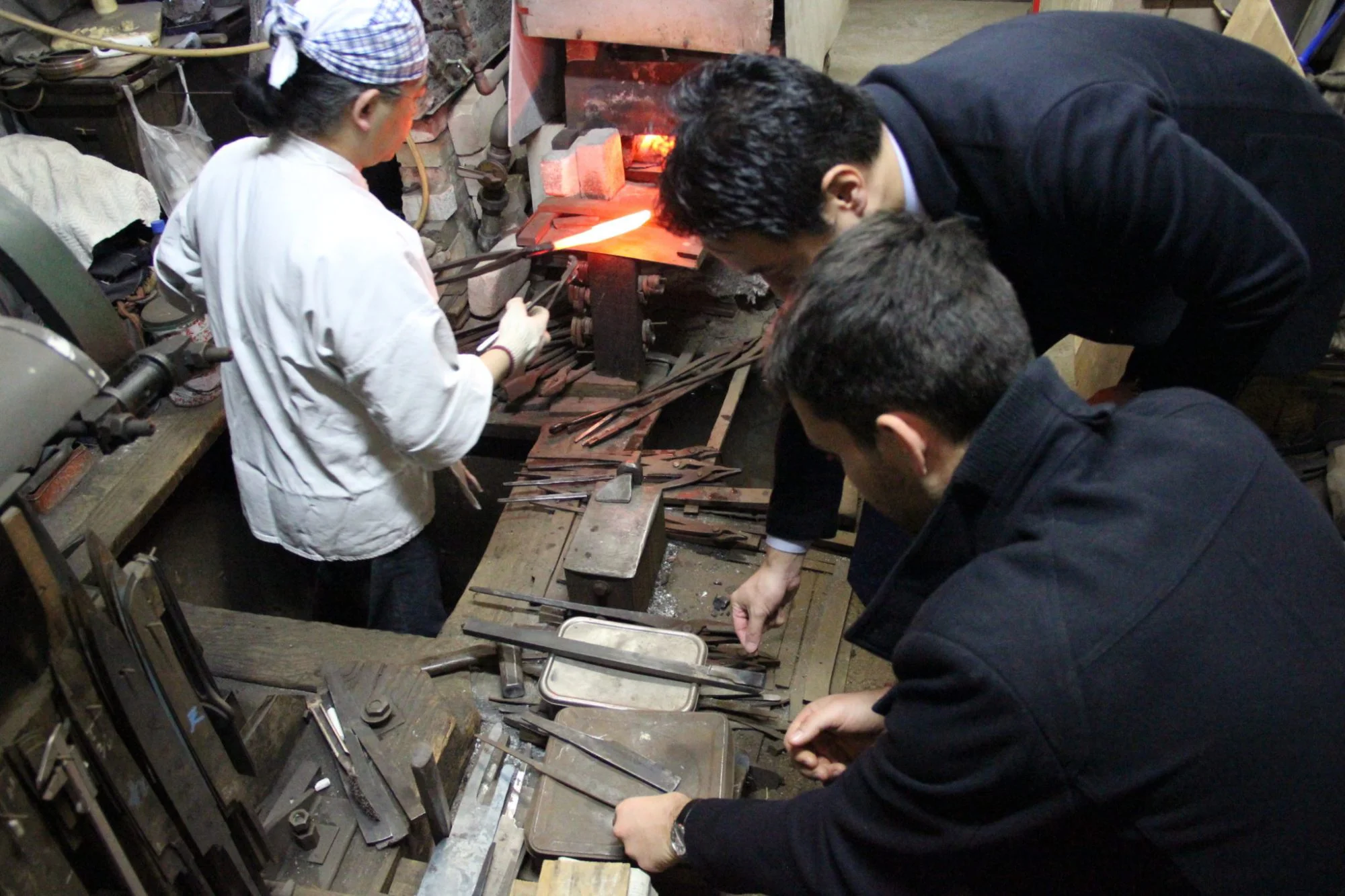
Portuguese traders brought tobacco to Sakai in 1543, and the knives farmers needed to cut the leaves became the cooking blades the town is famous for.
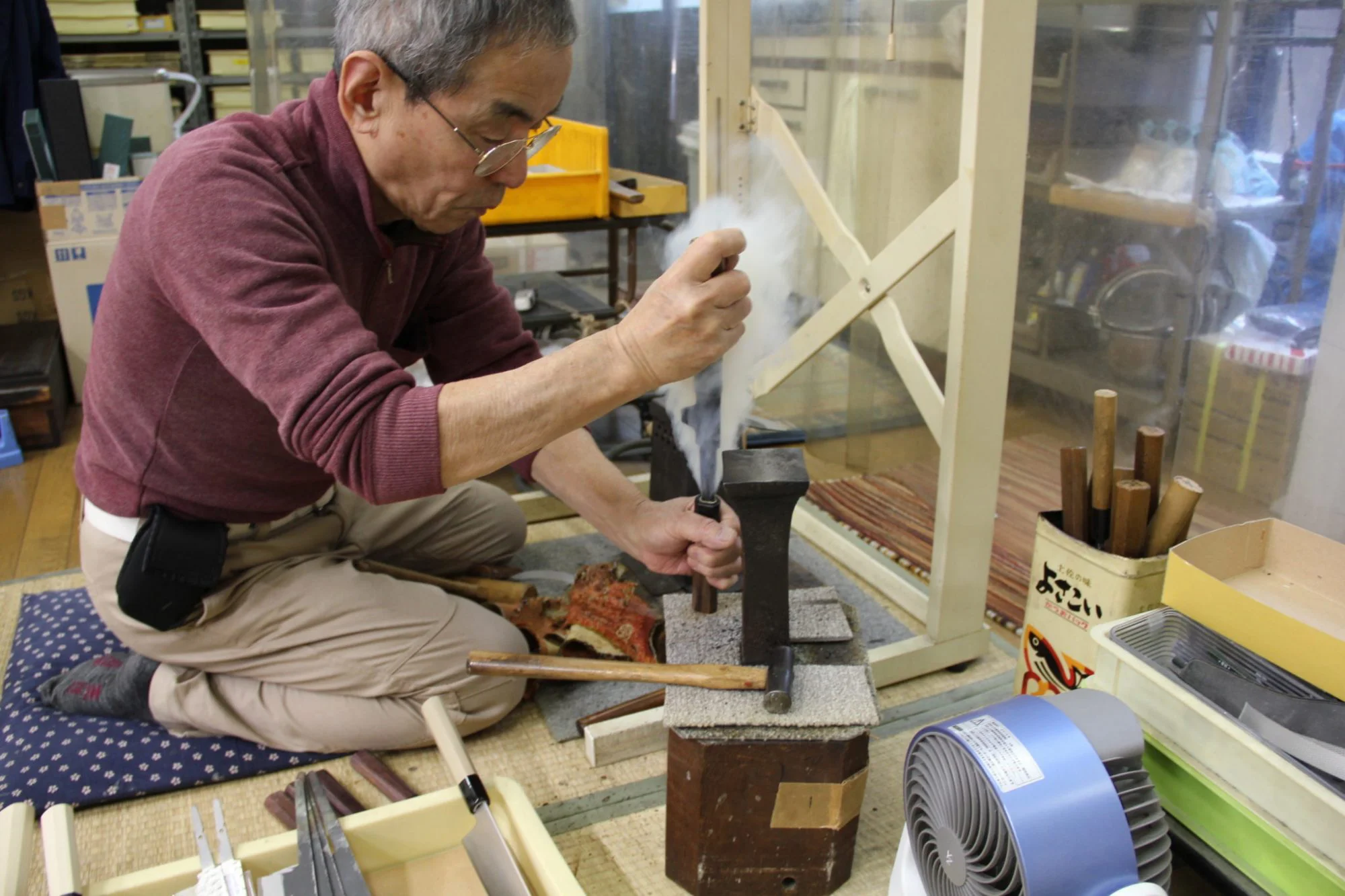
Tape the edge, wear the glasses, mind the dust: fitting a handle to a razor-sharp Japanese blade, plus a simple antler mount borrowed from hunting knives.
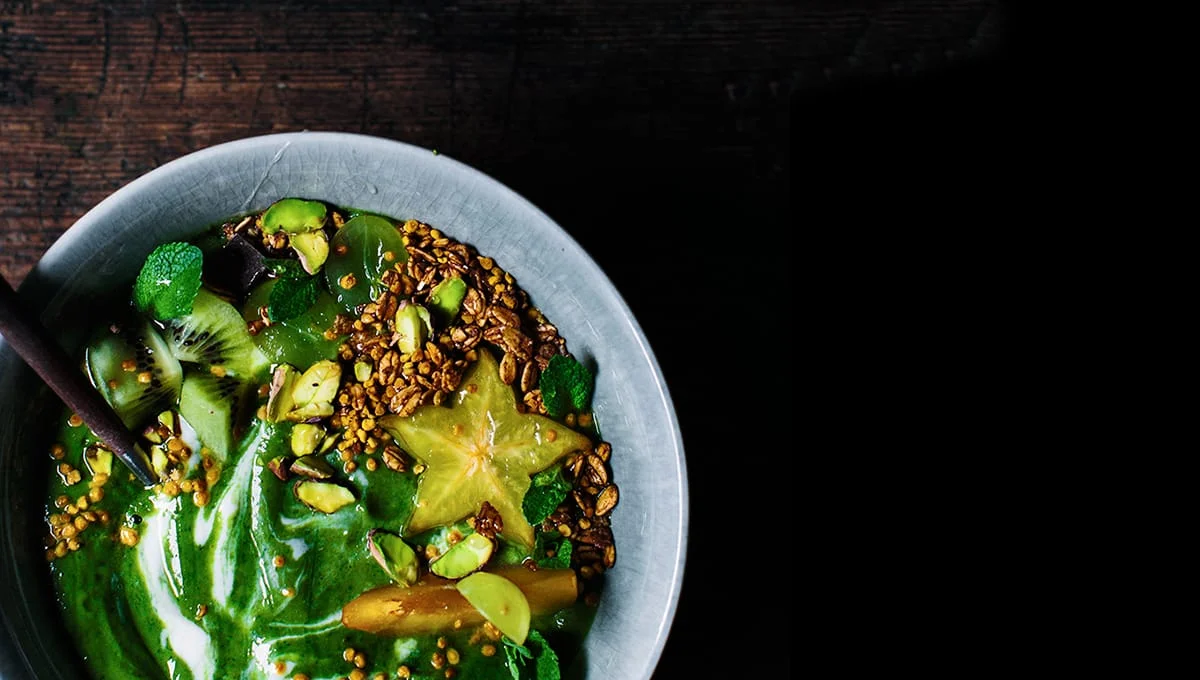
Run a pizza wheel through dough, drop a bread slice in with clumped brown sugar, microwave a lemon for 30 seconds: 25 fixes for everyday kitchen snags.
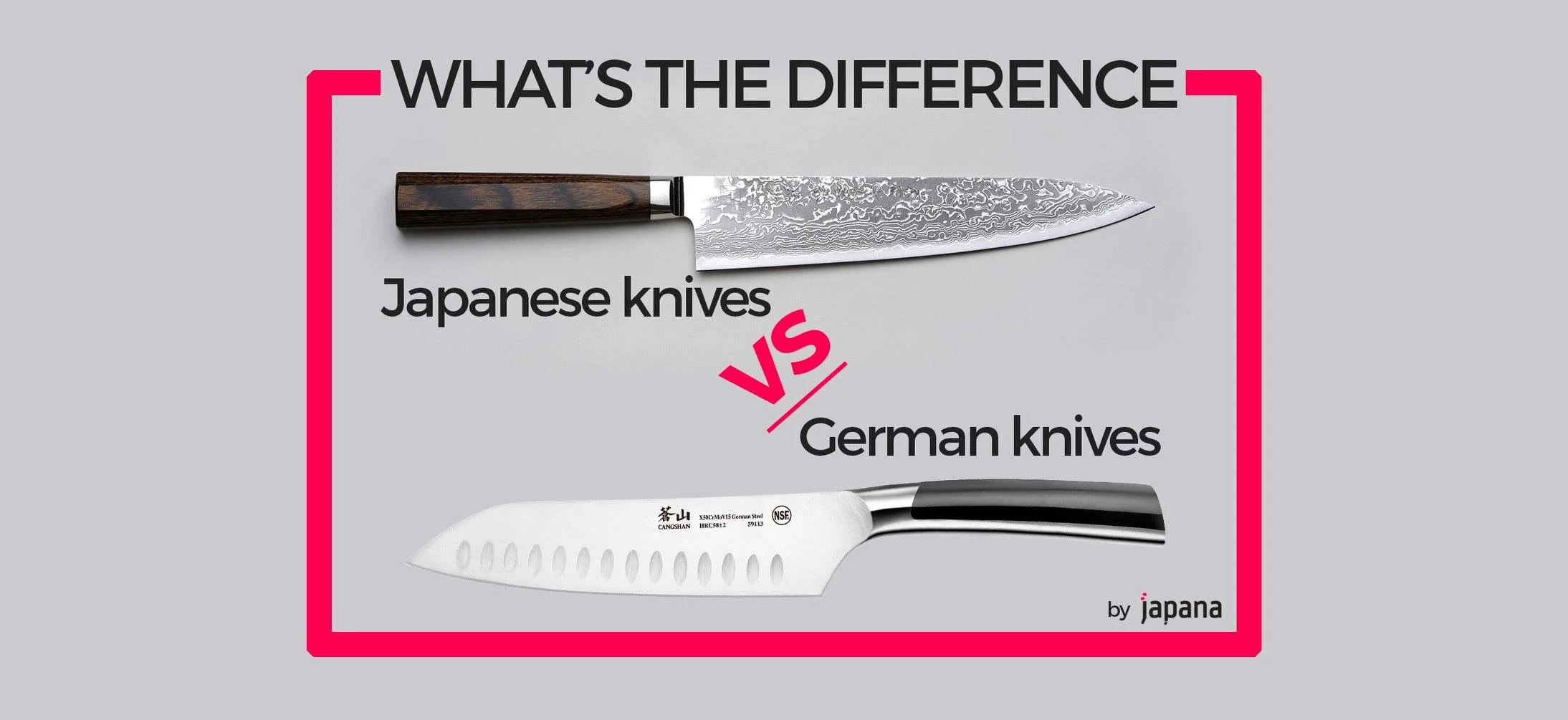
One holds a near-scalpel edge but will rust; the other shrugs off abuse. It comes down to Rockwell hardness, high 50s against mid 60s.
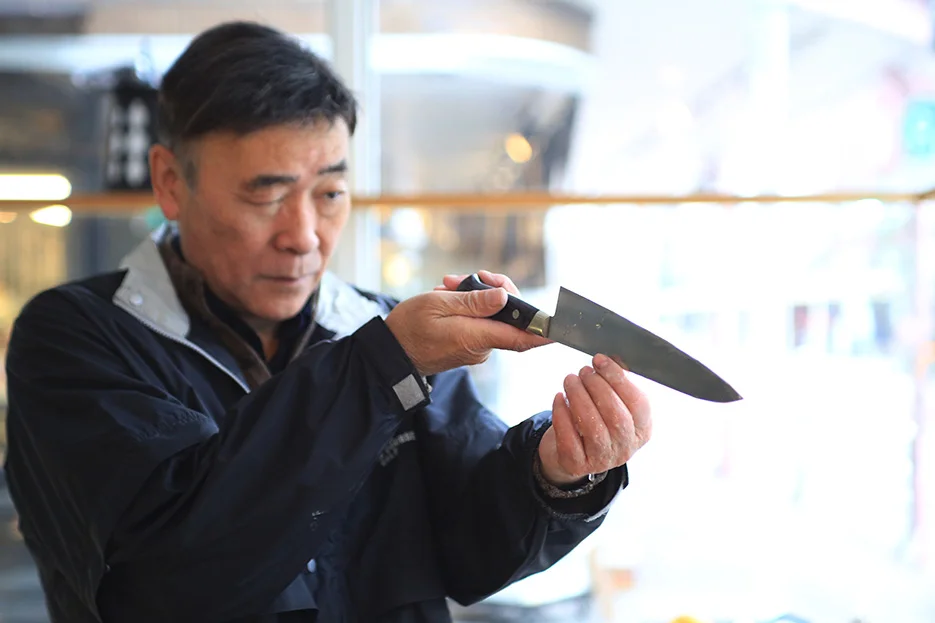
Western blades meet in the middle at roughly 20 degrees; most Japanese knives are ground on one side only. What that single bevel buys you, and where it doesn’t.