What to buy first when you are building a Japanese kitchen on a budget: a stone, a board, somewhere to keep the knife, and then the knife itself.
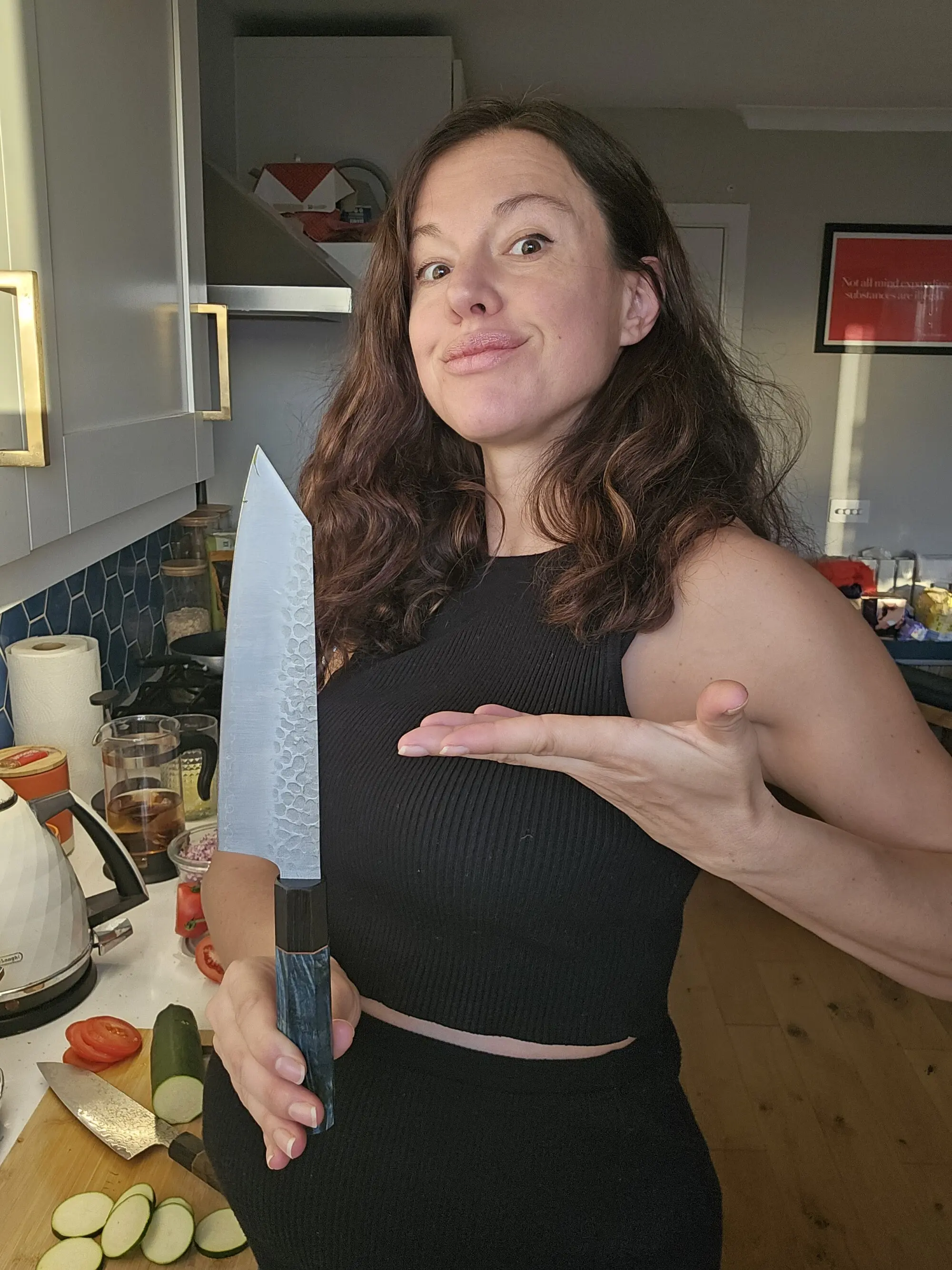

What to buy first when you are building a Japanese kitchen on a budget: a stone, a board, somewhere to keep the knife, and then the knife itself.
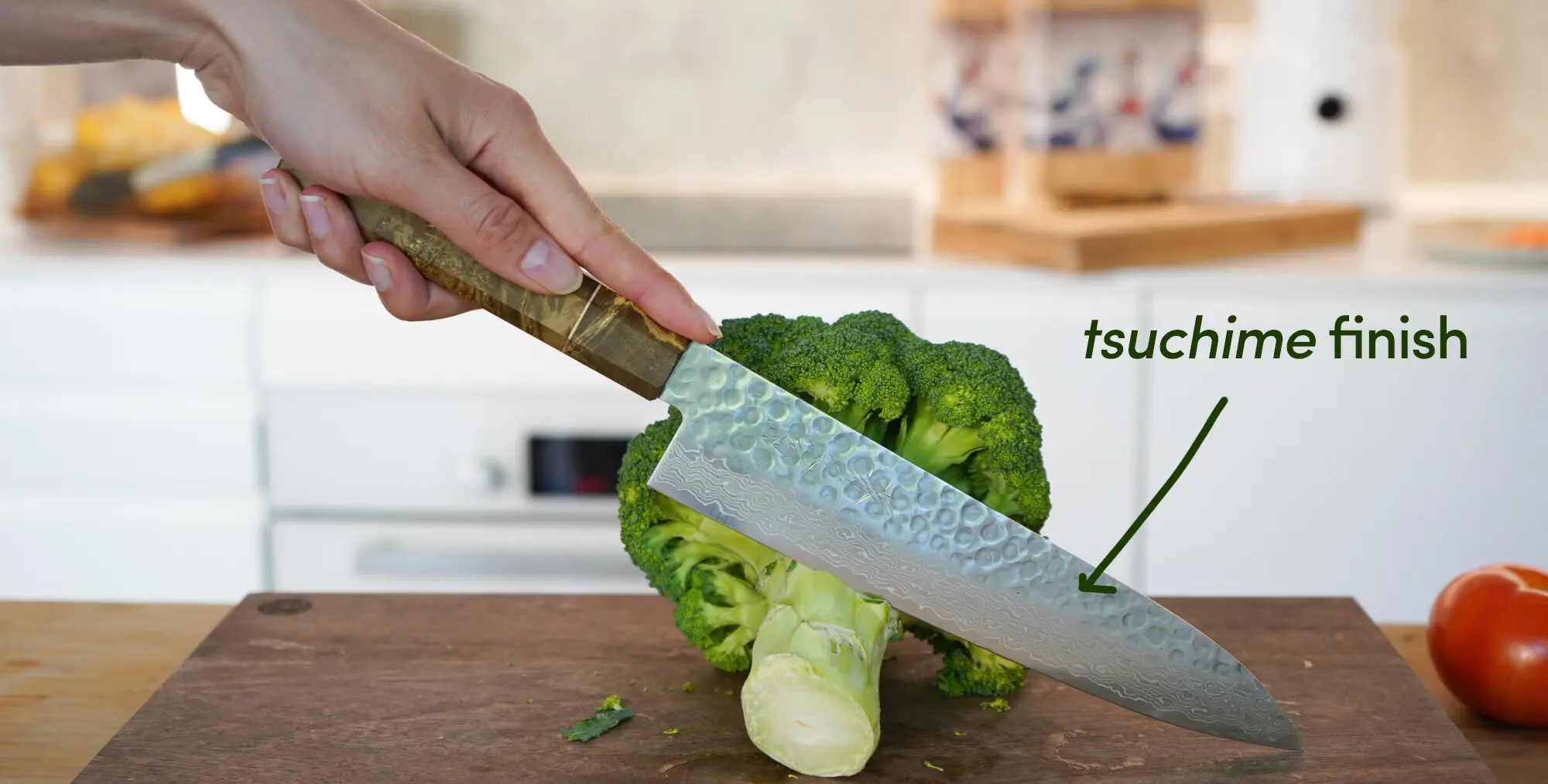
Caring for a Japanese knife, covering carbon versus stainless steel, Rockwell hardness, single and double bevels, whetstone sharpening and storage.
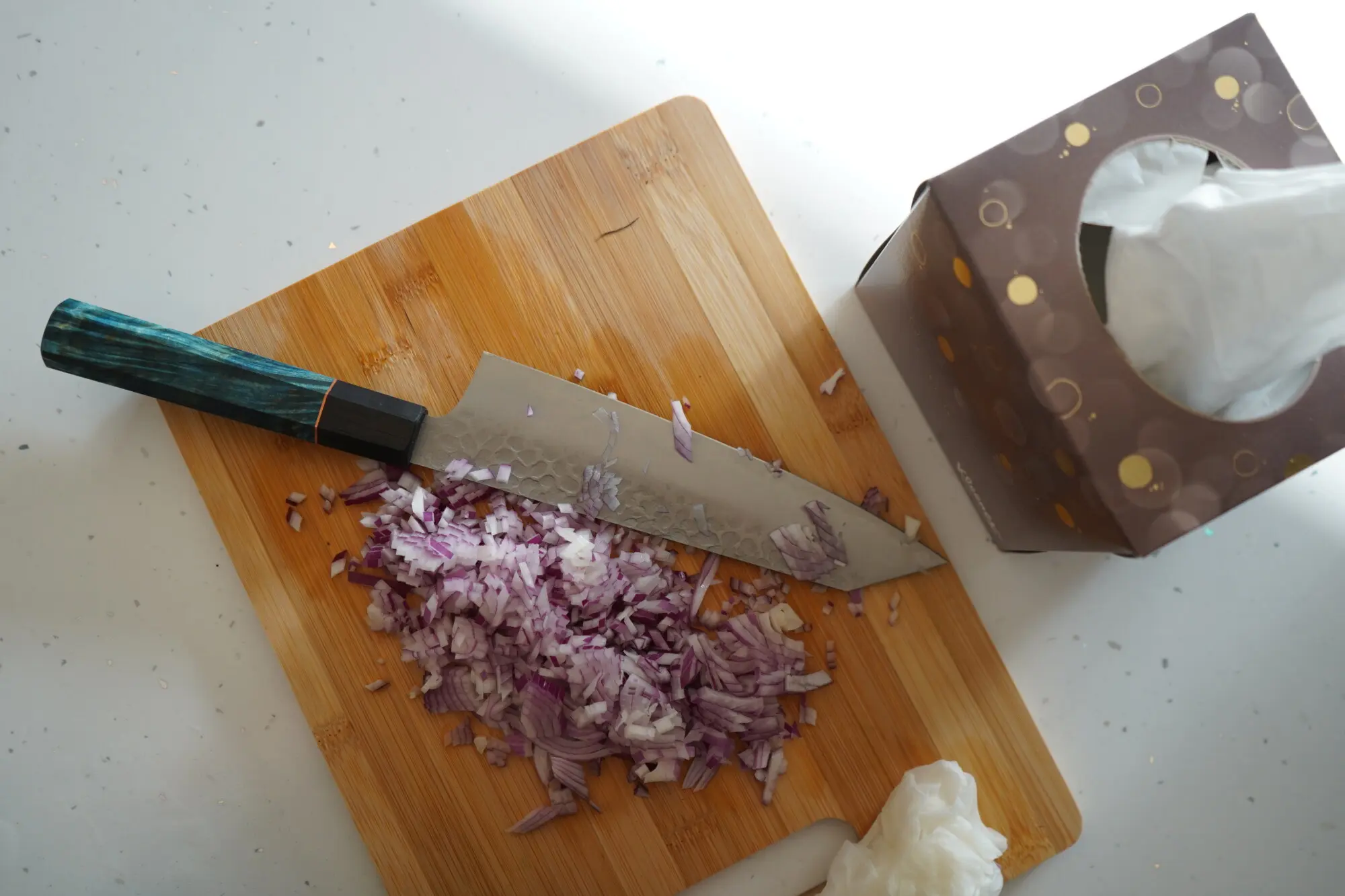
Why onions make you cry, the syn-propanethial-S-oxide gas behind it, and science-backed methods that reduce tears, starting with a sharp knife.
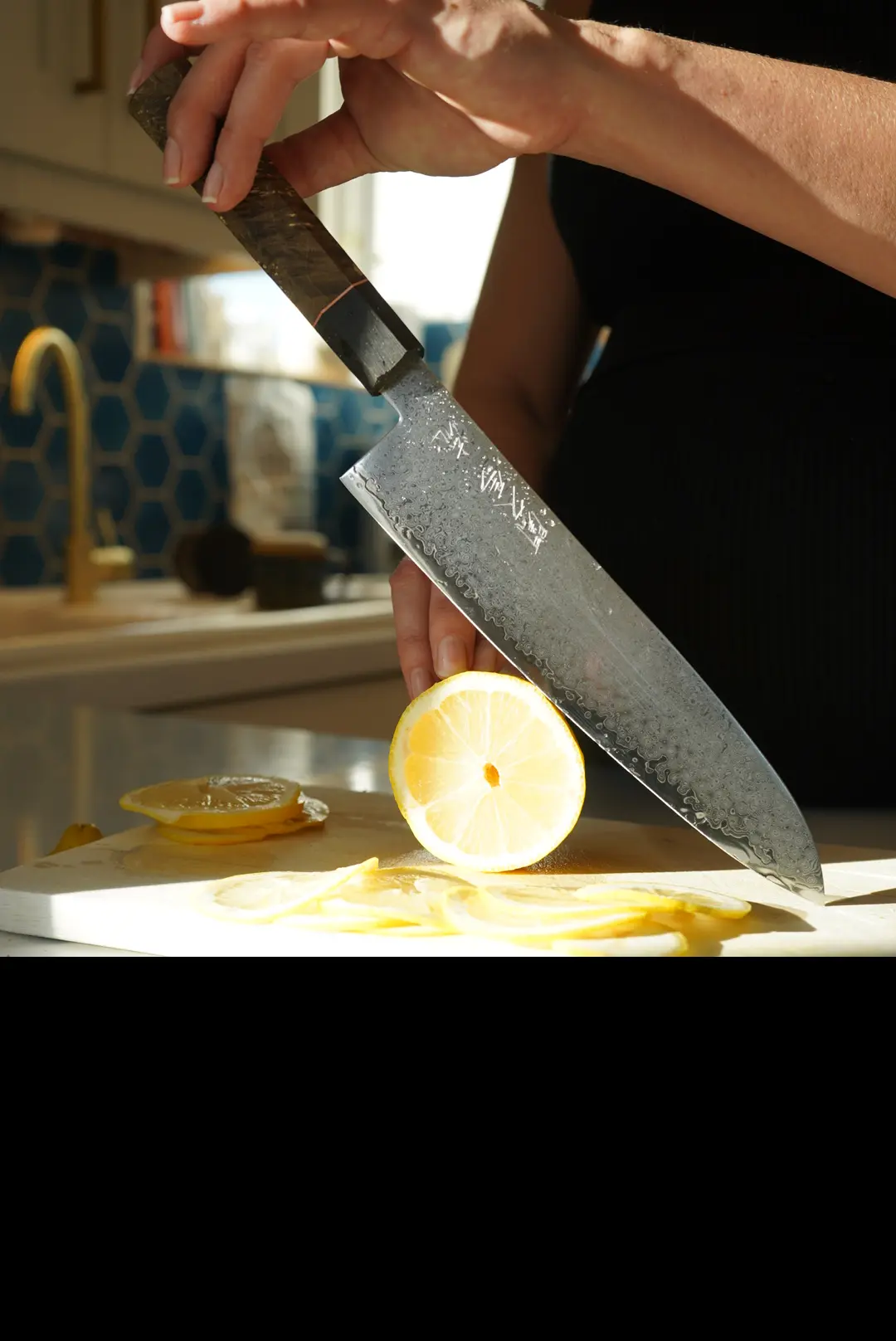
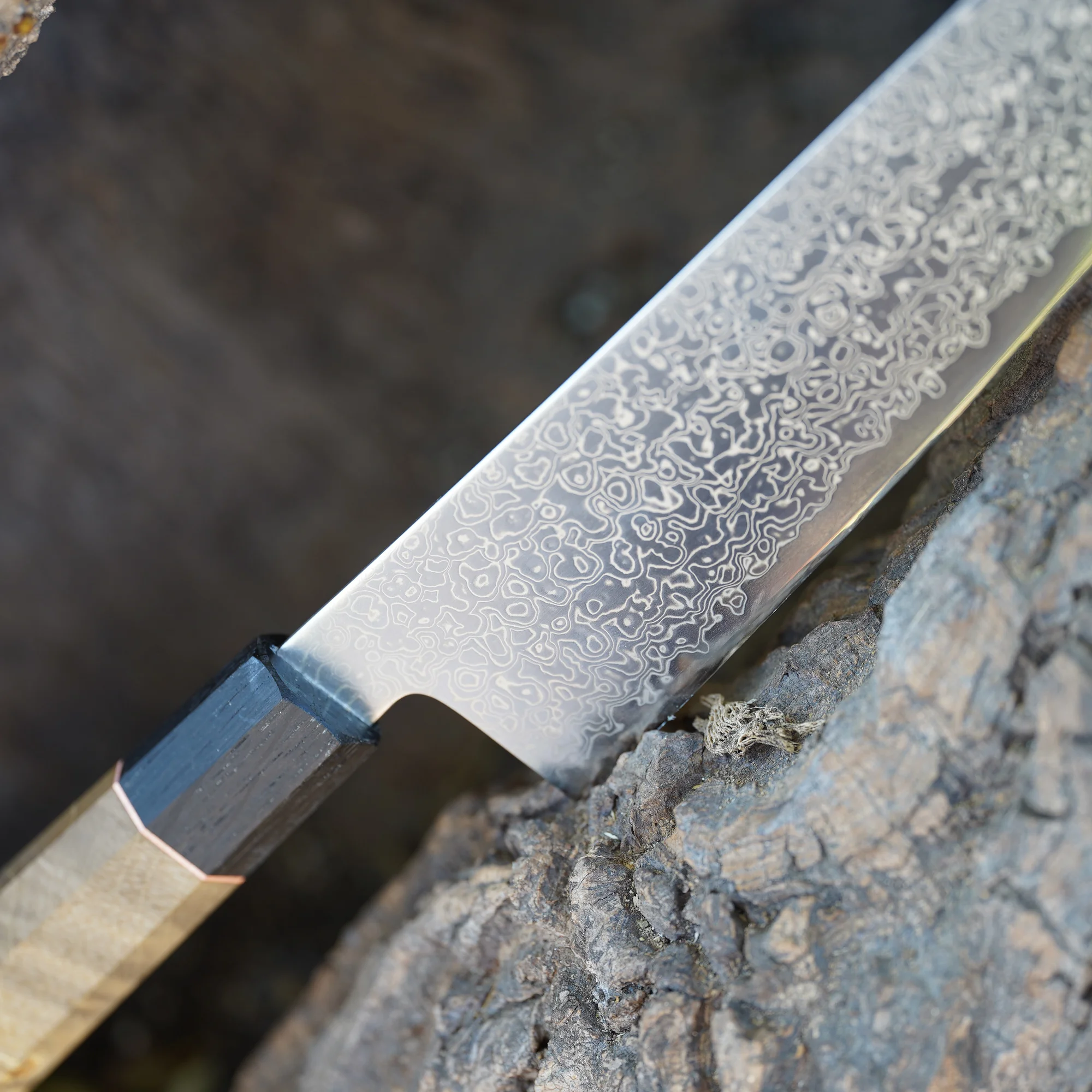
The wave pattern on a Damascus blade is more than looks. How folded layers, like the 33 in the RYU line, balance edge retention and resilience.
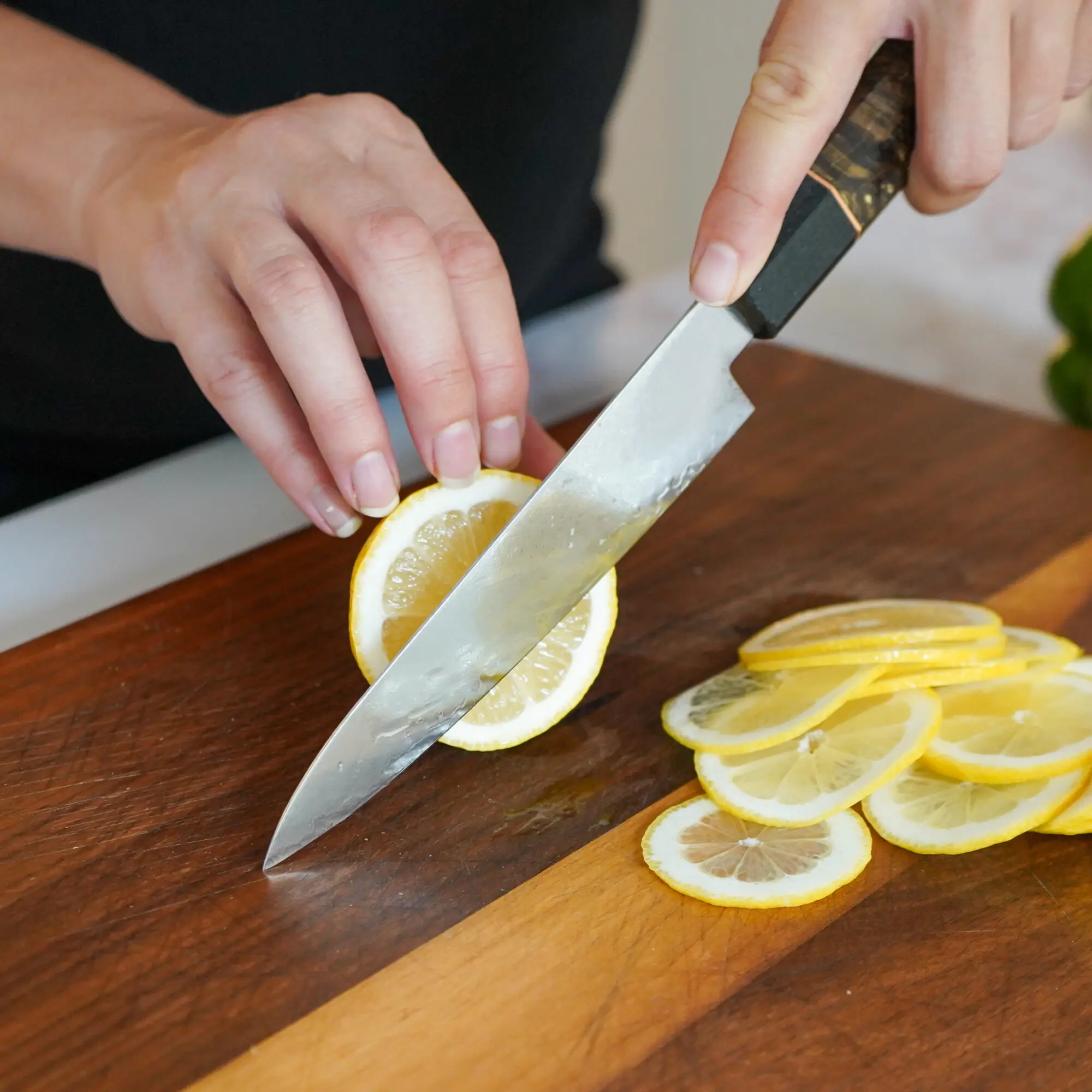
The four best Japanese knives for home cooks, the Gyuto, Santoku, Nakiri and Petty, with the features and tasks that suit each one.
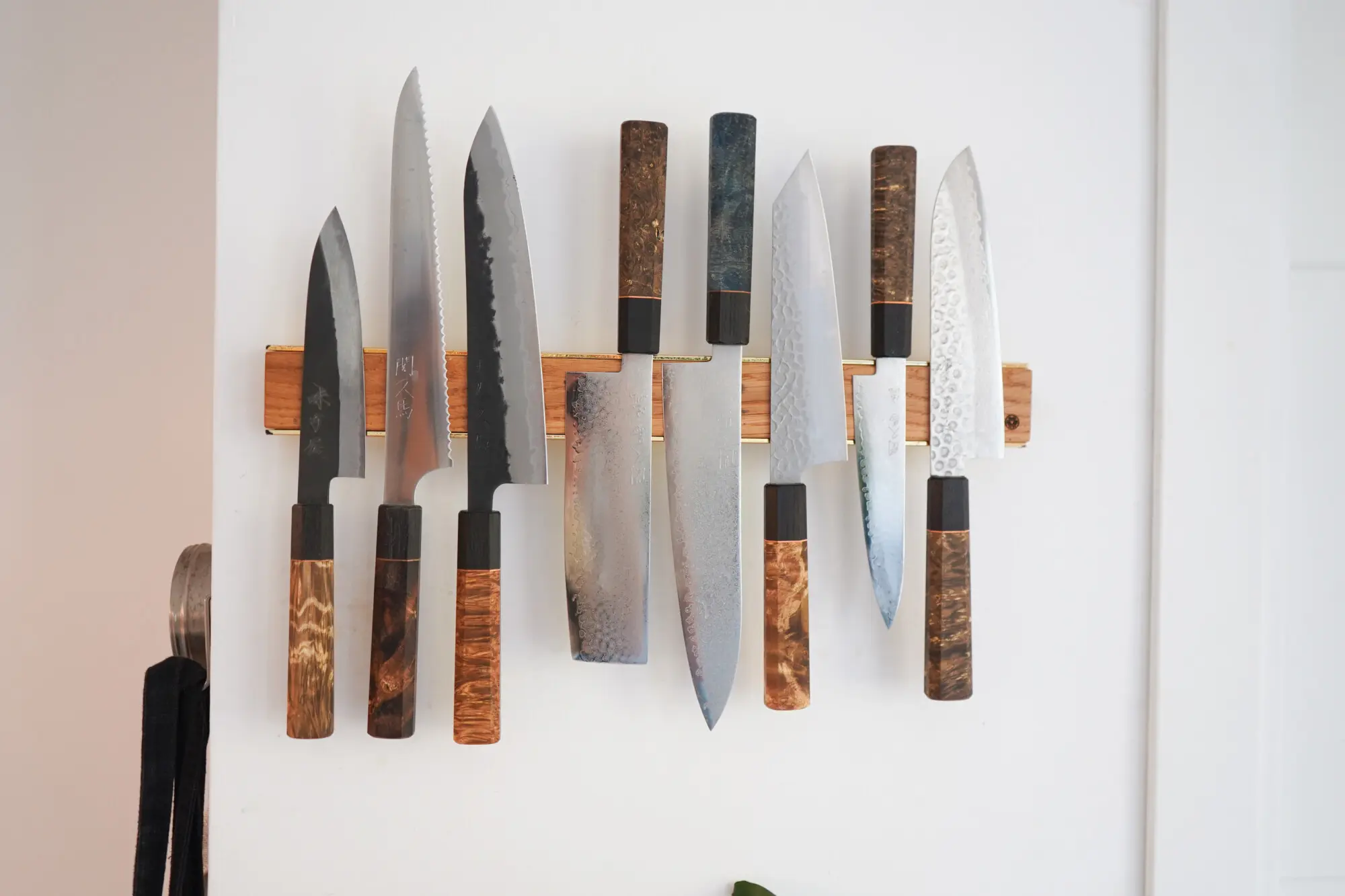
Should knives hang blade up or blade down on a magnetic rack? Why many professionals favour blade up, covering ergonomics, balance and edge wear.
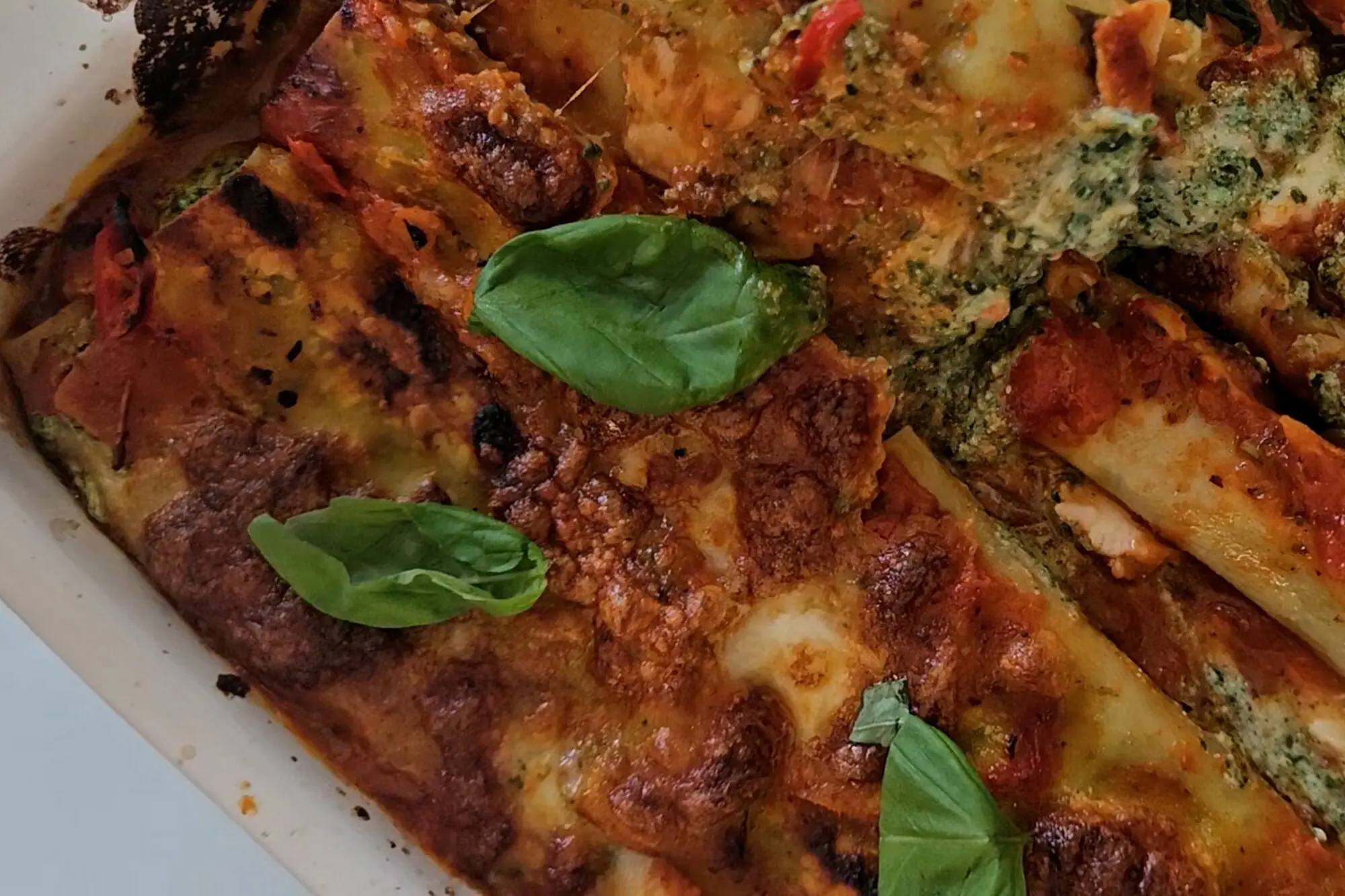
Cannelloni tubes filled with ricotta, spinach and three cheeses, baked in a spicy tomato sauce and brightened with fresh lemon juice and basil.
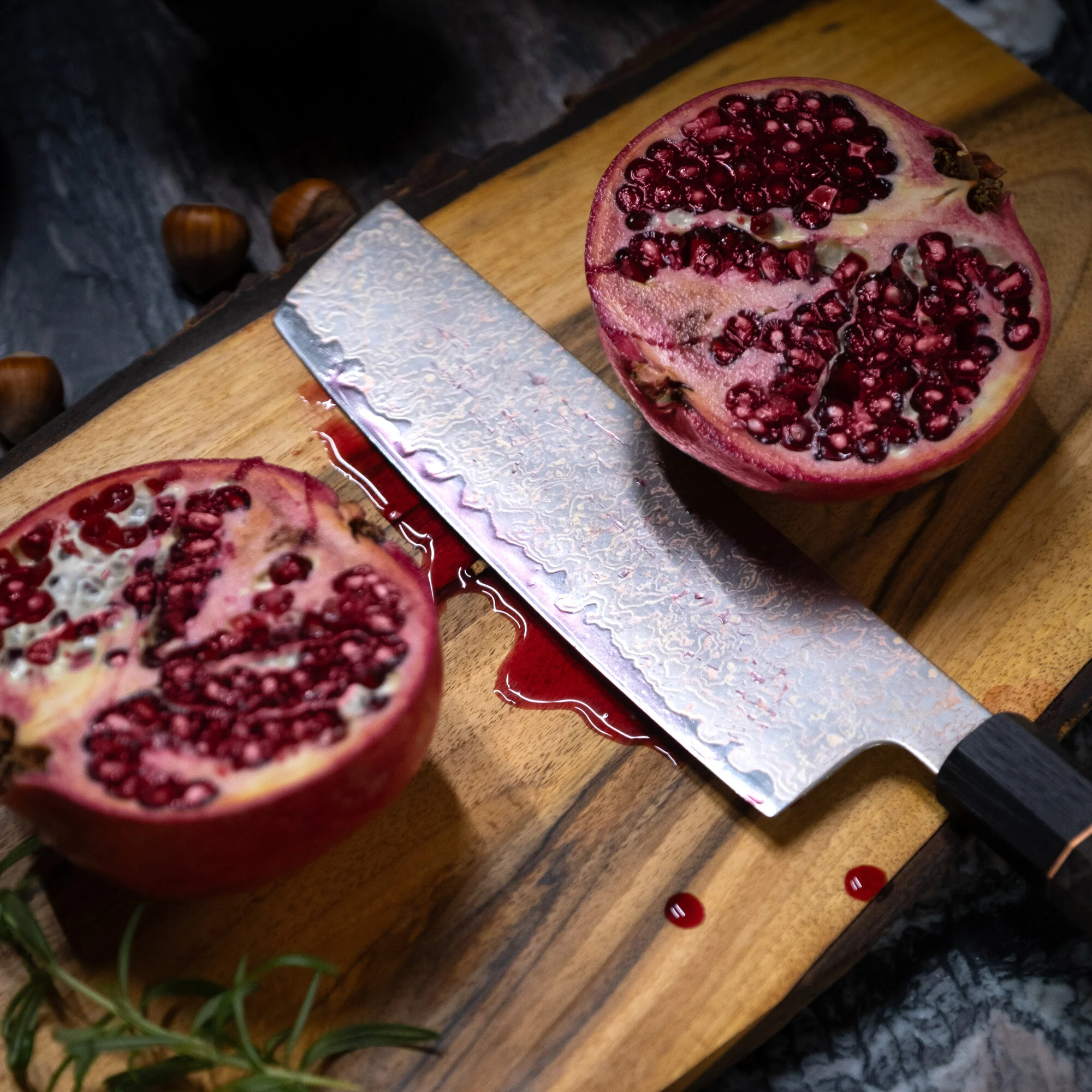
The Nakiri’s straight, rectangular blade gives full edge contact for clean vegetable cuts, less wrist strain and uniform thin slices every time.
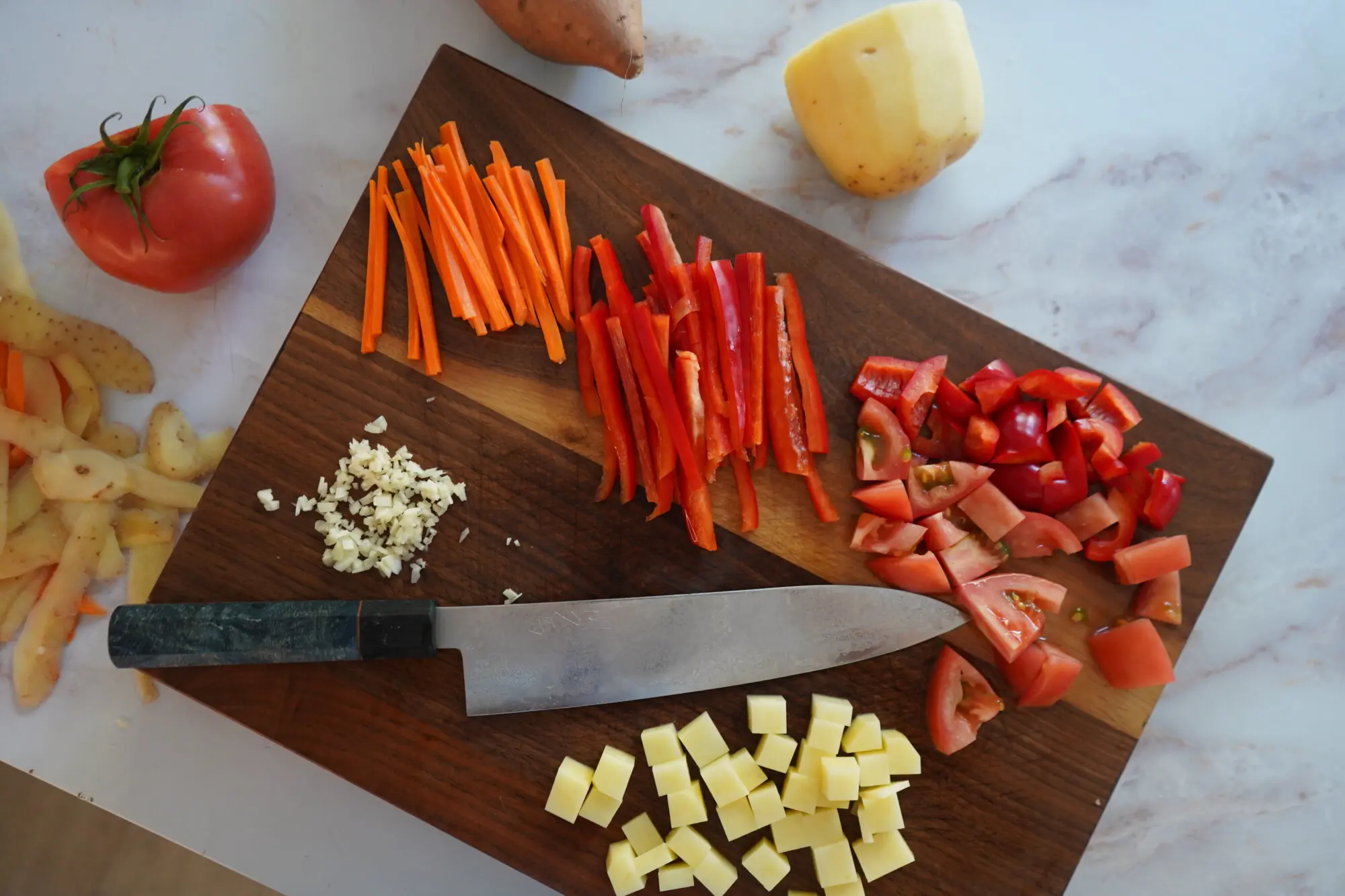
Build faster, safer knife skills with proper grips, the claw technique and the get-to-flat principle, plus what dice, mince and julienne really mean.
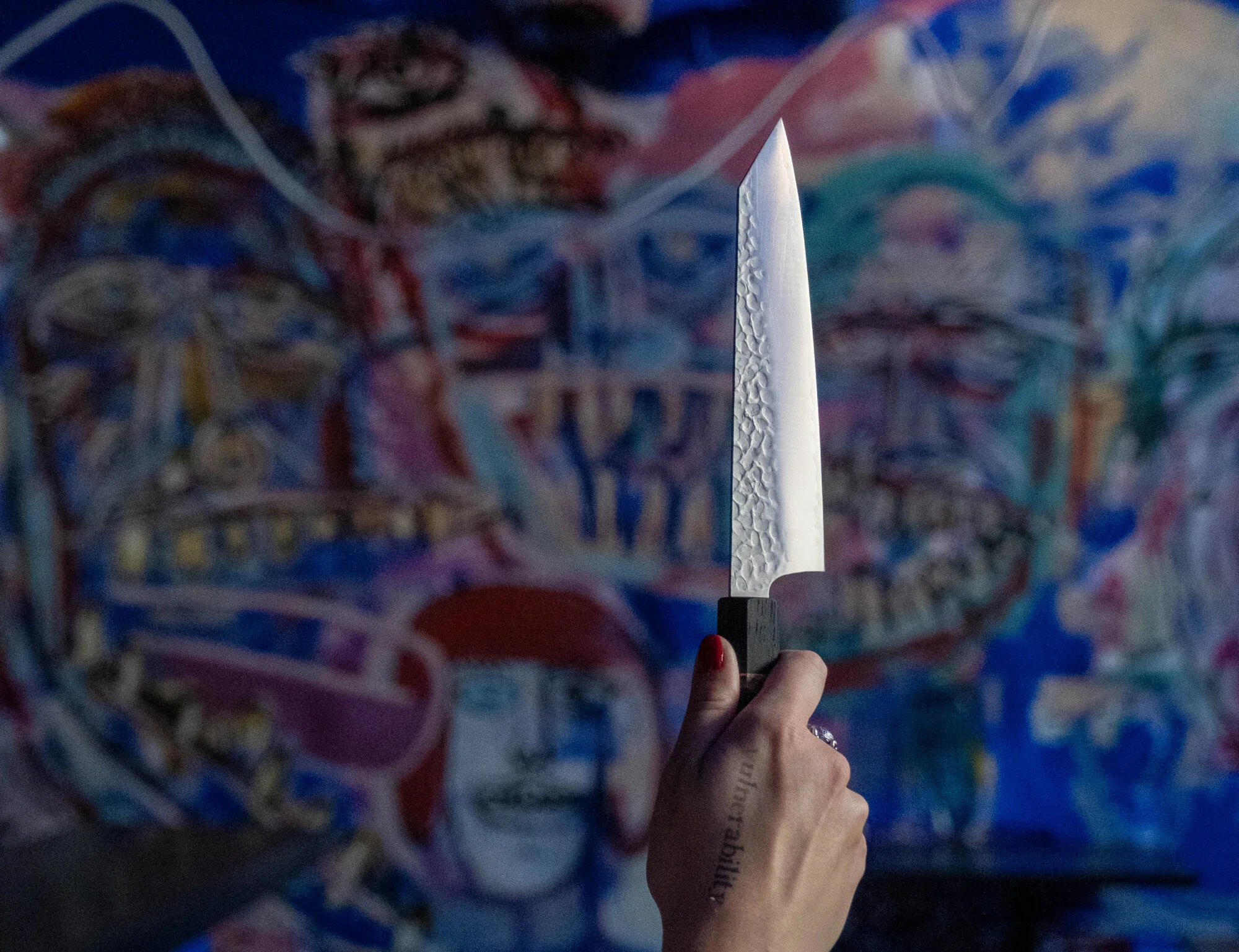
A beginner’s look at Japanese knives, from san mai construction and high-carbon steel to the ikigai and kaizen philosophy that shapes how they are made.

The kiritsuke, bunka, gyuto, and santoku compared by shape, use, and skill level to help home cooks pick the right Japanese knife.
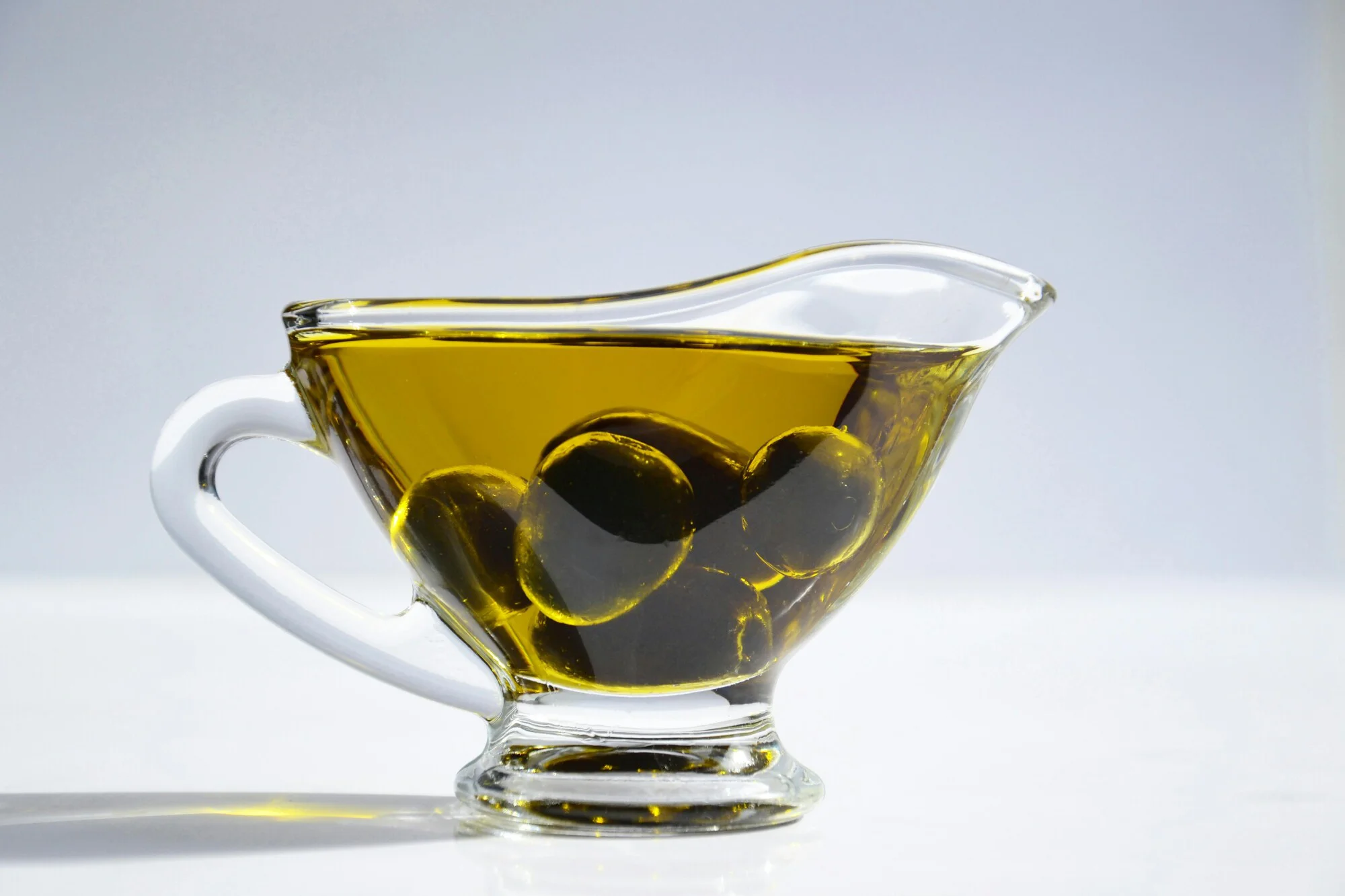
Not all fats are equal. Olive, coconut, avocado and canola oils sorted by smoke point and health profile, and which ones to leave on the shelf.

The onna-bugeisha illustration on Sakai Kyuba boxes honours feudal Japan’s female samurai, with nods to Hokusai’s Great Wave and the Oishya kamon.

Japan’s vending machines serve full meals, from hot ramen to frozen gyoza, using refrigeration, heating, and robotic arms. A look at automated dining.

White steel, blue steel, carbon steel: Japanese grades come down to composition and heat treatment, not brand names. What each one actually tells you.
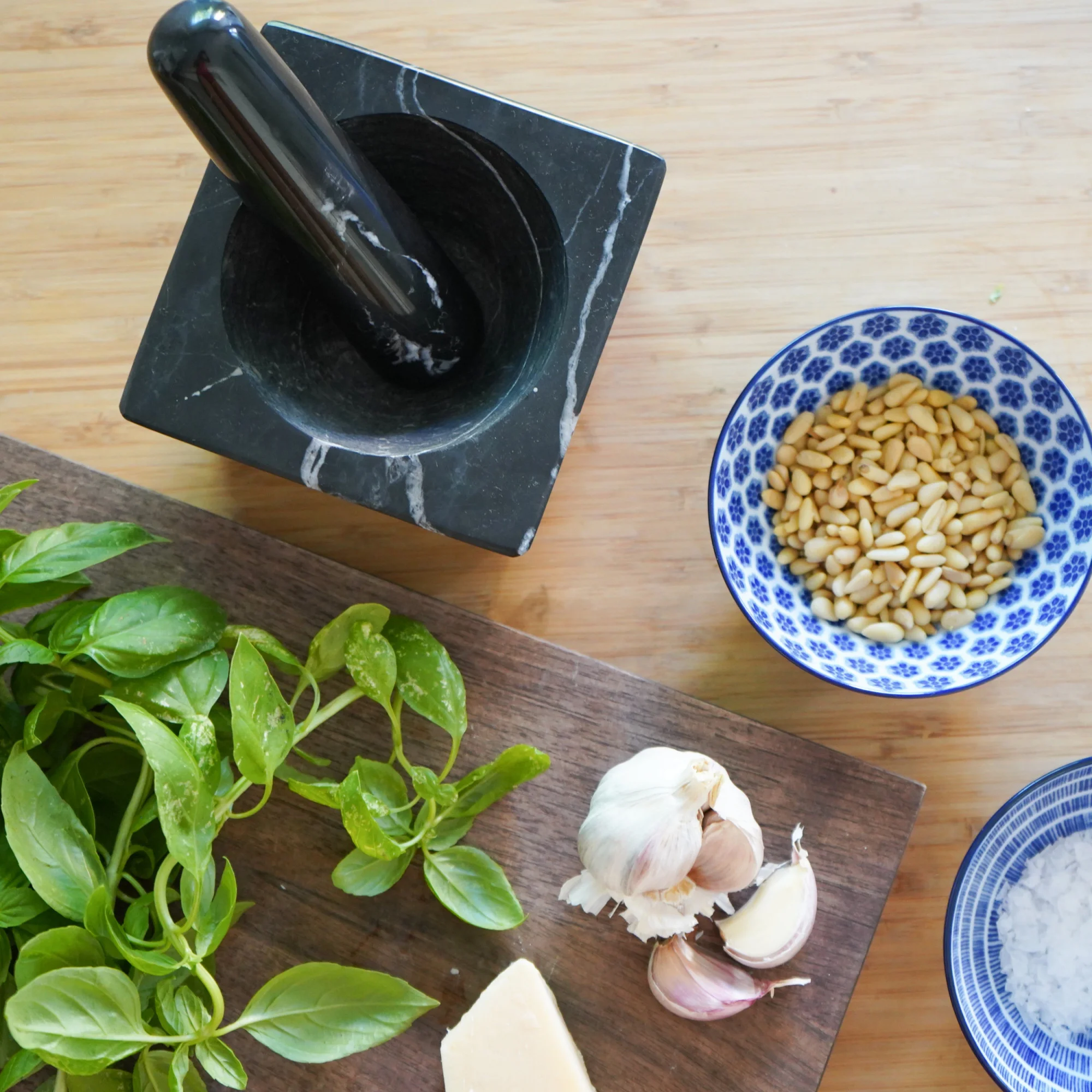
Ceramic mortars soak up yesterday’s garlic; marble, being non-porous, doesn’t. Why it wins on hygiene and longevity, and how to match a pestle to it.
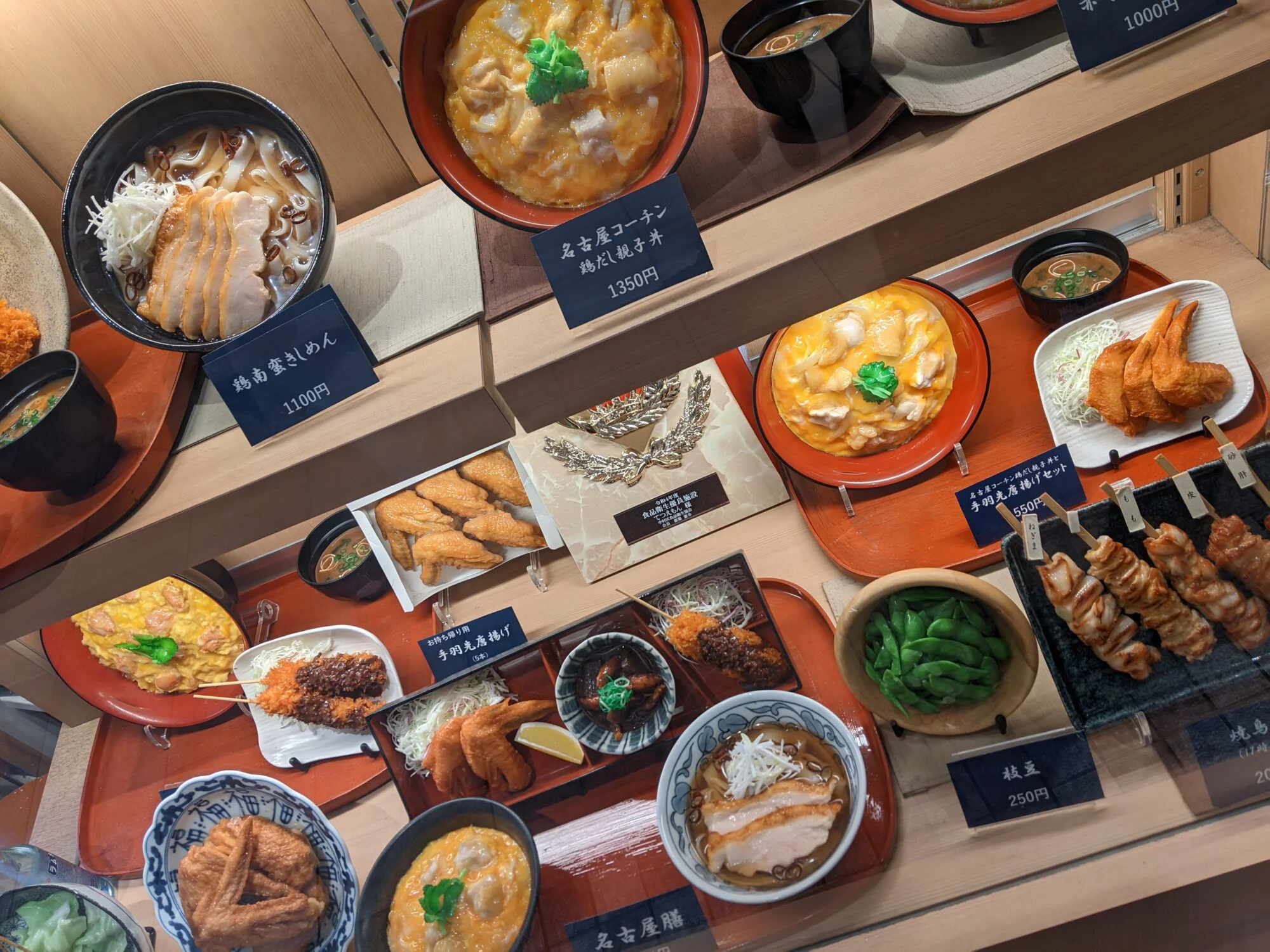
Shokuhin Sampuru are Japan’s lifelike fake food replicas, made from PVC to display restaurant menus. Inside the craft and the artisans who make them.
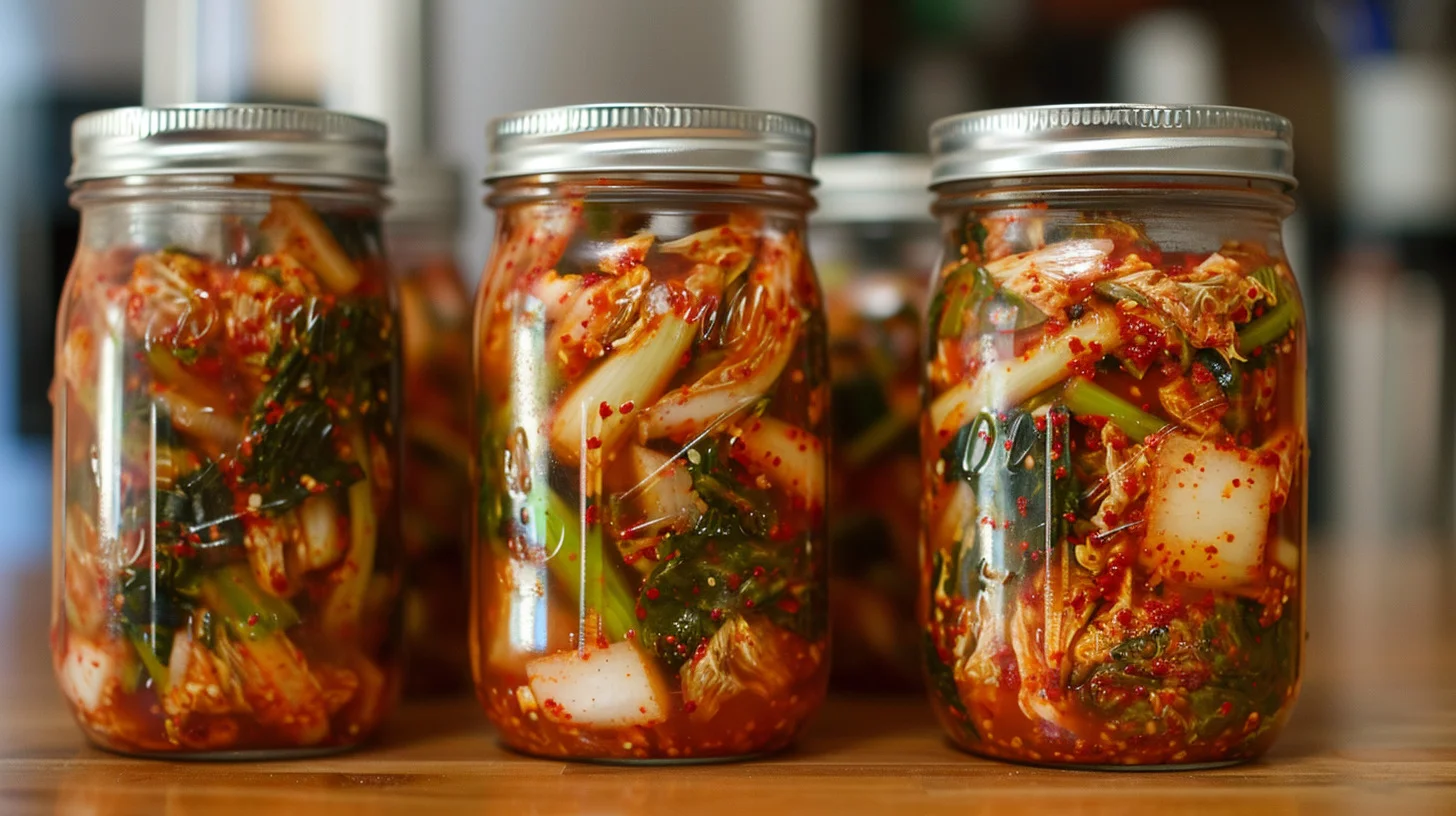
Lactic-acid bacteria, not vinegar, do the work in kimchi, building probiotics and freeing up nutrients. The science, the kimjang tradition, and a recipe.
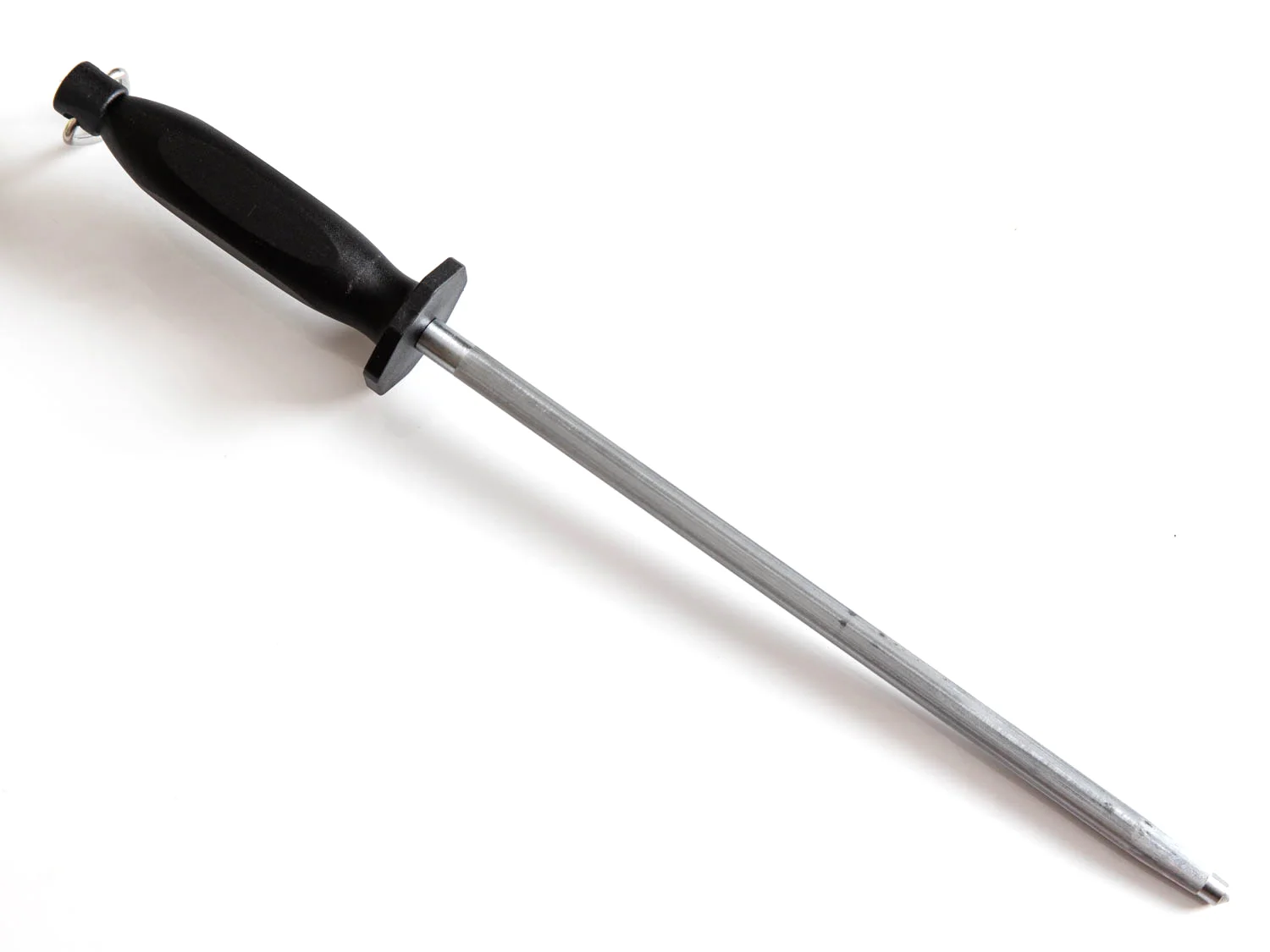
Honing realigns a knife’s edge between uses with a steel or ceramic rod, while sharpening on whetstones removes metal to restore a dulled blade.
Never leave them wet. How to wash, dry and sharpen a Japanese knife, with a rundown of the Gyuto, Santoku, Nakiri, Deba and Sujihiki.
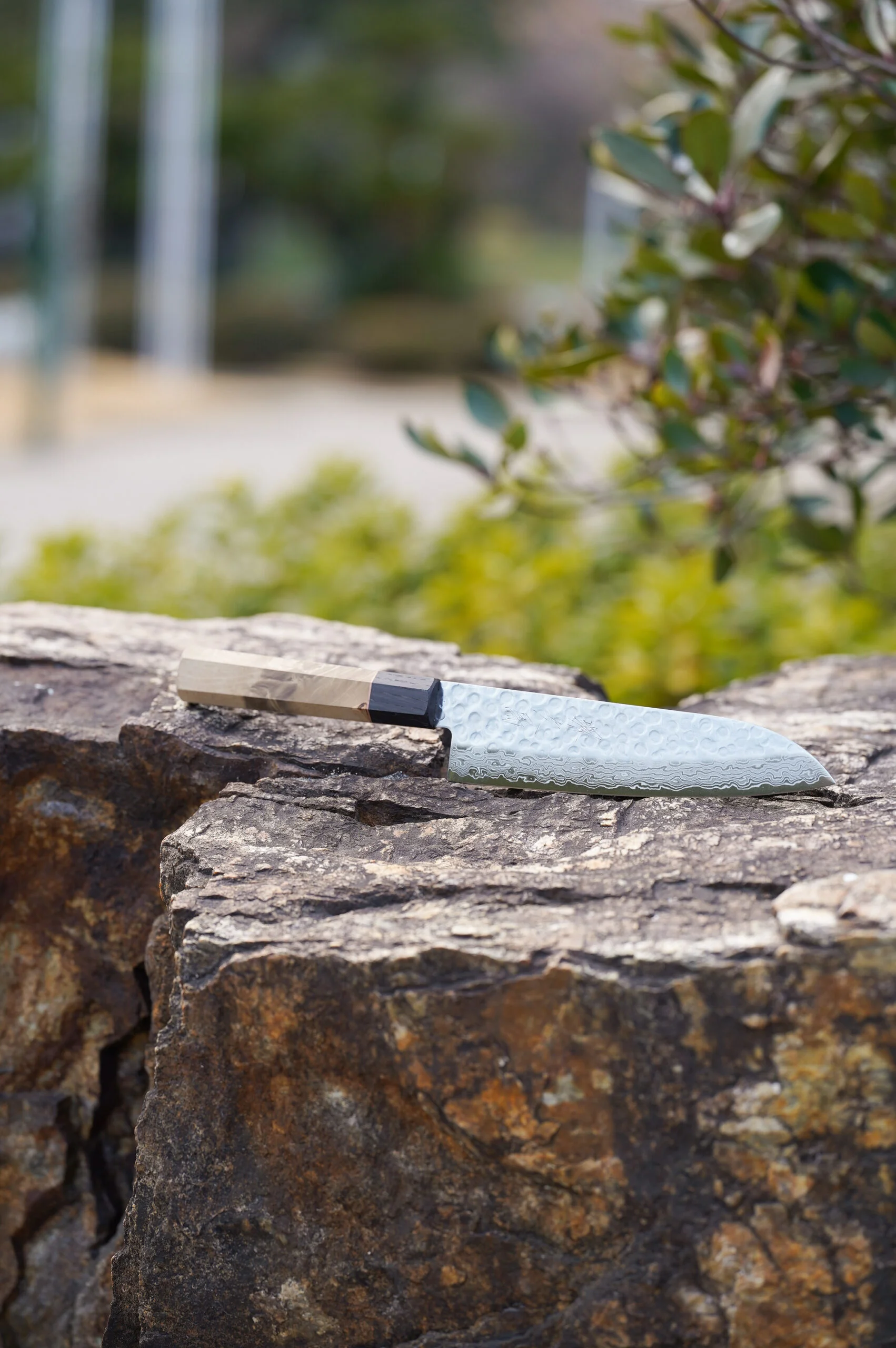
The santoku, whose name means ‘three virtues’, is a short, wide all-purpose blade for slicing, dicing and mincing, and how it differs from the gyuto.

A guide to safer online shopping: vet unfamiliar stores, read third-party reviews, check for contact details, and use tools like ScamAdviser.

The story of Japanese whisky, from Commodore Perry’s 1853 gift barrel to Masataka Taketsuru studying the craft in Scotland.
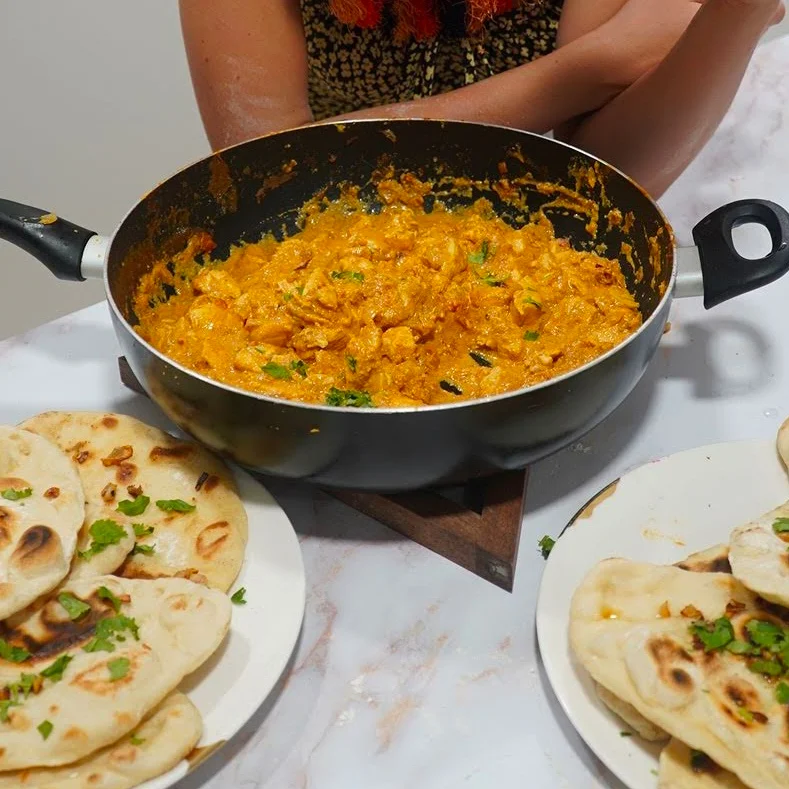
A lighter butter chicken recipe with yogurt-marinated chicken in a spiced tomato and cream sauce, served with naan. A fitting Halloween dish.

Three reasons couples who cook together build stronger relationships, from learning side by side to connecting and making memories in the kitchen.
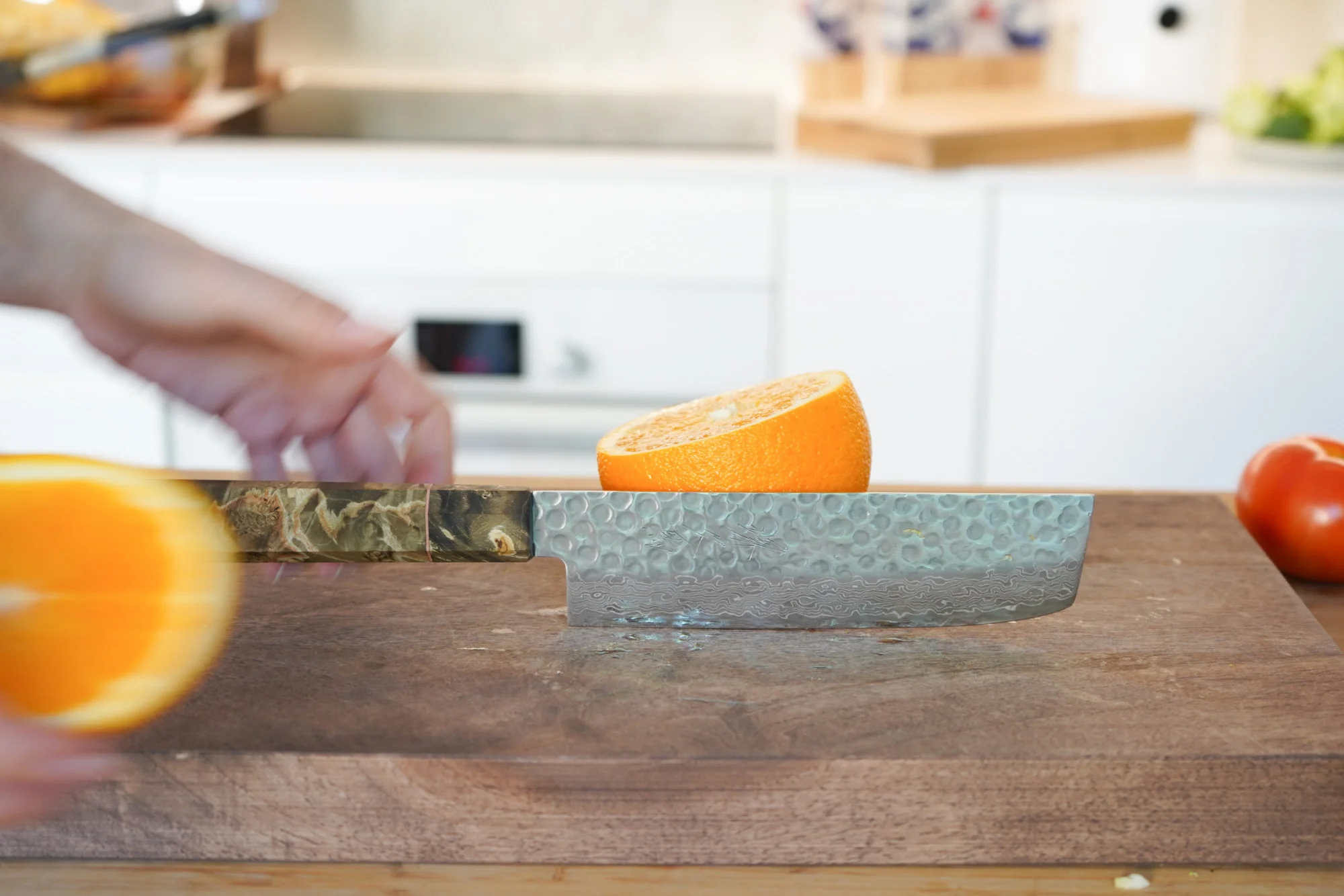
The three main ways to store kitchen knives safely around children, comparing drawer inserts, countertop blocks and wall-mounted magnetic strips.
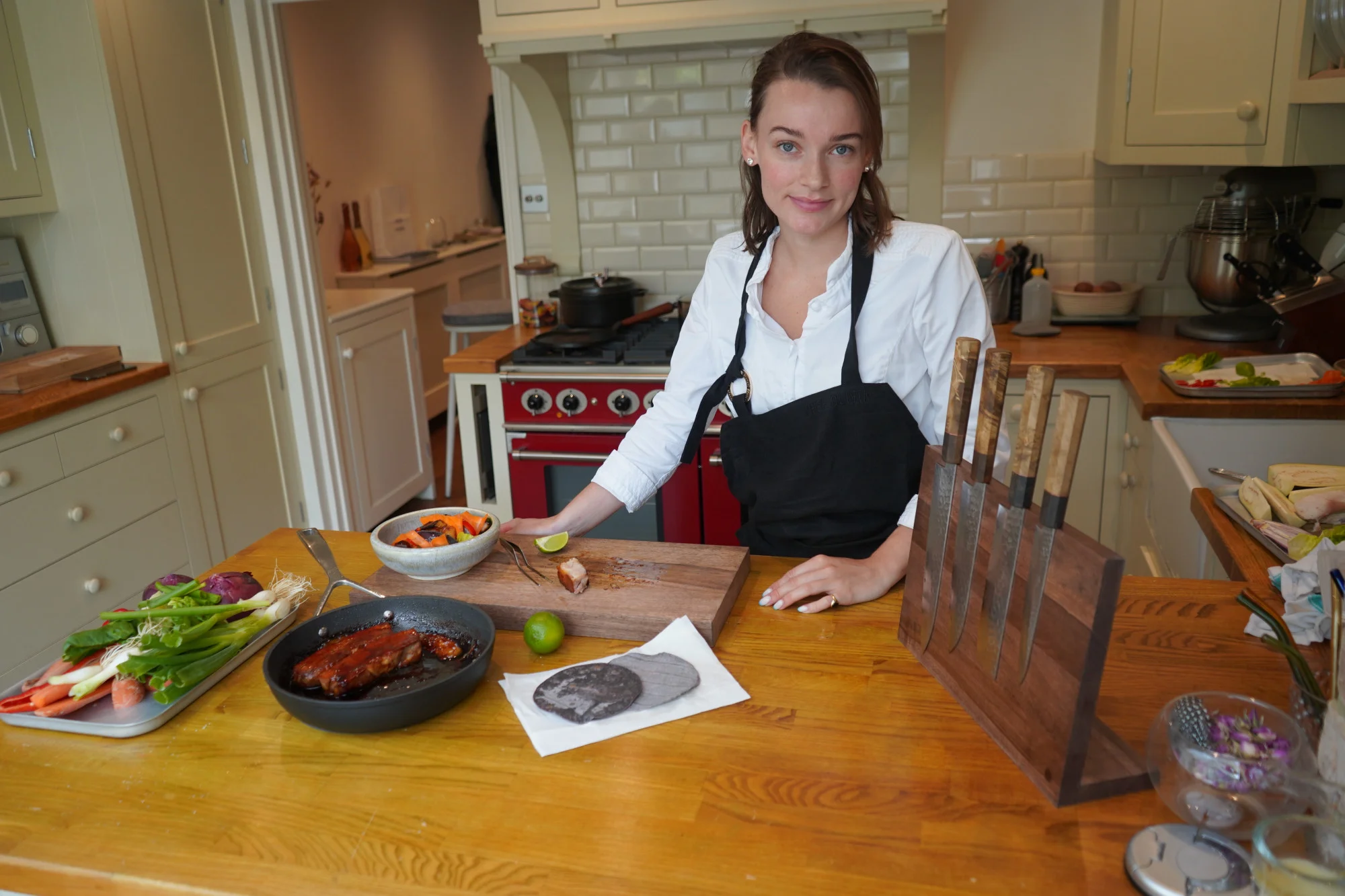
Chef Olivia Burt’s three tips for caring for Japanese knives: use a flat wooden board, store them on a magnetic rack, and never use the dishwasher.
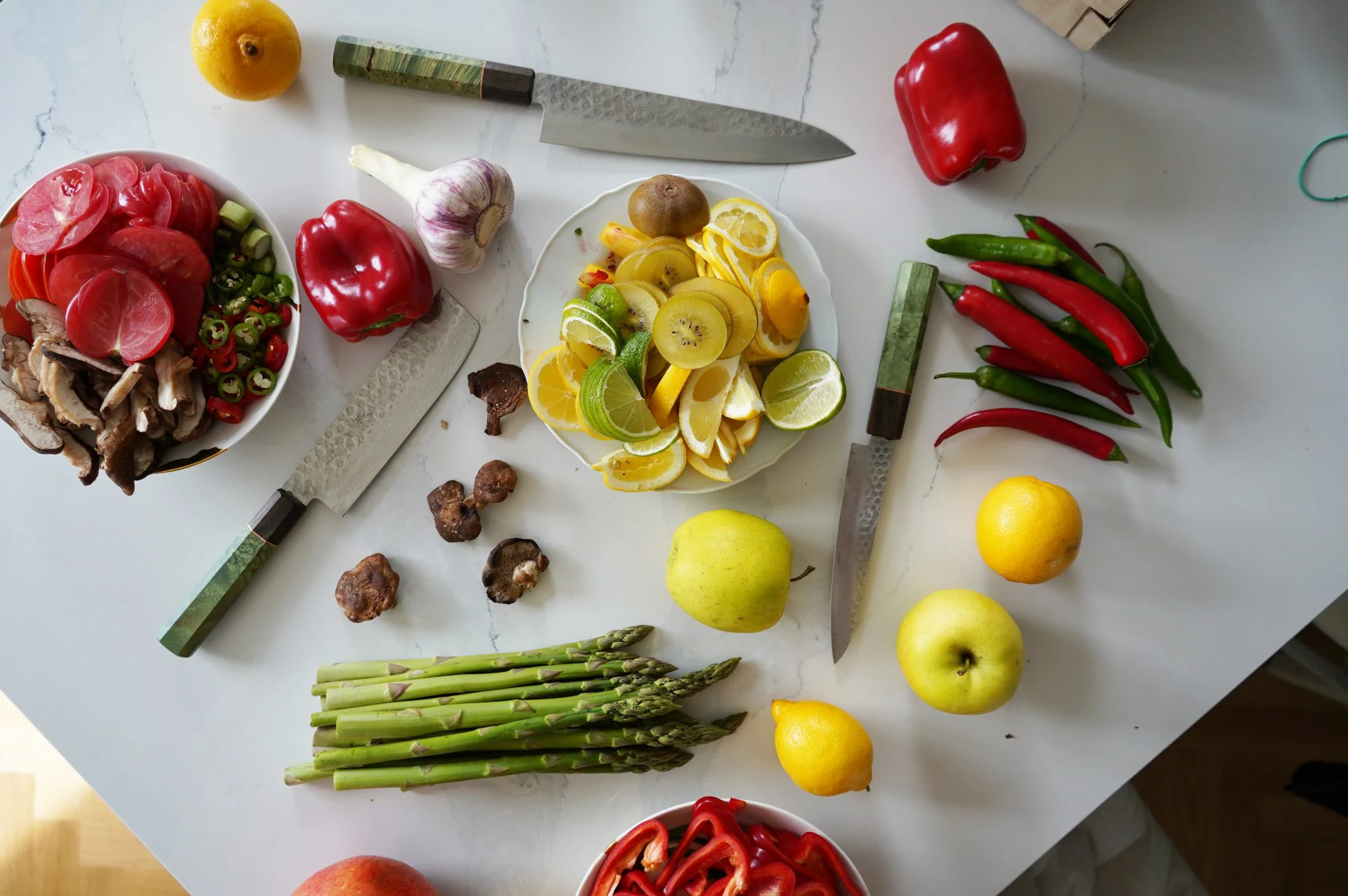
Five reasons to eat seasonally: produce in its natural season holds more nutrients, tastes more intense, and skips artificial ripening agents.
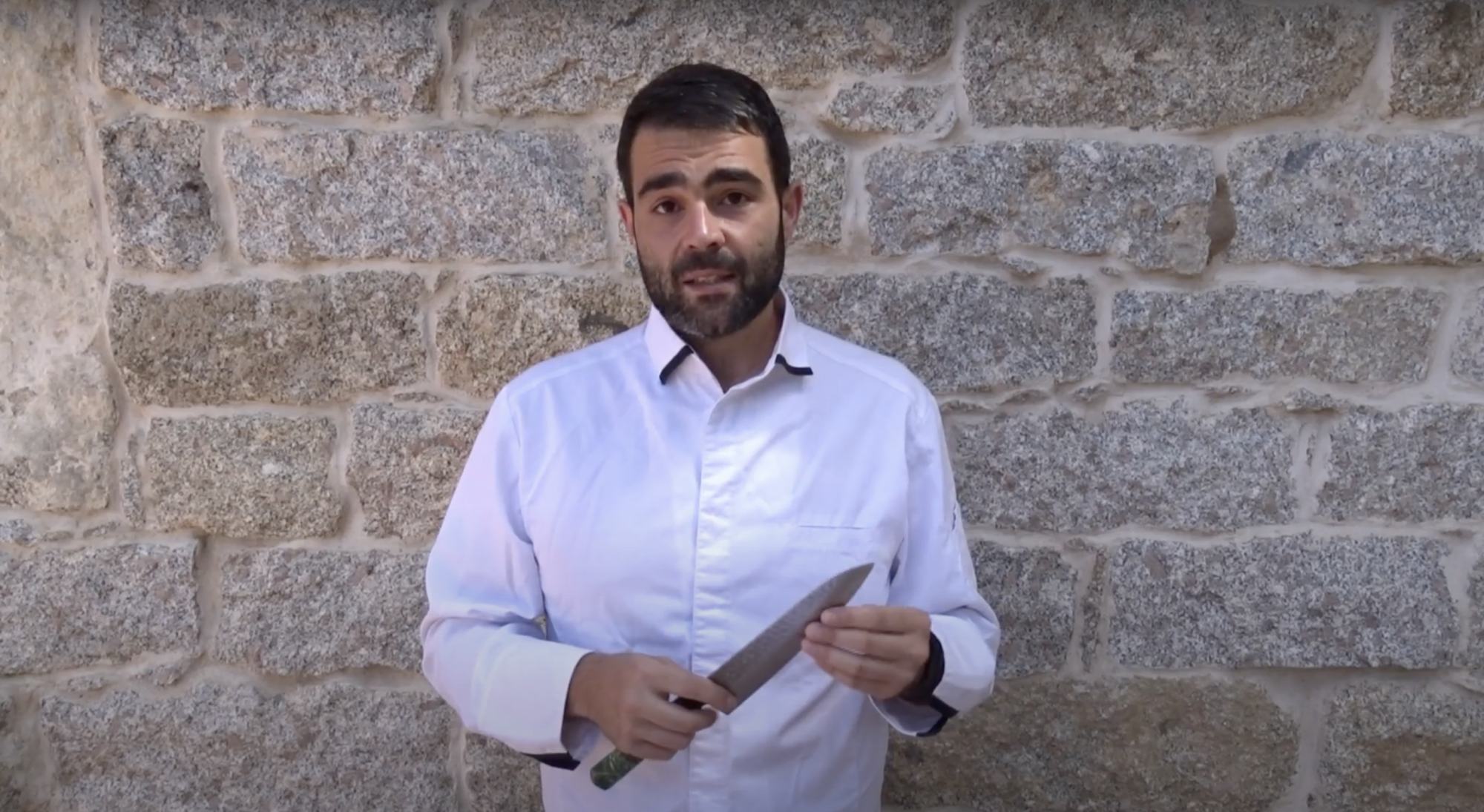
Le chef Fulvio Pischedda montre comment tenir un couteau, la prise en griffe et quatre coupes de base: julienne et brunoise, fines incluses.
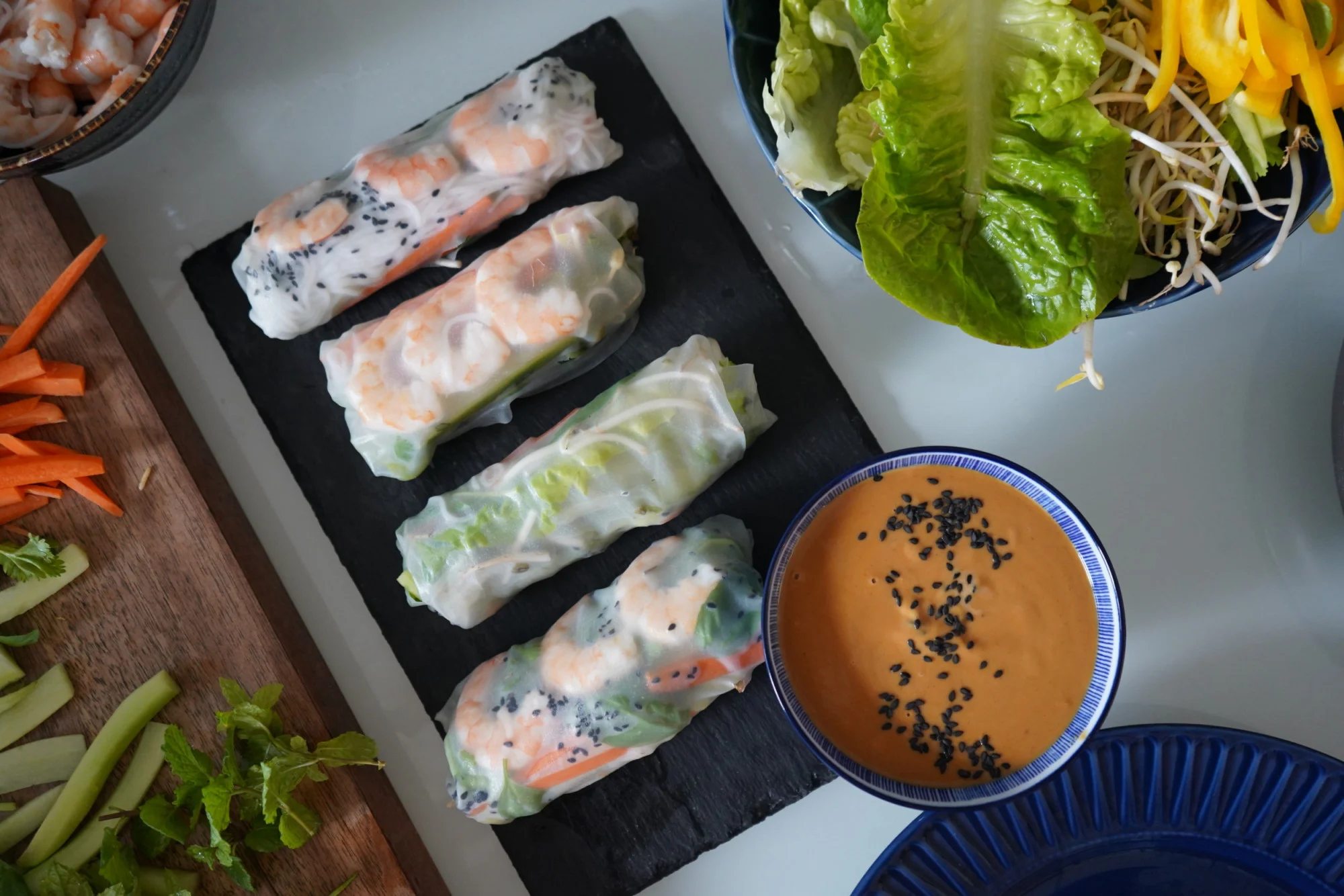
A fresh summer rolls recipe with rice paper, vermicelli, shrimp and crisp veg, served with a quick peanut sauce. Easily made vegetarian or with pork.