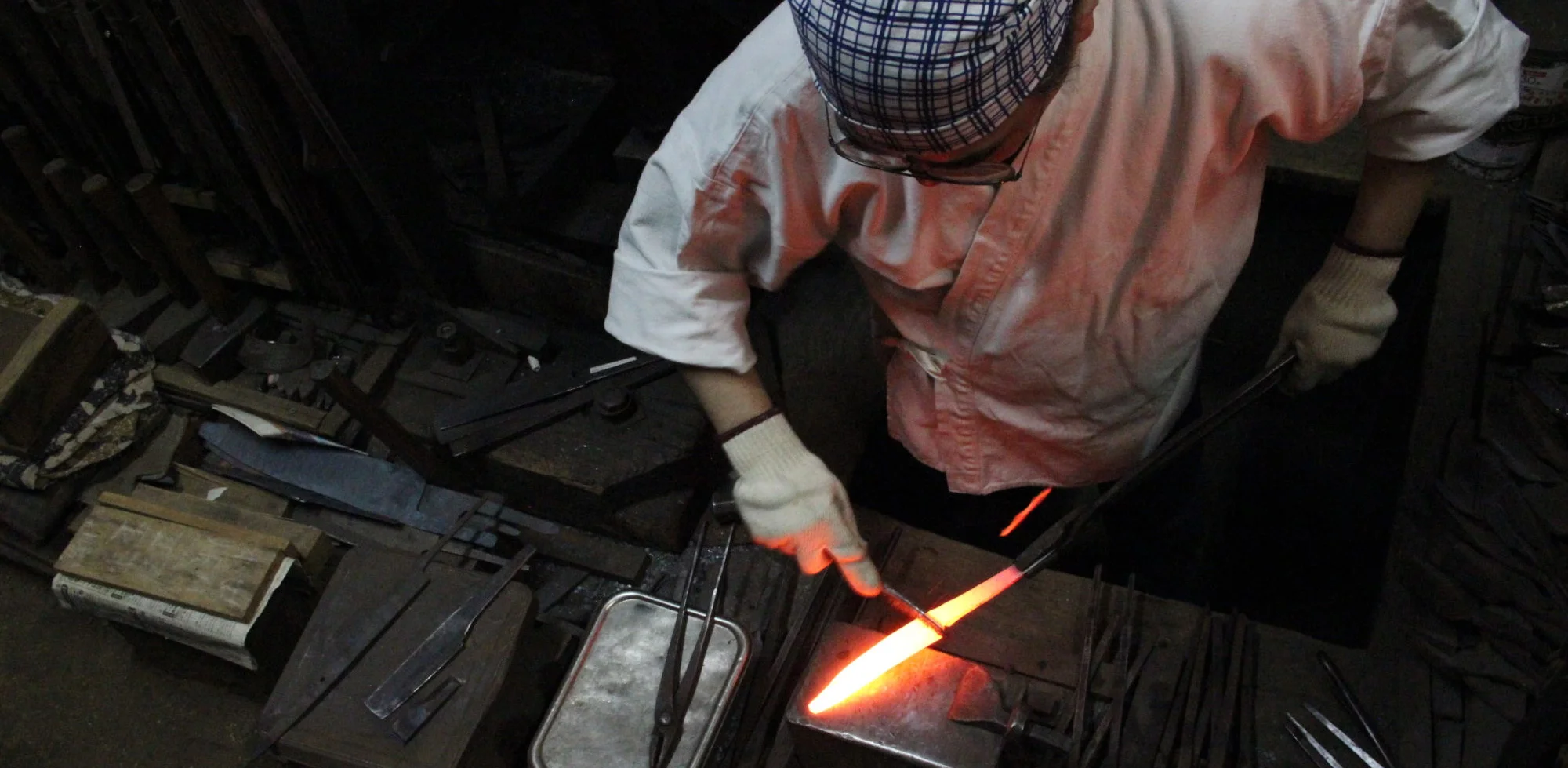
How a Japanese kitchen knife is forged, from Sakai and Seki workshops to layered Damascus steel hammered at 1,100°C through dozens of hand steps.
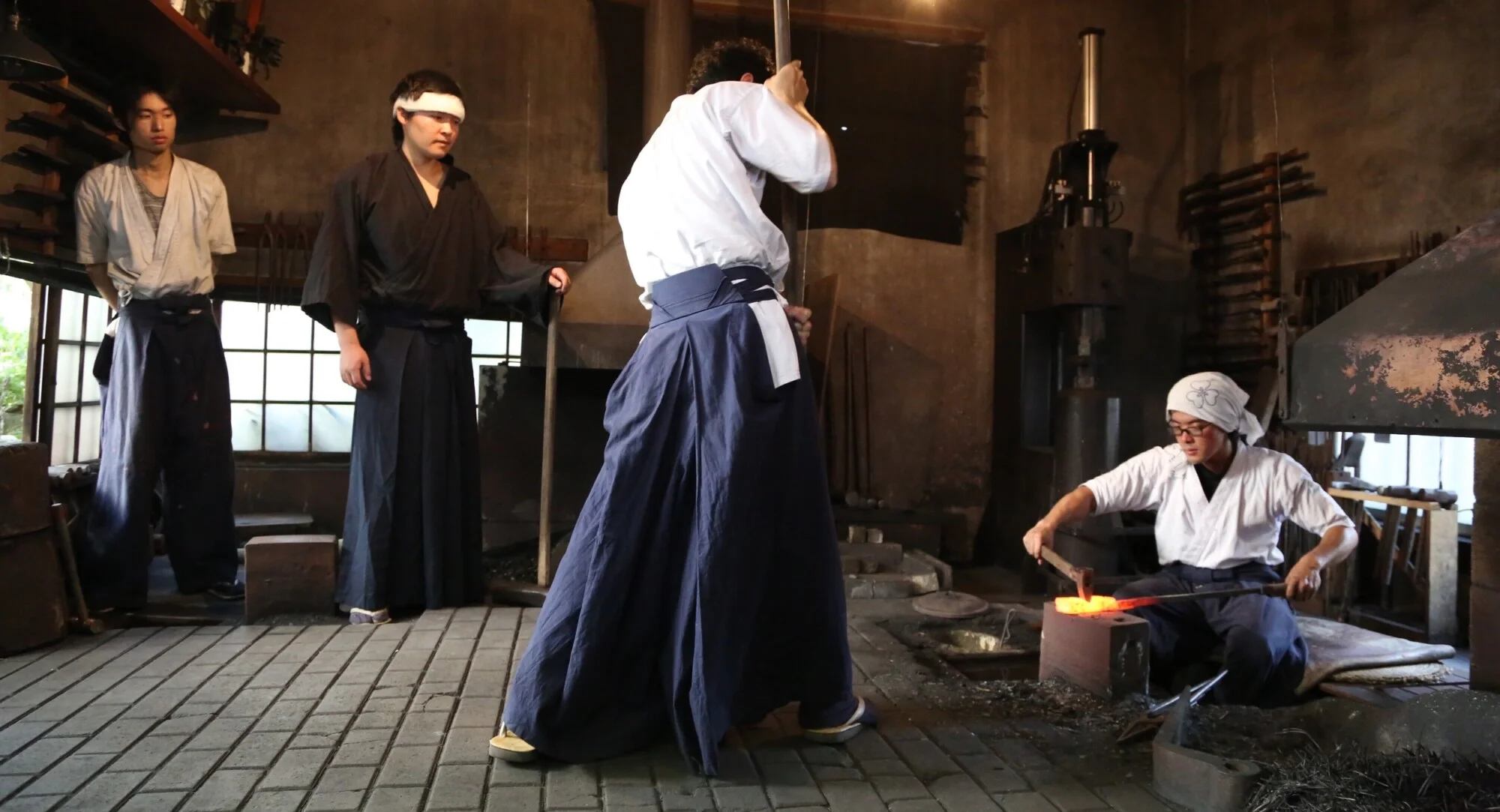

How a Japanese kitchen knife is forged, from Sakai and Seki workshops to layered Damascus steel hammered at 1,100°C through dozens of hand steps.
The philosophy and craft of the Japanese kitchen, from nagomi balance and wabi-sabi to mottainai and kaizen, and how each shapes how you cook.
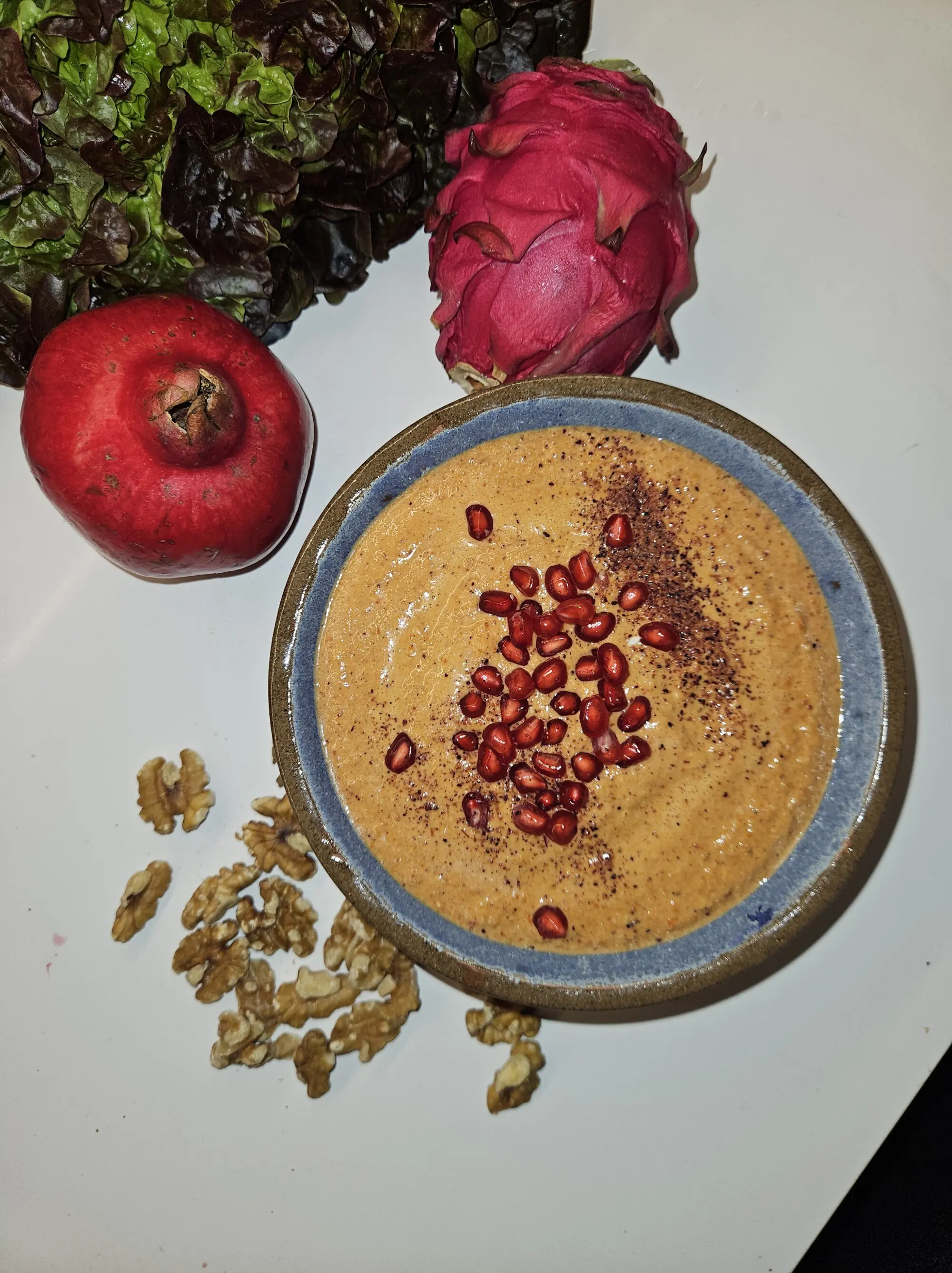
Muhammara, the Syrian dip of roasted red peppers and toasted walnuts blended with pomegranate molasses, Aleppo pepper and sumac. Serve with pita.
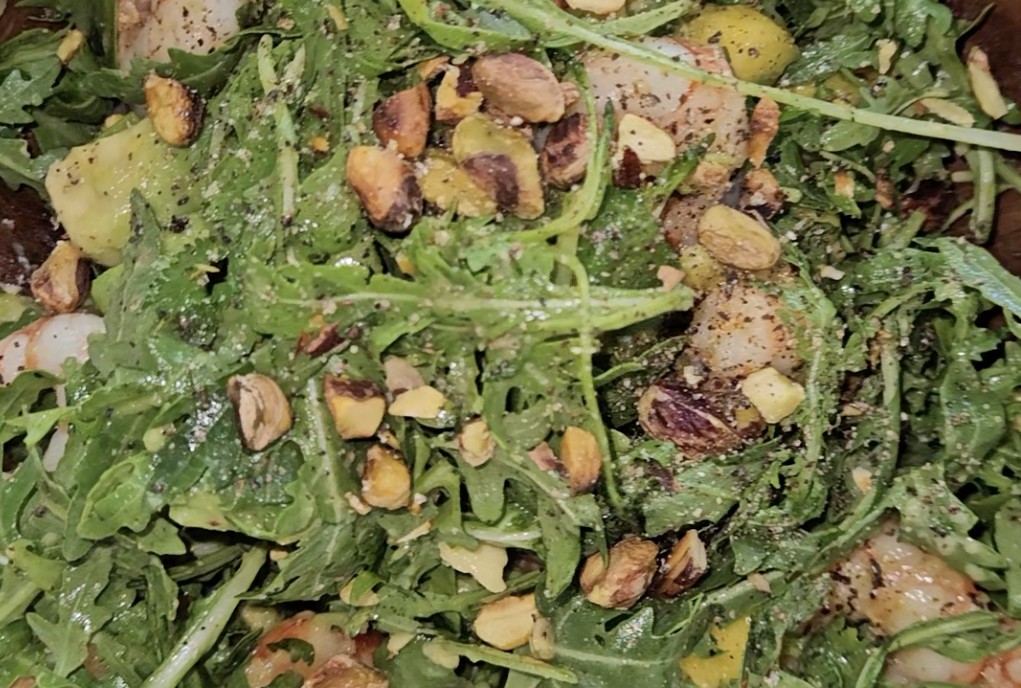
Cooked tiger prawns with cubed mango and avocado over butter lettuce, finished with a sumac, lime and chili dressing and toasted pistachios.

Bakers measure, cooks eyeball. What your kitchen style says about your personality, from the methodical precision of baking to free-form cooking.

Every Oishya knife ships with a 5 yen coin, a pun on ‘go-en’: five yen and a good relationship. Gift picks from washi-wrapped KATA Damascus to Hiba boards.
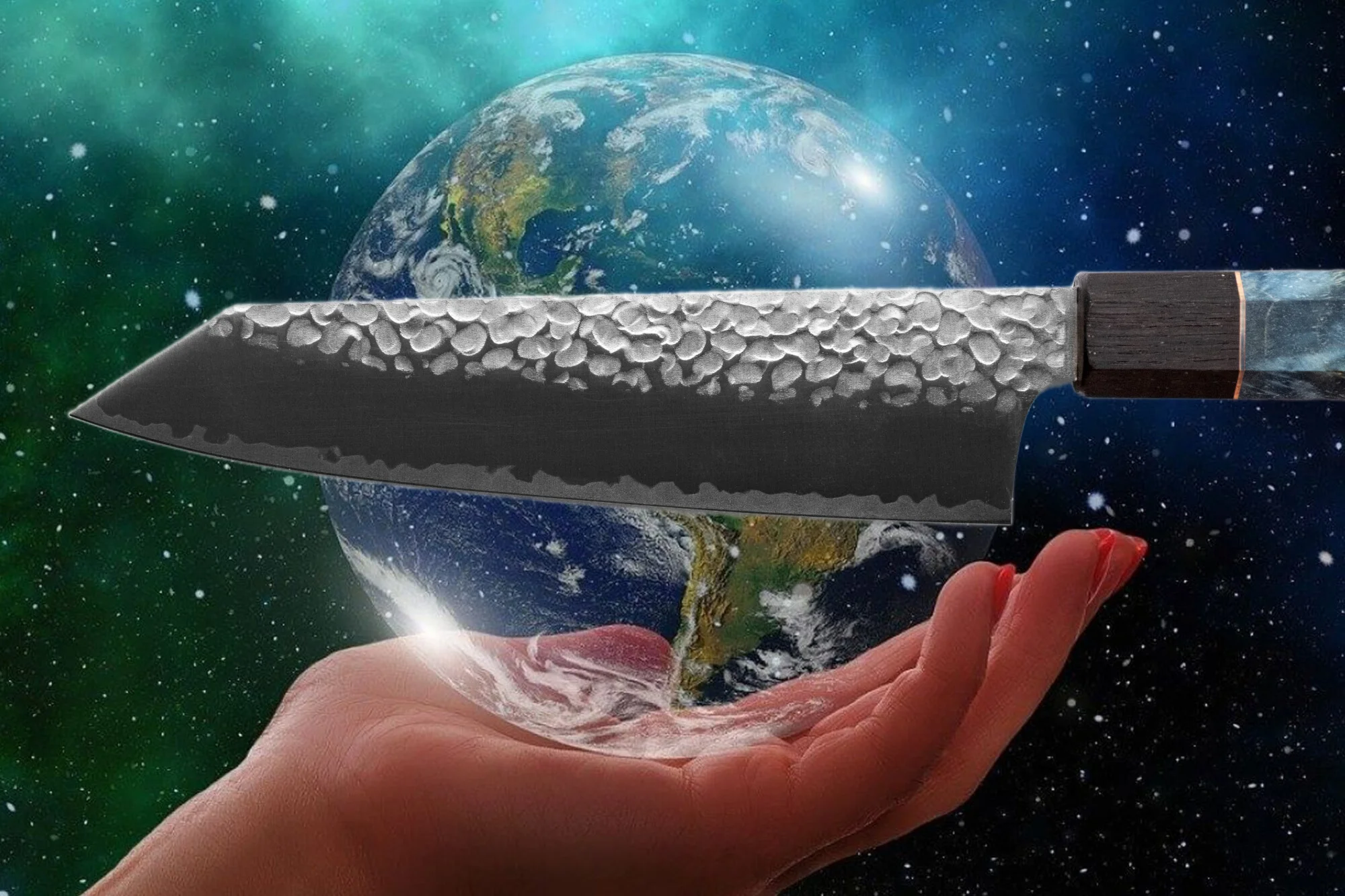
Roughly a third of the food produced worldwide is thrown away. Cooking from scratch cuts the packaging, food miles and waste that industrial meals rack up.
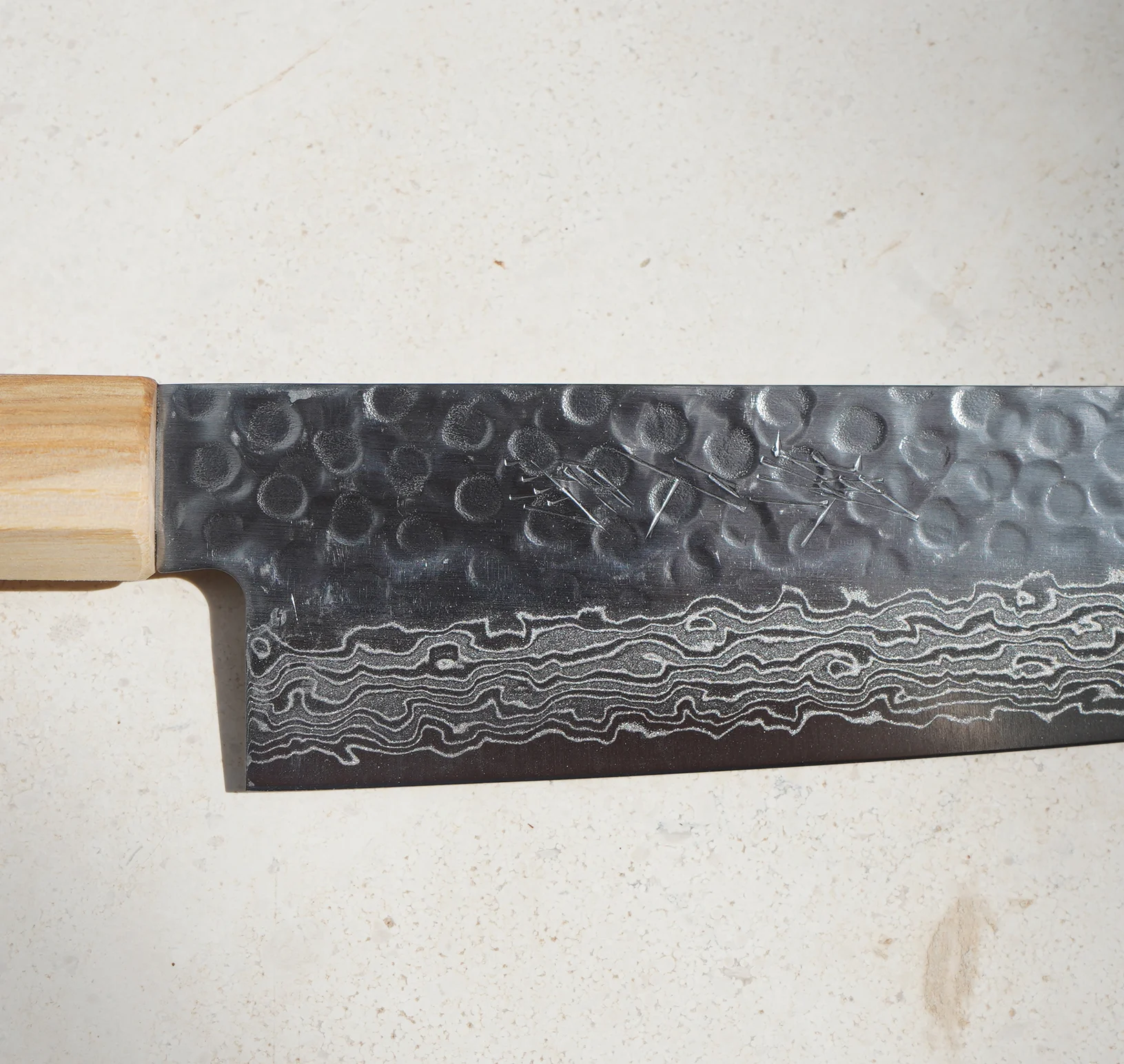
Carbon steel reaches extreme hardness and sharpness but rusts easily, while stainless trades a little edge for low upkeep. How to choose between them.

Kaizen is the Japanese practice of small, continuous improvement born in postwar Japan. How Oishya applies it to craft and quality.
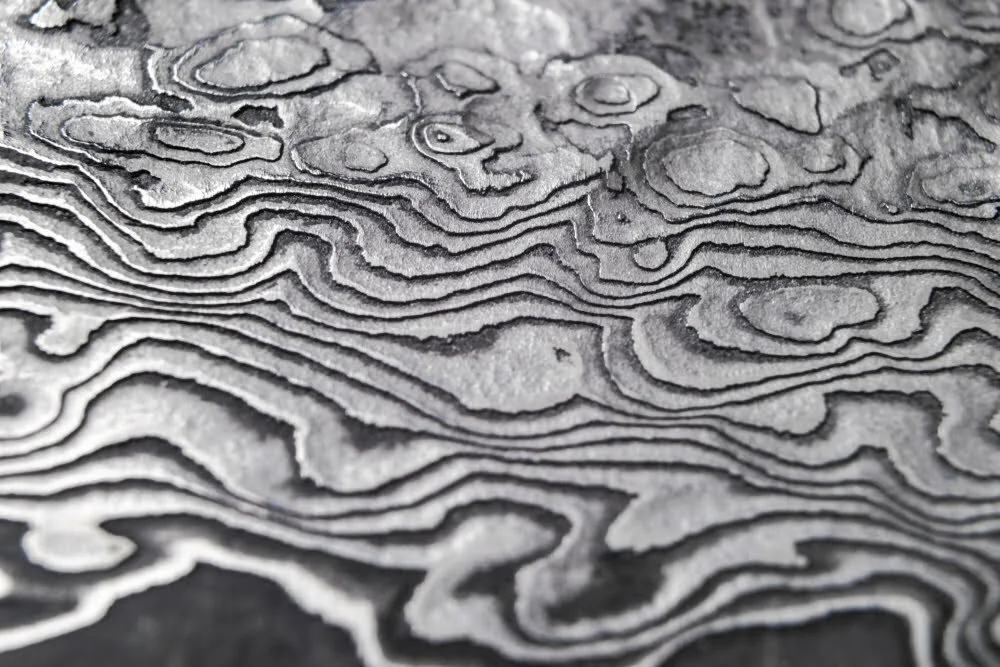
Damascus steel traces back to the Near East around 300 AD, prized for its wavy pattern and strength. Here is the history behind the legendary blade.
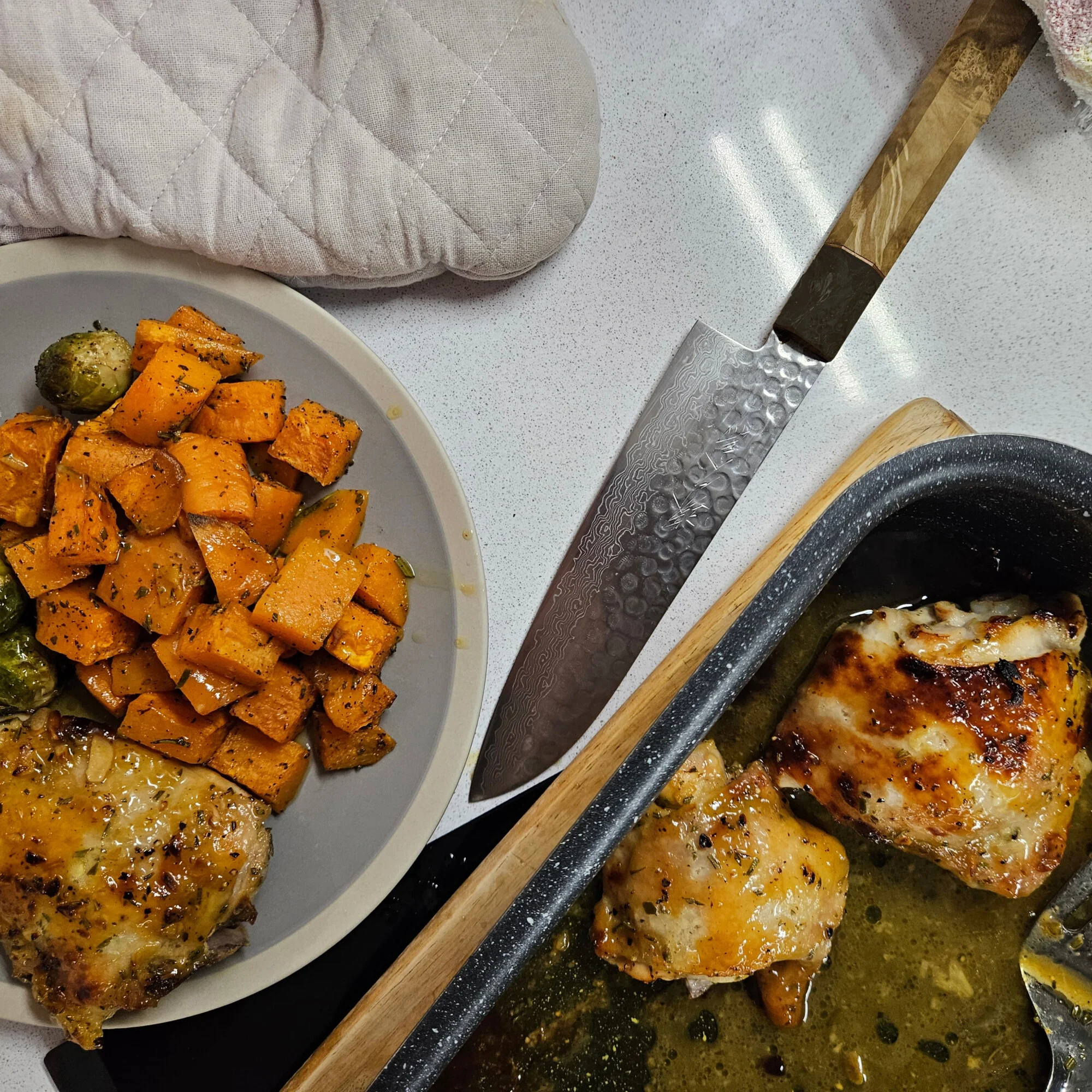
How do you tell a real Japanese knife from a fake? Read the steel, the grind and the edge geometry, plus the marketing tells that dress up a cheap blade.
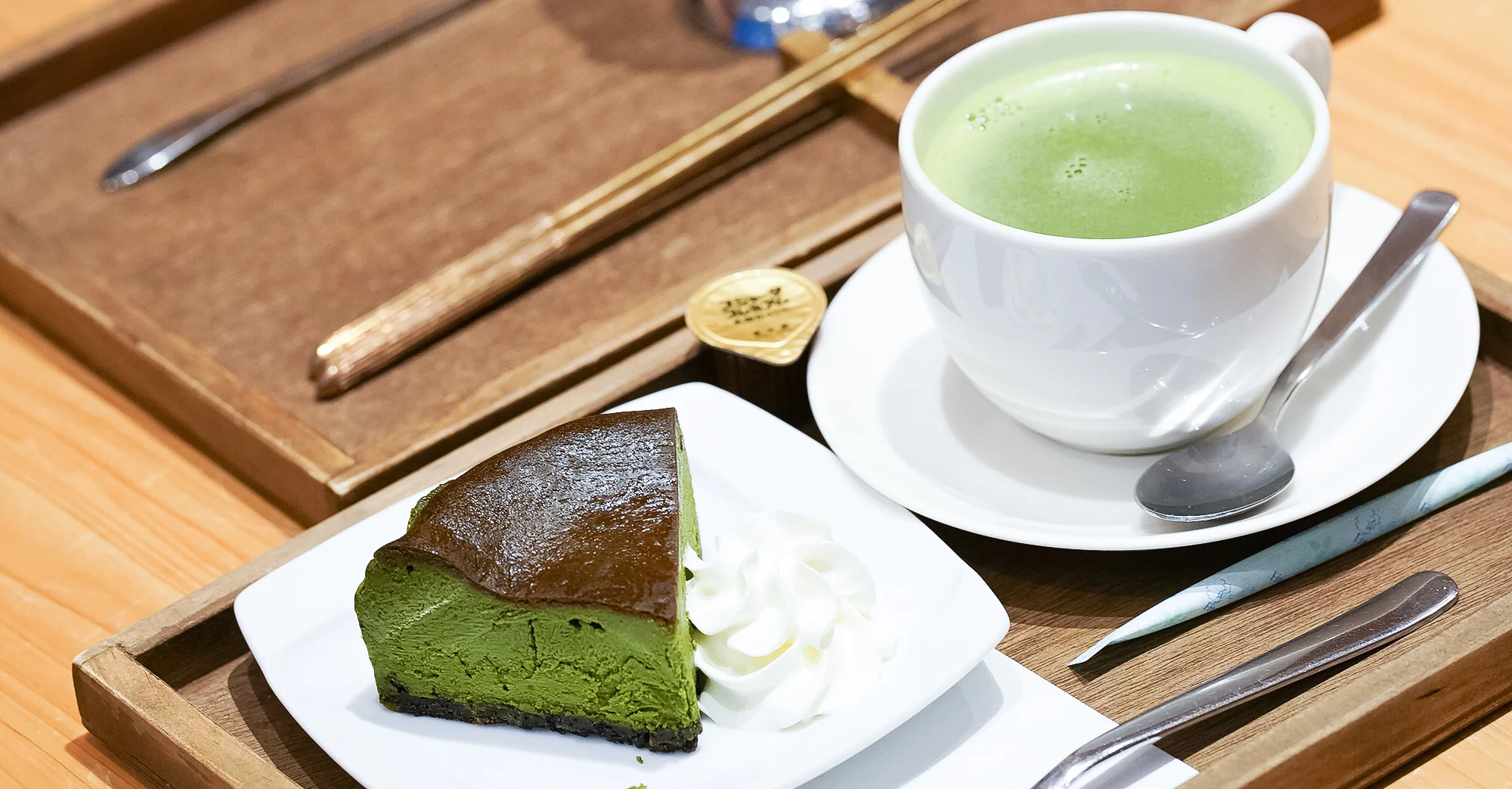
A look at Japanese green tea, from its 8th-century roots and Zen monk Eisai to the main varieties, health benefits and tips for brewing a good cup.
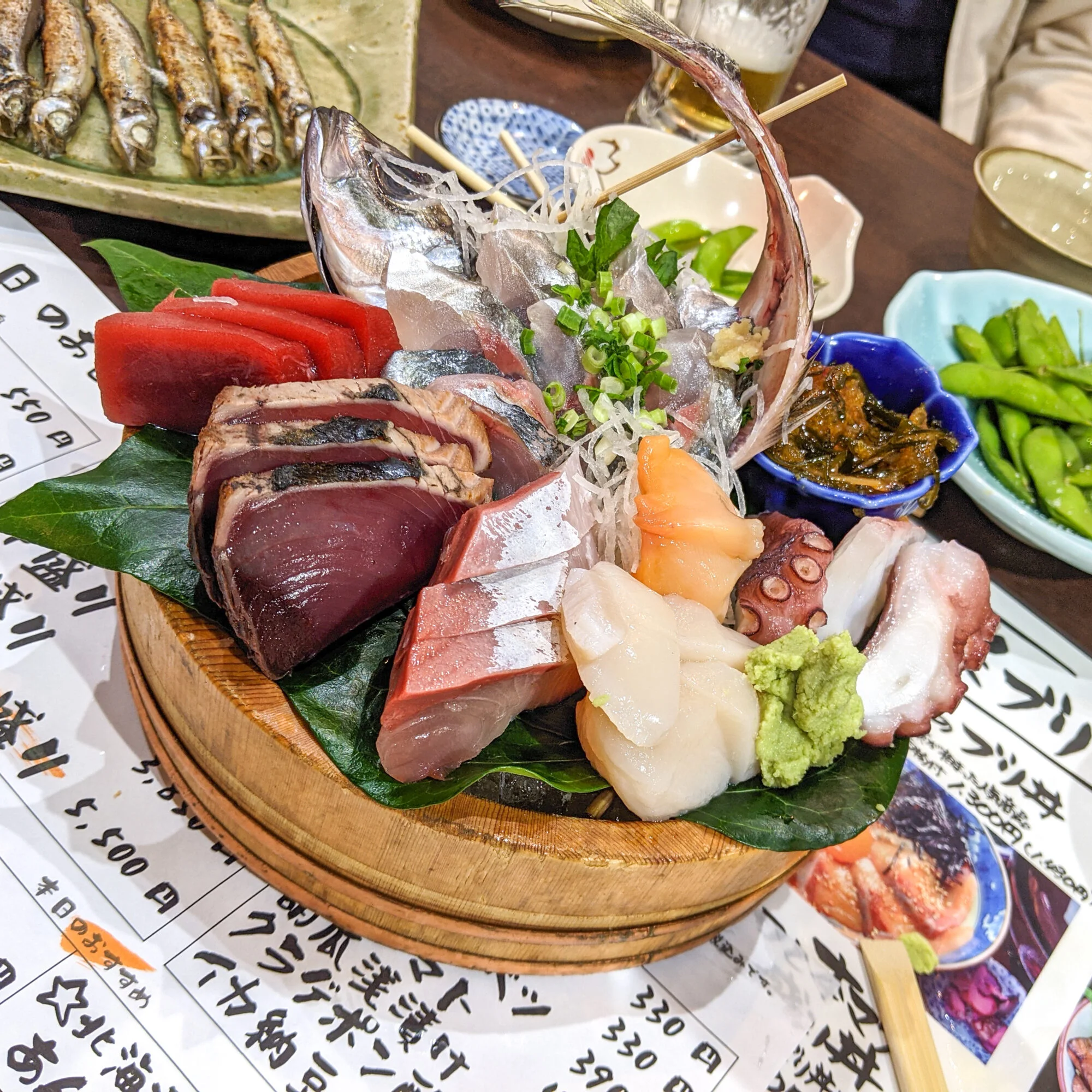
Umami, the savoury fifth taste found in meat, cheese and mushrooms, was identified by Japanese scientist Kikunae Ikeda in the early 1900s.
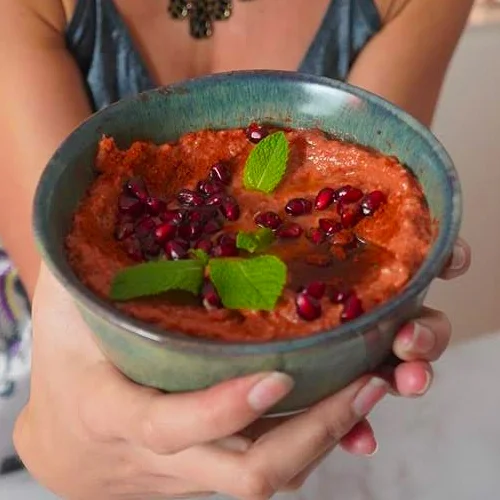
Muhammara, the roasted red pepper and walnut dip from Aleppo, blended with pomegranate molasses, cumin and lemon for a sweet, smoky spread.
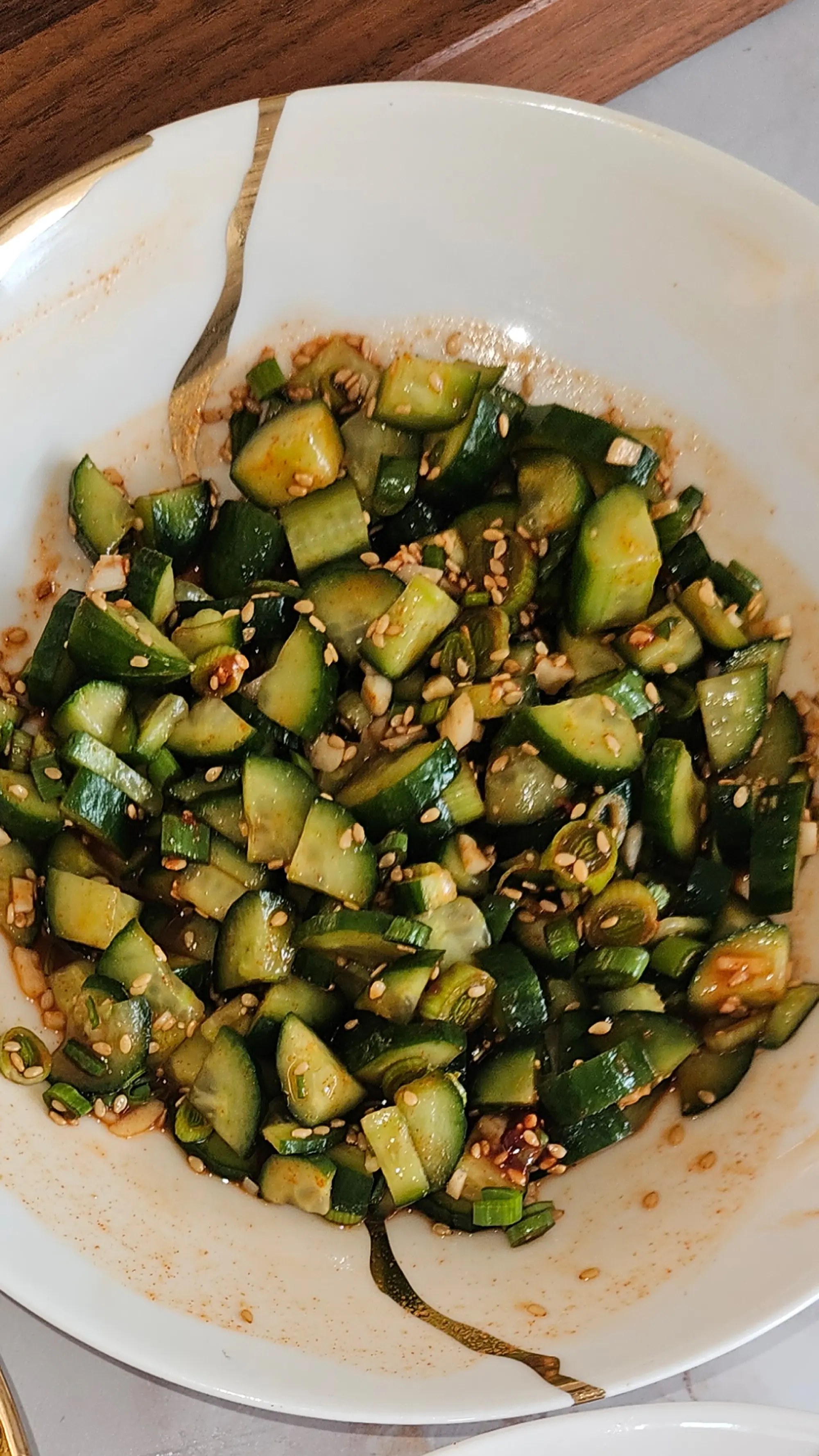
A quick chili oil recipe: simmer crushed dried peppers in neutral oil with a pinch of salt, then bottle and use within a month.
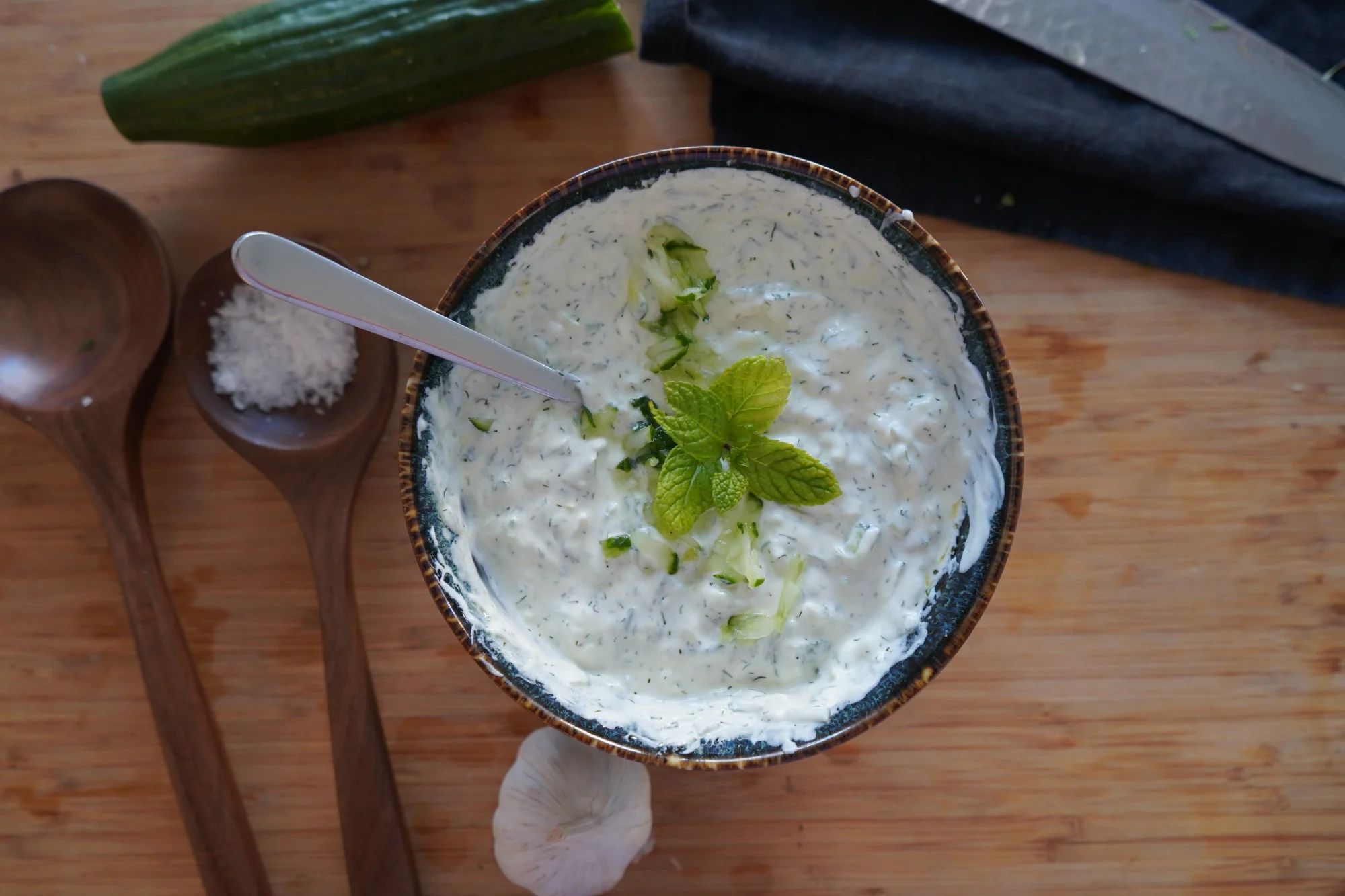
A simple tzatziki recipe using Greek yoghurt, grated cucumber, garlic, mint and dill for a fresh Greek dip you can make at home.
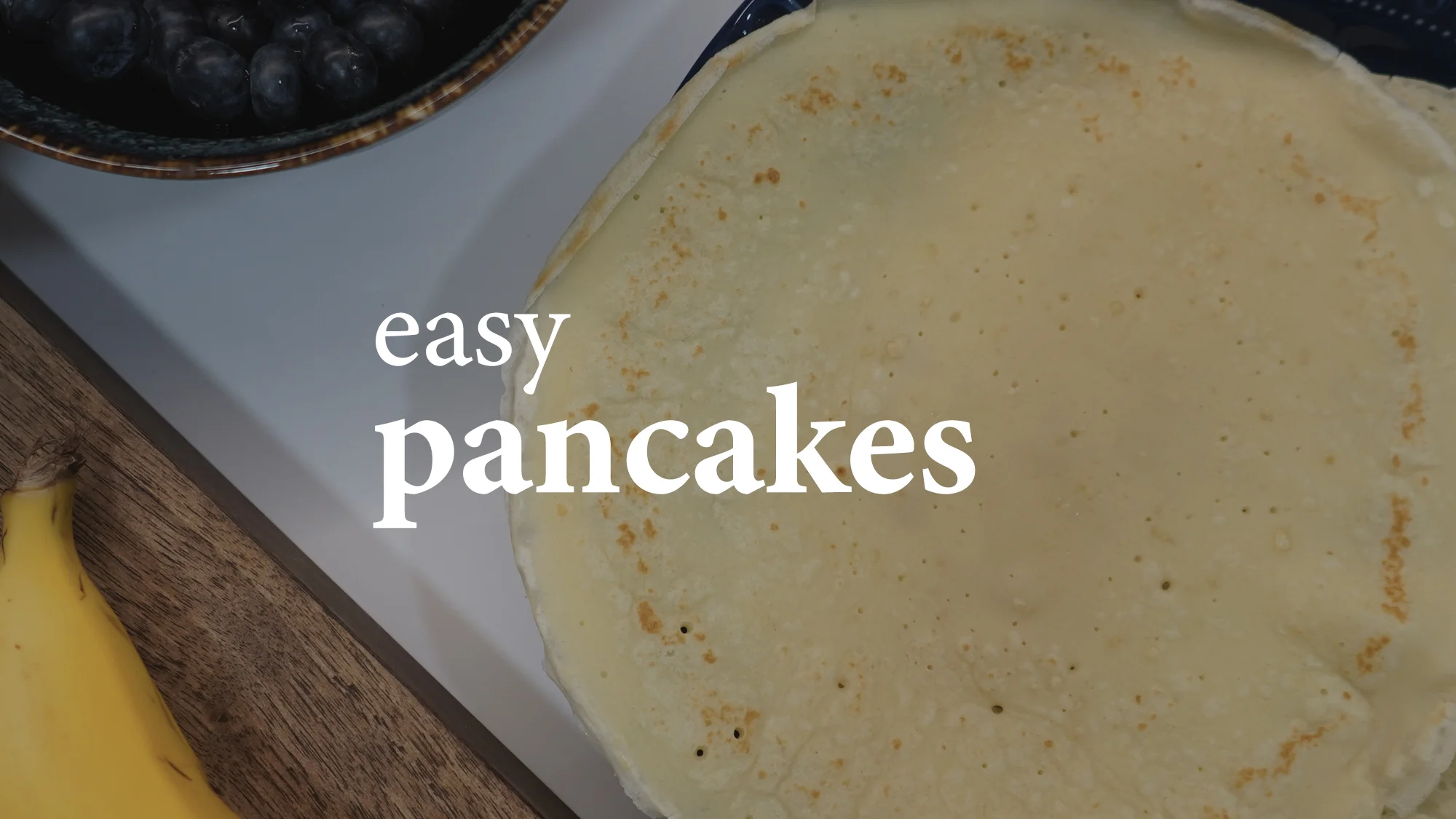
An easy pancake recipe using flour, milk, egg and butter, cooked until golden and served sweet or savoury with your choice of toppings.
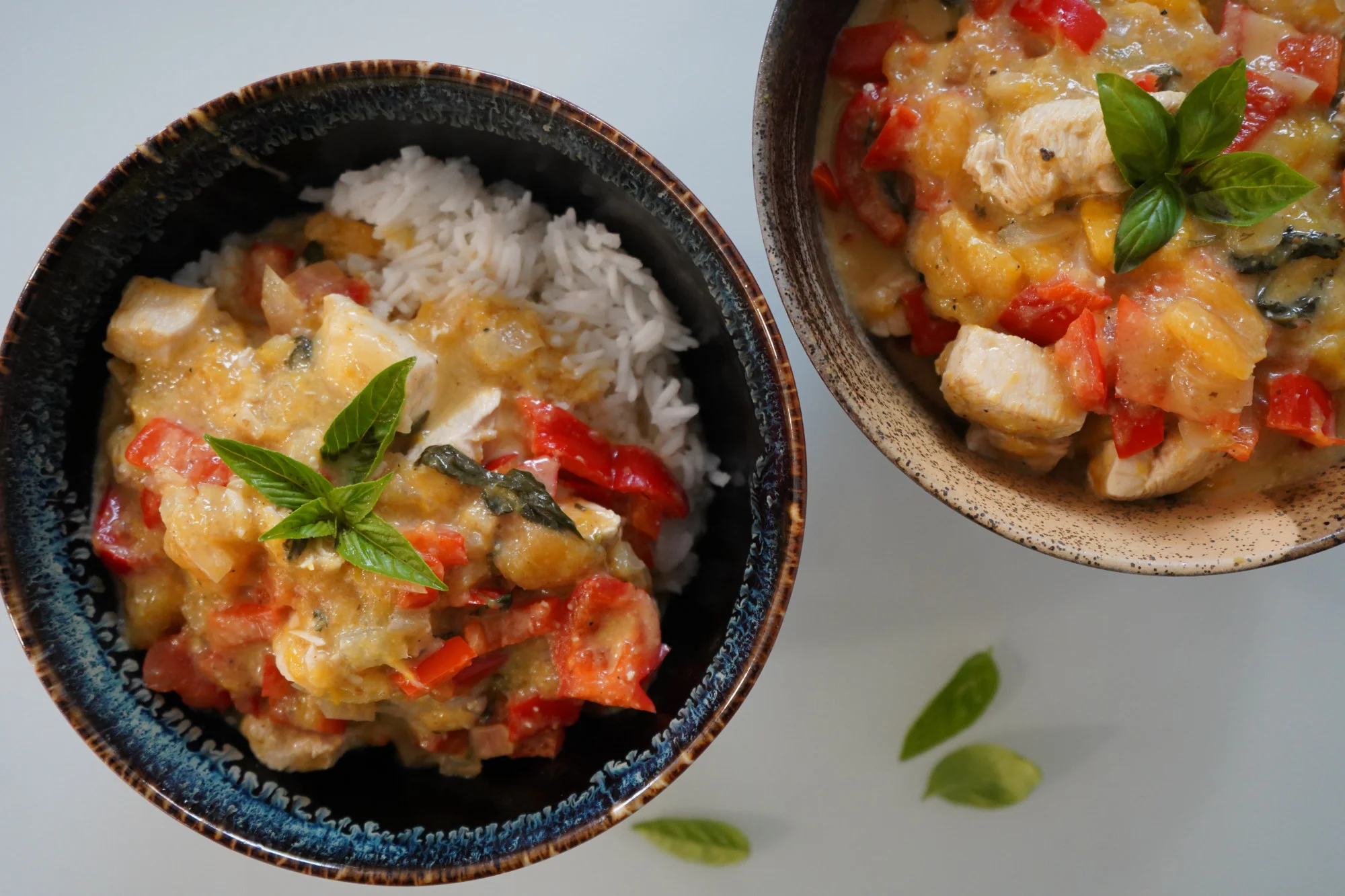
A creamy mango coconut chicken curry recipe pairing sweet mango with chicken, yellow curry powder, ginger and coconut milk, served over rice.
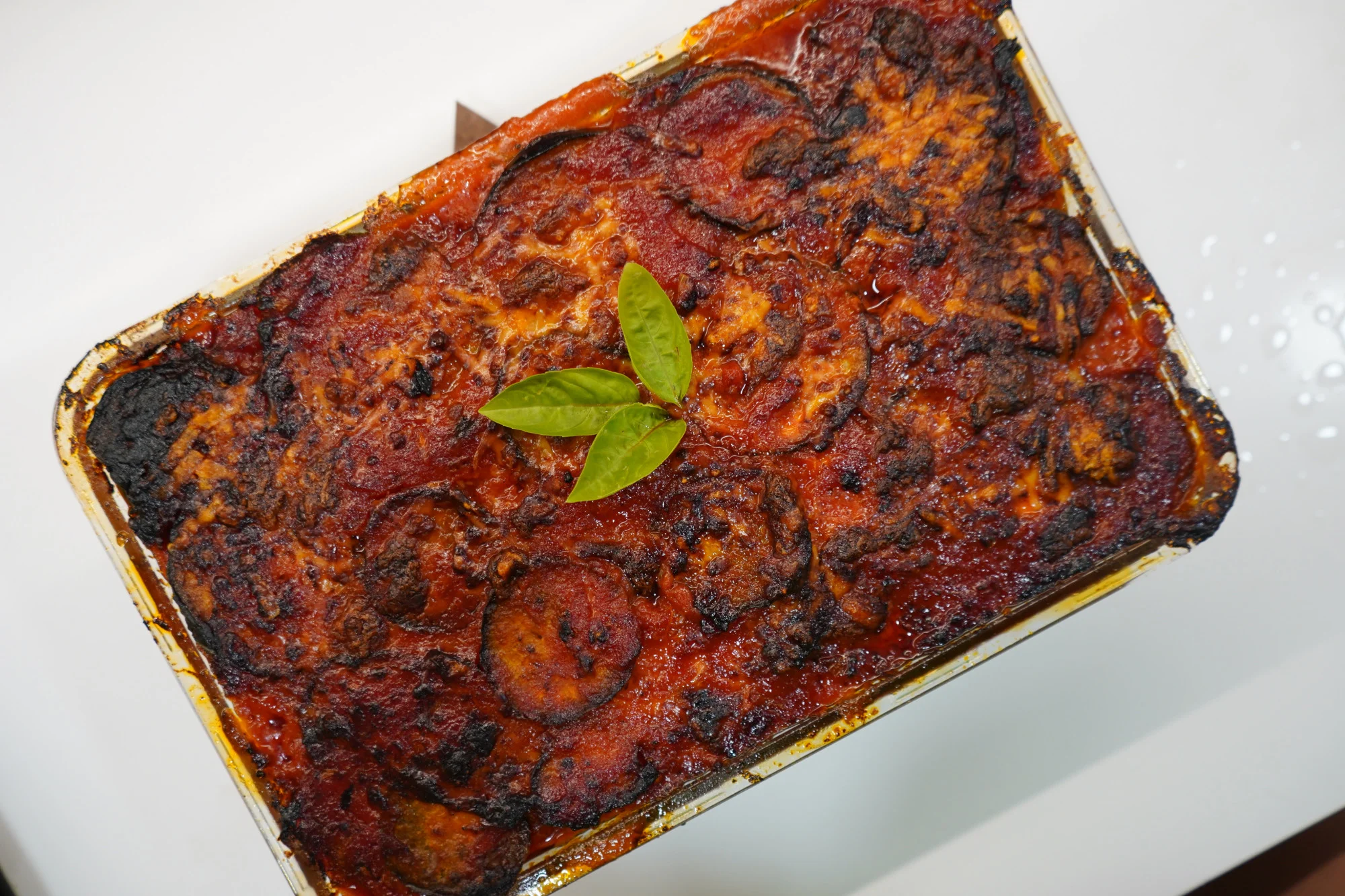
A classic eggplant parmigiana recipe layering fried aubergine with tomato passata, basil, parmesan and mozzarella, baked until golden and bubbling.
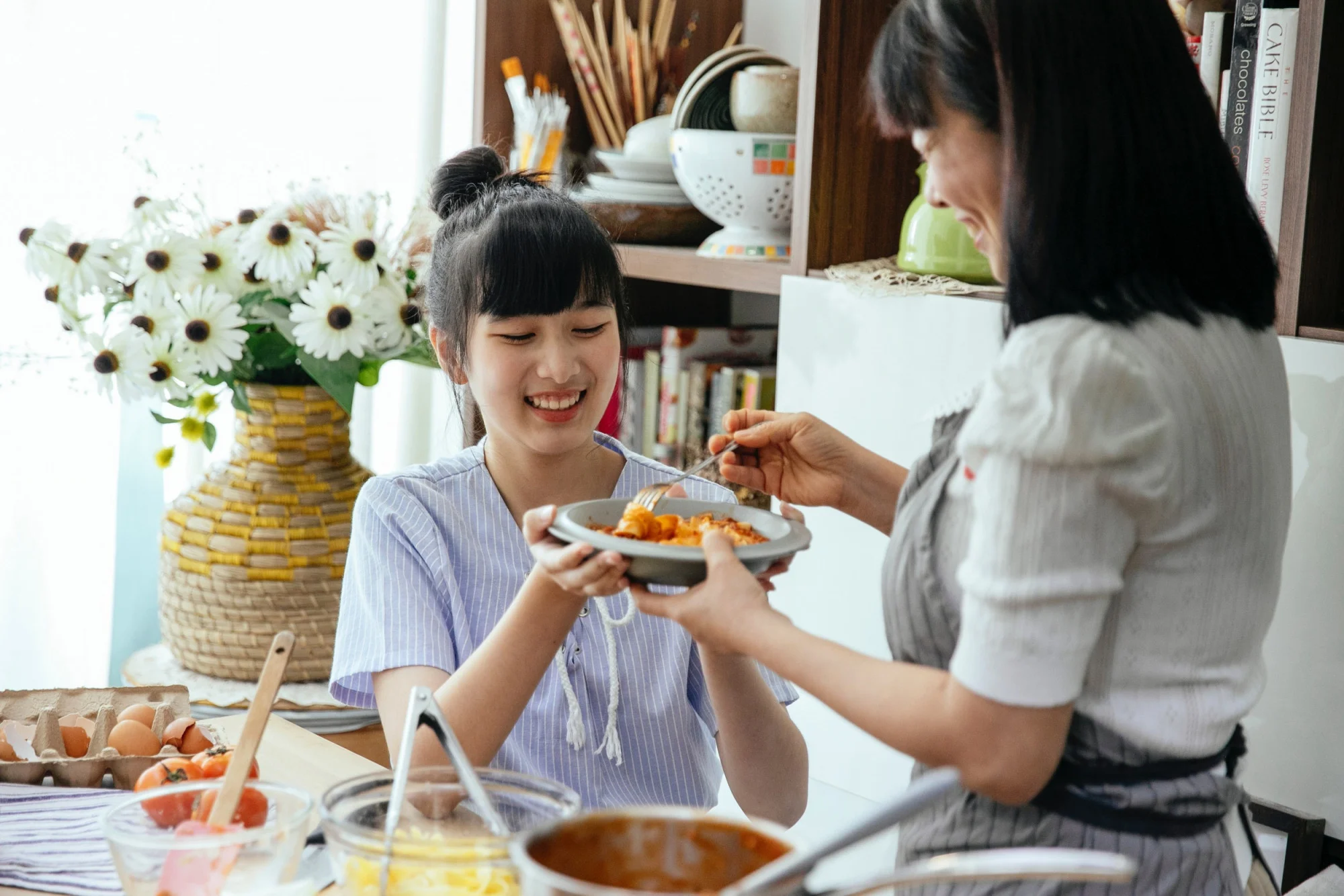
Five ways home cooking supports your mental health, from a sense of accomplishment and creative expression to building patience and connecting with others.

Five ways to celebrate birthdays and milestones at home during lockdown, including video call parties, drive-by parades and booking an online experience.
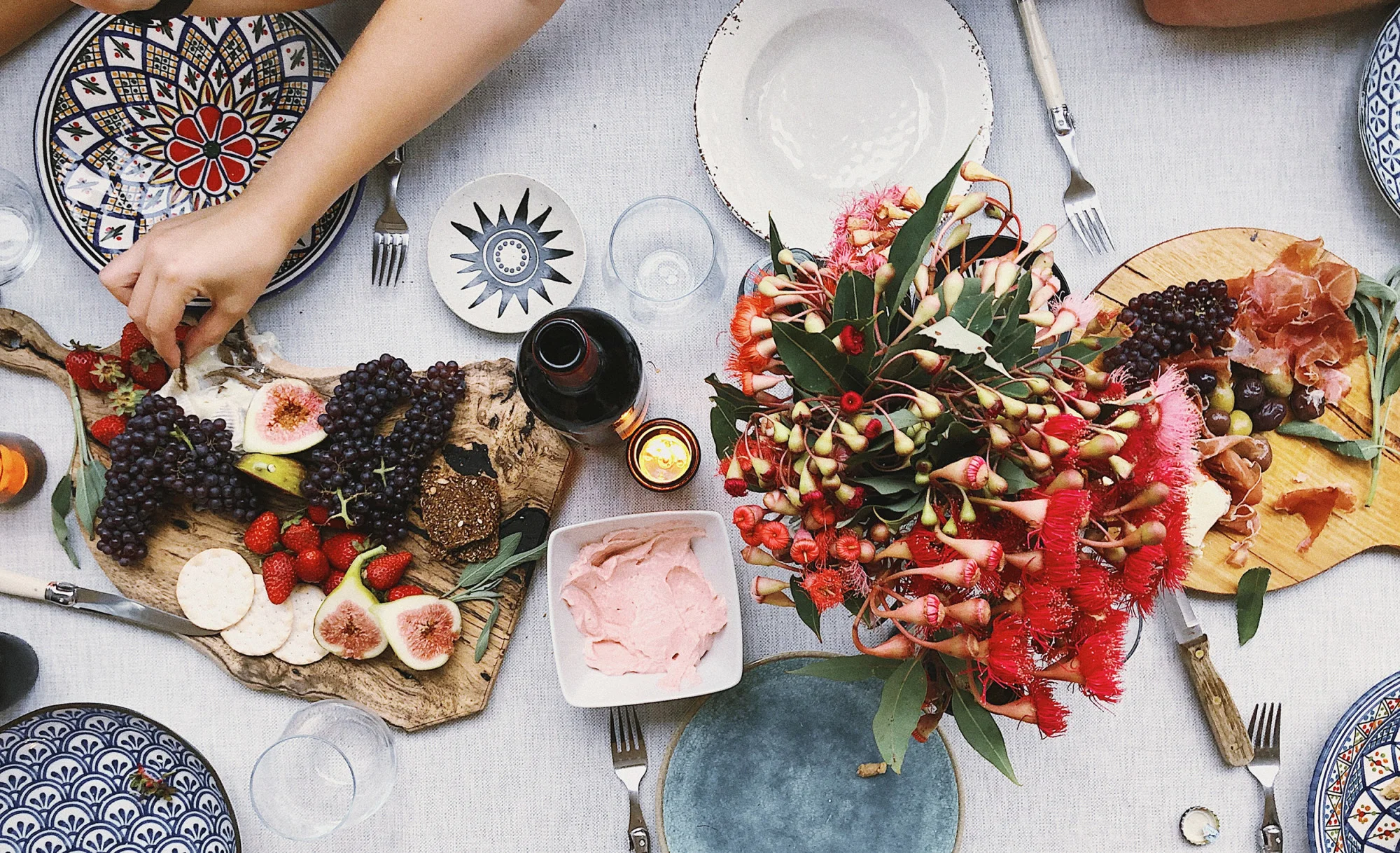
A practical timeline for hosting a dinner party, from the guest list two weeks out to lighting candles and pouring water before guests arrive.
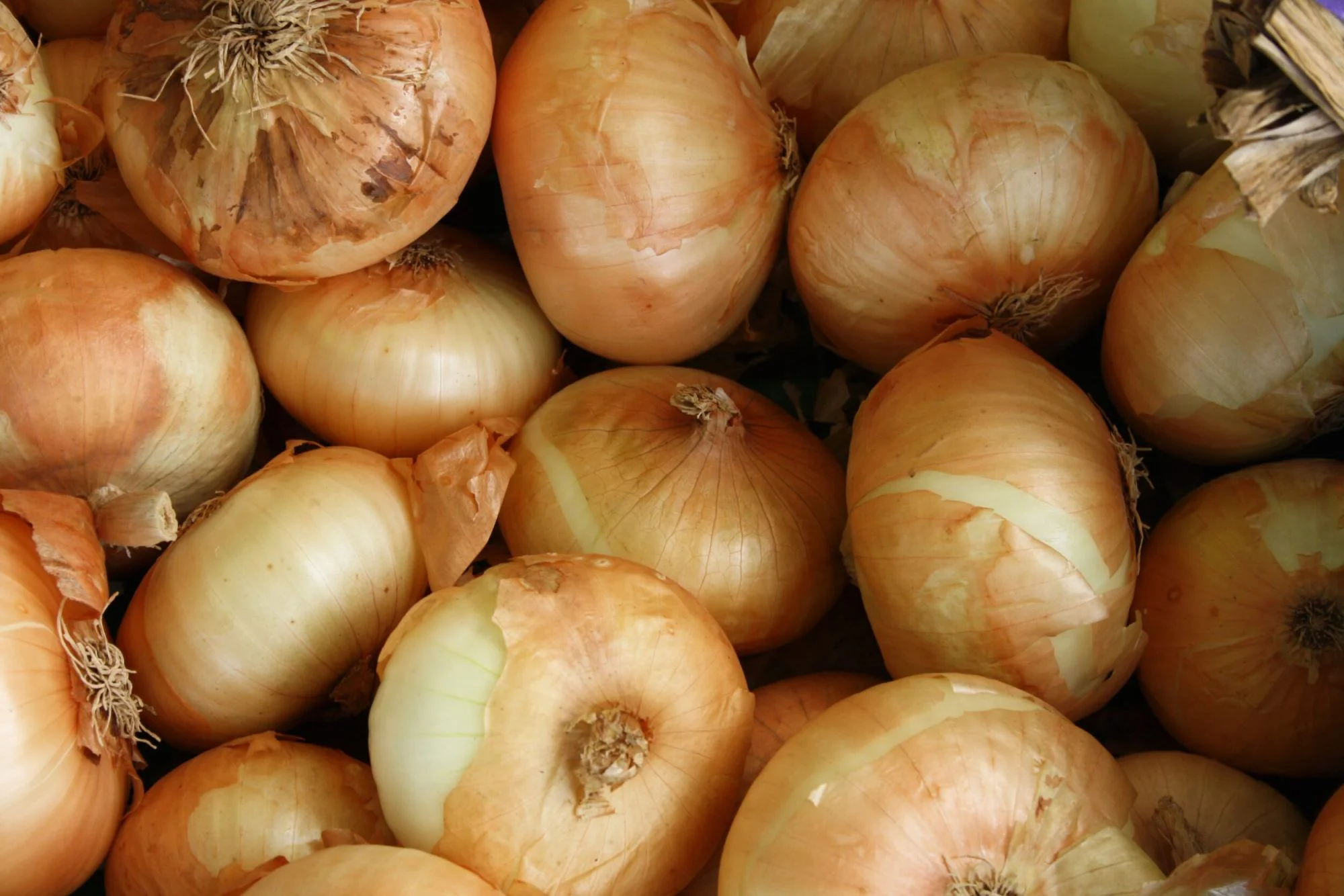
Why onions make you cry comes down to a sulphur compound that turns to acid near your eyes, plus tricks like a fan, freezing and cutting the root.
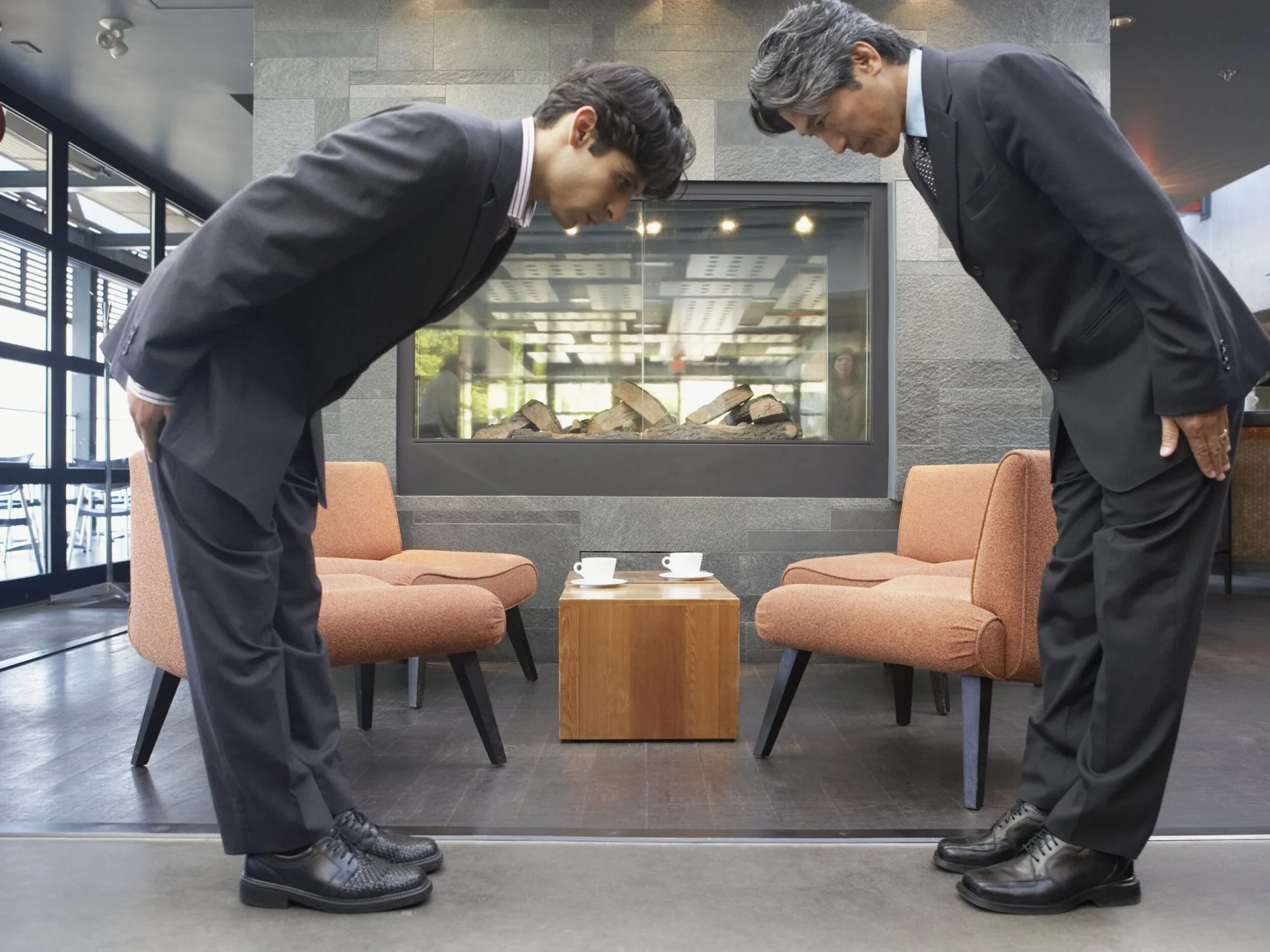
How greetings and bowing work in Japanese business, where first meetings run formal and foreign executives are usually judged more leniently.
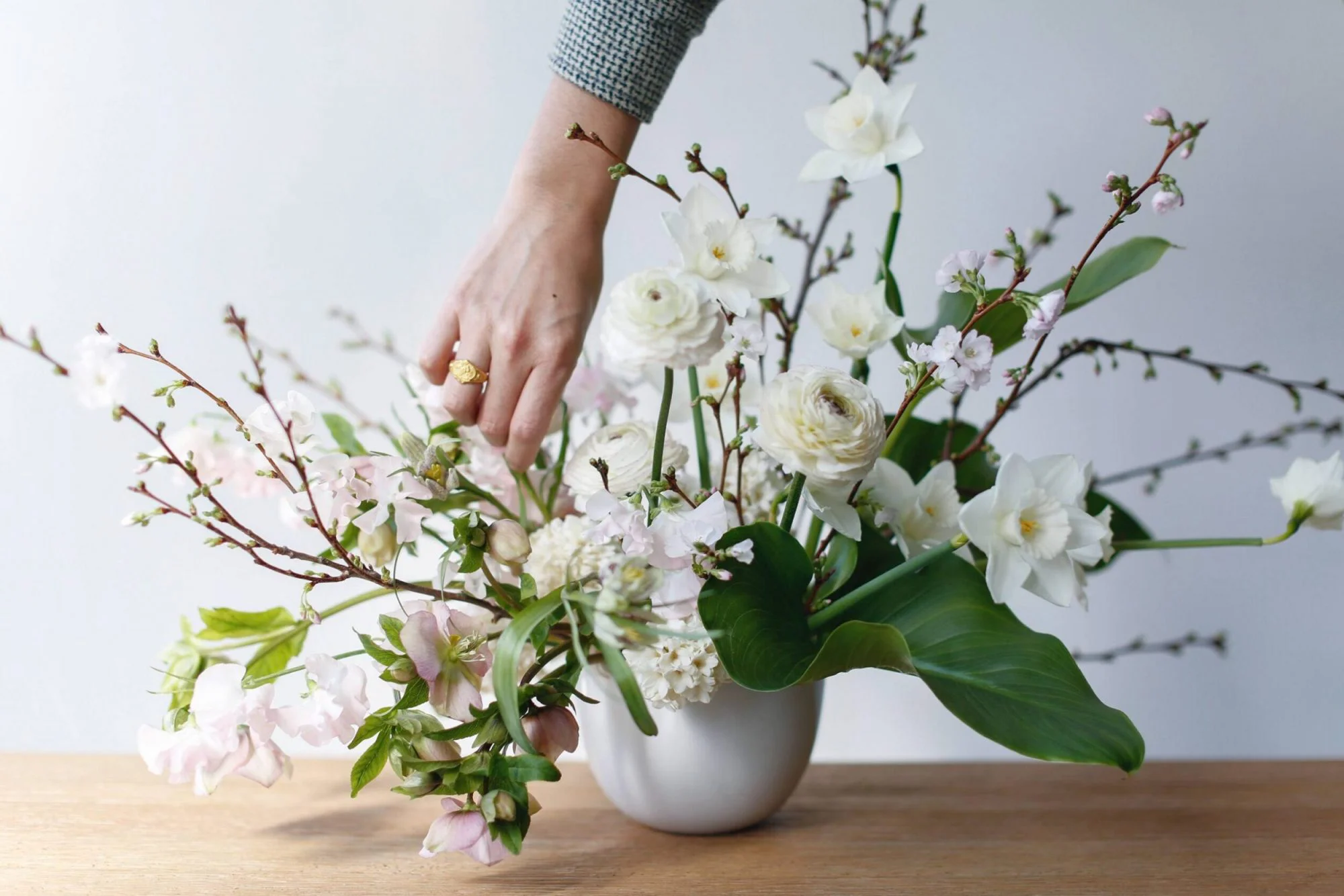
Fifteen creative hobbies to bring more balance into life, nine of them Japanese in origin, including ikebana, bullet journaling and kintsugi.
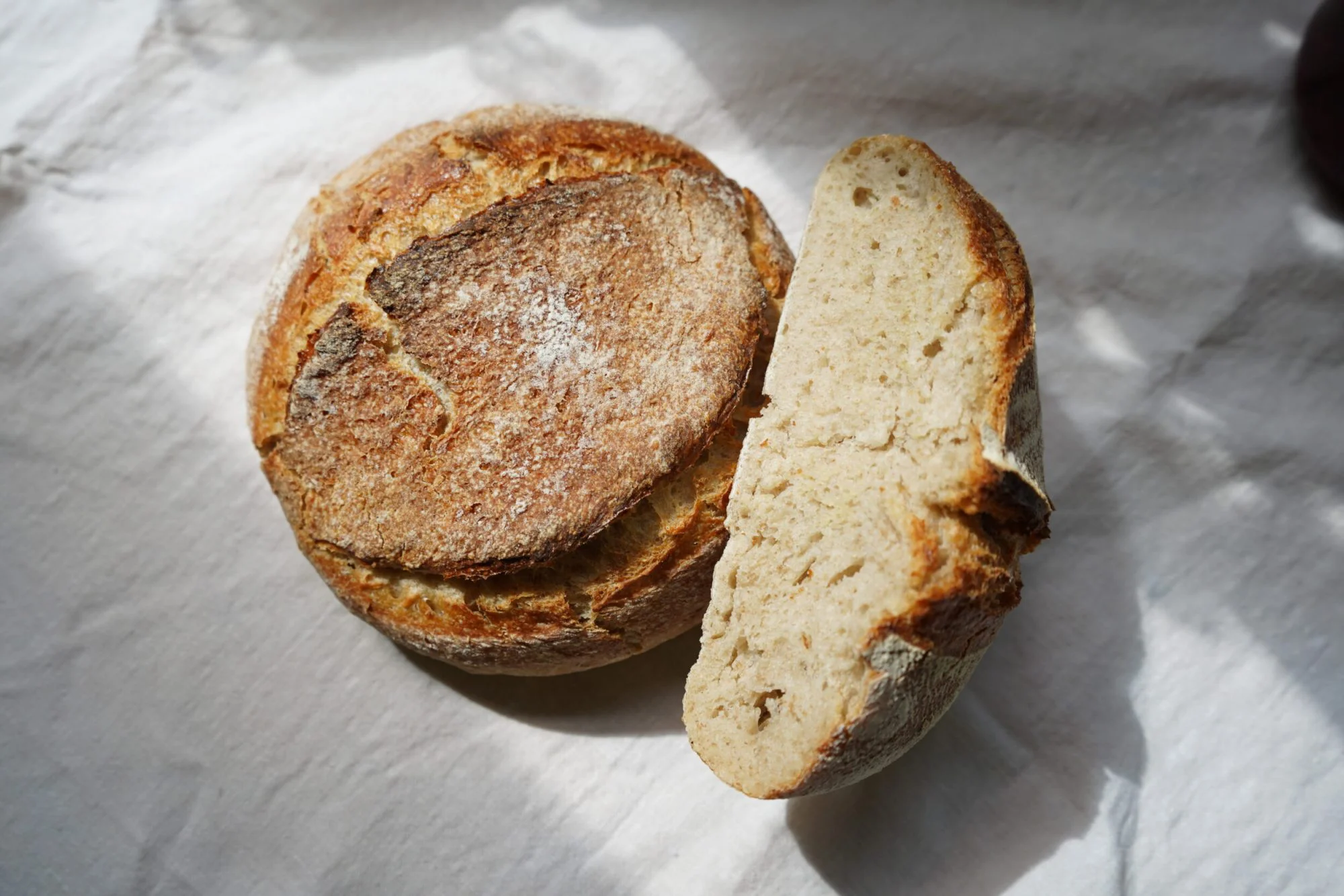
A step-by-step recipe for making sourdough bread from scratch, including how to grow your own starter and why a slow rise deepens flavour.
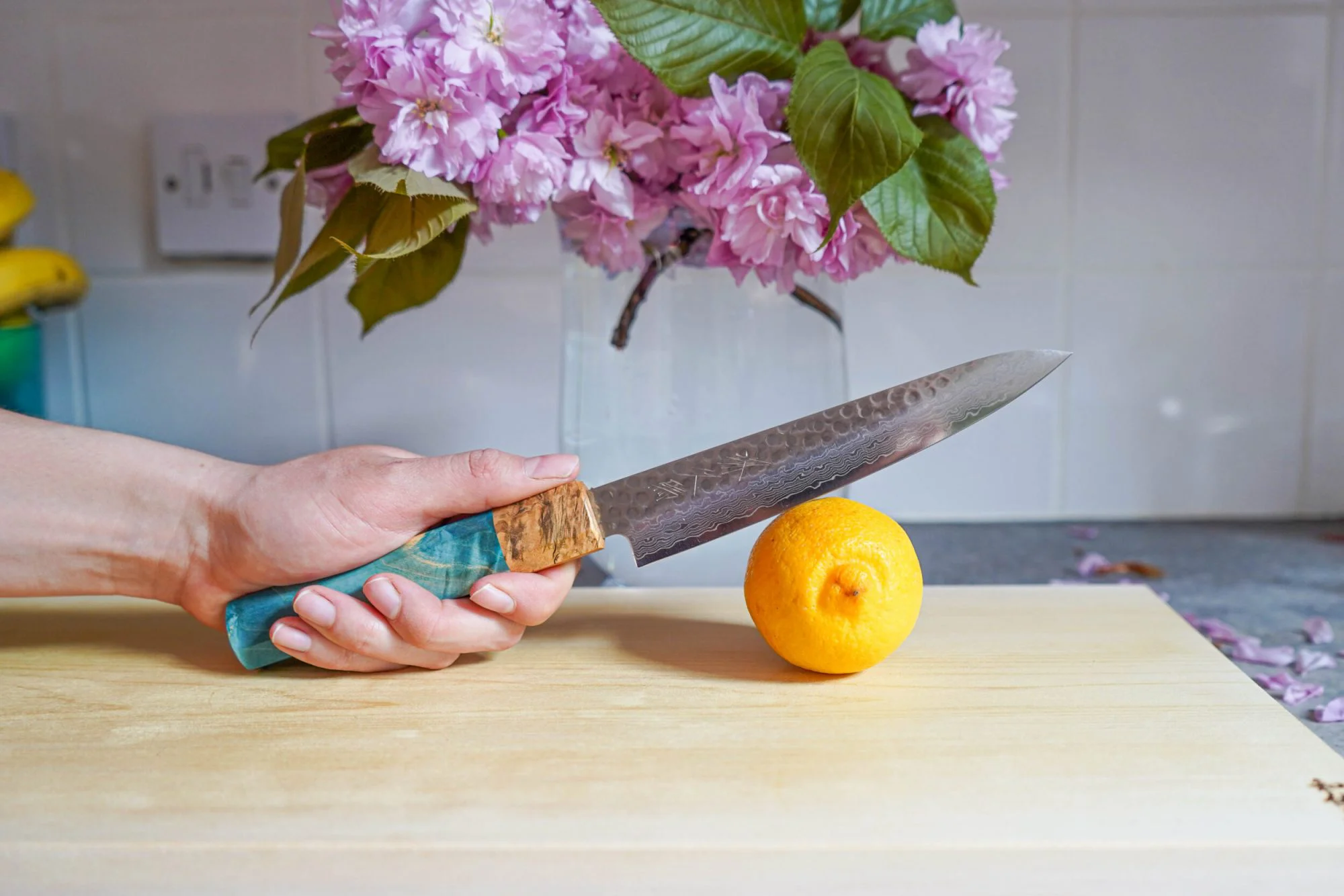
There is no women’s knife, only the right size for your hands. For smaller hands, a 150mm petty knife is nimble and easy to control.

Minimalism trades possessions for experiences. A 20-year Cornell study found that lasting happiness comes from what we do, not what we own.
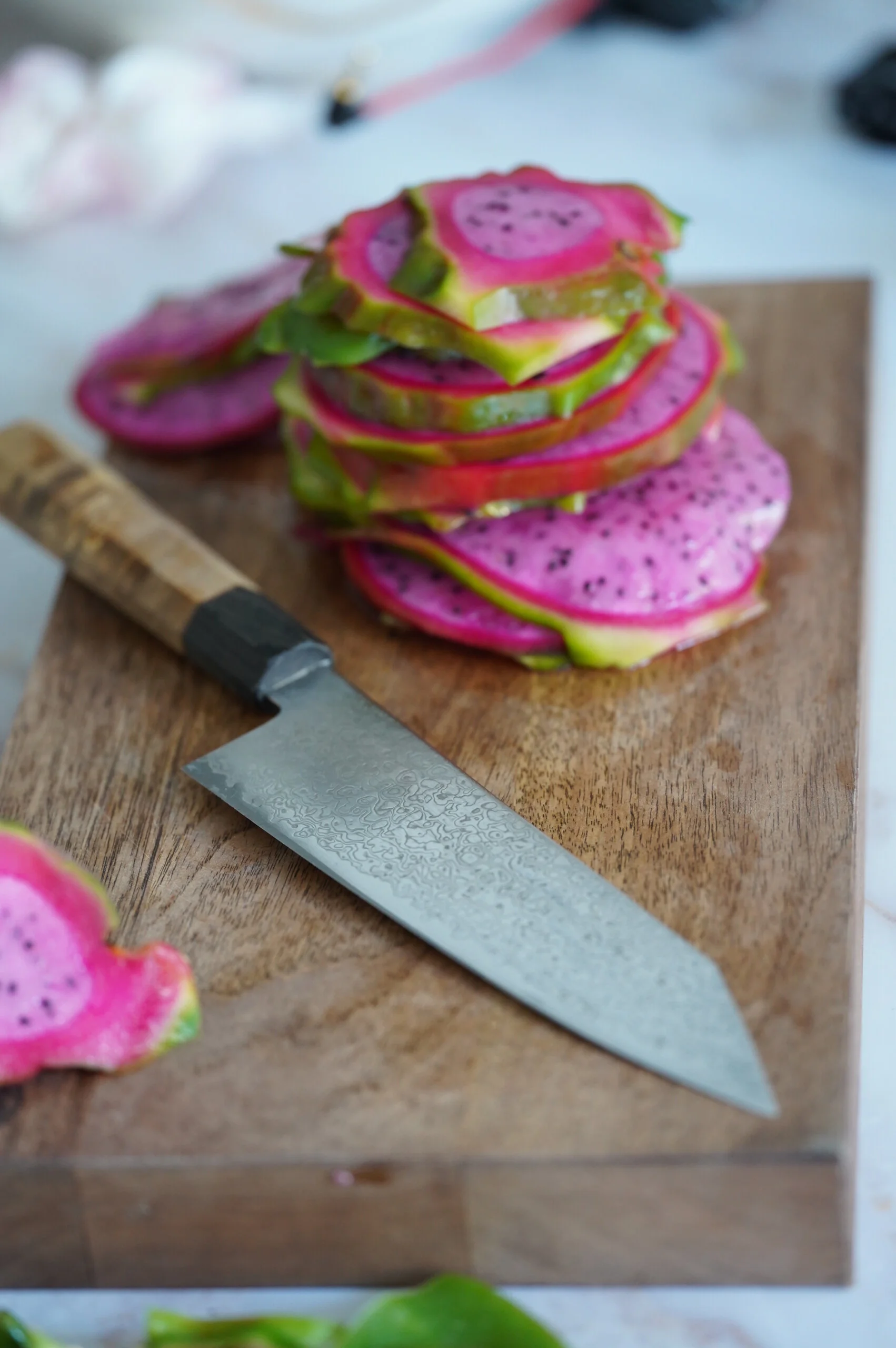
Beyond a good Japanese knife: the magnetic rack, walnut board, wooden spoons and linen apron that quietly earn their counter space.

In Japan the presentation outweighs the price tag, and every gift received calls for an O-kaeshi return worth about half its value.