Japan’s vending machines serve full meals, from hot ramen to frozen gyoza, using refrigeration, heating, and robotic arms. A look at automated dining.


Japan’s vending machines serve full meals, from hot ramen to frozen gyoza, using refrigeration, heating, and robotic arms. A look at automated dining.
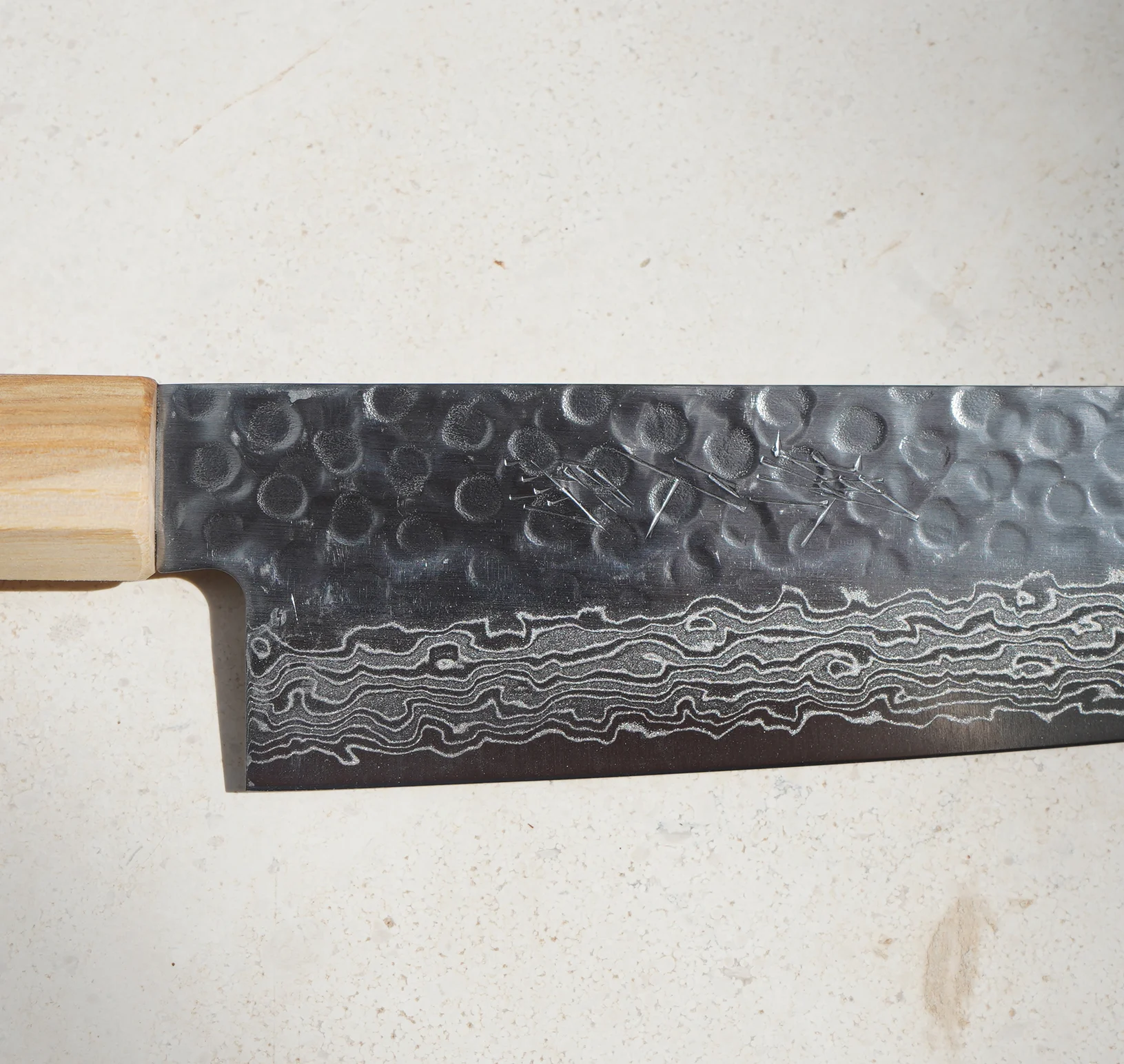
Carbon steel reaches extreme hardness and sharpness but rusts easily, while stainless trades a little edge for low upkeep. How to choose between them.

Kaizen is the Japanese practice of small, continuous improvement born in postwar Japan. How Oishya applies it to craft and quality.
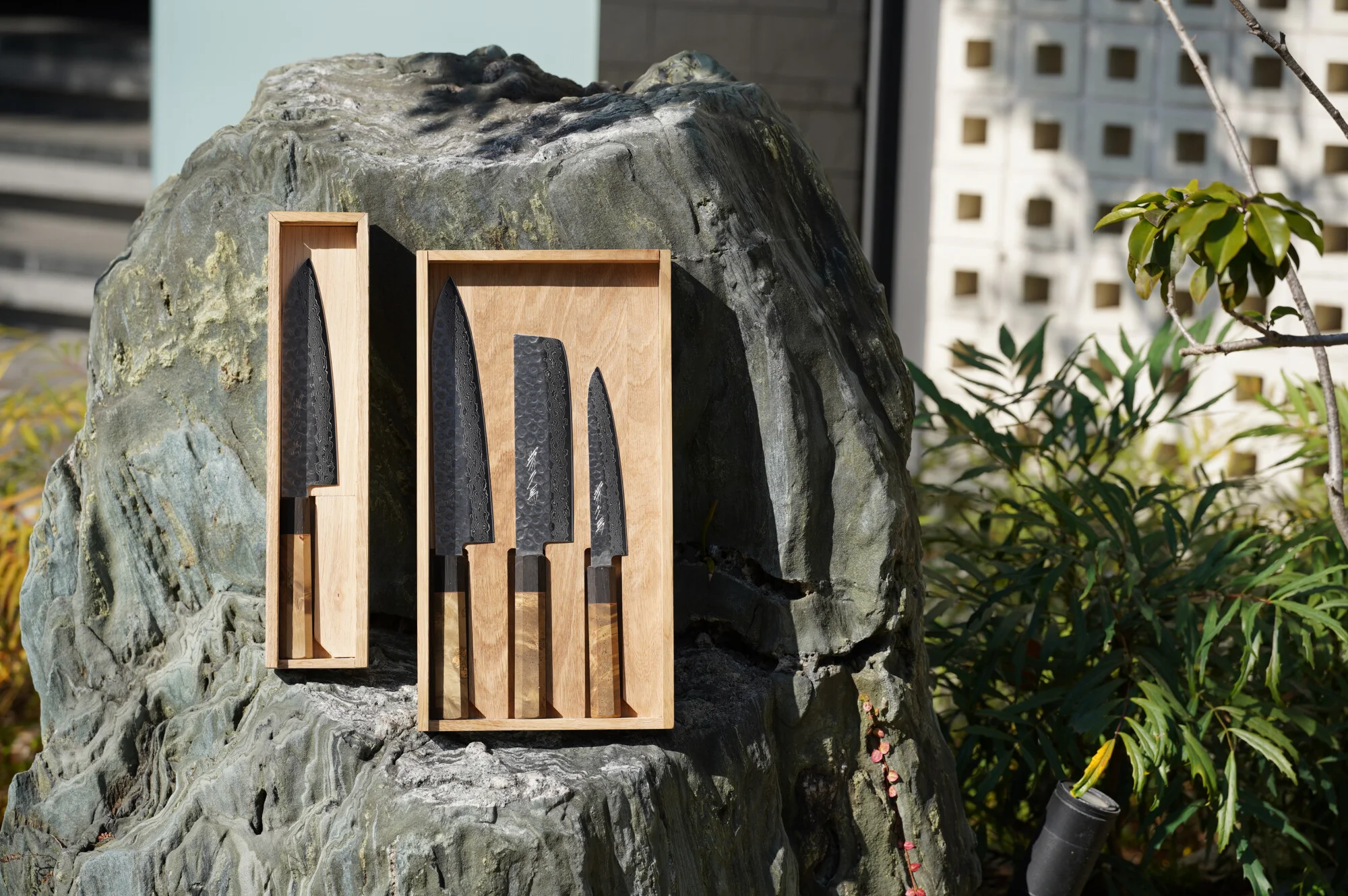
One gyuto or a full set? Where the santoku, bunka and kiritsuke each earn their place before you commit to a matching set.
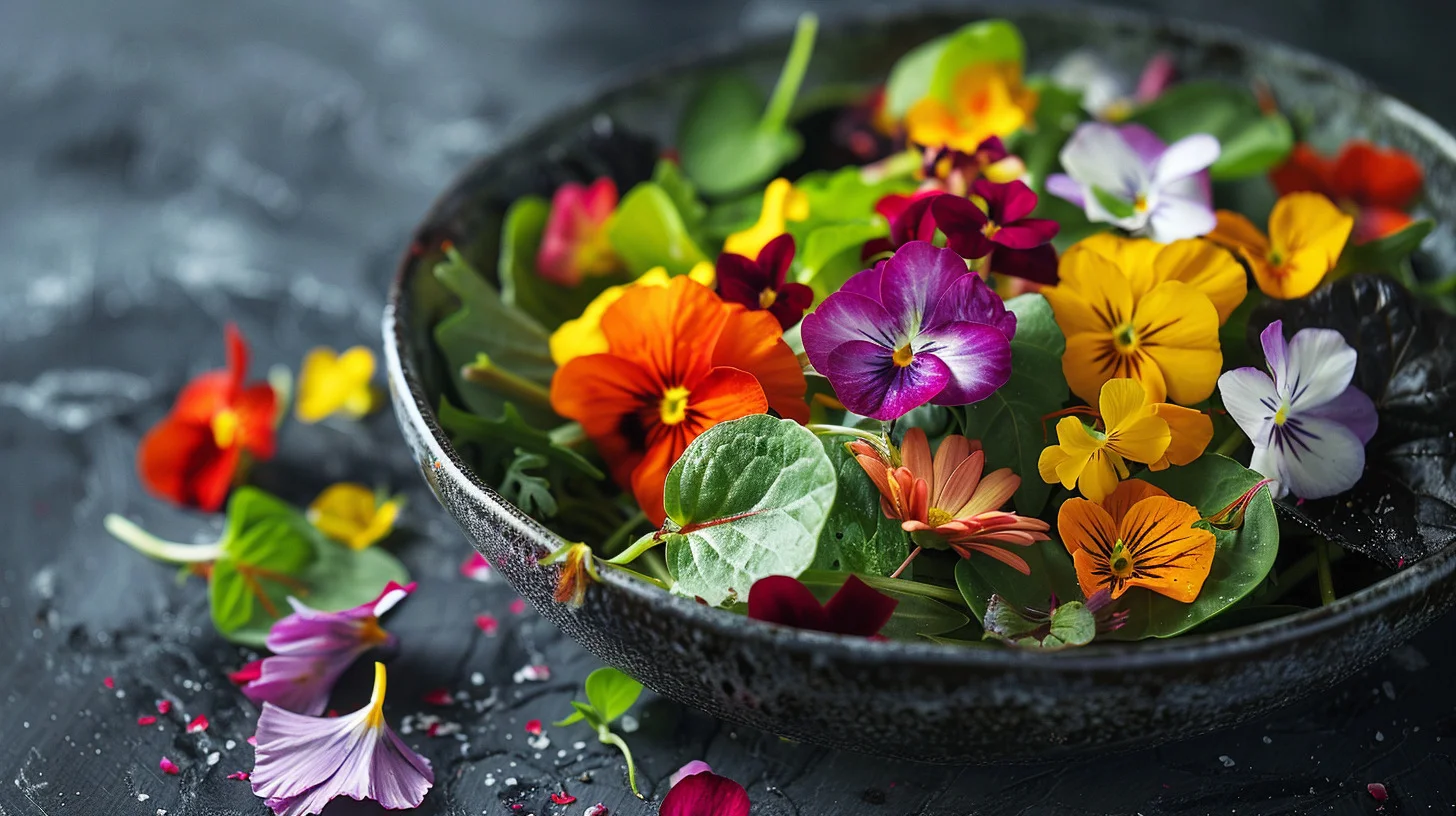
Borage tastes of cucumber, thyme blossoms hit harder than the leaves, lavender sweetens honey. Fifteen edible flowers and what each does on the plate.

The katana’s curve, or sori, concentrates mass toward the tip for cleaner cuts and spreads impact to resist fractures. Why the blade is shaped this way.
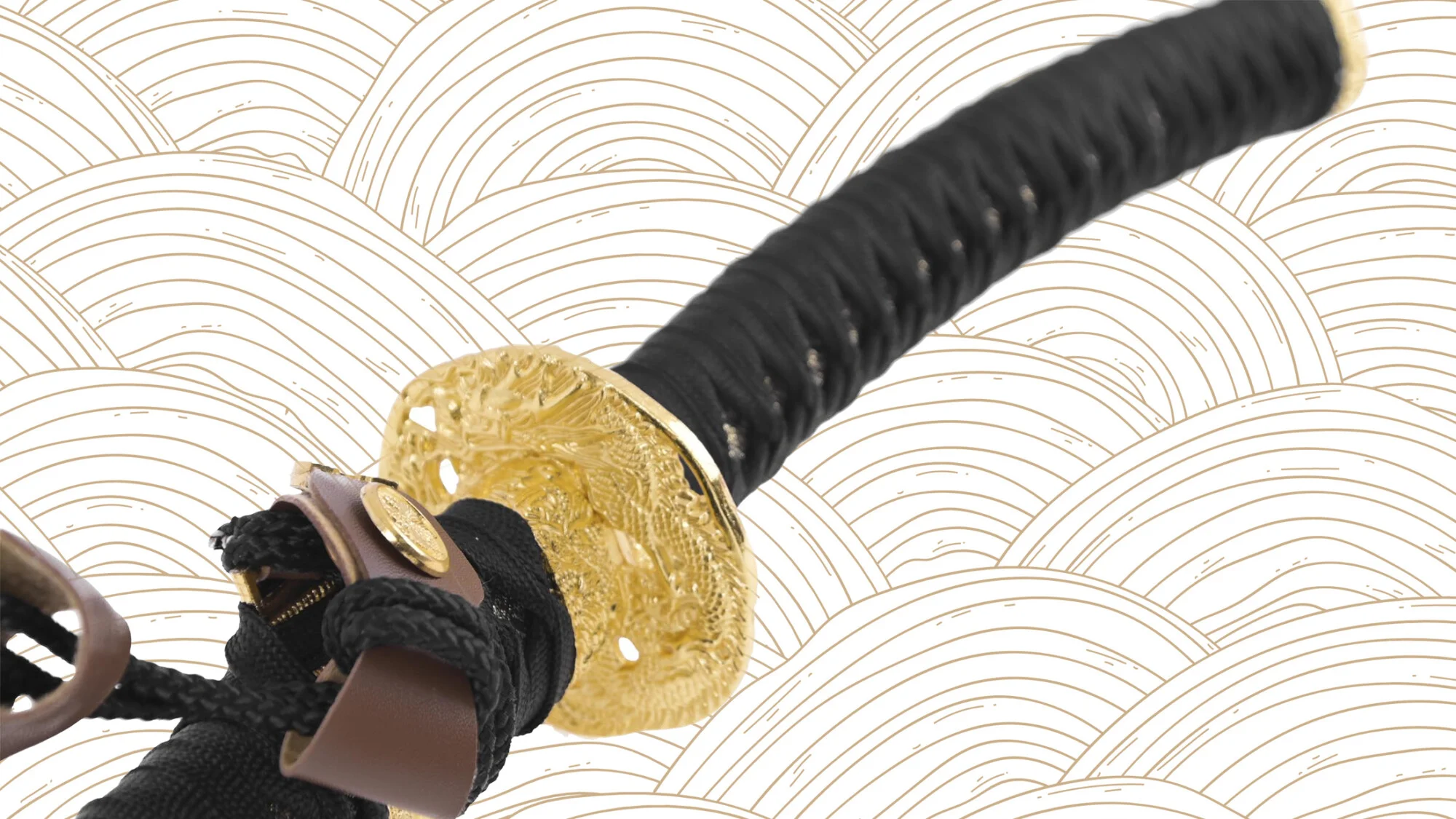
Forged from low-impurity iron sand and folded again and again, a nihonto is closer to ritual than manufacturing. Inside the making of Japan’s costliest blades.
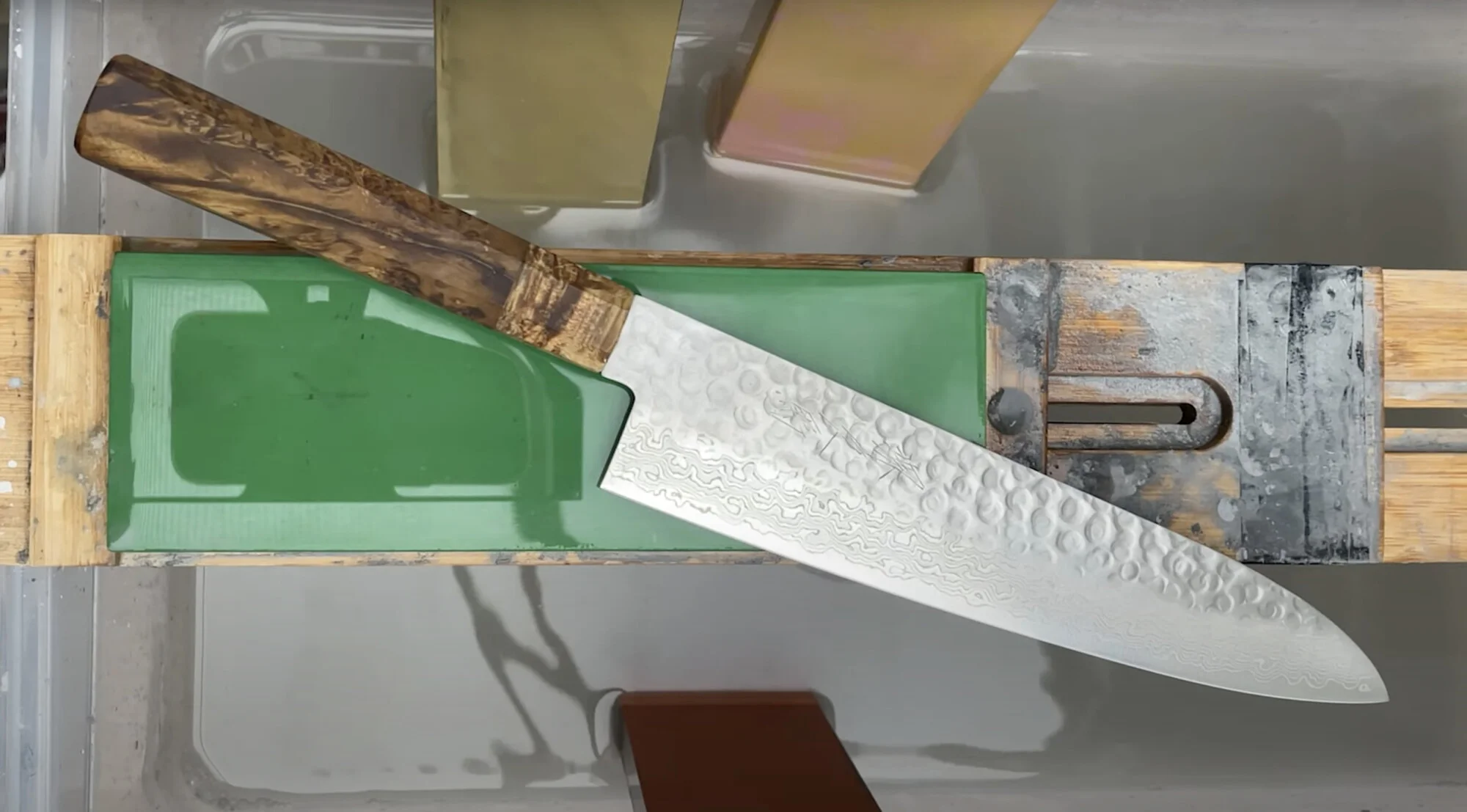
Coarse 400-grit for repair, 8000 for the final polish. A first go at whetstone sharpening, from soaking the stone to the finished edge.

White steel, blue steel, carbon steel: Japanese grades come down to composition and heat treatment, not brand names. What each one actually tells you.
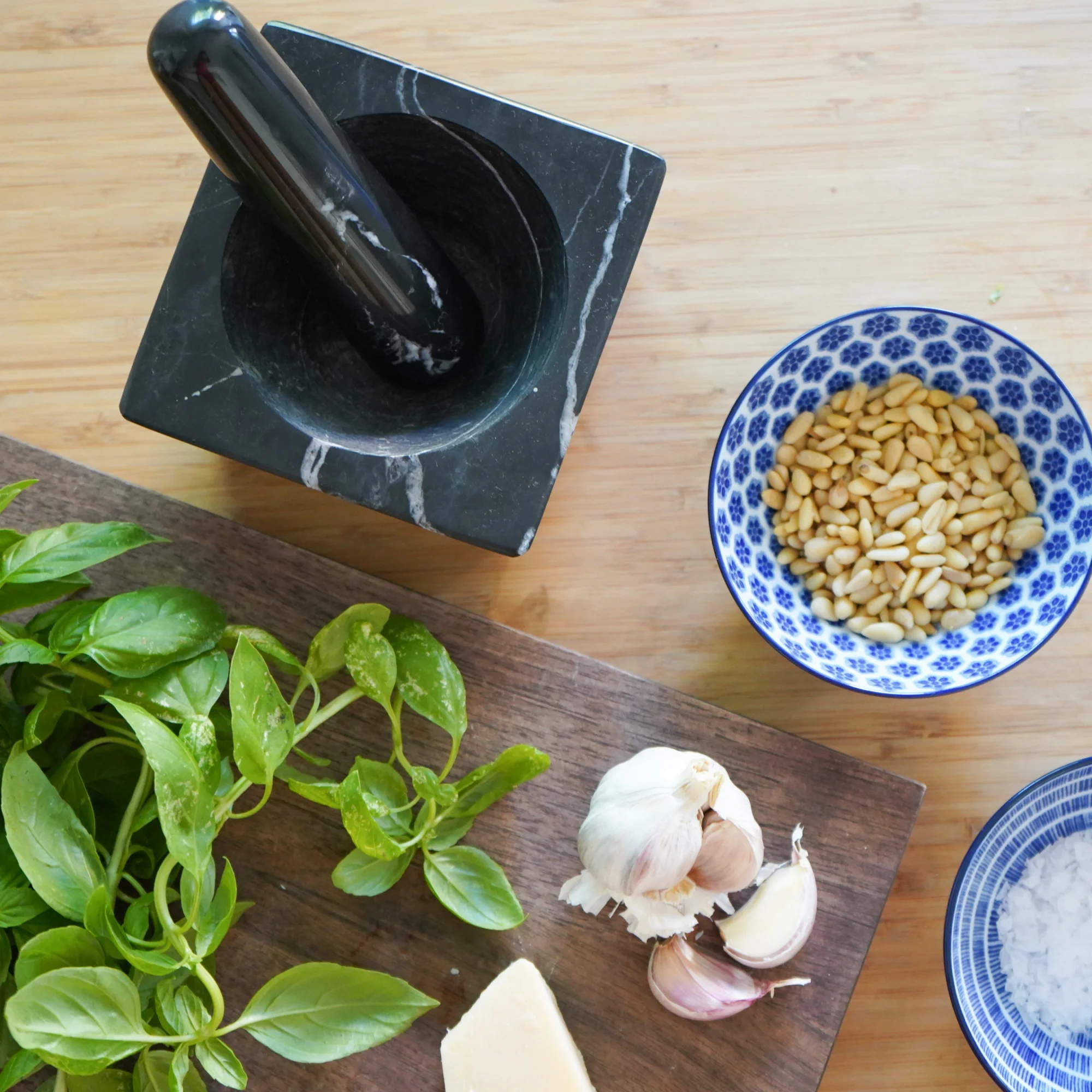
Ceramic mortars soak up yesterday’s garlic; marble, being non-porous, doesn’t. Why it wins on hygiene and longevity, and how to match a pestle to it.
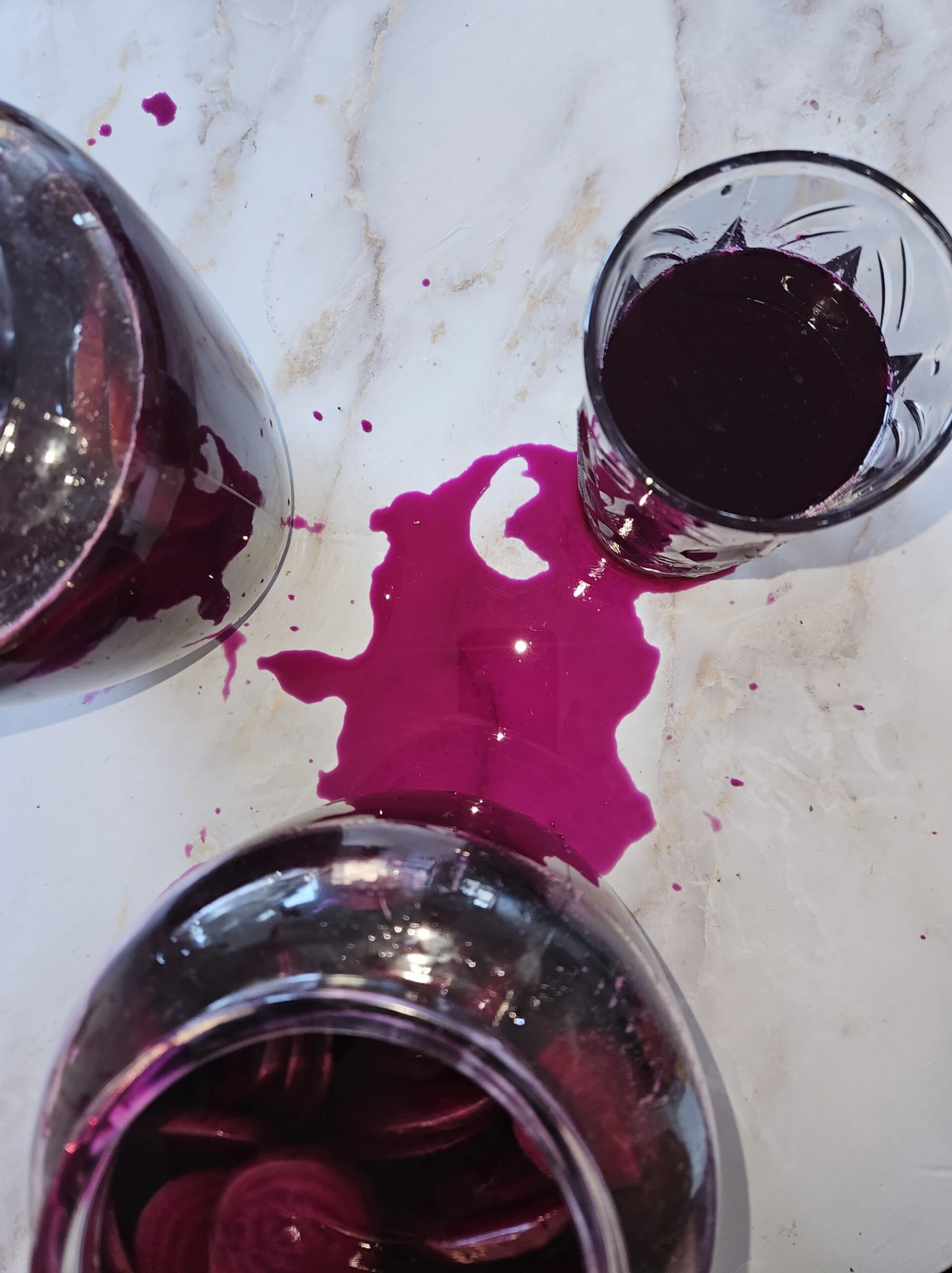
Four beetroots, water, salt and a week on the counter make a tangy, probiotic-rich drink. Here’s the ferment, its betalains, and how to cook with it.
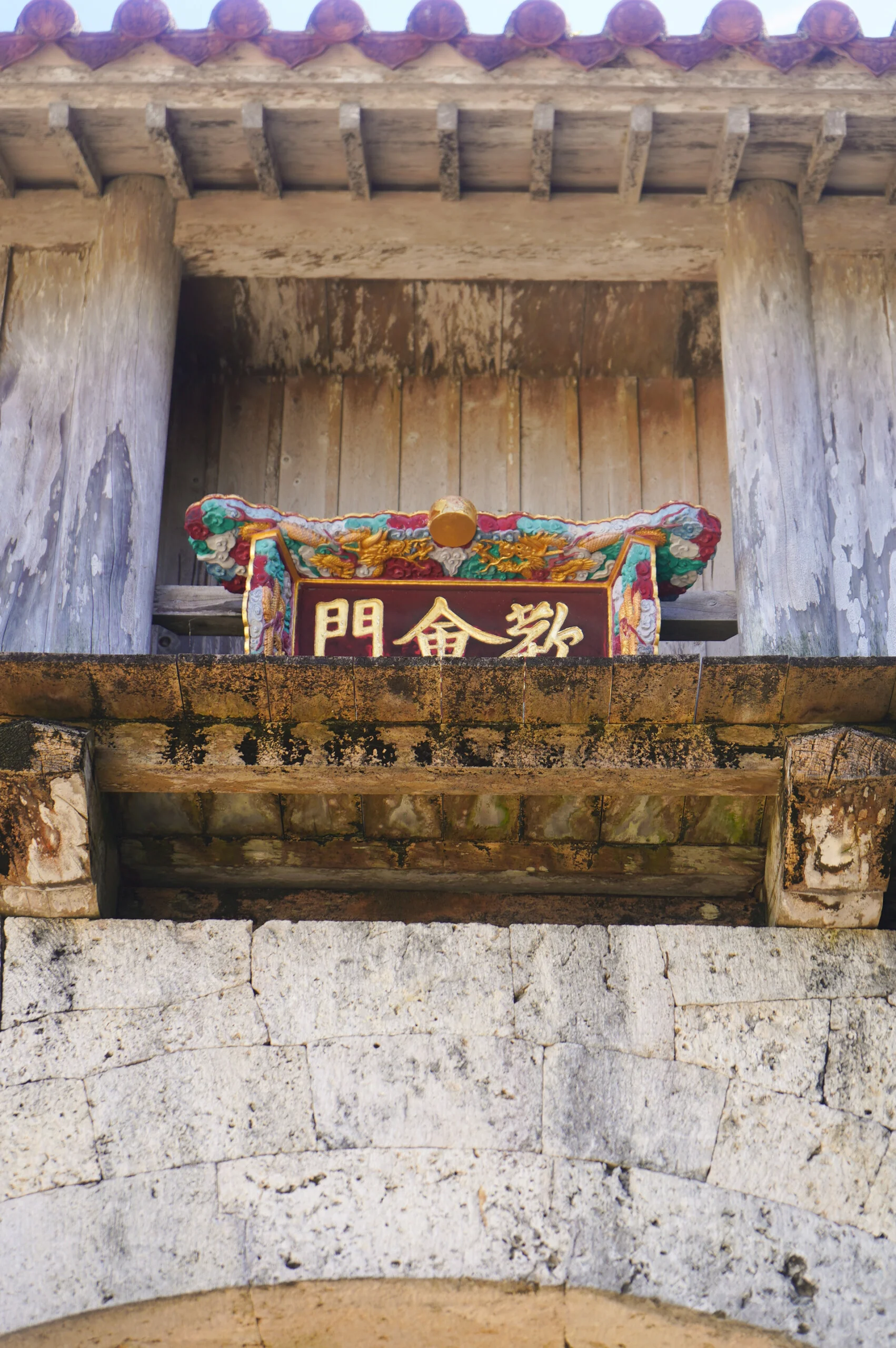
Okinawan food blends Ryukyu Kingdom trade roots with post-war American influence, from Taco Rice and tropical sushi to prized Ishigaki beef.
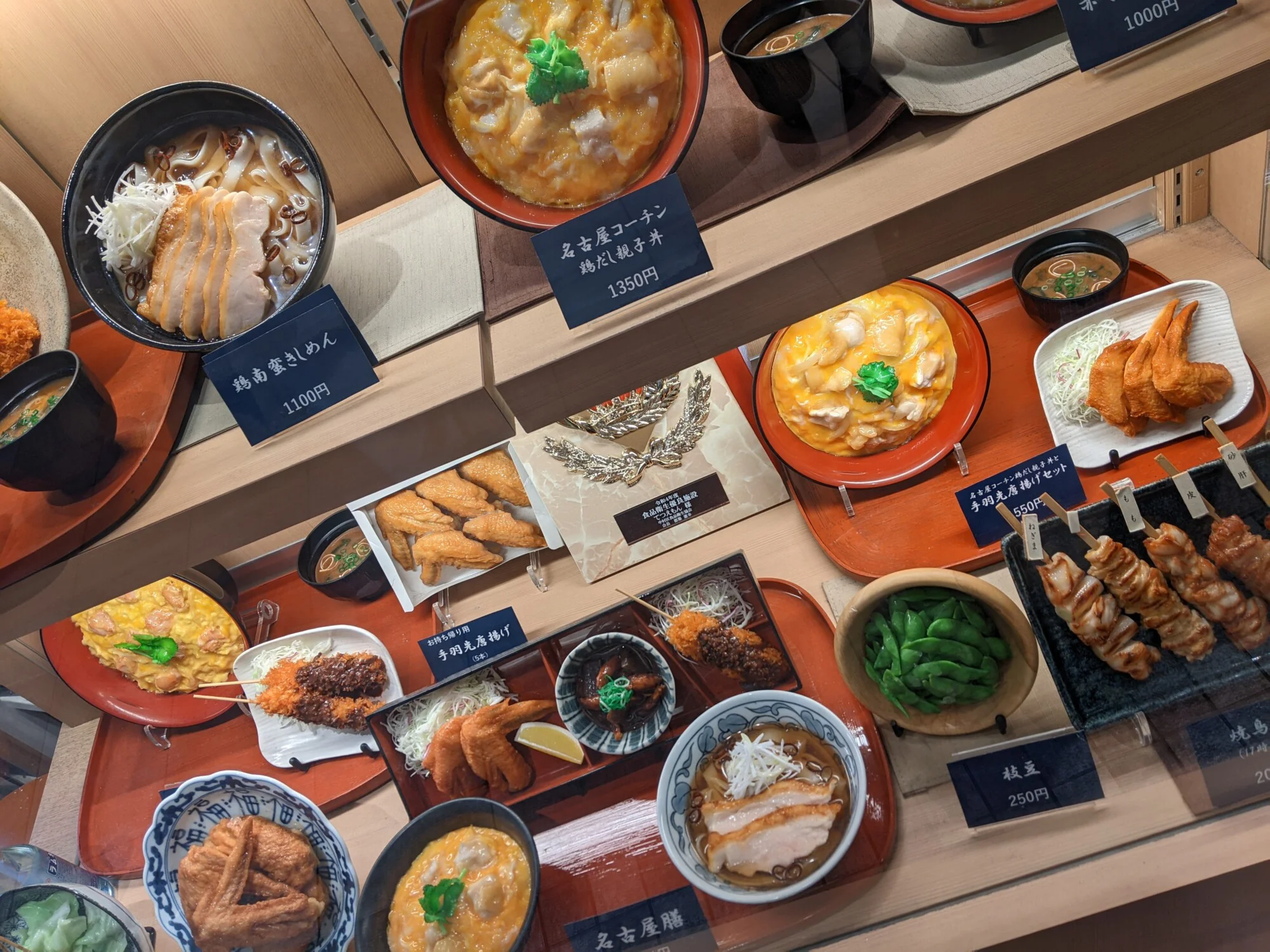
Shokuhin Sampuru are Japan’s lifelike fake food replicas, made from PVC to display restaurant menus. Inside the craft and the artisans who make them.
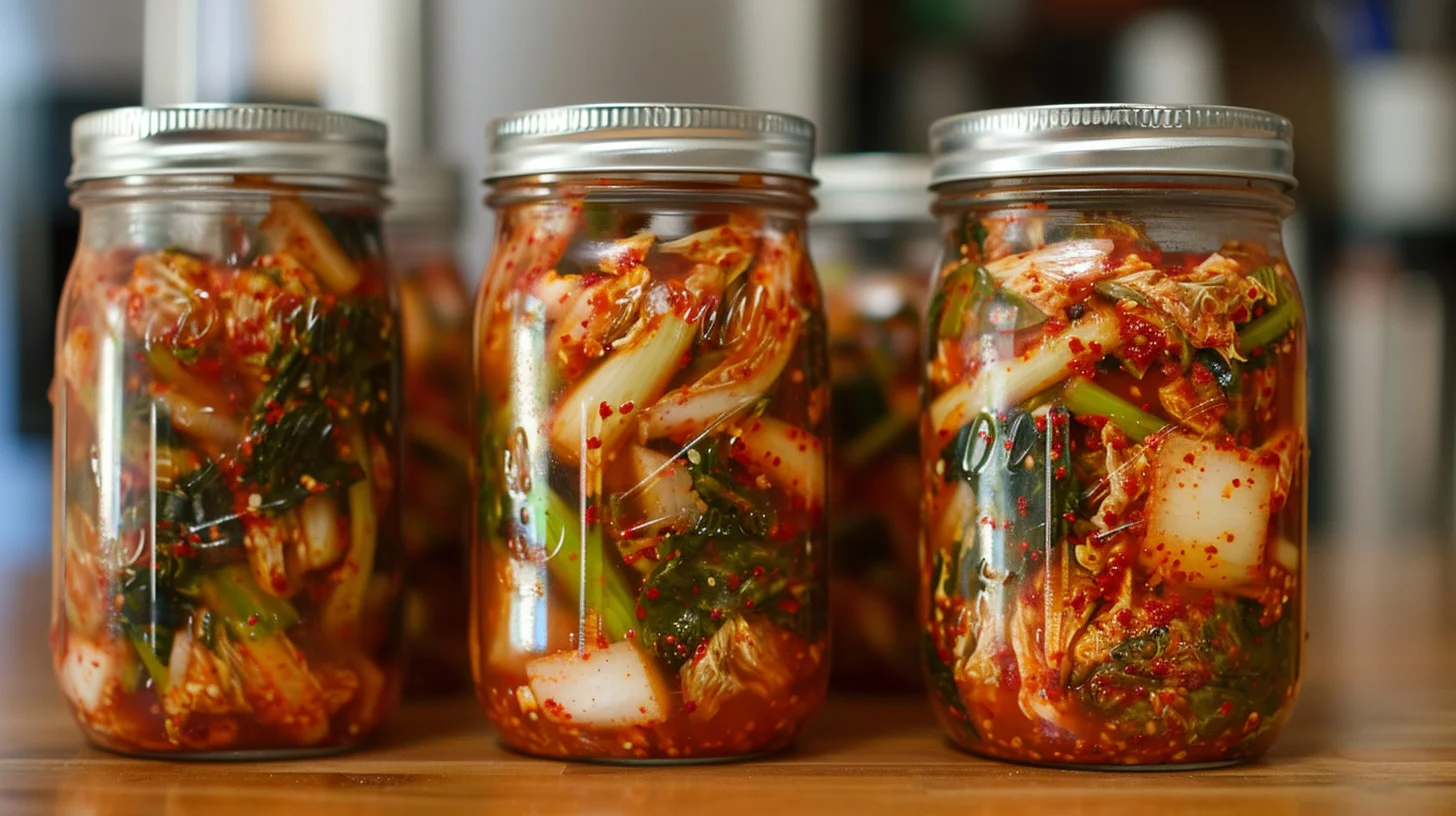
Lactic-acid bacteria, not vinegar, do the work in kimchi, building probiotics and freeing up nutrients. The science, the kimjang tradition, and a recipe.

Nagomi is the Japanese idea of harmony and balance, applied to homes, relationships, and meals. How the principle shapes a calmer everyday life.
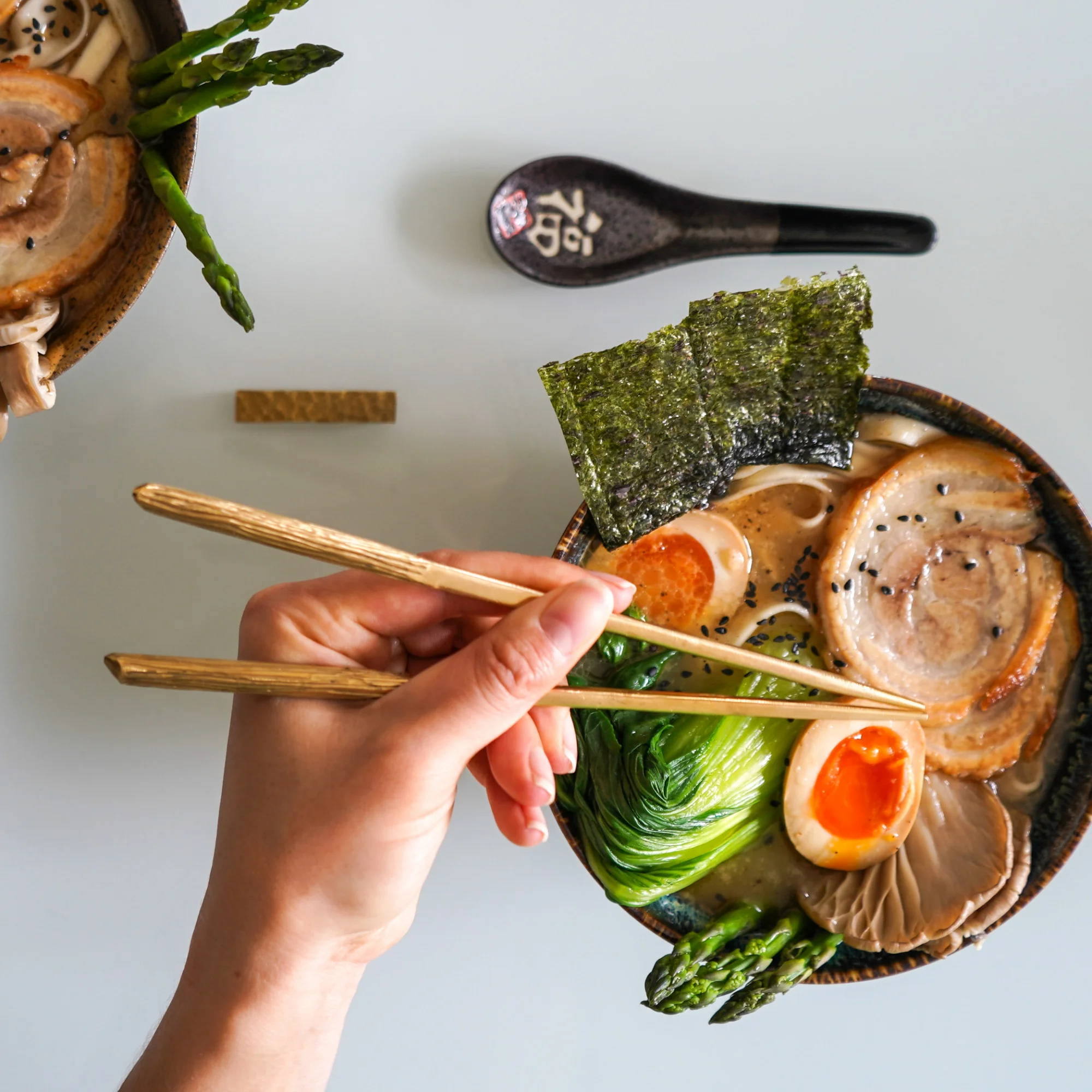
Japanese, Chinese, and Korean chopsticks differ in shape, material, and etiquette. A look at what sets each style apart and the culture behind them.
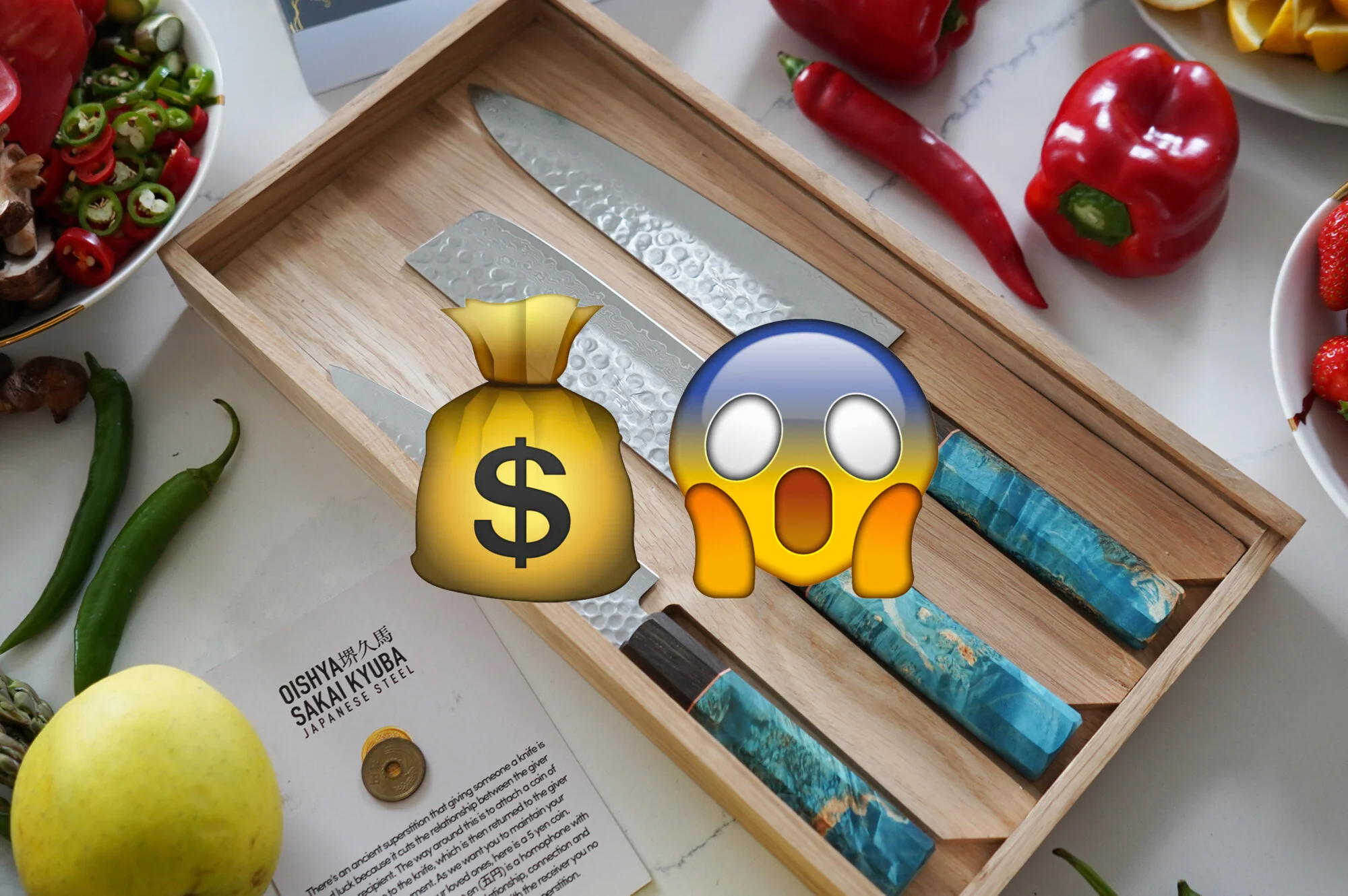
What makes Japanese knives worth the price: high-carbon VG10 and layered Damascus steel, task-specific designs, and matching kitchen accessories.
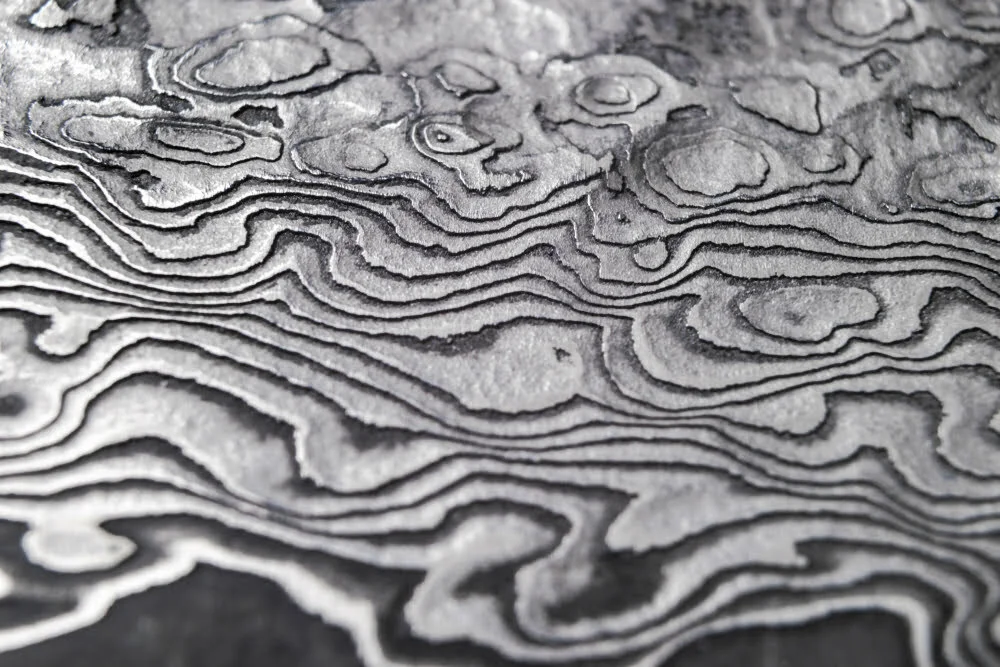
Damascus steel traces back to the Near East around 300 AD, prized for its wavy pattern and strength. Here is the history behind the legendary blade.