Wabi-sabi is the Japanese philosophy of finding beauty in imperfection, teaching us to value simplicity and accept that nothing is permanent.
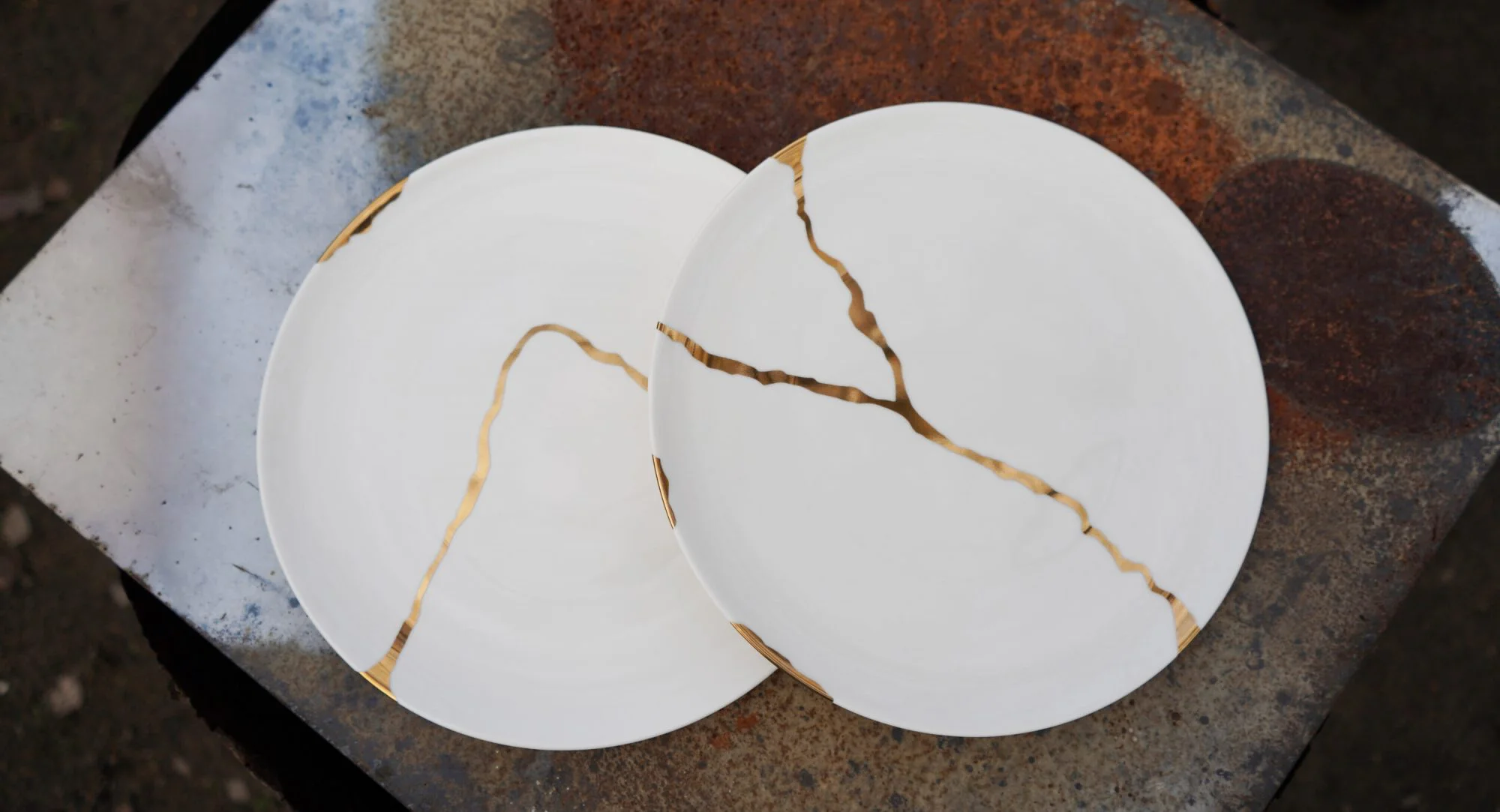

Wabi-sabi is the Japanese philosophy of finding beauty in imperfection, teaching us to value simplicity and accept that nothing is permanent.
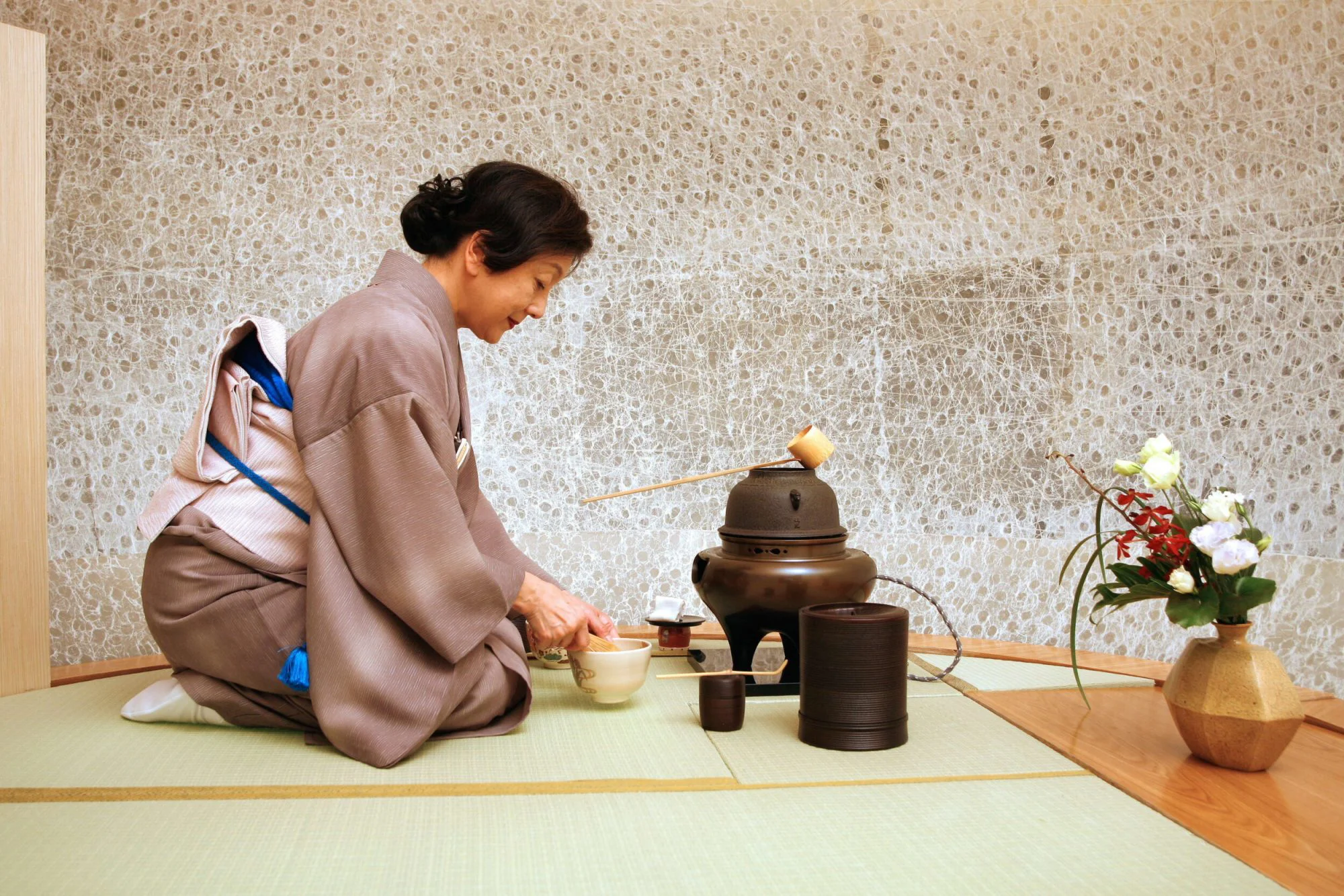
The Japanese tea ceremony explained, from matcha and the Way of Tea to the rituals, utensils and hospitality behind each gathering.
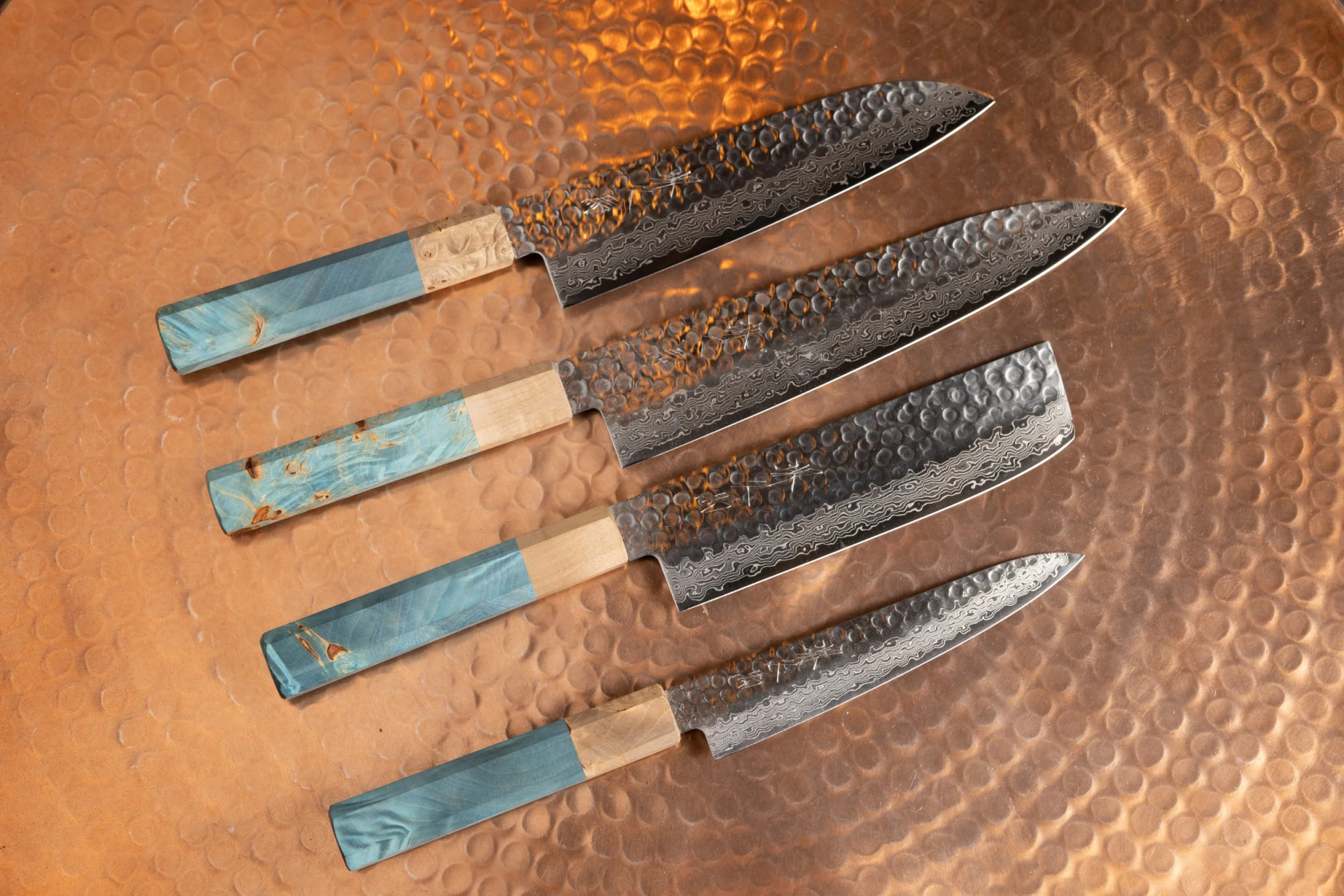
Skip the fifteen-slot block. A Gyuto, a Nakiri, a Petty and one serrated blade handle nearly everything you’ll cut at home.
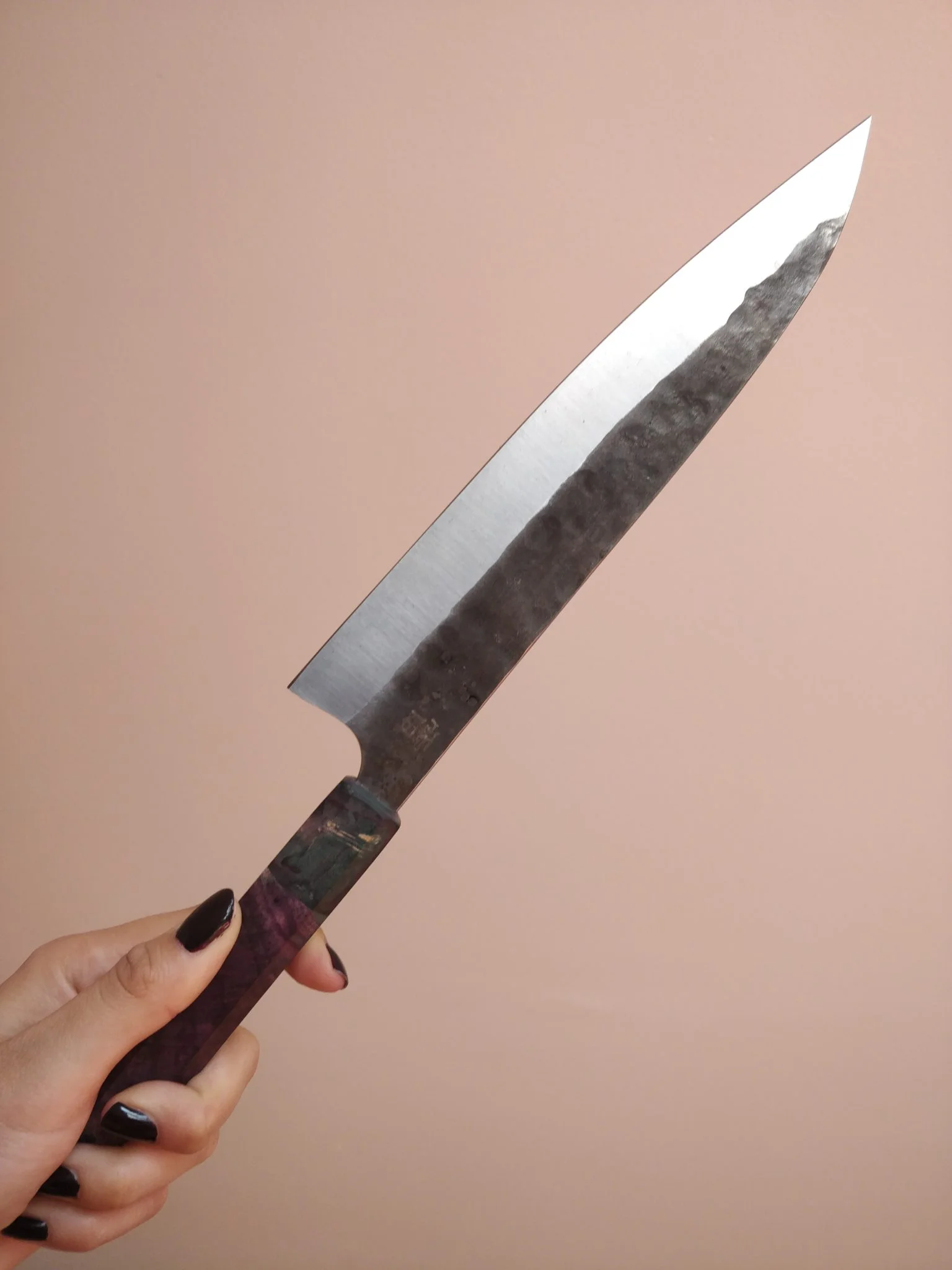
You’ll reach for the chef’s knife 99% of the time, so spend there first. Why a £30 blade can beat a £500 one, and why the sharpest is the safest.
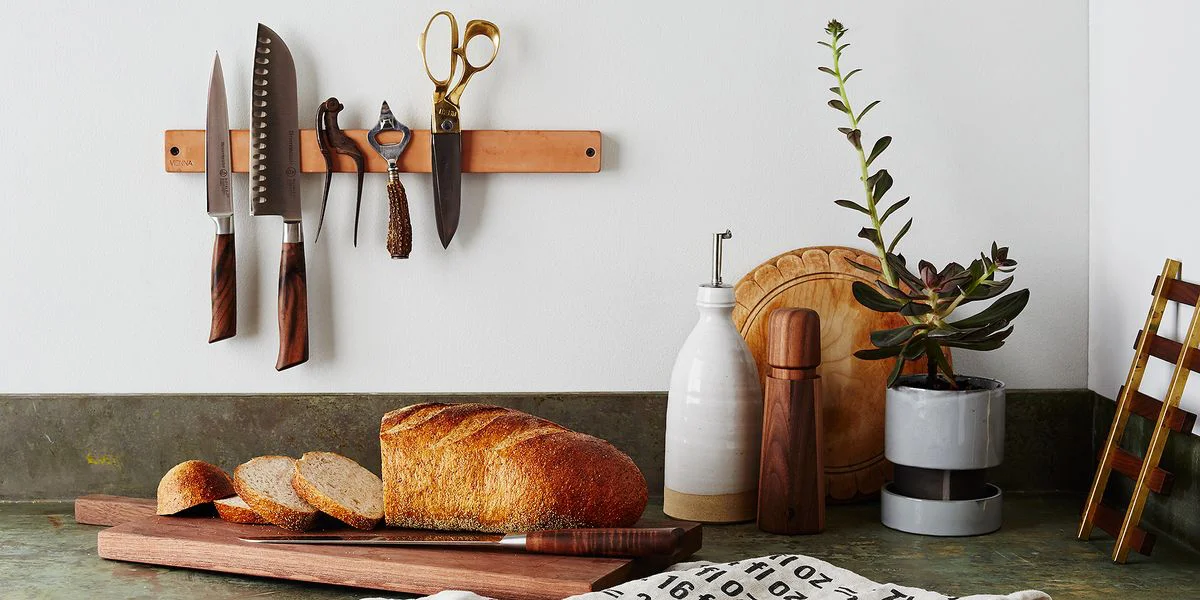
That magnetic strip will hold more than knives: drill bits in the workshop, drying paintbrushes, makeup brushes, pot lids and stray bobby pins.
Both come from Hitachi, but Aogami Super adds vanadium for a harder, longer-lasting edge, while #2 stays easier to sharpen. Which fits how you cook?
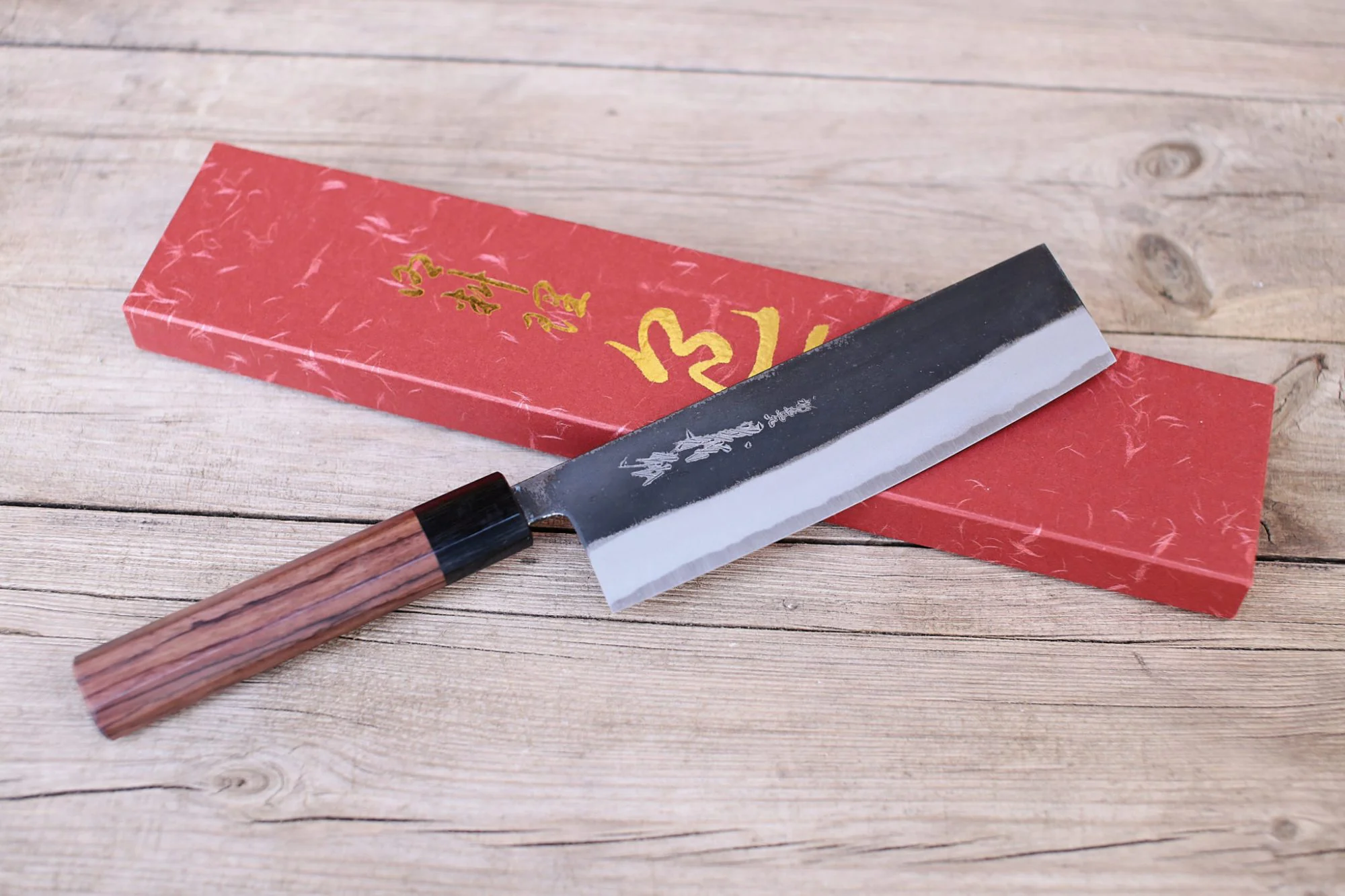
Smelted from sand iron in Shimane, Yasugi steel splits into yellow, white and blue grades. Top smiths favour the white and blue and skip the cheap yellow.
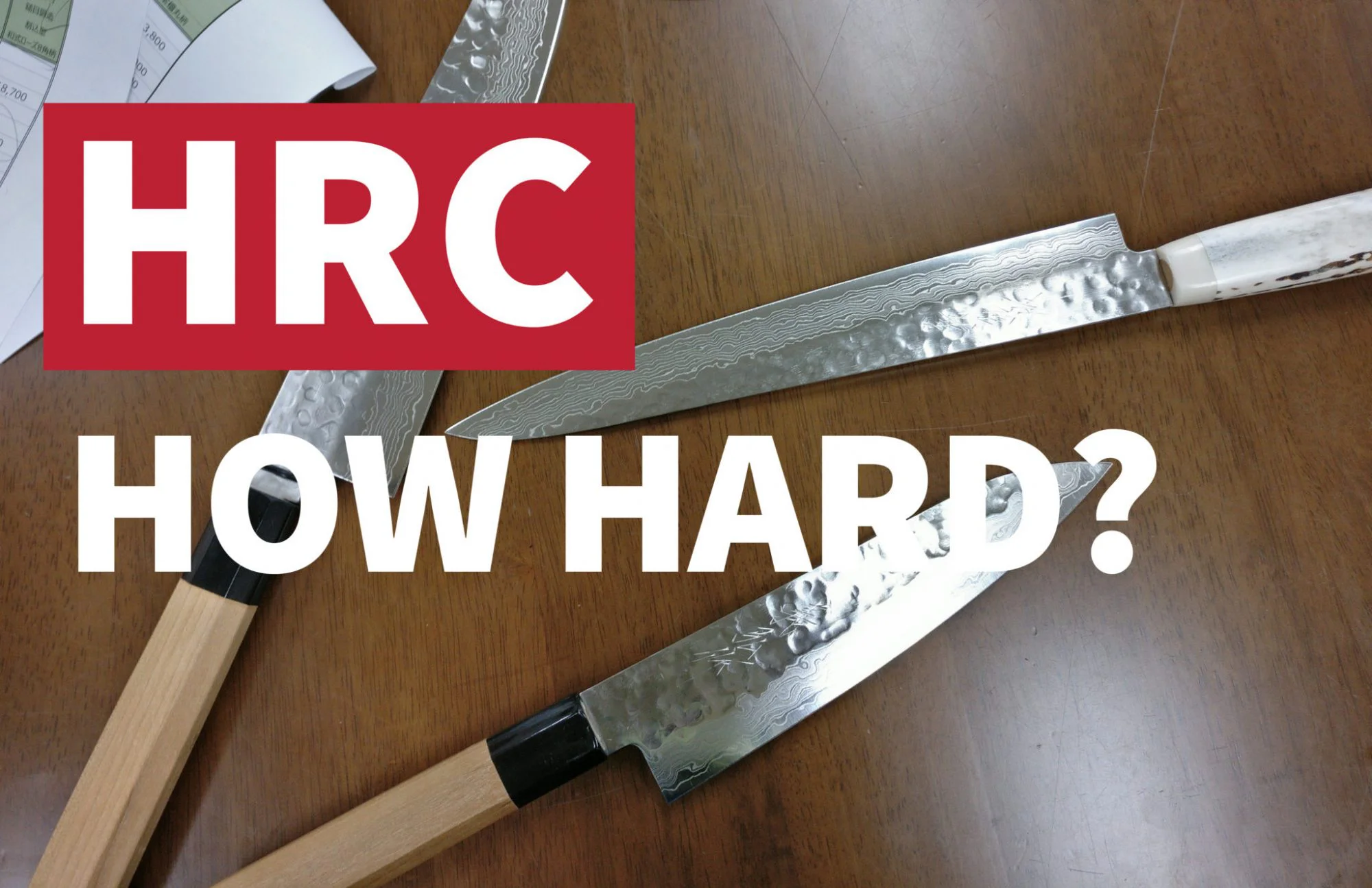
An axe sits near 50 HRC, supermarket knives 54-58, good kitchen blades 60-66. What that diamond-point test measures, and why harder isn’t always better.
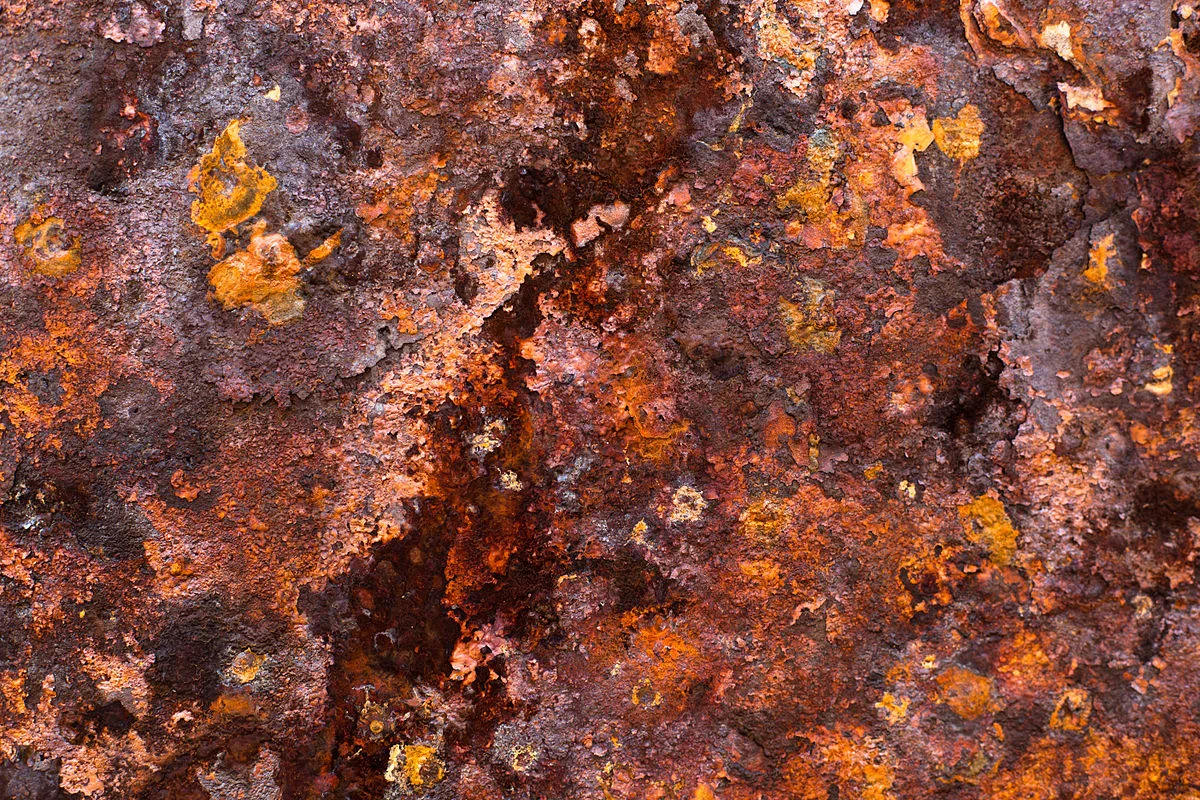
How to remove rust from an old knife using vinegar or lemon juice, then sharpen the blade back to a clean edge on a stone or honing rod.
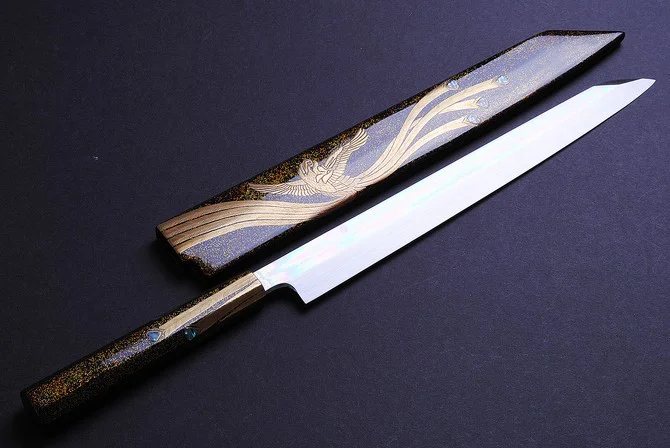
A £1,000 knife can take five weeks and a workshop of four to forge. What the price buys: layered steel, hand-welding and balance.