A quick coconut soup that blends leftover green curry sauce with tom yum kha paste, prawns and vegetables, plus from-scratch and other variations.
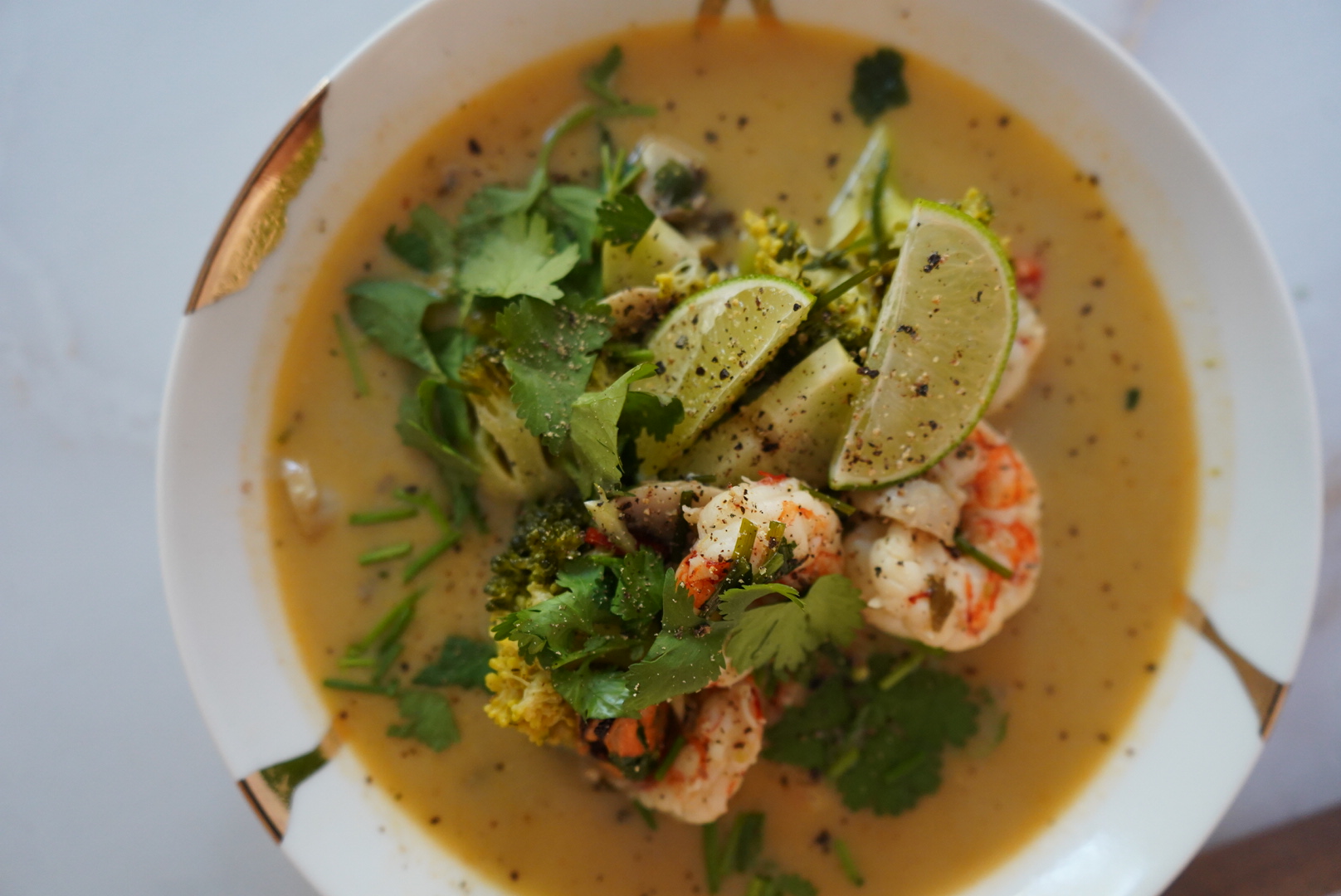

A quick coconut soup that blends leftover green curry sauce with tom yum kha paste, prawns and vegetables, plus from-scratch and other variations.
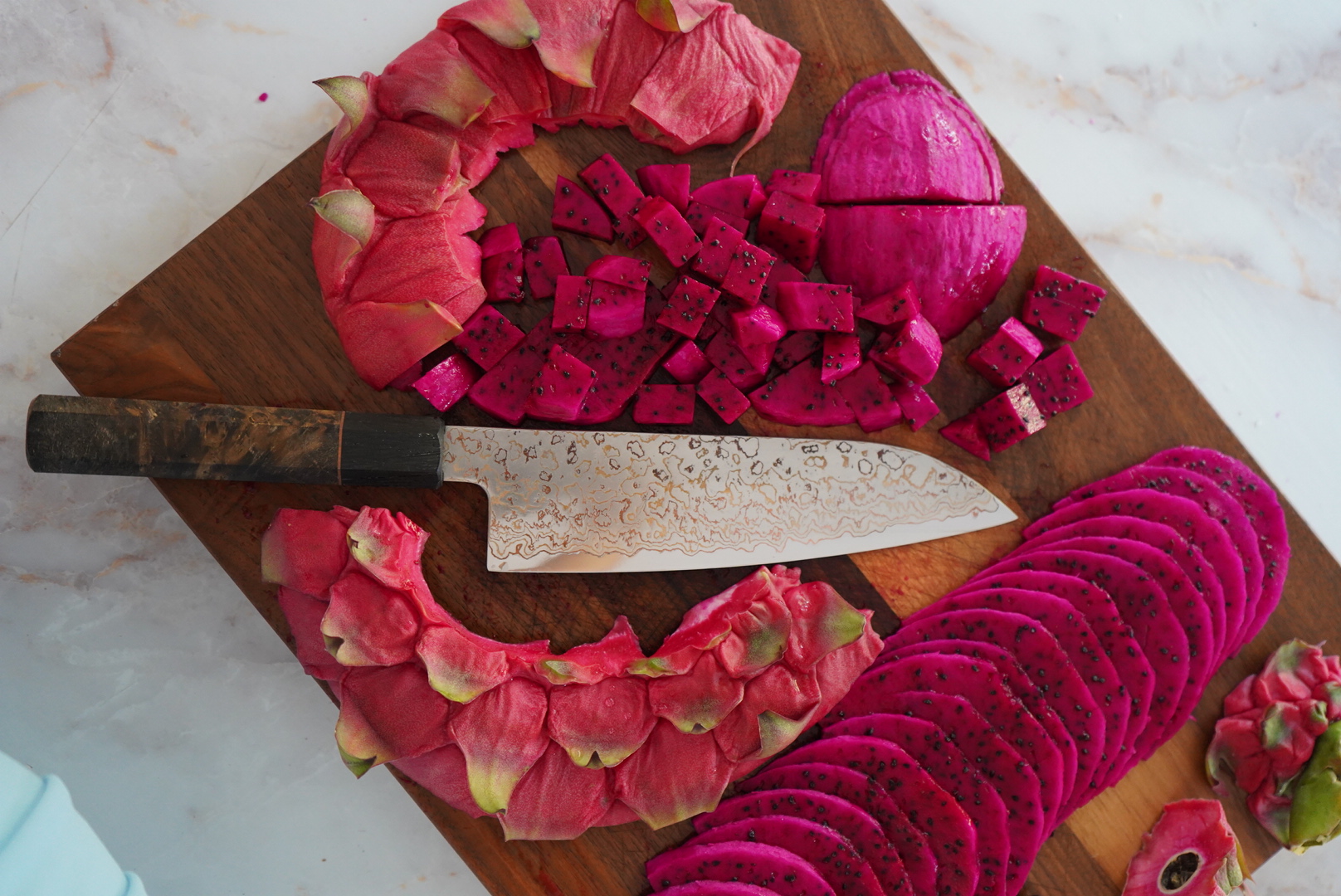
How to peel and prepare dragon fruit with a sharp knife, plus creative ways to serve it as sashimi, carpaccio, smoothie bowls and frozen treats.
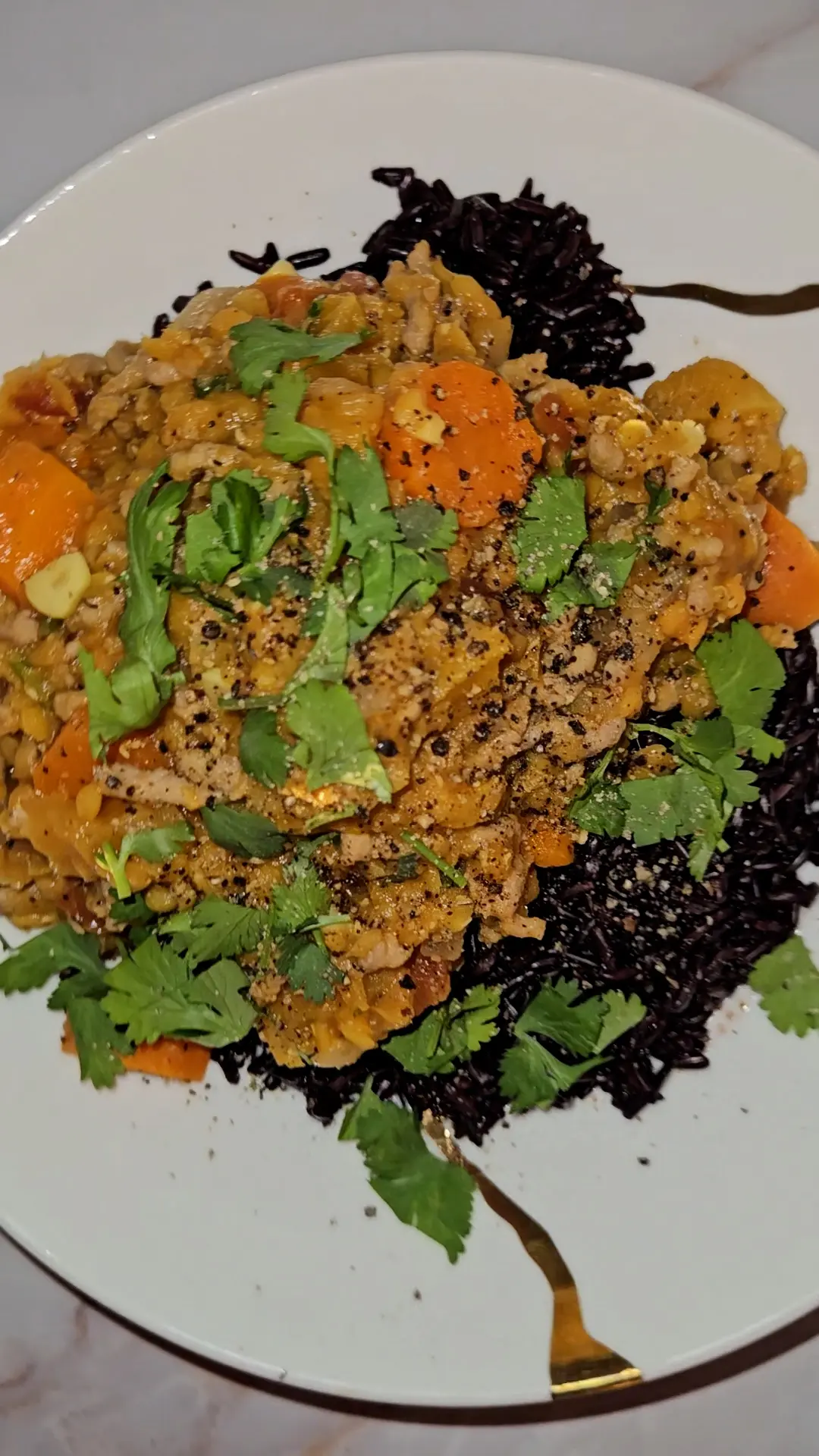
A Moroccan beef stew with red lentils, warming spices, apricots and honey, served over black jasmine rice. The lentils thicken it beautifully.
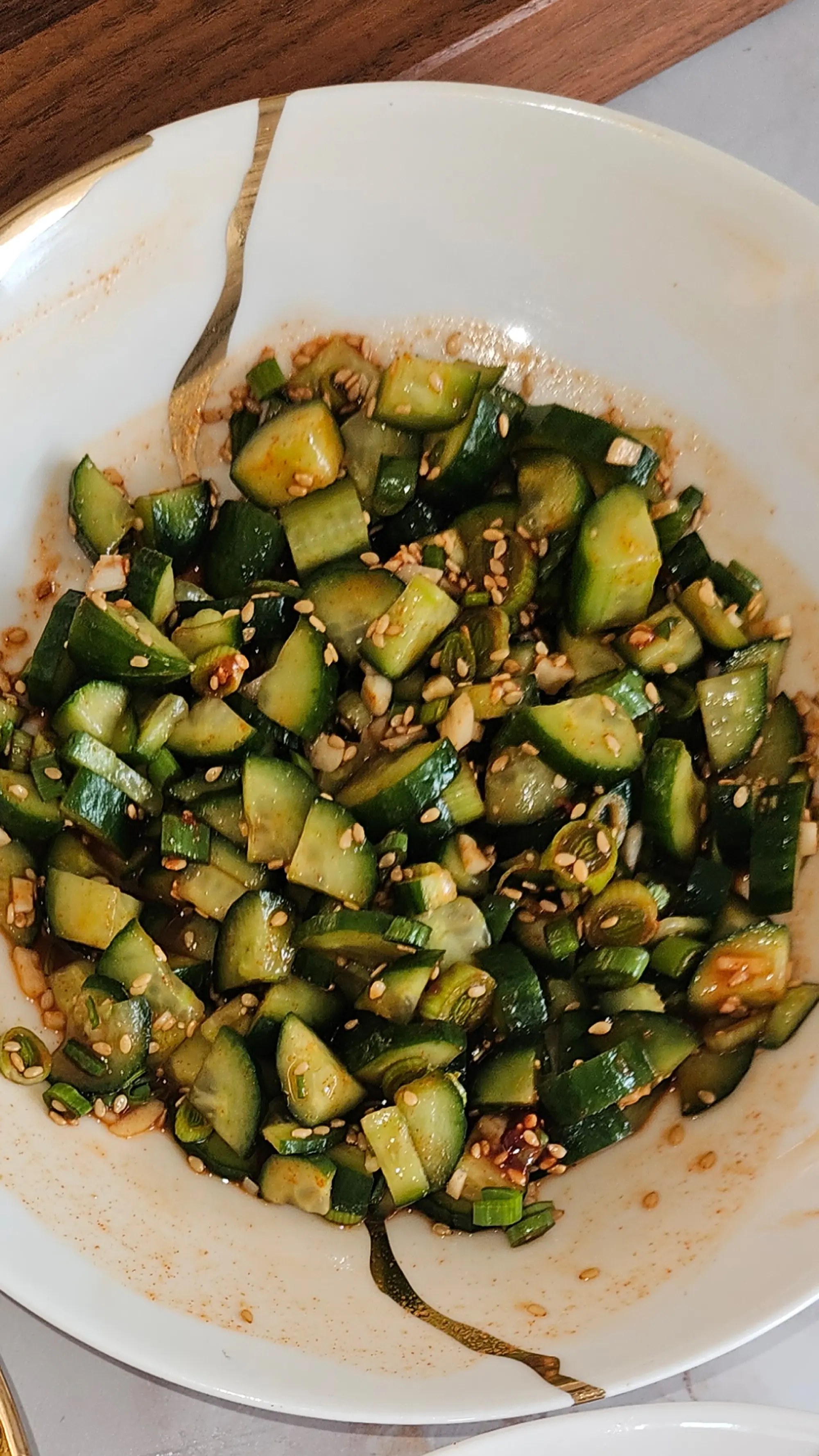
A quick spicy gochugaru cucumber salad with soy, garlic, sesame oil and rice vinegar. Salt the cucumbers, toss, and let the flavours meld.
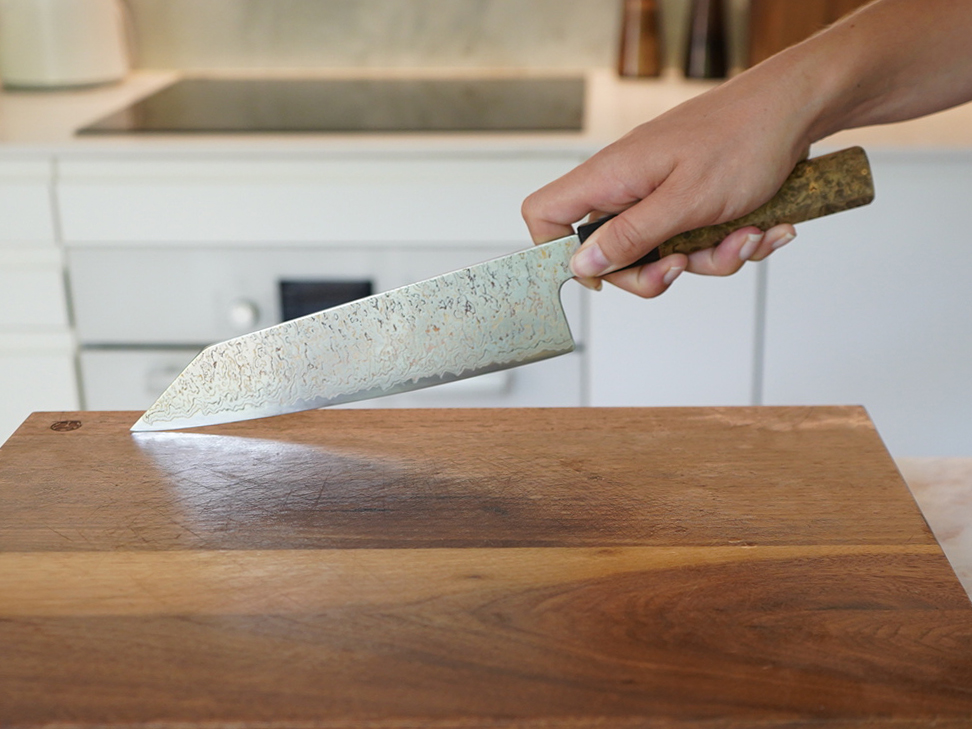
Four ways to hold a kitchen knife, from the pointed finger grip for detail work to the familiar hammer grip, and when each one actually helps.
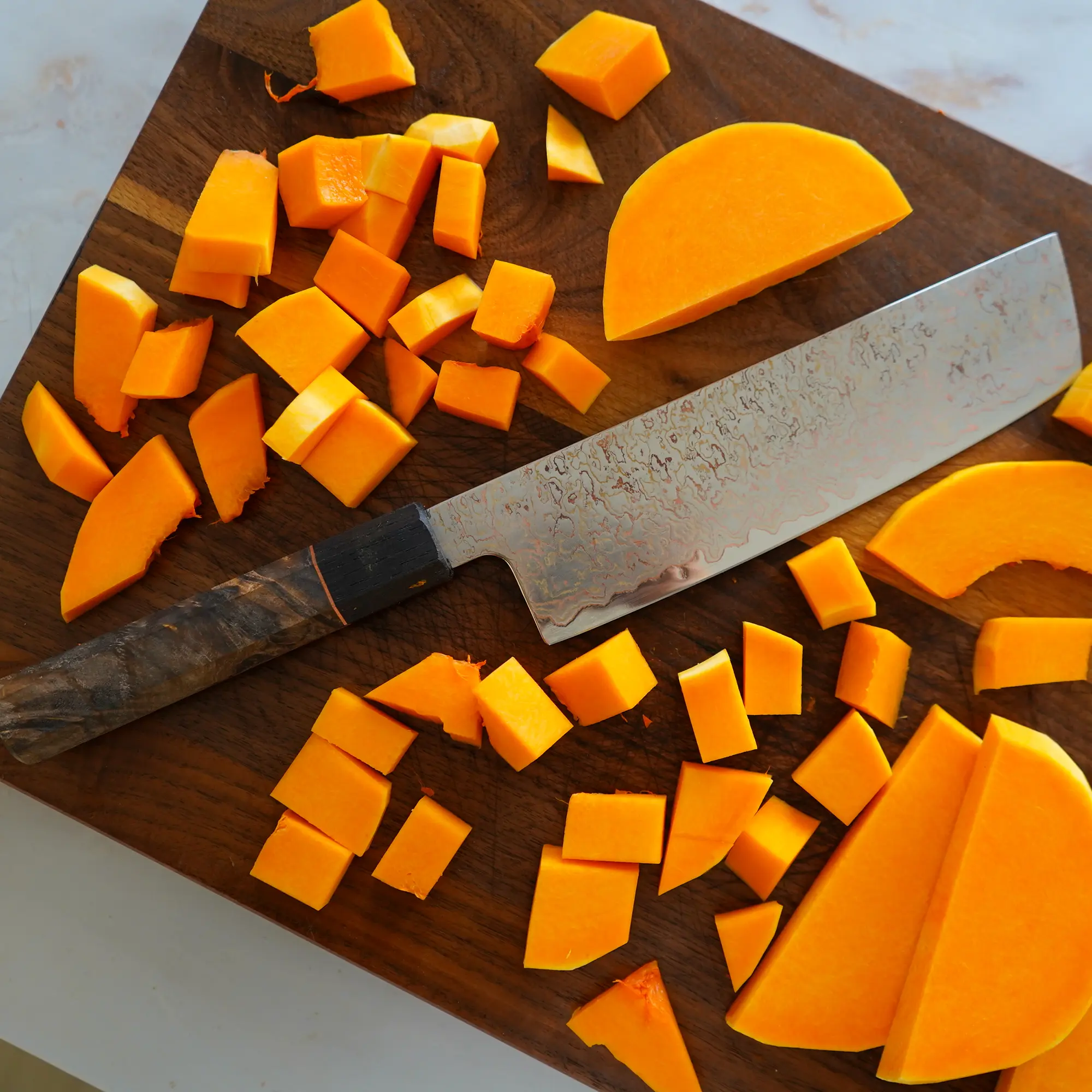
How Japanese chefs handle razor-sharp knives safely at home, from grip and stance to caring for reactive carbon steel and keeping food pristine.
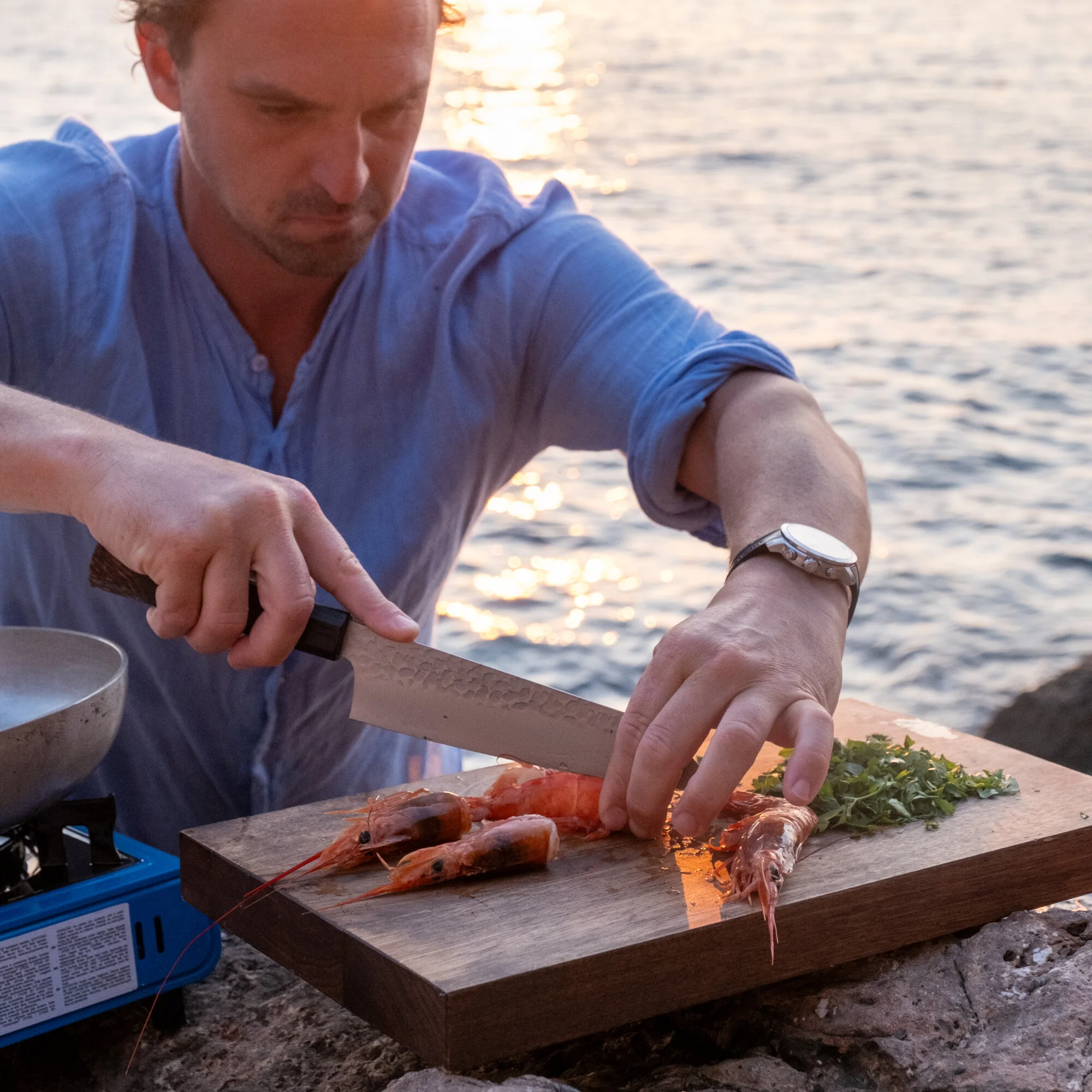
Japanese knives use harder steel and a 10 to 15 degree edge, so they cut with less force than thicker Western blades. Here is the science behind it.
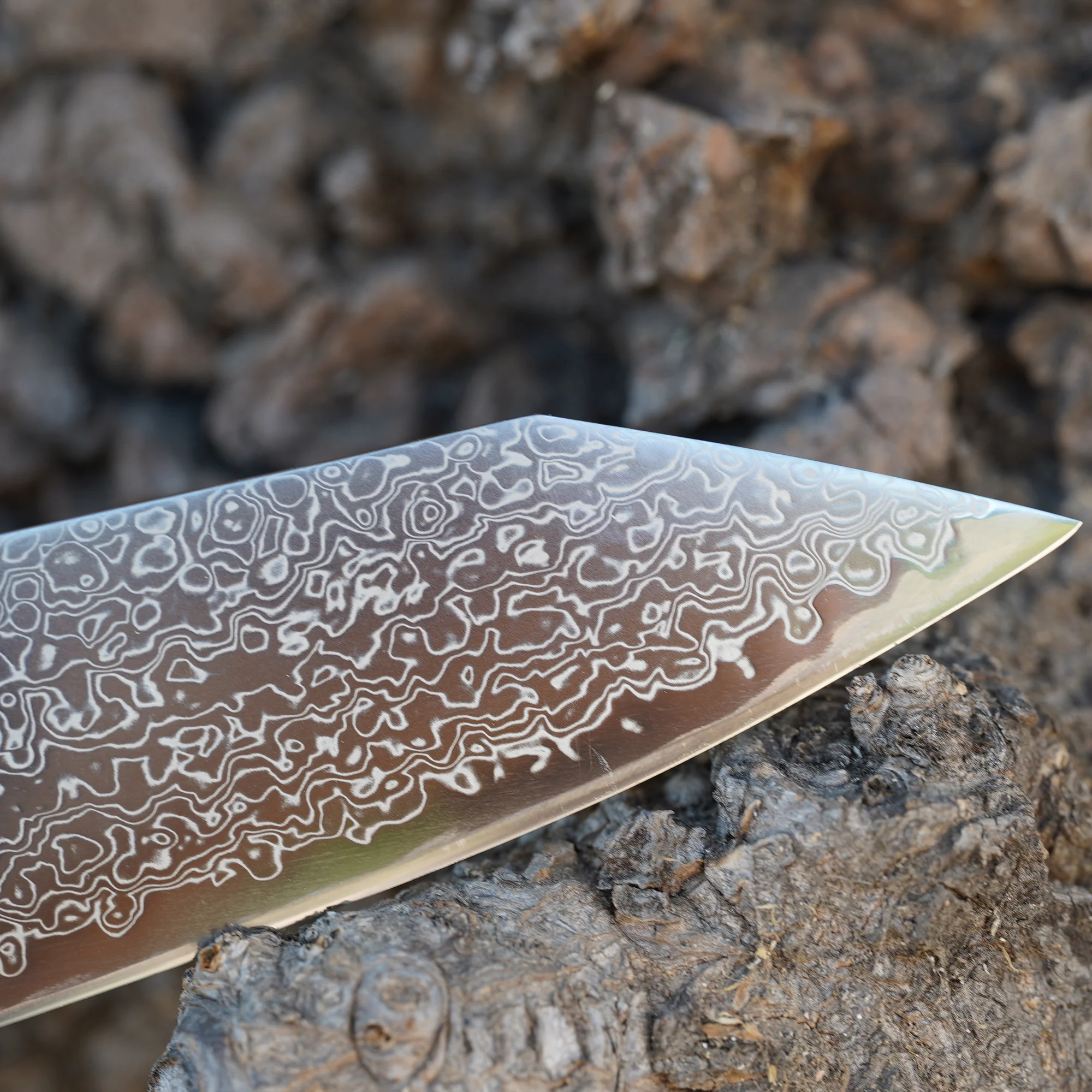
Fraternal twins, or the same steel under two names? R2 and SG2 share the carbon-moly-vanadium recipe of powdered stainless, with a few telling differences.
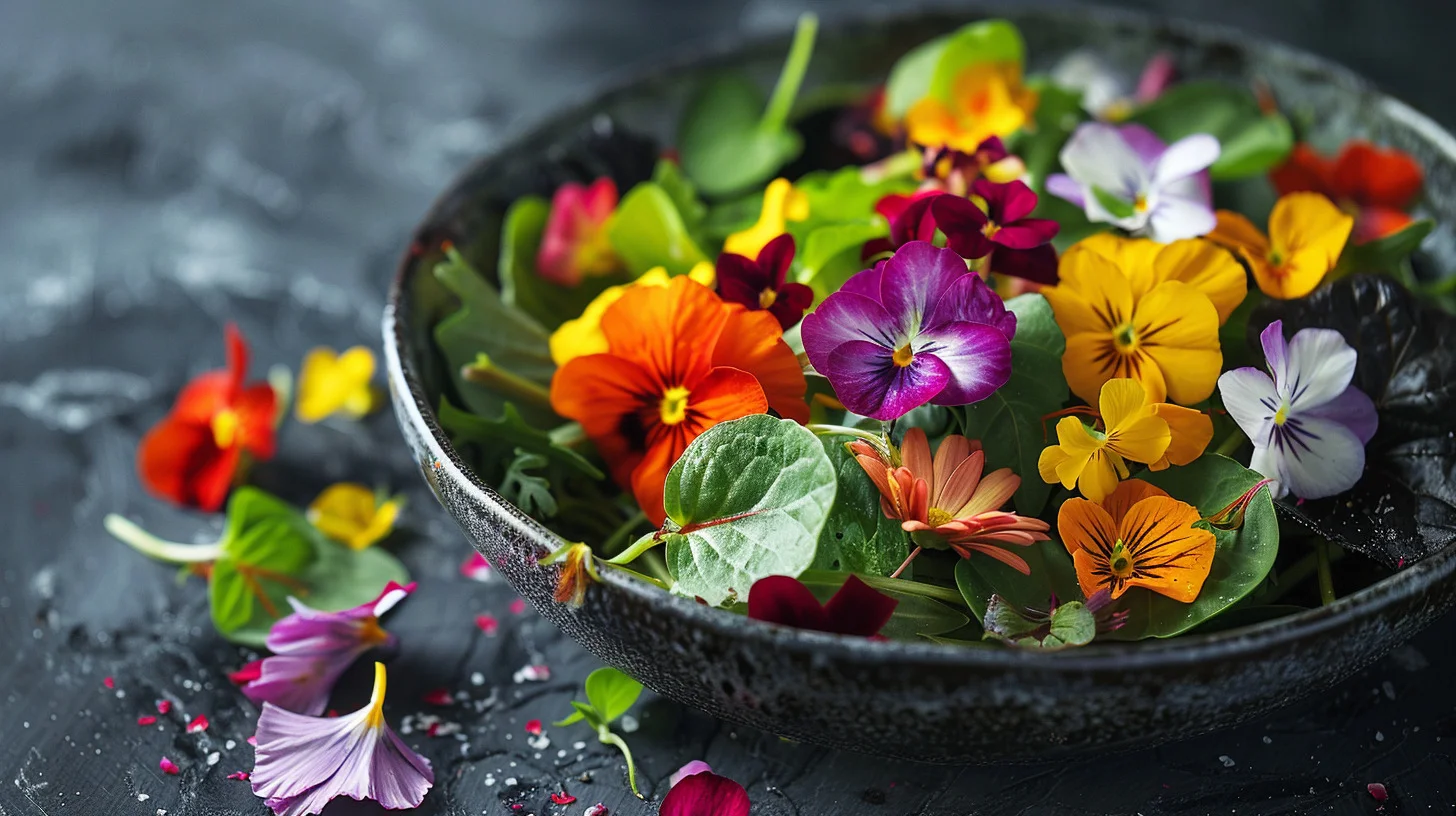
Borage tastes of cucumber, thyme blossoms hit harder than the leaves, lavender sweetens honey. Fifteen edible flowers and what each does on the plate.
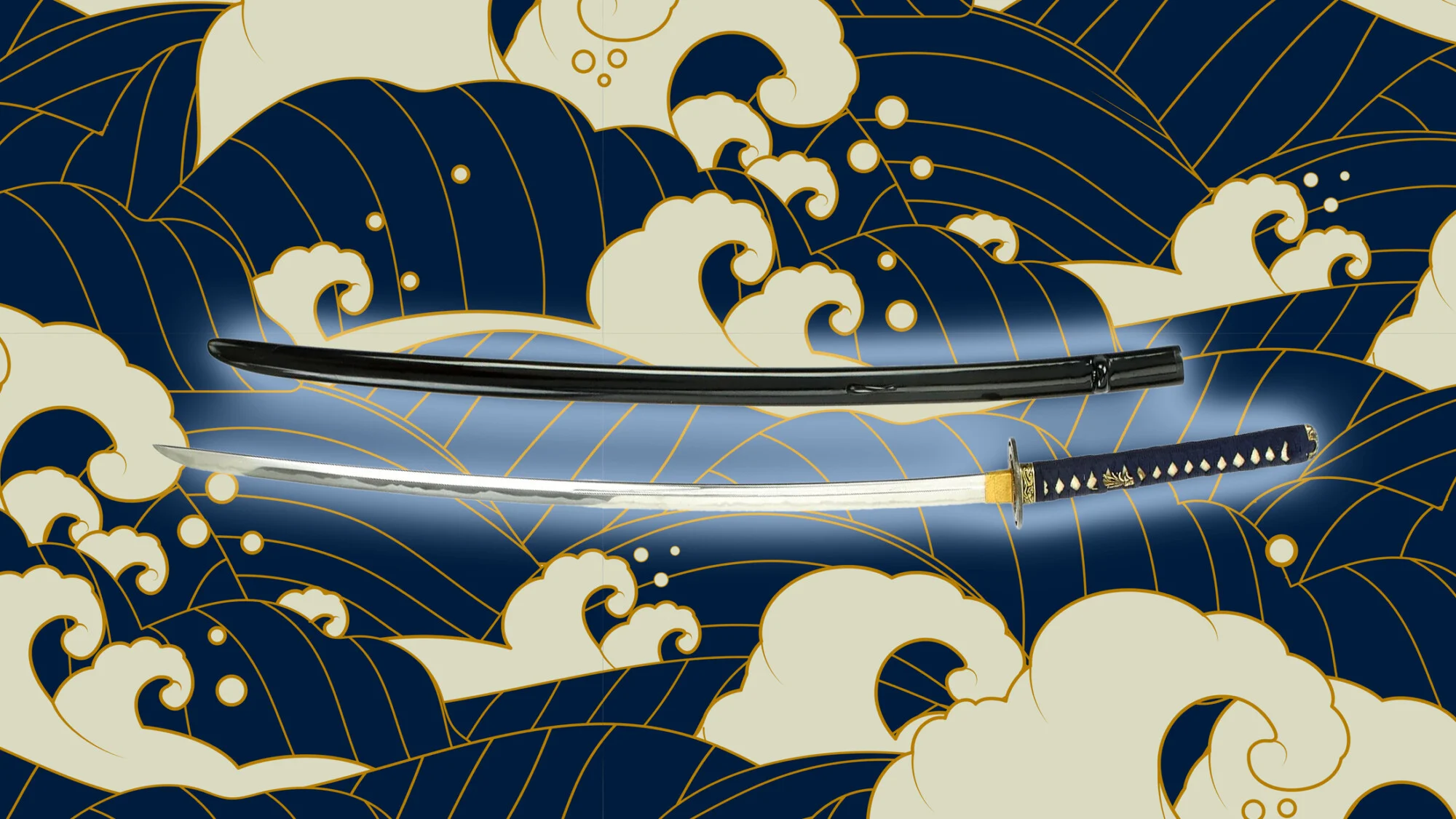
The katana’s curve, or sori, concentrates mass toward the tip for cleaner cuts and spreads impact to resist fractures. Why the blade is shaped this way.
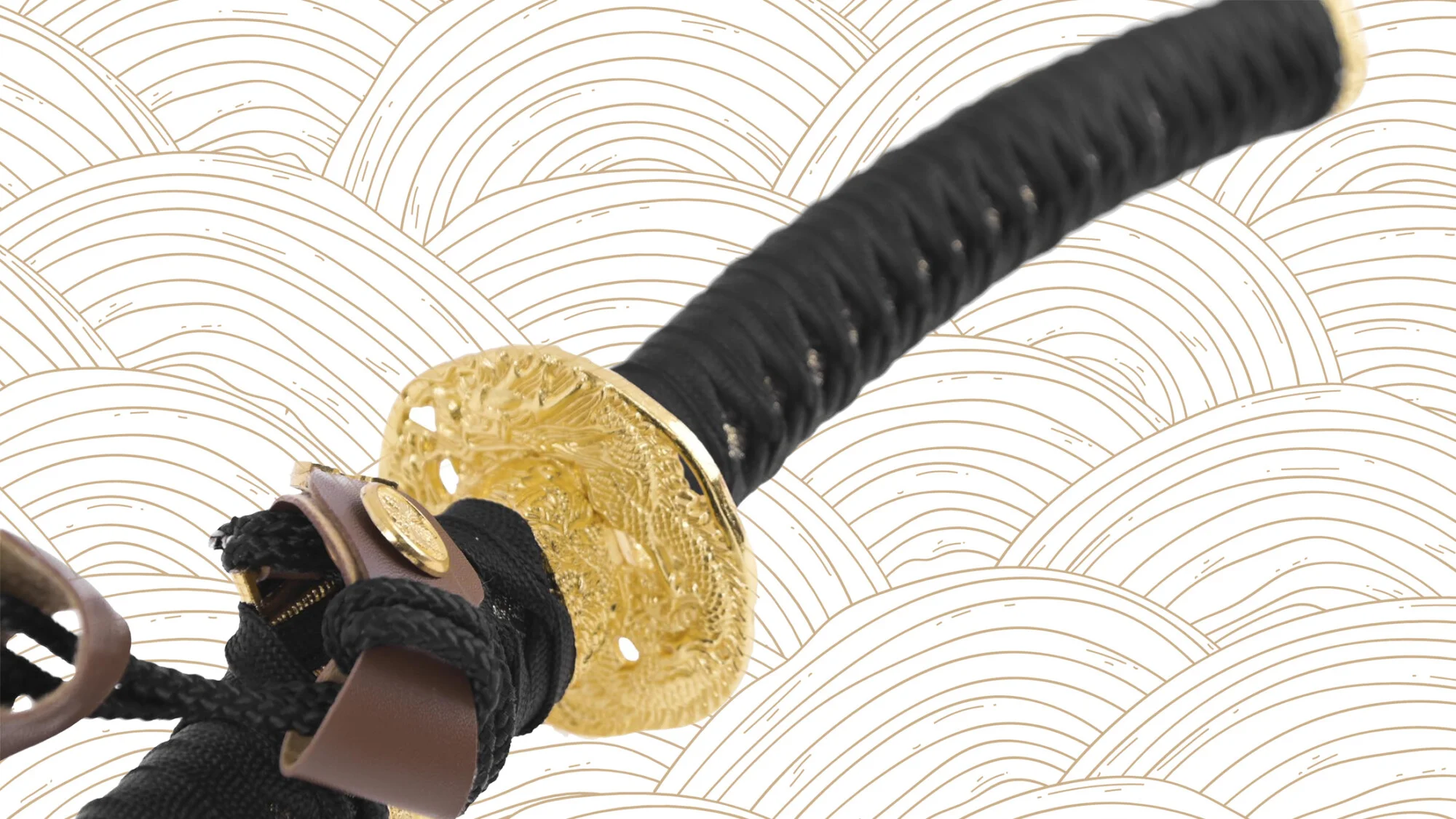
Forged from low-impurity iron sand and folded again and again, a nihonto is closer to ritual than manufacturing. Inside the making of Japan’s costliest blades.
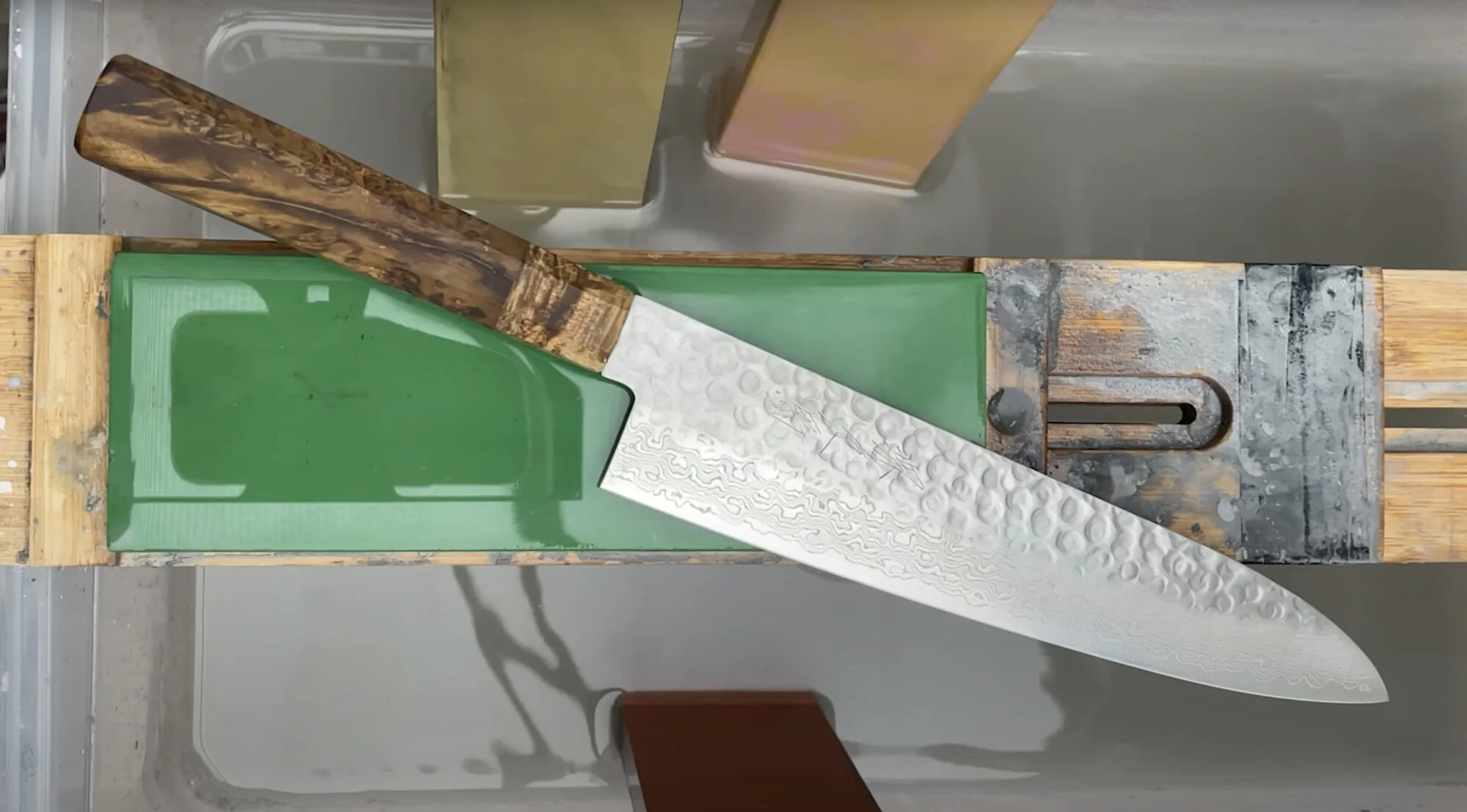
Coarse 400-grit for repair, 8000 for the final polish. A first go at whetstone sharpening, from soaking the stone to the finished edge.
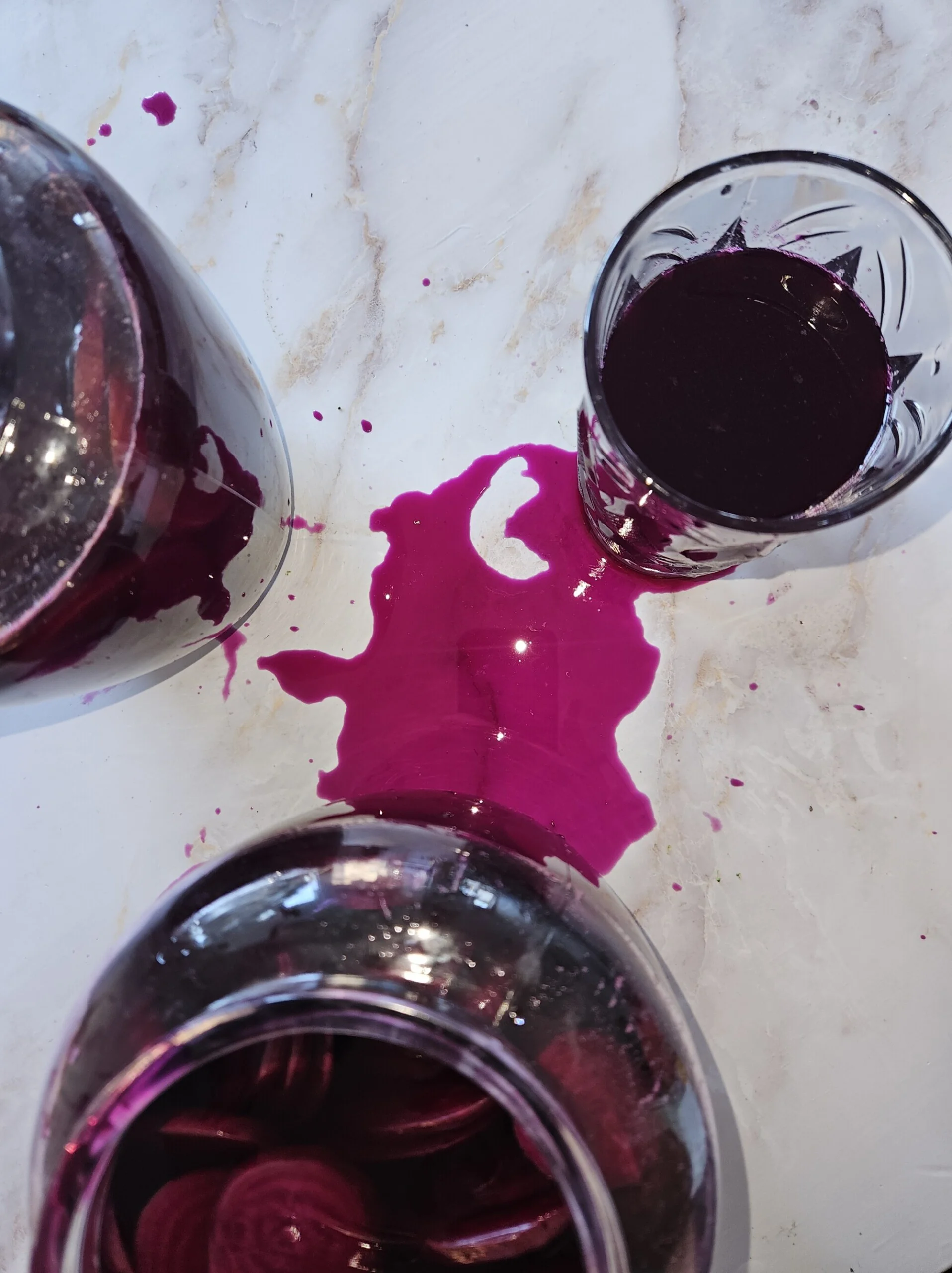
Four beetroots, water, salt and a week on the counter make a tangy, probiotic-rich drink. Here’s the ferment, its betalains, and how to cook with it.
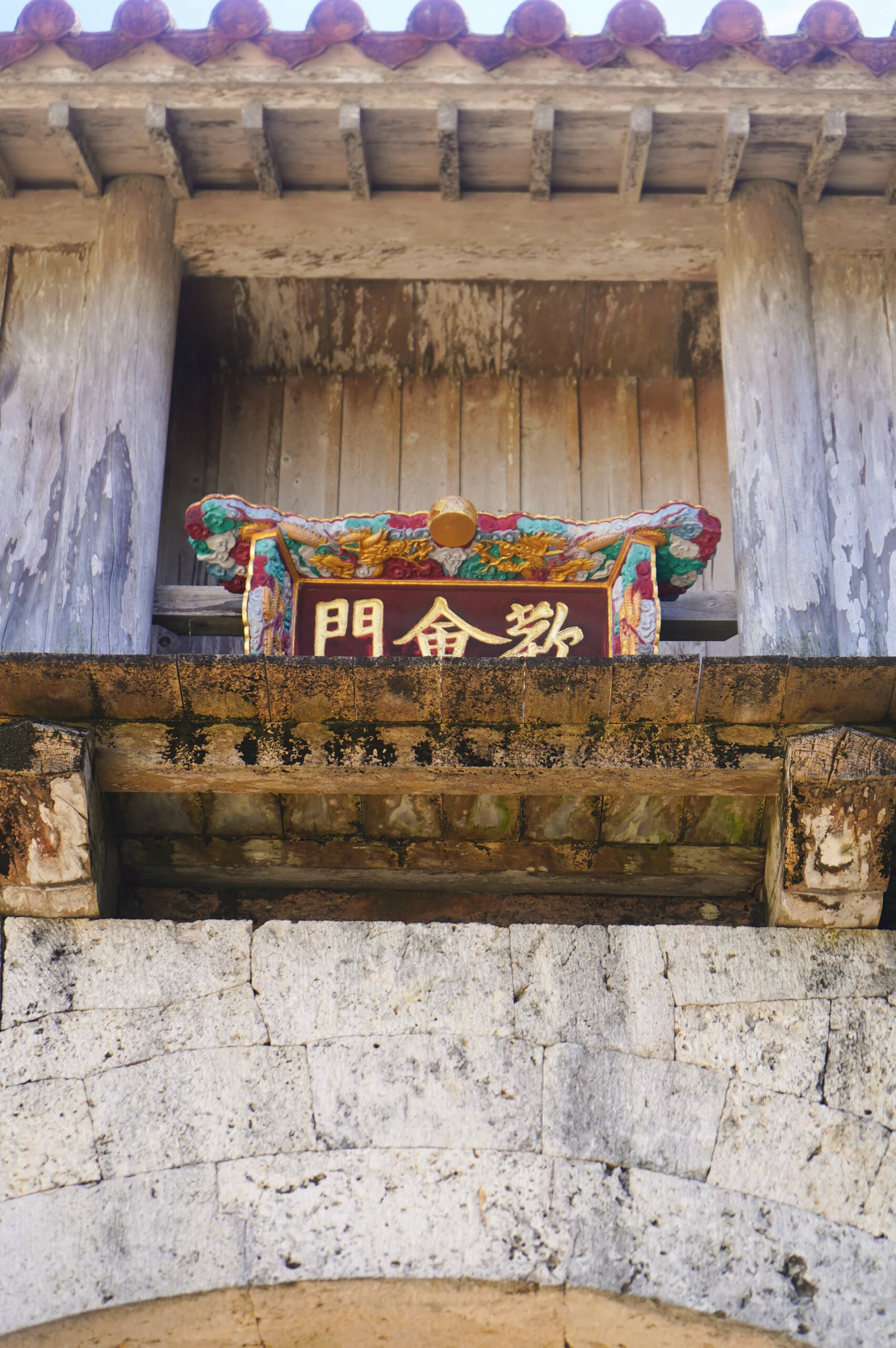
Okinawan food blends Ryukyu Kingdom trade roots with post-war American influence, from Taco Rice and tropical sushi to prized Ishigaki beef.

Nagomi is the Japanese idea of harmony and balance, applied to homes, relationships, and meals. How the principle shapes a calmer everyday life.
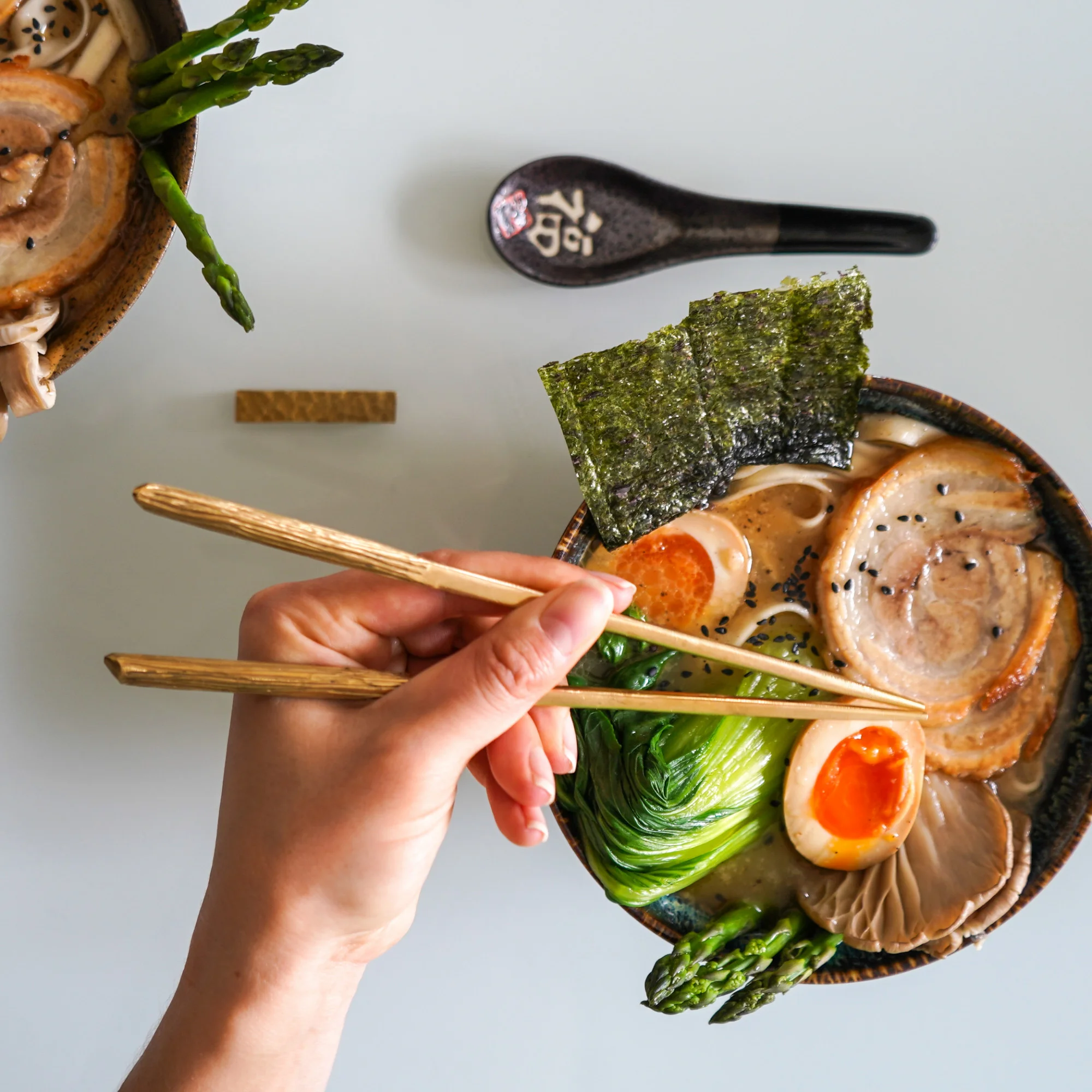
Japanese, Chinese, and Korean chopsticks differ in shape, material, and etiquette. A look at what sets each style apart and the culture behind them.
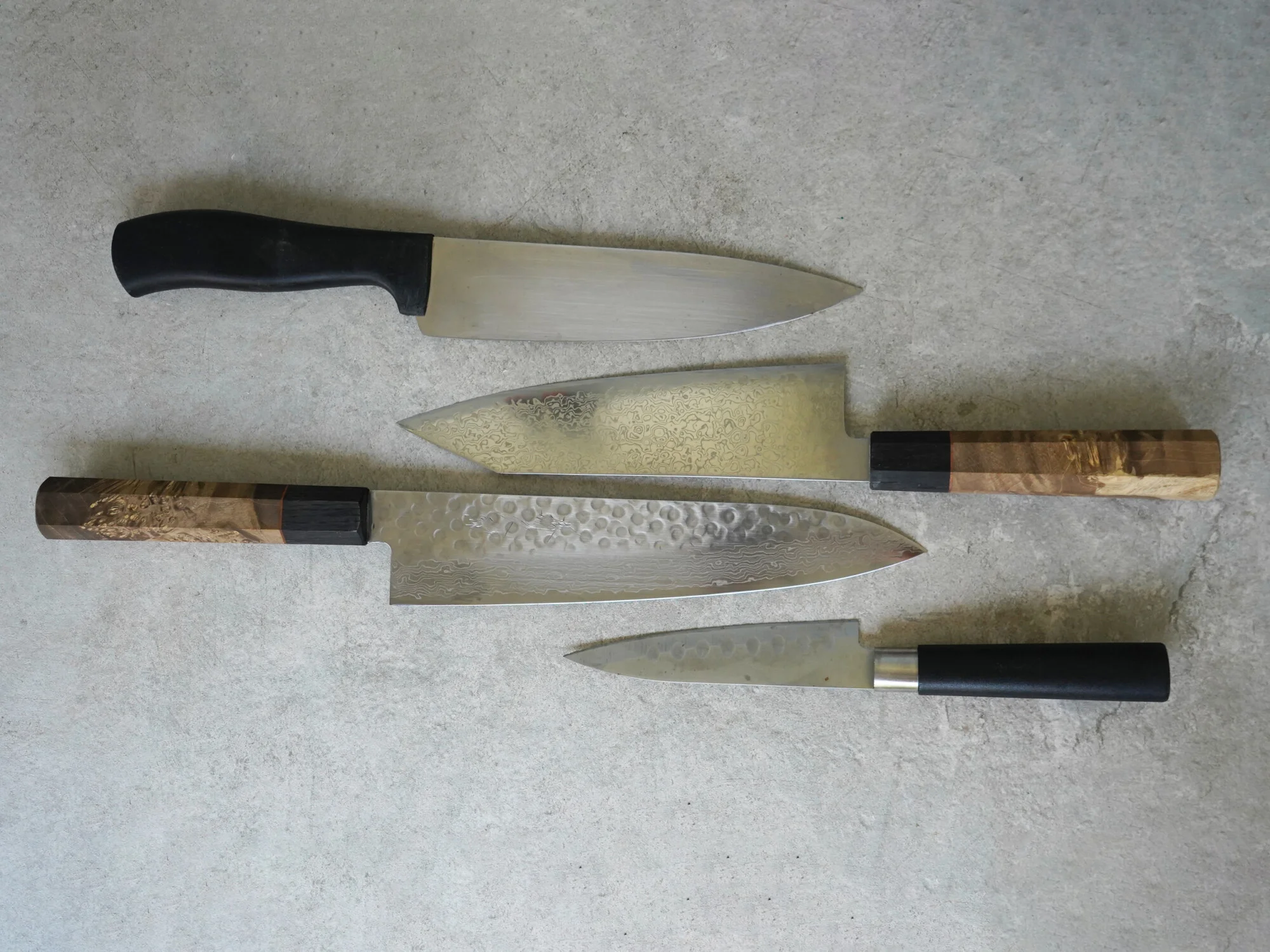
Cheap blades chip, dull within weeks and tire your wrist. The case for spending more, with Oishya’s Sakai Kyuba damascus as the counter-example.
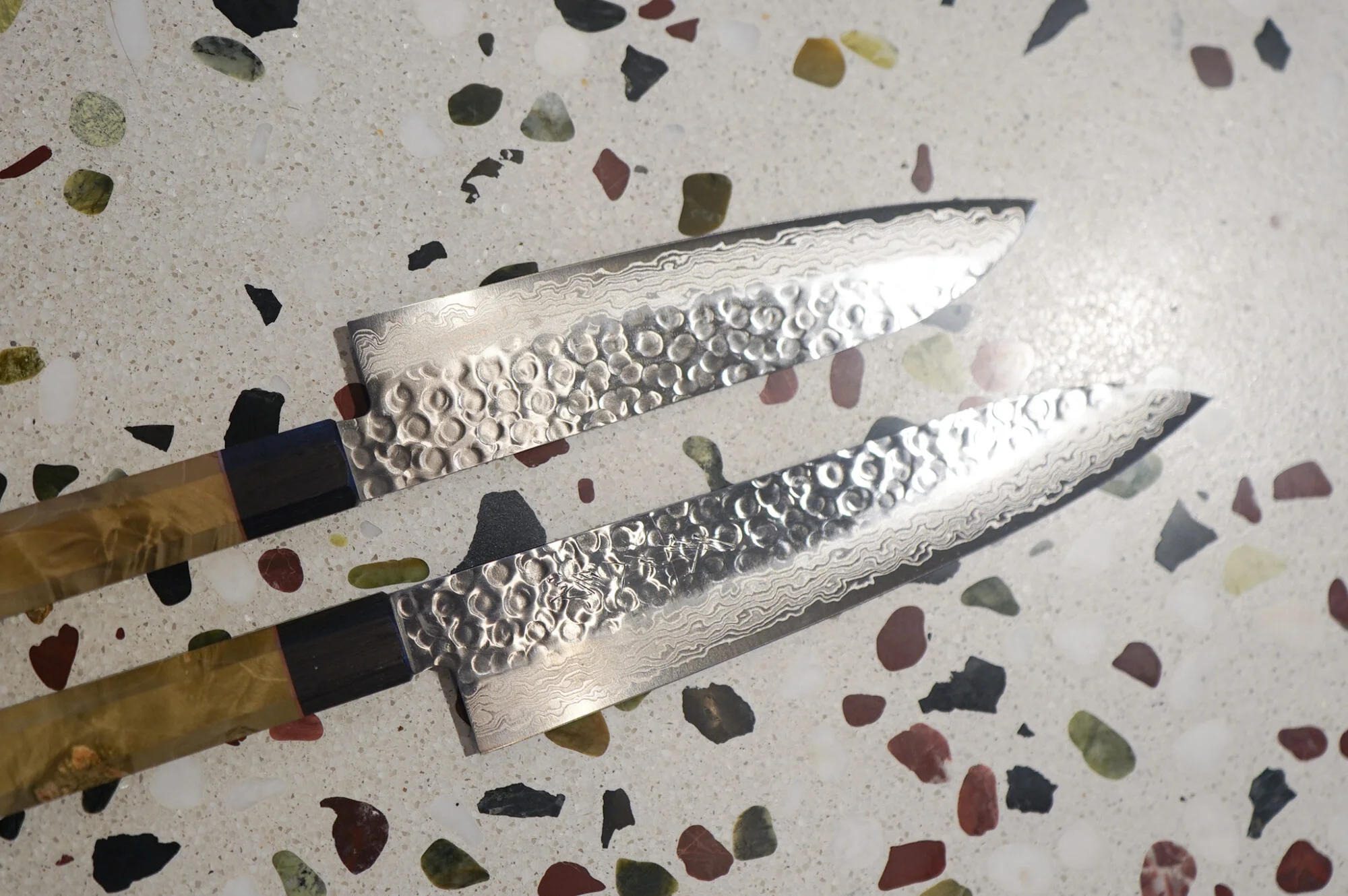
Santoku means ‘three virtues’: slice, dice, mince. Why it makes a sane first Japanese knife, and what to check in weight, balance and handle feel.

Five reasons cooking together as a family matters, from strengthening bonds and building knife skills to teaching responsibility and healthy eating habits.

Can pregnant women eat sushi? Cooked rolls are generally fine, but raw fish and high-mercury species like swordfish are best avoided.
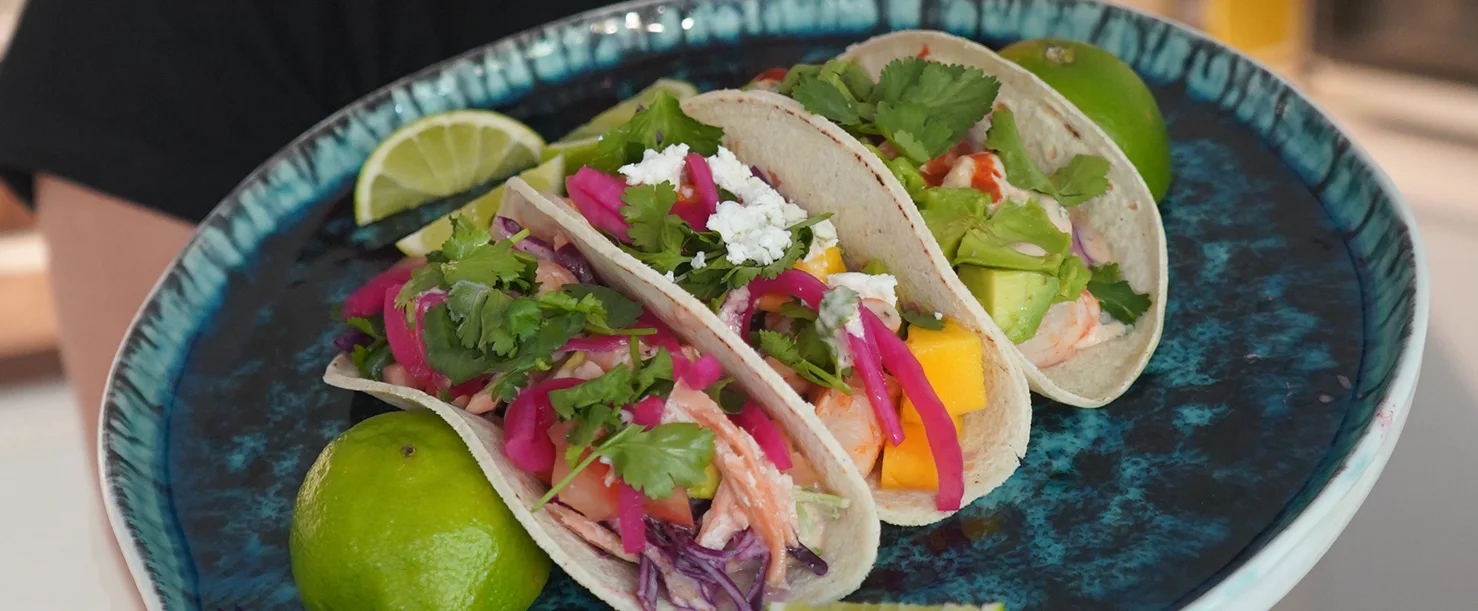
Fish tacos with seasoned white fish and prawns on corn tortillas, topped with cabbage, avocado and a spicy lime crema sauce.
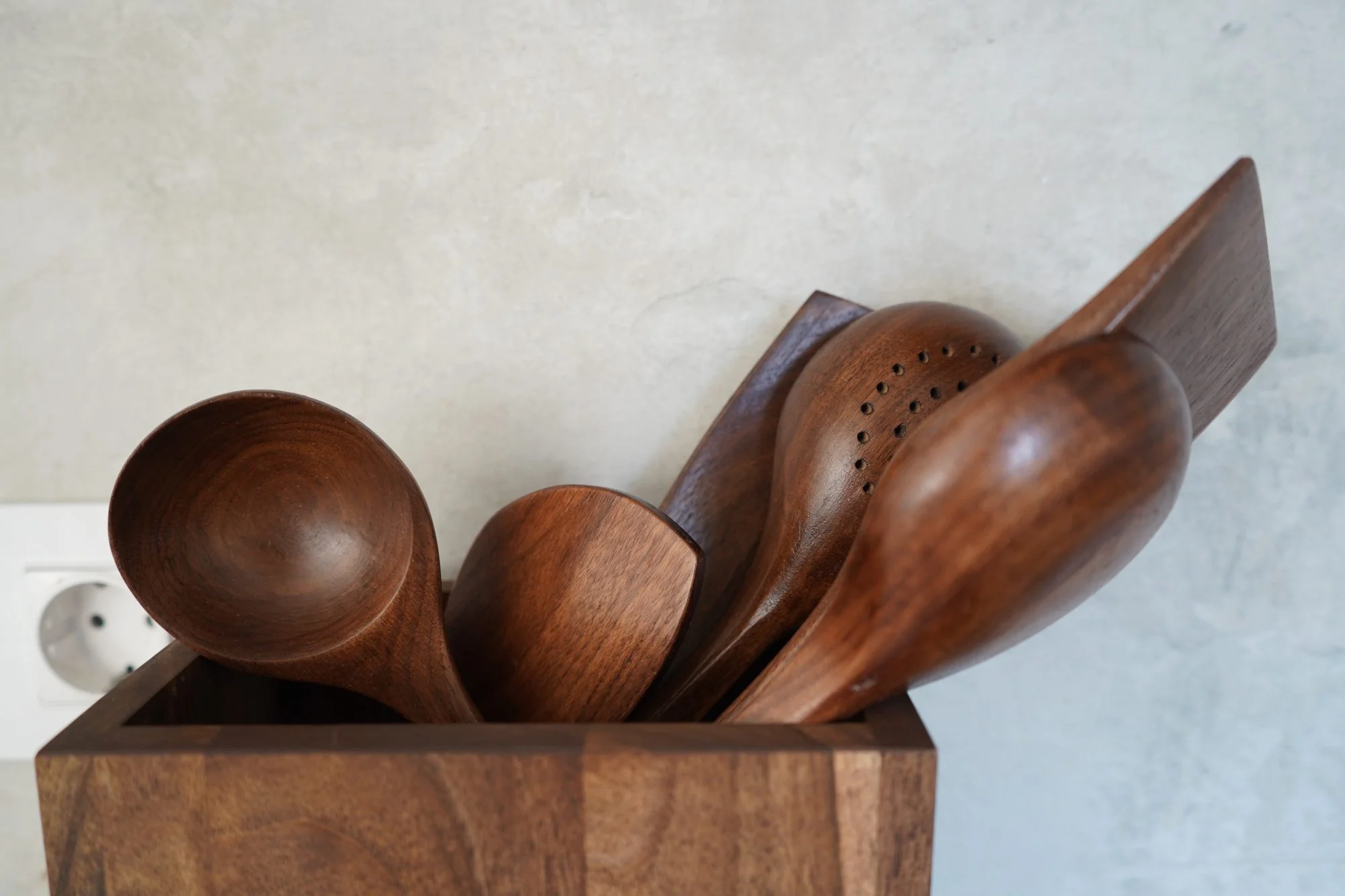
Five reasons to cook with wooden spoons: they resist heat, stay non-reactive with acidic foods, and don’t harbour bacteria the way myths claim.
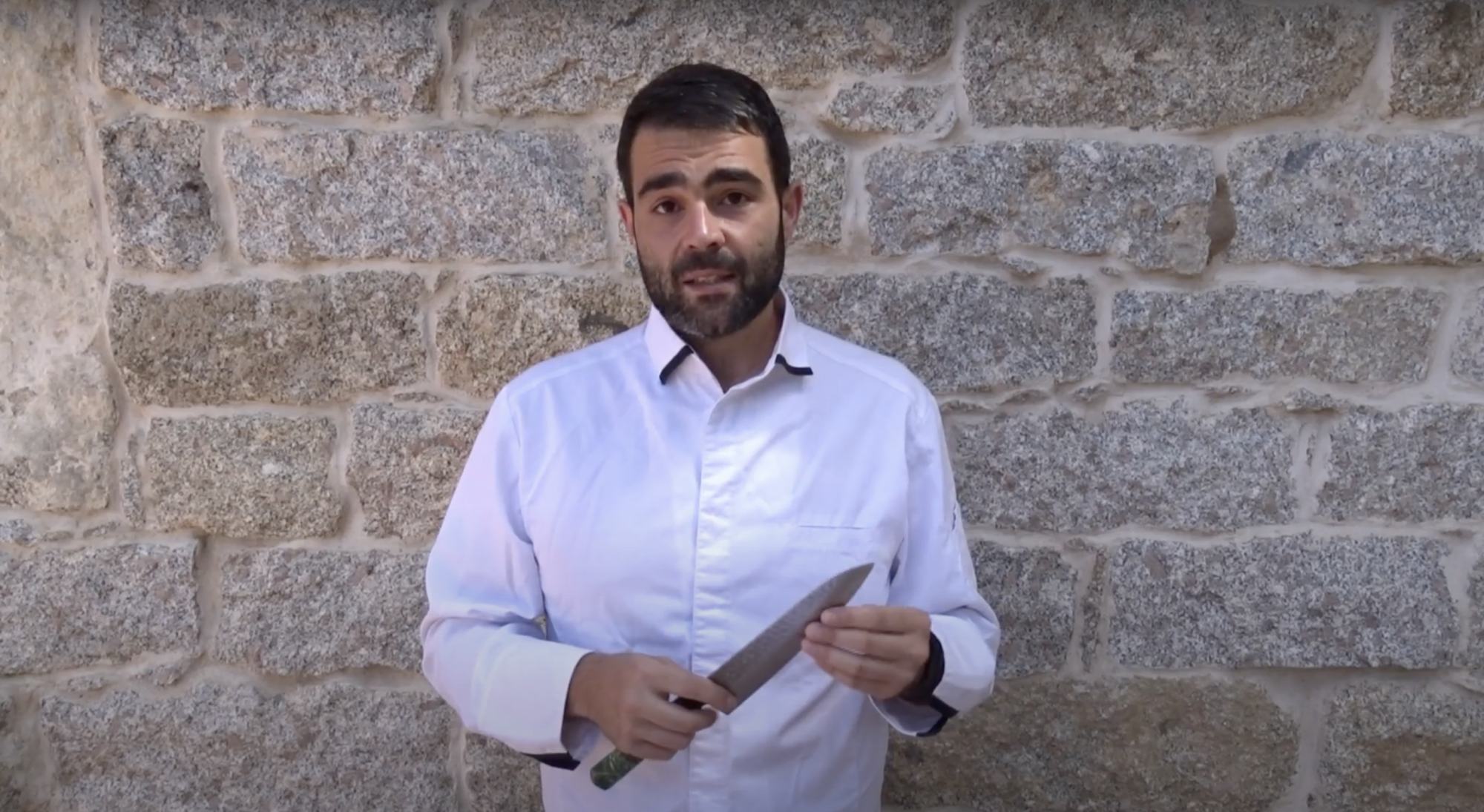
Paris chef Fulvio Pischedda demonstrates how to hold a knife, use the claw grip, and master the julienne and brunoise cuts.
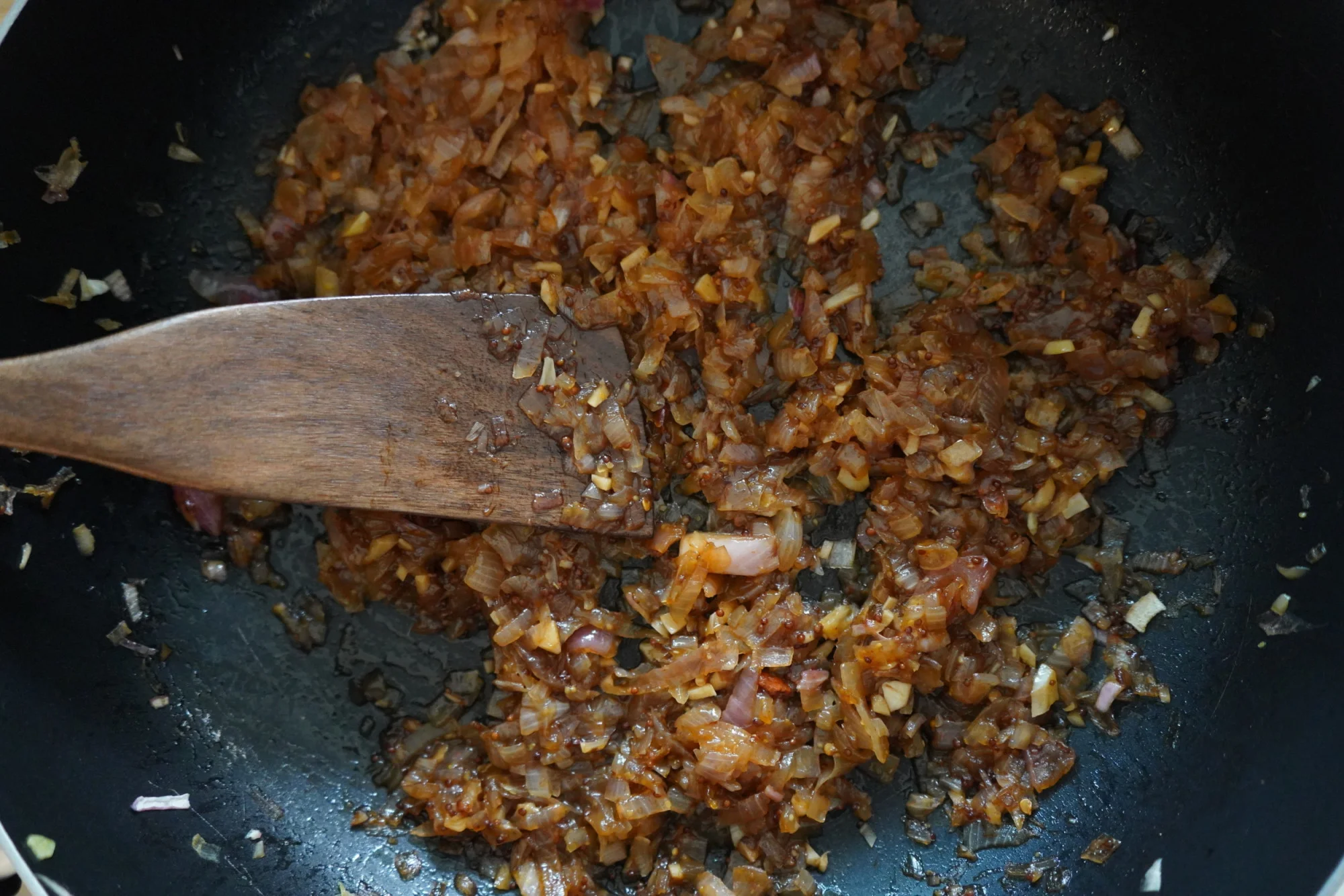
A sweet and sticky caramelised onion chutney recipe that makes one litre, ideal alongside any cheeseboard, and keeps for six to twelve months.
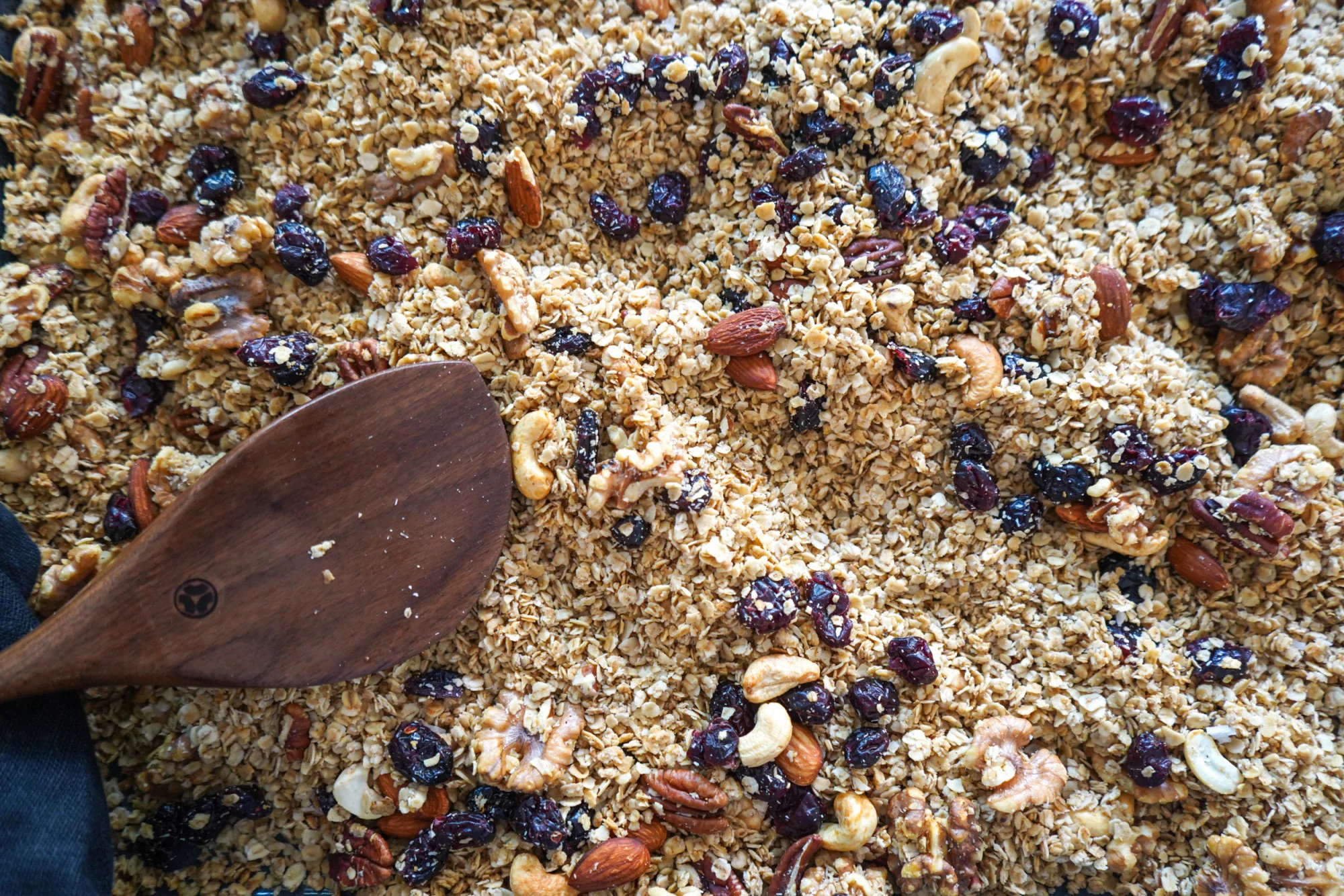
A simple homemade granola recipe with rolled oats, nuts, coconut oil and honey, plus baking and storage tips for clumpy, golden clusters.

Homemade face masks for wrinkles and blackheads using yoghurt, honey, coconut oil, lemon, citrus and egg white with aloe, plus moisturising advice.
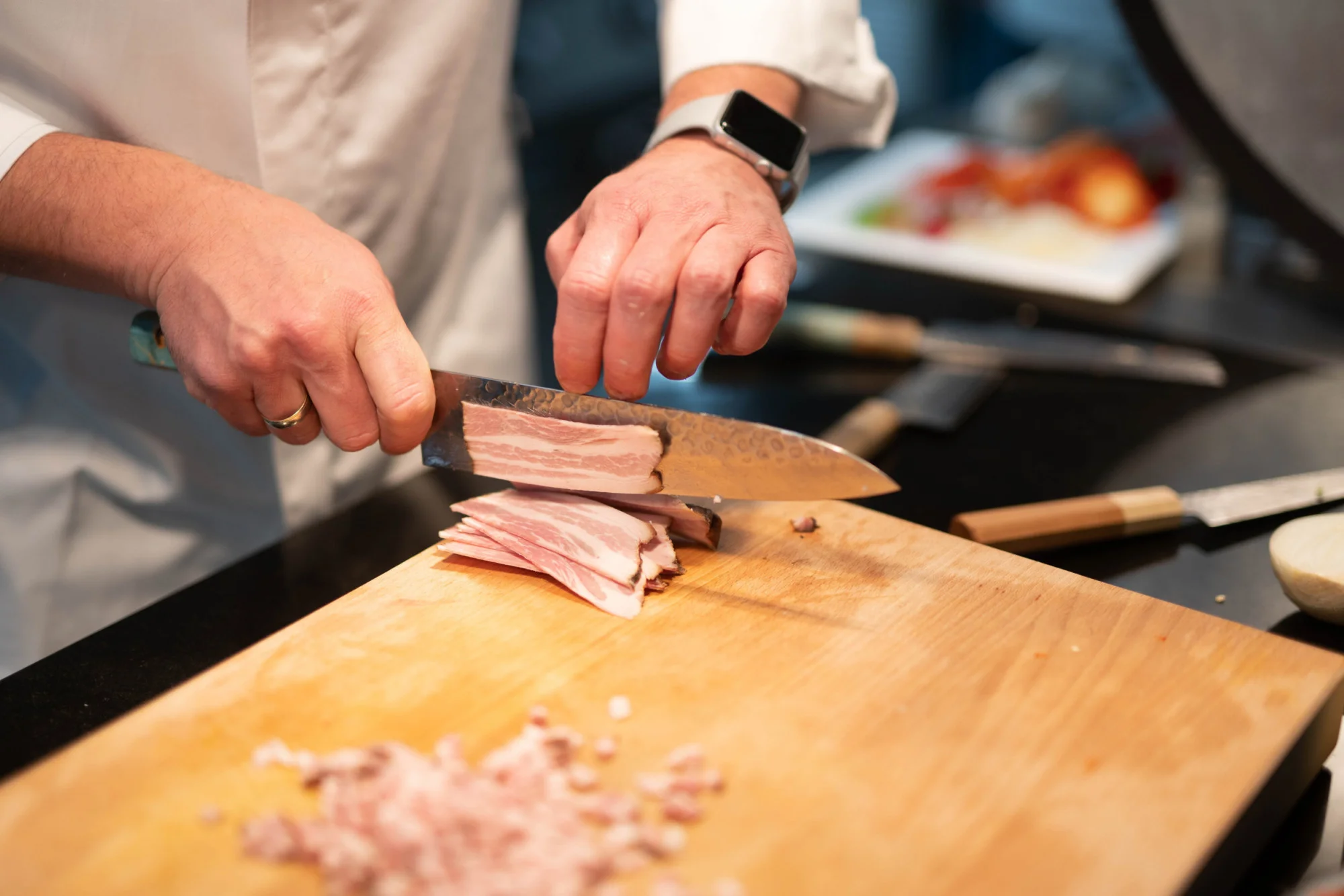
Five knife hacks for cleaner cutting, using the spine to scoop food, matching the knife to the task, and pinching the blade for control.
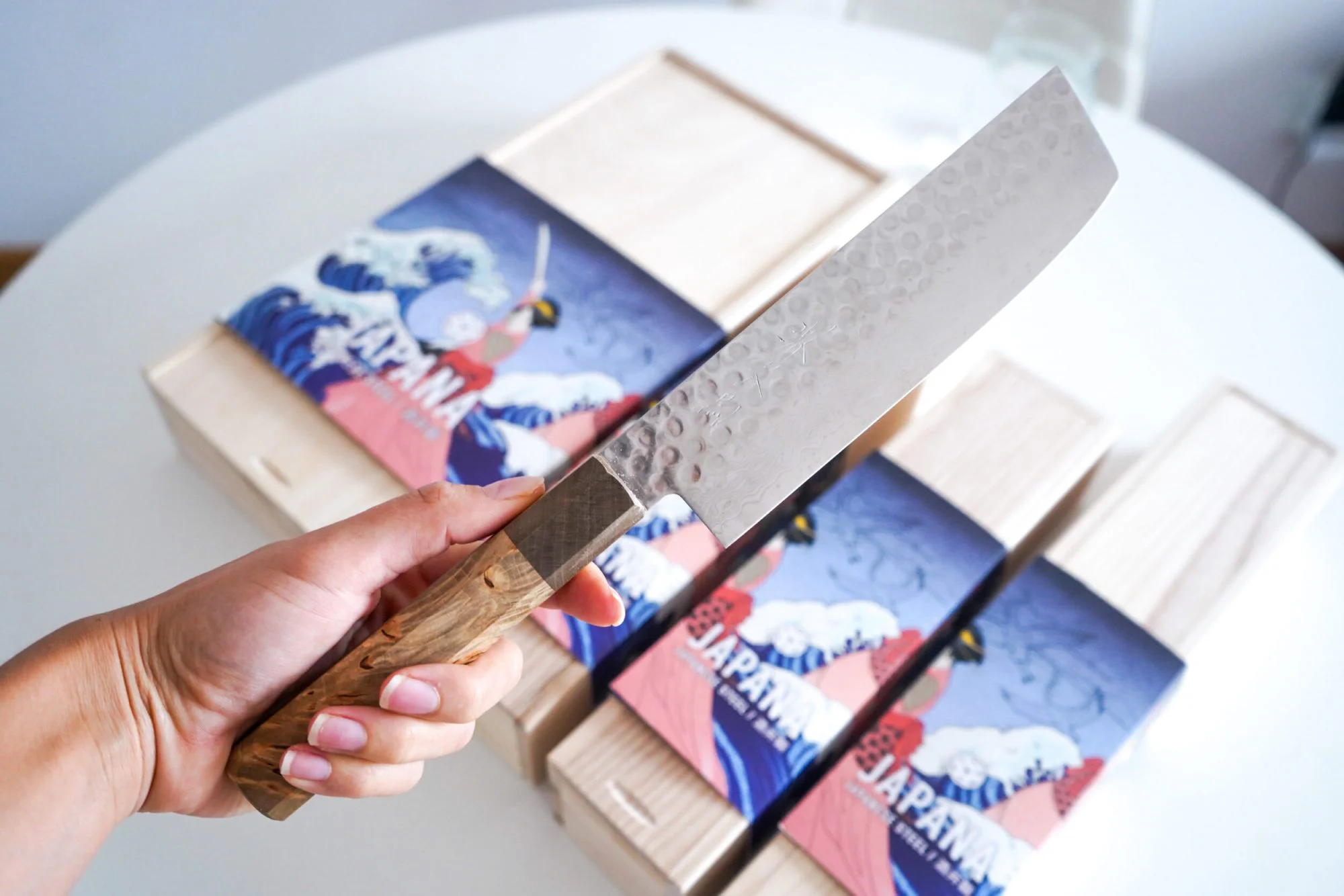
Twelve kitchen tools worth owning, starting with two good knives and a sharpening stone, then a wooden spoon, scissors, pans and a saucepan.
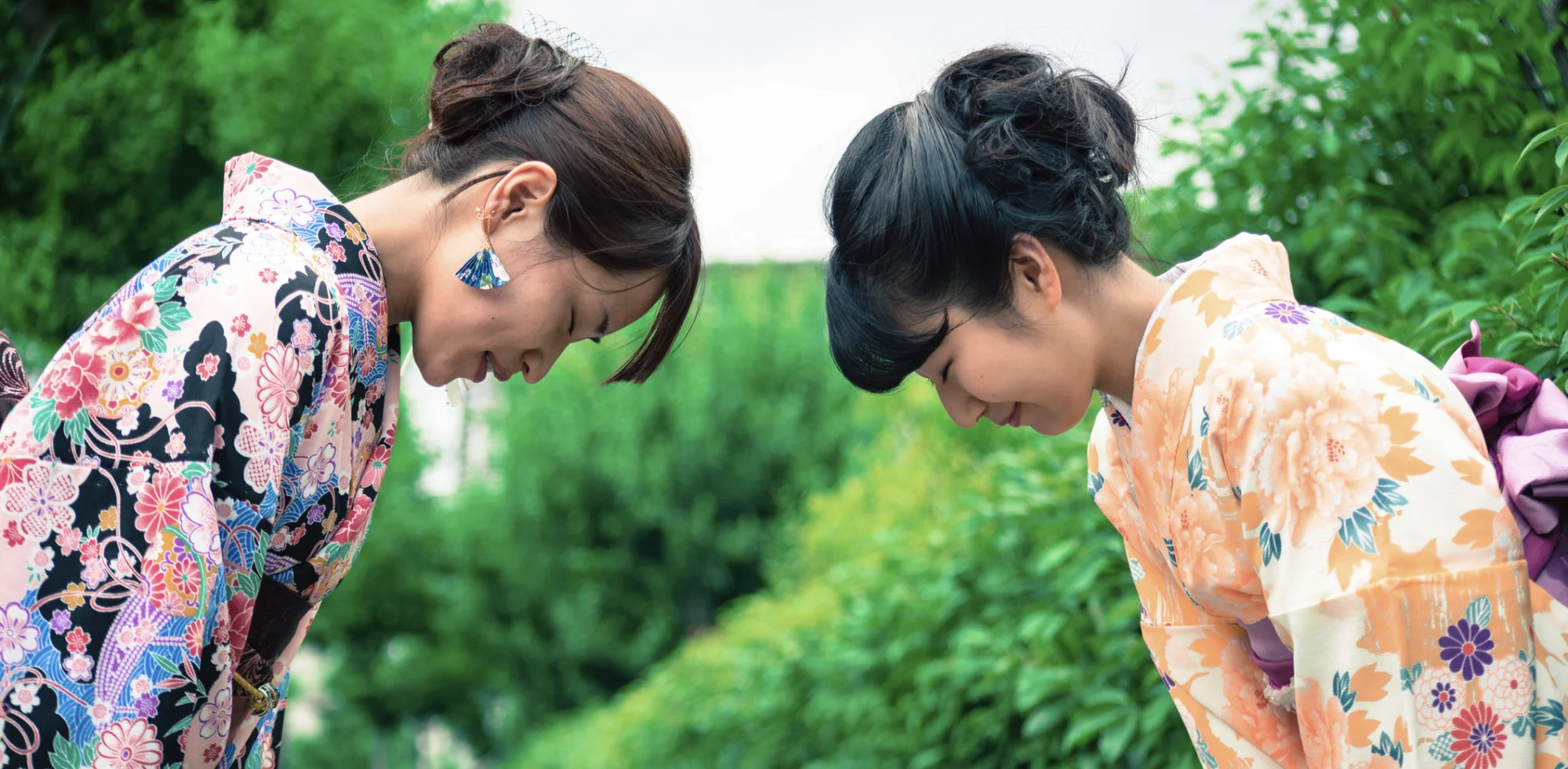
Personal habits that trip up foreigners in Japanese business, from handshakes and nose-blowing to small talk that the other side won’t return.
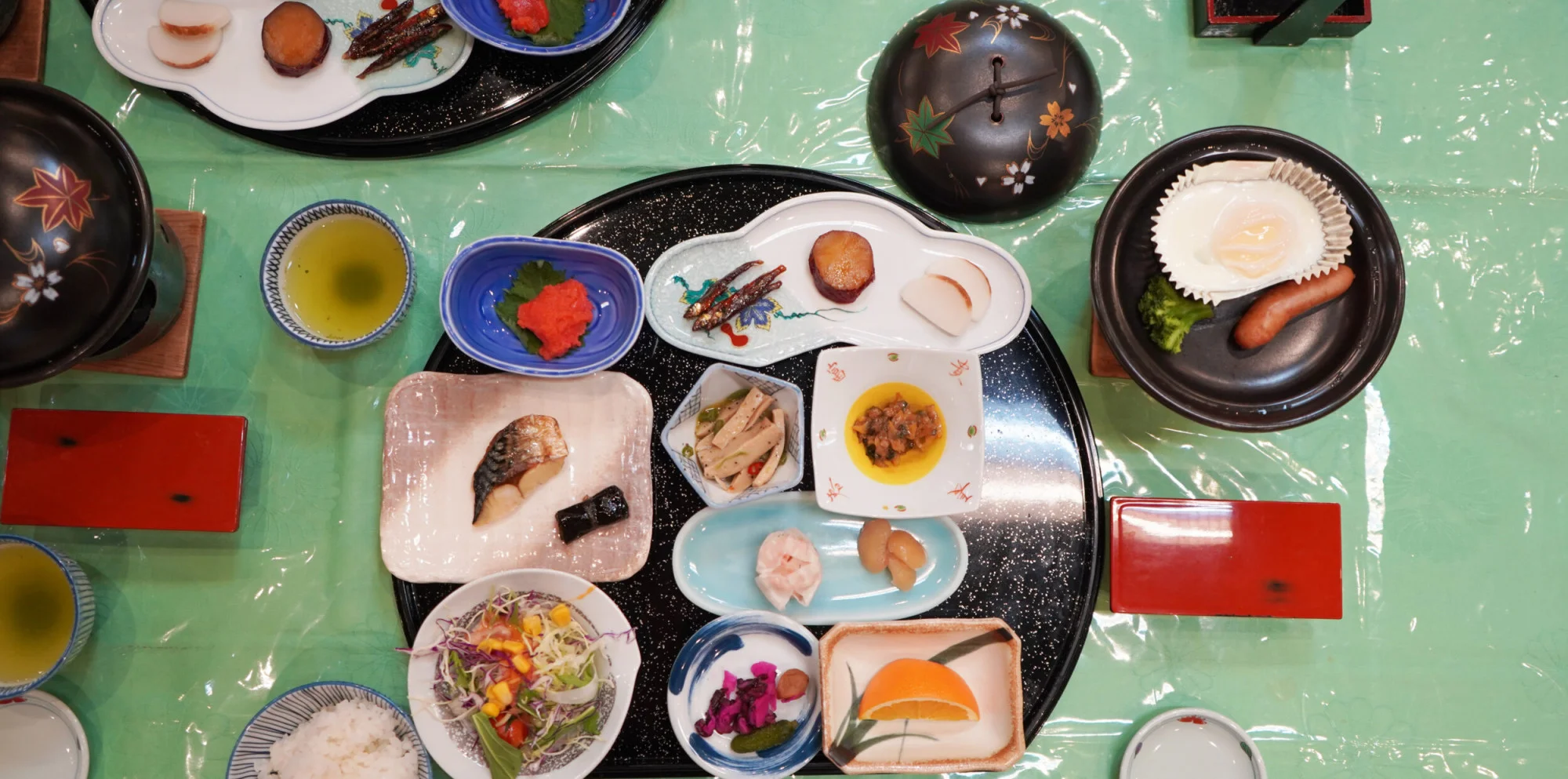
Macrobiotics is a Japanese diet of balance built by George Ohsawa, favouring whole grains, organic seasonal produce and yin and yang foods.