How to cook steak well and the mistakes that ruin it, from underseasoning and stabbing the meat to forgetting how thick a steak should be.


How to cook steak well and the mistakes that ruin it, from underseasoning and stabbing the meat to forgetting how thick a steak should be.

Best-before is a suggestion; expiry is the one to obey, and leftovers go after four days. A step-by-step fridge reset that cuts food waste.
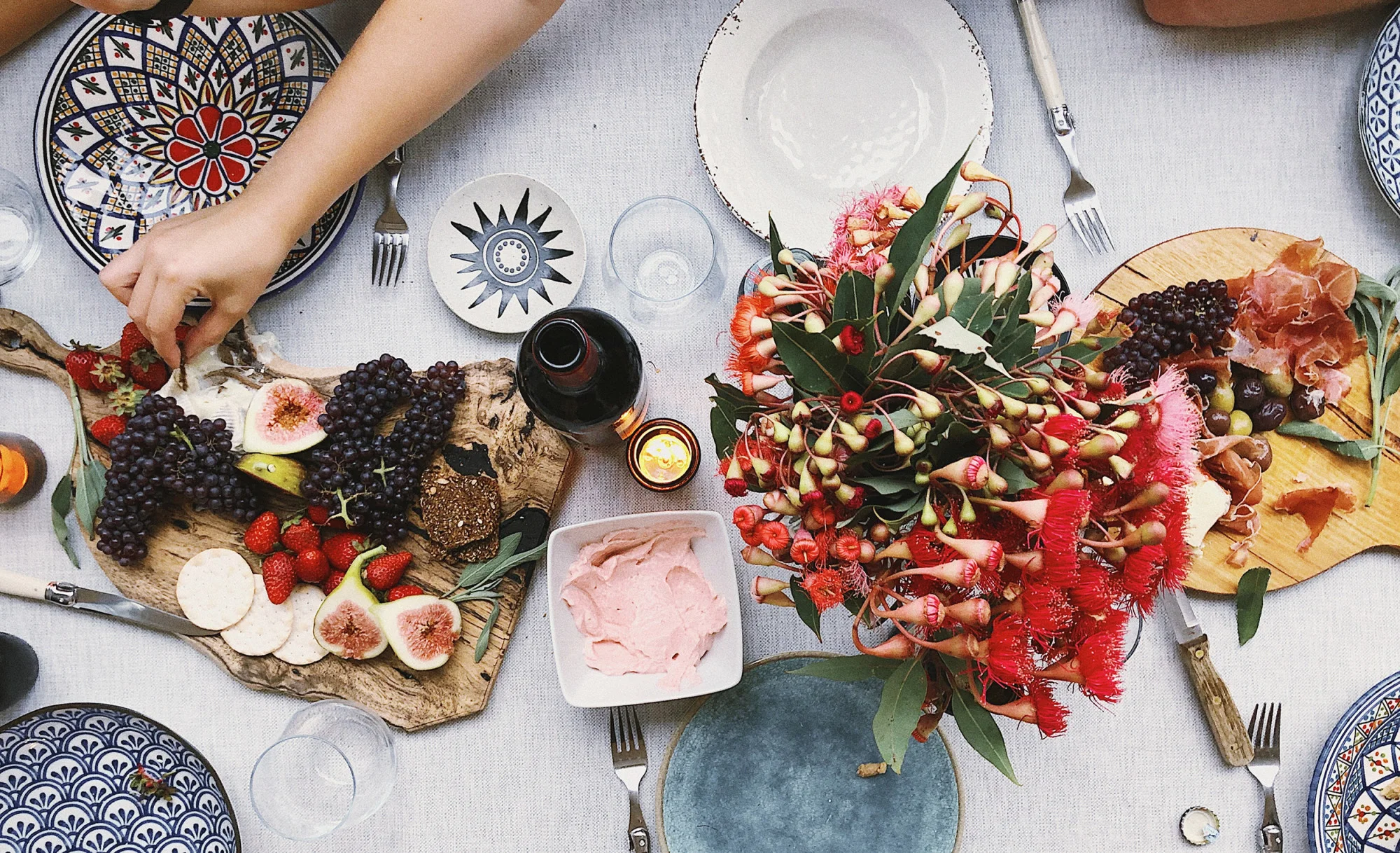
A practical timeline for hosting a dinner party, from the guest list two weeks out to lighting candles and pouring water before guests arrive.
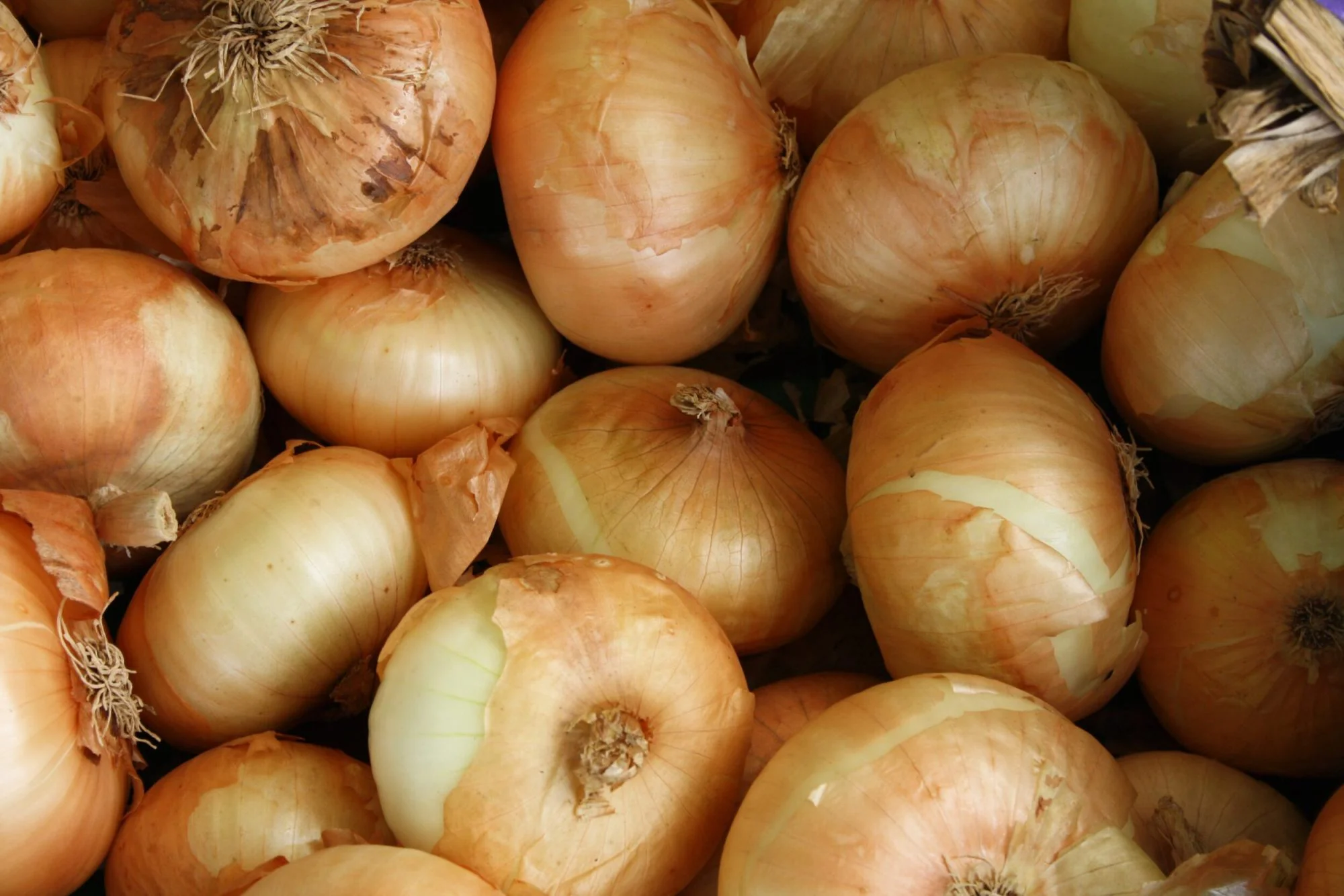
Why onions make you cry comes down to a sulphur compound that turns to acid near your eyes, plus tricks like a fan, freezing and cutting the root.
Sake, a knife set forged by the same methods as 1,000-year-old katanas, a sushi kit and brass chopsticks. Ten Japan-inspired gifts for him.
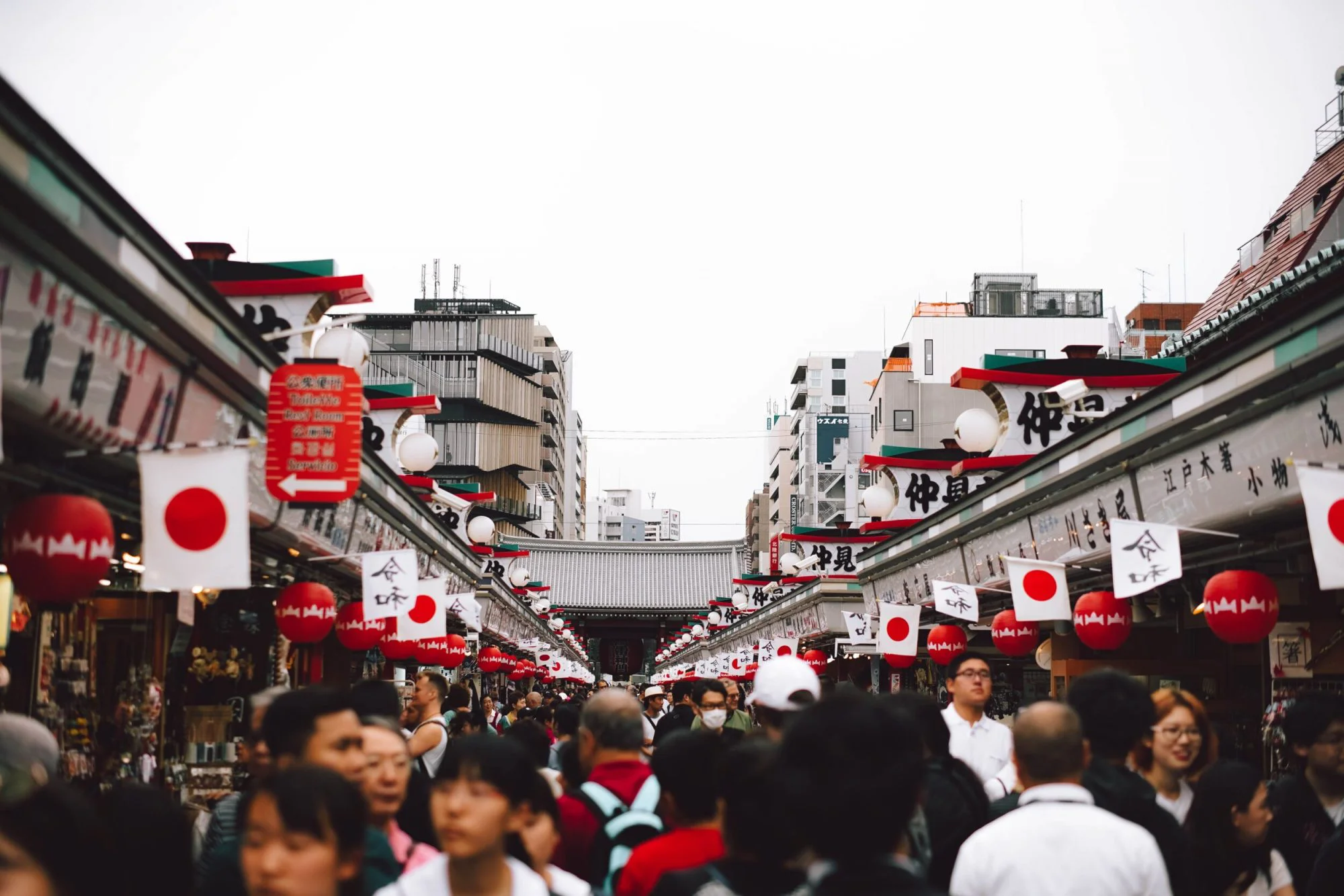
How Japanese business meetings run, from seating by rank and tight timings to interpreters, confirmation calls and slides translated into Japanese.
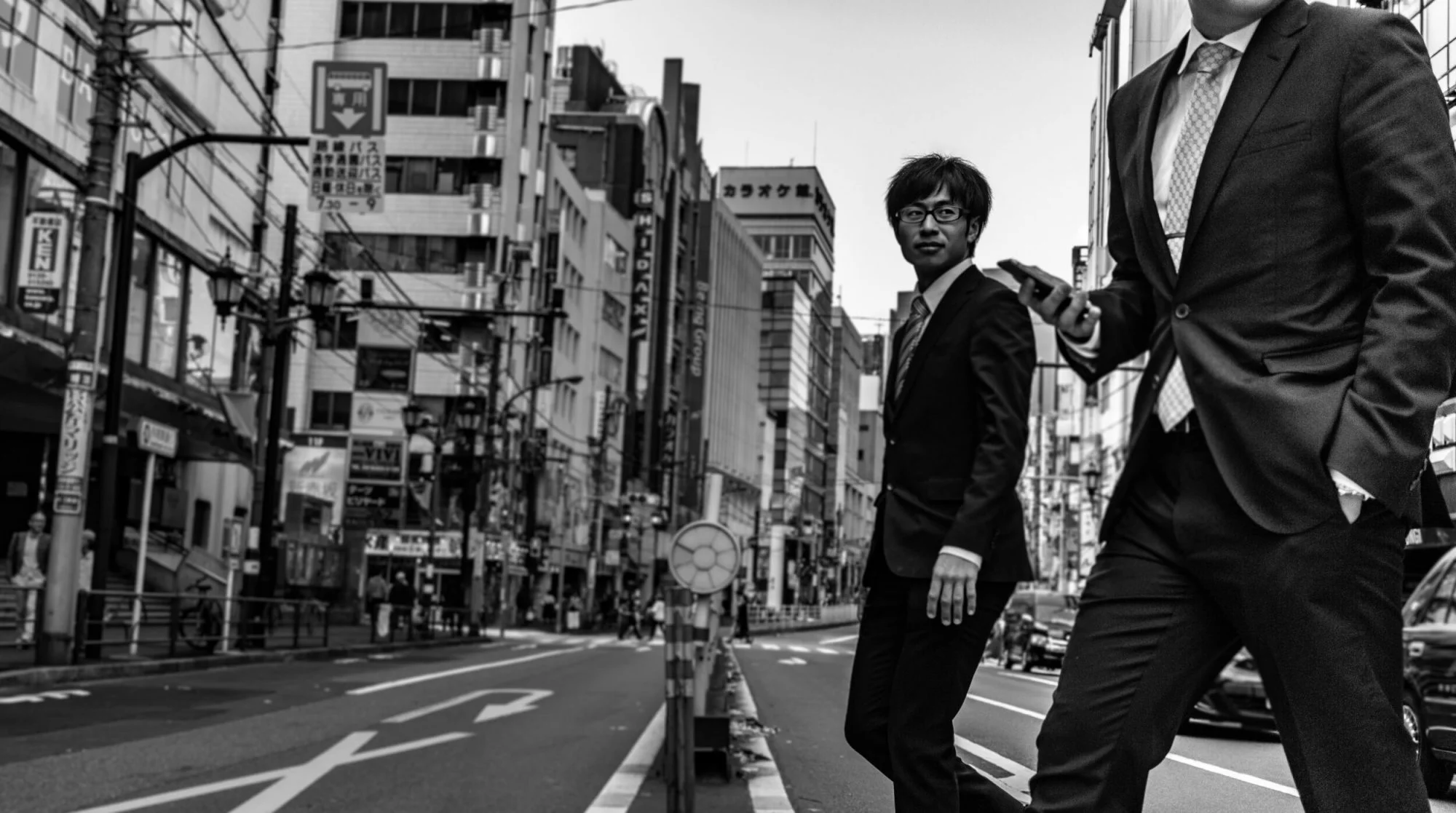
A black suit with a white shirt reads as funeral attire in Japan. Seasonal suit colours, winter coats, and separate rules for men and women.
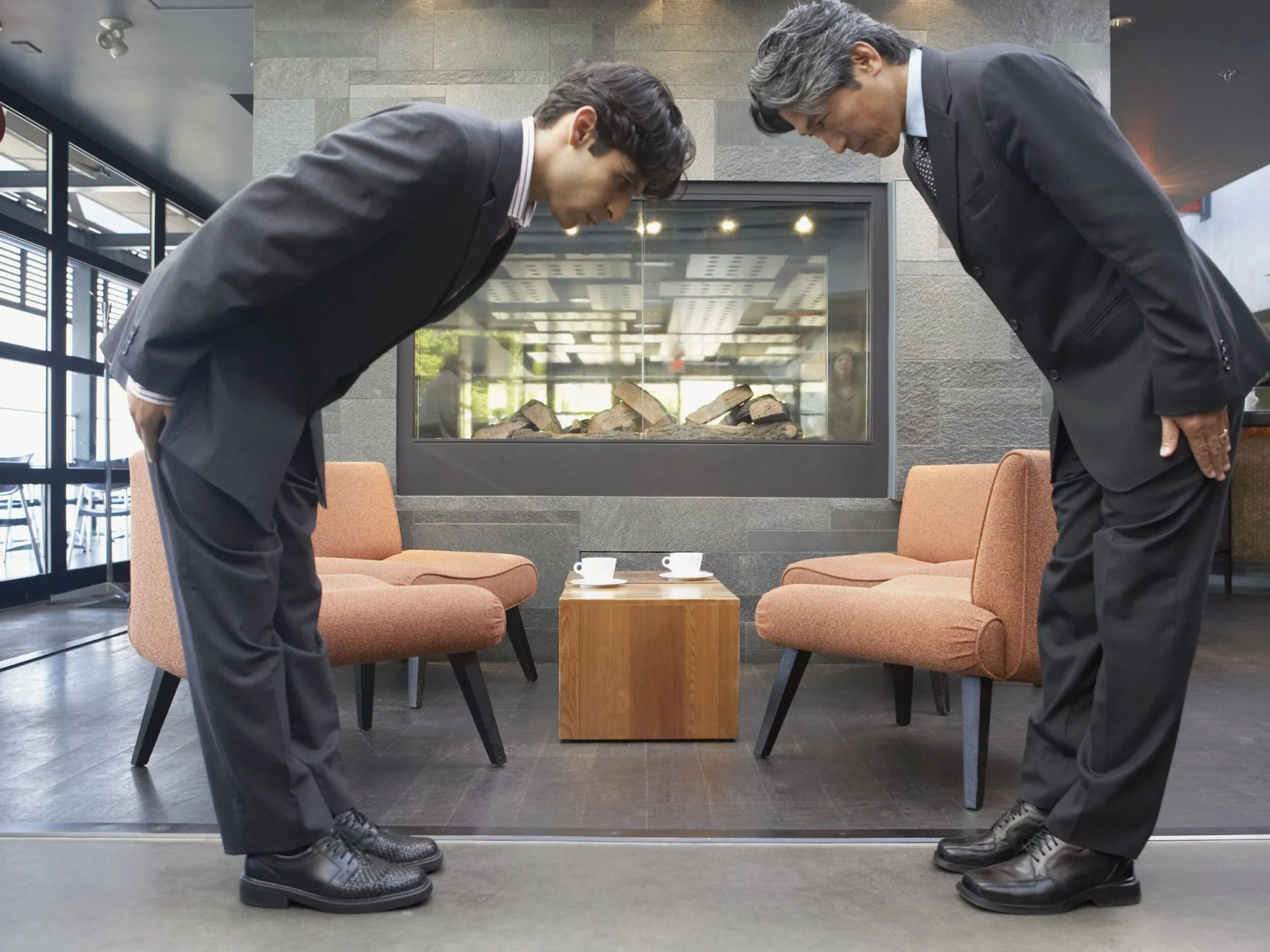
How greetings and bowing work in Japanese business, where first meetings run formal and foreign executives are usually judged more leniently.
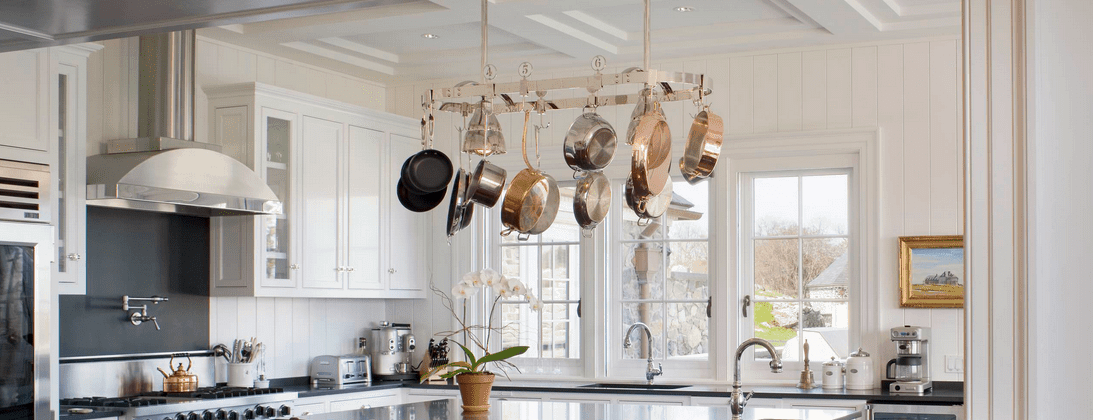
Ten storage ideas for cramped kitchens, from magnetic knife racks and cabinet-top bins to floating spice strips and islands with built-in drawers.
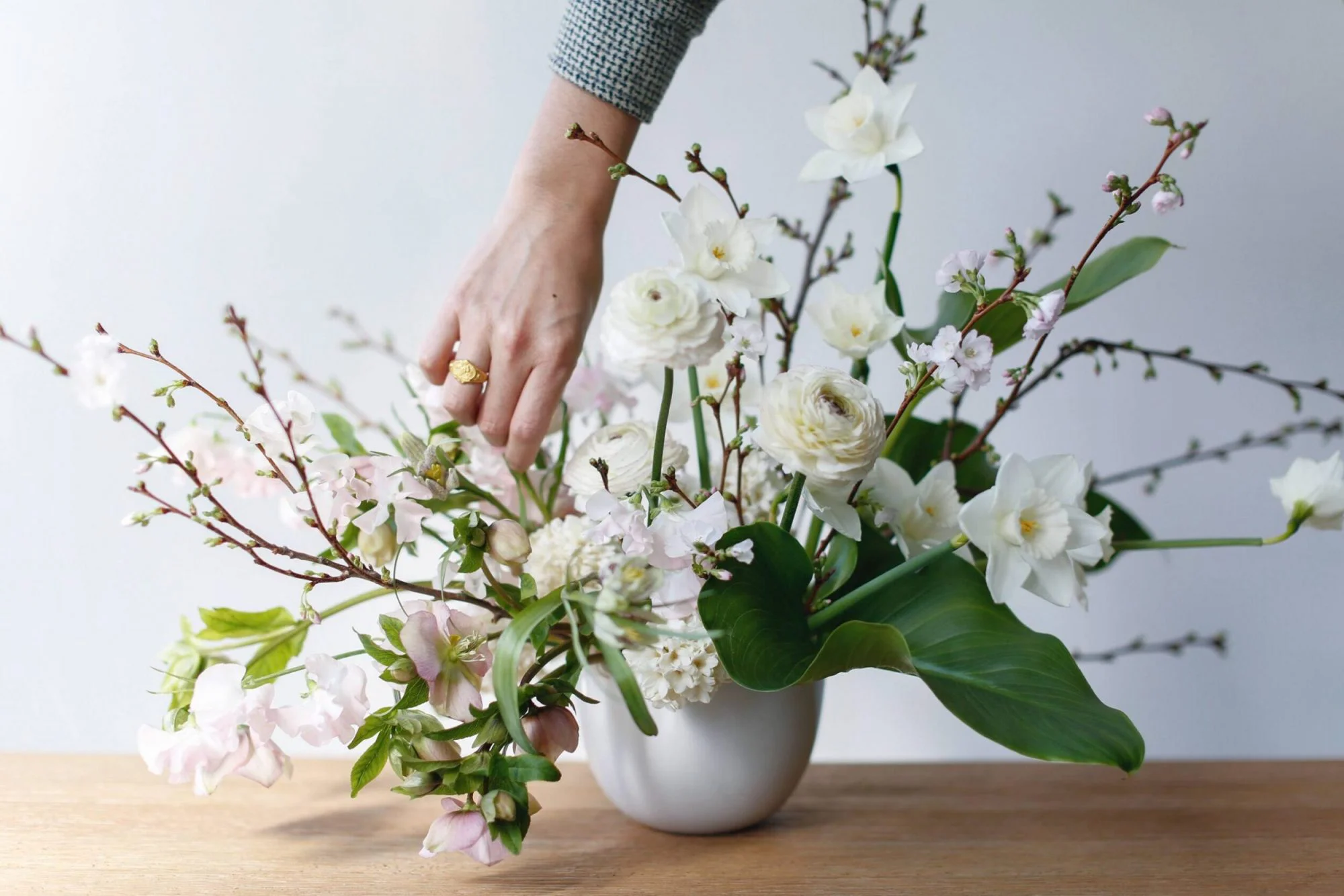
Fifteen creative hobbies to bring more balance into life, nine of them Japanese in origin, including ikebana, bullet journaling and kintsugi.

Five steps to a minimalist kitchen, from decluttering by the 9-month rule to restricting colours, losing handles, and planning hidden storage.

Fifty cooking tips gathered from top chefs, covering baking temperatures, storing spices, making stock, seasoning evenly, and much more.
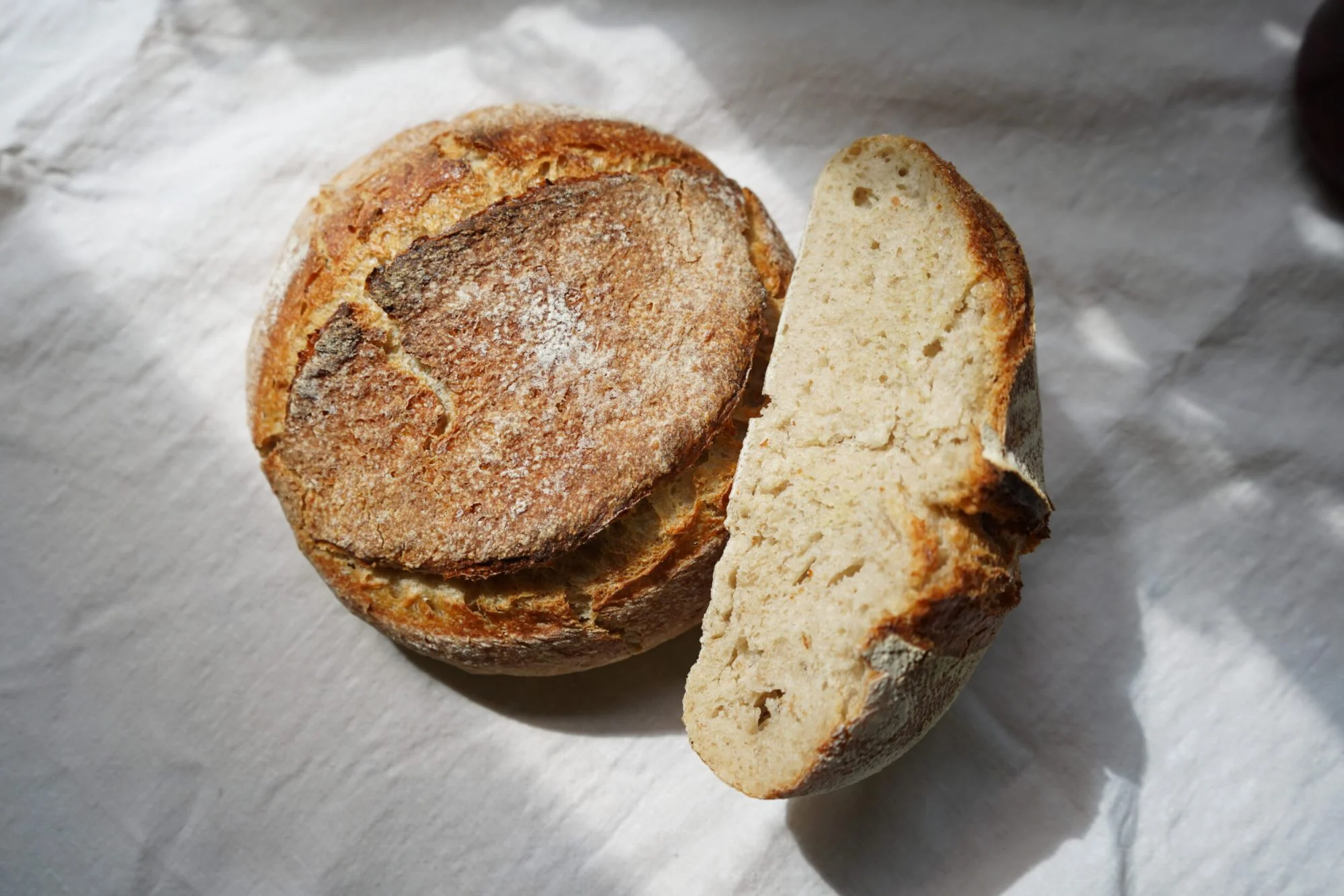
A step-by-step recipe for making sourdough bread from scratch, including how to grow your own starter and why a slow rise deepens flavour.
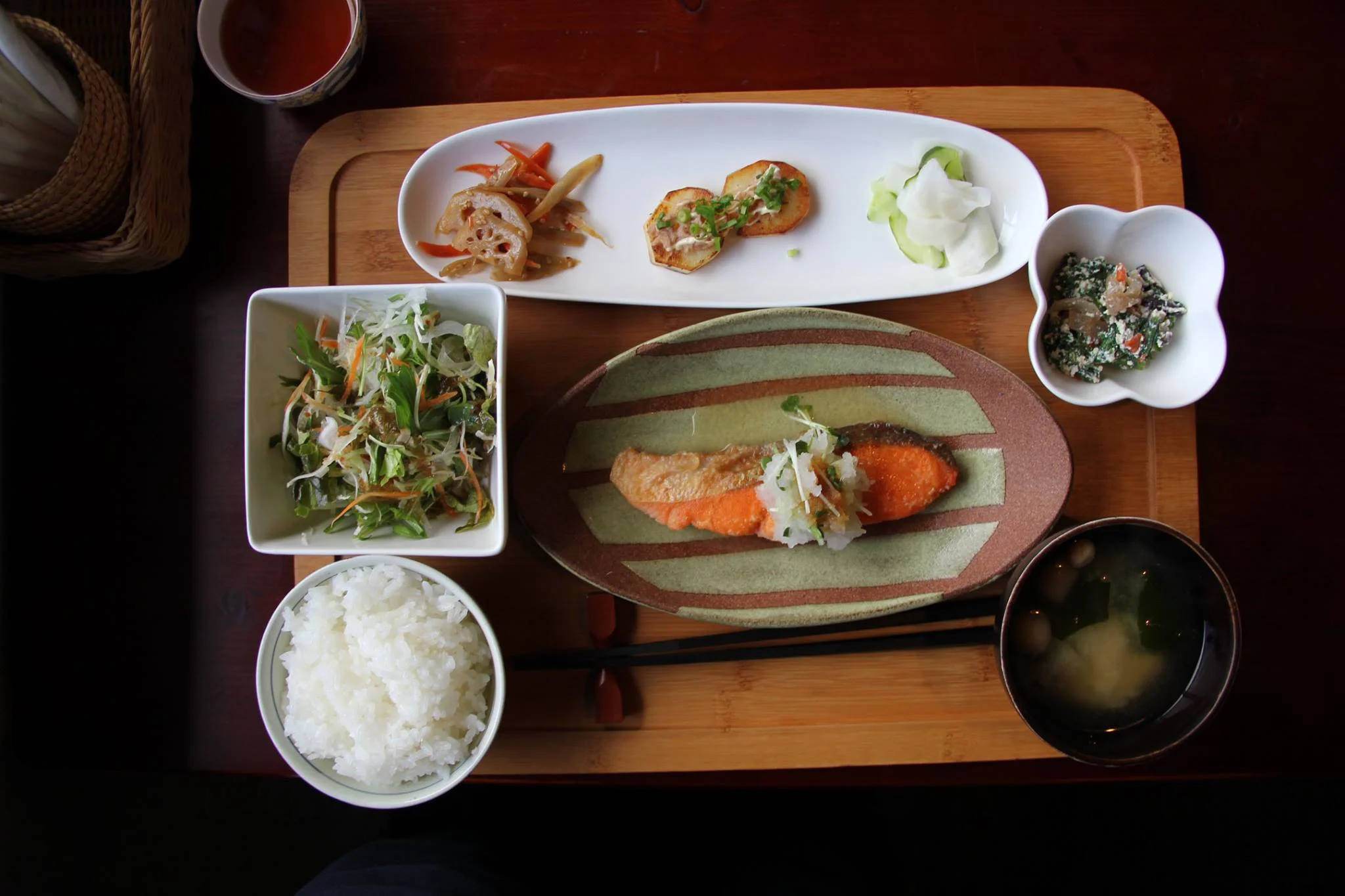
The traditional Japanese diet is rich in fish, vegetables and fermented foods, low in sugar, and linked to long life and good health.

It started with Carlo Petrini’s Slow Food in 1980s Italy, an antidote to gulping lunch at your desk. Consuming less, and actually noticing the day.
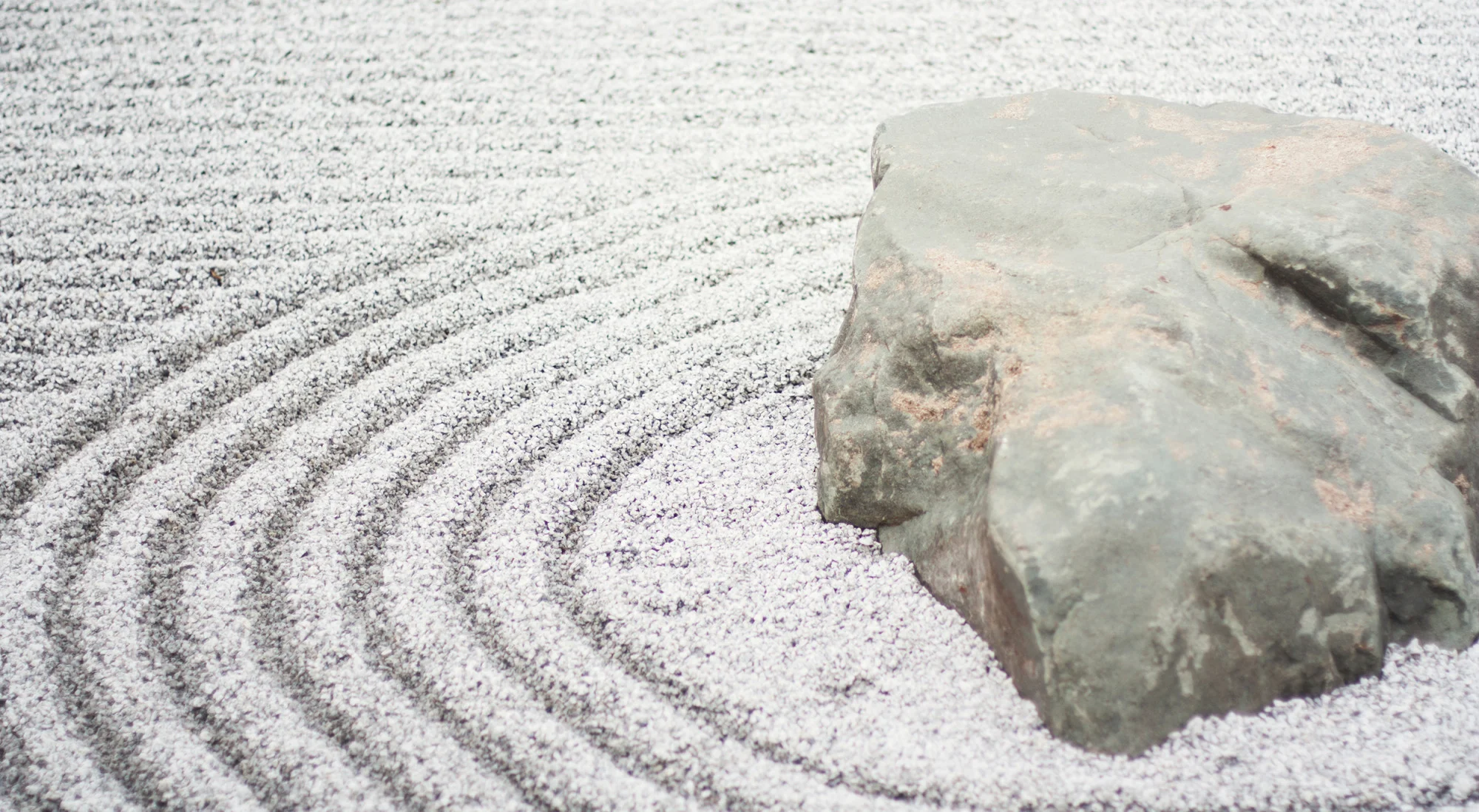
Flow is the absorbed state where time disappears, and it leads to happiness at work. Ten steps draw on Zen to help you reach it.
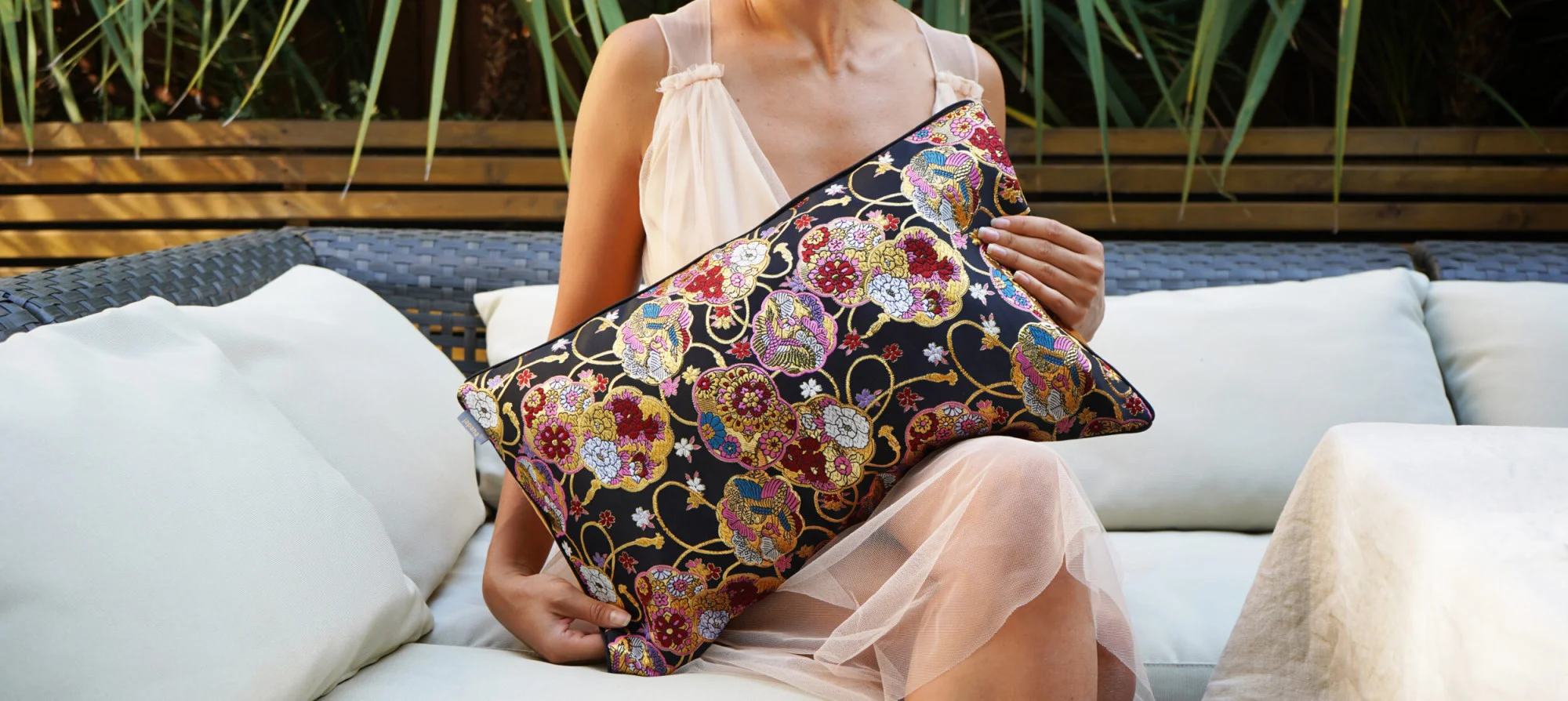
Ten tips for decorating your home with cushions, covering how to match existing decor, go bold with colour, layer textures and mix prints.

Minimalism trades possessions for experiences. A 20-year Cornell study found that lasting happiness comes from what we do, not what we own.

Thumb for worry, index for fear, middle for anger. Hold each finger 30 seconds and this Japanese technique settles you in under five minutes.

Working with conservative Japanese blacksmiths was a culture clash for us. How meetings run, and why the business-card exchange is near-sacred.
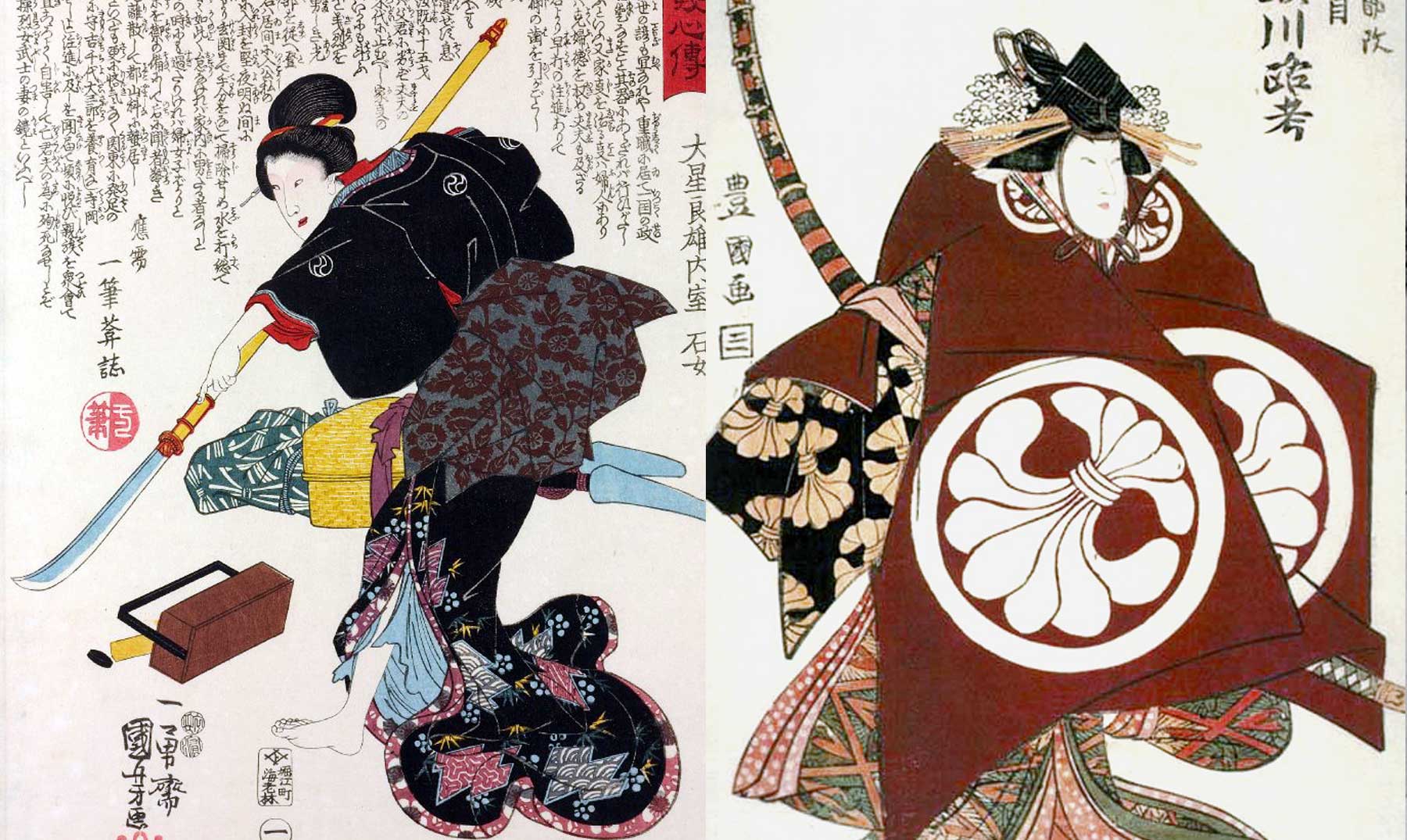
They trained with the naginata and fought to the same standard as the men. Meet Empress Jingu, who led a campaign into Korea, and Tomoe Gozen.
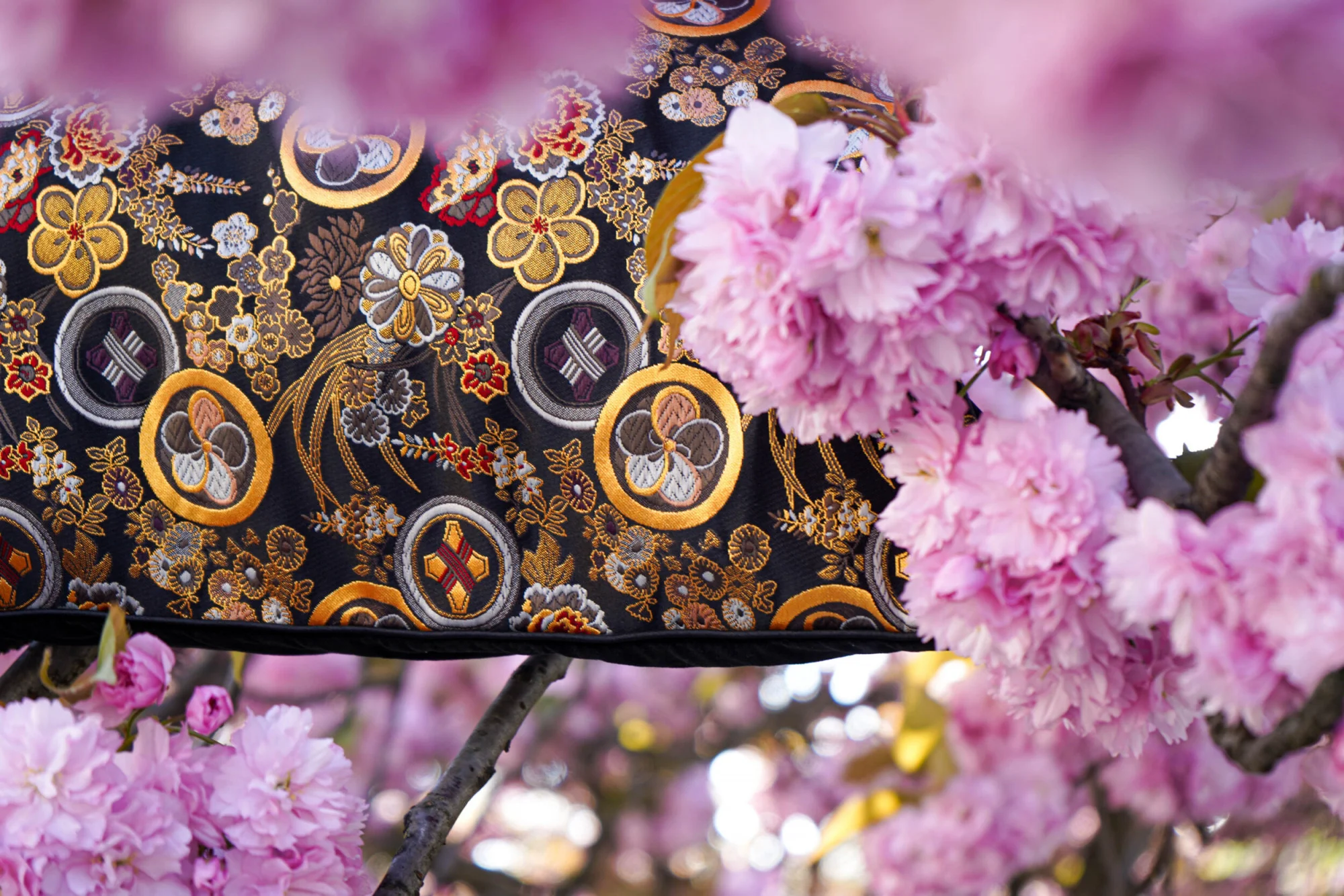
Every motif on a kimono says something. Nihon shishu embroidery dates back 1,600 years to the Kofun period, and its patterns carry coded meaning.
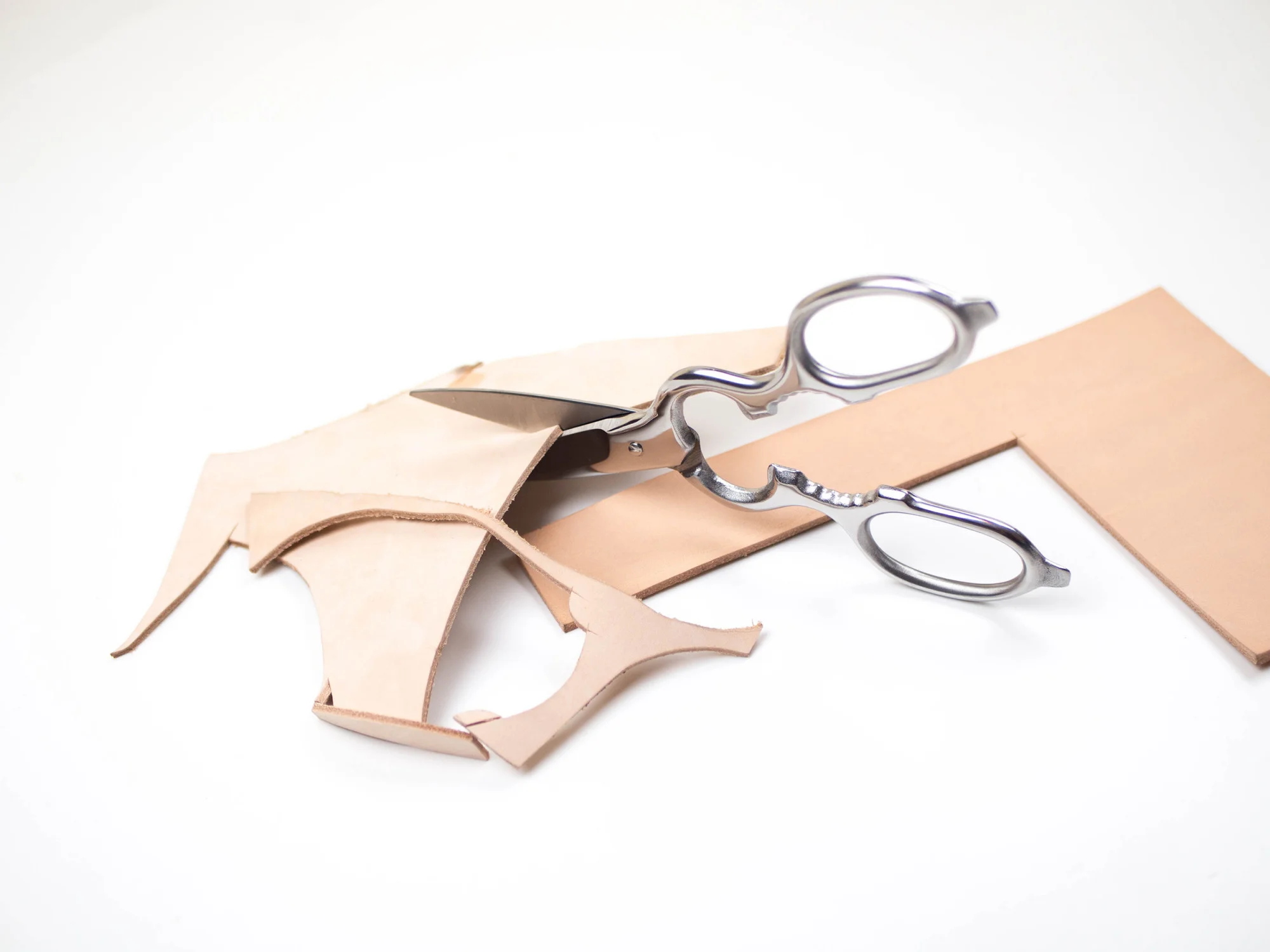
Cross six inches and it’s shears, not scissors. The larger handle gives leverage for tougher cuts; scissors stay small and multipurpose.
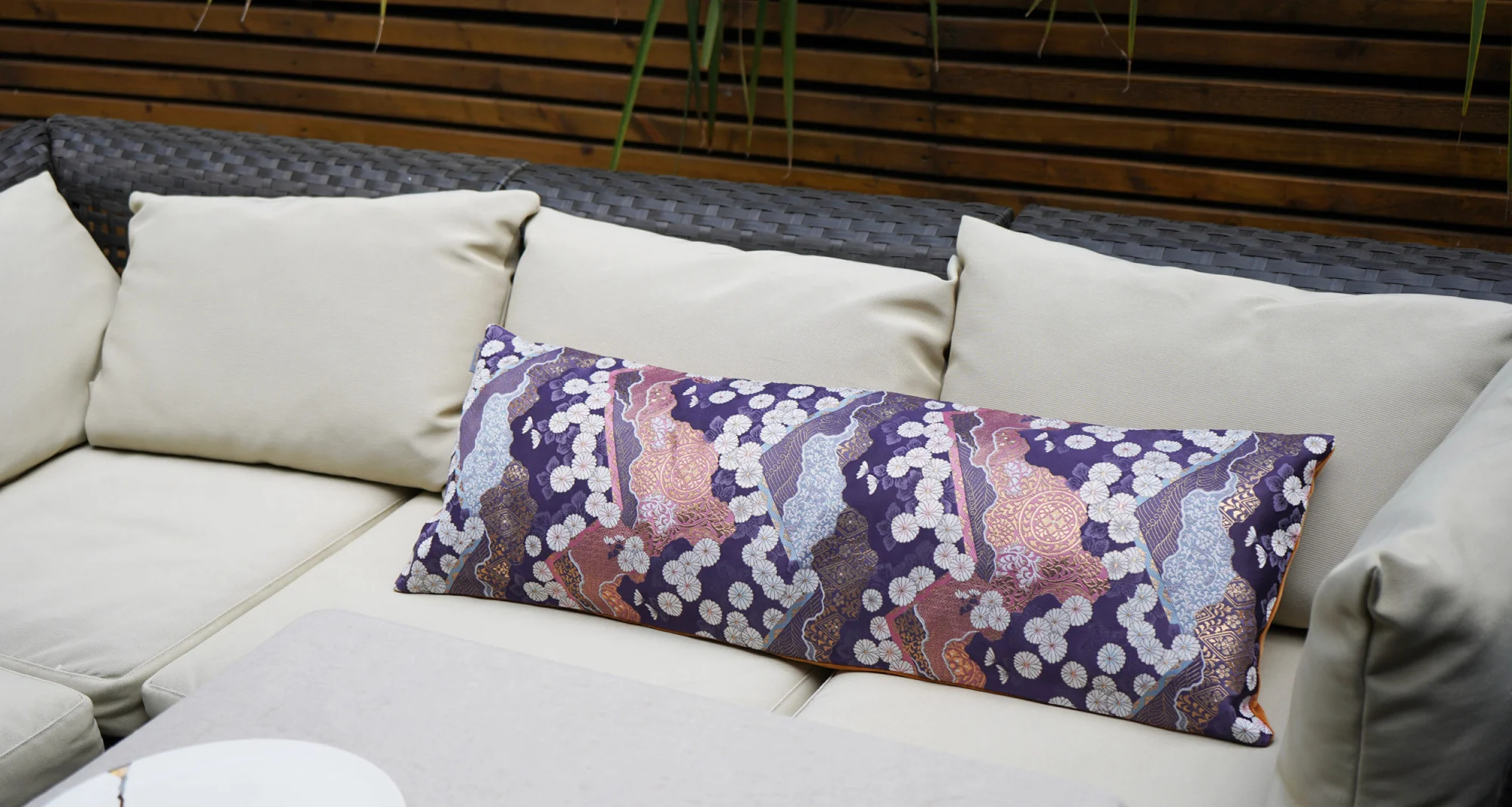
Scandinavian cool meets Japanese warmth: Japandi leans on wabi-sabi and hygge for rooms that stay minimal without feeling clinical.
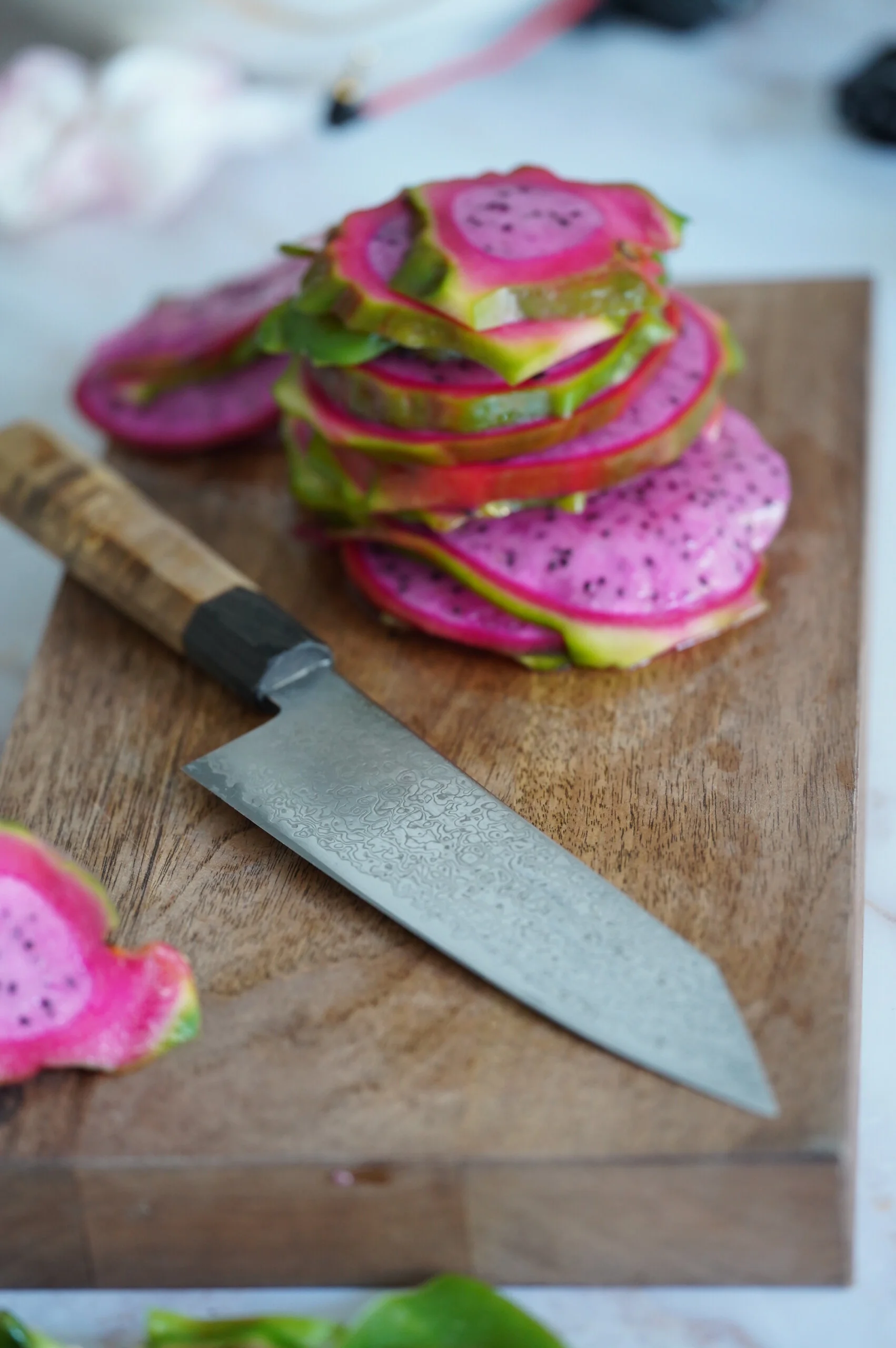
Beyond a good Japanese knife: the magnetic rack, walnut board, wooden spoons and linen apron that quietly earn their counter space.
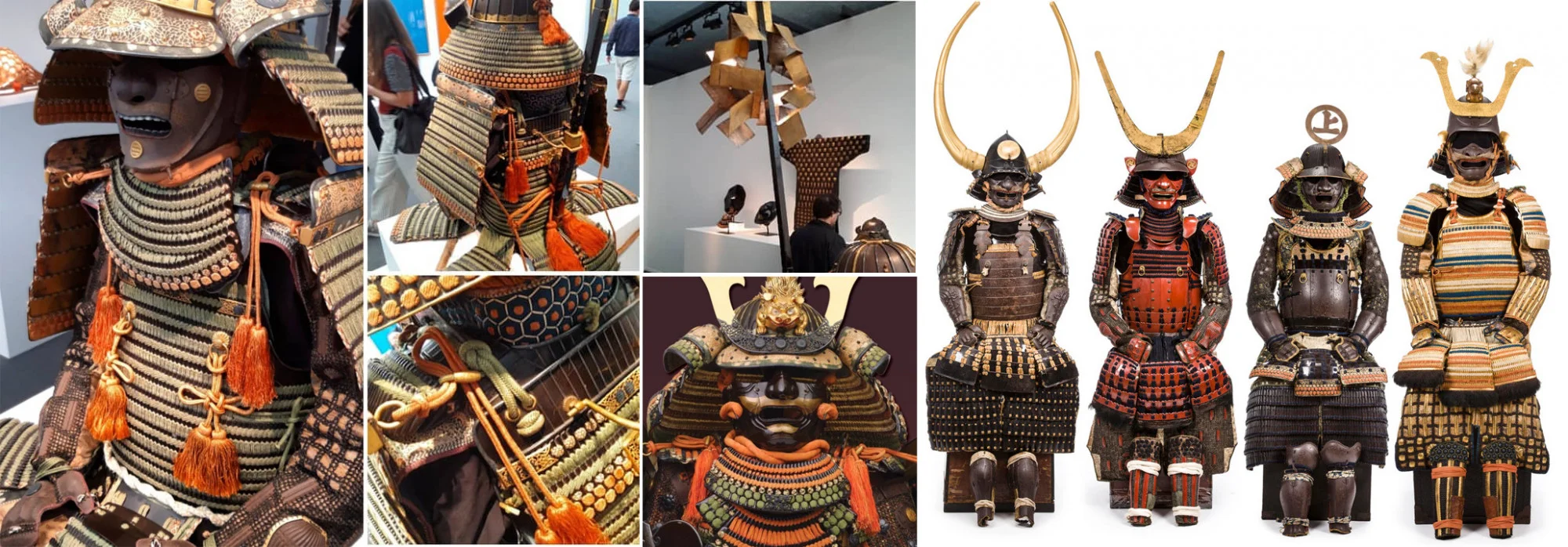
One suit of samurai armour needed up to 300 metres of braided silk cord. Kumihimo’s patterns were guarded like family secrets, and some still are.
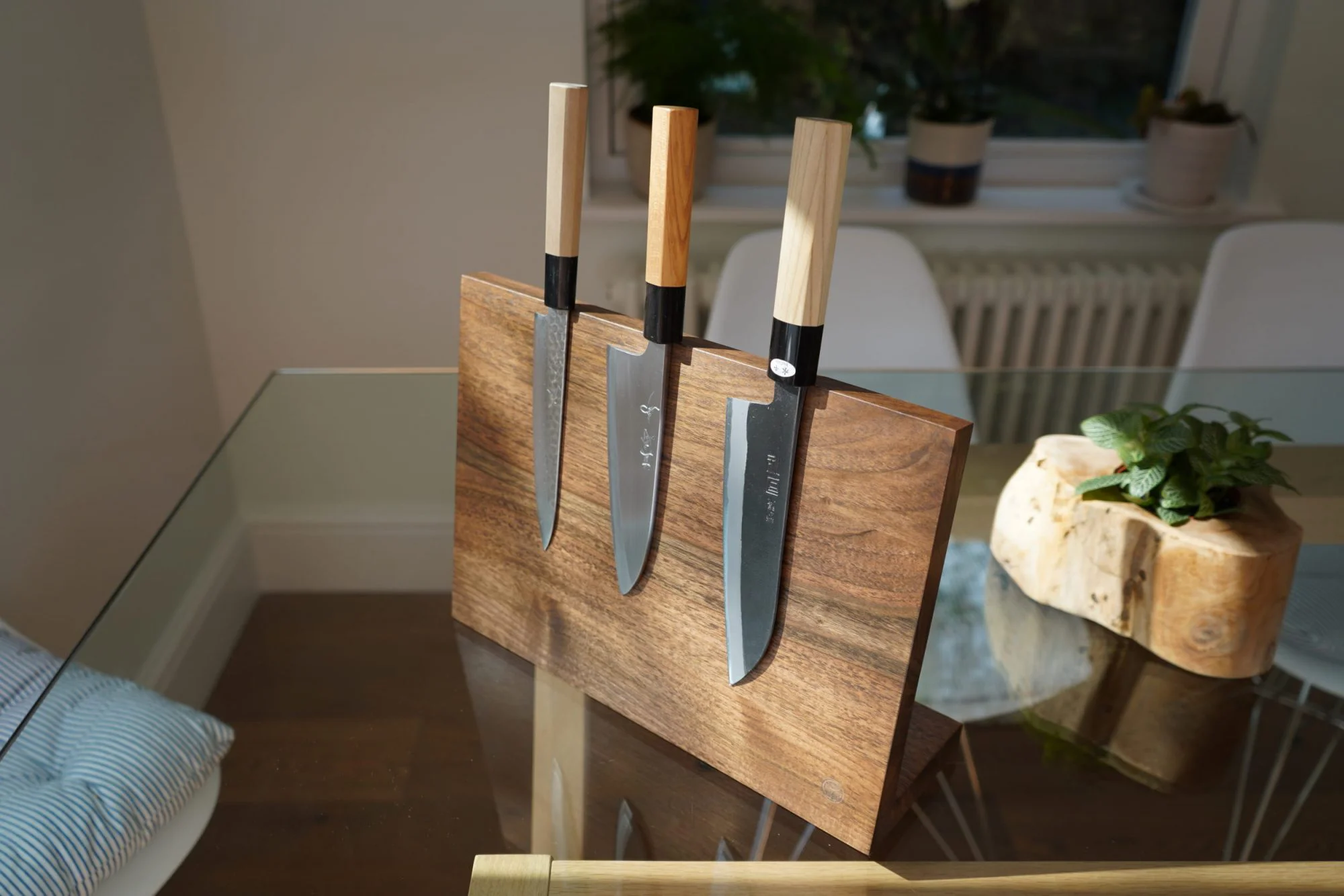
A towel holder, a clip-on meat thermometer, measuring spoons that nest together: six magnets that claw back counter space in a small kitchen.
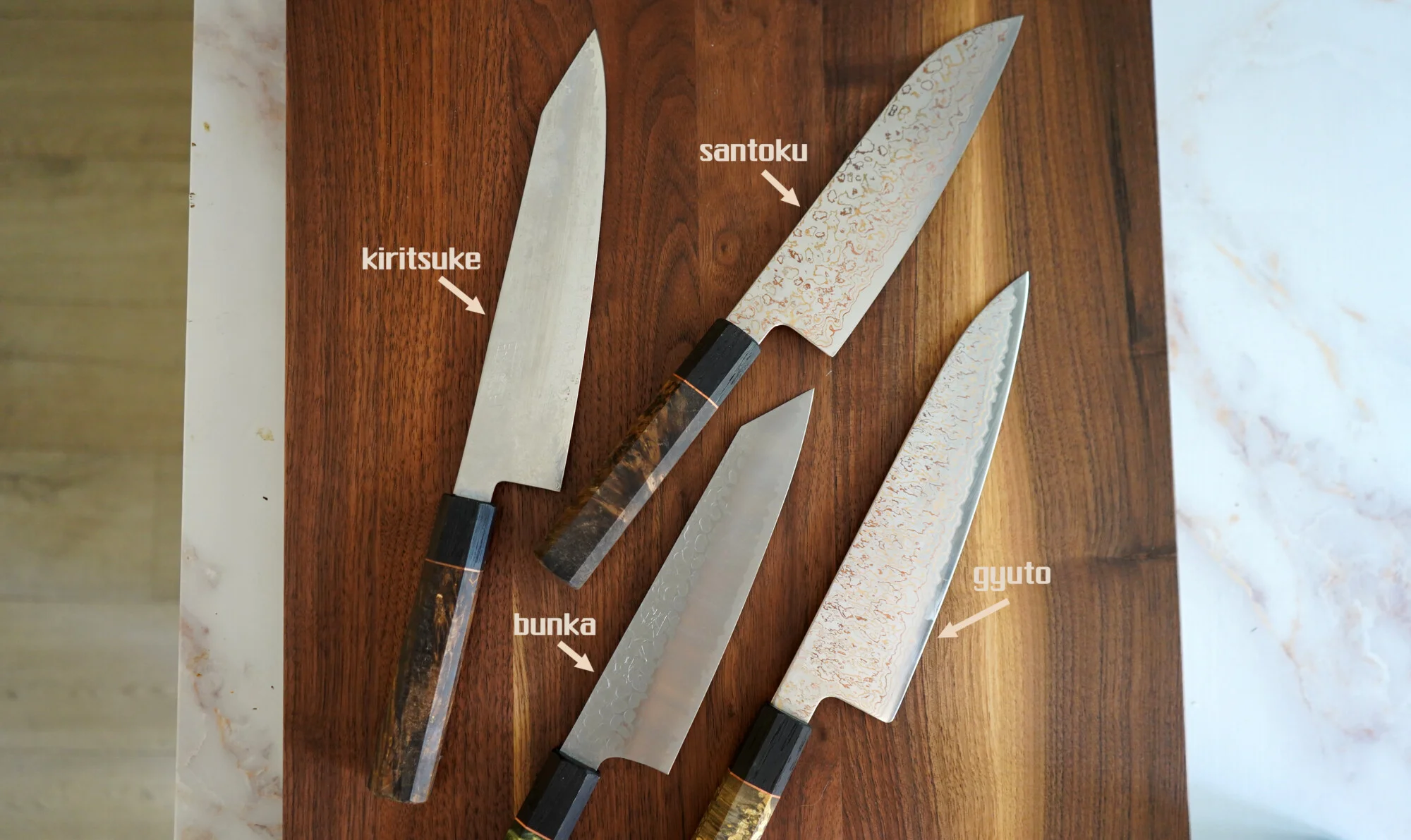
Index finger along the spine, one smooth pull toward you: slicing fish with a yanagiba, from the straight hira giri to the angled sogi giri.
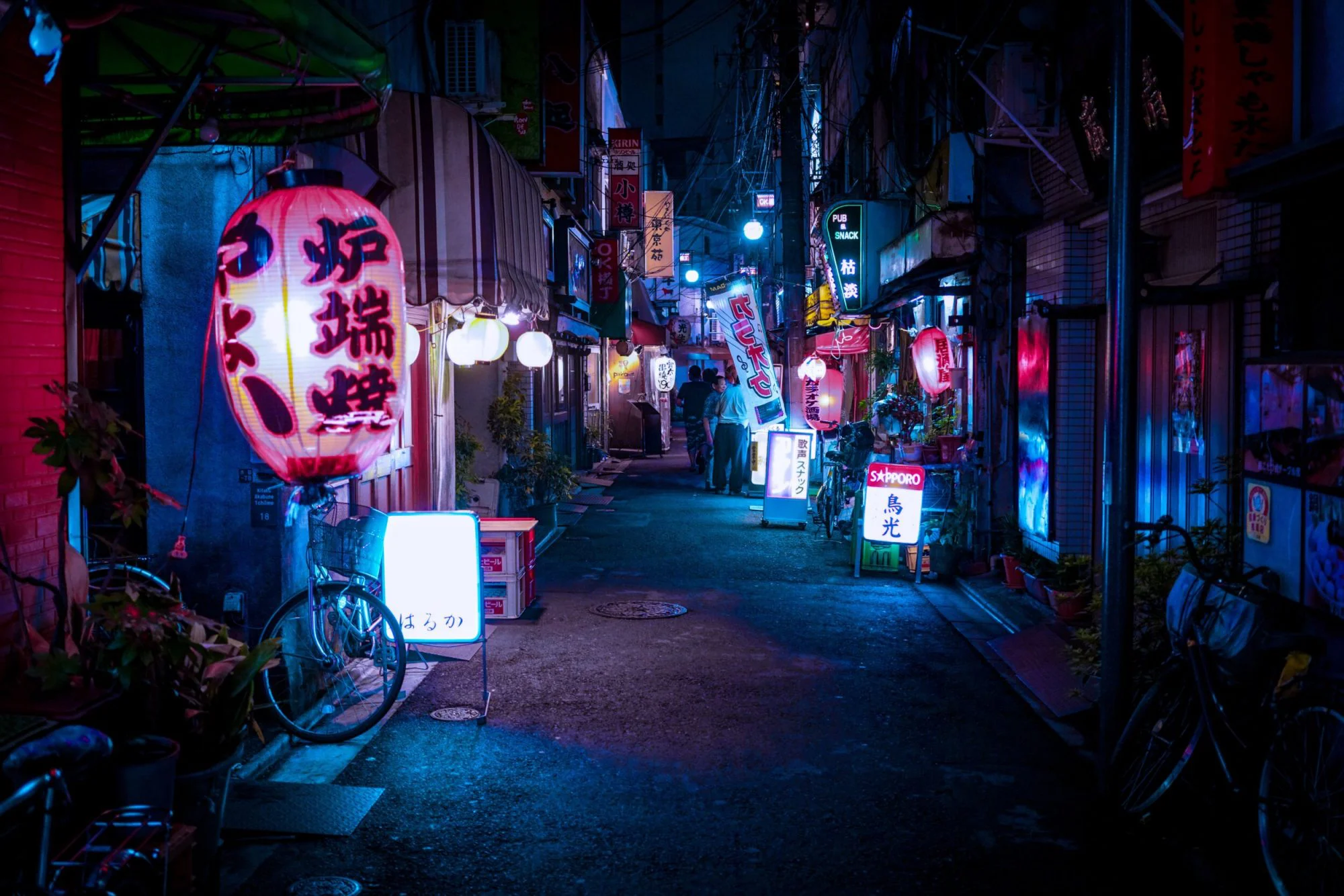
In Japan the presentation outweighs the price tag, and every gift received calls for an O-kaeshi return worth about half its value.
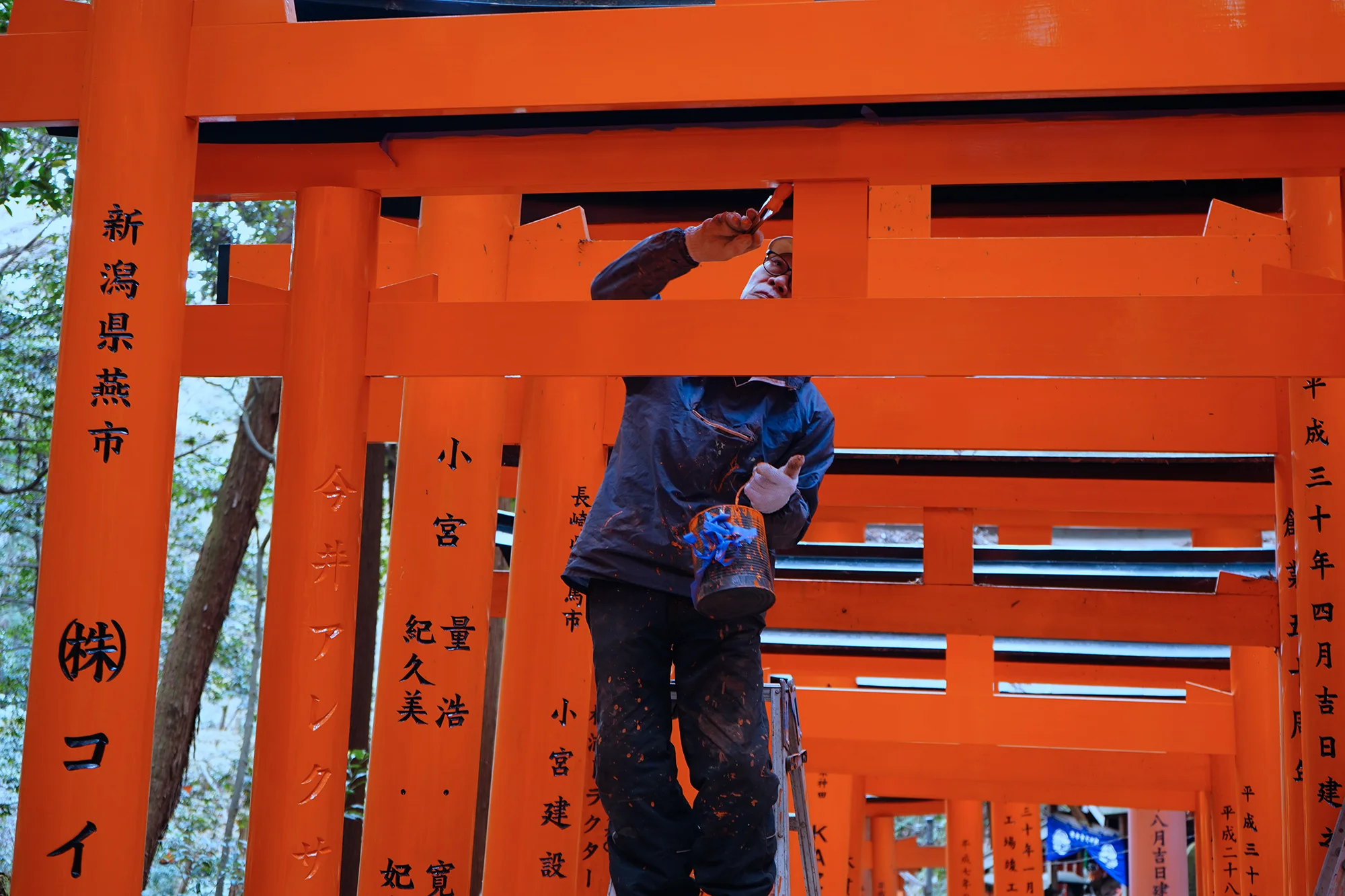
In Ogimi, a village of 3,000 with the world’s longest-lived residents, ikigai sits where what you love, what you’re good at and what matters overlap.