Why onions make you cry, the syn-propanethial-S-oxide gas behind it, and science-backed methods that reduce tears, starting with a sharp knife.
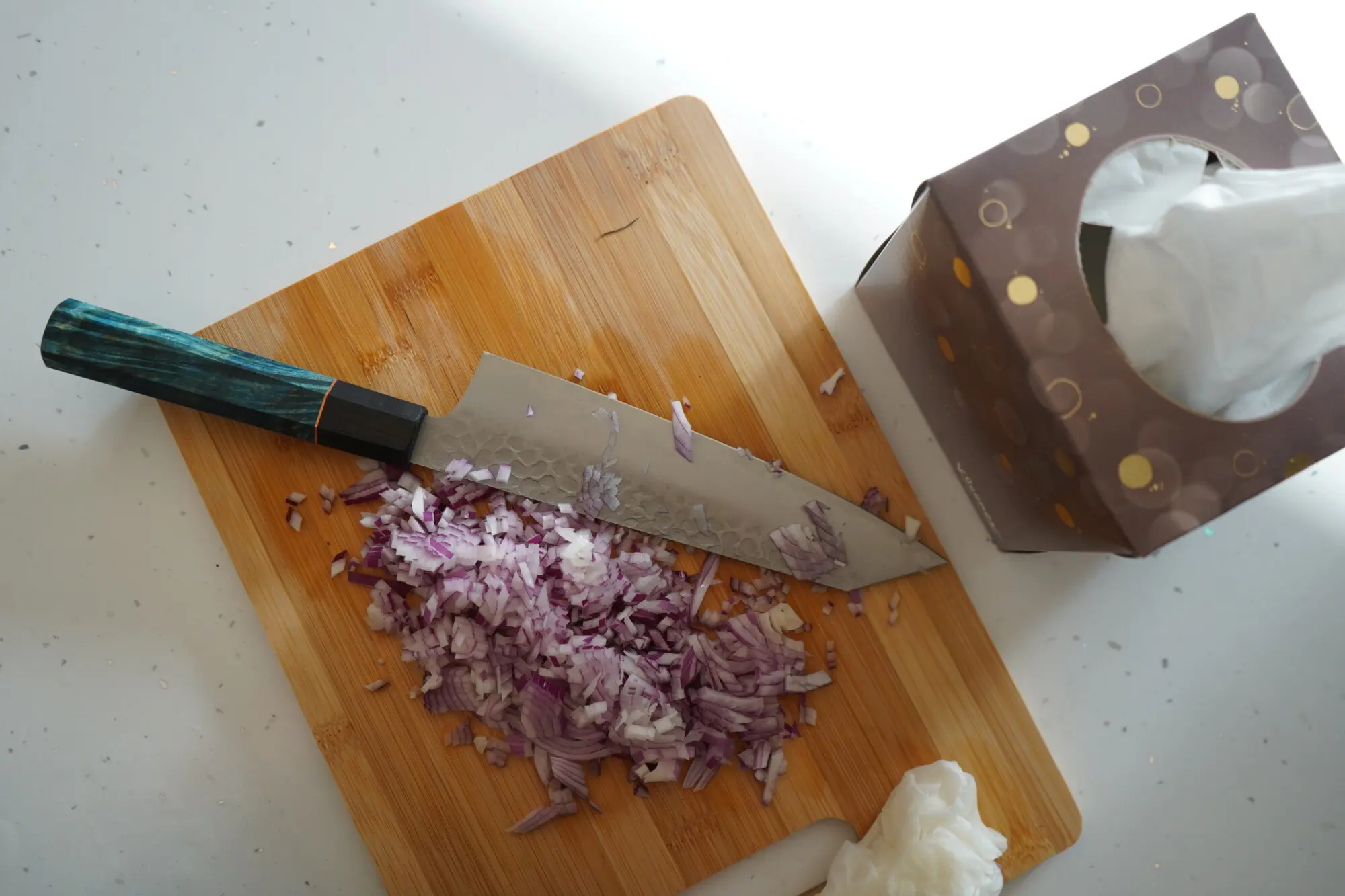

Why onions make you cry, the syn-propanethial-S-oxide gas behind it, and science-backed methods that reduce tears, starting with a sharp knife.
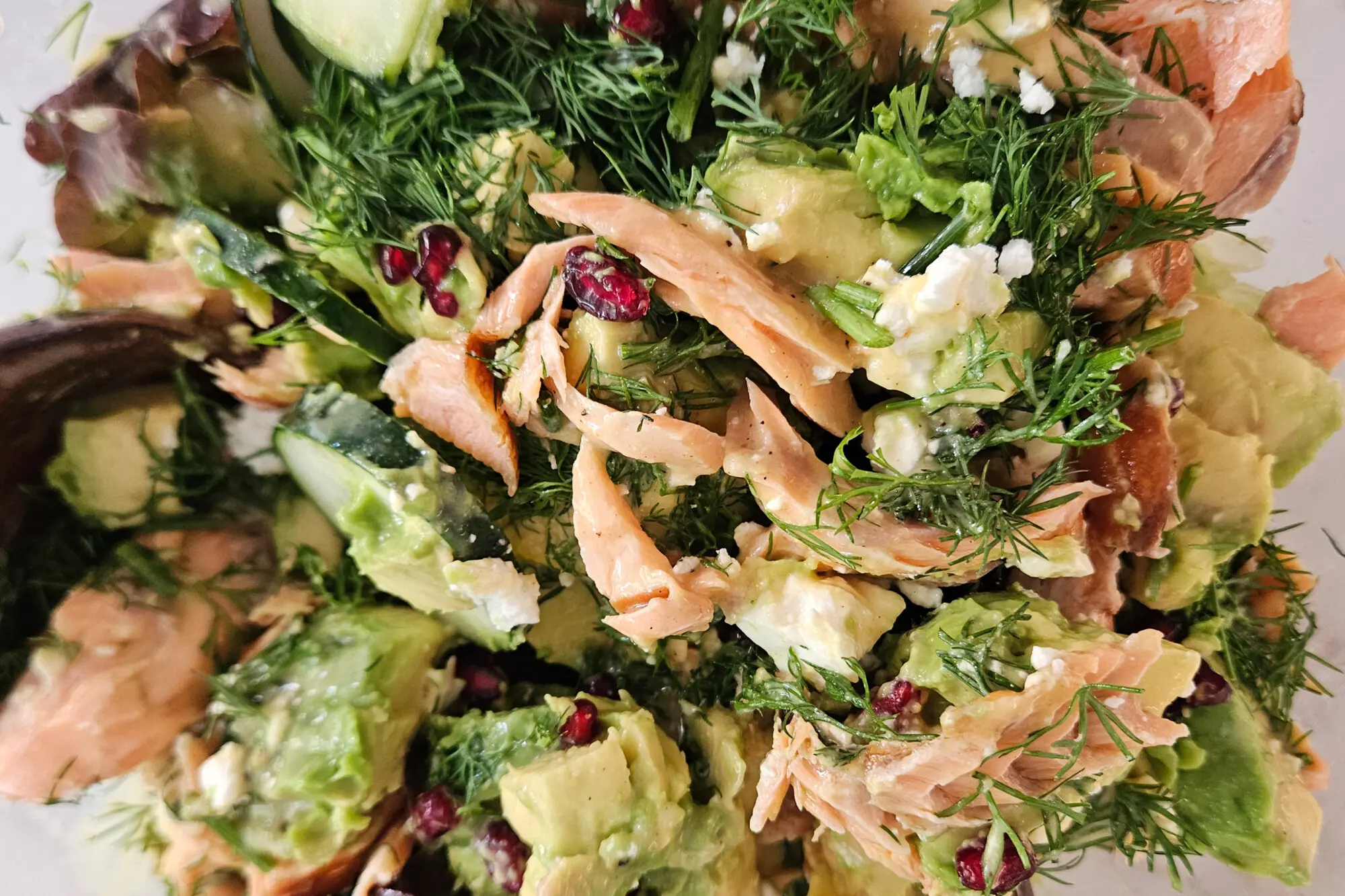
Mixed greens with avocado, cucumber and smoked salmon, scattered with feta and dressed in a lemon, honey and Dijon vinaigrette with fresh dill.
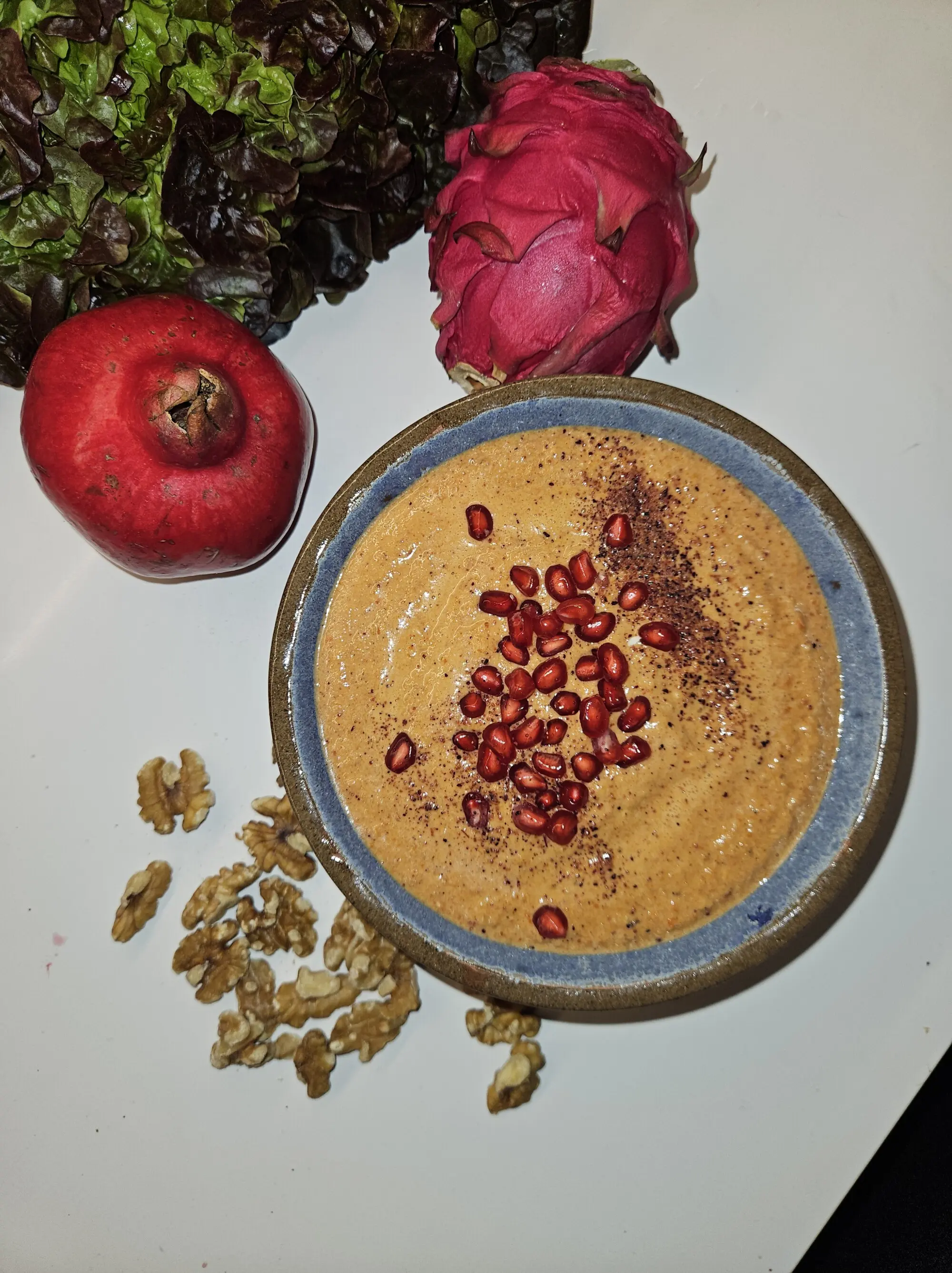
Muhammara, the Syrian dip of roasted red peppers and toasted walnuts blended with pomegranate molasses, Aleppo pepper and sumac. Serve with pita.
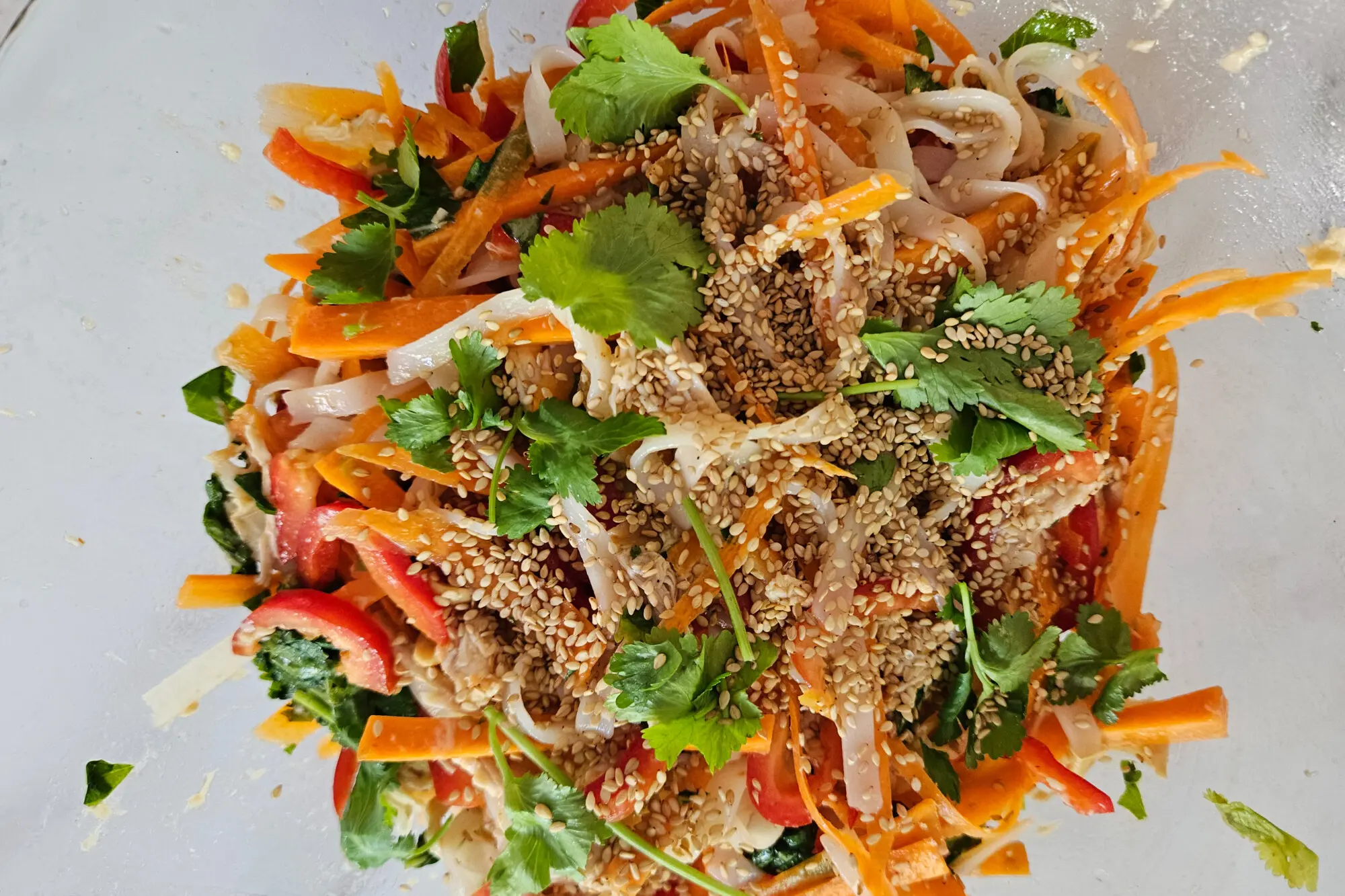
Rice vermicelli with shredded roast chicken, carrots and herbs in a fish sauce and sambal dressing, topped with peanuts and Fresno chiles.
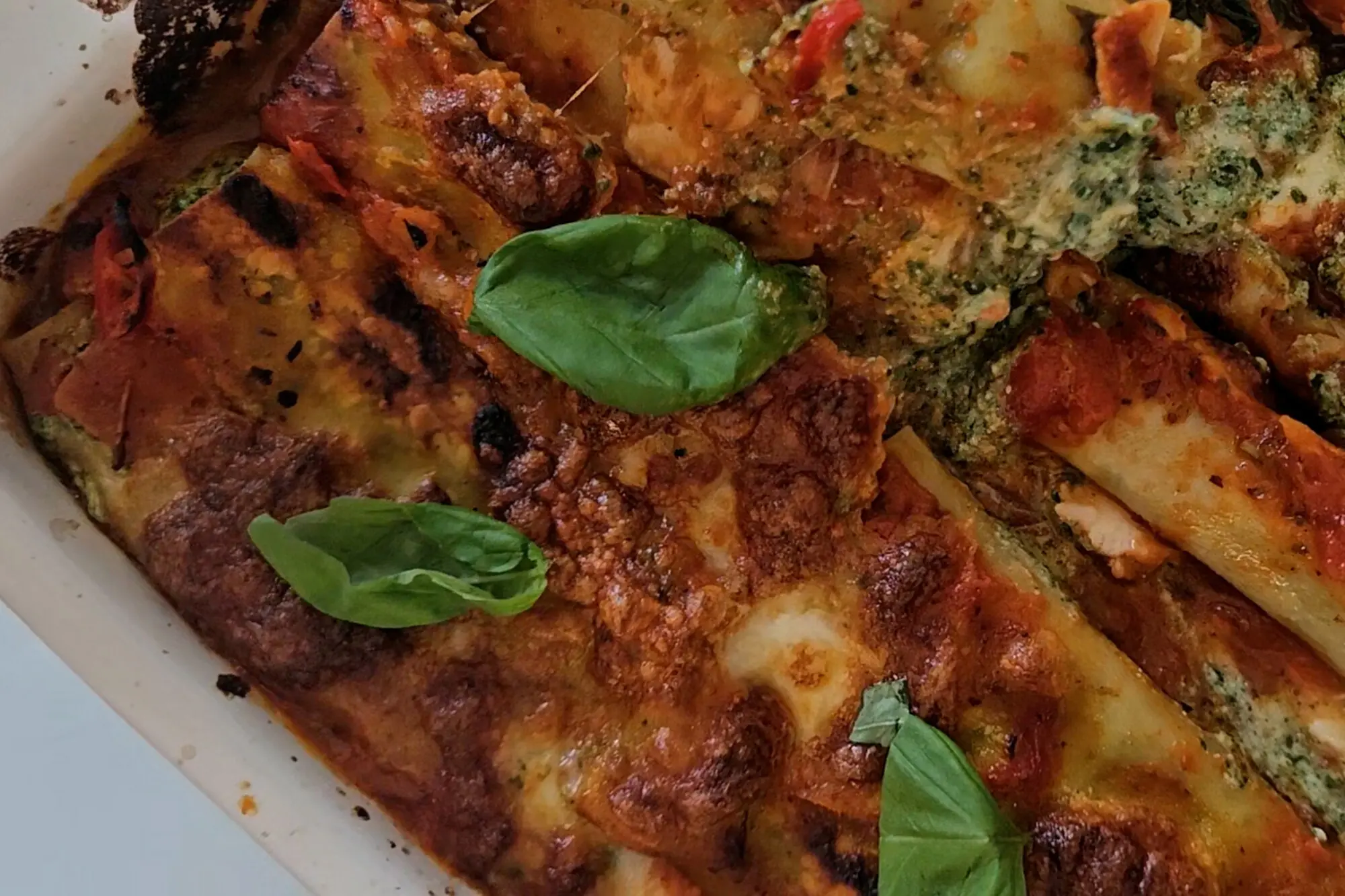
Cannelloni tubes filled with ricotta, spinach and three cheeses, baked in a spicy tomato sauce and brightened with fresh lemon juice and basil.
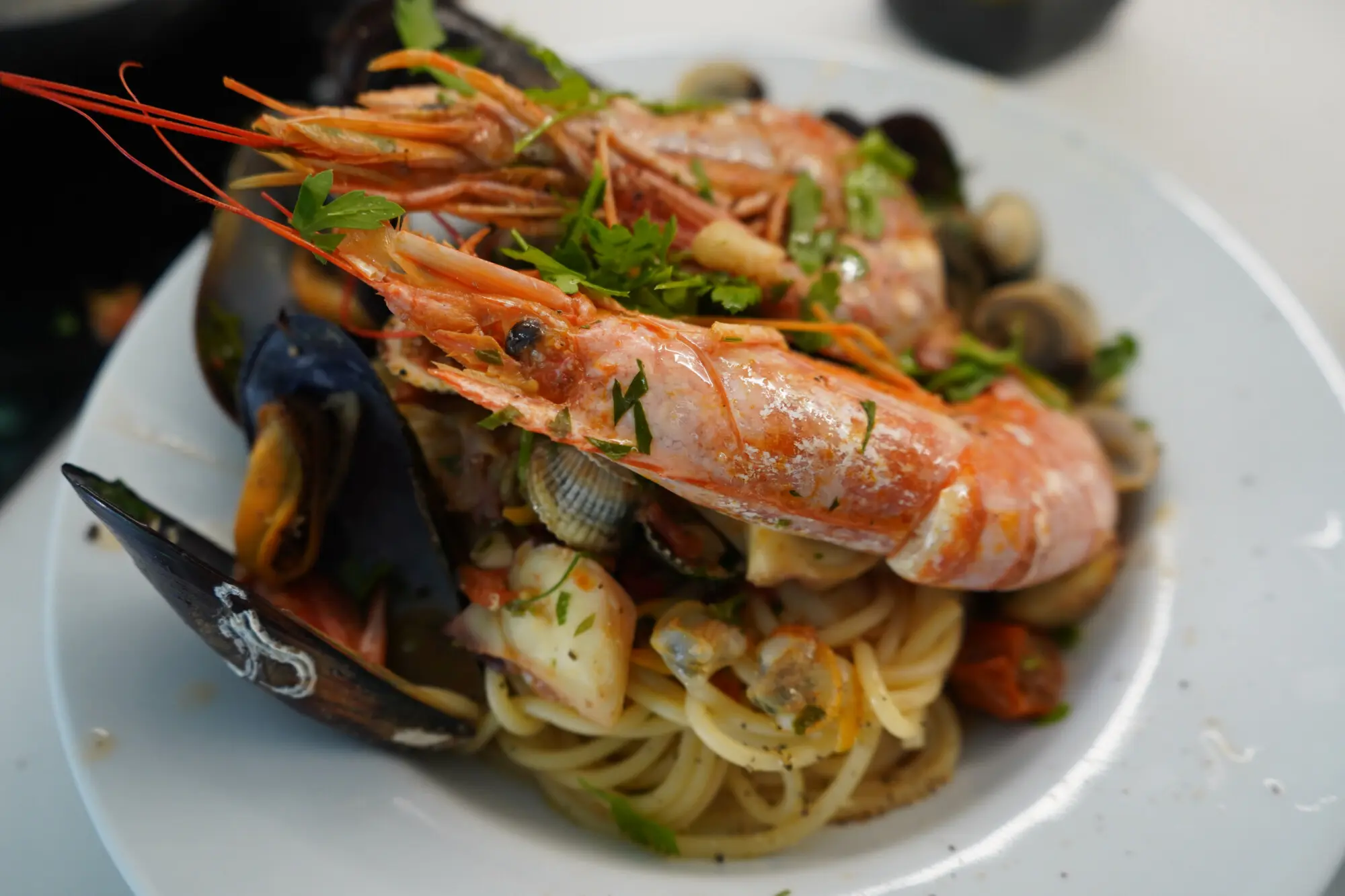
Spaghetti tossed with clams, mussels, king prawns and squid in garlic, white wine and arrabiata, finished with herbs and lemon. Serves a crowd.
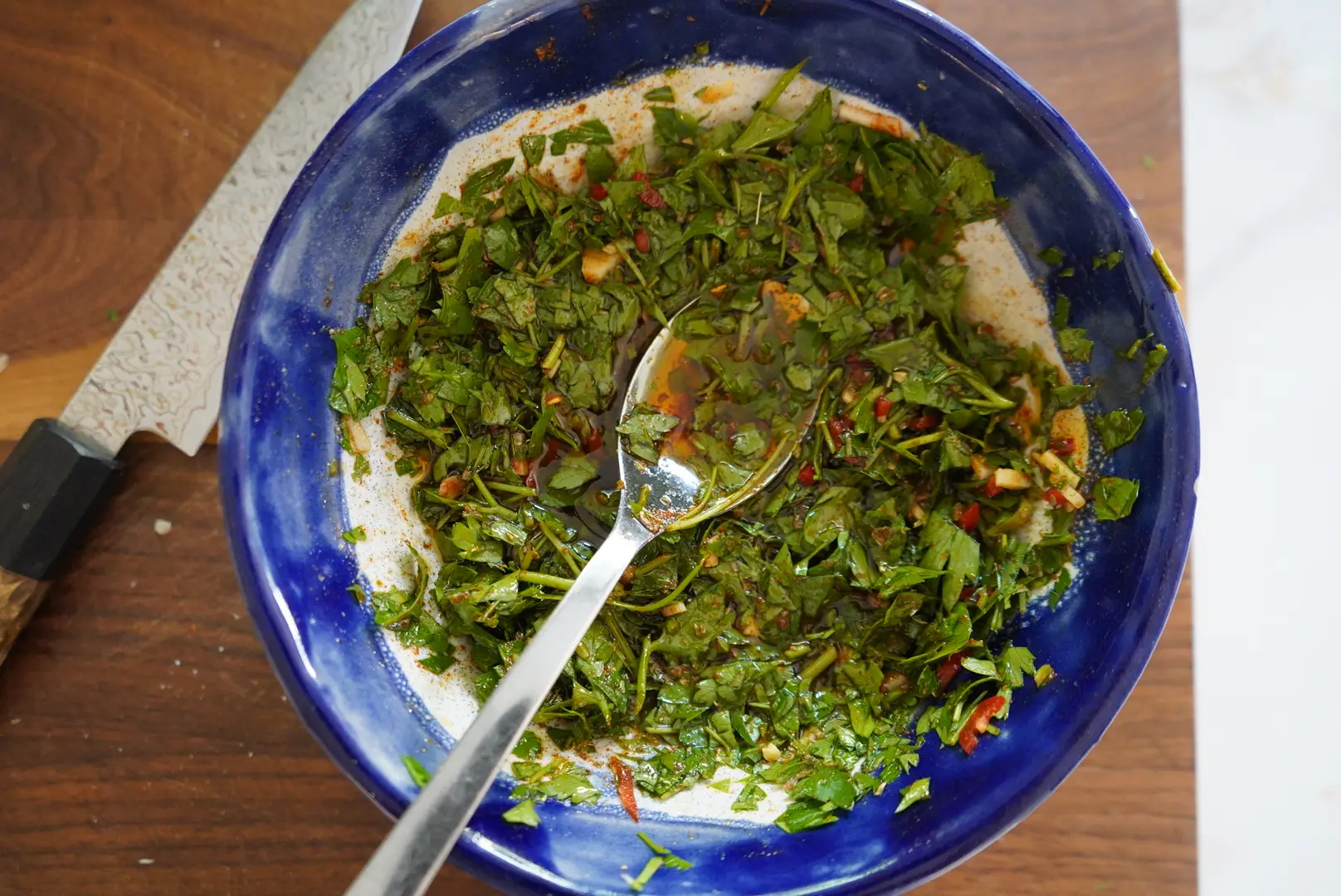
A hand-chopped chimichurri salsa of parsley, garlic, oregano and paprika loosened with apple cider vinegar and olive oil, for meats and veg.
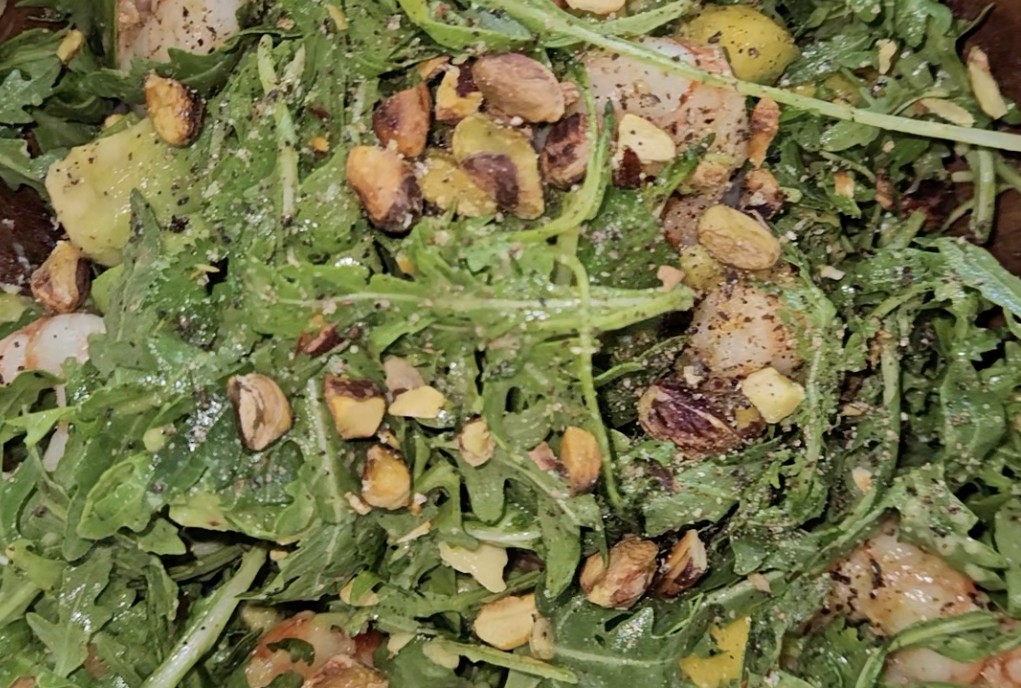
Cooked tiger prawns with cubed mango and avocado over butter lettuce, finished with a sumac, lime and chili dressing and toasted pistachios.
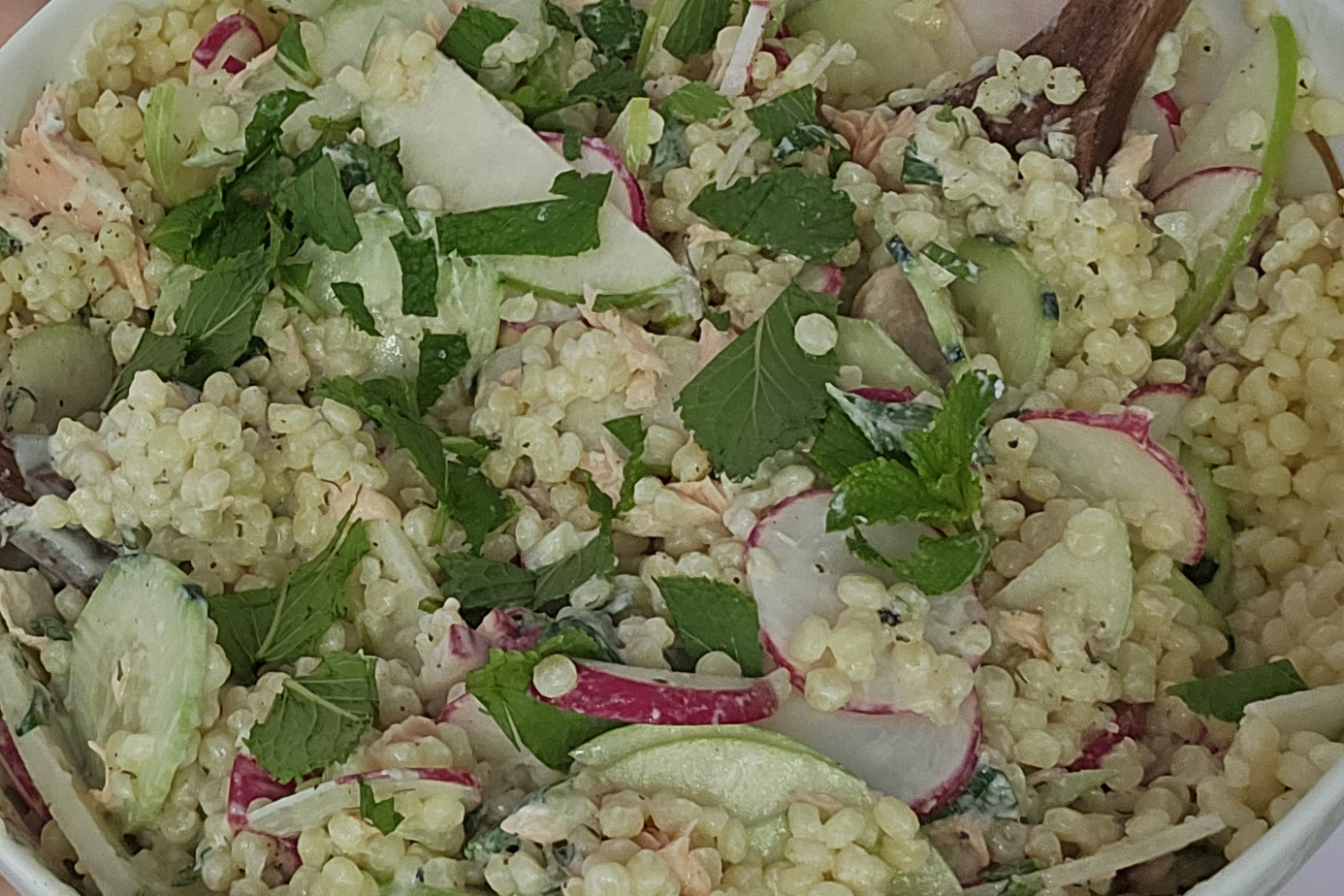
A pearl couscous salad with flaked grilled salmon, radish, cucumber and apple, tossed in a buttermilk dressing with lime, mint and Dijon.
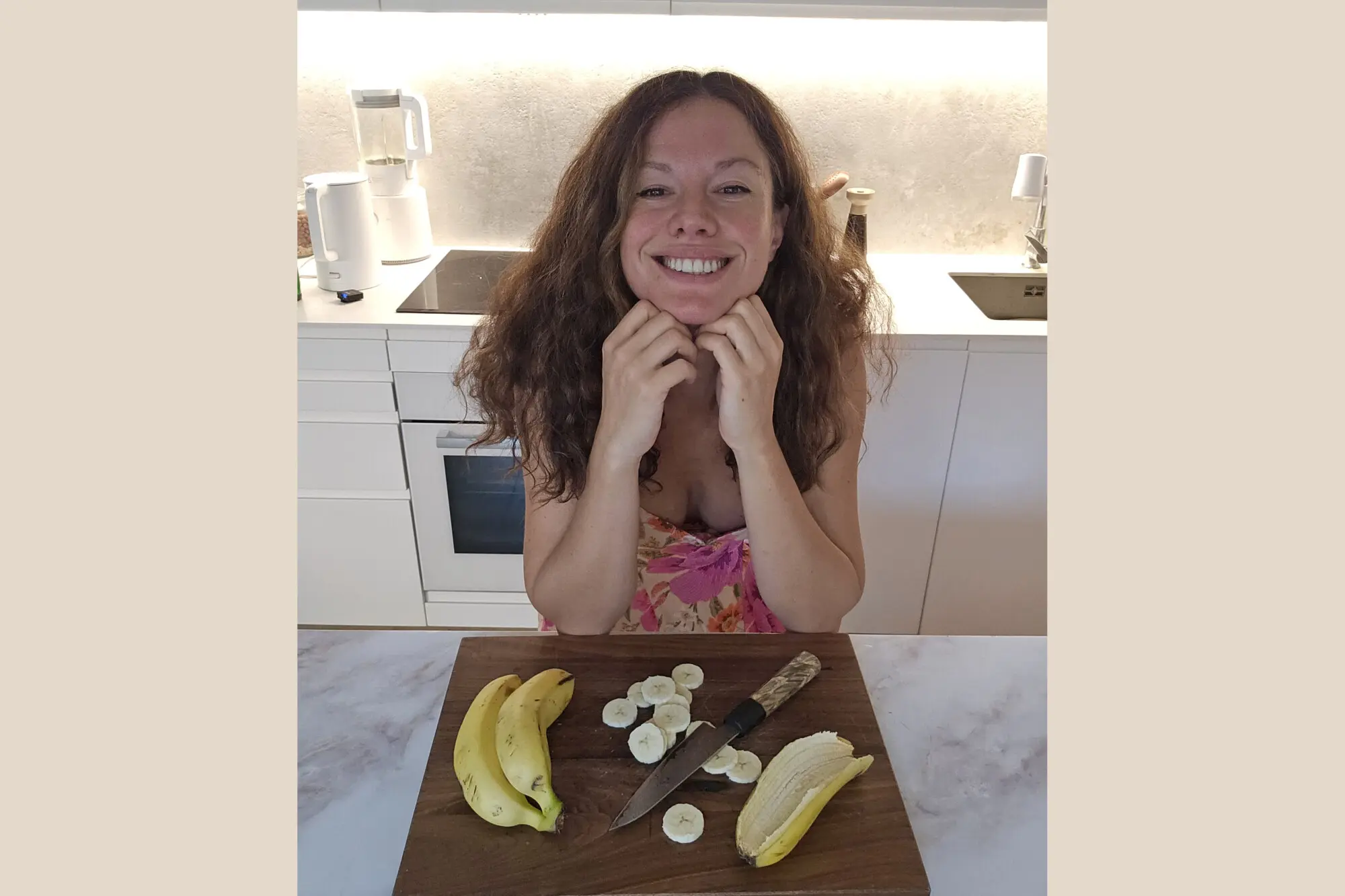
Cooking at home or eating out? A look at the real costs to your wallet, health and time, and when each choice genuinely serves you best.
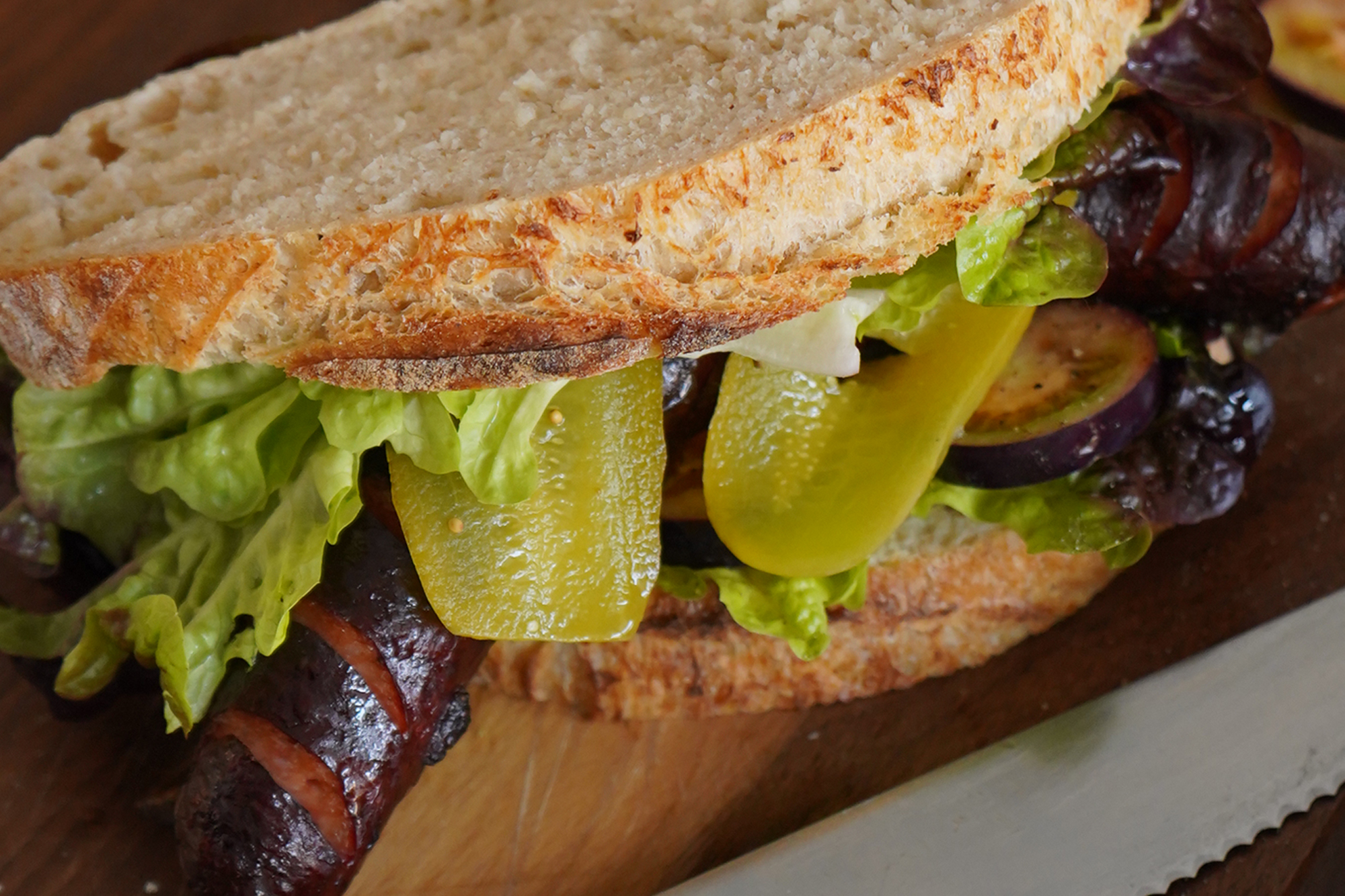
A Polish sausage sandwich on fresh sourdough with Wiejska or Podwawelska, Sarebska mustard, tomato, lettuce and gherkins, grilled until crisp.
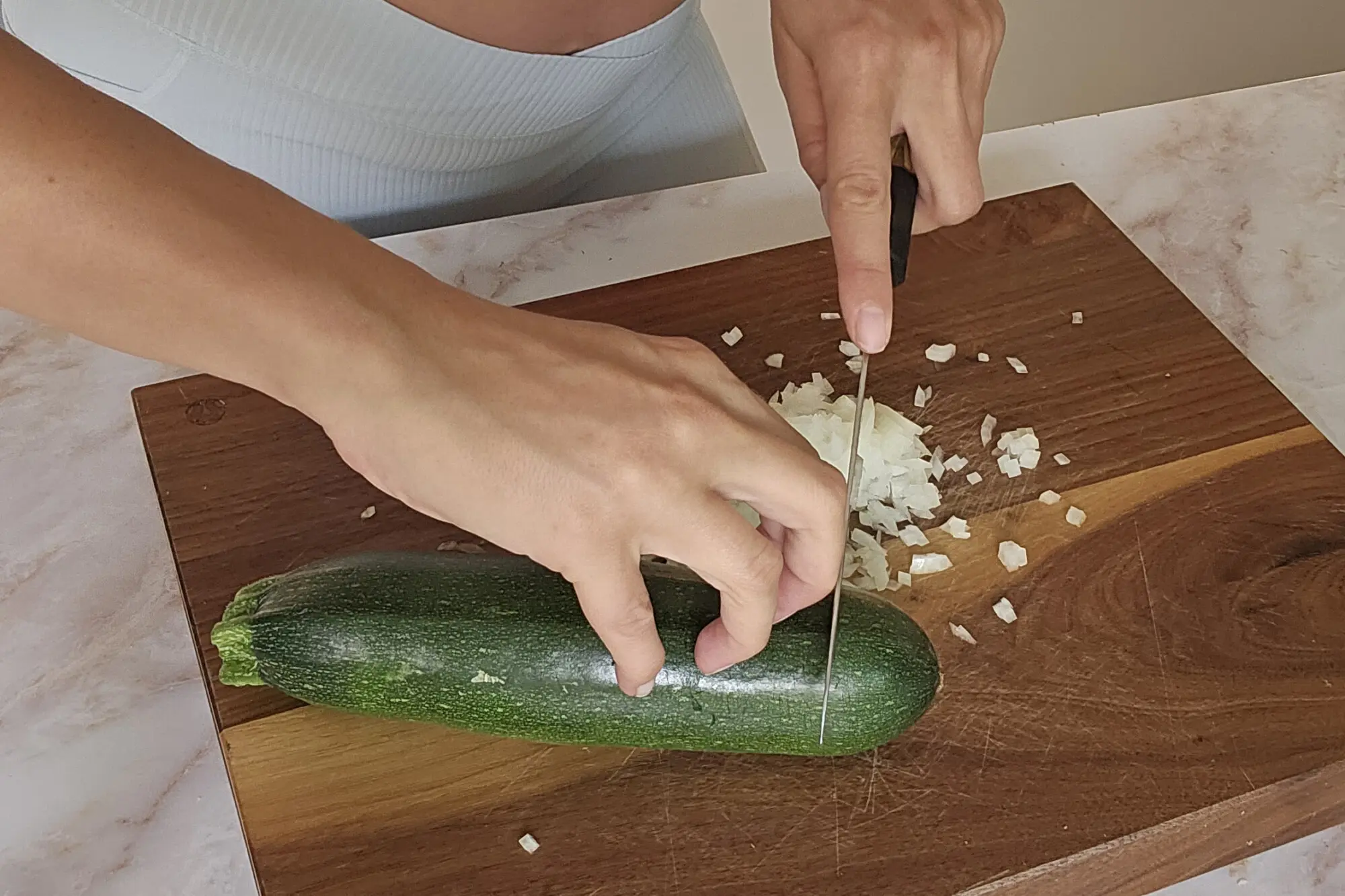
The claw grip is the one technique that keeps fingers safe while cutting onions. Curl your fingertips, use the knuckle as a guide, and cut with control.
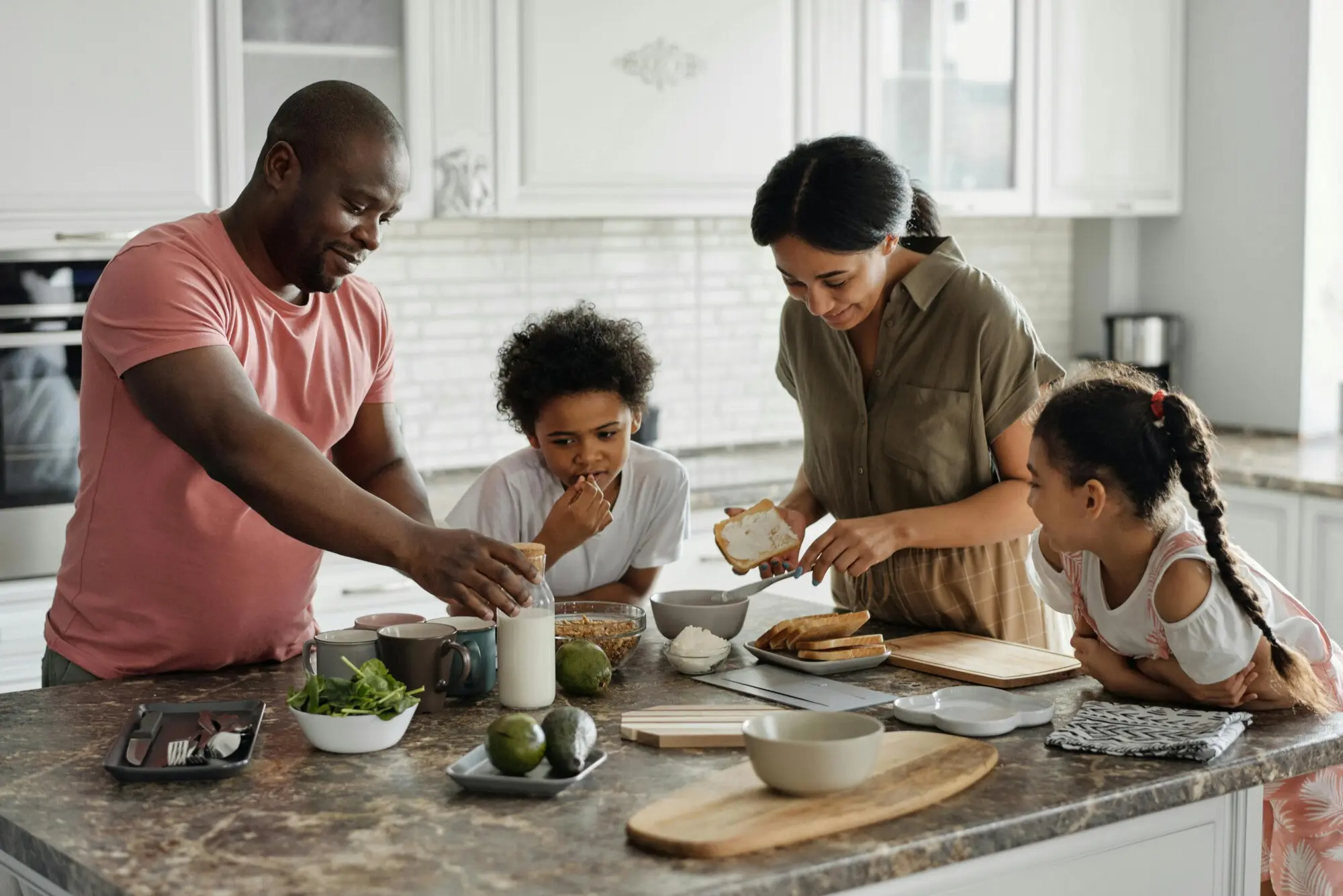
Bakers measure, cooks eyeball. What your kitchen style says about your personality, from the methodical precision of baking to free-form cooking.

Every Oishya knife ships with a 5 yen coin, a pun on ‘go-en’: five yen and a good relationship. Gift picks from washi-wrapped KATA Damascus to Hiba boards.

Ginger cleanses the palate between pieces, not on top of them. Sushi-bar etiquette from chopstick rules to soy, wasabi and the omakase counter.
Roughly a third of the food produced worldwide is thrown away. Cooking from scratch cuts the packaging, food miles and waste that industrial meals rack up.

Nearly every cuisine folds dough around a filling. Crispy-bottomed gyoza, butter-fried pierogi, Cantonese har gow and Russian pelmeni, side by side.

Karate began in Okinawa as ‘te’, shaped by Chinese martial arts and practised in secret under weapon bans. Its history, philosophy, and core techniques.
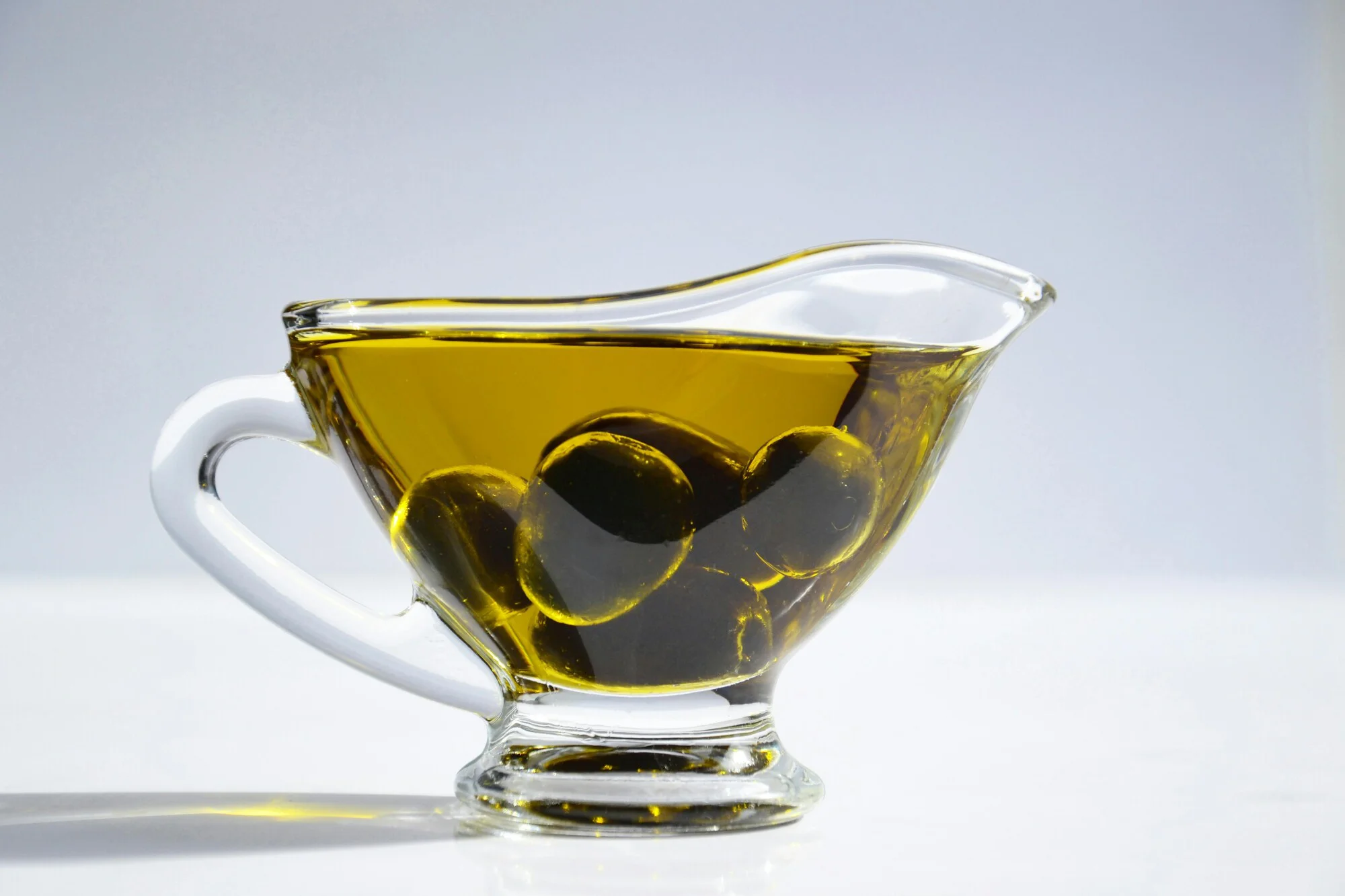
Not all fats are equal. Olive, coconut, avocado and canola oils sorted by smoke point and health profile, and which ones to leave on the shelf.
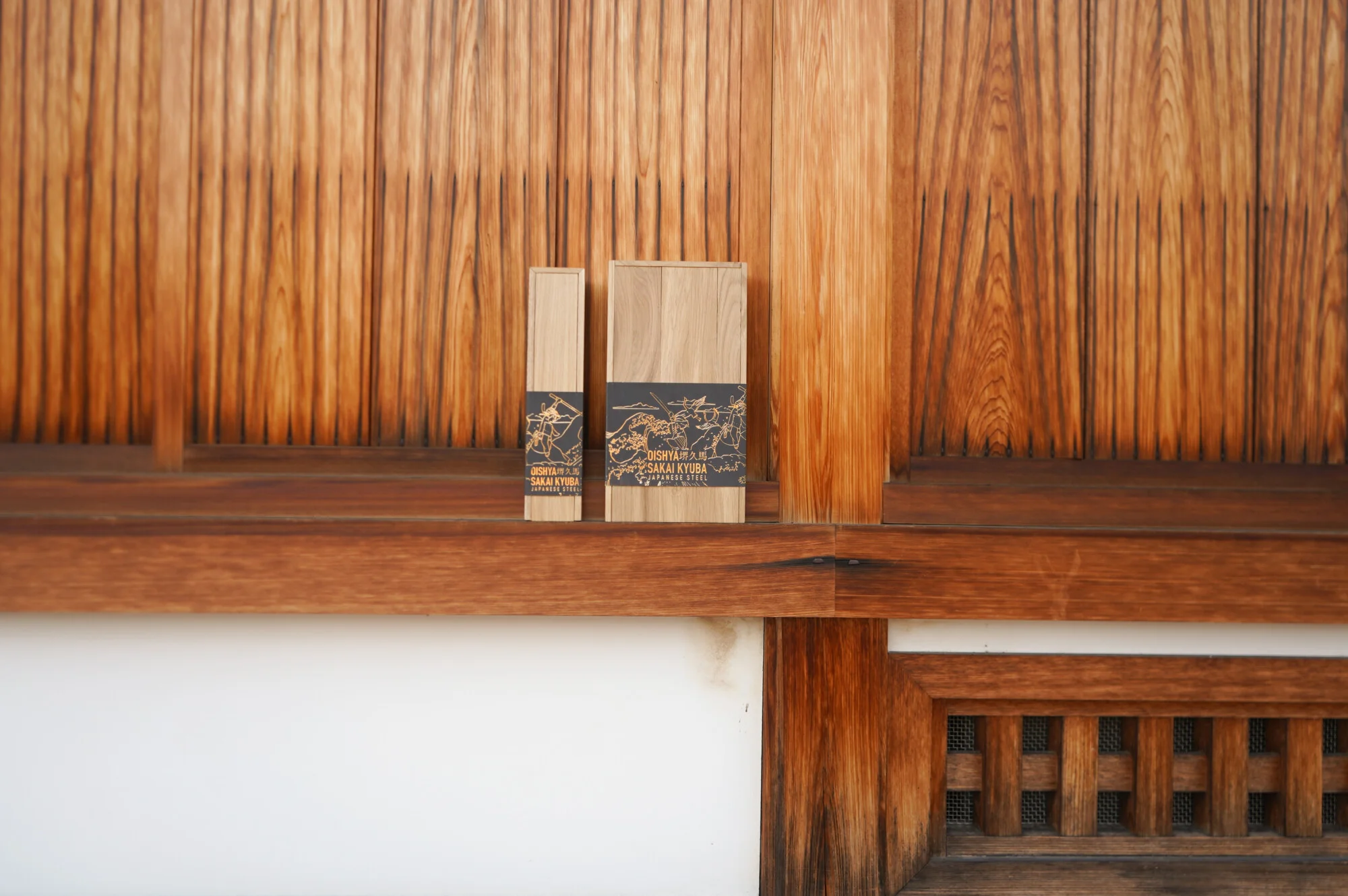
The onna-bugeisha illustration on Sakai Kyuba boxes honours feudal Japan’s female samurai, with nods to Hokusai’s Great Wave and the Oishya kamon.

Japan’s vending machines serve full meals, from hot ramen to frozen gyoza, using refrigeration, heating, and robotic arms. A look at automated dining.

Kaizen is the Japanese practice of small, continuous improvement born in postwar Japan. How Oishya applies it to craft and quality.
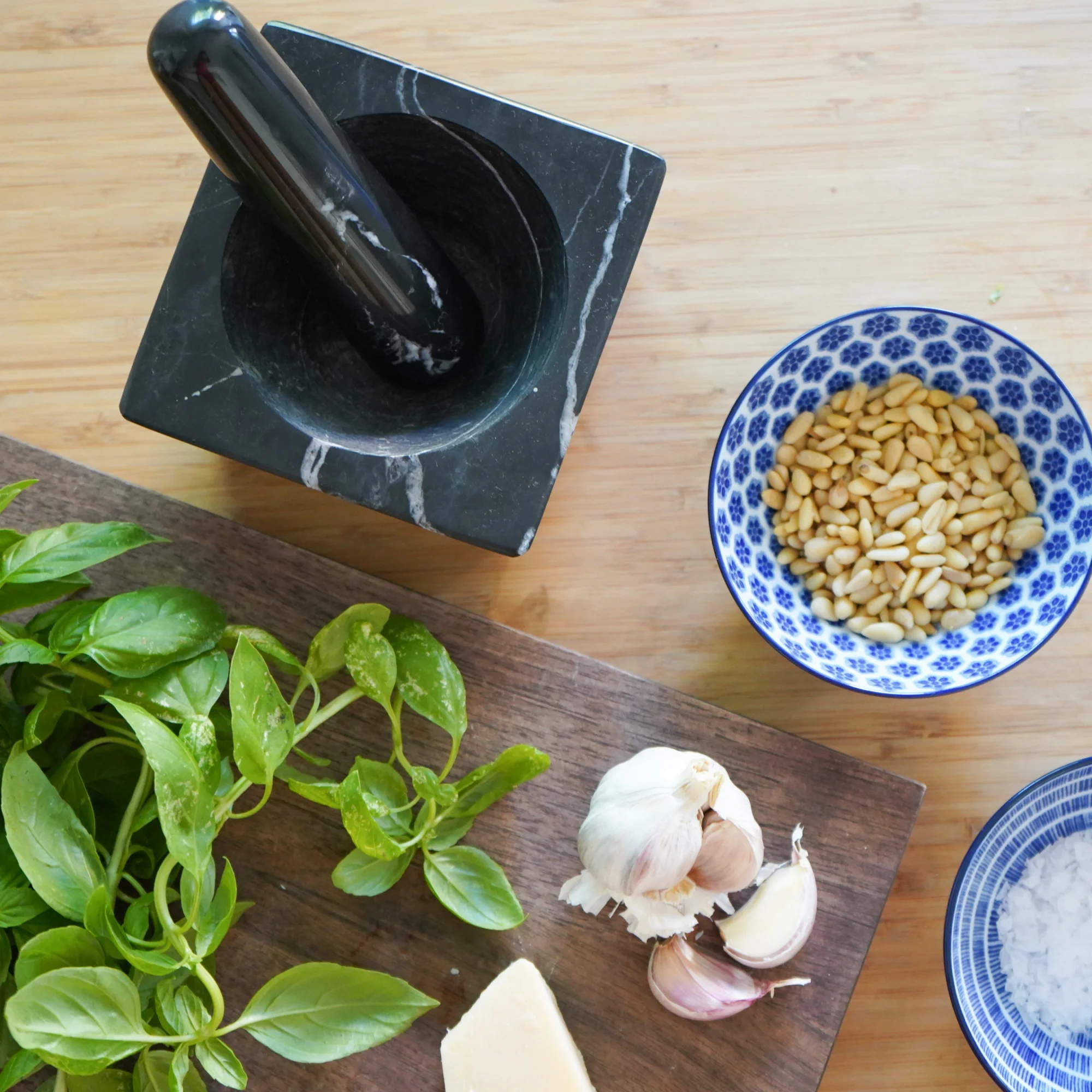
Ceramic mortars soak up yesterday’s garlic; marble, being non-porous, doesn’t. Why it wins on hygiene and longevity, and how to match a pestle to it.
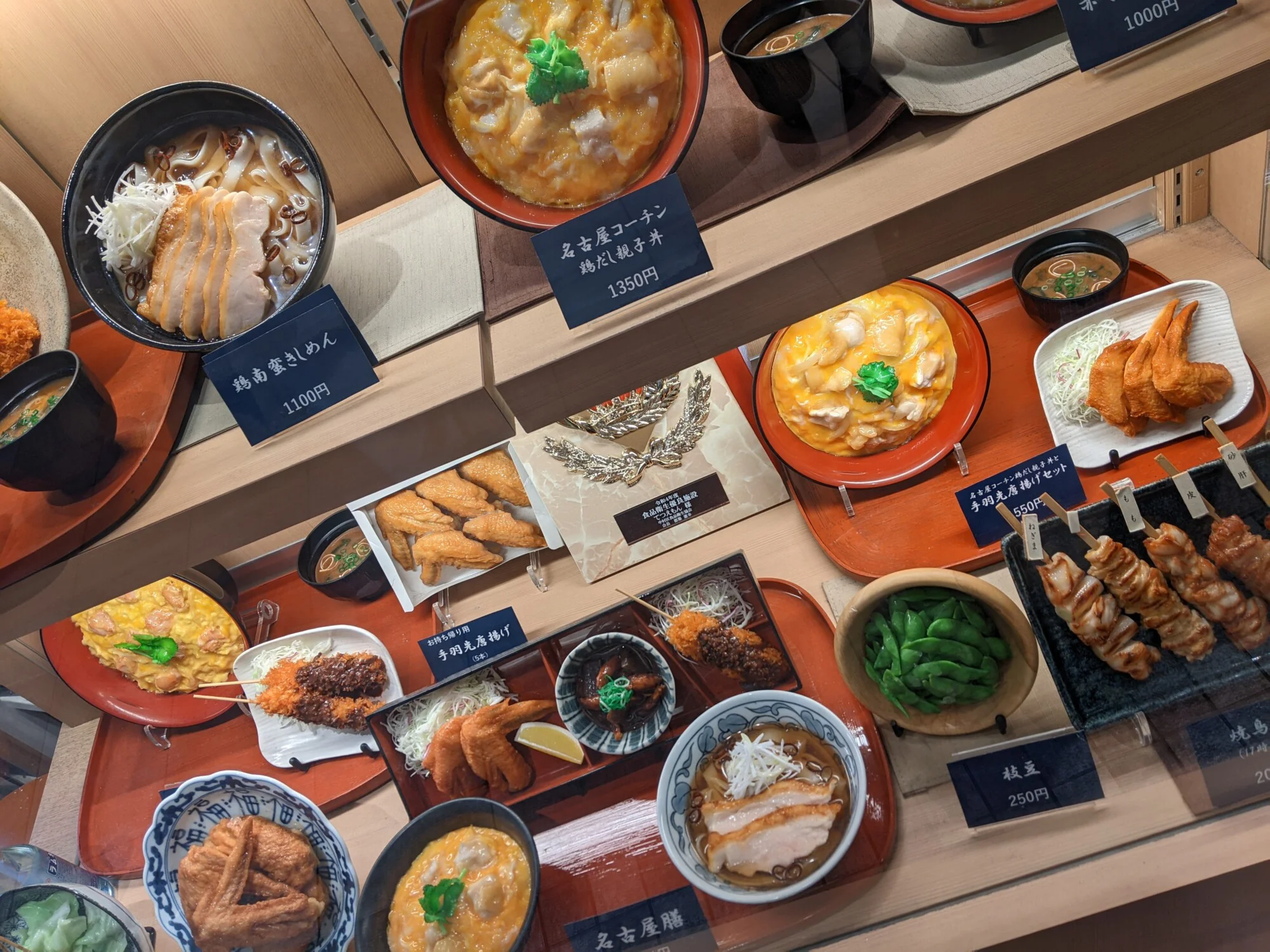
Shokuhin Sampuru are Japan’s lifelike fake food replicas, made from PVC to display restaurant menus. Inside the craft and the artisans who make them.
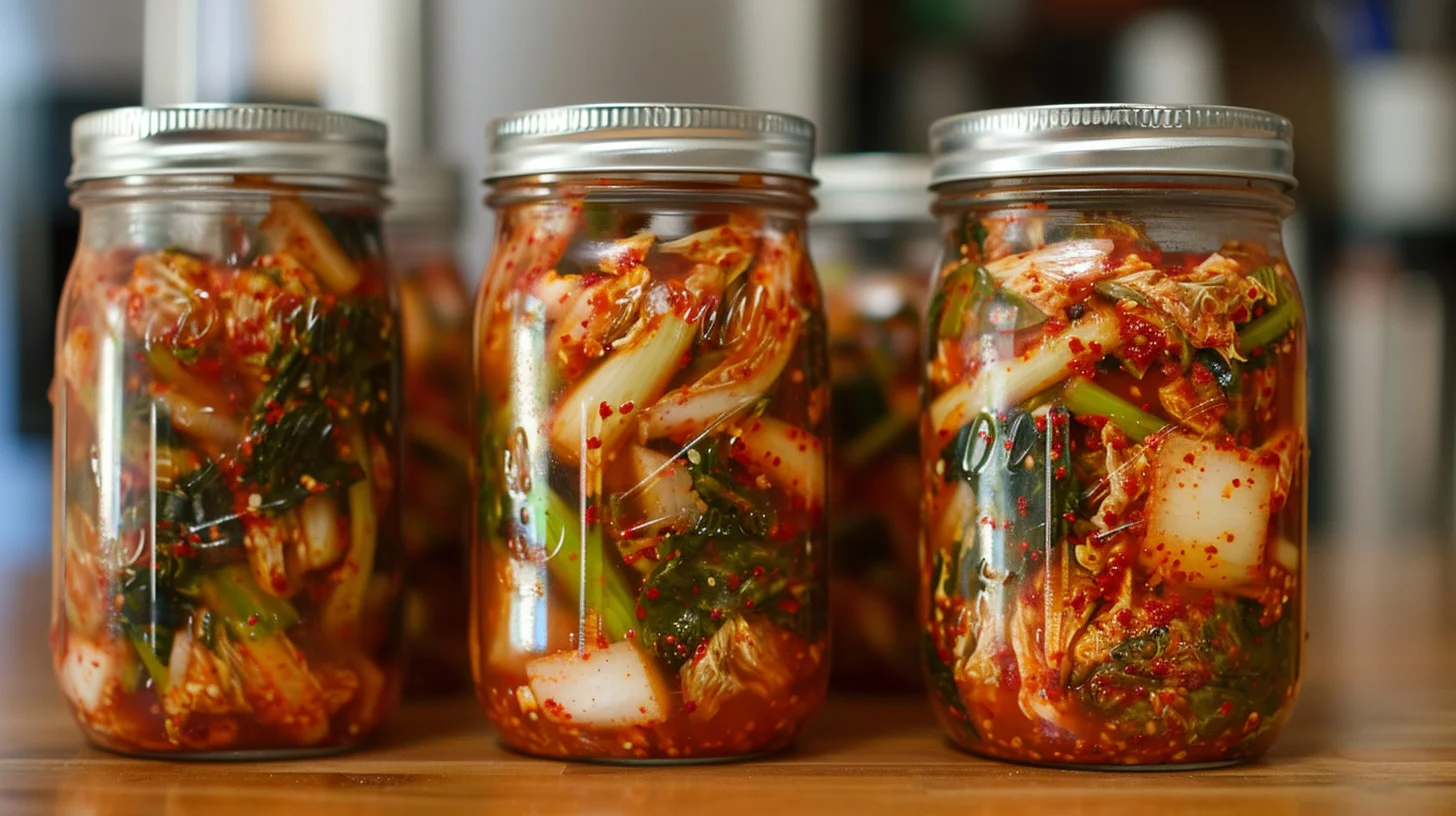
Lactic-acid bacteria, not vinegar, do the work in kimchi, building probiotics and freeing up nutrients. The science, the kimjang tradition, and a recipe.
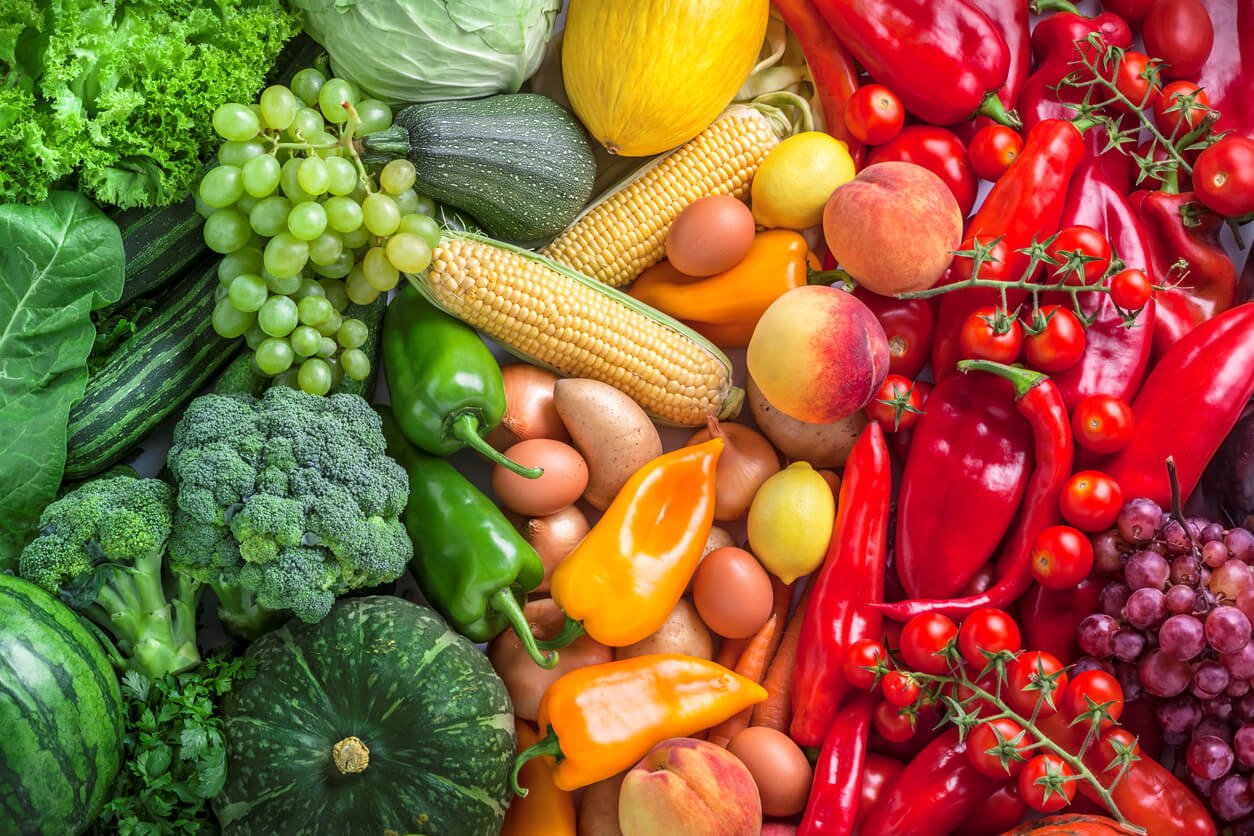
What food colour signals about flavour and nutrition, from chlorophyll and carotenoids to flavonoids and betalains in fruits and vegetables.

Okinawa has one of the world’s highest counts of centenarians, linked to a plant-rich diet and the Hara Hachi Bu habit of eating until 80% full.

21 practical low-waste tips for the kitchen and grocery shop, organised around the five R’s of zero-waste living: refuse, reduce, reuse, recycle and rot.

Why Japanese cuisine stands out: fresh seasonal ingredients, mastery of umami and the pride of the cooks behind sushi, ramen, soba and more.
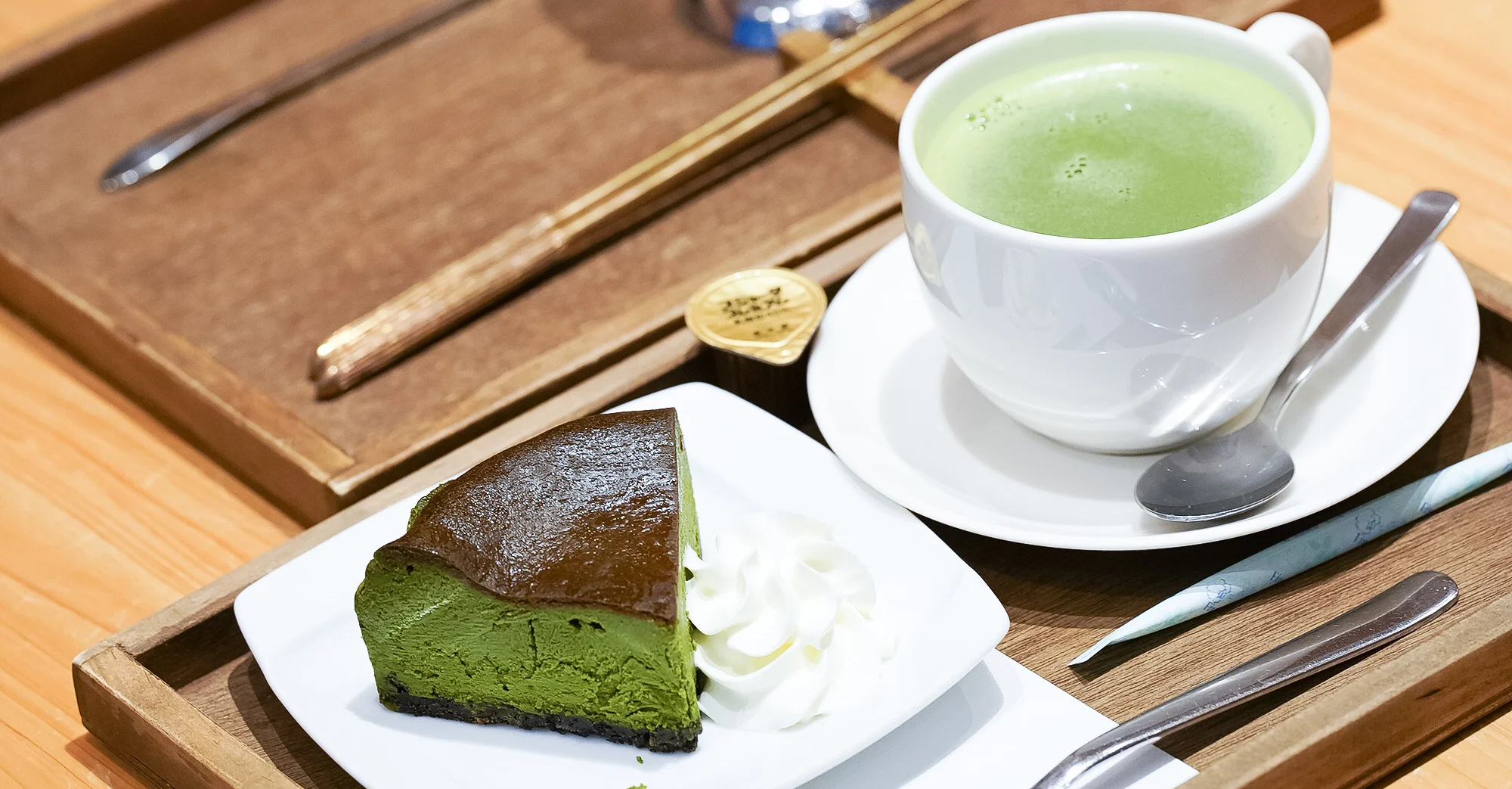
A look at Japanese green tea, from its 8th-century roots and Zen monk Eisai to the main varieties, health benefits and tips for brewing a good cup.