
4 Basic Knife Cut Techniques Everyone Should Master
The four knife cuts worth knowing, the slice, the chop, the back-slice and the rock-chop, with how to grip the blade and use its full length.

The four knife cuts worth knowing, the slice, the chop, the back-slice and the rock-chop, with how to grip the blade and use its full length.

Fifteen creative hobbies to bring more balance into life, nine of them Japanese in origin, including ikebana, bullet journaling and kintsugi.

Not all wood suits a cutting board. Judge a species by Janka hardness, toxicity, porosity, conditioning and cost before you buy or build one.

A magnetic strip mounted out of small hands’ reach, knives dried the moment they’re washed, and knowing when a child is ready for a real blade.

Cutting a pomegranate without the mess takes a paring knife, a board and a bowl. First, here is how to pick one that is ripe and juicy.

Electric pull-through, manual sharpener or whetstone: which one your knives actually want, plus serrated edges, over-sharpening and smart storage.

You don’t need a twelve-knife block. Why three well-made blades cover almost everything, and how a Japanese 12-15 degree edge differs from a Western one.

Five steps to a minimalist kitchen, from decluttering by the 9-month rule to restricting colours, losing handles, and planning hidden storage.

Fifty cooking tips gathered from top chefs, covering baking temperatures, storing spices, making stock, seasoning evenly, and much more.

A step-by-step recipe for making sourdough bread from scratch, including how to grow your own starter and why a slow rise deepens flavour.

Never keep knives loose in a drawer, the blades chip against each other. Fifteen fixes, from over-the-sink boards to magnetic racks on the wall.

One chef owns around 100 knives but reaches for the same 7-to-9-inch blade for most jobs. What to weigh up before you buy your one workhorse.

There is no women’s knife, only the right size for your hands. For smaller hands, a 150mm petty knife is nimble and easy to control.

The traditional Japanese diet is rich in fish, vegetables and fermented foods, low in sugar, and linked to long life and good health.

It started with Carlo Petrini’s Slow Food in 1980s Italy, an antidote to gulping lunch at your desk. Consuming less, and actually noticing the day.

Flow is the absorbed state where time disappears, and it leads to happiness at work. Ten steps draw on Zen to help you reach it.

Macrobiotics is a Japanese diet of balance built by George Ohsawa, favouring whole grains, organic seasonal produce and yin and yang foods.

Wabi-sabi is the Japanese philosophy of finding beauty in imperfection, teaching us to value simplicity and accept that nothing is permanent.

Ten tips for decorating your home with cushions, covering how to match existing decor, go bold with colour, layer textures and mix prints.

Minimalism trades possessions for experiences. A 20-year Cornell study found that lasting happiness comes from what we do, not what we own.

Fork on the left, knife and spoon on the right with the blade facing in. Three settings, from casual to formal, so hosting stops being guesswork.

Thumb for worry, index for fear, middle for anger. Hold each finger 30 seconds and this Japanese technique settles you in under five minutes.

Working with conservative Japanese blacksmiths was a culture clash for us. How meetings run, and why the business-card exchange is near-sacred.

The Japanese tea ceremony explained, from matcha and the Way of Tea to the rituals, utensils and hospitality behind each gathering.

Yes, stainless knives rust too. What iron oxide actually is, why the dishwasher ruins a blade, and the ways to scrub the orange flakes back off.

They trained with the naginata and fought to the same standard as the men. Meet Empress Jingu, who led a campaign into Korea, and Tomoe Gozen.

Every motif on a kimono says something. Nihon shishu embroidery dates back 1,600 years to the Kofun period, and its patterns carry coded meaning.

Every stem has a job: ikebana angles branches to stand for heaven, earth and humanity, a discipline monks shaped from Shinto altar offerings.

Cross six inches and it’s shears, not scissors. The larger handle gives leverage for tougher cuts; scissors stay small and multipurpose.

Scandinavian cool meets Japanese warmth: Japandi leans on wabi-sabi and hygge for rooms that stay minimal without feeling clinical.
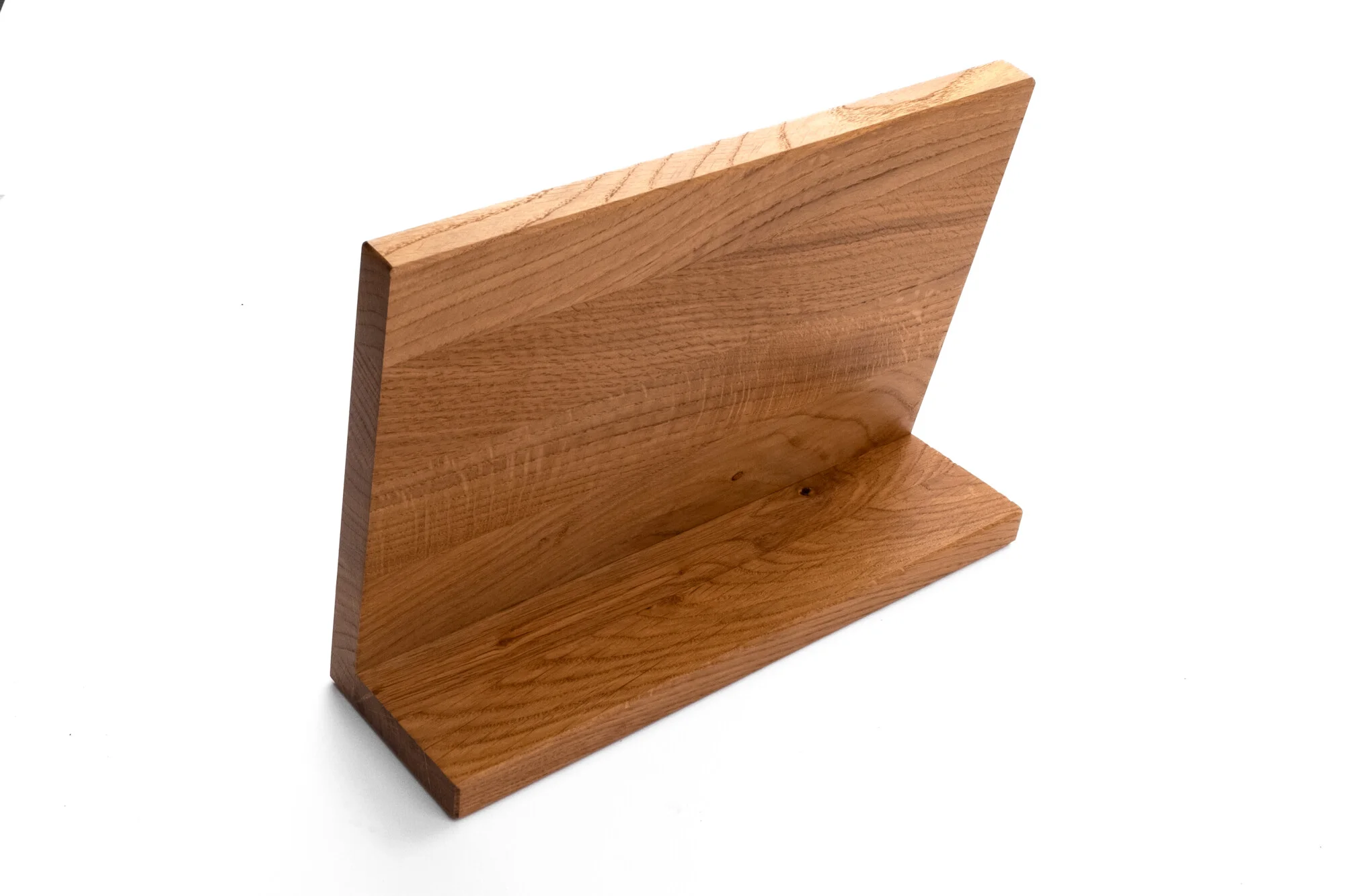
Five rules for caring for a Japanese knife, covering hand washing, the right cutting board, whetstone sharpening, and proper storage.
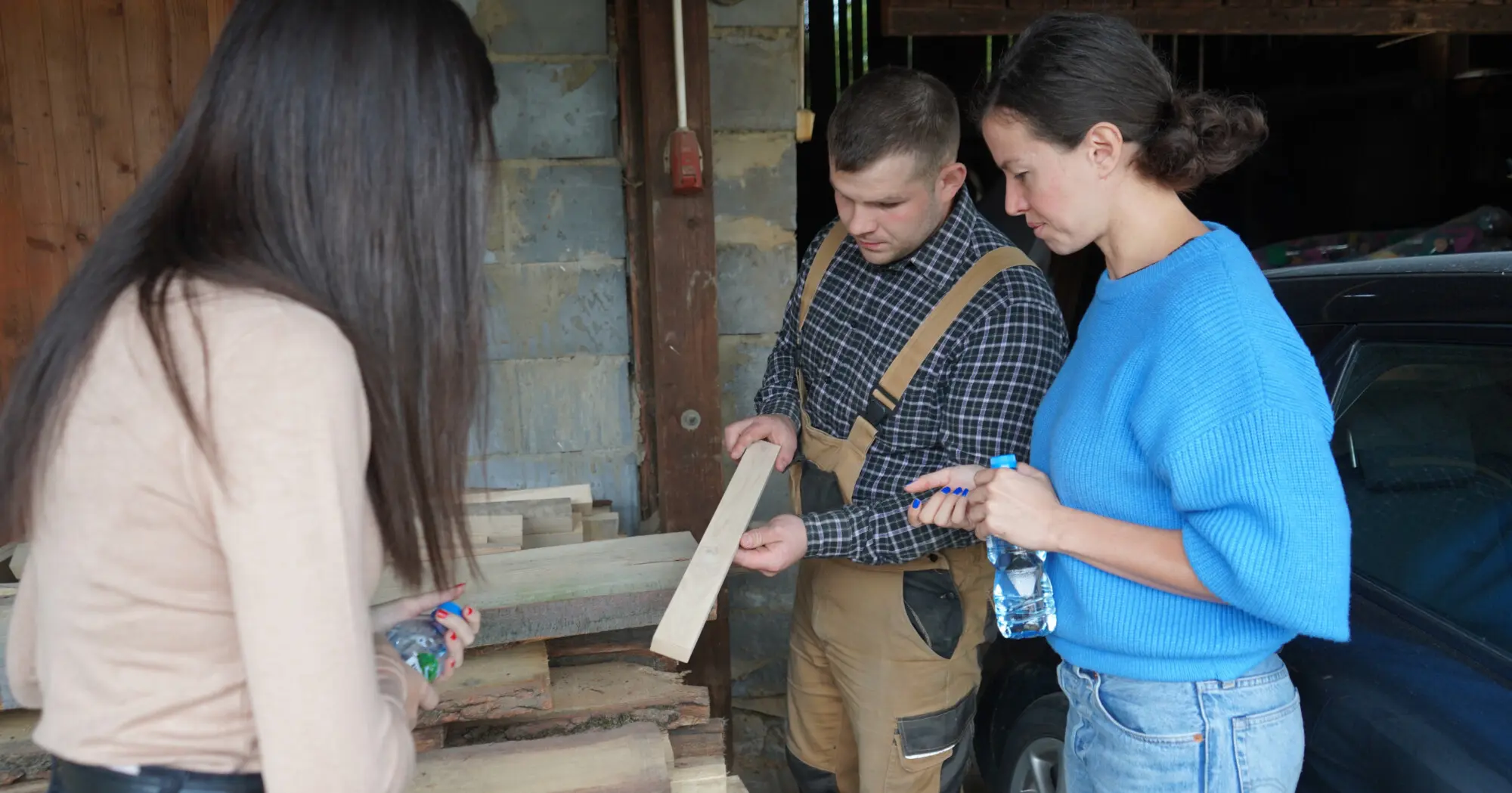
The story of Oishya, a brand born from trips to Sakai and Seki that works with Japanese workshops to make knives for European home cooks.
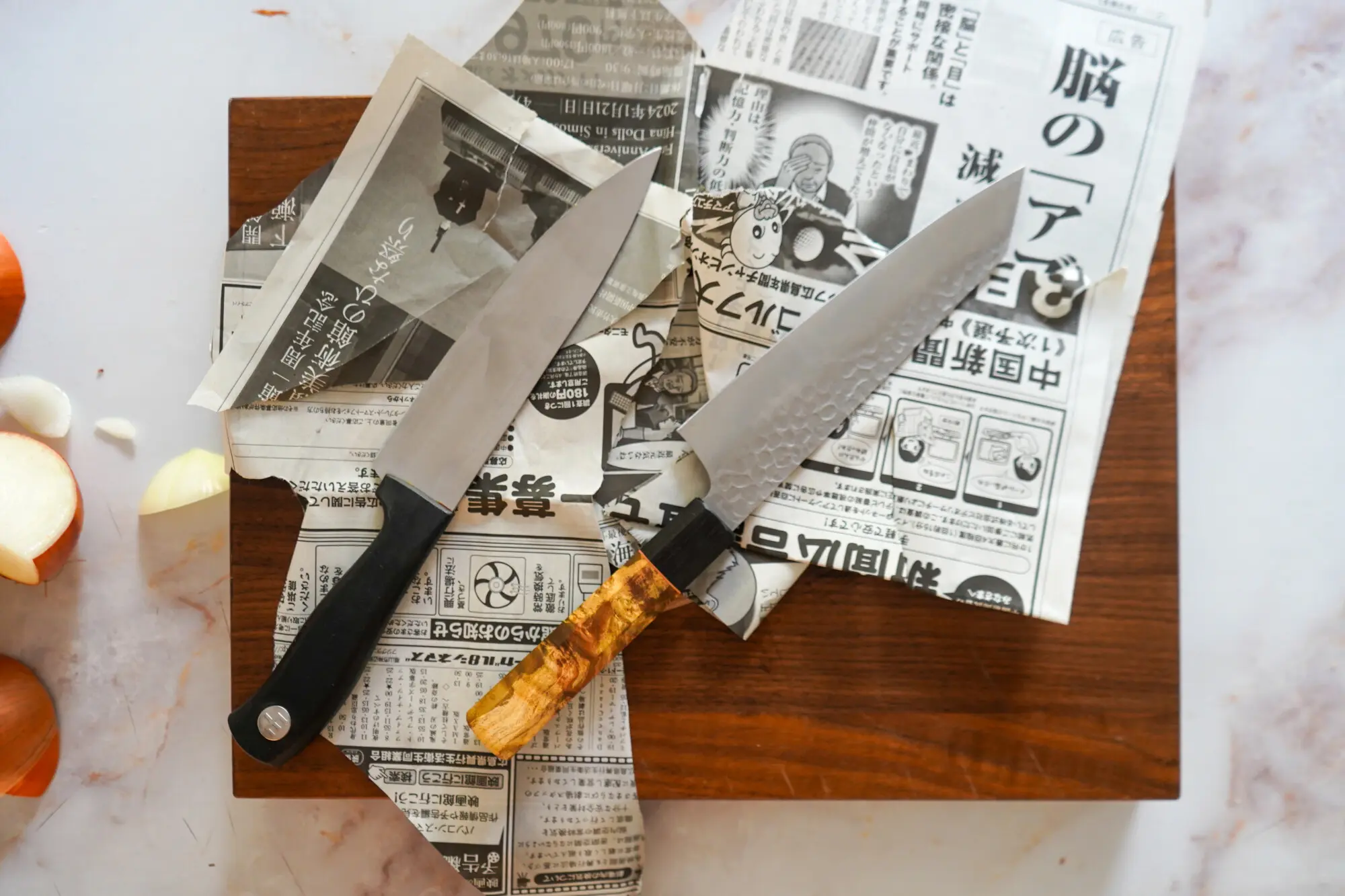
Ten kitchen gifts for summer 2026 cooks, from a Sakai Kyuba santoku and brass chopsticks to walnut cutting boards and a three-knife set.

Five rules for caring for a Japanese knife, covering hand washing, the right cutting board, whetstone sharpening, and proper storage.
The story of Oishya, a brand born from trips to Sakai and Seki that works with Japanese workshops to make knives for European home cooks.
Ten kitchen gifts for summer 2026 cooks, from a Sakai Kyuba santoku and brass chopsticks to walnut cutting boards and a three-knife set.