
Do I Need a Special Knife like a Sashimi or Yanagiba Knife for Sushi?
Can you make good sushi at home without a Yanagiba? Where single-bevel slicers ground 70:30 or 90:10 actually earn their keep, and when they don’t.

Can you make good sushi at home without a Yanagiba? Where single-bevel slicers ground 70:30 or 90:10 actually earn their keep, and when they don’t.

The difference between Shirogami (#1) and Aogami (#2) steels, how their carbon and alloy content compares, and which blades each suits best.

A guide to knife steel including VG10 and Blue Steel, explaining hardness, toughness, wear resistance, and edge retention in plain terms.

The three most common mistakes that ruin Japanese knives: the dishwasher, loose storage in drawers, and how to avoid both with simple care.

What separates one knife steel from another? A sortable composition table, plus what carbon, chromium and molybdenum each do to edge, hardness and rust resistance.

Western blades meet in the middle at roughly 20 degrees; most Japanese knives are ground on one side only. What that single bevel buys you, and where it doesn’t.

How Japanese knives are forged, from joining iron and steel and the role of tamahagane to the hammering that gives each blade its strength.

Three simple rules for keeping kitchen knives sharp and rust-free, plus how to clean, dry, oil, and store your blades and whetstones.
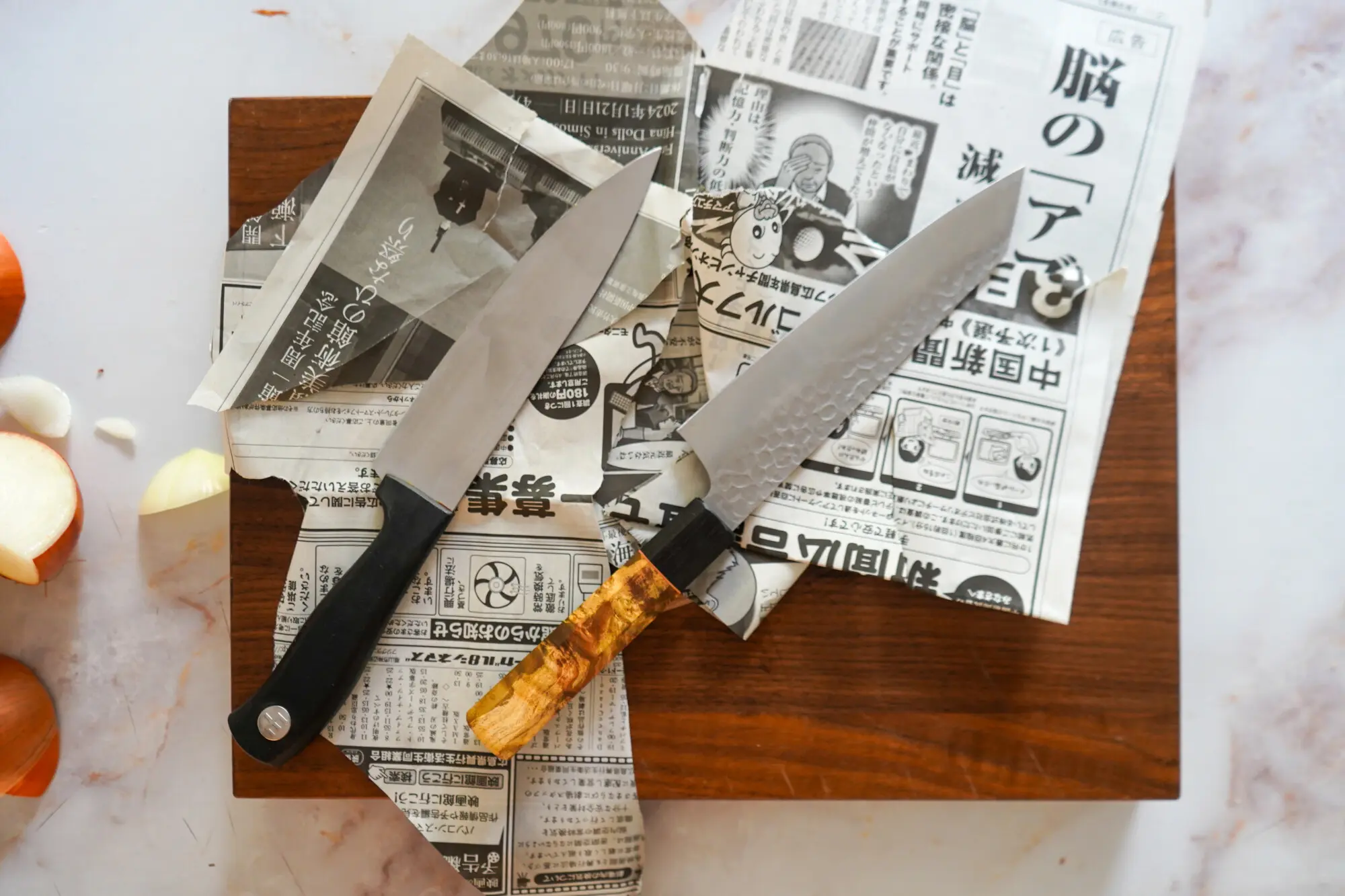
A dull blade slips and crushes food at the cellular level. Here’s why a keen edge is safer, and three sharpness checks using paper, a fingernail and food.
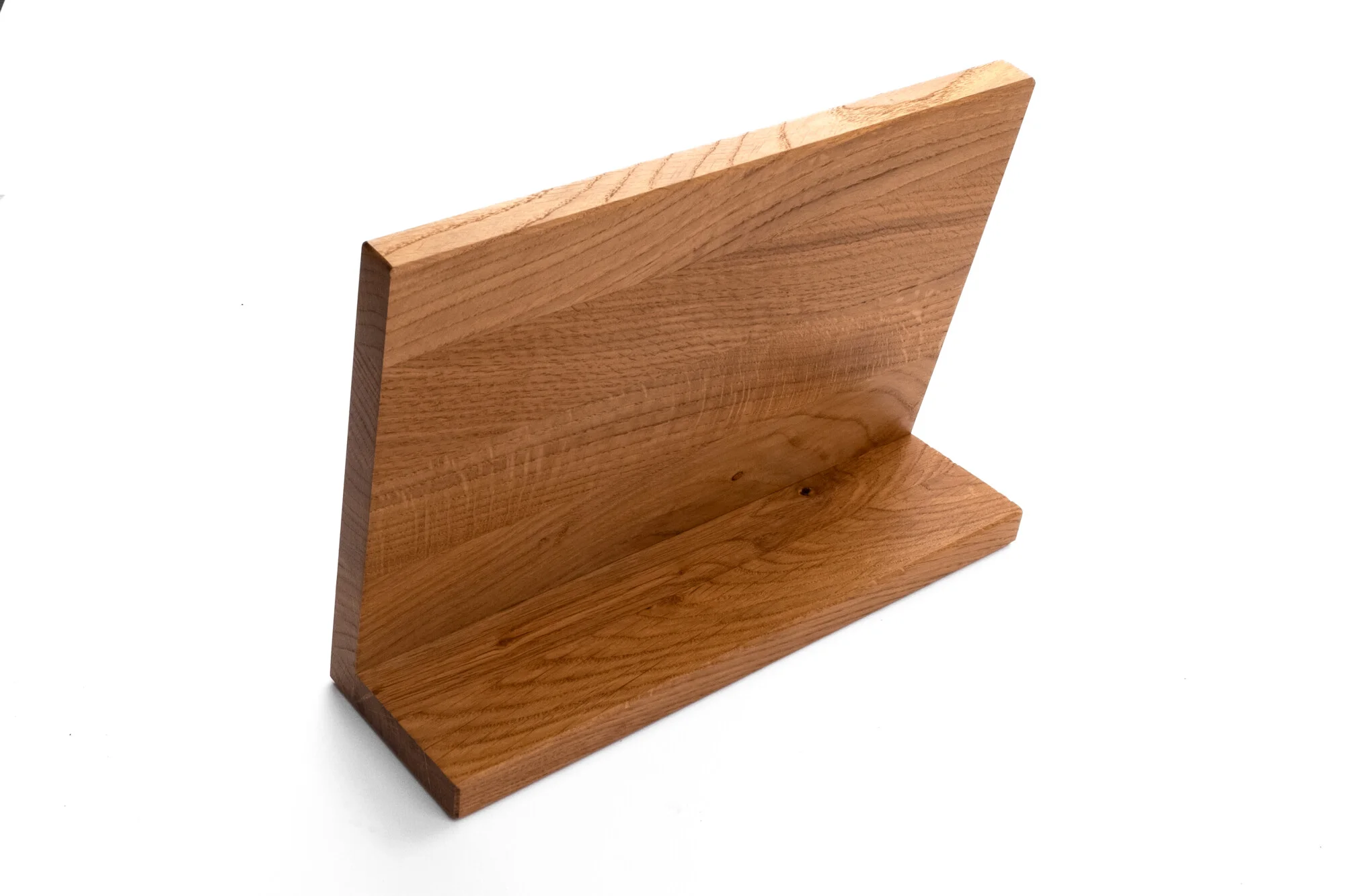
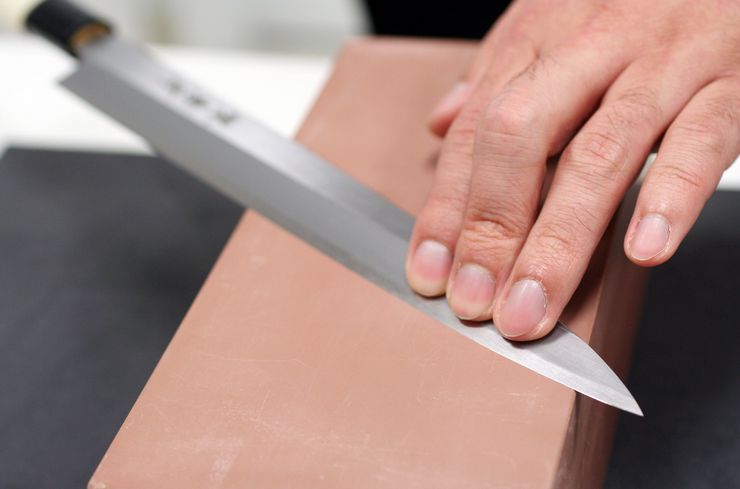
Five rules for caring for a Japanese knife, covering hand washing, the right cutting board, whetstone sharpening, and proper storage.

The story of Oishya, a brand born from trips to Sakai and Seki that works with Japanese workshops to make knives for European home cooks.
Ten kitchen gifts for summer 2026 cooks, from a Sakai Kyuba santoku and brass chopsticks to walnut cutting boards and a three-knife set.

Five rules for caring for a Japanese knife, covering hand washing, the right cutting board, whetstone sharpening, and proper storage.
The story of Oishya, a brand born from trips to Sakai and Seki that works with Japanese workshops to make knives for European home cooks.
Ten kitchen gifts for summer 2026 cooks, from a Sakai Kyuba santoku and brass chopsticks to walnut cutting boards and a three-knife set.