Kintsugi tableware carries a message: mend the break in gold and show it off. That, plus nine more Japan-inspired gifts for her.
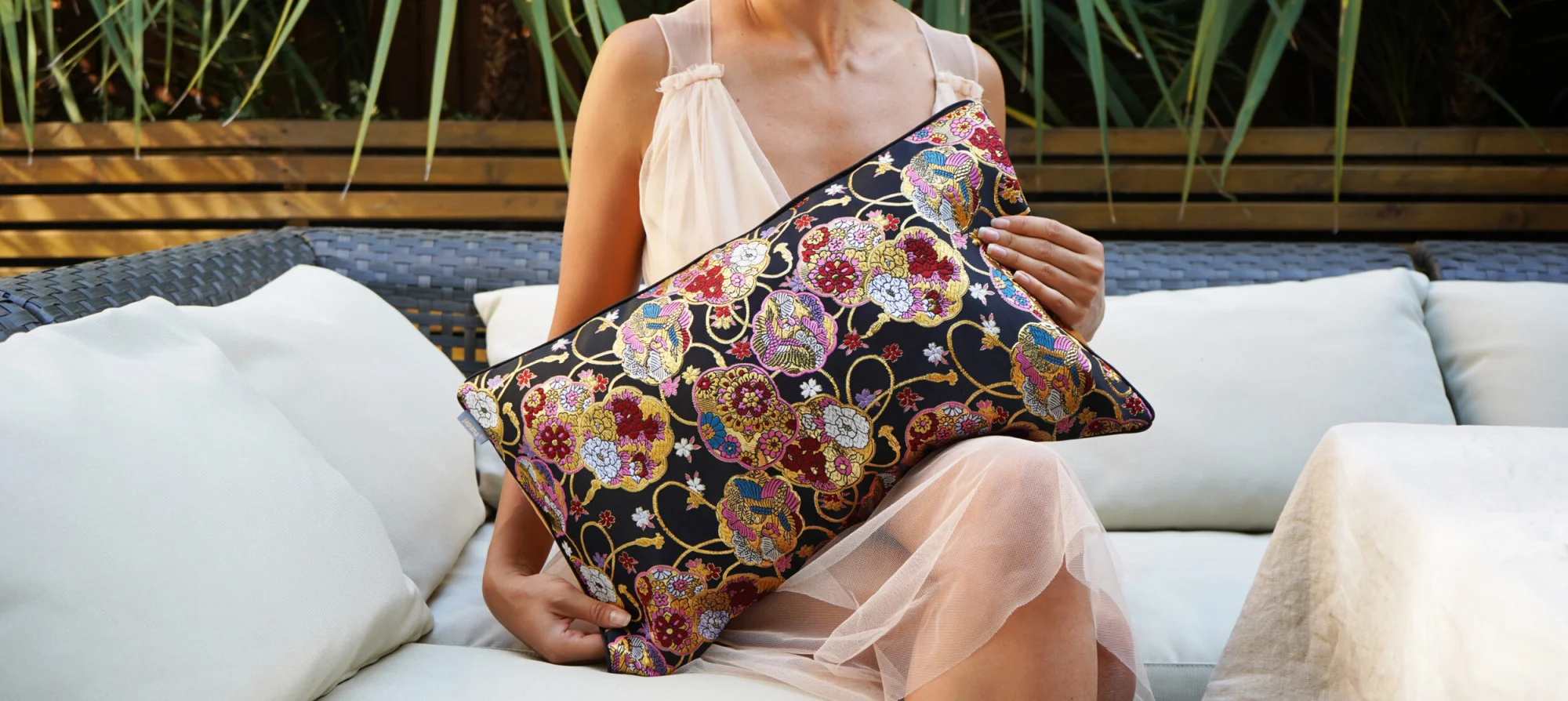

Kintsugi tableware carries a message: mend the break in gold and show it off. That, plus nine more Japan-inspired gifts for her.
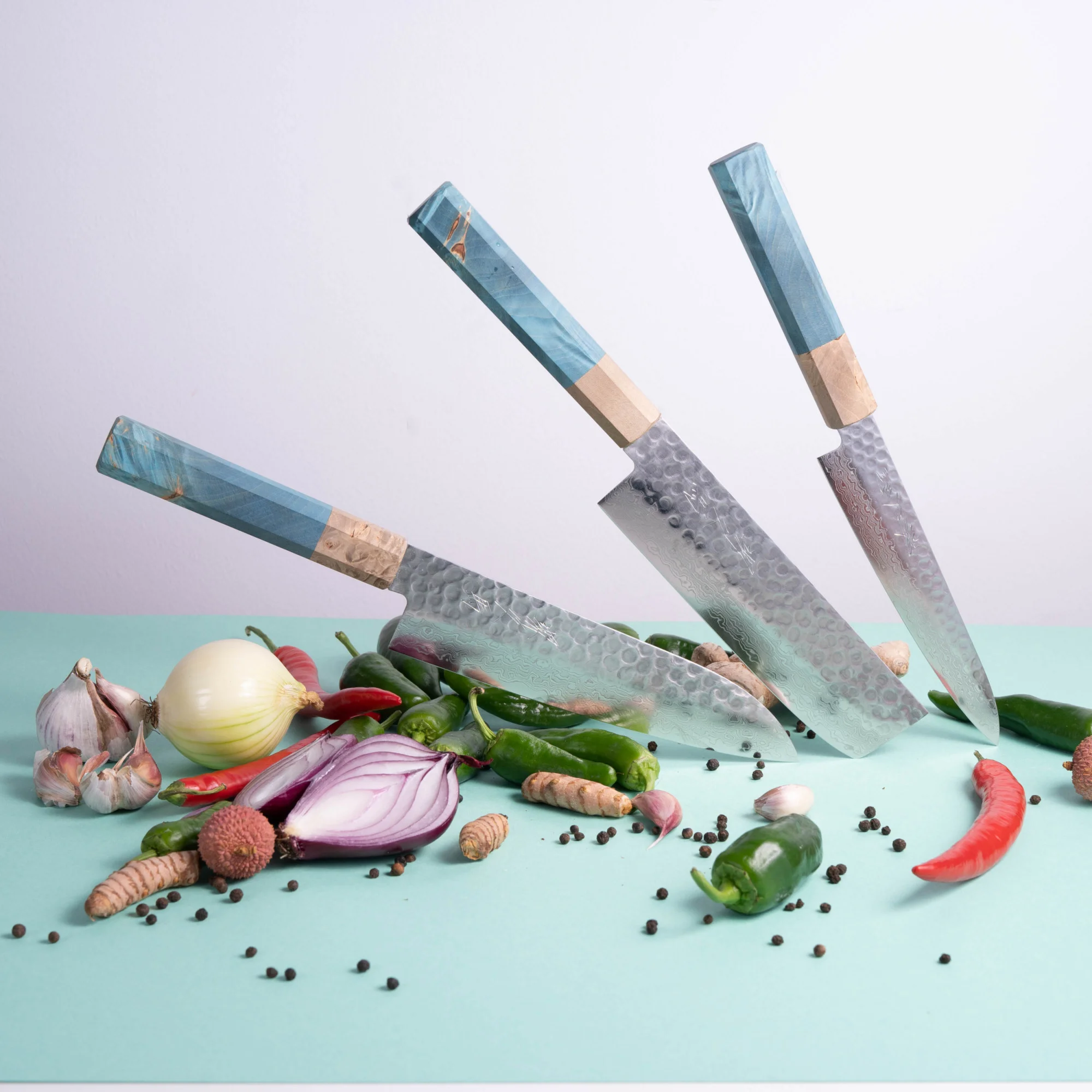
Rockwell 58-65 steel against Europe’s 52-56, a 15-degree bevel instead of 20, and a blade hammered light enough to draw toward you.
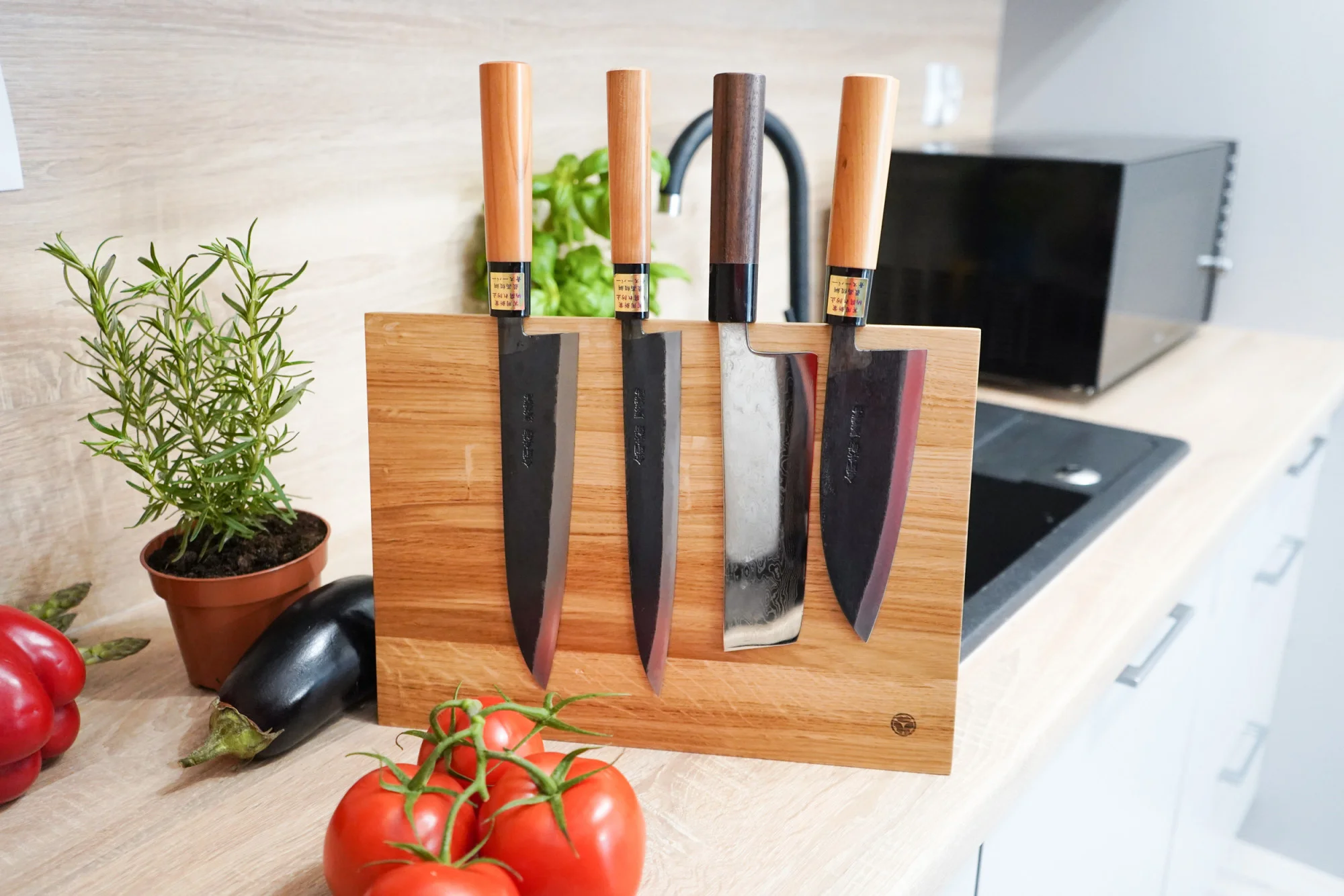
Most kitchen gifts get used once, then forgotten. These eleven don’t, from a Sakai Kyuba knife set to an Aomori Hiba cutting board.
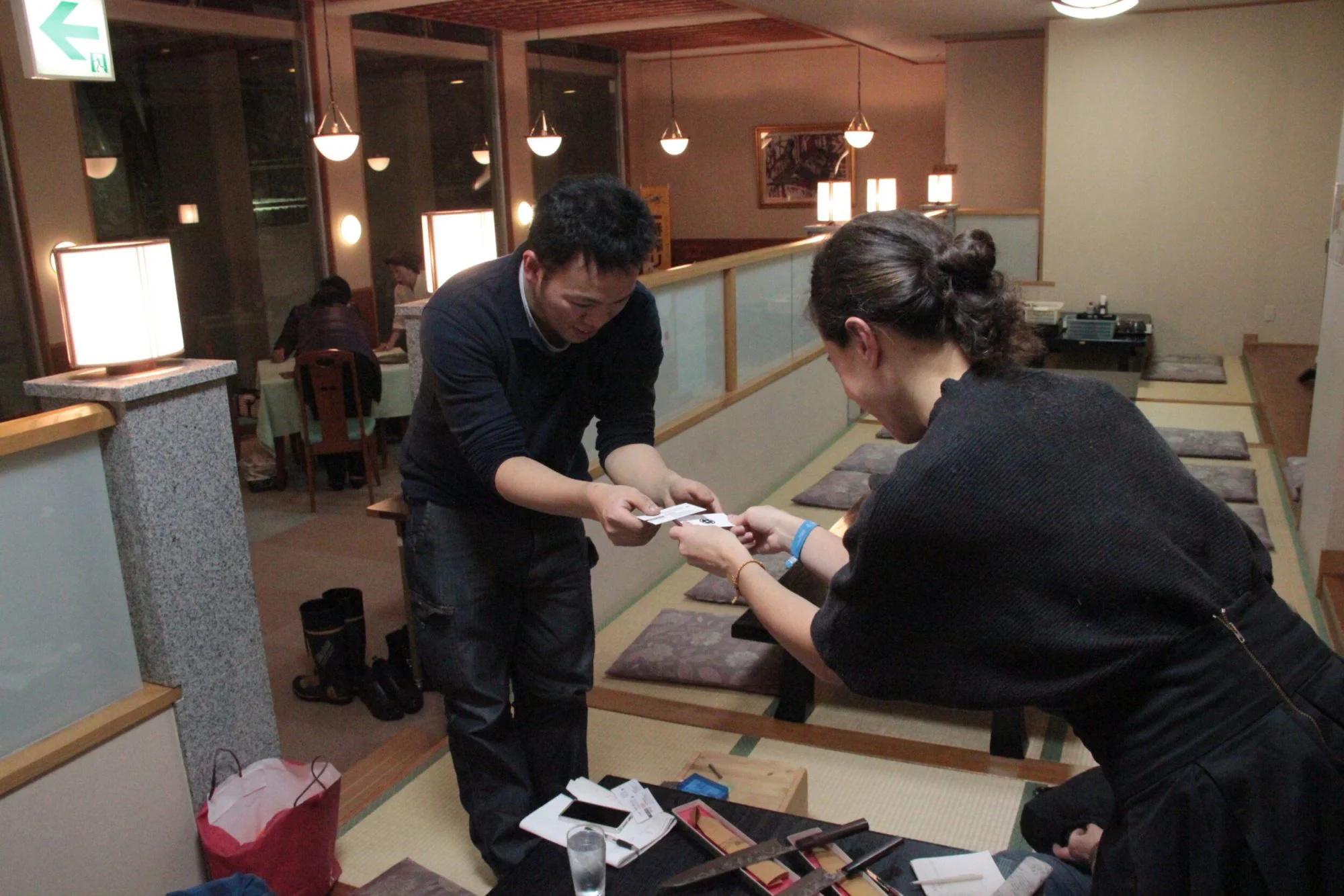
Carry 100 cards for a week in Japan, and never slide one across the table. Giving and receiving business cards without causing quiet offence.
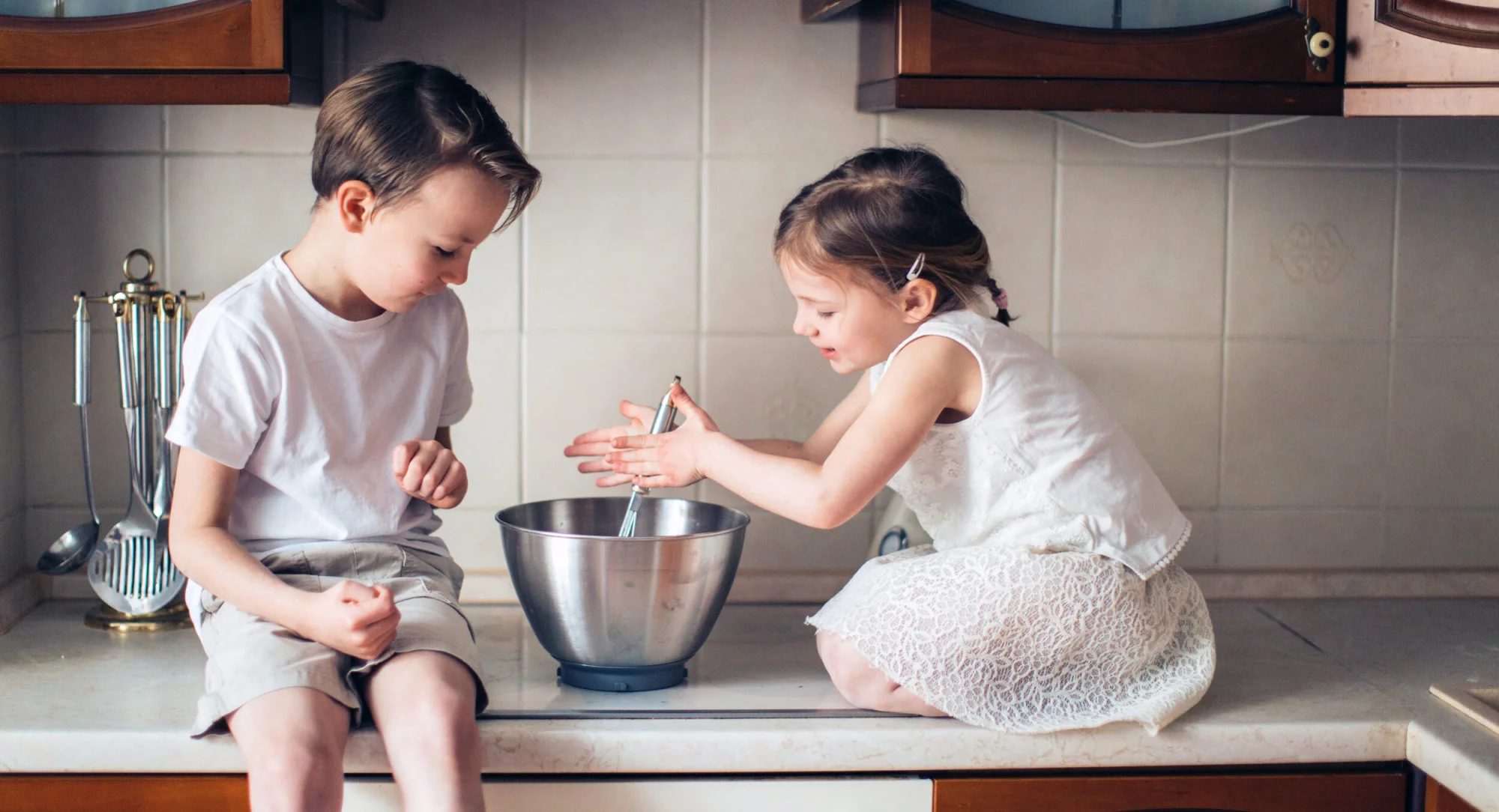
A magnetic strip mounted out of small hands’ reach, knives dried the moment they’re washed, and knowing when a child is ready for a real blade.
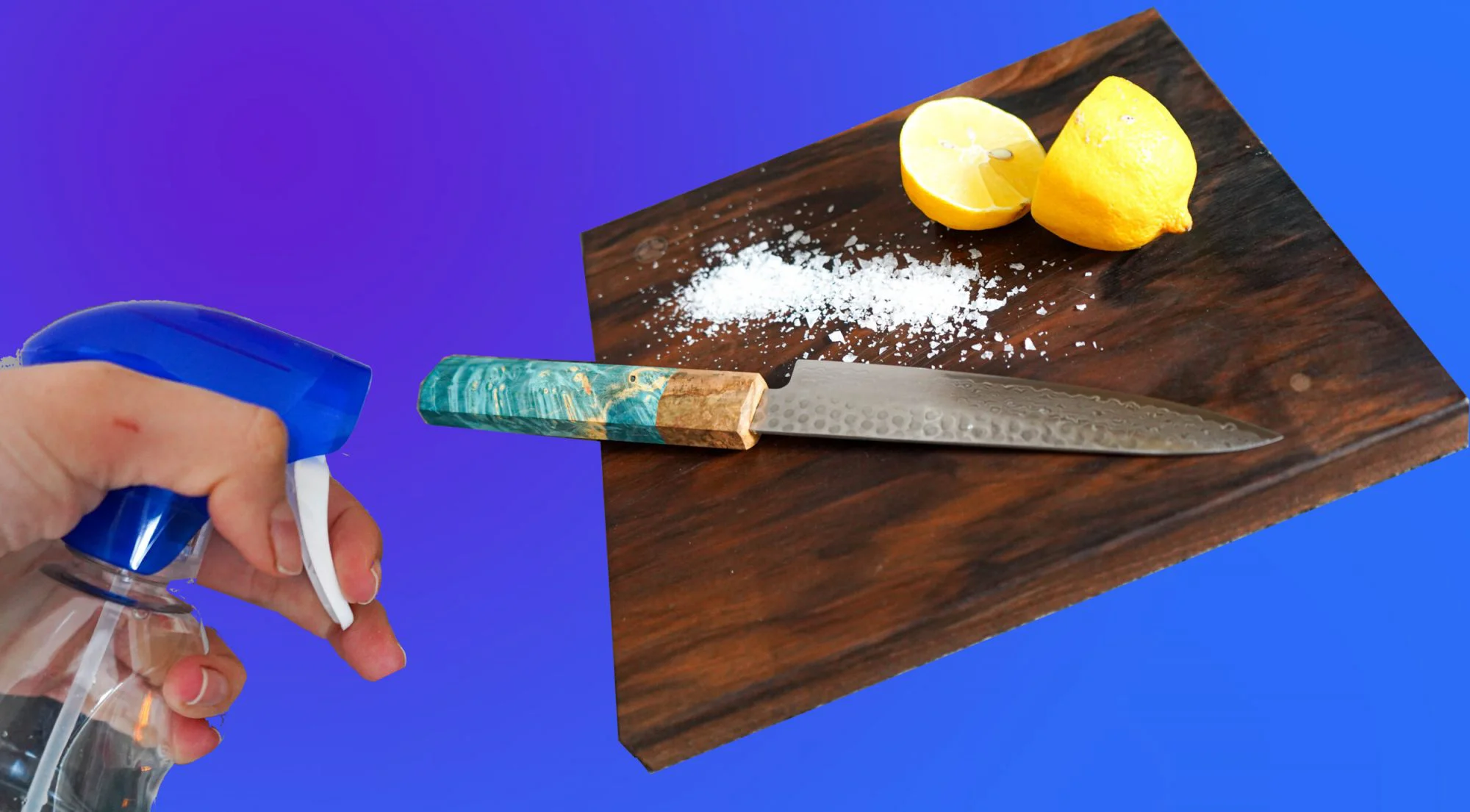
Never keep knives loose in a drawer, the blades chip against each other. Fifteen fixes, from over-the-sink boards to magnetic racks on the wall.

Fork on the left, knife and spoon on the right with the blade facing in. Three settings, from casual to formal, so hosting stops being guesswork.
Every stem has a job: ikebana angles branches to stand for heaven, earth and humanity, a discipline monks shaped from Shinto altar offerings.
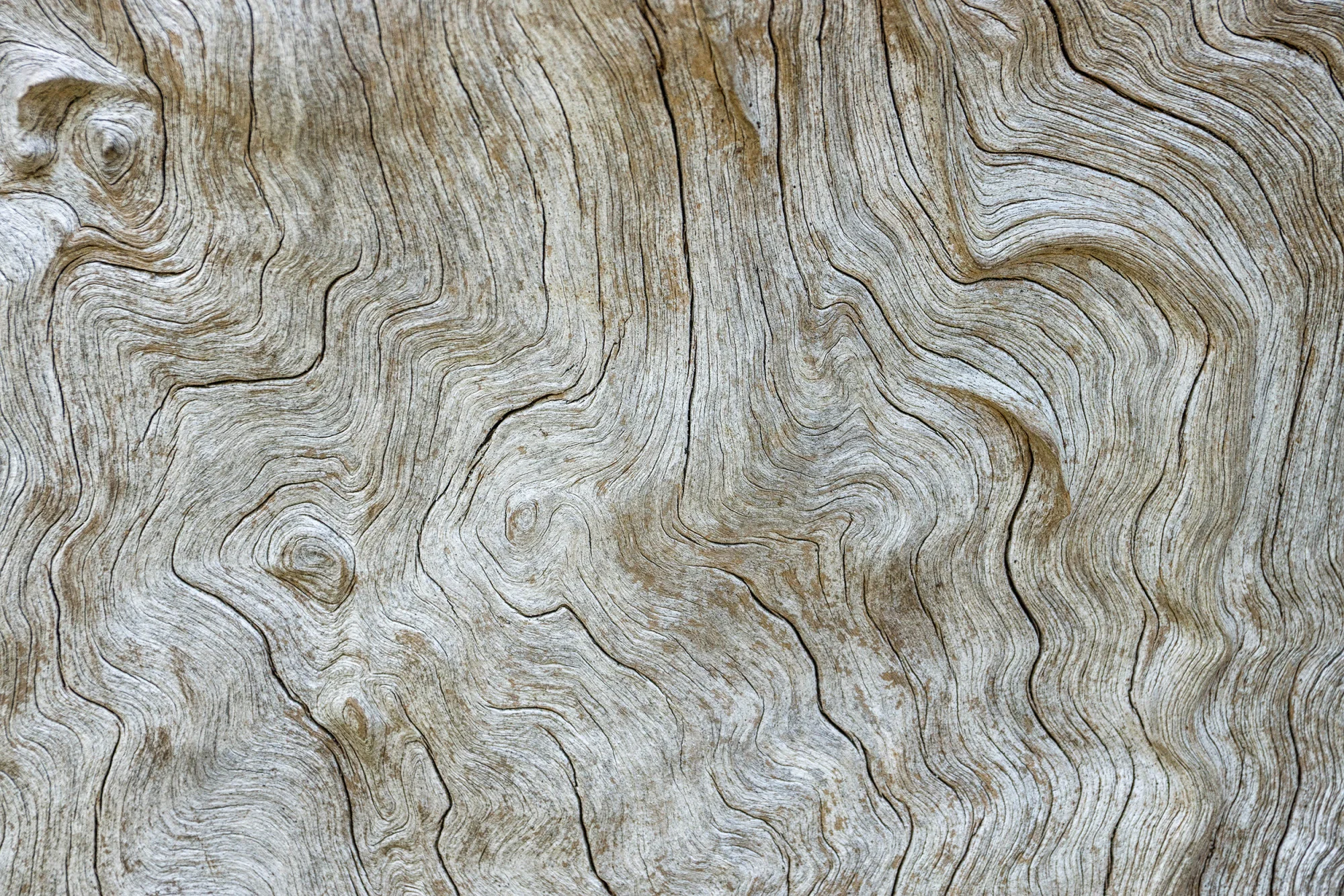
End grain costs more and resists warping; edge grain is cheaper but harder on your blade. Either way, wood beats plastic on hygiene.
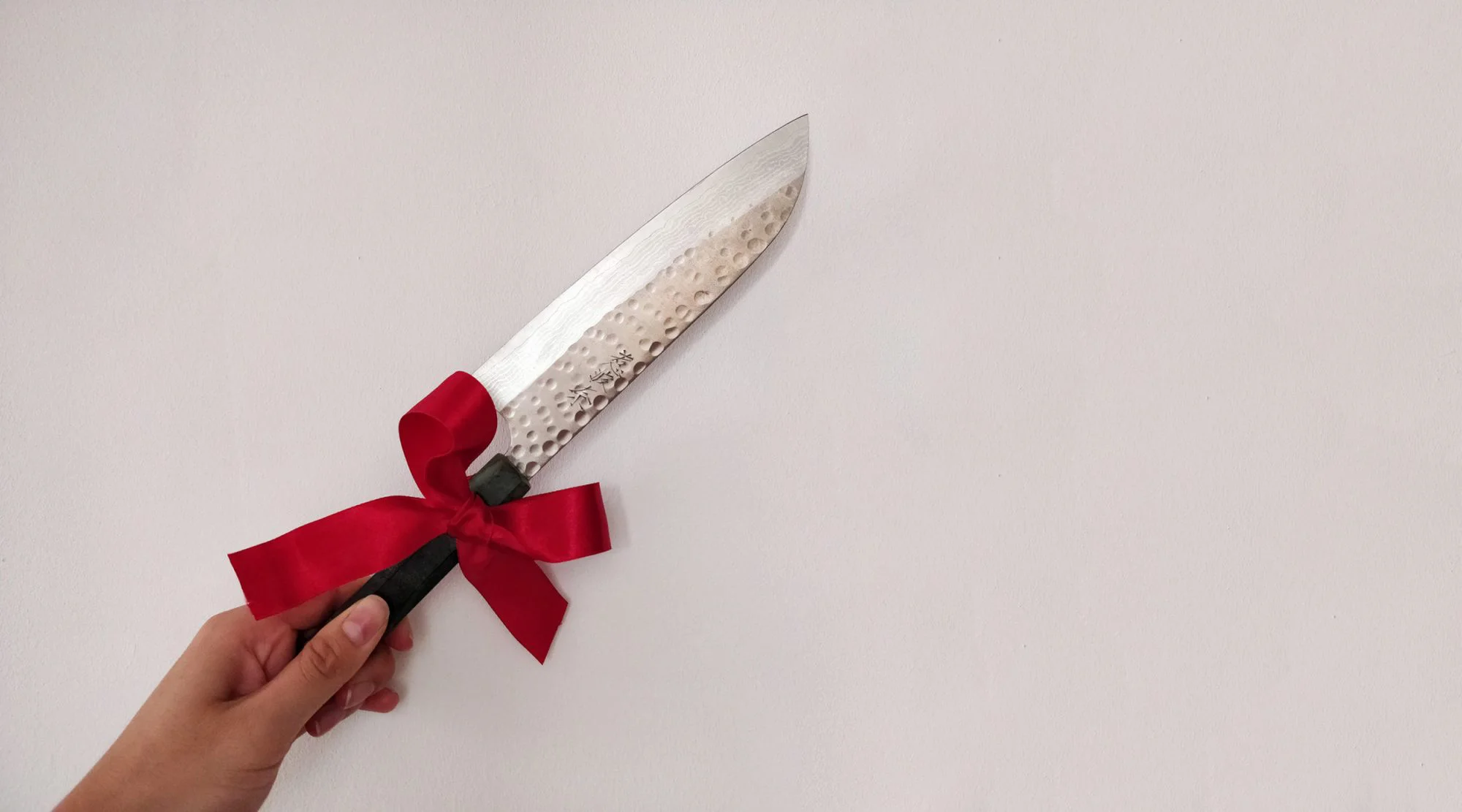
Will a knife ‘cut’ a friendship? The old superstition says yes, but hand over a coin (we include a 5 yen piece) and the gift is safe.
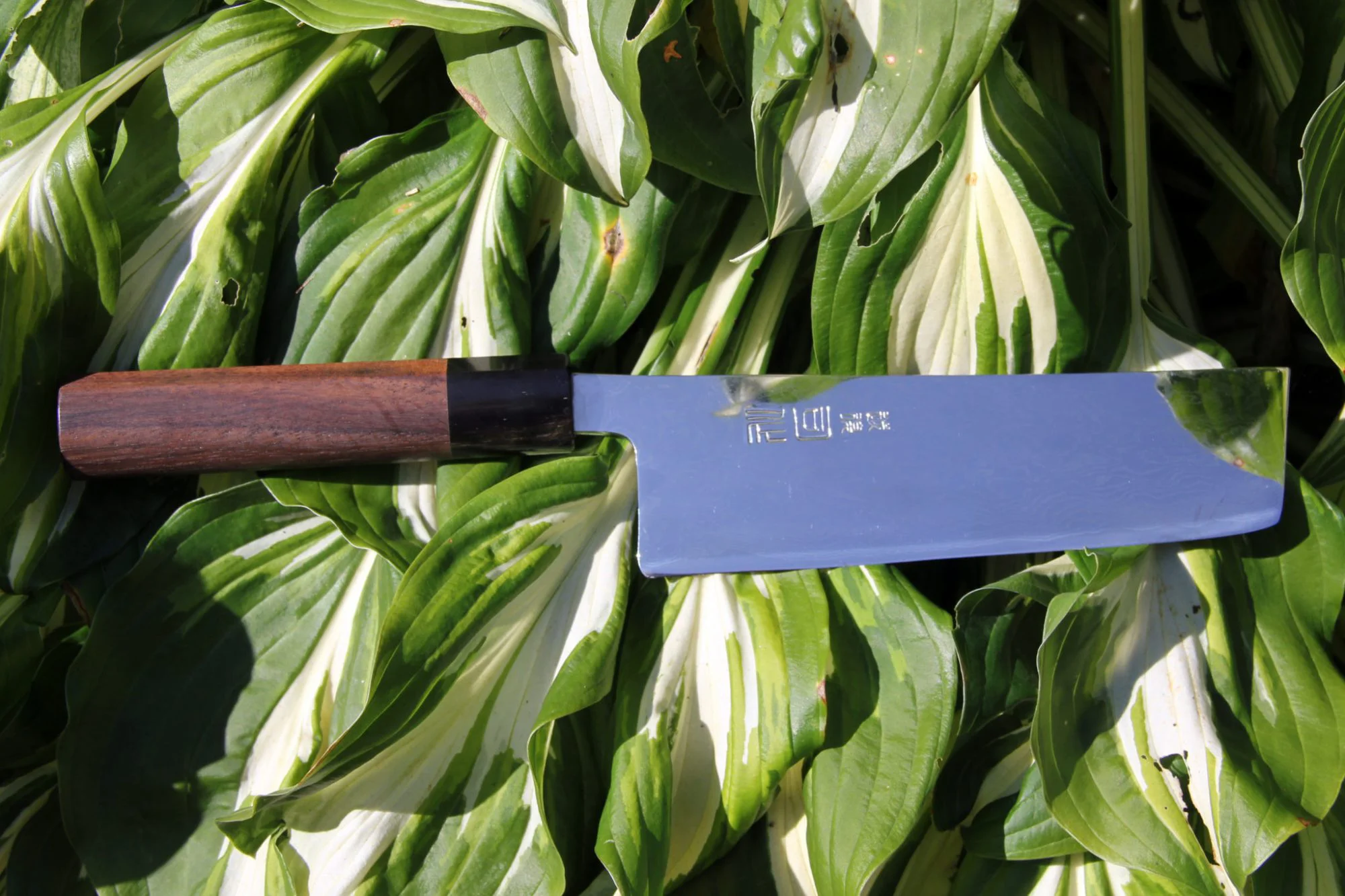
A honing rod realigns your edge, it doesn’t sharpen it, and the dull knife is the dangerous one. Seven habits that keep blades keen and hands intact.
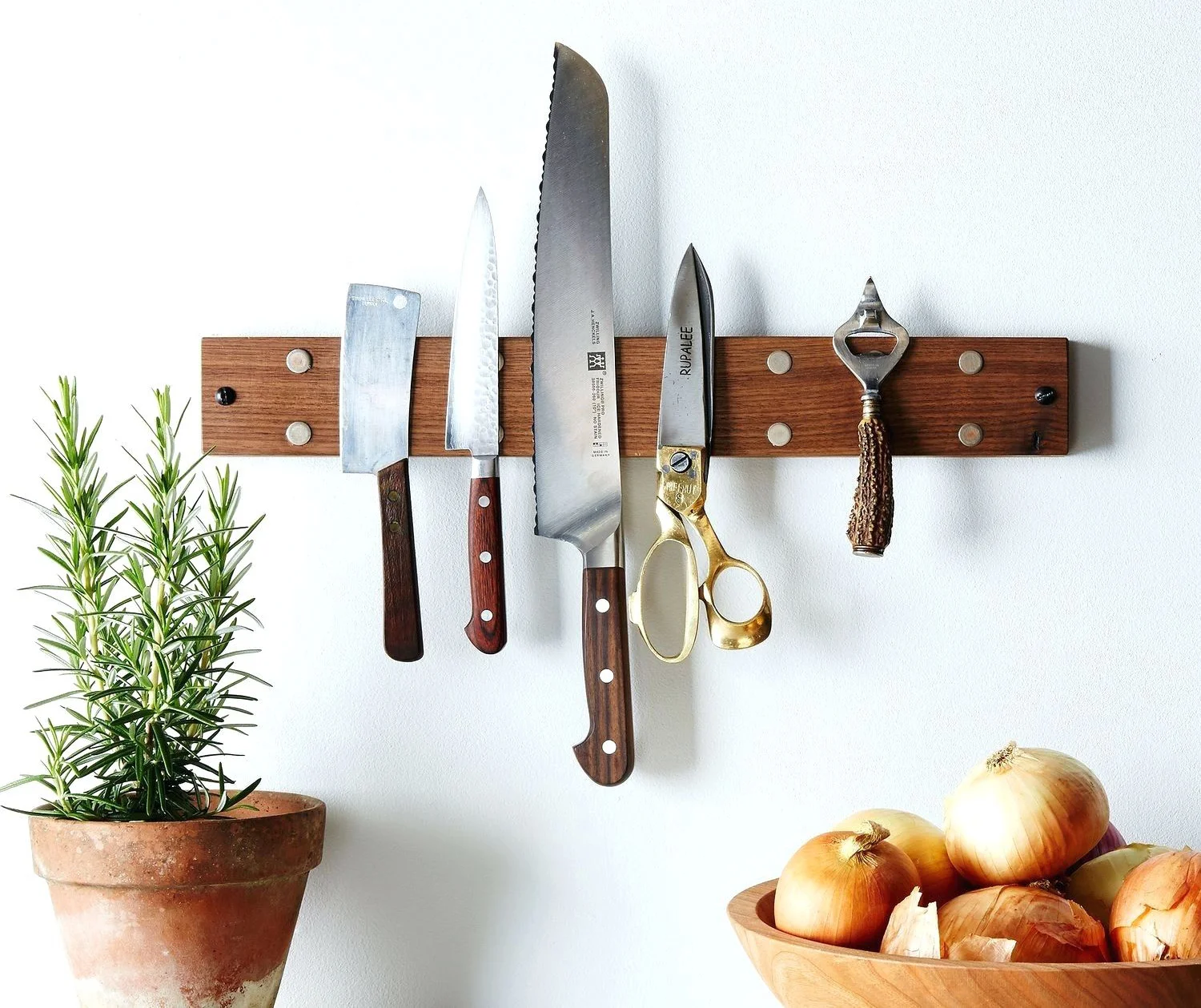
Above the sink, behind the stove, on the backsplash: ten spots for a magnetic knife rack, with a warning about weak magnets and humid walls.
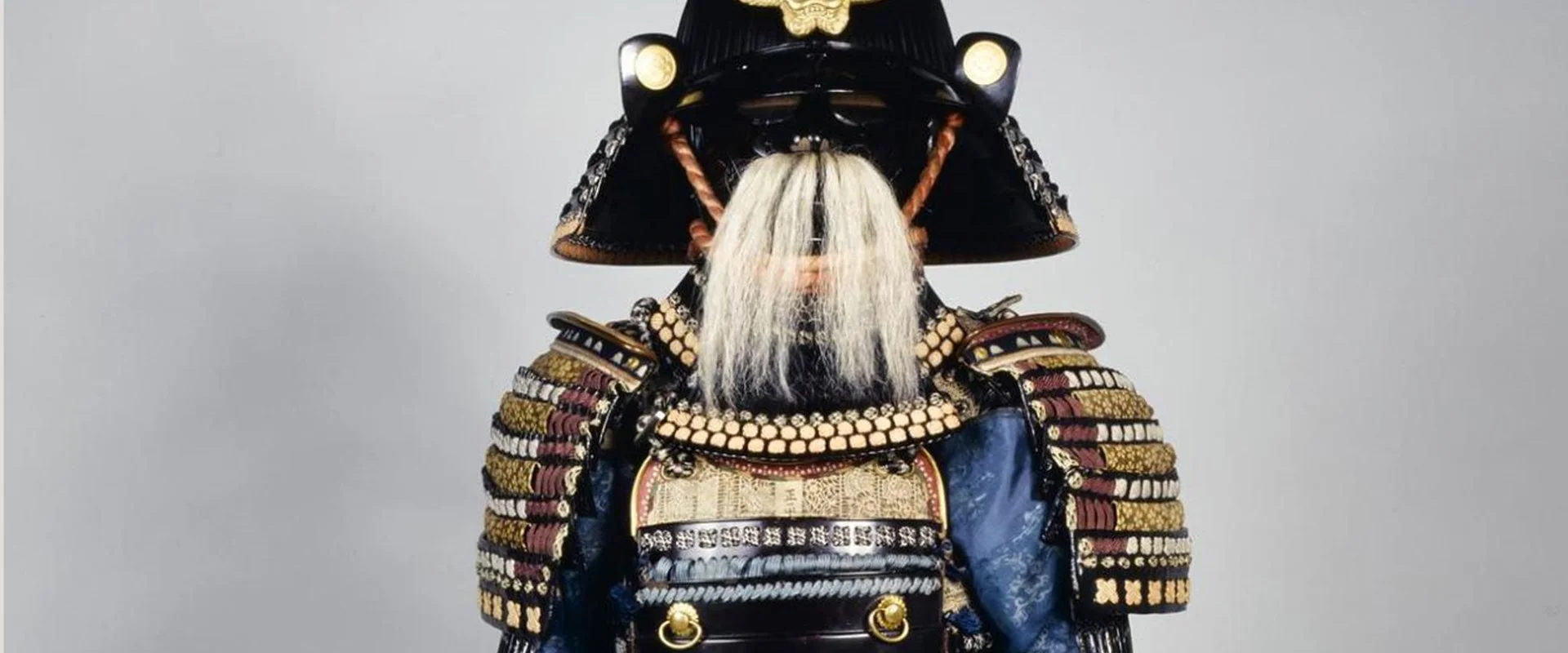
Not every samurai was a man: DNA from the 1580 Battle of Senbon Matsubaru revealed female warriors, the naginata-wielding Onna-Bugeisha.
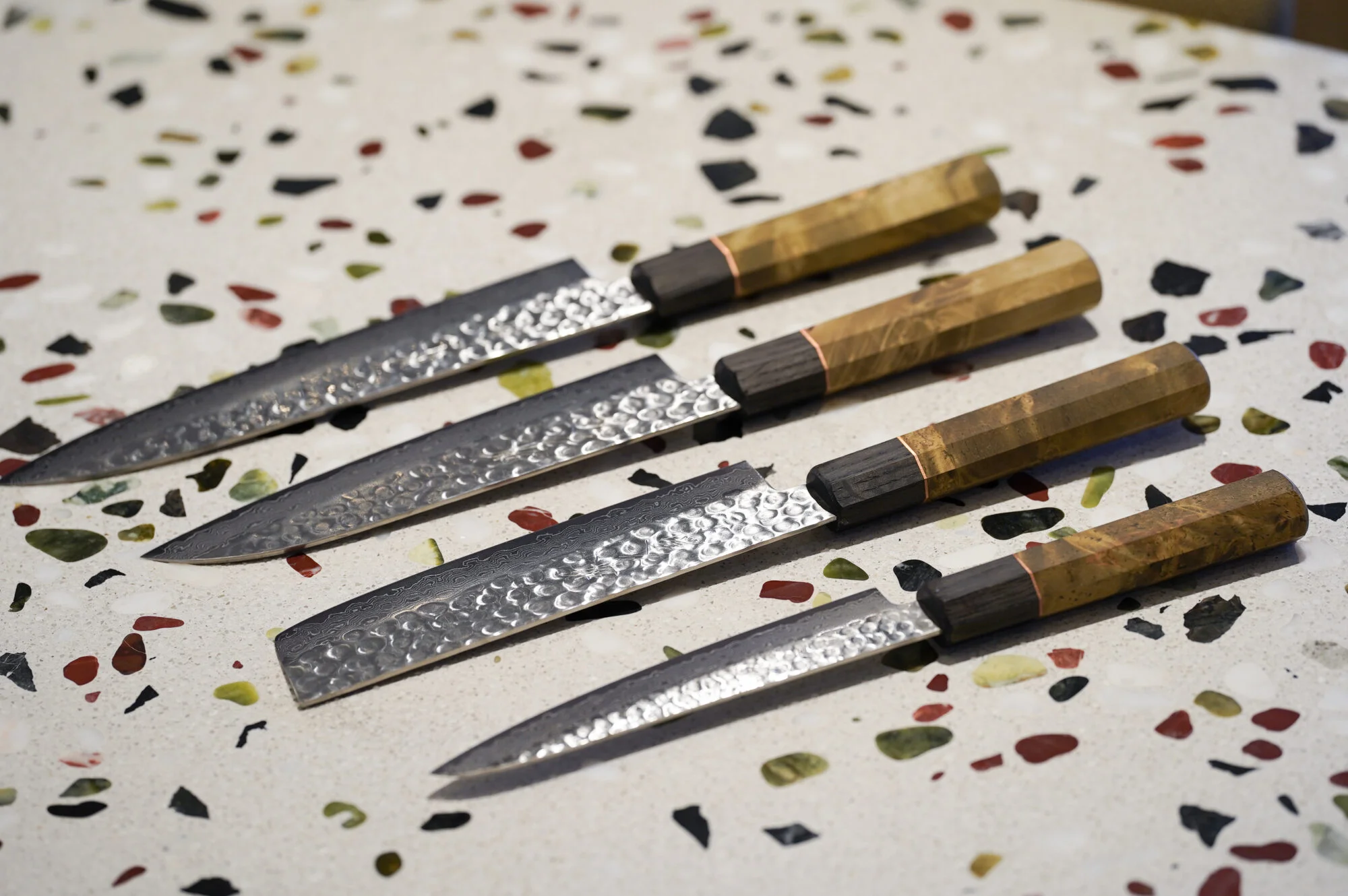
A pro runs a knife 40 hours a week; you use one for twenty minutes a night. That gap, not edge retention, should pick your first Japanese blade.
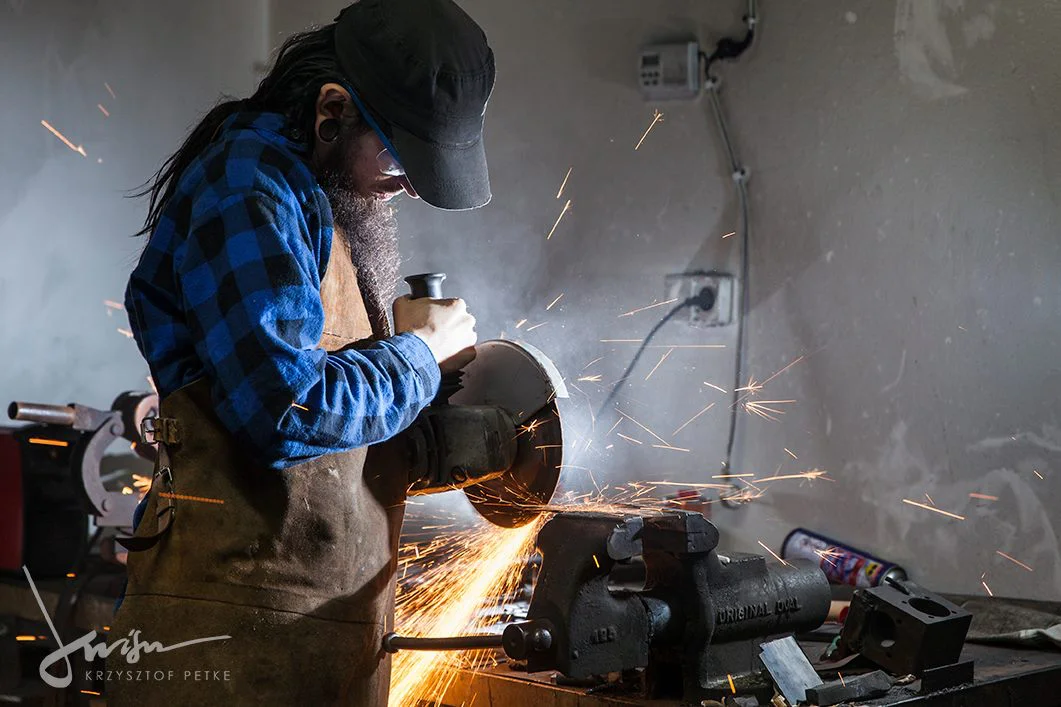
A self-taught blacksmith from Reda, Poland now teaches young Japanese how to forge the knives their own country made famous, one YouTube vlog at a time.
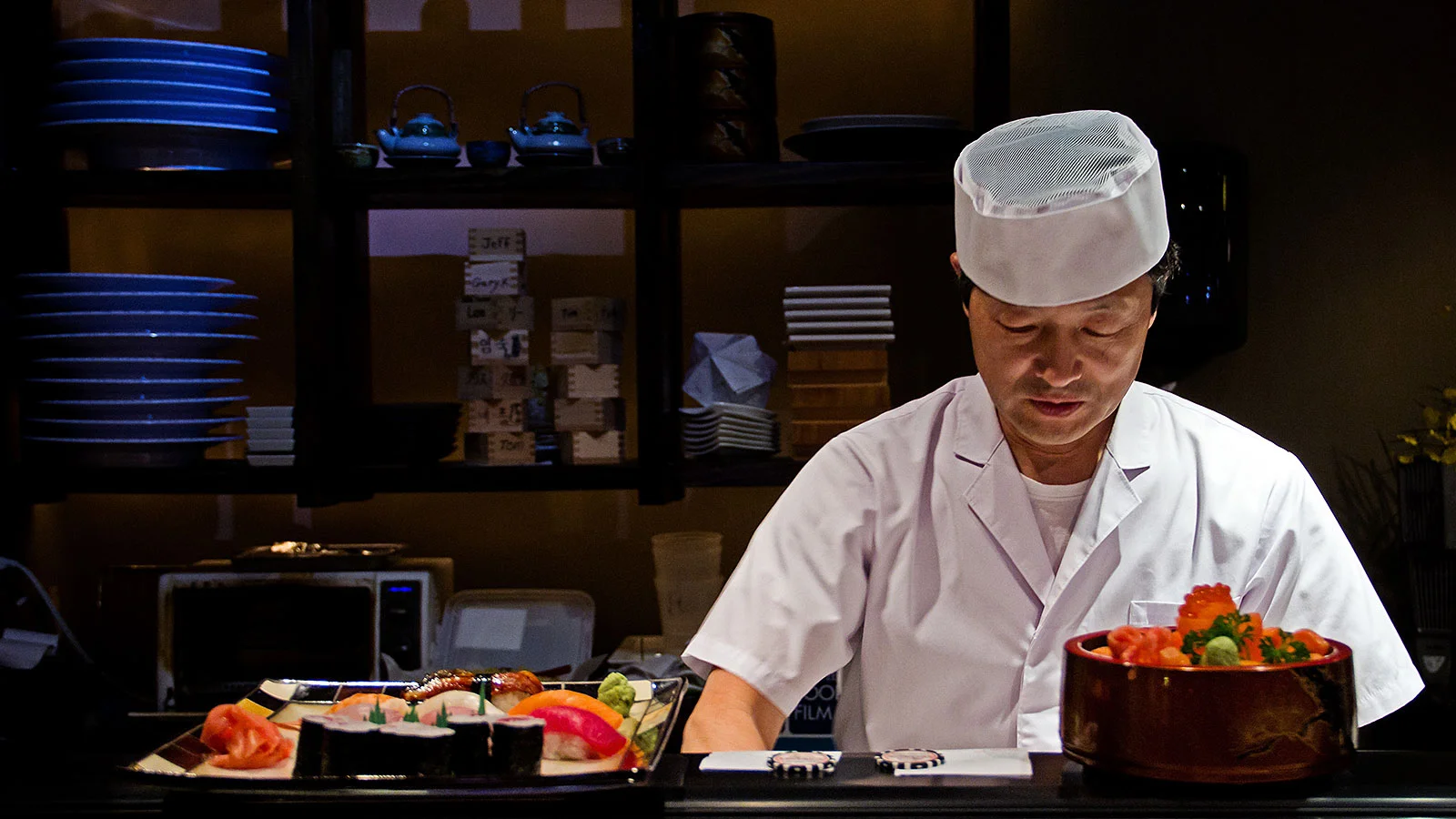
Master blacksmiths told us to sharpen four or five times a year and judge the edge on a sheet of paper. Nine more habits that keep a blade honest.
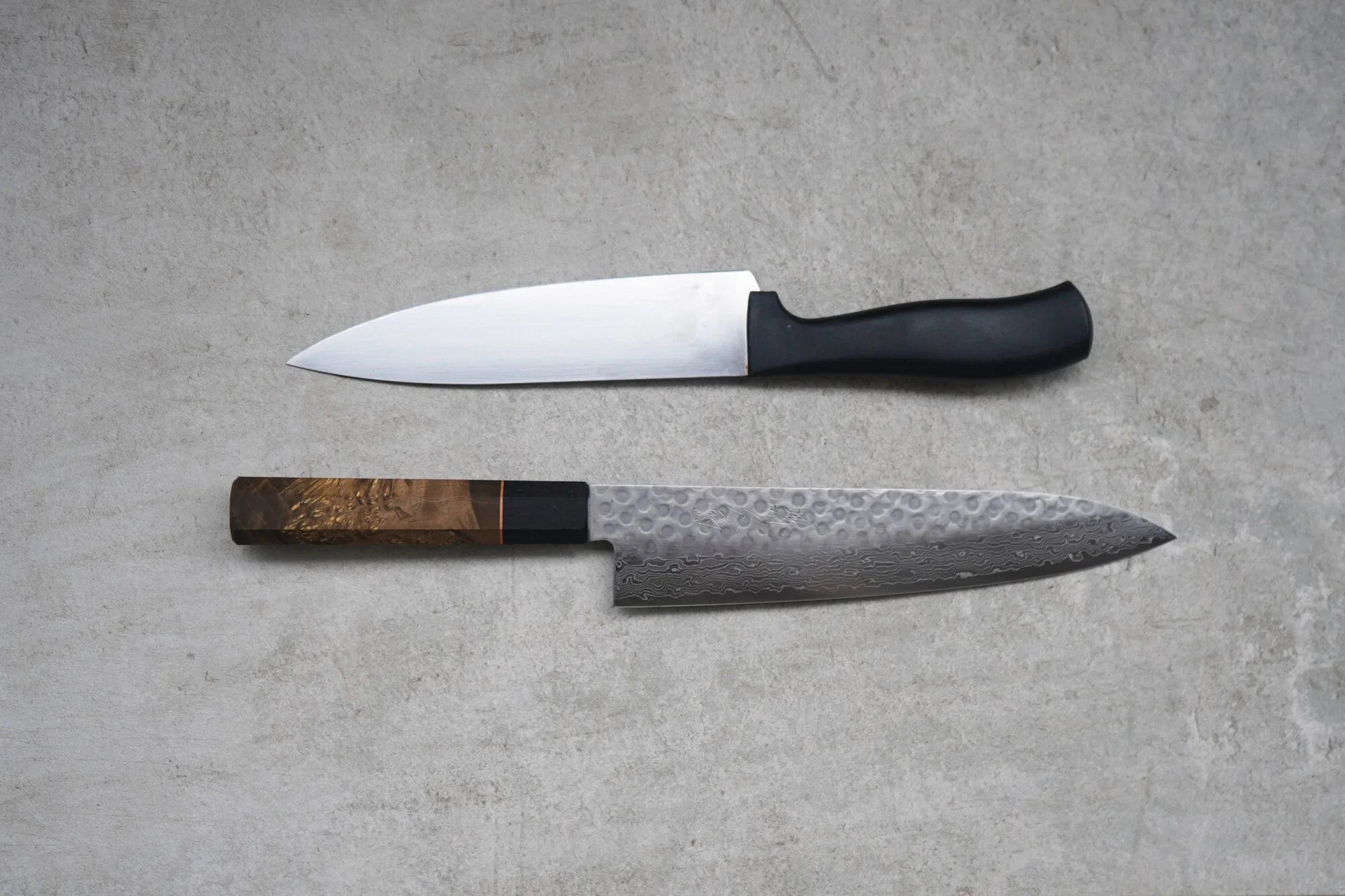
Five blades, two traditions: the chef’s knife, Santoku, paring, bread and carving knife, and where Western and Japanese versions part ways.
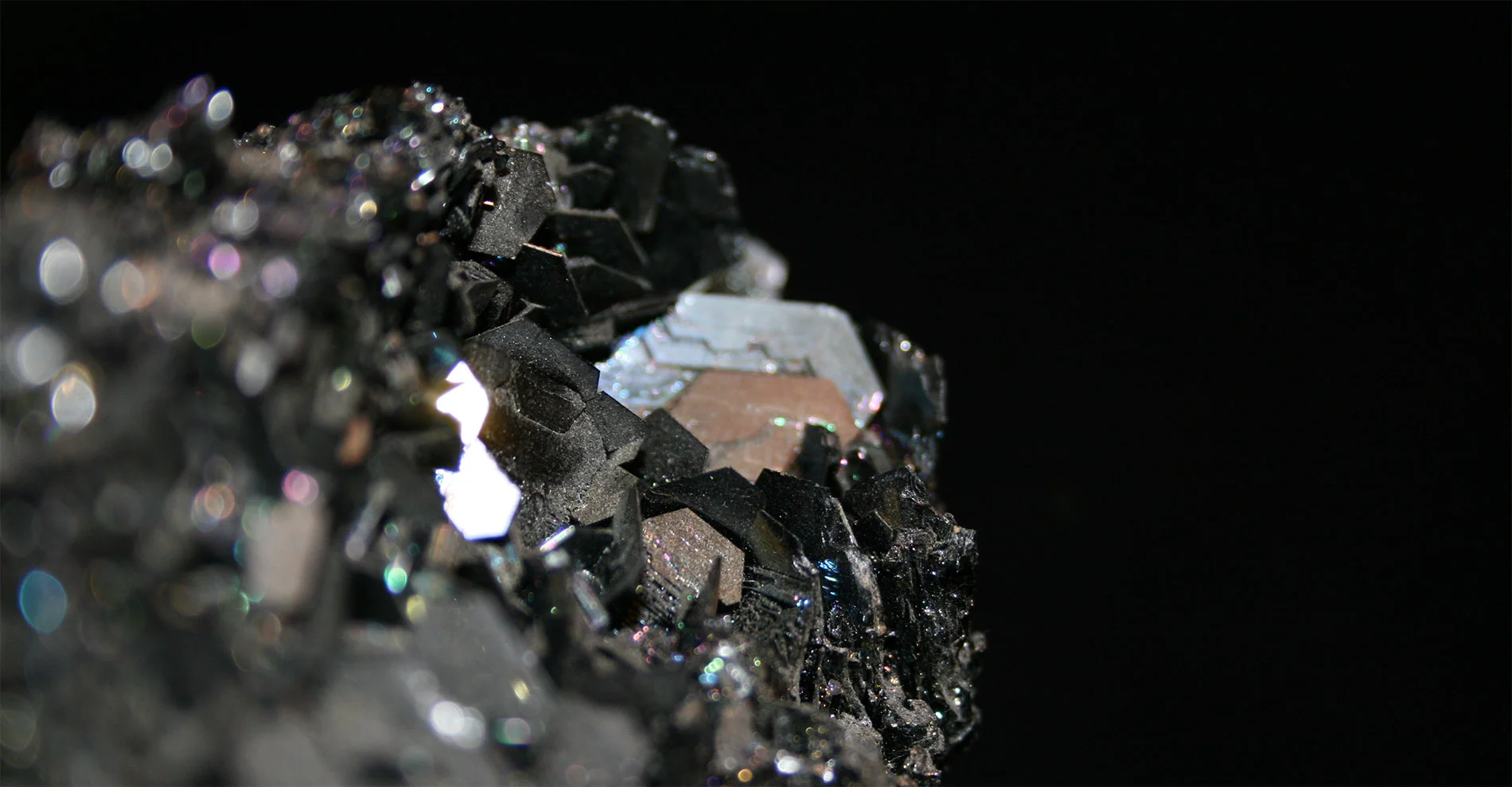
What separates one knife steel from another? A sortable composition table, plus what carbon, chromium and molybdenum each do to edge, hardness and rust resistance.
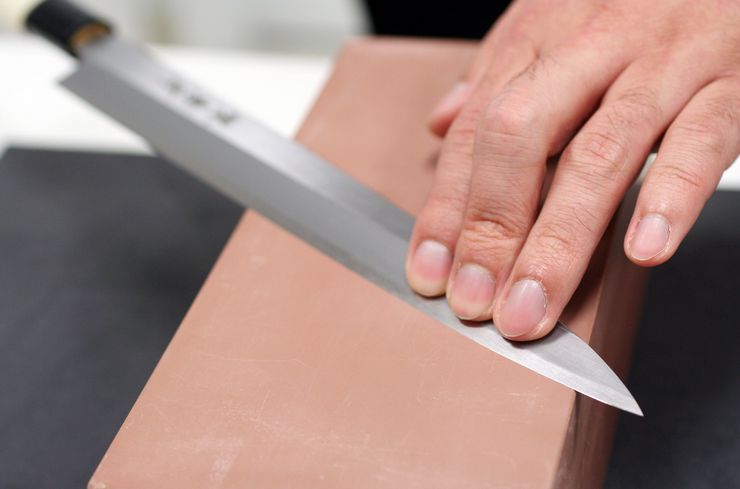
A dull blade slips and crushes food at the cellular level. Here’s why a keen edge is safer, and three sharpness checks using paper, a fingernail and food.