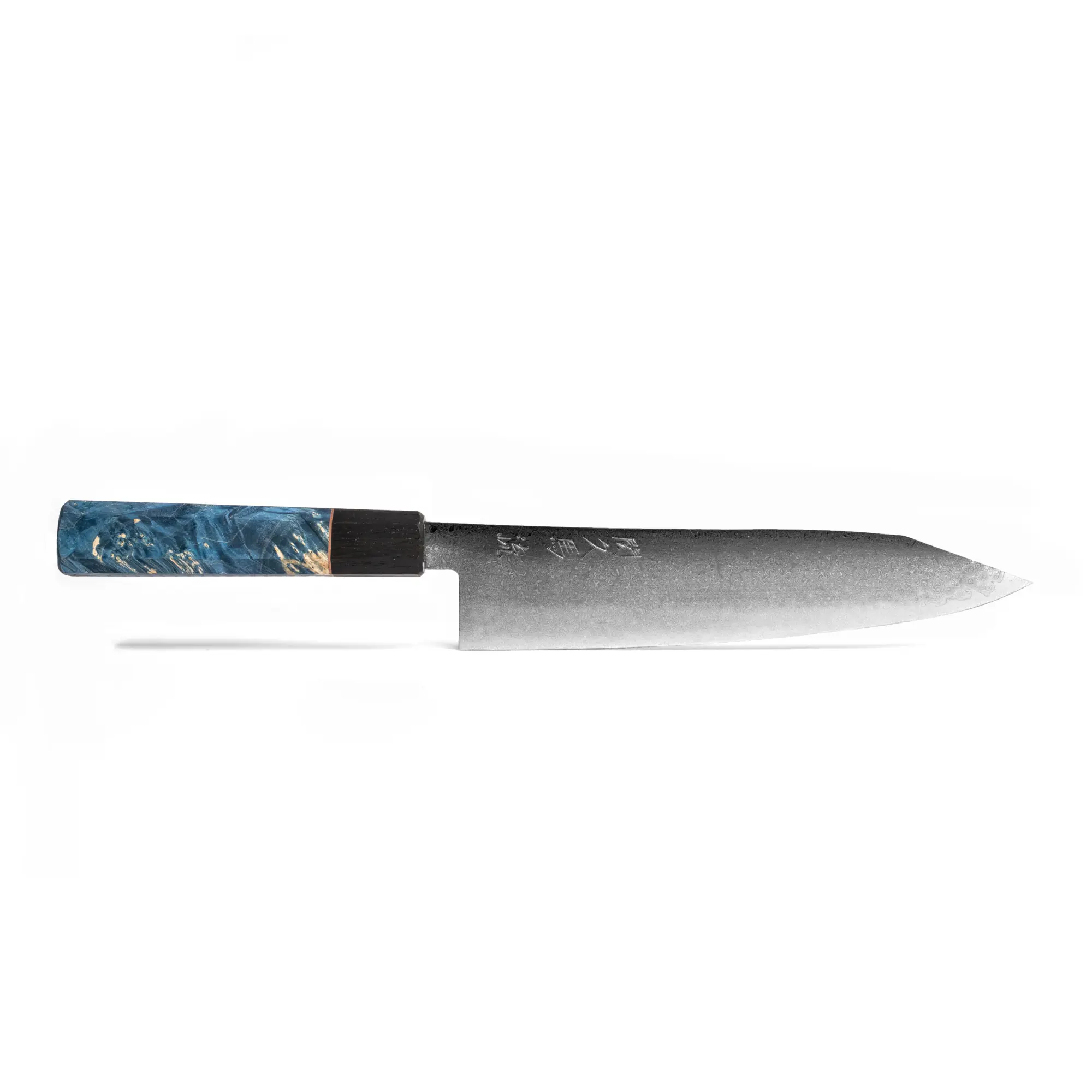
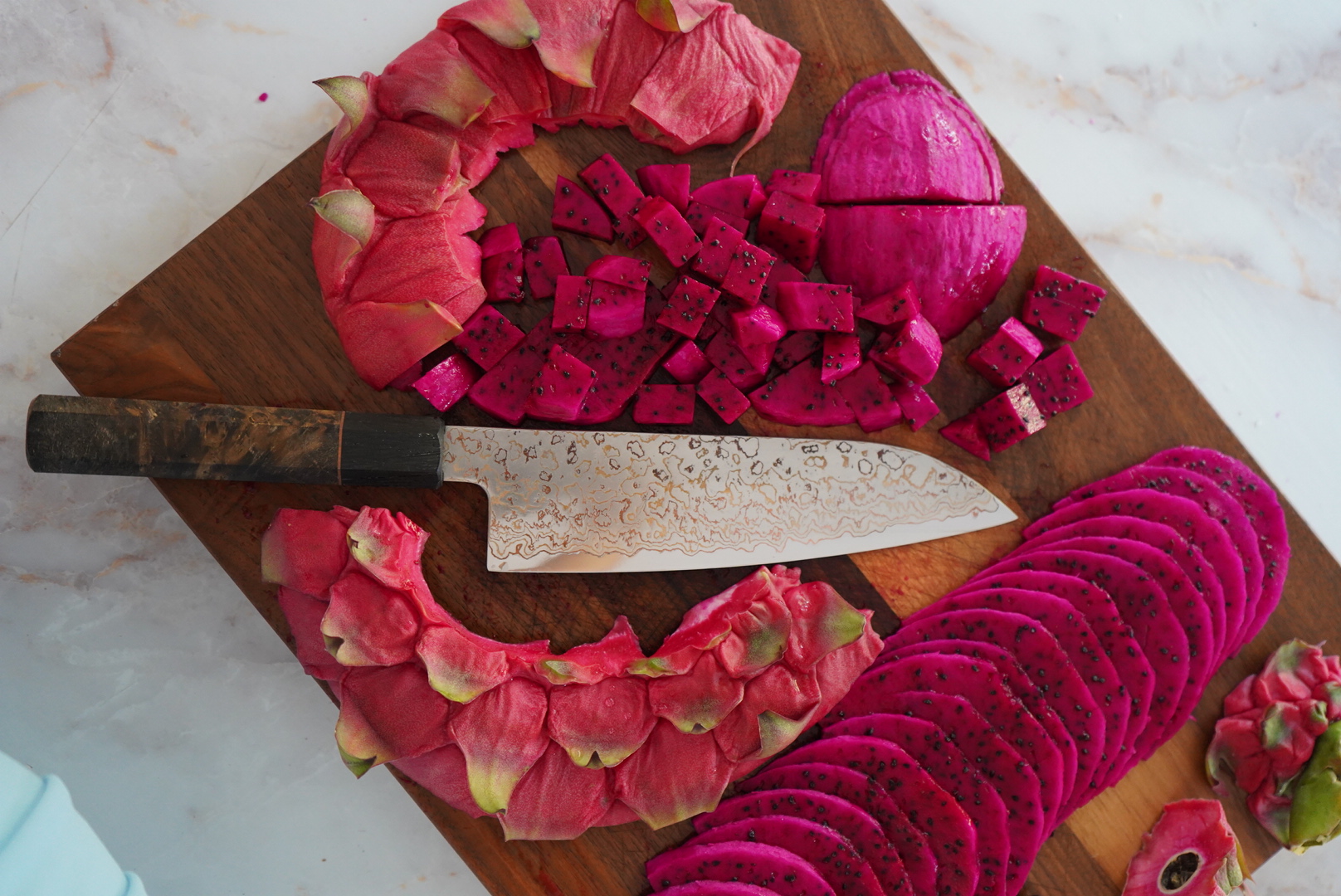
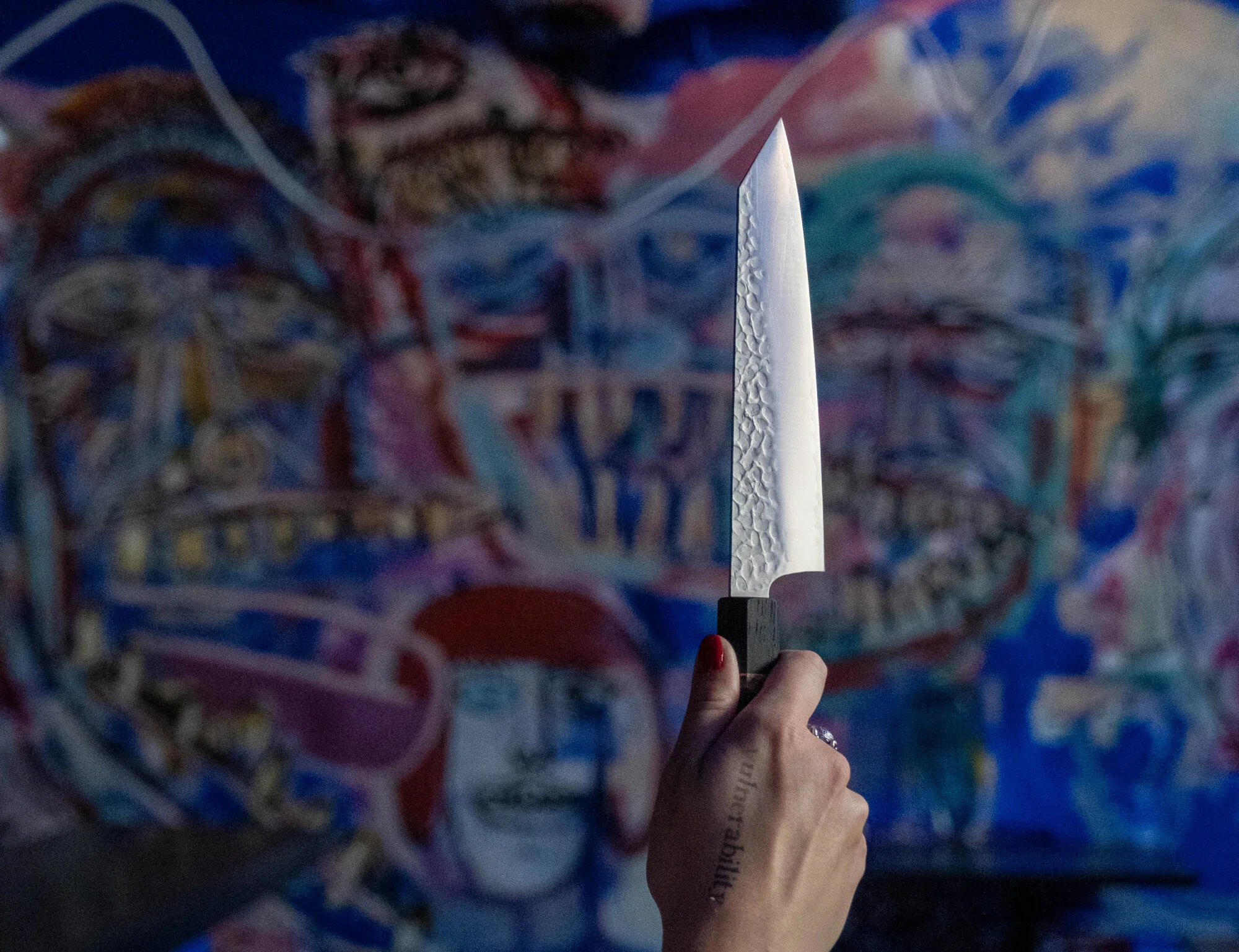
When you hold an Oishya knife, you’re not just grasping a culinary tool – you’re connecting with ancient history. Every Sakai Kyuba knife features bog oak that has been naturally preserved for over 2,500 years, making each handle a unique piece of living history that predates the Roman Empire.
But what exactly is bog oak, and why did we choose this extraordinary material for our knives? Let’s explore the fascinating story of this ancient wood and how it embodies everything Oishya stands for.
What Is Bog Oak?
Bog oak (also called bogwood) is one of nature’s most remarkable materials. It’s created when oak trees fall into peat bogs, riverbeds, or swamps and become buried under layers of sediment. Protected from normal decay by acidic, oxygen-free conditions, these ancient trees undergo a transformation that takes millennia.
The wood you touch on your Oishya knife handle has been resting beneath the earth since before the fall of Ancient Greece – slowly fossilizing, darkening, and gaining incredible strength through a natural process that cannot be rushed or replicated.
The Centuries-Long Transformation: How Bog Oak Is Born
The creation of bog oak is a testament to patience – something we deeply value in both our craft and our philosophy.
The Fossilisation Process
When oak trees fall into oxygen-deprived environments like peat bogs, something extraordinary happens:
Preservation begins – The anaerobic (oxygen-free) conditions prevent normal bacterial decay
Mineral absorption – Iron and minerals from the surrounding water react with tannins naturally present in the oak
Natural staining – Over centuries, these minerals gradually stain the wood from within
Increasing hardness – The wood becomes progressively harder and more durable
Color transformation – The wood slowly darkens from golden-brown to lustrous black
This maturation process typically takes 2,500 to 5,000 years. It cannot be hurried. It cannot be faked. It simply requires time, patience, and the right natural conditions.
The Role of Water and Minerals
The depth and flow of water play crucial roles in bog oak’s development. Different water compositions, varying mineral contents, and fluctuating acidity levels mean that no two pieces of bog oak are ever identical. Each piece has its own unique color, grain pattern, and character – much like the individual knives we create.
The iron-rich water doesn’t just stain the wood; it fundamentally transforms it at a molecular level, creating a material so dense and hard that it requires specialized cutting tools. This same hardness makes bog oak virtually impervious to pests, moisture damage, and deterioration.
Why Bog Oak Is Extraordinarily Rare
Bog oak is among the rarest woods in the world, particularly when it comes from true oak species. Here’s why:
Geographic limitation – It only forms in specific wetland environments with the right conditions
Time requirement – The minimum 2,500-year maturation period means supply is inherently limited
Discovery challenge – Ancient bog oak must be carefully excavated without damage
Species rarity – While bogwood can form from various trees (pine, yew, cypress), oak bogwood is especially prized for its strength and beauty
No cultivation possible – Unlike other premium woods, you cannot plant trees to create bog oak; it exists only as a finite resource from the ancient past
This rarity is one reason bog oak has traditionally been reserved for luxury furniture, high-end interiors, and precious objects.
The Unique Characteristics That Make Bog Oak Perfect for Knife Handles
We didn’t choose bog oak simply because it’s rare or ancient. We chose it because its properties align perfectly with what a premium knife handle demands:
Exceptional Strength and Durability
The millennia-long mineralization process creates wood harder than most modern materials. Your bog oak handle will:
Never warp or crack under normal use
Resist moisture and humidity changes
Maintain structural integrity for generations
Withstand daily kitchen use without degradation
Natural Beauty and Uniqueness
Each piece of bog oak tells its own story through:
Color variations ranging from rich caramel browns to deep, lustrous blacks
Distinctive grain patterns formed over millennia
Natural figuring that catches light differently with each angle
One-of-a-kind character ensuring no two handles are ever identical
Perfect Weight and Balance
Bog oak’s density provides the ideal weight for knife handles, creating perfect balance and a premium feel in your hand.
Natural Antibacterial Properties
The same tannic compounds that preserved the wood for millennia continue to provide natural resistance to bacteria – an ideal quality for kitchen tools.
The Story of Colour: From Gold to Ebony
One of bog oak’s most captivating features is its color variation, which serves as a visual timeline of its age:
Young bog oak (2,500-3,000 years) – Warm golden-brown tones with hints of amber
Middle-aged bog oak (3,000-4,000 years) – Deep chocolate browns with complex figuring
Ancient bog oak (4,000+ years) – Rich near-black color with subtle grain variations
The final color of any piece depends on multiple factors:
The specific oak species (there are over 600 varieties worldwide)
Mineral composition of the surrounding water
Depth and duration of burial
Acidity levels in the bog environment
Water flow patterns over millennia
This means your Oishya knife handle has its own unique color story – a fingerprint of the ancient environment where it rested for thousands of years.
How Bog Oak Is Transformed Into Your Knife Handle
The journey from ancient bog to your kitchen involves extraordinary craftsmanship:
1. Careful Excavation
Bog oak is typically discovered during peat harvesting or construction projects near former wetlands. It must be carefully extracted to avoid damage.
2. Slow Drying
Despite having been underwater for millennia, bog oak must be dried extremely slowly (over months or years) to prevent cracking. Rush this process, and the wood is ruined.
3. Stabilisation
The wood is stabilised with resins to ensure durability and resistance to moisture changes in your kitchen environment.
4. Expert Crafting
Only master craftsmen with specialized tools can work with bog oak due to its extreme hardness. Each handle is shaped, fitted, and finished by hand.
5. Individual Finishing
The natural beauty of the wood is brought out through careful sanding and finishing, revealing the unique grain patterns and colors.
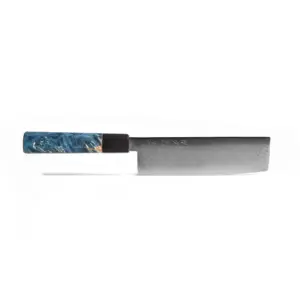
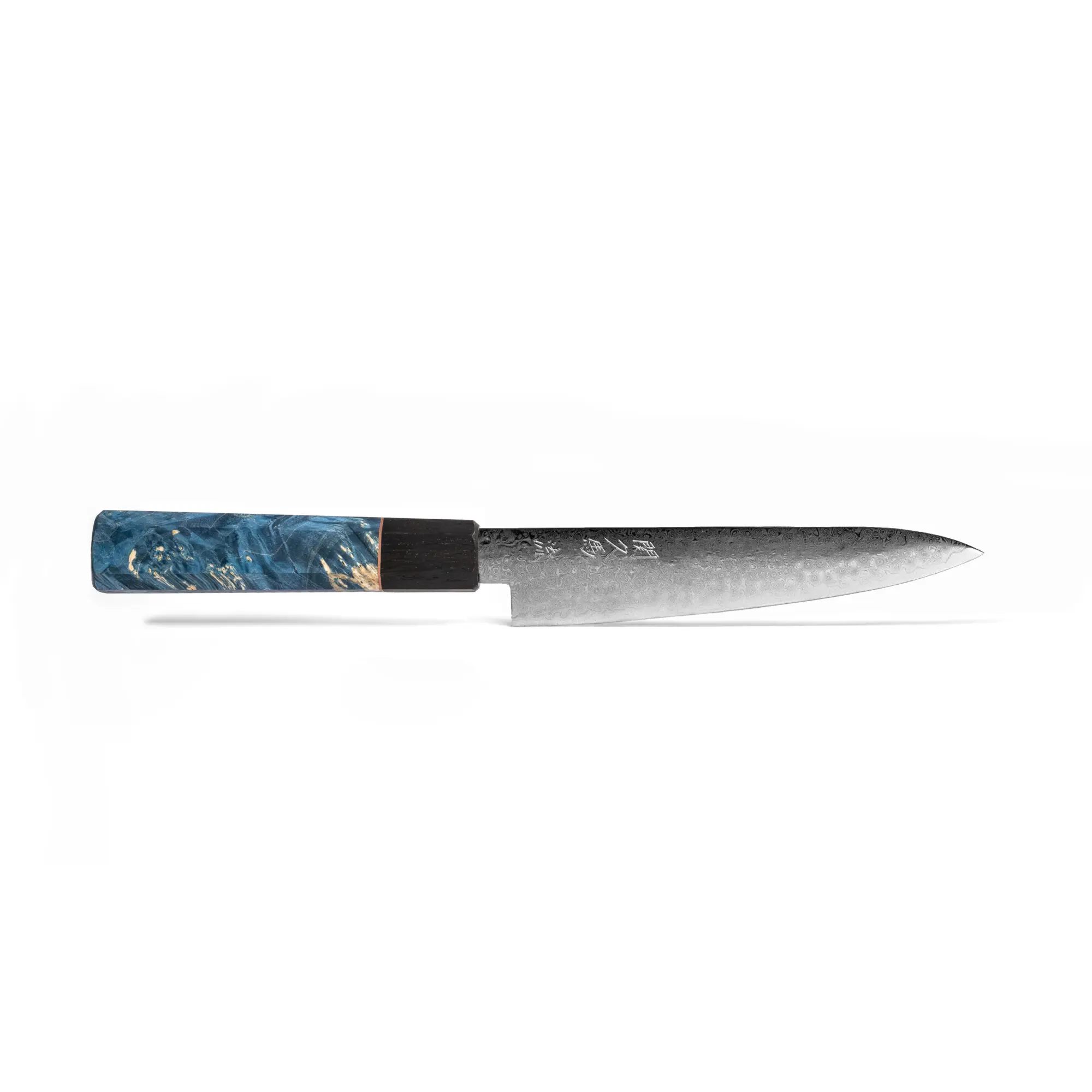
The kakumaki (collar) of each Sakai Kyuba handle features this ancient bog oak, creating a striking contrast with the premium stabilised maple burl wood used for the main handle. This combination brings together two extraordinary natural materials – one ancient, one contemporary – in perfect harmony.
Experience the Ancient in Your Hands
Every Oishya Sakai Kyuba knife arrives in a beautiful handcrafted European oak box, protected and presented with the care such a special object deserves. When you first hold your knife, take a moment to feel the bog oak handle – smooth, substantial, perfect in your palm.
You’re holding wood that predates recorded history. Wood that survived through the rise and fall of empires. Wood that waited beneath the earth for millennia to become part of your kitchen, your daily ritual, your story.
Ready to connect with ancient craftsmanship? Explore our collections: