When investing in quality kitchen knives, one of the most important decisions you’ll face is choosing between forged and stamped construction. This fundamental difference in manufacturing affects everything from performance and durability to price and maintenance requirements. At Oishya, where we’ve worked with master Japanese craftsmen for generations, we understand that informed knife selection begins with understanding how your blade is made.
What Are Forged Knives?
Forged knives represent the pinnacle of traditional blade-making artistry. The forging process involves heating a single piece of steel to extremely high temperatures (typically 1,800-2,100°F) until it becomes malleable, then hammering and shaping it into a blade. This ancient technique, perfected over centuries in regions like Sakai, Japan, creates knives with superior performance characteristics and exceptional durability.
The Traditional Forging Process
The journey of a forged knife begins in the forge, where master craftsmen like those who create our Sakai Kyuba collection follow time-honored techniques:
- Steel Preparation: High-quality steel, such as the premium Japanese VG10 used in our knives, is selected and heated to precise temperatures.
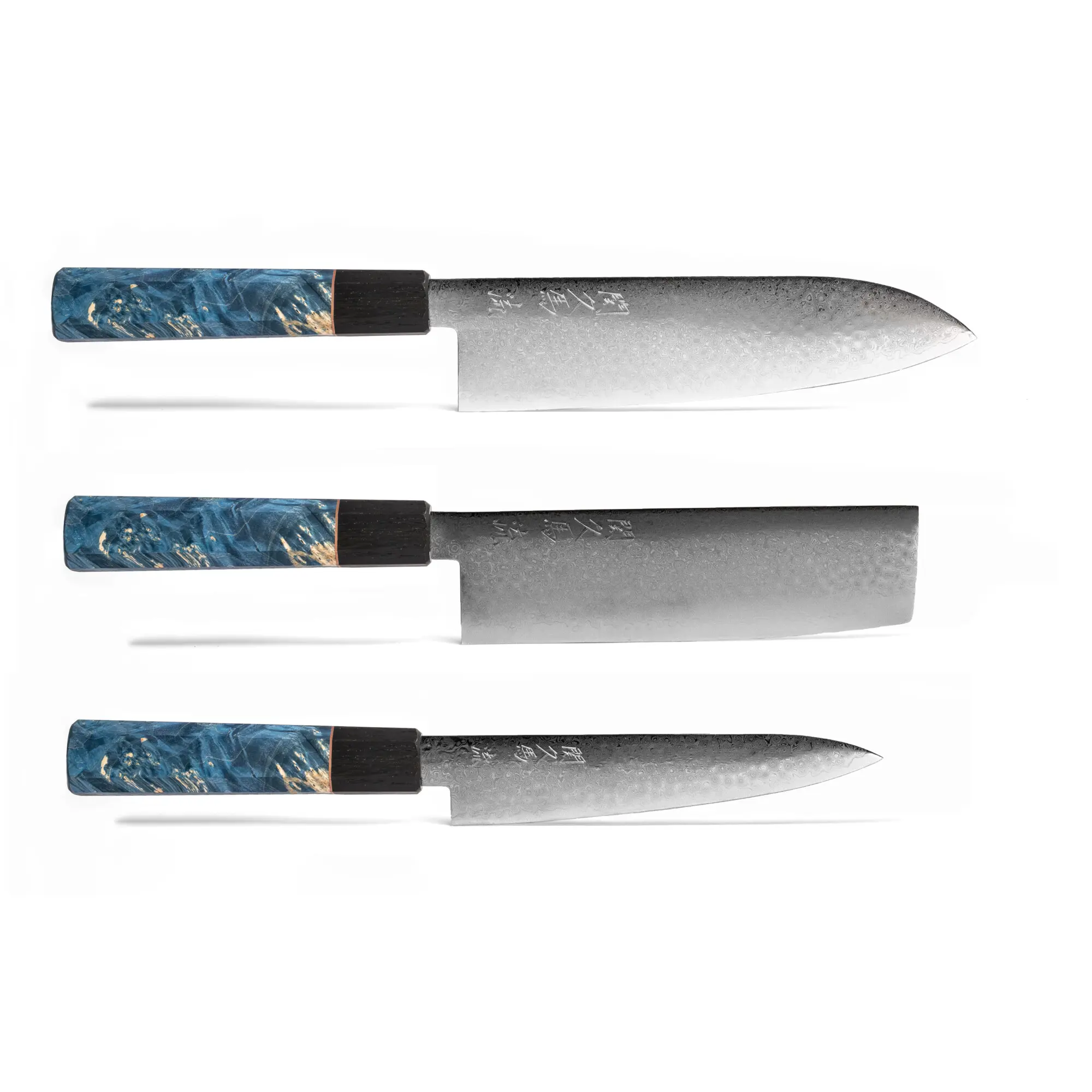
- Forging and Hammering: Unlike many modern knives, Sakai Kyuba blades are hand-forged by a master blacksmith who has dedicated decades to perfecting this ancient craft. Each blade is individually hammered, a process that requires immense skill to achieve the proper layering, hardness, and grain structure.
- Shaping and Profiling: The heated steel is carefully shaped using traditional hammers and tools, creating the blade’s profile, spine thickness, and edge geometry.
- Heat Treatment: The blade undergoes controlled heating and cooling cycles to achieve optimal hardness and flexibility.
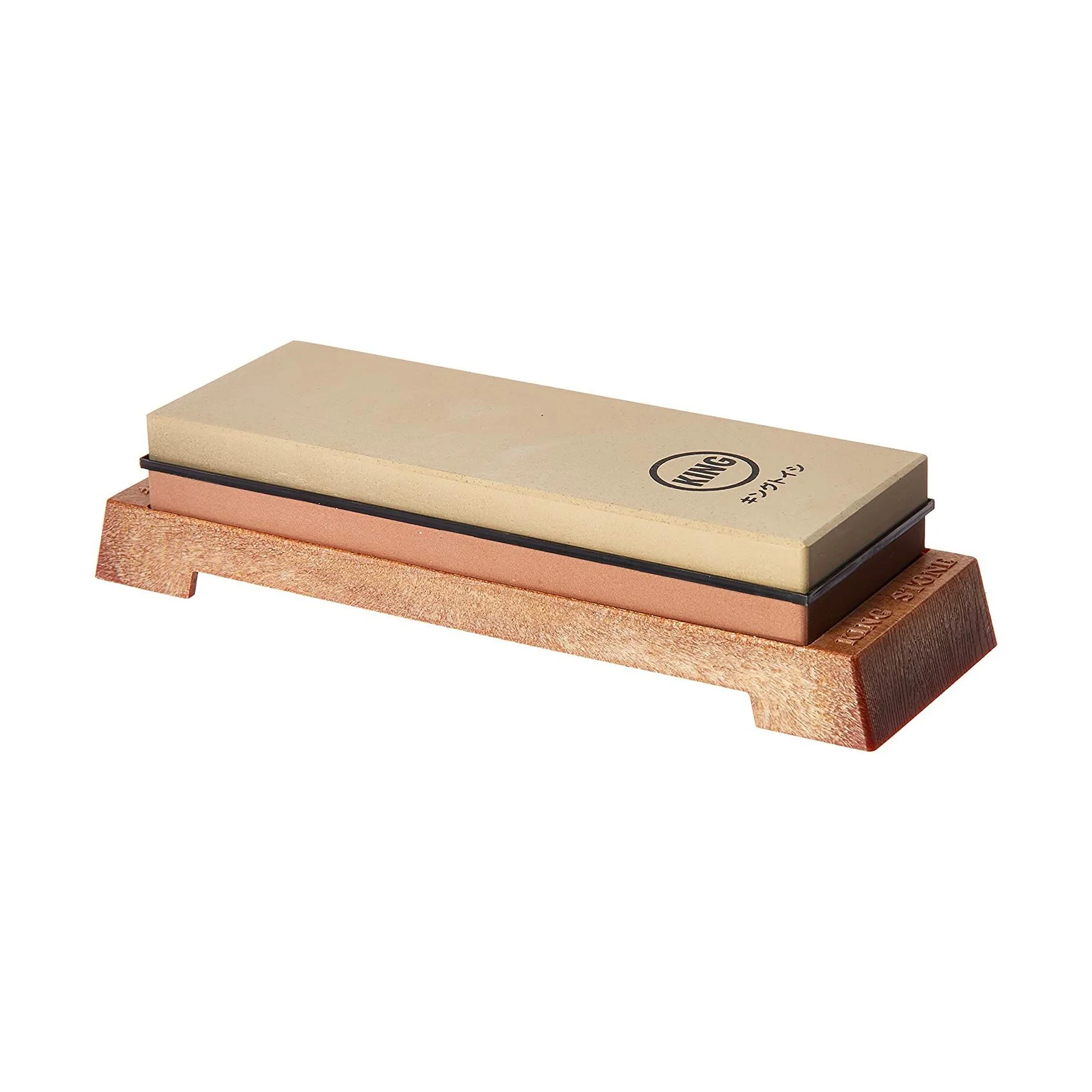
- Specialized Sharpening: In parallel with the blade forging, another master craftsman – the specialist sharpener or ‘togishi’ – begins preparing for their role. In Sakai’s traditional division of labor, blade sharpening is its own separate craft, passed down through generations.
Characteristics of Forged Knives
- Superior Strength: The forging process aligns the steel’s grain structure, creating a blade that’s significantly stronger than stamped alternatives.
- Enhanced Durability: Forged knives typically last decades with proper care, often becoming family heirlooms passed down through generations.
- Better Edge Retention: The dense, refined steel structure holds sharp edges longer, reducing the frequency of sharpening needed.
- Optimal Balance: Forged knives feature a bolster (the thick junction between blade and handle) that provides perfect weight distribution and enhanced safety.
- Heat Resistance: The forging process creates steel that’s more resistant to heat damage and warping.
What Are Stamped Knives?
Stamped knives are manufactured using an industrial process where blade shapes are cut or “stamped” from large sheets of steel using powerful presses and dies. This modern manufacturing method allows for consistent production at lower costs but results in different performance characteristics compared to forged blades.
The Stamping Manufacturing Process
- Sheet Steel Production: Large sheets of steel are rolled to uniform thickness in industrial facilities.
- Die Cutting: Powerful hydraulic presses use precision dies to cut blade shapes from the steel sheets.
- Grinding and Shaping: The rough blade blanks are ground to create the edge geometry and remove excess material.
- Heat Treatment: Stamped blades undergo heat treatment to achieve desired hardness levels.
- Finishing: Final grinding, polishing, and handle attachment complete the manufacturing process.
Characteristics of Stamped Knives
- Lightweight Design: Without a bolster, stamped knives are typically lighter and may feel less substantial in hand.
- Consistent Production: Machine manufacturing ensures uniformity across all blades in a production run.
- Lower Cost: The efficient manufacturing process makes stamped knives more affordable than forged alternatives.
- Easier Sharpening: The uniform steel thickness can make sharpening more straightforward for beginners.
- No Bolster: Most stamped knives lack the protective bolster found on forged knives.
Key Differences: Forged vs Stamped Knives
Construction and Manufacturing
Forged Knives:
- Created from a single piece of heated and hammered steel
- Individual craftsmanship results in slight variations between blades
- Traditional techniques passed down through generations
- Requires master-level skill and years of training
Stamped Knives:
- Cut from flat steel sheets using industrial presses
- Machine precision ensures identical specifications
- Modern manufacturing techniques prioritize efficiency
- Can be produced by operators with minimal training
Performance Characteristics
Durability and Longevity: Forged knives significantly outlast stamped alternatives. The grain structure alignment during forging creates steel that resists chipping, cracking, and edge damage. Our Sakai Kyuba knives, for example, come with a lifetime guarantee because we’re confident in the superior durability that forging provides.
Edge Retention: The dense, refined steel structure in forged knives holds sharp edges considerably longer than stamped blades. This means less frequent sharpening and maintained performance over years of use.
Balance and Control: Forged knives feature superior balance due to their bolster and carefully designed weight distribution. This enhanced control reduces fatigue during extended cutting sessions and improves precision.
Weight and Feel
Forged Knives:
- Heavier due to bolster and denser steel construction
- More substantial feel provides better cutting control
- Weight distribution favors stability and precision
- May require adjustment period for those used to lighter knives
Stamped Knives:
- Lighter overall weight due to thinner construction
- May feel less stable during heavy cutting tasks
- Easier to maneuver for those with limited hand strength
- Can feel “blade-heavy” without a balancing bolster
Price Considerations
The price difference between forged and stamped knives reflects the manufacturing complexity and time investment:
Forged Knives:
- Higher initial investment due to labor-intensive production
- Superior value over time due to longevity and performance
- Often cost less per year of use than cheaper alternatives
- Retain value better, sometimes appreciating as collectibles
Stamped Knives:
- Lower upfront cost makes them accessible to budget-conscious buyers
- May require more frequent replacement due to shorter lifespan
- Limited resale value due to mass production
- Higher long-term cost when replacement frequency is considered
Making the Right Choice: When to Choose Forged vs Stamped
Choose Forged Knives If:
- You’re Serious About Cooking: If you spend significant time in the kitchen and want tools that enhance your culinary experience, forged knives provide superior performance and enjoyment.
- Long-Term Value Matters: While forged knives require a higher initial investment, their longevity and performance make them more economical over time.
- You Appreciate Craftsmanship: Each forged knife represents hours of skilled craftsmanship and centuries of refined technique.
- Professional Performance is Required: Chefs and serious home cooks rely on forged knives for their superior cutting ability and durability.
- You Want an Heirloom Piece: Quality forged knives often become family treasures passed down through generations.
Consider Stamped Knives If:
- Budget is Primary Concern: If immediate cost is your main consideration, stamped knives offer basic functionality at lower prices.
- Occasional Use Only: For infrequent cooking, the performance advantages of forged knives may not justify the investment.
- Weight Sensitivity: Those with arthritis or limited hand strength might prefer lighter stamped alternatives.
- Replacement Acceptance: If you’re comfortable replacing knives every few years, stamped options might suit your approach.
Investing for life
The choice between forged and stamped knives ultimately reflects your commitment to culinary excellence and long-term value. While stamped knives serve basic cutting needs, forged knives transform cooking from a chore into a pleasure. Beautiful enough to display, functional enough for daily use. Our knives blend traditional Japanese aesthetics with modern sensibilities, creating heirloom pieces that spark joy every day. At Oishya, we’re so confident in our knives’ superiority that we offer a lifetime guarantee. This isn’t just confidence in our products – it’s proof that forged construction, executed by master craftsmen using premium materials, creates tools that truly last a lifetime.
Handcrafted Japanese Knives by Oishya
Forged by master craftsmen in Seki and Sakai, Japan. Free shipping worldwide • 100-day money-back guarantee • Lifetime warranty