The Japanese kitchen is more than a place to prepare food. It is a space shaped by centuries of philosophy, craftsmanship, and an approach to everyday life that values harmony, mindfulness, and respect for materials. Understanding this culture transforms how you cook — and how you experience your tools.
This guide explores the ideas, traditions, and crafts that define Japanese kitchen culture, from the philosophy of balance to the art of the blade.
The Philosophy Behind the Japanese Kitchen
Several core Japanese philosophies shape how food is prepared, presented, and shared. These aren’t abstract ideas — they have practical implications for how you set up your kitchen, choose your tools, and approach cooking.
Nagomi — Harmony and Balance
Nagomi (和み) is the pursuit of harmony in all things. In the kitchen, it means balance across the five tastes (sweet, salty, sour, bitter, umami), the five cooking methods (raw, grilled, steamed, boiled, fried), and the five colours on the plate (white, black, red, yellow, green).
A nagomi kitchen is calm, organised, and intentional. Every tool has a purpose; nothing is there for show. The act of cooking becomes meditative rather than frantic. For a deeper exploration of this idea, read our guide to nagomi — harmony in the Japanese way of life.
Wabi-Sabi — Beauty in Imperfection
Wabi-sabi is the appreciation of impermanence and imperfection. In the kitchen, this means embracing the patina that forms on a carbon steel knife, the grain of a well-used wooden cutting board, and the small irregularities that mark a handmade tool as unique.
A brand-new Japanese knife is beautiful. But a knife that has developed its own patina through years of use — that tells a story. Wabi-sabi teaches us that this story adds value, not diminishes it.
Mottainai — Nothing Goes to Waste
Mottainai roughly translates to “what a waste” — it’s the Japanese ethic of respecting resources and using them fully. In cooking, this means root-to-stem vegetable preparation, nose-to-tail meat use, and careful knife skills that minimise waste.
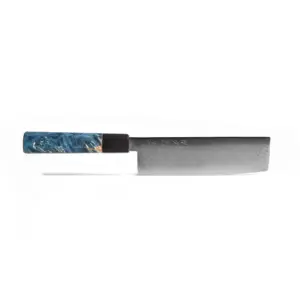
A sharp nakiri vegetable knife is the perfect tool for mottainai cooking — its flat blade and clean cuts let you use every part of the vegetable with precision.
These and other concepts are explored in our guide to 10 Japanese concepts to live by.
Kaizen — Continuous Improvement
The principle of kaizen (continuous small improvements) applies to cooking as much as to business. A home cook who sharpens their knife a little better each time, who refines their cutting technique session by session, who experiments with one new technique per week — that’s kaizen in the kitchen.
The Art of Japanese Knife Craft
Japanese kitchen knives are the direct descendants of samurai sword-making traditions. The same cities that forged katanas — Sakai, Seki, Sanjo — now produce the world’s finest kitchen blades.
From Katana to Kitchen Knife
When Japan’s feudal era ended and the samurai class was disbanded, sword makers needed a new purpose for their extraordinary metallurgical skills. They turned to kitchen knives, bringing with them techniques perfected over centuries: laminated steel construction, precise heat treatment, and hand-sharpening to angles impossible with Western methods.
The connection to samurai heritage runs deep — learn more in our 10 fascinating facts about the samurai.
Japanese Steel: Why It’s Different
Japanese knife steel is typically harder (58-67 HRC) than Western steel (54-58 HRC), allowing for thinner blades and more acute edge angles. This means sharper cuts and better edge retention — but also a blade that requires more careful use and maintenance.
The steel itself comes in distinct families, each with its own character:
- Shirogami (White Steel): Pure carbon steel. The sharpest edge possible, easiest to sharpen, but reactive to moisture.
- Aogami (Blue Steel): Carbon steel with tungsten and chromium added for better edge retention. See our Aogami #2 vs Super Blue comparison.
- VG10 and AUS10: High-performance stainless steels that combine sharpness with corrosion resistance. See our VG10 vs AUS10 guide.
For a complete reference, see our knife steel composition chart.
Blade Shapes and Their Purpose
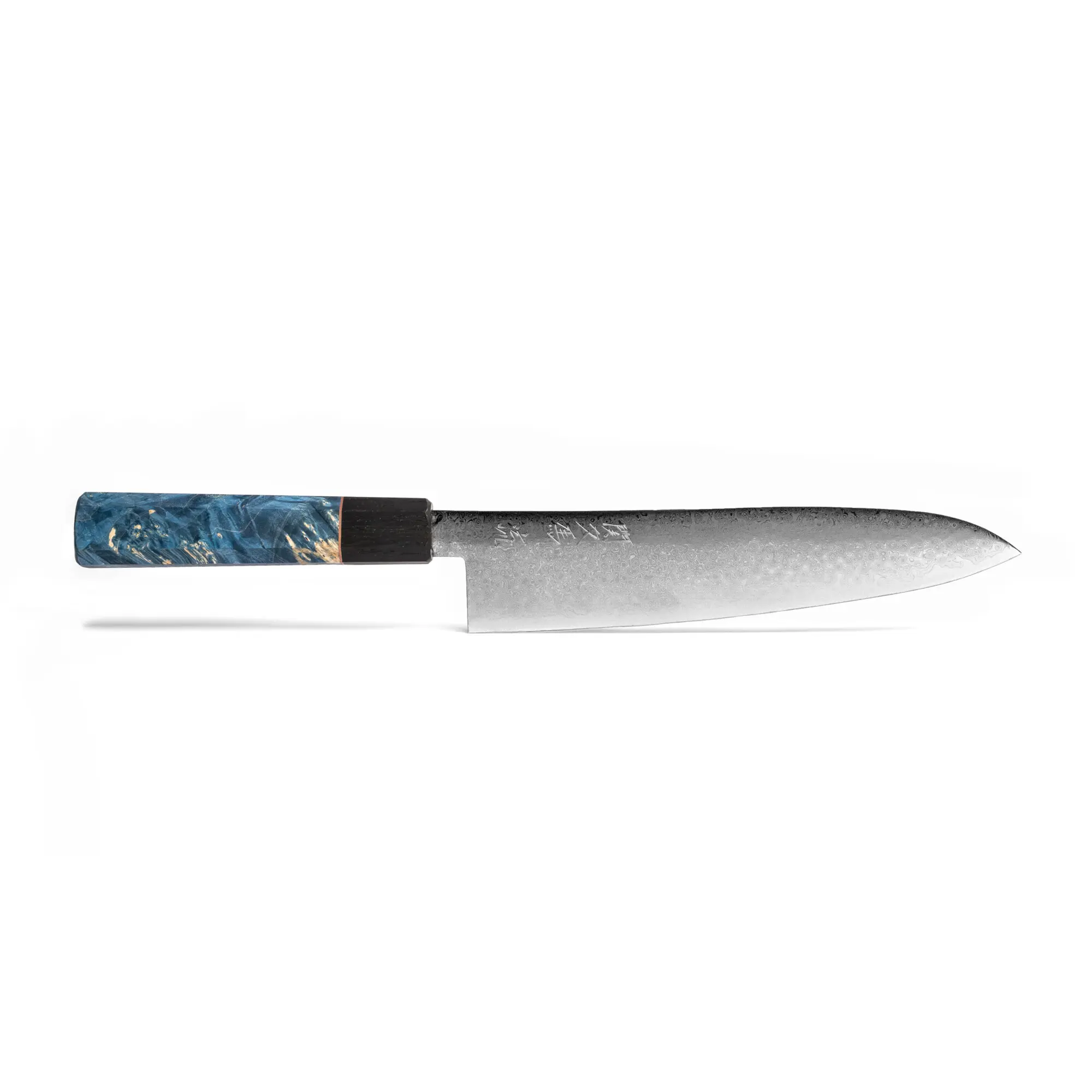
Every Japanese knife shape was designed for a specific task. The gyuto is the all-purpose chef’s knife; the santoku excels at the three virtues of slicing, dicing, and mincing; the nakiri is built for vegetables; the yanagiba for sashimi.
Understanding which blade to use — and why — is fundamental to Japanese kitchen culture. Explore every blade shape in our complete guide to Japanese knife types, or compare the two most popular choices in our Santoku vs Gyuto comparison.
Single-Bevel vs Double-Bevel
Traditional Japanese knives are sharpened on one side only (single-bevel), which allows for incredibly thin, precise cuts. Modern Japanese knives often use a double-bevel design that’s more approachable for Western cooks. The choice between them reflects a philosophy: precision at all costs vs practical versatility. Read the full breakdown in our single vs double bevel guide.
Handle Traditions
Japanese wa-handles (made from light woods like ho or magnolia) are designed for balance and comfort during long cutting sessions. They’re lighter than Western riveted handles and can be replaced when worn. Learn more in our guide to knife handle types and materials.
Natural Materials in the Japanese Kitchen
Aomori Hiba — The Tree of Life
The Aomori hiba (Thujopsis dolabrata) is a Japanese cypress prized for its natural antibacterial and antifungal properties. Cutting boards made from hiba wood don’t harbour bacteria the way other materials can, and they’re gentle on knife edges.
Hiba wood has been used in Japan for centuries — in temples, bath houses, and kitchens. Its distinctive fresh scent and remarkable durability make it one of the most valued materials in Japanese craftsmanship. Read the full story in Aomori Hiba: The Tree of Life.
Choosing the right cutting board wood matters for both your cooking and your knives. See our guide to the best wood for cutting boards.
Kintsugi — The Art of Golden Repair
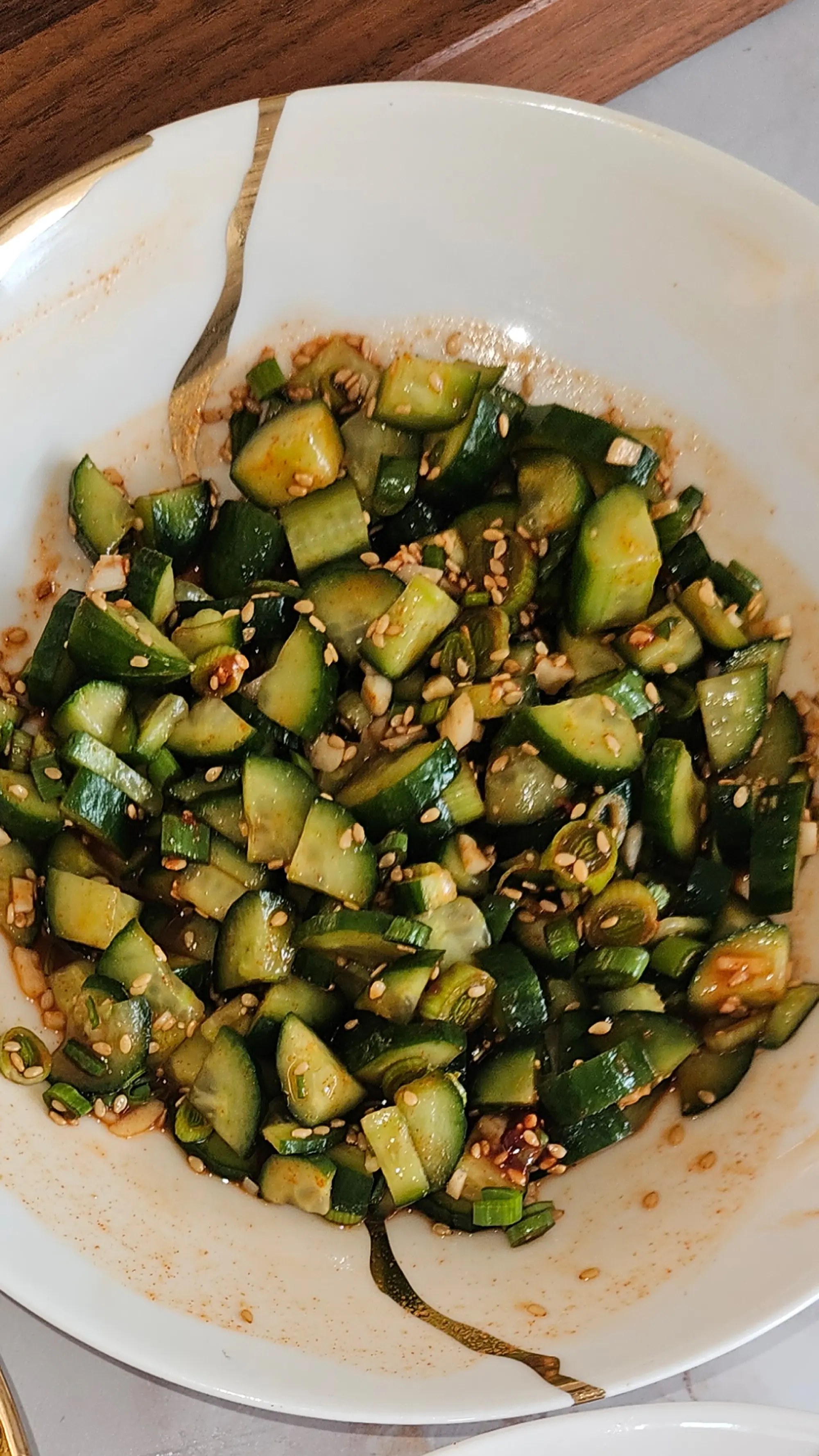
Kintsugi (金継ぎ, “golden joinery”) is the Japanese art of repairing broken pottery with lacquer mixed with gold, silver, or platinum. Rather than hiding the damage, kintsugi celebrates it — the repair becomes part of the object’s history, making it more beautiful than before.
The philosophy behind kintsugi extends beyond pottery. It’s a way of seeing the world: breakage and repair are part of life, not something to disguise. A chipped knife that’s been expertly reground, a well-worn cutting board that’s been resurfaced — these carry the same spirit.
Try it yourself with our step-by-step kintsugi DIY tutorial.
Ikebana — The Art of Flower Arranging
Ikebana (生け花) brings the same principles of balance, minimalism, and seasonal awareness found in the kitchen into the realm of flowers. An ikebana arrangement is never crowded — it uses space, line, and a few carefully chosen stems to create something striking.
The connection to the kitchen is practical too: sharp scissors and knives produce clean cuts that help flowers last longer, and the seasonal awareness central to ikebana (choosing what’s blooming now) mirrors the Japanese approach to cooking with seasonal ingredients.
Learn the basics in our guide to ikebana.
Japanese Gift-Giving and the Kitchen
In Japan, gift-giving is an art form governed by etiquette, timing, and thoughtfulness. Kitchen items — particularly high-quality knives, ceramics, and cutting boards — make meaningful gifts because they combine beauty with daily usefulness.
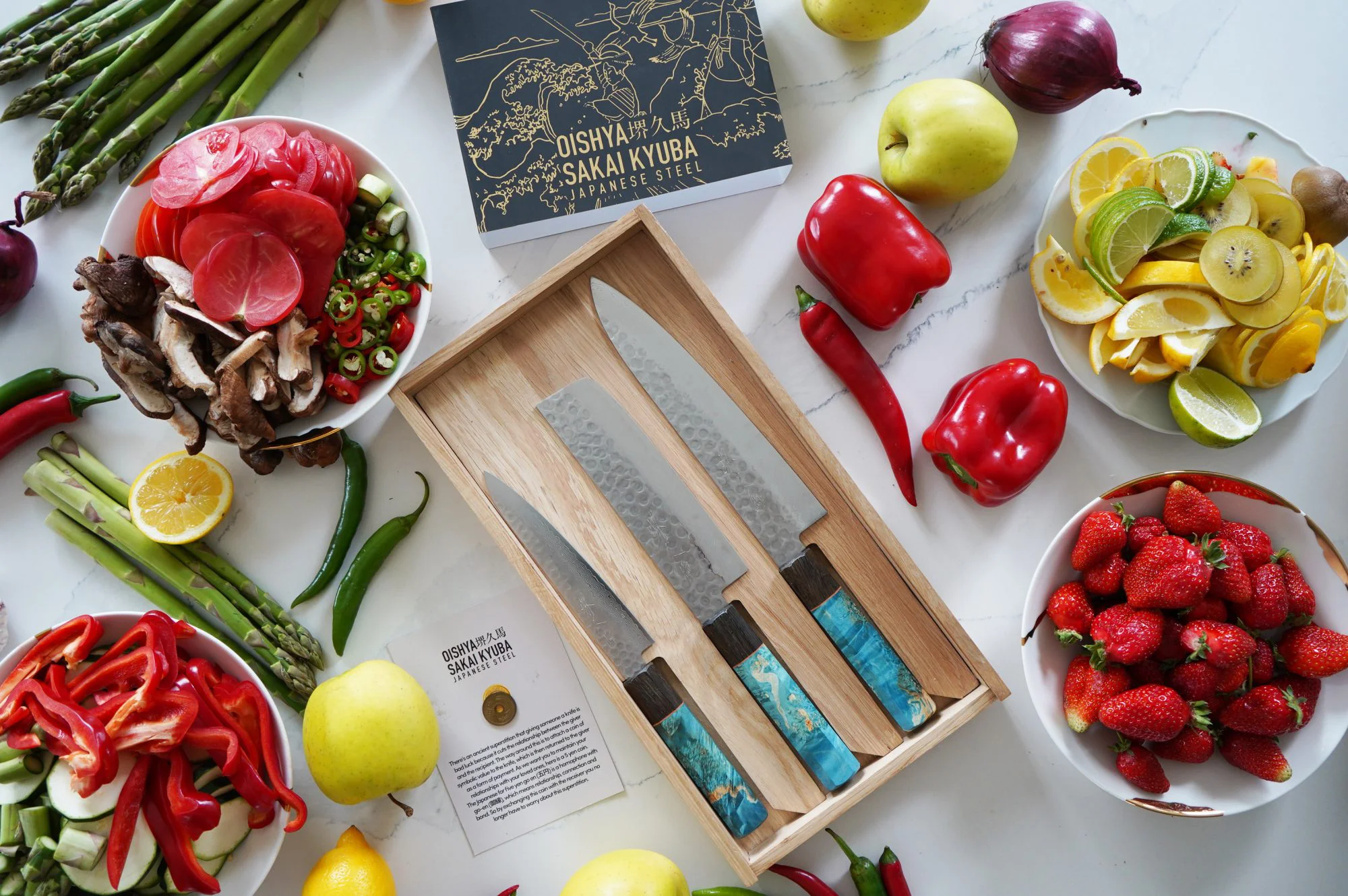
There’s a well-known superstition about giving knives as gifts (it symbolises “cutting” the relationship), but the traditional workaround is simple: the recipient gives a small coin in return, symbolically “purchasing” the knife and neutralising the superstition.
For a comprehensive look at when, how, and what to give, read our guide to Japanese gift-giving customs.
Macrobiotics — Balance in Eating
The macrobiotic approach to eating is a Japanese-influenced philosophy that emphasises whole grains, seasonal vegetables, and balance between yin (cooling, expanding) and yang (warming, contracting) foods. It’s mottainai in practice: using whole ingredients, minimising waste, and eating in harmony with the seasons.
While not exclusively Japanese, macrobiotics was popularised by Japanese philosopher George Ohsawa and reflects the same principles of balance and mindfulness that define Japanese kitchen culture.
Japanese Dining Etiquette
The culture extends beyond the kitchen to the table. Japanese dining etiquette — from the correct way to hold chopsticks to the rituals of business meals — reflects the same values of respect and mindfulness.
- Chopstick etiquette: Different cultures use different chopstick styles. Learn the distinctions in our Japanese vs Chinese vs Korean chopstick comparison.
- Business dining: If you’re doing business in Japan, understanding Japanese business etiquette is essential.
Bringing Japanese Kitchen Culture Home
You don’t need to overhaul your entire kitchen. Start with one change:
- Start with one good knife. A quality Japanese kitchen knife — a gyuto or santoku — will transform your cooking more than any gadget. See our guide to buying your first Japanese knife.
- Choose natural materials. Replace your plastic cutting board with a wood or hiba board. Choose ceramic over plastic where you can.
- Cook seasonally. Let what’s available guide your menu, not the other way around.
- Practice mindful preparation. Turn off the TV. Focus on the feel of the knife, the sound of the cut, the smell of the ingredients. This is nagomi.
- Care for your tools. A few minutes of maintenance after cooking — hand-washing, drying, storing properly — extends your knife’s life by years. See our complete knife care guide.
The Japanese kitchen isn’t about perfection. It’s about intention, craft, and finding beauty in the everyday act of preparing food.
Handcrafted Japanese Knives by Oishya
Forged by master craftsmen in Seki and Sakai, Japan. Free shipping worldwide • 100-day money-back guarantee • Lifetime warranty