
Table Linen
Heavy linen tea towels by Oishya make perfect sense. Linen is inherently anti-microbial, and stays fresher because it dries much quicker than cotton towels.


Why Linen Belongs in Your Kitchen
Linen is one of the oldest textiles known to civilisation, and its enduring popularity in professional kitchens is no accident. The flax fibres from which linen is woven are naturally stronger than cotton, more absorbent, and far quicker to dry. In a kitchen environment, where towels are constantly exposed to moisture, heat, and food residue, these properties matter enormously. A linen tea towel absorbs spills efficiently, dries in a fraction of the time a cotton towel takes, and resists the musty odours that develop when damp fabric sits folded for hours.
Linen is also naturally lint-free once broken in, which makes it the preferred choice for drying glassware, polishing cutlery, and handling delicate items without leaving fibres behind. The anti-microbial quality of flax means that linen naturally inhibits bacterial growth, keeping your kitchen more hygienic between washes.
Our Linen Collection
Our Kitchen Tea Towels Set of 6 provides a generous rotation for daily use. Having multiple towels on hand means you can swap in a fresh one each day without running out between laundry days. The heavy-weight linen becomes softer and more absorbent with every wash while maintaining its durability, so these towels improve with age rather than wearing out.
The Stonewashed Linen Tablecloth brings the same natural elegance to your dining table. Stonewashing gives the fabric a relaxed, lived-in drape from the moment you unpack it, with no ironing required. The result is a tablecloth that looks effortlessly refined for a dinner party yet casual enough for an everyday family meal. Linen’s natural temperature-regulating properties also make it comfortable against the skin in any season.
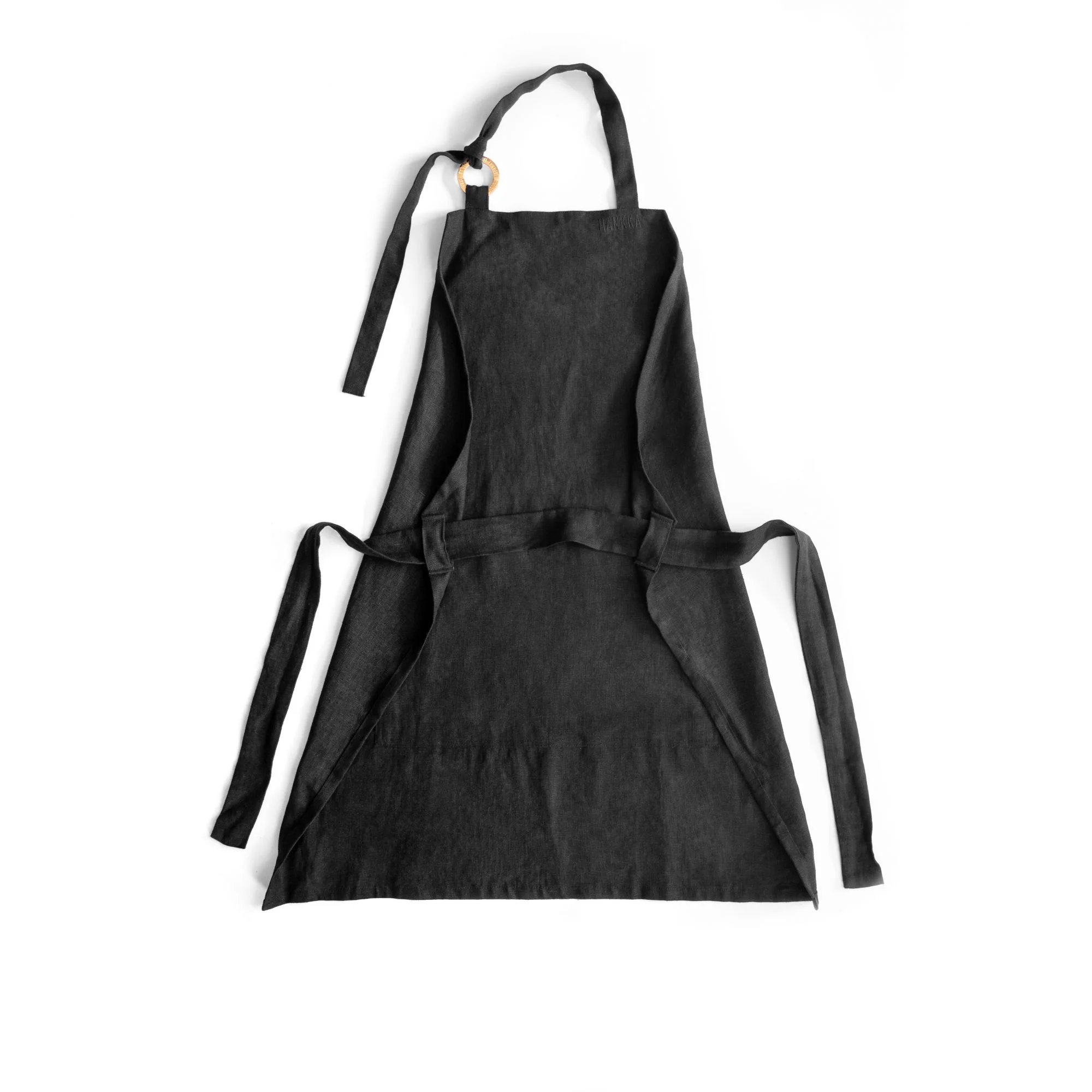
Our Kitchen Apron rounds out the collection, offering full-coverage protection in the same durable linen. The adjustable straps accommodate all body types, and the fabric stands up to daily cooking without showing wear.
All linen products ship from our European warehouse with a 100-day money-back guarantee. Browse our full accessories range for more kitchen essentials.
Is linen better than cotton for kitchen towels?
For kitchen use, linen outperforms cotton in several important ways. It absorbs more liquid relative to its weight, dries significantly faster, produces less lint, and naturally resists bacterial growth. Linen also becomes softer and more effective with repeated washing, while cotton tends to lose absorbency over time. The initial texture of linen can feel stiffer, but this softens quickly with use.
How do I wash linen tea towels?
Machine wash linen tea towels in warm water (up to 40 degrees Celsius) with a mild detergent. Avoid bleach and fabric softener, as these break down flax fibres and reduce absorbency. Tumble dry on low heat or hang to air dry. Linen naturally relaxes and softens with each wash cycle. If you prefer a crisp look, iron while the fabric is still slightly damp.
Do linen tablecloths need ironing?
Our stonewashed linen tablecloths are designed to be used without ironing. The stonewashing process gives the fabric a naturally relaxed drape and gently rumpled texture that is part of its charm. If you prefer a smoother finish for a formal occasion, you can iron the tablecloth while damp, but most people appreciate the effortless, lived-in aesthetic as it is.
How long do linen tea towels last?
With proper care, quality linen tea towels can last ten years or more. Linen is one of the strongest natural fibres, and unlike cotton, it actually becomes stronger when wet. The towels will soften and become more absorbent over time while maintaining their structural integrity. This longevity makes linen a more sustainable and cost-effective choice than replacing cheaper cotton towels every year or two.