Cutting Boards

If you are investing in kitchen equipment, such as finer knives, then it’s wise to look after them by investing in a good chopping board. The cutting board is perhaps the most essential kitchen accessory.

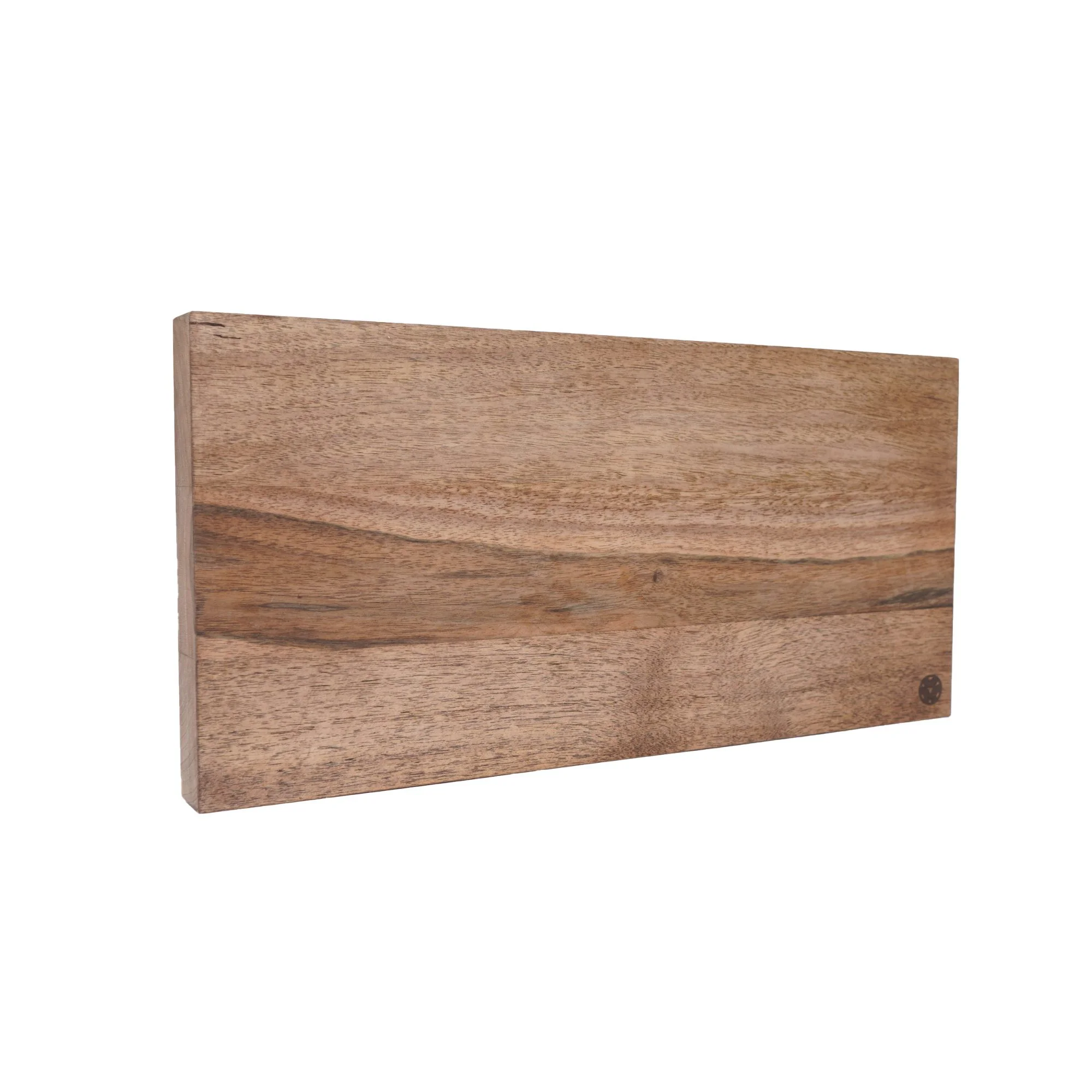
board walnut american smalll

Why the Right Cutting Board Matters for Japanese Knives

A Japanese knife’s edge is thinner and harder than that of a Western knife, which makes it more susceptible to damage from unsuitable cutting surfaces. Cutting on glass, marble, ceramic, or even hard bamboo boards can chip or roll the fine edge, undoing the work of careful sharpening. The ideal cutting board for Japanese knives is made from a material that is firm enough to support precise cuts yet soft enough to absorb the blade’s impact without dulling it.

Wood is the traditional and still the best material for this purpose. End-grain and edge-grain hardwood boards allow the blade to sink slightly into the fibres rather than striking a rigid surface. This self-healing quality not only protects your knives but also extends the life of the board itself. Our guide to cutting board woods explores the different timber options and their characteristics in detail.

Our Cutting Board Collection

Each board in our range has been selected to complement Japanese knives and withstand the demands of daily use.

The Aomori Hiba Cutting Board is made from Japanese Hinoki cypress, a wood revered in Japan for its natural antibacterial properties, gentle-on-blades softness, and distinctive aromatic scent. Hiba wood contains hinokitiol, a compound that naturally inhibits bacterial growth, making it exceptionally hygienic for food preparation. This is the board of choice in many professional Japanese kitchens.

Our European Walnut Cutting Board and American Walnut Premium Cutting Board offer a rich, dark aesthetic that looks beautiful in any kitchen. Walnut is a closed-grain hardwood that resists moisture absorption and warping, and its Janka hardness rating places it in the ideal range: hard enough for stability, soft enough to be kind to knife edges. The premium American walnut version features thicker construction and a more refined finish for cooks who want a statement piece.

Caring for Your Wooden Cutting Board

A quality wooden cutting board will last for decades with basic maintenance. Wash by hand with warm water and mild soap after each use, then stand upright or prop at an angle to allow both sides to air dry evenly. Never submerge in water or place in the dishwasher, as prolonged moisture exposure can cause warping and cracking. Apply food-grade mineral oil or board cream once a month, or whenever the wood begins to look dry, to maintain the protective finish and prevent the grain from absorbing food odours.

All our cutting boards ship from Europe with a 100-day money-back guarantee. Explore our full range of Japanese knives to pair with the perfect board.

What is the best cutting board material for Japanese knives?

Wood is the best material for Japanese knives. Specifically, softer hardwoods like Hinoki (Japanese cypress), walnut, and cherry provide a surface that supports precise cutting without damaging the fine edge. Avoid glass, marble, bamboo, and hard plastic boards, as these are too rigid and will accelerate edge dulling or cause micro-chipping on harder Japanese steel.

Why is Hinoki wood popular for Japanese cutting boards?

Hinoki cypress contains hinokitiol, a naturally occurring compound with antibacterial and antifungal properties. This makes Hinoki boards inherently more hygienic than most other woods. Hinoki is also soft enough to be extremely gentle on knife edges, has a pleasant natural scent, and resists moisture absorption. It has been the traditional choice in Japanese cuisine for centuries.

How do I prevent my wooden cutting board from warping?

The key is even moisture exposure. Always wash both sides of the board, not just the surface you cut on. Stand it upright to dry rather than laying it flat, so air circulates around both faces. Apply mineral oil regularly to both sides and all edges. Avoid leaving the board soaking in water, placing it near direct heat sources, or storing it in a damp environment.

How often should I oil my cutting board?

As a general rule, oil your board once a month with food-grade mineral oil. If you use the board daily and wash it frequently, you may need to oil it fortnightly. A simple test: if water no longer beads on the surface and instead soaks into the wood, it is time for an application. A well-oiled board resists staining, odour absorption, and cracking.