How do you tell a real Japanese knife from a fake? Read the steel, the grind and the edge geometry, plus the marketing tells that dress up a cheap blade.
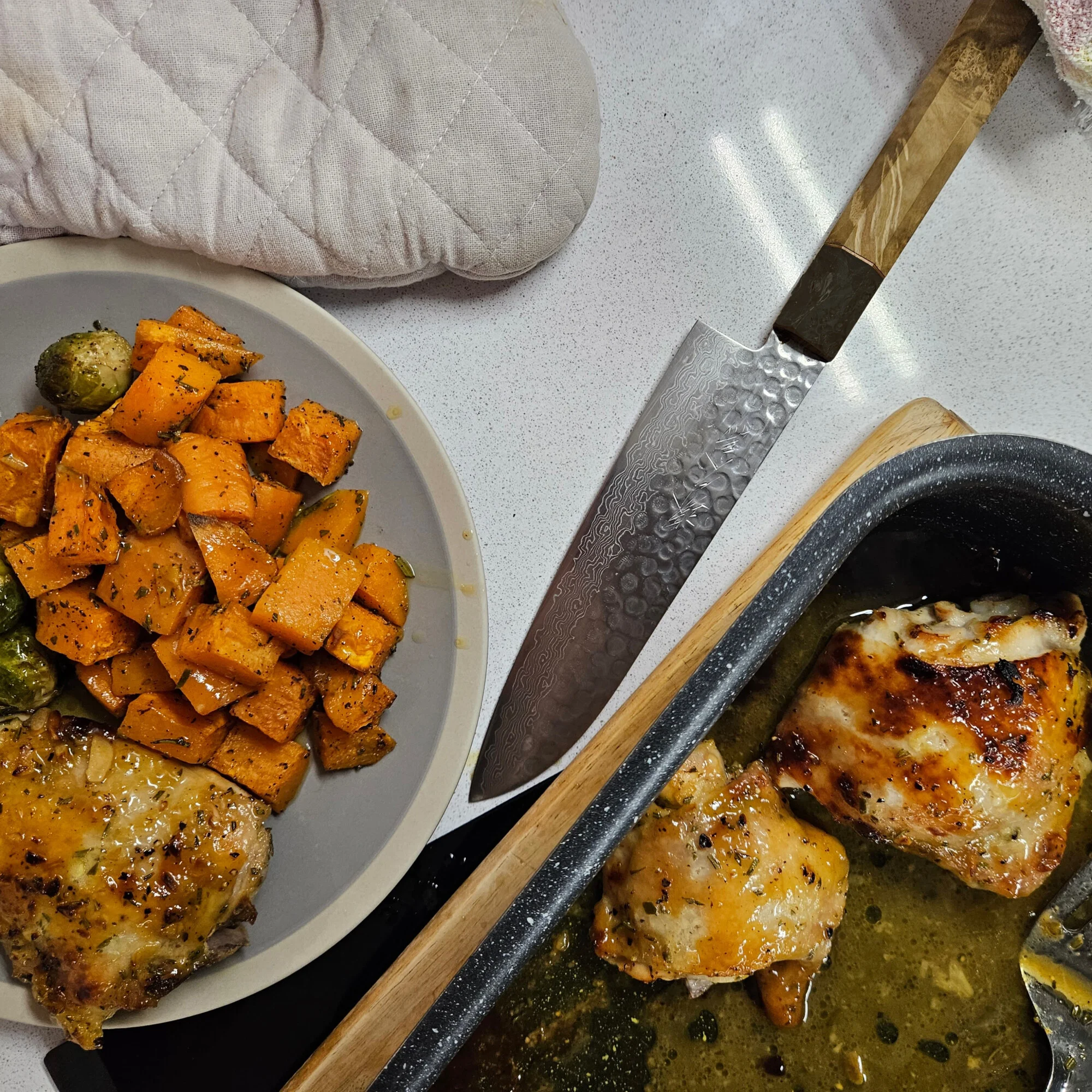

How do you tell a real Japanese knife from a fake? Read the steel, the grind and the edge geometry, plus the marketing tells that dress up a cheap blade.
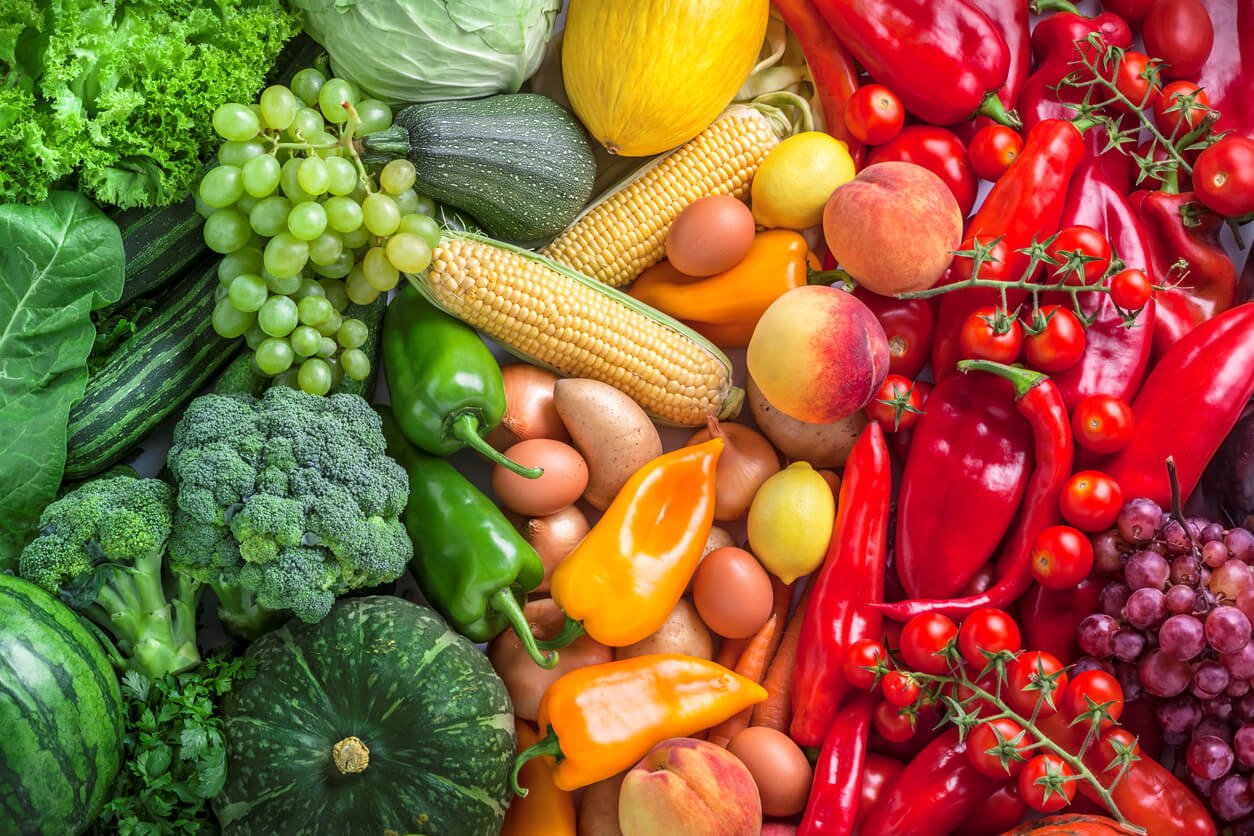
What food colour signals about flavour and nutrition, from chlorophyll and carotenoids to flavonoids and betalains in fruits and vegetables.
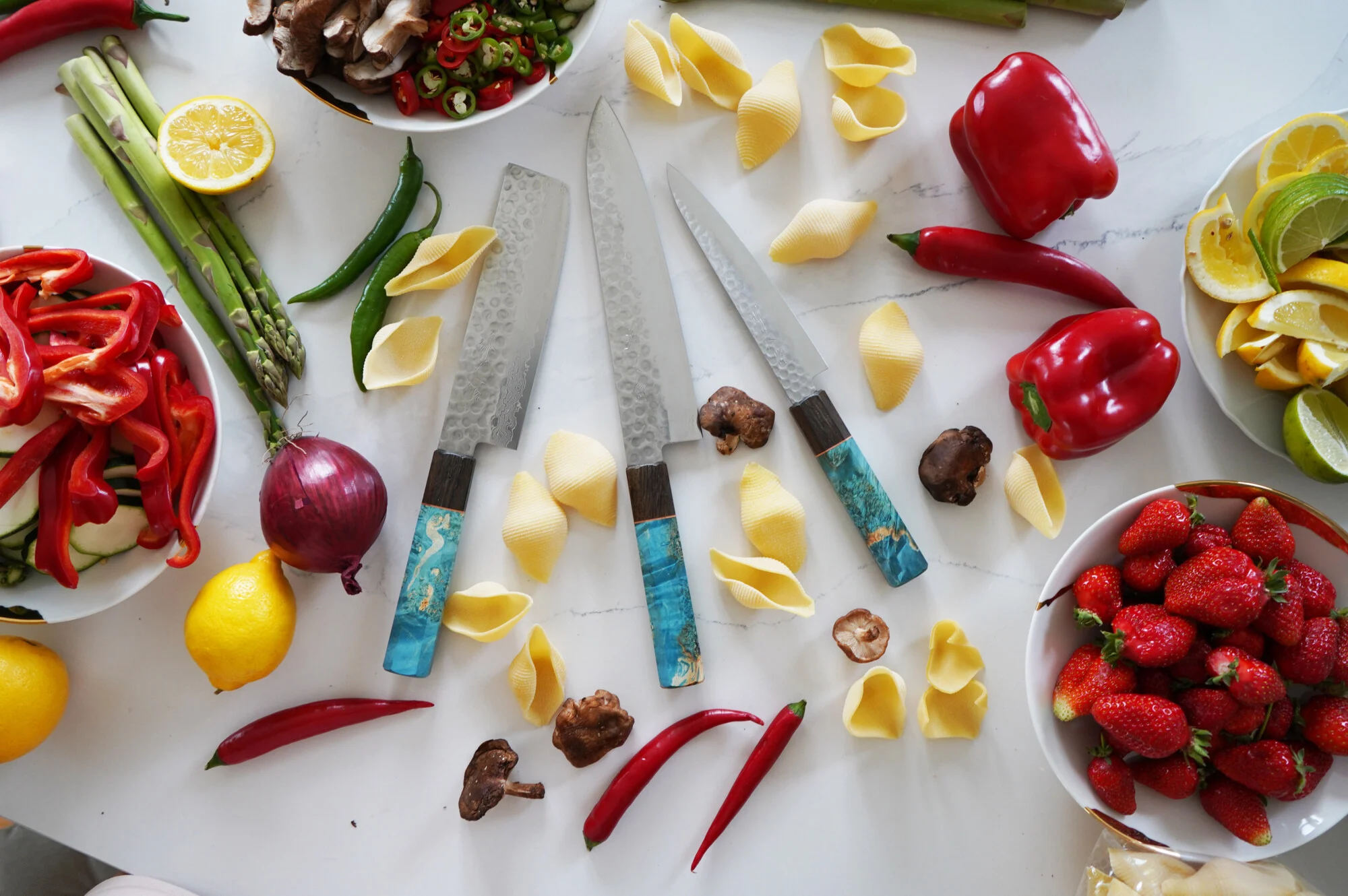
Some knives are past saving: an edge that won’t hold after sharpening, cracks or chips, a wobbling handle, rust in the steel. Four signs it’s time to let go.
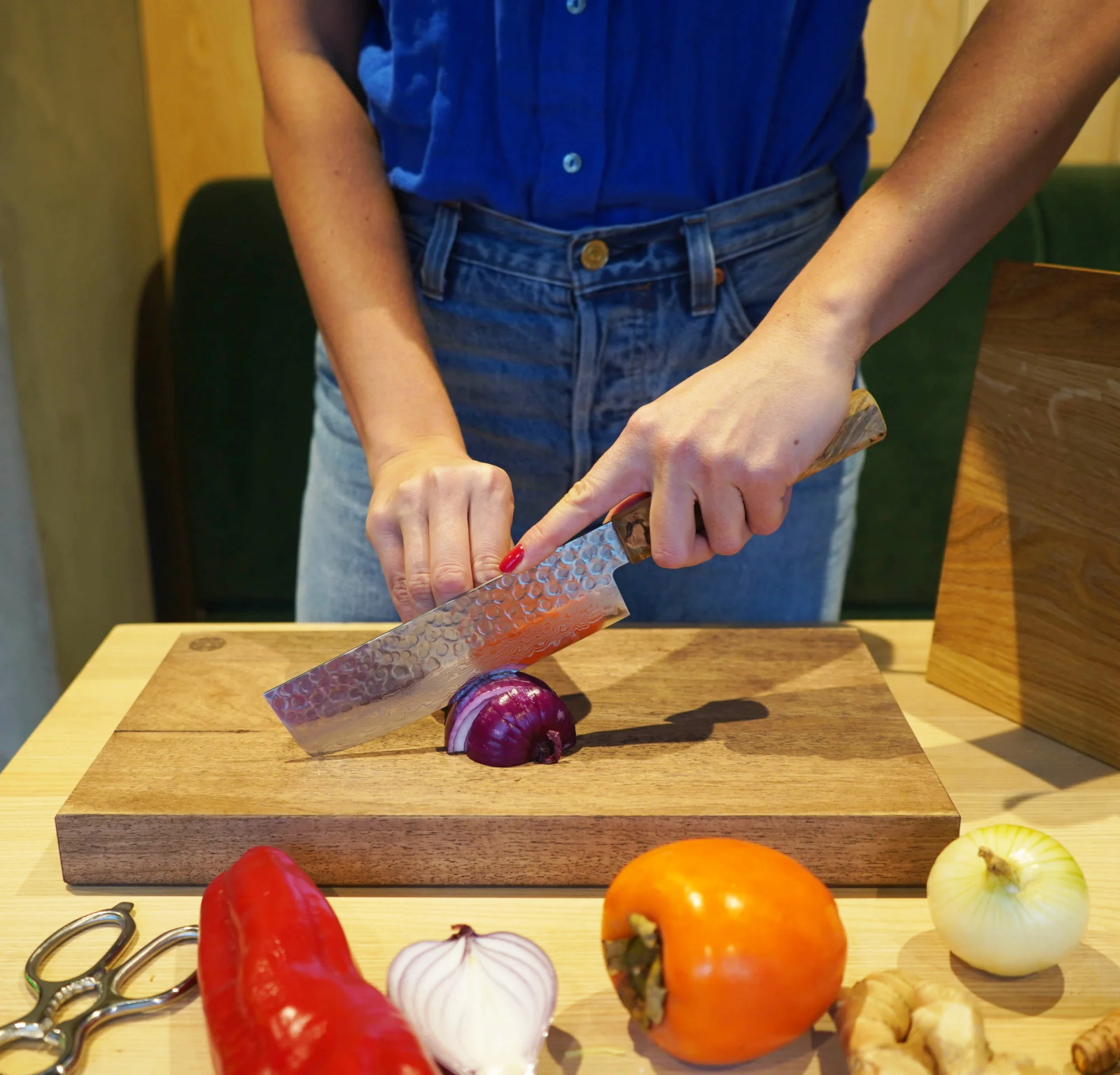
Choosing a knife for women who love to cook: comfort, ergonomic handles, versatility and a sharp, well-balanced blade for everyday kitchen tasks.
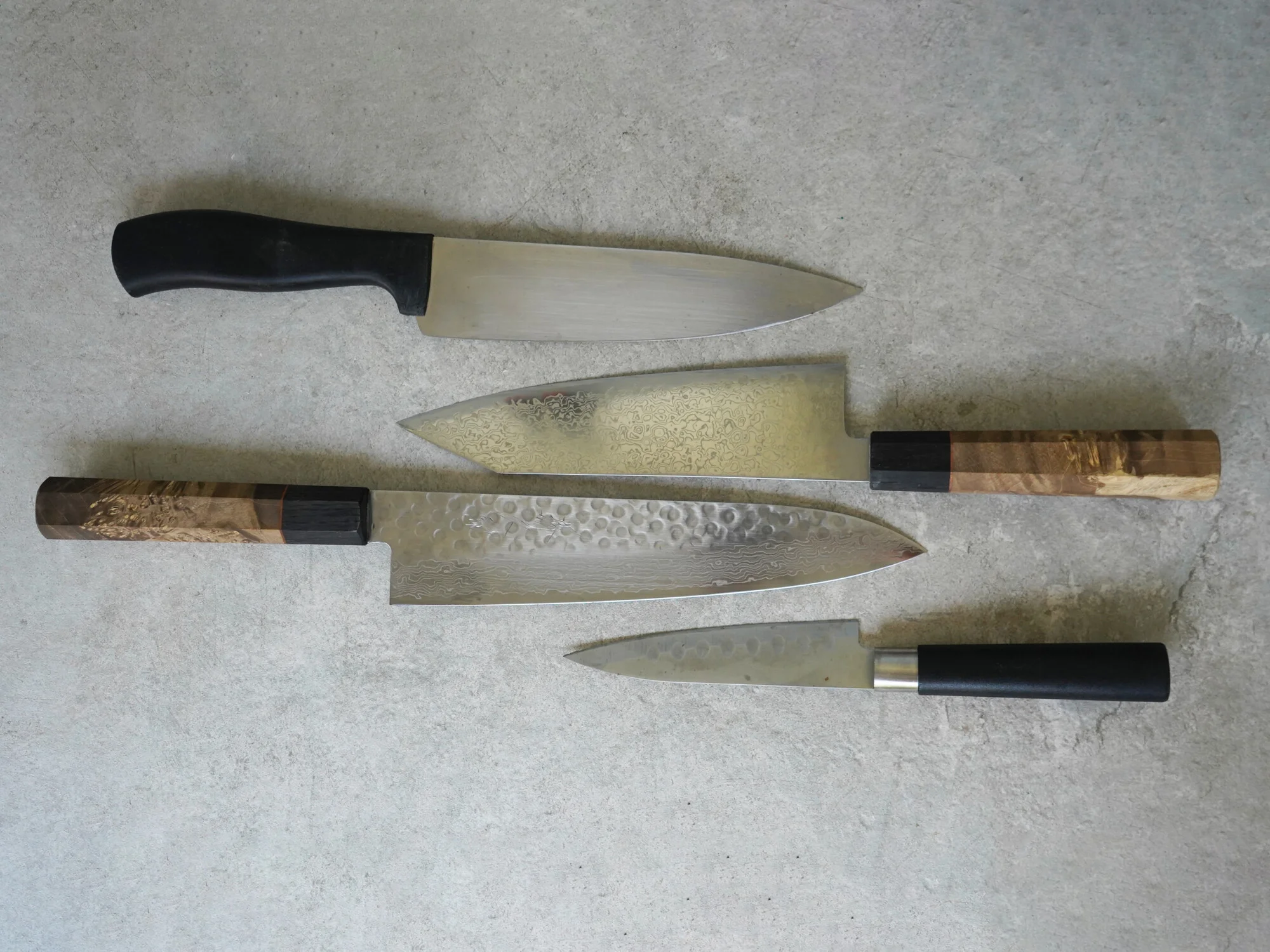
Cheap blades chip, dull within weeks and tire your wrist. The case for spending more, with Oishya’s Sakai Kyuba damascus as the counter-example.
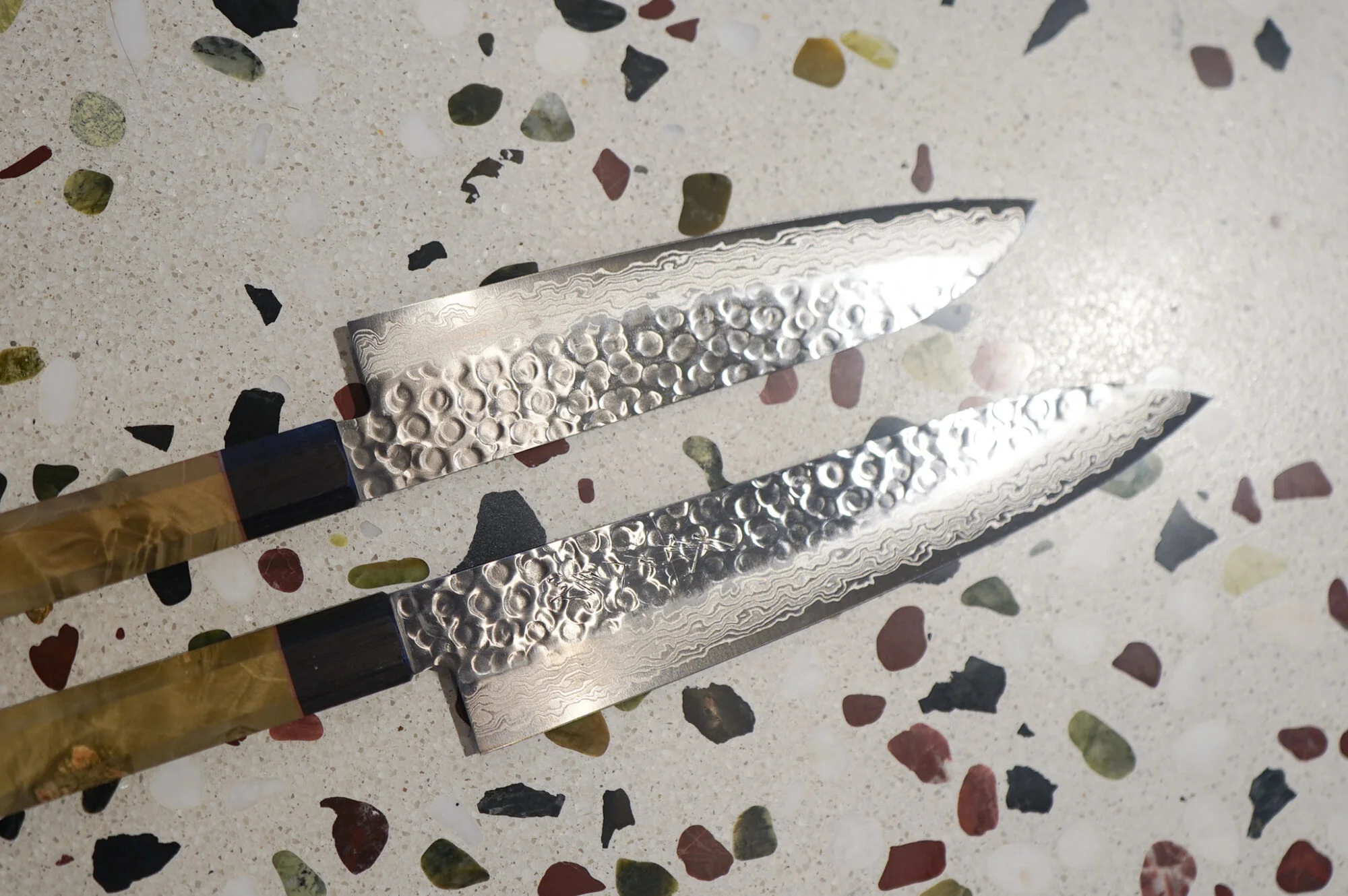
Santoku means ‘three virtues’: slice, dice, mince. Why it makes a sane first Japanese knife, and what to check in weight, balance and handle feel.

Okinawa has one of the world’s highest counts of centenarians, linked to a plant-rich diet and the Hara Hachi Bu habit of eating until 80% full.

Five reasons cooking together as a family matters, from strengthening bonds and building knife skills to teaching responsibility and healthy eating habits.
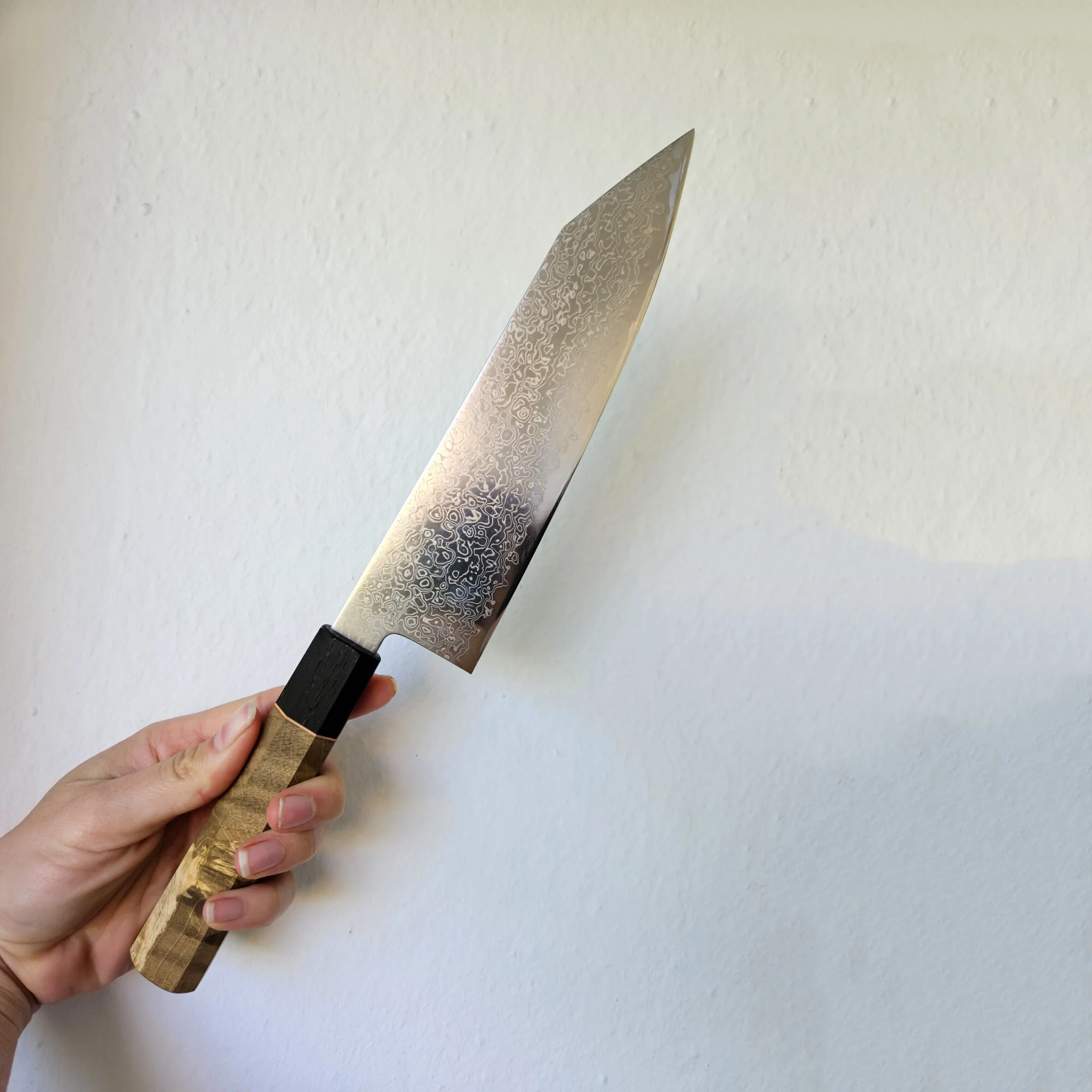
Japanese knives trace back to samurai swordsmiths, including blades for the Onna Bugeisha, and their light, precise build suits women cooks well.
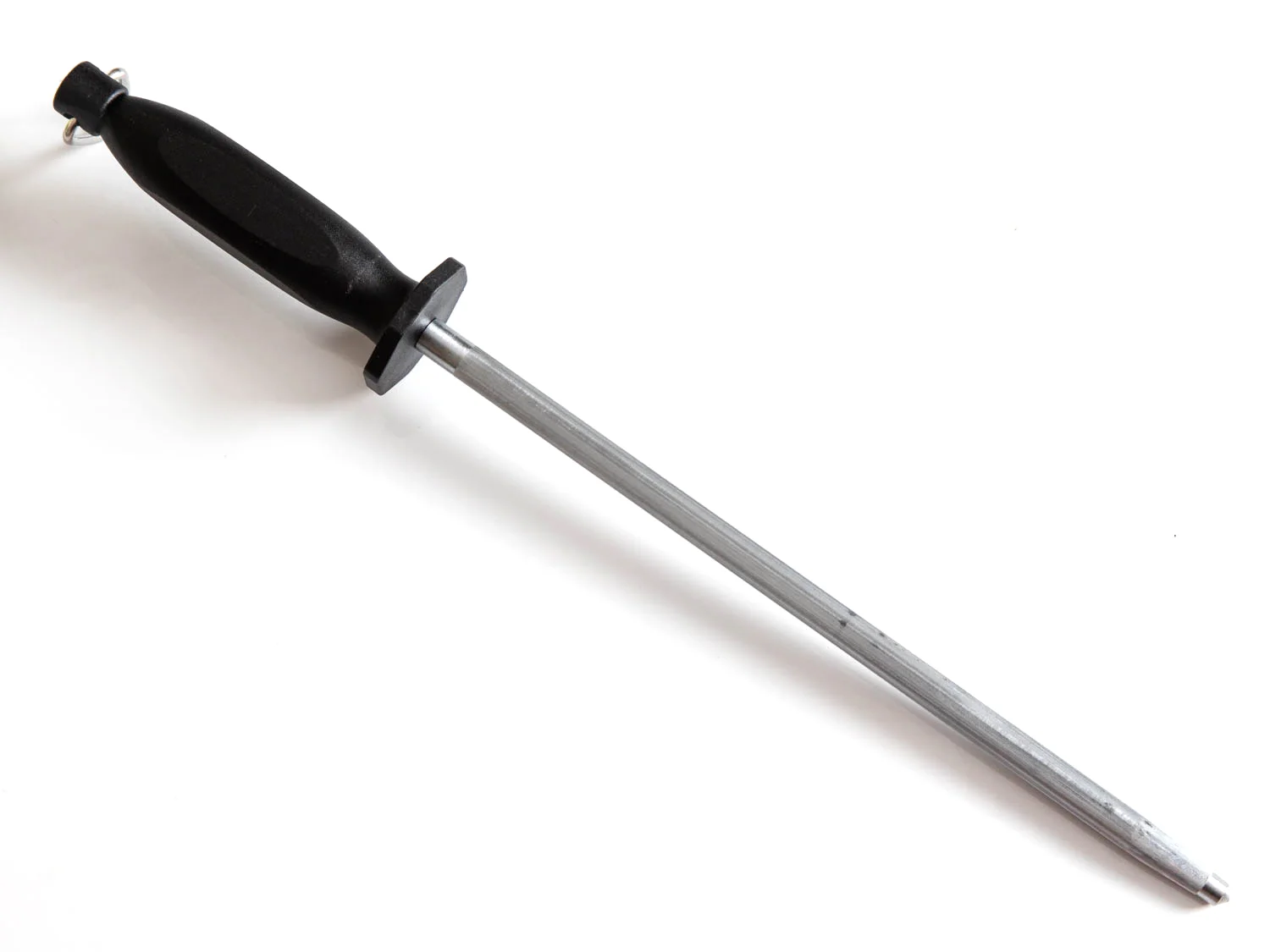
Honing realigns a knife’s edge between uses with a steel or ceramic rod, while sharpening on whetstones removes metal to restore a dulled blade.
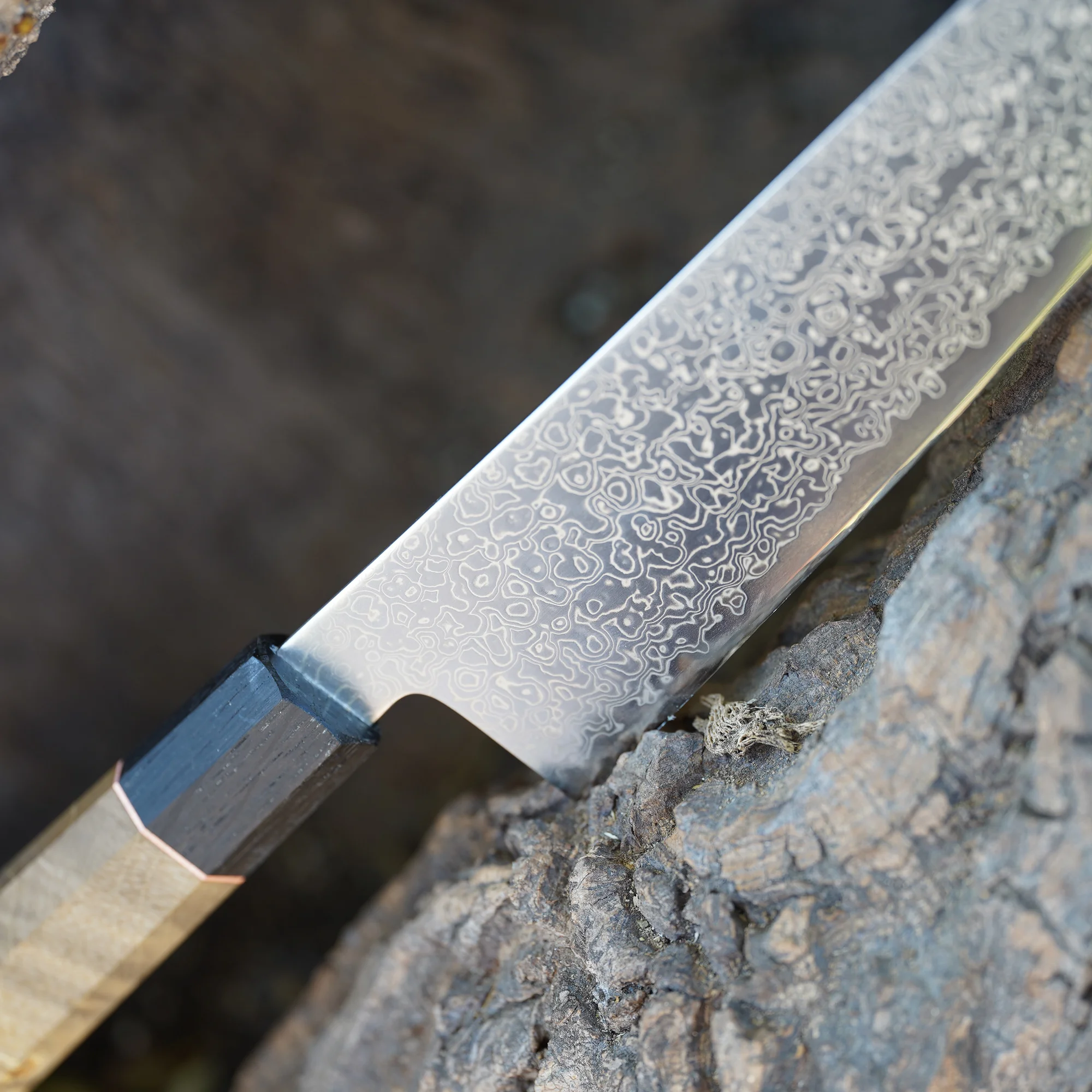
Never leave them wet. How to wash, dry and sharpen a Japanese knife, with a rundown of the Gyuto, Santoku, Nakiri, Deba and Sujihiki.

21 practical low-waste tips for the kitchen and grocery shop, organised around the five R’s of zero-waste living: refuse, reduce, reuse, recycle and rot.

Why Japanese cuisine stands out: fresh seasonal ingredients, mastery of umami and the pride of the cooks behind sushi, ramen, soba and more.
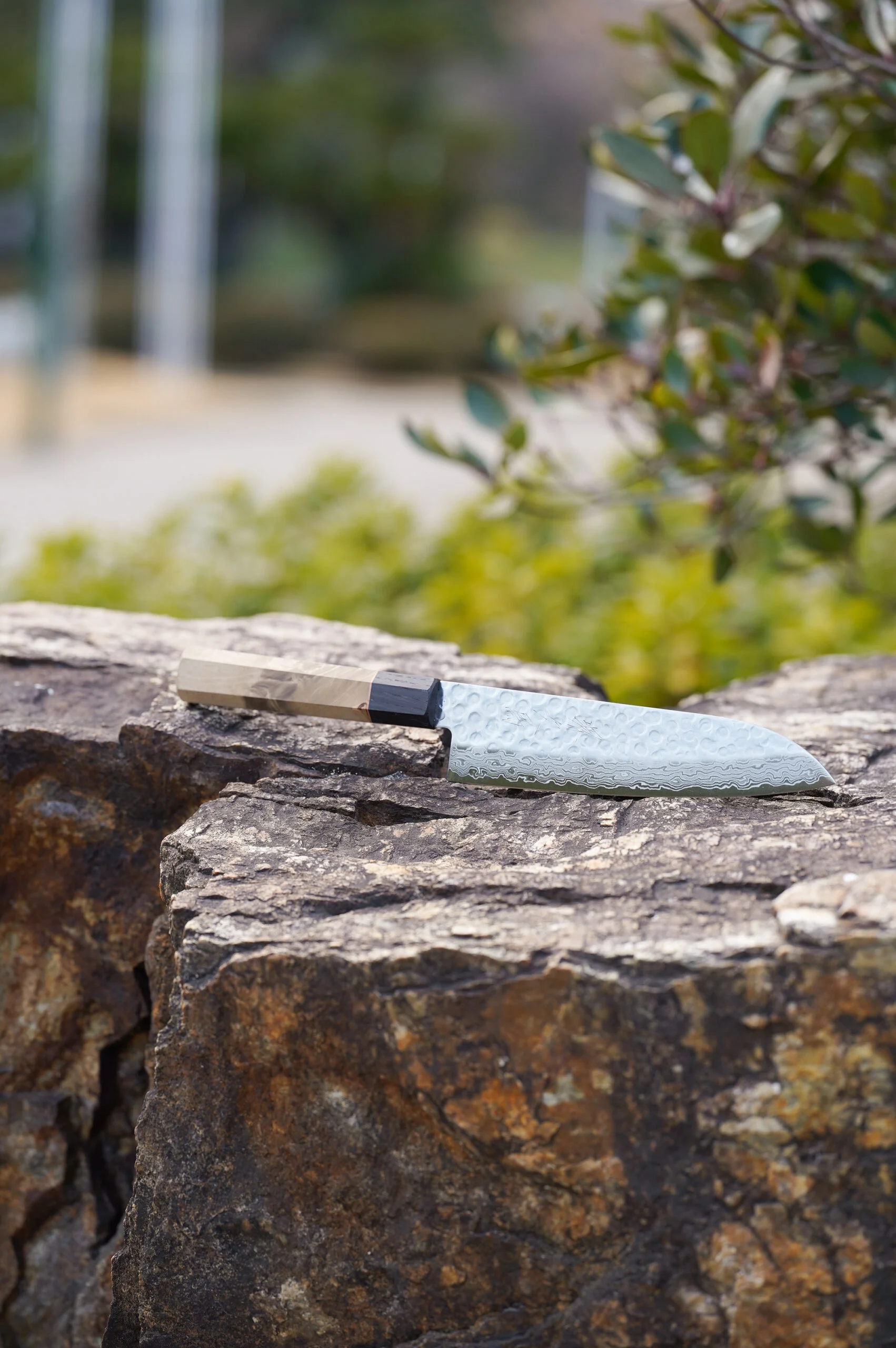
The santoku, whose name means ‘three virtues’, is a short, wide all-purpose blade for slicing, dicing and mincing, and how it differs from the gyuto.
A look at Japanese green tea, from its 8th-century roots and Zen monk Eisai to the main varieties, health benefits and tips for brewing a good cup.
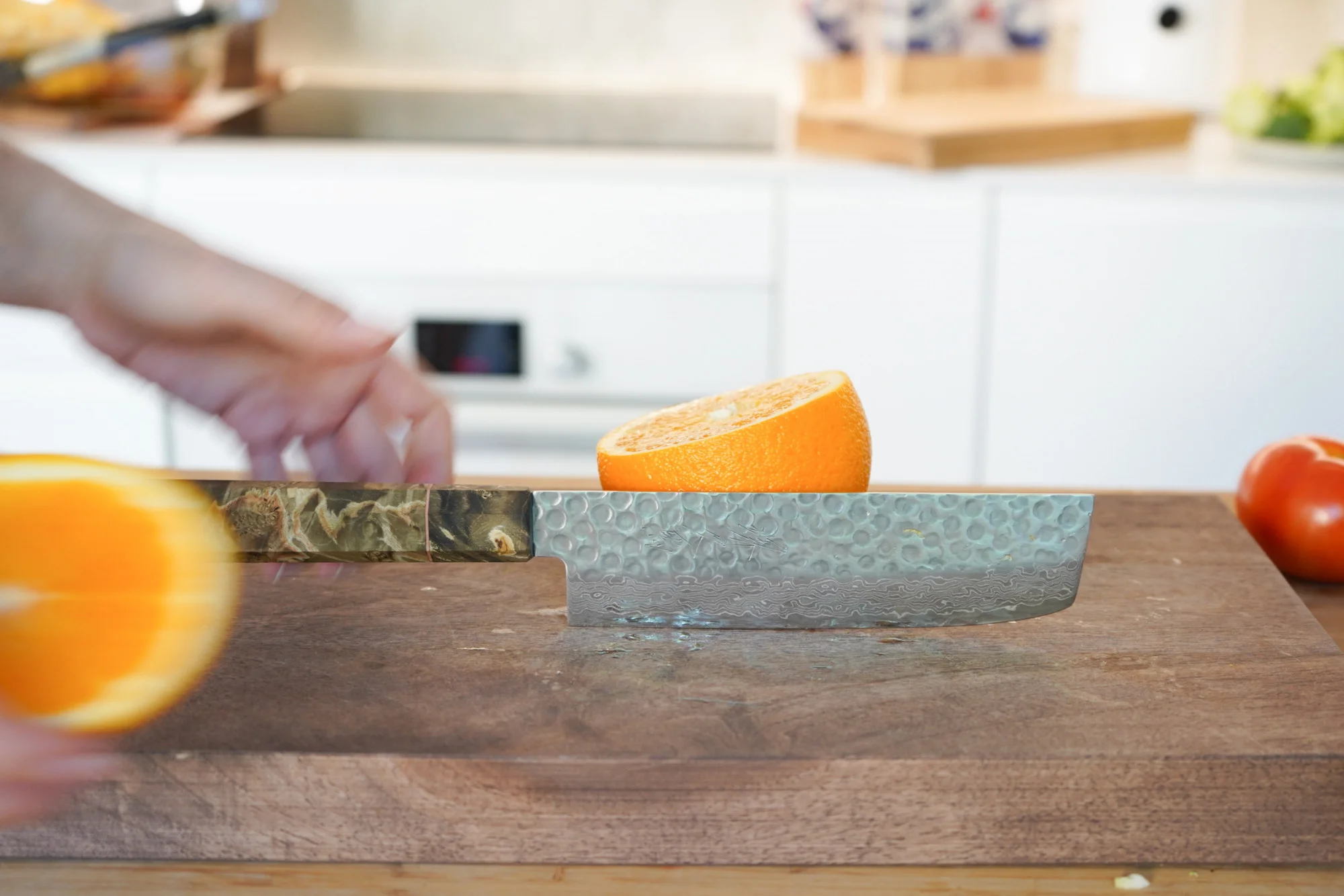
A dull knife needs more force and slips more easily, so it causes more injuries than a sharp one. Includes paper, tomato and fingernail tests.
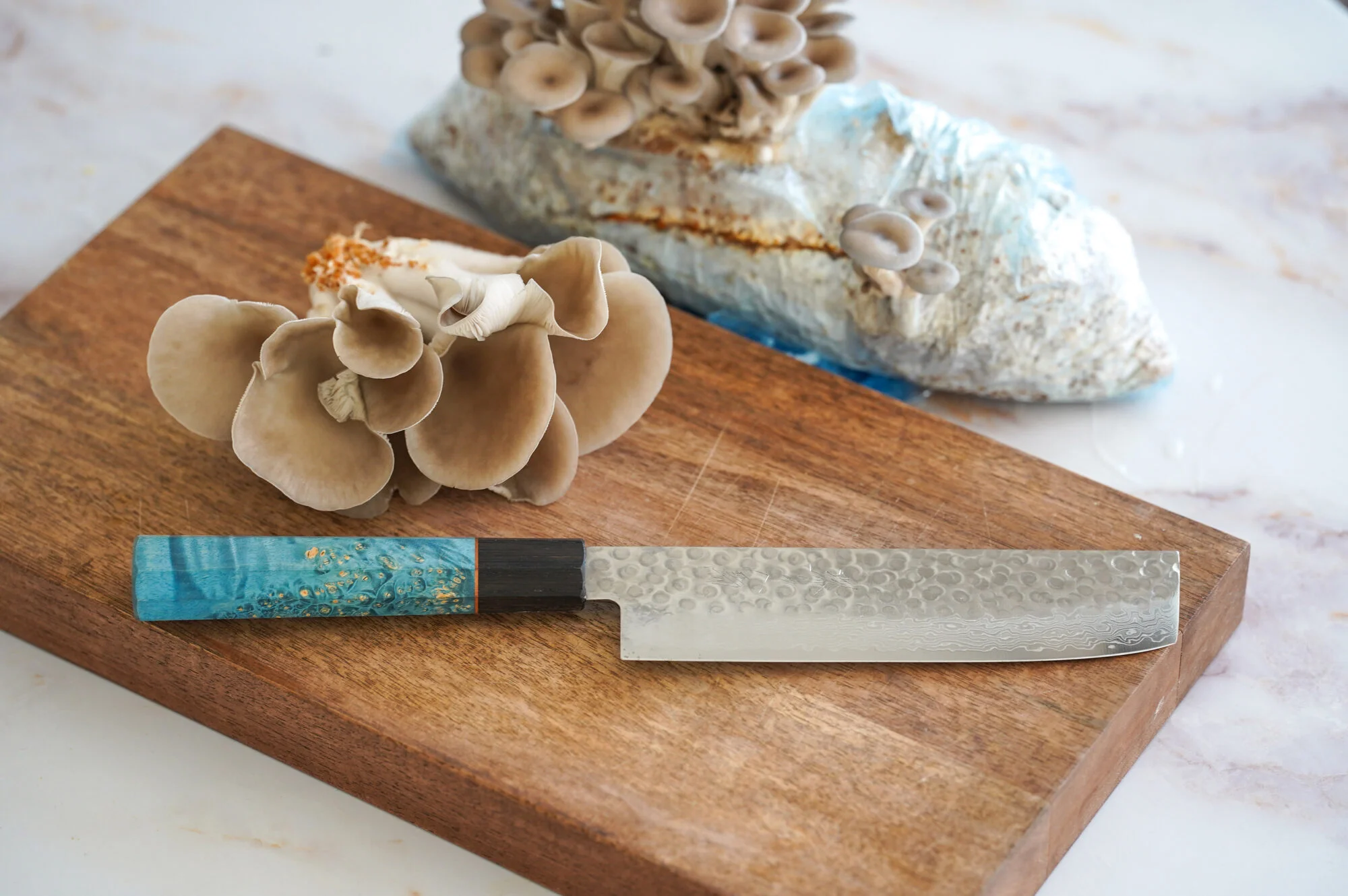
A look at growing reishi, lion’s mane and blue oyster mushrooms at home, the health compounds behind them and the pros and cons of cultivating your own.
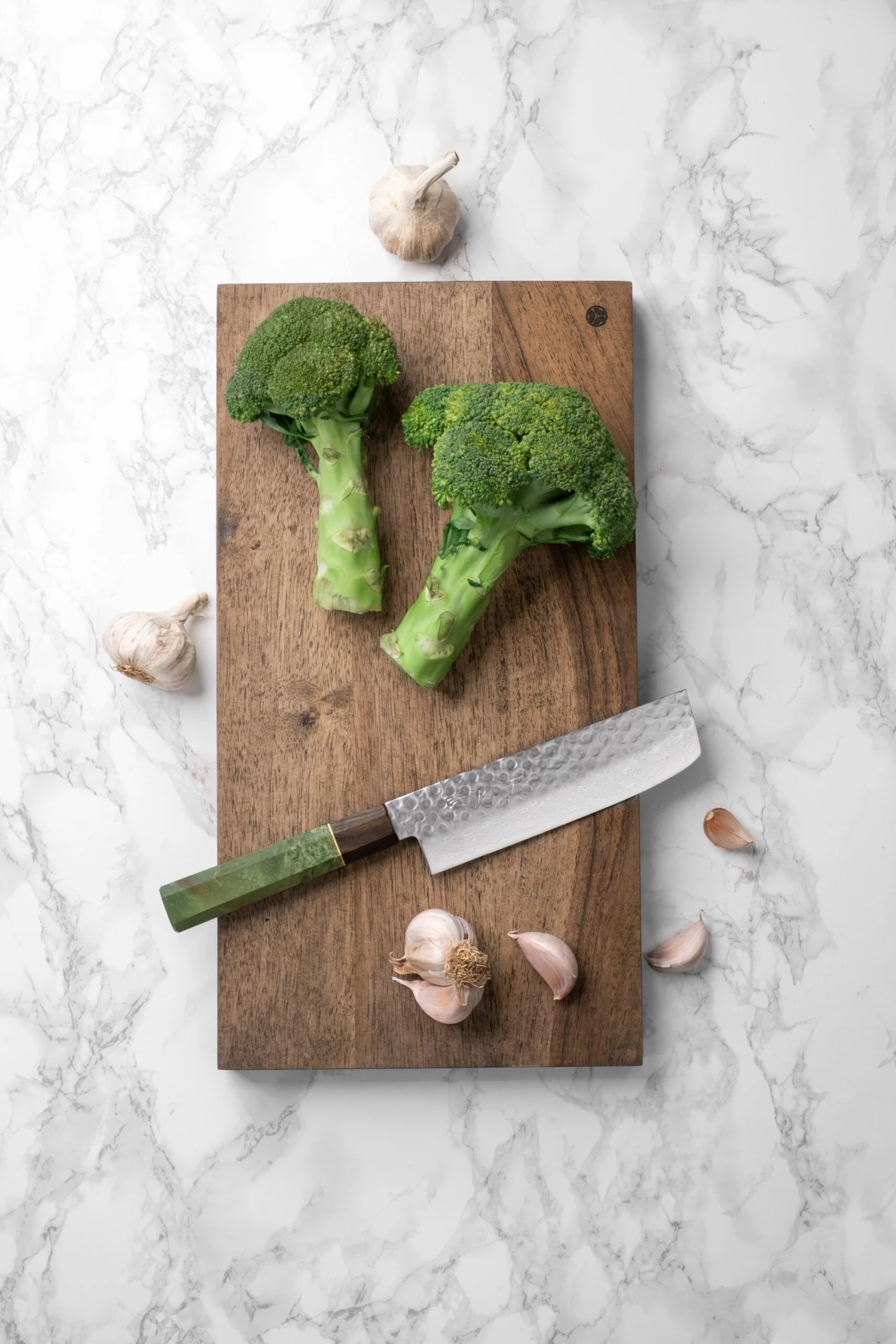
The nakiri has a flat rectangular blade built for an up-and-down chopping motion, which makes it a precise, efficient knife for plant-based cooking.
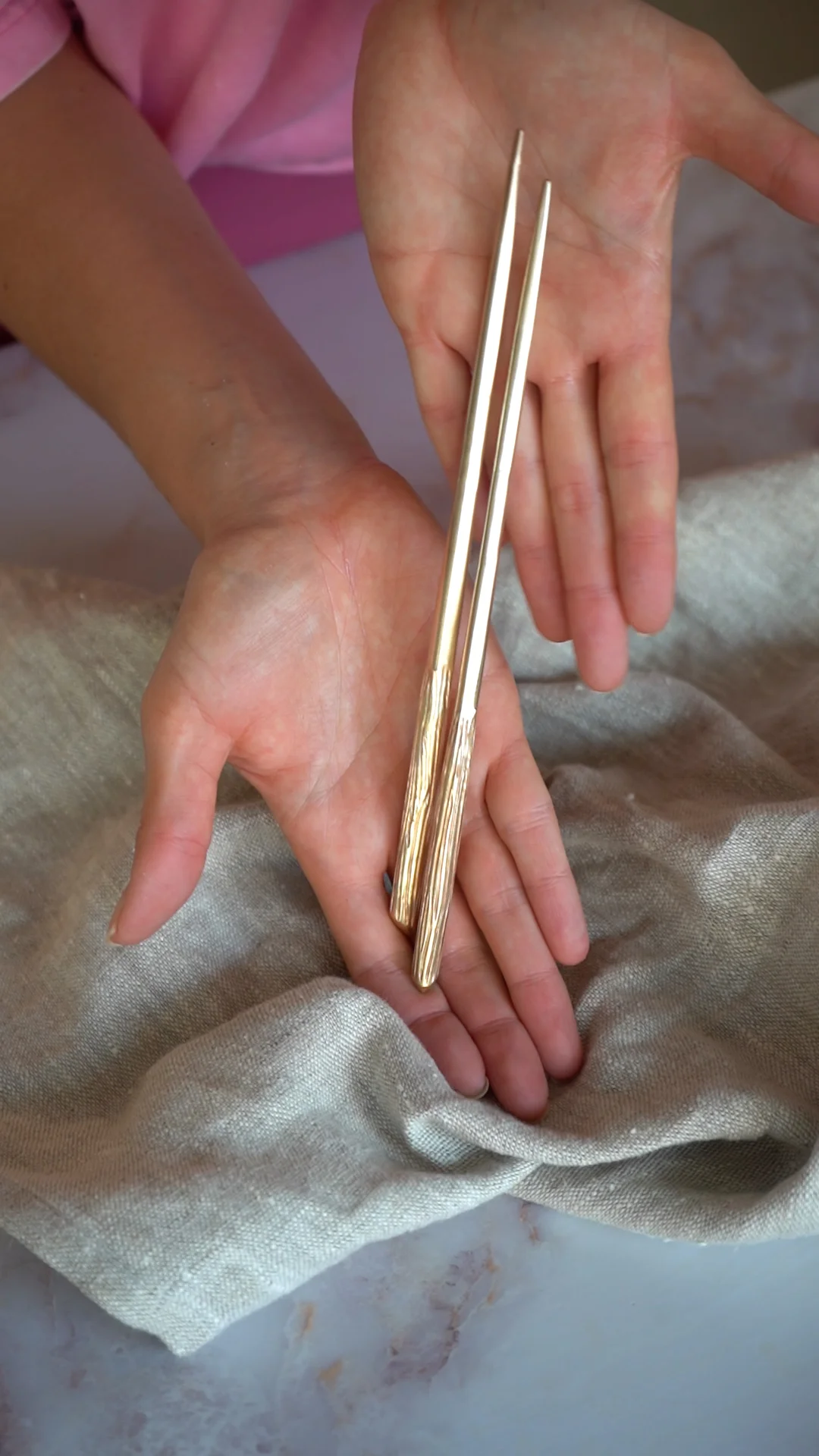
Clean and brighten brass utensils in minutes with a simple paste of vinegar, flour, bicarbonate of soda and salt, then polish and rinse.
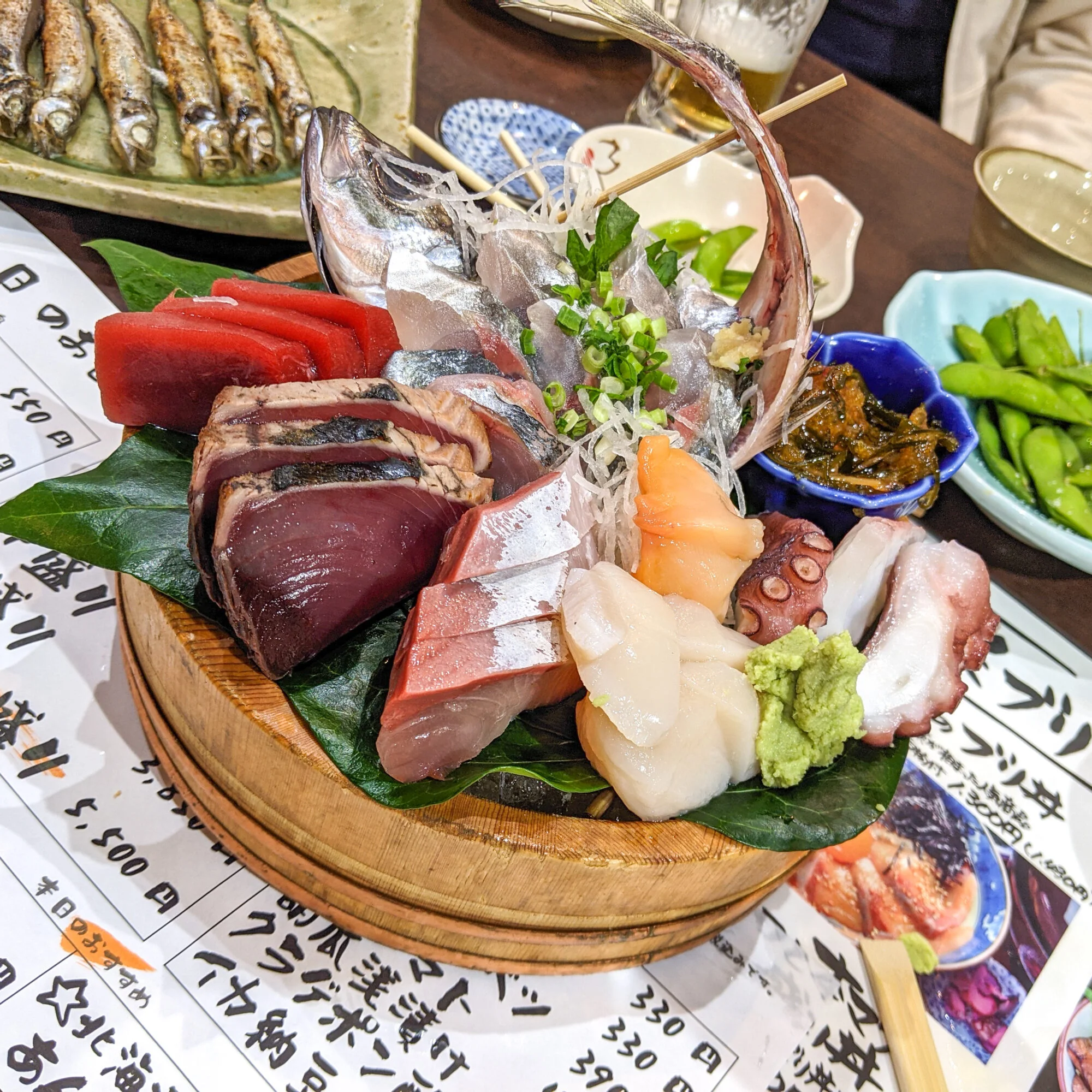
Umami, the savoury fifth taste found in meat, cheese and mushrooms, was identified by Japanese scientist Kikunae Ikeda in the early 1900s.
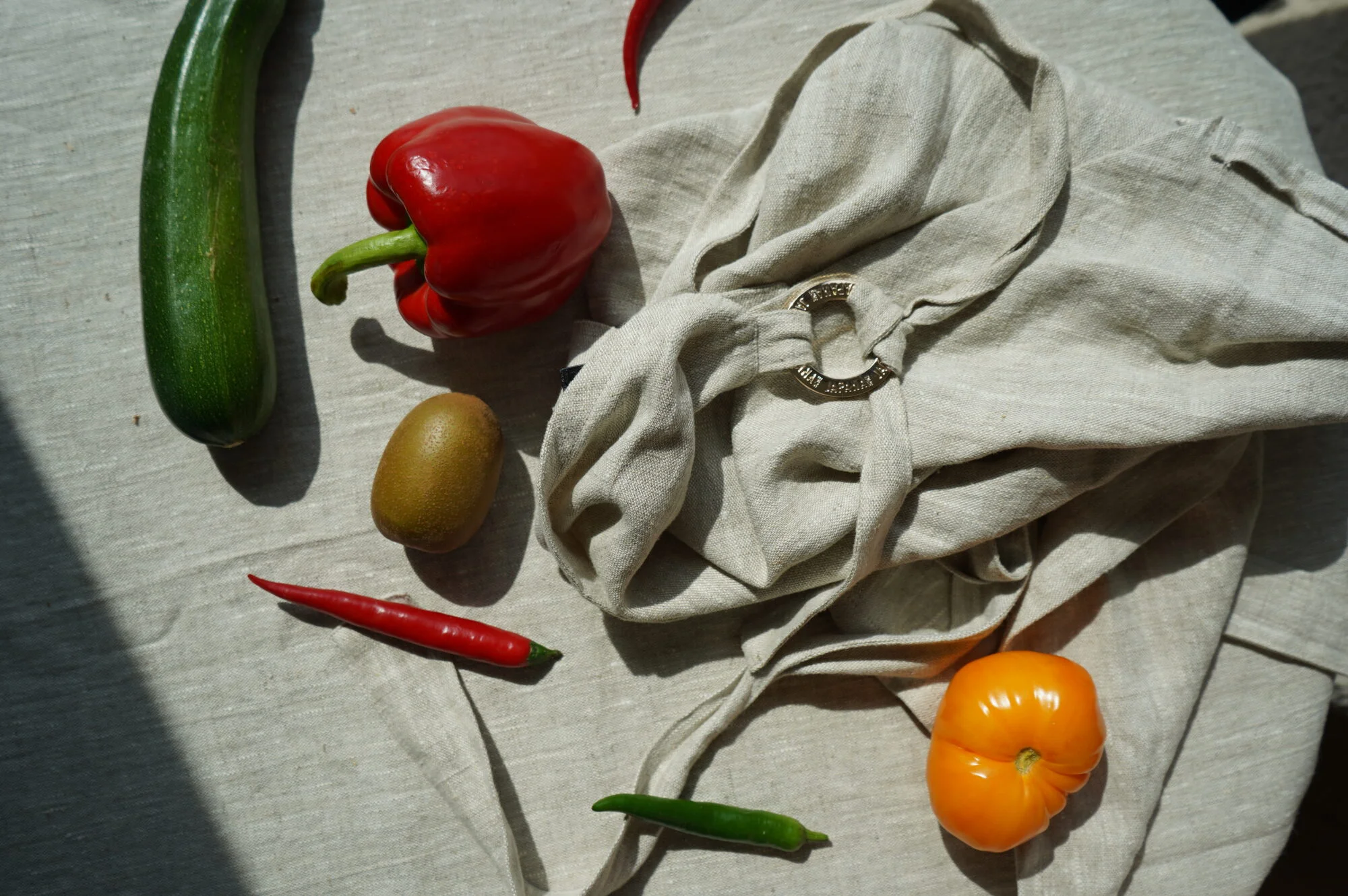
Linen is naturally anti-bacterial, eco-friendly and very absorbent, which is why it has become a staple fabric for kitchen towels and tableware.

Can pregnant women eat sushi? Cooked rolls are generally fine, but raw fish and high-mercury species like swordfish are best avoided.

A guide to safer online shopping: vet unfamiliar stores, read third-party reviews, check for contact details, and use tools like ScamAdviser.
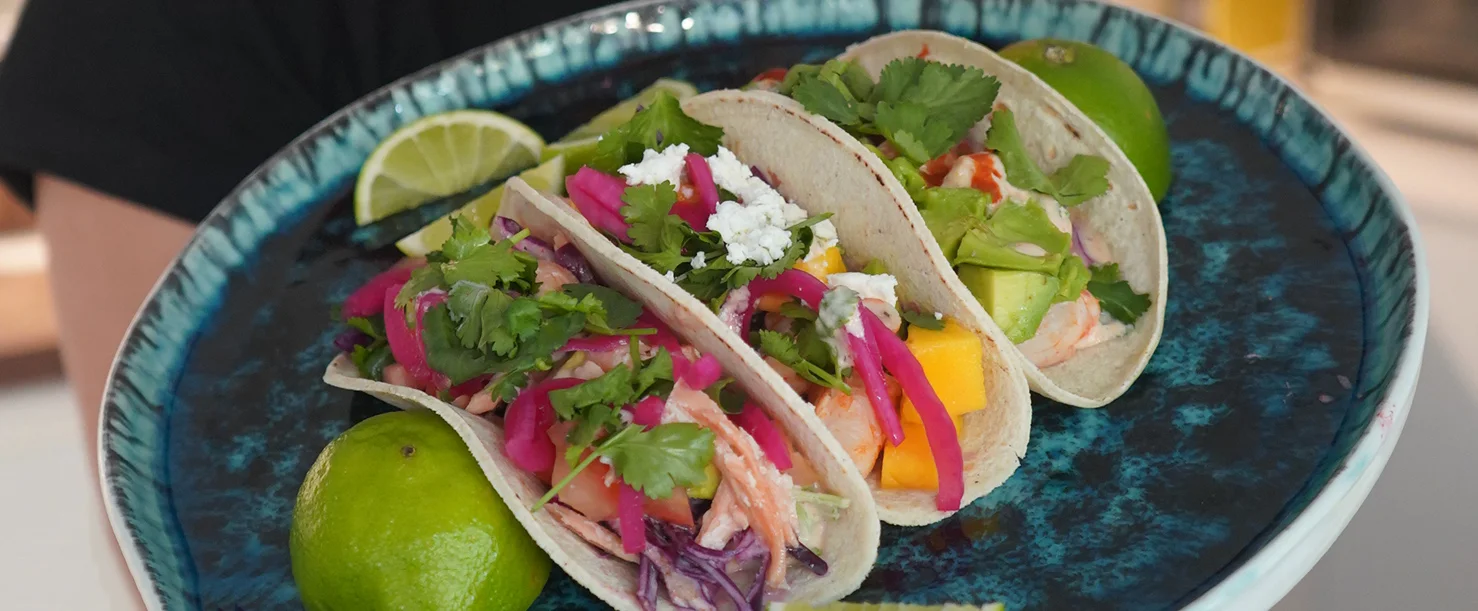
Fish tacos with seasoned white fish and prawns on corn tortillas, topped with cabbage, avocado and a spicy lime crema sauce.
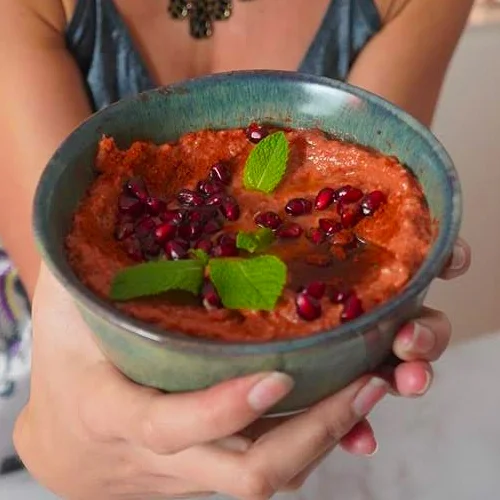
Muhammara, the roasted red pepper and walnut dip from Aleppo, blended with pomegranate molasses, cumin and lemon for a sweet, smoky spread.

The story of Japanese whisky, from Commodore Perry’s 1853 gift barrel to Masataka Taketsuru studying the craft in Scotland.

A lighter butter chicken recipe with yogurt-marinated chicken in a spiced tomato and cream sauce, served with naan. A fitting Halloween dish.

Three reasons couples who cook together build stronger relationships, from learning side by side to connecting and making memories in the kitchen.
The three main ways to store kitchen knives safely around children, comparing drawer inserts, countertop blocks and wall-mounted magnetic strips.
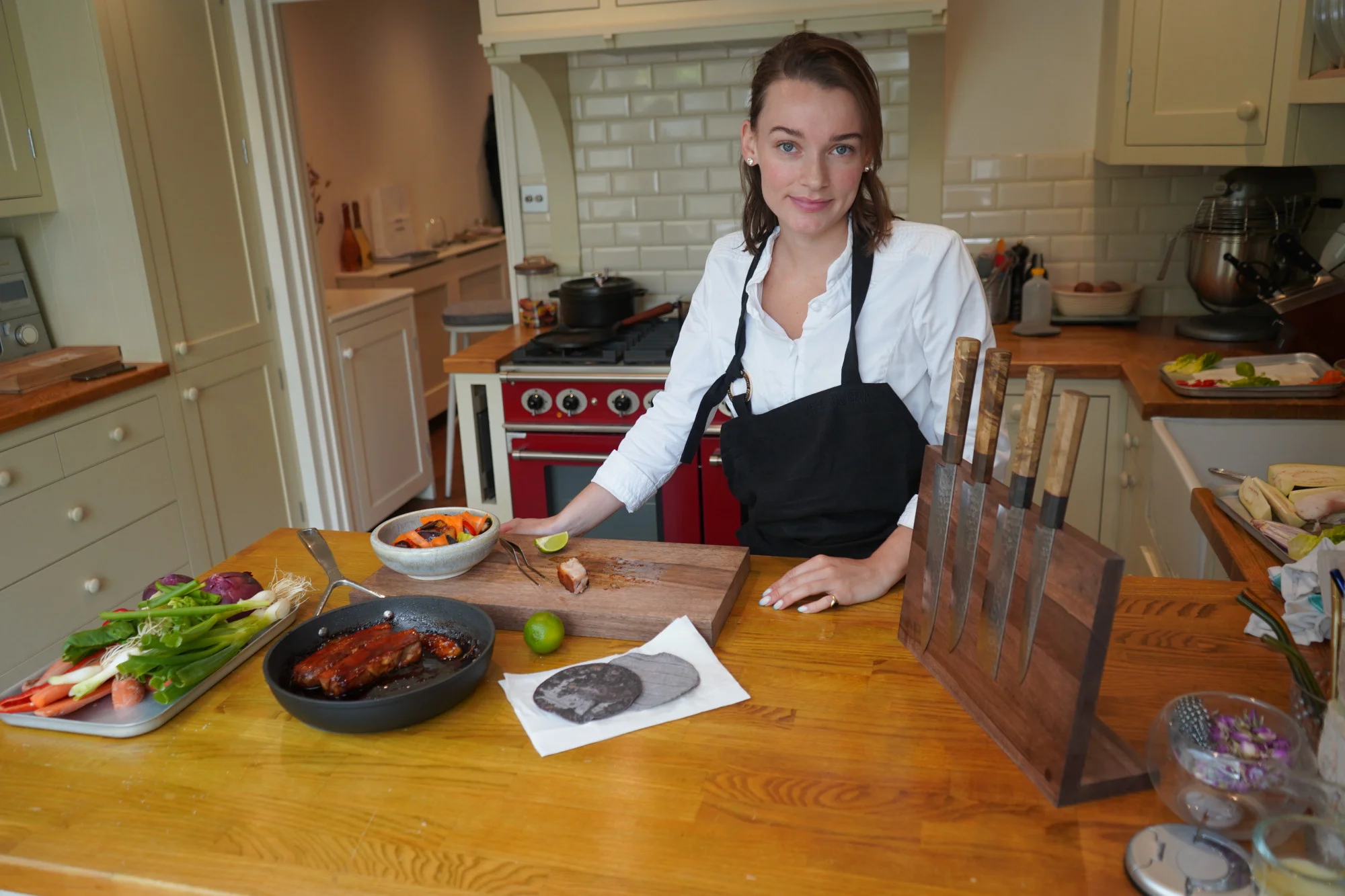
Chef Olivia Burt’s three tips for caring for Japanese knives: use a flat wooden board, store them on a magnetic rack, and never use the dishwasher.